Category: USA

  • Federal judge blocks the Trump administration from pulling funding for sex ed on gender diversity

    Federal judge blocks the Trump administration from pulling funding for sex ed on gender diversity

    PORTLAND, Ore. (AP) — A federal judge in Oregon has blocked President Donald Trump’s administration from pulling sexual education funding over curricula mentioning diverse gender identities.

    U.S. District Judge Ann Aiken issued the preliminary injunction Monday as part of a lawsuit filed against the Health and Human Services Department by 16 states and the District of Columbia, which argued that pulling such money violated the separation of powers and federal law.

    The complaint, filed last month, says the department is attempting to force the states to “rewrite sexual health curricula to erase entire categories of students.” It describes the action as “the latest attempt from the current administration to target and harm transgender and gender-diverse youth.” The administration said in court filings that Health and Human Services has the authority to impose conditions for receiving funding grants.

    Aiken wrote that the department “provides no evidence that it made factual findings or considered the statutory objectives and express requirements, the relevant data, the applicable anti-sex-discrimination statutes and its own regulations.” The judge added that the department also “fails to show that the new grant conditions are reasonable.”

    The department did not immediately respond to an emailed request for comment, but said in a previous statement after the complaint was filed that it was “committed to its mission of removing radical gender and DEI ideology from federal programs,” referring to initiatives focusing on diversity, equity and inclusion.

    Minnesota Attorney General Keith Ellison, whose state co-led the lawsuit with Oregon and Washington, welcomed the ruling and said he was “pleased to have protected funding for important health education programs.”

    Since President Donald Trump returned to the White House in January, his administration has sought to recognize people as only male or female.

    Health Department went after 2 programs

    The health department wants to prohibit the inclusion of what it describes as “gender ideology” in lessons funded by the Personal Responsibility Education Program (PREP) and the Title V Sexual Risk Avoidance Education program. The federal grants are used to teach about abstinence and contraception for the prevention of pregnancy and sexually transmitted infections.

    The plaintiff states said the grant conditions the department is seeking to impose violate federal law, the separation of powers and Congress’ spending power. They also argued that losing the money would harm state programs by making them less effective in providing sex ed, including to youth at high risk of becoming pregnant or contracting sexually transmitted diseases.

    The termination of money under the two federal grant programs could result in a loss of at least $35 million to the plaintiff states, according to the complaint.

    In court filings, the administration said agencies have the authority to impose grant terms and argued that claims against the federal government over contracts, including grants, should be heard by a different court, the U.S. Court of Federal Claims.

    In April, the health department asked the plaintiff states to share curricula and materials used for lessons funded by the PREP grant, according to the complaint. In a letter, the department said it was conducting a “medical accuracy review.”

    Related: Blocking the Trump White House with Attorney General Keith Ellison at MinnPost Festival 2025

    In August, the department issued new conditions prohibiting grant recipients from “including gender ideology in any program or service that is funded with this award.” That month, it warned states that they had 60 days to change lessons or lose their PREP grants; California was warned previously, and its $12 million grant was stripped Aug. 21.

    At the heart of some of the legal debate in the case is the definition of “medically accurate.” Under federal law, curricula under the two programs must be “medically accurate and complete.”

    “The agency’s restriction on ‘gender ideology’ ensures that federal funds support curricula rooted in biological and medical science rather than in contested sociopolitical theories regarding gender identity,” the administration said in court filings.

    The plaintiff states argued their programs are medically accurate and submitted written declarations from health experts such as Kate Millington, a pediatric endocrinologist and associate professor of pediatrics at Brown University.

    “Stating that gender is binary and that other non-binary gender identities do not exist is not consistent with the medical and scientific understanding of gender identity,” Millington said.

    In court filings, Minnesota officials shared examples of materials that Health and Human Services flagged for removal, such as curricula mentioning different pronouns and how some people identify with a gender that is different than their biological sex.

    Washington Attorney General Nick Brown previously said the department threatened to cancel PREP grants if his state didn’t remove wording from a high school curriculum that says: “People of all sexual orientations and gender identities need to know how to prevent pregnancy and STIs, either for themselves or to help a friend.”

    The other plaintiffs are Colorado, Connecticut, Delaware, Hawaii, Illinois, Massachusetts, Maryland, Maine, Michigan, New Jersey, New York, Rhode Island and Wisconsin. All plaintiff states have Democratic governors.

    The post Federal judge blocks the Trump administration from pulling funding for sex ed on gender diversity appeared first on MinnPost.

  • A sign of the political times – race for Tina Smith’s Senate seat awash in out-of-state money

    A sign of the political times – race for Tina Smith’s Senate seat awash in out-of-state money

    WASHINGTON – The Republicans and Democrats running for retiring Sen. Tina Smith’s seat all have one thing in common — their campaigns are raising more money from out-of- state contributors than from voters in Minnesota.

    Former NBA player Royce White has raised the smallest amount — $3,211.50 — from Minnesotans, according to a MinnPost analysis of Federal Election Commission data. His campaign, meanwhile, had raised more than $610,000 as of Sept. 30.

    Fellow Republican Adam Schwarze, a former Navy seal, has raised considerably more money from Minnesota donors, $68,556. But that amount was also dwarfed by the total Schwarze’s campaign has taken in, which is about $480,000.

    A third Republican candidate, Navy veteran Tom Weiler, who ran unsuccessfully against Rep. Angie Craig for the 2nd District congressional seat, is a late entrant in the race and did not report any fundraising before Sept. 30.   

    The Democrats who are vying for the Senate seat have raised more money than the Republicans who are trying to flip that seat. But like the Republicans, Craig and Lt. Gov. Peggy Flanagan are greatly dependent on out-of-state donors to fund their campaigns.

    Craig raised $738,386 from in-state itemized individual donations and nearly $4.7 million overall. The candidate also received a sizable amount of non-itemized donations, about $618,000.

    Federal election law does not require a candidate to identify donors who contribute less than $200, so it cannot be determined whether those small donors are from out of state or in state. All of Minnesota’s Senate candidates reported receiving un-itemized deductions, which could impact their tally of out-of-state versus in-state donations.

    Craig also moved $961,595 from her House campaign account. The sources of the original donations are unclear. But the lawmaker also received a lot of out-of-state money in her House campaign war chest.

    Jacob Rubashkin of Inside Elections said it’s not unusual for candidates for a U.S. Senate seat to receive more money from donors who live out of state and can’t vote for the candidates they support.

    “Fundraising is a national endeavor for several reasons, with the main one being that these elections are incredibly expensive,” he said. “You have to look everywhere for your dollars.”

    Between the primary and the general election next November, the Minnesota Senate race is expected to cost at least $30 million.

    window.addEventListener(“message”,function(a){if(void 0!==a.data[“datawrapper-height”]){var e=document.querySelectorAll(“iframe”);for(var t in a.data[“datawrapper-height”])for(var r,i=0;r=e[i];i++)if(r.contentWindow===a.source){var d=a.data[“datawrapper-height”][t]+”px”;r.style.height=d}}});

    Minnesota still No. 1, but not for everyone

    Democrats, who are generally more dependent than Republicans on grassroots donors, have even greater reason to “cast a wide net,” Rubashkin said.   

    Flanagan campaign spokeswoman Alexandra Fetissoff noted that the lieutenant governor has received small donations from each corner of the state, as well as distant locales.

    “The majority of Peggy’s grassroot support comes from Minnesota with donations from all 87 counties,” Fetissoff said. “Her campaign also has donations from all 50 states because Democrats across the country realize how critical this race is in deciding the next chapter of the Democratic Party — progressive values versus corporate Democrats.”

    Many out-of-town donors give small monthly donations to campaigns. But other out-of-town donors — like New Yorker and former White House spokesman Anthony Scaramucci, who donated $7,000 to Craig’s campaign — give the maximum the FEC allows. That maximum is $3,500 for a primary and another $3,500 for the general election.

    Craig, whose competitive races for the 2nd District congressional seat helped make her a skilled campaigner and fundraiser, has outpaced Flanagan in raking in donations.

    And like Flanagan’s, Craig’s campaign also touts its grassroots donations.

    “Over 90% of her contributions are $100 or less, and this past quarter she received donations from all 87 counties and had 12,000 new donors,” Craig’s campaign said in a statement. “It is clear that the congresswoman has the upward momentum and is in the best position to defend Minnesota’s U.S. Senate seat and represent this great state on Day 1.”

    While lots of out-of-state money is fueling Minnesota’s Senate race, the state that has given the most money to each of the candidates, except White, is Minnesota.

    White has raised far more money in California ($18,000,) Arizona ($17,000,) Texas (more than $13,000,) and Florida ($10,000), compared with the just over $3,200 he’s raised in individual contributions from Minnesota.

    The post A sign of the political times – race for Tina Smith’s Senate seat awash in out-of-state money appeared first on MinnPost.

  • With Medicaid benefits on the line, tech tools not up to the task of determining eligibility

    With Medicaid benefits on the line, tech tools not up to the task of determining eligibility


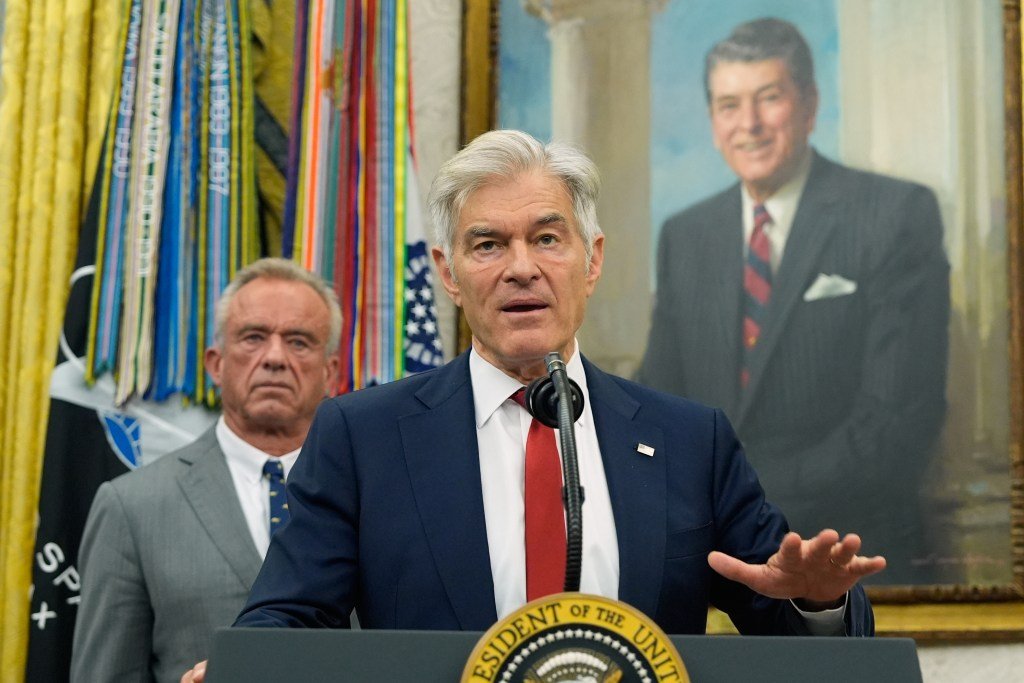
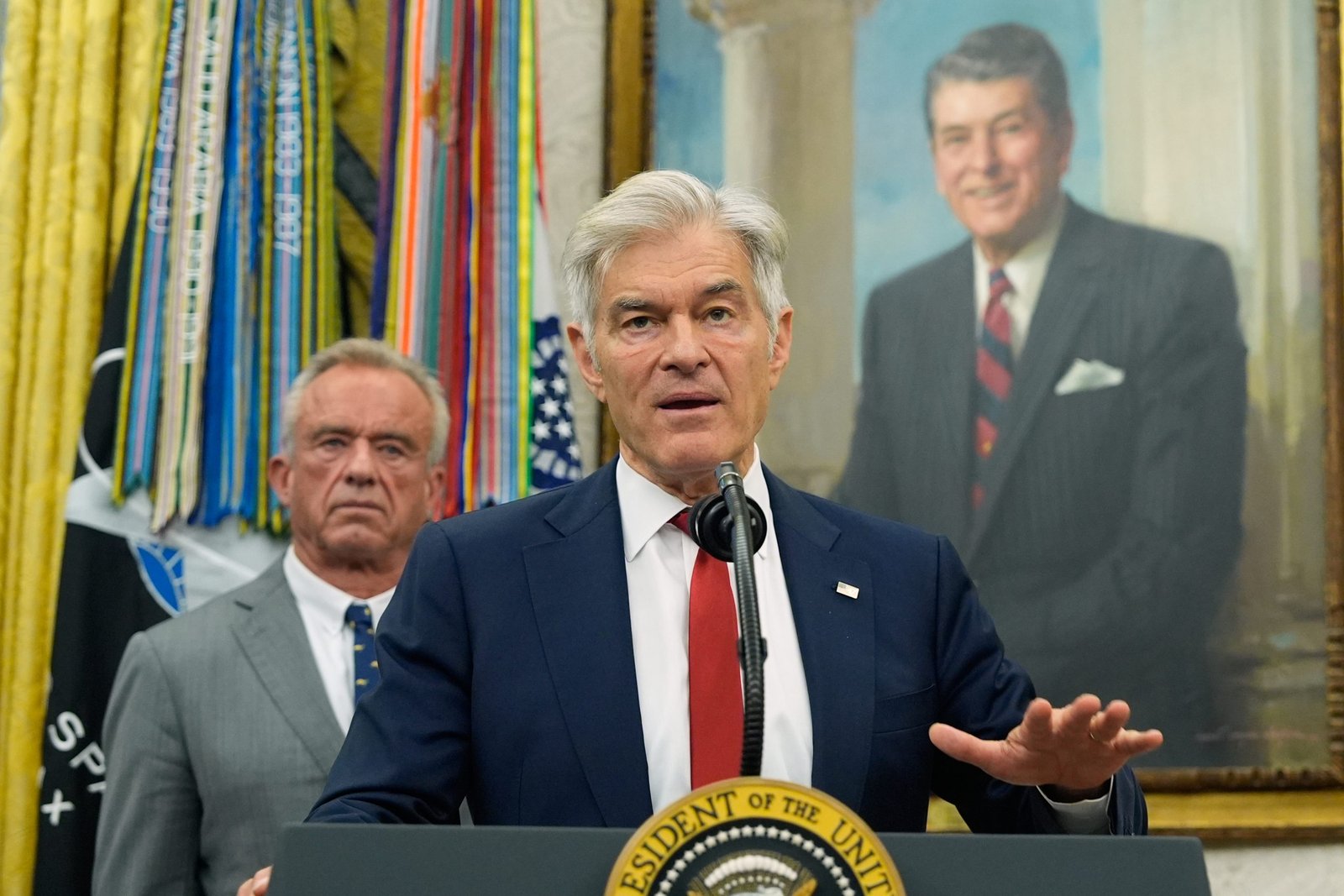
    a man in a suit stands in front of a man in a suit and another main in a suit that is in a painting

    This summer, the state of Louisiana texted just over 13,000 people enrolled in its Medicaid program with a link to a website where they could confirm their incomes.

    The texts were part of a pilot run to test technology the Trump administration says will make it easier for some Medicaid enrollees to prove they meet new requirements — working, studying, job training, or volunteering at least 80 hours a month — set to take effect in just over a year.

    But only 894 people completed the quarterly wage check, or just under 7% of enrollees who got the text, according to Drew Maranto, undersecretary for the Louisiana Department of Health.

    “We’re hoping to get more to opt in,” Maranto said. “We plan to raise awareness.”

    The clock is ticking for officials in 42 states — excluding those that did not expand Medicaid at all — and Washington, D.C., to figure out how to verify that an estimated 18.5 million Medicaid enrollees meet rules included in President Donald Trump’s tax and spending law. They have until the end of next year, and federal officials are giving those jurisdictions a total of $200 million to do so.

    The policy change is one of several to free up money for Trump’s priorities, such as increased border security and tax breaks that mainly benefit the wealthy.

    The nonpartisan Congressional Budget Office has said the work rules will be the main reason millions of people won’t be able to access health insurance over the next decade. It estimates changes to the Medicaid program will result in 10 million fewer Americans covered by 2034 — more than half of them because of the eligibility rules.

    For now, state officials, health policy researchers, and consumer advocates are watching the pilot program in Louisiana and another in Arizona. Mehmet Oz, director of the Centers for Medicare & Medicaid Services, has touted those test-drives and said they will allow people to verify their incomes “within seven minutes.”

    “There have been efforts to do this in the past, but they haven’t been able to achieve what we can achieve because we have technologies now,” said Oz, during a television appearance in August.

    Brian Blase, the president of the conservative Paragon Health Institute and a key architect of Medicaid changes in the new law, has chimed in, saying during a recent radio appearance that with today’s artificial intelligence “people should be able to seamlessly enter how they are spending their time.”

    KFF Health News found scant evidence to support such claims. Federal and state officials have offered little insight into what new technology the two pilots have tested. They do say, however, that it connects directly with the websites of Medicaid enrollees’ payroll providers, rather than using artificial intelligence to draw conclusions about their activities.

    Oz said the Trump administration’s efforts started “as soon as the bill was signed” in July. But work on the pilot programs began under the Biden administration.

    And Medicaid is a state-federal program: The federal government contributes most of the funds, but it is up to the states to administer them, not the federal government.

    “Oz can say, ‘Oh no, we’re going to fix this. We’re going to do this.’ Well, they don’t actually run the program,” said Joan Alker, a health policy researcher at Georgetown’s Center for Children and Families.

    Officials have also offered few details about the pilots’ effectiveness in assisting enrollees in Medicaid or other public benefit programs.

    The shortage of information has some state officials and health policy researchers worried that the Trump administration lacks viable solutions to help states implement the work rules. As a result, they say, people with a legal right to Medicaid benefits could lose access to them.

    “What actually keeps me up at night is the fear that members that are eligible for Medicaid and are trying to get health care services would fall through the cracks and lose coverage,” said Emma Sandoe, Oregon’s Medicaid director.

    Officials involved in the Louisiana and Arizona projects declined to answer many specific questions about their efforts, instead directing KFF Health News to federal officials.

    Spokespeople for Arizona’s Medicaid and Economic Security departments — Johnny Córdoba and Brett Bezio, respectively — did not share data on how many people participated in the state’s pilot test nor describe the outcome. They said the pilot had been used to verify eligibility only for the federal Supplemental Nutrition Assistance Program, a smaller program than Medicaid.

    The Community Food Bank of Southern Arizona, a nonprofit that helps people sign up for such SNAP benefits, hadn’t heard of the pilot program.

    State officials and health policy researchers said neither pilot program could confirm whether a person meets other qualifying activities — such as community service — or any of the numerous exemptions. The tools being tested can verify only income.

    Andrew Nixon, director of communications for the U.S. Department of Health and Human Services, which oversees Oz’s agency, wrote in a statement that the digital tools officials aim to share with states “are largely under development.”

    One person doing that development is Michael Burstein, who until recently worked at the U.S. Digital Service, which later became known as the Department of Government Efficiency.

    As the U.S. Digital Service was turned into DOGE, Burstein and other staffers left and started a nonprofit called Digital Public Works to finish supporting the technology to make it easier for people to verify their incomes for Medicaid enrollment.

    But without permission from state officials, Burstein would not describe the tool in development, aside from saying that it’s mobile-first, can quickly verify income for a new or returning client, “and we’re pretty happy with it.”

    The state agencies that manage benefit programs, such as Medicaid and SNAP, are understaffed, and they use different eligibility systems, many of which need updating, which makes improving them “a challenging task,” he said.

    The $200 million in start-up costs the federal government has earmarked for systems to track work requirements equals roughly four times what it cost to administer Georgia’s Medicaid work requirement program alone.

    That state, which has the nation’s only active work requirement program, called Georgia Pathways to Coverage, in September was granted a temporary extension, despite a recent report from a federal watchdog saying it hadn’t received enough federal oversight. A complicated sign-up process has kept enrollment in the program far below Georgia’s own projections.

    Trump’s tax and spending law allows states to ask for extra time — until the end of 2028 — to start enforcing the rules, but only with the approval of HHS Secretary Robert F. Kennedy Jr. It also allows counties with high unemployment rates to be exempted, but states must apply for that exemption.

    Even with an app that states can use to prove people are eligible for Medicaid, enrollees would still need to know that app existed and how to use it — neither of which is a given, Alker said. There is also no guarantee they’d have reliable cell service or internet access. As KFF Health News has reported, millions of Americans live in rural areas without reliable internet.

    Private vendors also have been working on such apps, said Jennifer Wagner, who researches Medicaid eligibility and enrollment at the Center on Budget and Policy Priorities. Wagner said she has seen several vendors demonstrate products they plan to pitch to states for the work rules. Many are limited in scope, she said, like those in the pilot tests.

    “Nobody has a magical solution that’ll make sure eligible people don’t lose coverage,” she said.


    KFF Health News is a national newsroom that produces in-depth journalism about health issues and is one of the core operating programs at KFF—an independent source of health policy research, polling, and journalism. Learn more about KFF.

    Subscribe to KFF Health News’ free Morning Briefing.

    This article first appeared on KFF Health News and is republished here under a Creative Commons Attribution-NoDerivatives 4.0 International License.

    The post With Medicaid benefits on the line, tech tools not up to the task of determining eligibility appeared first on MinnPost.

  • Government shutdown continues to add to stress on air traffic controllers and disrupt flights

    Government shutdown continues to add to stress on air traffic controllers and disrupt flights

    The ongoing government shutdown continues to disrupt flights at times and put pressure on air traffic controllers who are working without pay.

    Flights were delayed Thursday at New York’s LaGuardia Airport, New Jersey’s Newark airport and Washington’s Reagan National Airport because of air traffic controller shortages. The number of flight delays for any reason nationwide spiked to 6,158 Thursday after hovering around 4,000 a day earlier in the week, according to FlightAware.com.

    Many Federal Aviation Administration facilities are so critically short on controllers that just a few absences can cause disruptions, and Transportation Secretary Sean Duffy has said that more air traffic controllers have been calling in sick since the shutdown began. Early on in the shutdown, there were a number of disruptions at airports across the country, but for the past couple of weeks, there haven’t been as many problems.

    Duffy said the disruptions and delays will only get worse next week after Tuesday’s payday arrives and “their paycheck is going to be a big fat zero.” He said controllers are telling him they are worried about how to pay their bills and frustrated with the shutdown.

    “The stress level that our controllers are under right now, I think is unacceptable,” he said at a news conference Friday at the Philadelphia airport

    The shutdown is having real consequences, as some students at the controller academy have already decided to abandon the profession because they don’t want to work in a job they won’t be paid for, Duffy said.

    That will only make it harder for the FAA to hire enough controllers to eliminate the shortage, since training takes years. He said that the government is only a week or two away from running out of money to pay students at the academy.

    “We’re getting word back right now from our academy in Oklahoma City that some of our young controllers in the academy and some who have been given spots in the next class of the academy are bailing. They’re walking away,” Duffy said. “They’re asking themselves, why do I want to go into a profession where I could work hard and have the potential of not being paid for my services?”

    The head of the air traffic controllers union, Nick Daniels, joined Duffy. He said that already some controllers have taken on second jobs delivering DoorDash or driving for Uber to earn some cash to help them pay their bills while the shutdown drags on.

    “As this shutdown continues, and air traffic controllers are not paid for the vital work that they do day in and day out, that leads to an unnecessary distraction,” Daniels said. “They cannot be 100% focused on their jobs, which makes this system less safe. Every day that this shutdown continues, tomorrow, we’ll be less safe than today.”

    Airlines and airports across the country have started buying controllers meals and helping them connect with food banks and other services to help them get through the shutdown.

    The greatest concern is for new controllers who might make less than $50,000, but even experienced controllers who make well over six figures while working six days a week may be living paycheck to paycheck without much cushion in their budgets. Daniels said it’s not fair that controllers are facing impossible choices about whether to pay for rent or childcare or groceries.

    Duffy has said that air traffic controllers who abuse their sick time during the shutdown could be fired.

    Republicans and Democrats have been unable to reach an agreement to end the shutdown that began on Oct. 1. The airlines and major unions across the industry have urged Congress to make a deal to end the shutdown.

    Air Line Pilots Association President Capt. Jason Ambrosi said in a message to his members that he’s concerned about air traffic controllers and other federal employees.

    “The safety of millions of passengers and tens of thousands of tons of cargo is in the hands of these workers. Worrying about how they’ll make their mortgage payment or pay for daycare is an added stress they do not need,” Ambrosi said.

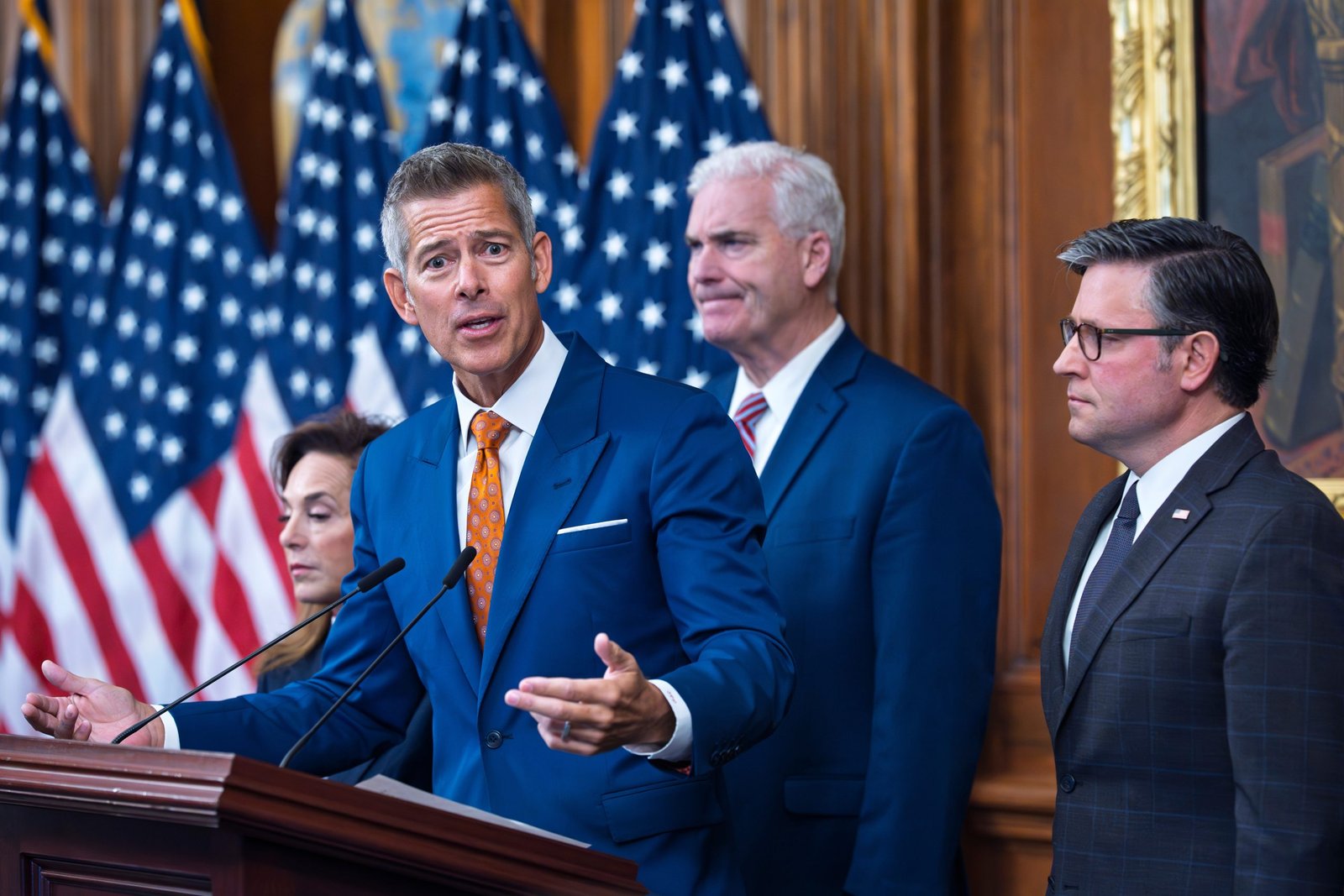
    Rep. Sam Graves, who is Chairman of the House Transportation and Infrastructure Committee, urged Democrats to support the GOP bill to fund the government to help ensure the safety of the flying public.

    “Our aviation system has operated safely throughout the shutdown, but it’s putting an incredible and unnecessary strain on the system, and on our air traffic controllers, flight crews, and many other aviation professionals,” said Graves, a Missouri Republican.

    The post Government shutdown continues to add to stress on air traffic controllers and disrupt flights appeared first on MinnPost.
  • Pentagon accepts $130 million donation to help pay the military during the government shutdown

    Pentagon accepts $130 million donation to help pay the military during the government shutdown

    WASHINGTON (AP) — The Pentagon confirmed Friday that it has accepted an anonymous $130 million gift to help pay members of the military during the government shutdown, raising ethical questions after President Donald Trump had announced that a friend had offered the gift to defray any shortfalls.

    While large and unusual, the gift amounts to a small contribution toward the billions needed to cover service member paychecks. The Trump administration told Congress last week that it used $6.5 billion to make payroll. The next payday is coming within the week, and it is unclear if the administration will again move money around to ensure the military does not go without compensation.

    “That’s what I call a patriot,” Trump said during a White House event Thursday when he disclosed the payment from the donor.

    The president declined to name the person, whom he called “a friend of mine,” saying the man didn’t want the recognition.

    The Pentagon confirmed it had accepted the donation on Thursday “under its general gift acceptance authority.”

    “The donation was made on the condition that it be used to offset the cost of Service members’ salaries and benefits,” said Sean Parnell, chief spokesman for the Pentagon. “We are grateful for this donor’s assistance after Democrats opted to withhold pay from troops.”

    Congress is at a stalemate over the government shutdown, now on track to become one of the longest federal closures ever, in its 24th day. Neither Republicans, who have control of the House and Senate, nor Democrats, in the minority, are willing to budge in their broader standoff over health care funding.

    Payment for service members is a key concern among lawmakers of both parties as well as a point of political leverage. The Trump administration shifted $8 billion from military research and development funds to make payroll last week, ensuring that military compensation did not lapse.

    But it is unclear if the Trump administration will be willing — or able — to shift money again next week as tensions rise over the protracted shutdown.

    While the $130 million is a hefty sum, it would cover just a fraction of the billions needed for military paychecks. Trump said the donation was to cover any “shortfall.”

    What’s unclear, however, is the regulations around such a donation.

    Pentagon policy says authorities “must consult with their appropriate Ethics Official before accepting such a gift valued in excess of $10,000 to determine whether the donor is involved in any claims, procurement actions, litigation, or other particular matters involving the Department that must be considered prior to gift acceptance.”

    The post Pentagon accepts $130 million donation to help pay the military during the government shutdown appeared first on MinnPost.

  • Officials warn SNAP recipients there’s ‘no guarantee’ of November benefits and little the state can do

    Officials warn SNAP recipients there’s ‘no guarantee’ of November benefits and little the state can do

    (Oct. 24) State officials painted a grim picture of the impact of the federal government shutdown’s imminent threat to the food stamp program, which helps about 440,000 Minnesotans put food on the table.

    “We are here with very heavy, heavy hearts,” said Irene Fernando, chair of the Hennepin County Board at a Friday press conference. She called the likely cutoff of aid “a devastating disruption.”

    Commissioner Tikki Brown of the Minnesota Department of Children, Youth, and Families, which is responsible for the food stamp program in the state, said household costs have increased 25% from pre-pandemic levels. 

    “So the shutdown significantly increases risks to Minnesotans who are already facing incredibly tight budgets,” Brown said.

    She said food stamp recipients receive an average of $6 a day and the state does not have the resources to “backfill” the nearly $73 million the state receives each month to fund the food stamp program.

    Brown called on “Congress to take action so these vital benefits could go out to Minnesotans, allowing them to eat in November.”

    Benefits for those enrolled in the Supplemental Nutrition Assistance Program (SNAP) will end on Nov. 1 unless Congress acts to reopen the government.

    But there’s little likelihood of that as both Republicans and Democrats in Congress dug in even further this week.

    Republicans have been hampered by a lack of clear guidance from President Trump. Once again, House Speaker Mike Johnson has continued to keep the U.S. House out of session through next week. Johnson also continues to insist that it has done its job by passing a Republican stopgap spending bill that would fund the government until Nov. 21.

    Meanwhile, Democrats have little incentive to support that GOP stopgap bill without receiving concessions because polls consistently show that voters blame the GOP slightly more than Democrats for the shutdown.

    In addition, Americans who purchase insurance through the Affordable Care Act’s marketplaces will receive notices beginning Nov. 1 of a sharp increase in premiums. 

    An uproar over the cost of health insurance could help Democrats. They  have demanded that the extension of enhanced ACA premium credits that lower the cost of health insurance plans be part of any deal to reopen the government.

    The Department of Children, Youth, and Families began this week to warn food stamp recipients that they won’t receive their benefits for November. Those notices are going just as food banks across the nation are already facing increased demand.

    Sarah Mobers, the CEO of Second Harvest Heartland, said the situation in the state “is moving us from a hunger crisis to a hunger catastrophe.”

    Meanwhile, Brown advised that “checking in with neighbors and friends is especially important at this moment.”

    The post Officials warn SNAP recipients there’s ‘no guarantee’ of November benefits and little the state can do appeared first on MinnPost.

  • Trump says a Canadian ad misstated Ronald Reagan’s views on tariffs. Here are the facts and context

    Trump says a Canadian ad misstated Ronald Reagan’s views on tariffs. Here are the facts and context

    WASHINGTON (AP) — President Donald Trump pulled out of trade talks with Canada Thursday night, furious over what he called a “fake’’ television ad from Ontario’s provincial government that quoted former U.S. President Ronald Reagan from 38 years ago criticizing tariffs — Trump’s favorite economic tool.

    The ad features audio excerpts from an April 25, 1987 radio address in which Reagan said: “Over the long run such trade barriers hurt every American worker and consumer.’’

    Trump attacked the ad on Truth Social Friday posting: “CANADA CHEATED AND GOT CAUGHT!!! They fraudulently took a big buy ad saying that Ronald Reagan did not like Tariffs, when actually he LOVED TARIFFS FOR OUR COUNTRY, AND ITS NATIONAL SECURITY.″

    The Ronald Reagan Presidential Foundation and Institute criticized the ad on X Thursday night posting that it “misrepresents the ‘Presidential Radio Address to the Nation on Free and Fair Trade’ dated April 25, 1987.”

    While Trump called the ad fake, Reagan’s words were real. But context is missing.

    Here’s a look at the facts:

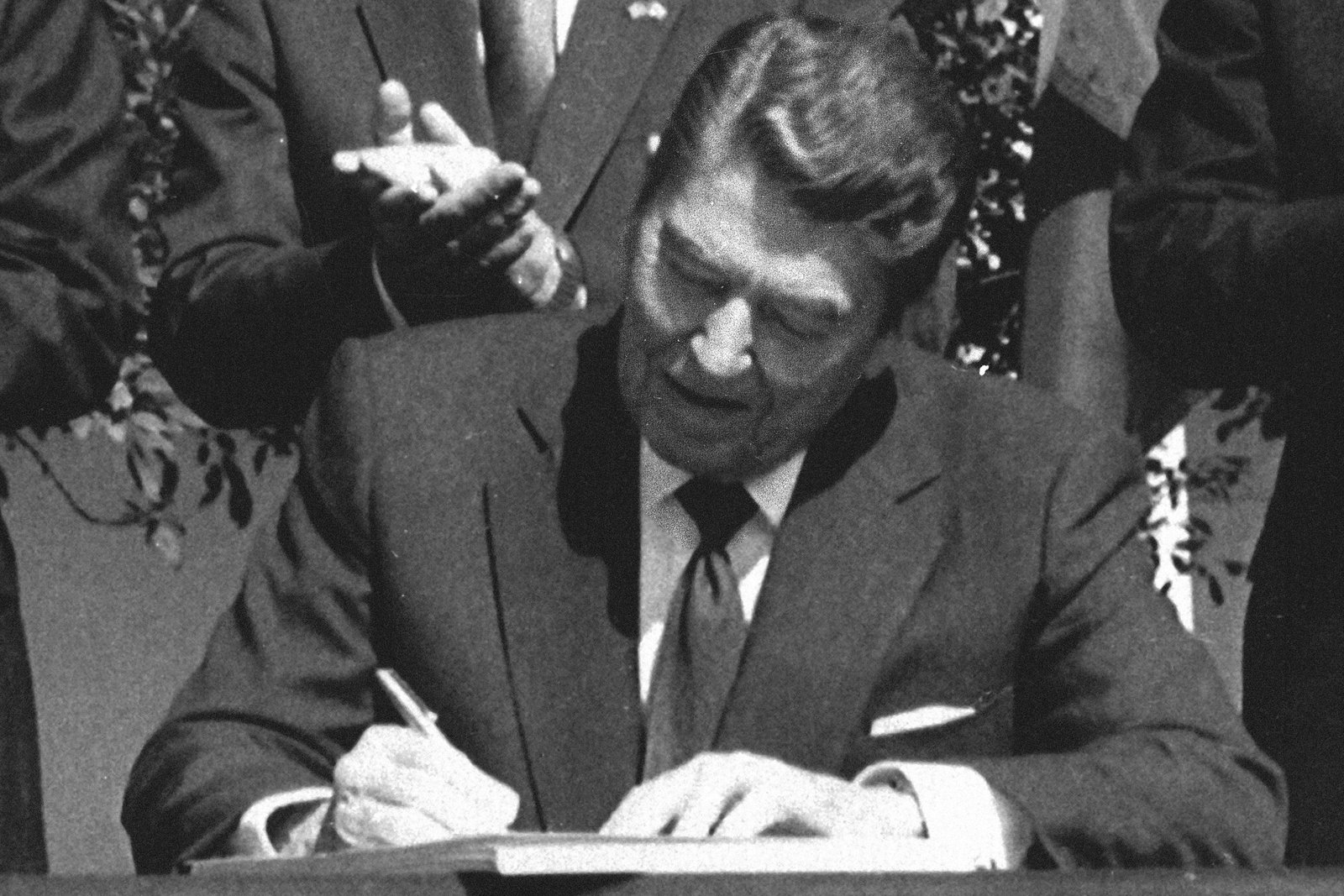
    Reagan, who held office during a period of growing fear over Japan’s rising economic might, made the address a week after he himself had imposed tariffs on Japanese semiconductors; he was attempting to explain the decision, which seemed at odds with his reputation as a free trader.

    Reagan did not, in fact, love tariffs. He often criticized government policies – including protectionist measures such as tariffs – that interfered with free commerce and he spent much of 1987 radio address spelling out the case against tariffs.

    “High tariffs inevitably lead to retaliation by foreign countries and the triggering of fierce trade wars,” he said. “The result is more and more tariffs, higher and higher trade barriers, and less and less competition. So, soon, because of the prices made artificially high by tariffs that subsidize inefficiency and poor management, people stop buying. Then the worst happens: Markets shrink and collapse; businesses and industries shut down; and millions of people lose their jobs.”

    But Reagan’s policies were more complicated than his rhetoric.

    In addition to taxing Japanese semiconductors, Reagan slapped levies on heavy motorcycles from Japan to protect Harley-Davidson. He also strong-armed Japanese automakers into accepting “voluntary’’ limitations on their exports to the United States, ultimately encouraging them to set up factories in the American Midwest and South.

    And he pressured other countries to push down the value of the currencies to help make American exports more competitive in world markets.

    Robert Lighthizer, a Reagan trade official who served as Trump’s top trade negotiator from 2017 through 2021, wrote in his 2023 memoir that “President Reagan distinguished between free trade in theory and free trade in practice.’’

    In 1988, an analyst at the libertarian Cato Institute even declared Reagan “ the most protectionist president since Herbert Hoover, the heavyweight champion of protectionists.’’

    Reagan, though, was no trade warrior. Discussing his semiconductor tariffs in the April 1987 radio address, he said that he was forced to impose them because the Japanese were not living up to a trade agreement and that “such tariffs or trade barriers and restrictions of any kind are steps that I am loath to take.’’

    Trump, on the other hand, has no such reticence. He argues that tariffs can protect American industry, draw manufacturing back to the United States and raise money for the Treasury. Since returning to the White House in January, he has slapped double-digit tariffs on almost every country on earth and targeted specific products including autos, steel and pharmaceuticals.

    The average effective U.S. tariff rate has risen from around 2.5% at the start of the 2025 to 18%, highest since 1934, according to the Budget Lab at Yale University.

    Trump’s enthusiastic use of import taxes — he has proudly called himself “Tariff Man” — has drawn a challenge from businesses and states charging that he overstepped his authority. The Constitution gives Congress the power to levy taxes, including tariffs, though lawmakers have gradually ceded considerable authority over trade policy to the White House. The Supreme Court is set to hear arguments in the case early next month.

    Trump claimed Thursday that the Canadian ad was intended “to interfere with the decision of the U.S. Supreme Court, and other courts.’’

    The post Trump says a Canadian ad misstated Ronald Reagan’s views on tariffs. Here are the facts and context appeared first on MinnPost.

  • Are communism and socialism the same?

    Are communism and socialism the same?

    No.

    Communism and socialism oppose capitalism but are different ideologies, despite the terms sometimes being used interchangeably.

    Communism: Replacing private property and a profit-based economy with public ownership and control of means of production and natural resources. Wealth divided equally, or according to need. One-party government oversees economy.

    Socialism: Public, rather than private, control of property and natural resources, but allowing private property ownership. Socialism can seek to restrain capitalism through democracy or authoritarian control. 

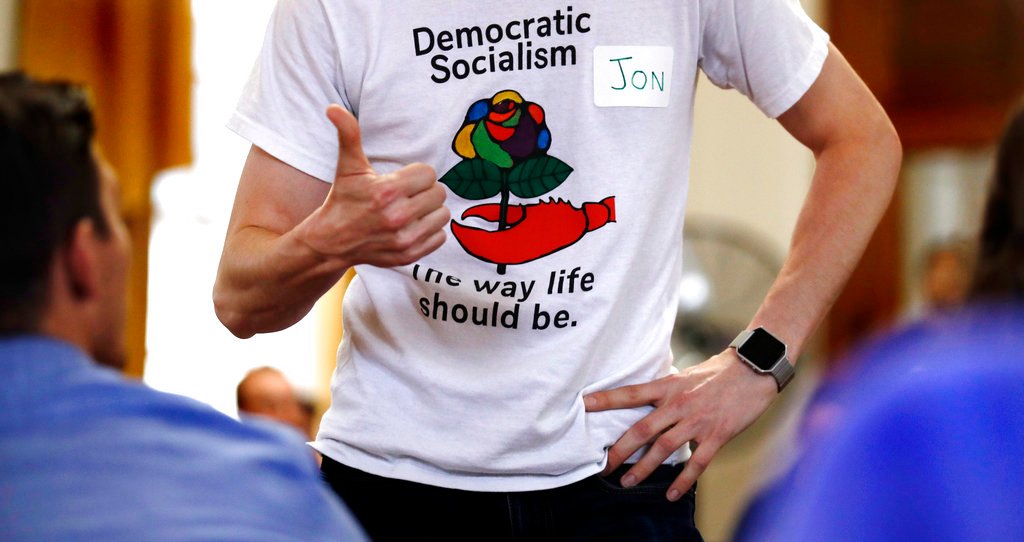
    On Oct. 2, Wisconsin state Sen. Steve Nass, R-Whitewater, called Milwaukee state Rep. Ryan Clancy a communist. Clancy, like New York City mayoral candidate Zohran Mamdani, identifies as a democratic socialist. 

    Clancy’s positions include a right to legal counsel for people facing eviction, shifting funds from law enforcement to community services and eliminating property tax funding of schools.

    Mamdani advocates for freezing rent, government-owned grocery stores and free child care.

    This fact brief, originally published by Wisconsin Watch, is responsive to conversations such as this one.

    Sources on communism vs. socialism

    • Britannica: Socialism
    • Britannica: Communism
    • History.com: How Are Socialism and Communism Different?
    • National Geographic: Socalism
    • Investopedia: Communism vs. Socialism: What’s the Difference?
    • Milwaukee Magazine: Meet Ryan Clancy: The Socialist Next Door
    • Zohran for New York City: The Platform

    The post Are communism and socialism the same? appeared first on MinnPost.

  • Minnesota farmers want trade over aid, but they’d take some aid in the meantime

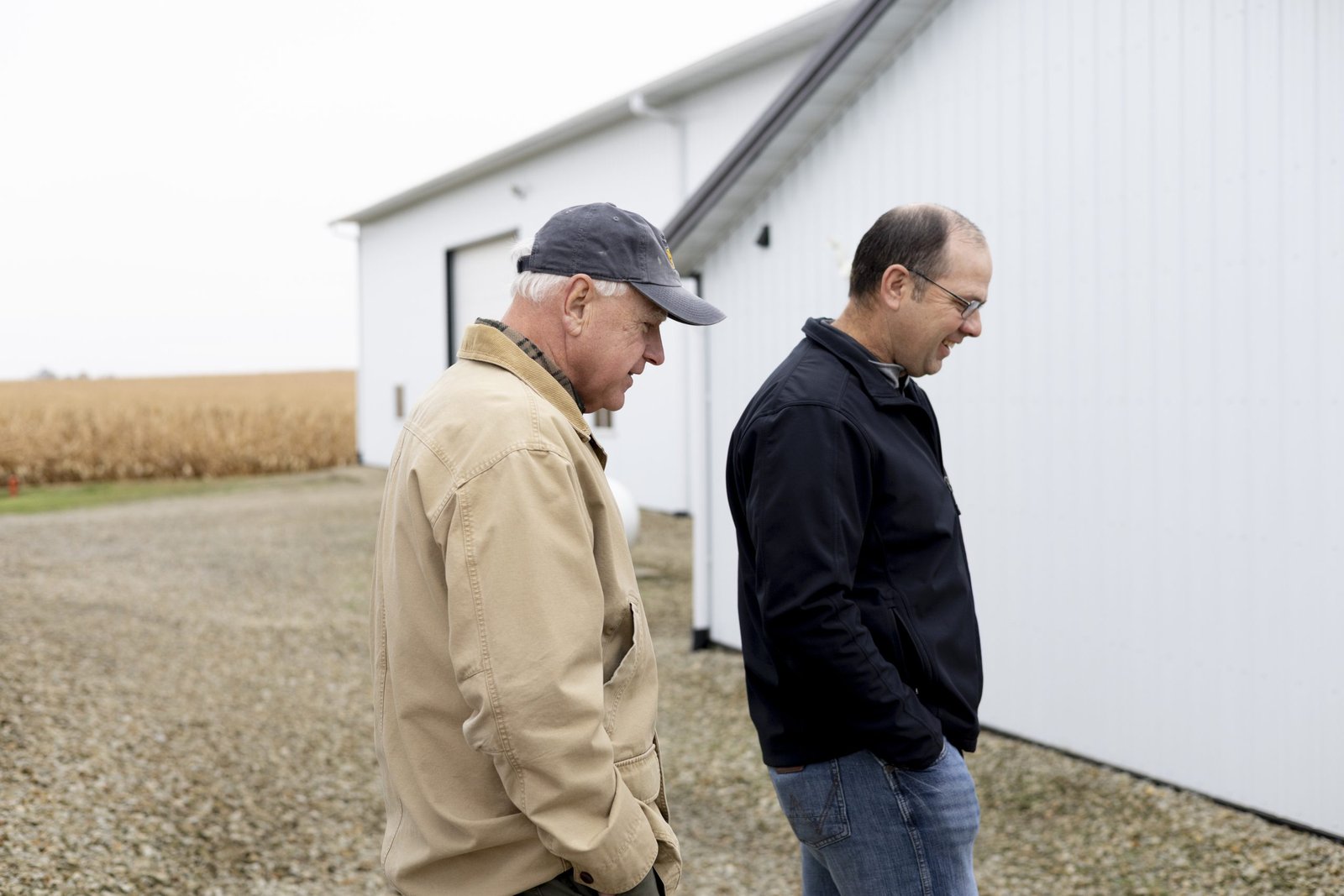
    Minnesota farmers want trade over aid, but they’d take some aid in the meantime

    One person described it as a bridge. Another person saw it as a Band-Aid.

    Whatever the metaphor, they agreed that Minnesota farmers need a bailout package to weather the ongoing U.S.-China trade war. 

    A “bridge payment” until markets open up would be a welcome, temporary step, said Dan Glessing, a dairy farmer who serves as president of the Minnesota Farm Bureau Federation. 

    “It would be appreciated, but it’s not a solution,” he said.

    At an event with Glessing and other agriculture industry leaders last week in Faribault, Gov. Tim Walz said Band-Aids in the form of bailouts can be useful. 

    “When you need a Band-Aid, use the Band-Aid,” he said. “If there’s money to be moved right now to help out, let it help get us through this crisis, but it is not a fix in the long term.”

    On Tuesday, President Donald Trump began making good on his promise to help, directing the U.S. Department of Agriculture to reopen USDA offices that were closed as a result of the federal government’s shutdown and directing them to distribute more than $3 billion in farm aid. The Trump administration coupled that help with an attack on Democrats.

    “President Trump will not let the radical left Democrat shutdown impact critical USDA services while harvest is underway across the country,” Agriculture Secretary Brooke Rollins wrote on X.

    The money comes from a fund Trump tapped during his first term, when he imposed tariffs on China that provoked Beijing to impose retaliatory duties on soybeans, corn, wheat and other American imports. 

    So, the first Trump administration fashioned a rescue package out of money from the U.S. Department of Agriculture’s Commodity Credit Corporation (CCC) fund that gives U.S. farmers hardship payments. In all, the CCC paid out $28 billion to help farmers impacted by the 2018-2019 trade war.

    And the total amount of losses are likely to exceed that $28 billion since the harm of Trump’s trade policies to U.S. farmers is even more severe now. Trump’s tariffs are nearly global in nature and the trade war with China has intensified. China has found new suppliers besides Brazil for soybeans and other farm products it once imported from the United States. Chief among them is Argentina.

    Meanwhile, the CCC has much less money now, and while it can borrow more, there are competing demands.

    Why would a farmer bailout be needed?

    Persistently low crop prices and rising input costs are a bad combination.

    Both are linked to the Trump administration’s policies. Tariffs impact prices on fertilizers, farm equipment and other input costs. New markets could increase demand, which could raise prices, but none come near to replacing China’s outsized soybean market. Identifying other international buyers is more about clawing back yards of lost ground an inch at a time.

    “Some of the trade deals are coming, but not fast enough for what we’re producing,” Glessing said.

    Farmers contend with enough uncertainty in the natural course of business. A crop’s success or failure is subject to the whims of Mother Nature. Worrying about droughts, flooding, tornados and hail comes with the territory.

    Trade wars are another unpredictable variable to throw in the mix, although Trump wasn’t shy about his plans on the campaign trail.

    Gary Wertish, a Renville County farmer and president of the Minnesota Farmer’s Union, has been critical of Trump’s policies. On a bailout, he said it’s a necessary move in an unnecessary trade war. 

    “The farmers need it, there’s no doubt, but it’s kind of been self-inflicted by the president’s policies,” he said.

    Aid from the federal government is an imperative, said Darin Johnson, president of the Minnesota Soybean Growers Association. His preference, however, would be to restore markets that farmers spent years or even decades establishing. 

    “We want free trade and to be able to just get a fair price for the product we’re growing, is how we want to do it,” he said. 

    Grain market economist Ed Usset thinks a large bailout looks likely to happen once the shutdown is over. 

    “If I’m a producer, I’m hoping they are as generous this time around as they were the first time around,” said Usset, who works at the University of Minnesota’s Center for Farm Financial Management.

    How would the Trump administration pay for a bailout?

    While Trump has begun to keep his promise to help farmers, more aid is likely needed. Three sources of that aid are under consideration by his administration. 

    The Commodity Credit Corporation could be tapped again. But there are a few problems. The CCC funds programs Congress has authorized by law, including many but not all parts of the farm bill. Before the “One Big Beautiful Bill Act” was passed, these programs cost about $15 billion a year. 

    But the budget bill expanded those programs and boosted their cost. They include Agriculture Risk Coverage, Price Loss Coverage and conservation programs. So, while the fund can borrow up to $30 billion from the U.S. Treasury, it may not have enough money to fully compensate farmers for their losses.

    Trump has also mentioned using the tariff revenue collected by the U.S. Treasury to bail out U.S. farmers. But Democratic lawmakers argue that Congress must authorize the use of these tariffs for that purpose and the money would be subject to House budget rules, which requires an offset through cuts to other programs or an increase in taxes.

    In addition, the legality of Trump’s tariffs are under the consideration of the U.S. Supreme Court. If deemed illegal, those tariff revenues may very well need to be refunded to the exporters who paid them.

    There’s another, longstanding tariff fund that could help farmers, but this one also has drawbacks. Collected from custom duties on agricultural imports, this fund was created to aid farmers who do not receive CCC money or help from other farm programs, such as those who produce fruits, vegetables, meats, poultry and fish.

    The fund also serves as an emergency fund for child nutrition programs, and is now being tapped to continue the Women, Children and Infants (WIC) program during the shutdown. It has a cap of only $350 million a year for other farm aid, which would not be nearly enough to cover the losses faced by row crop farmers and others this year.

    The nation’s farmers are confident the president can piece together a bailout. 

    Trump’s support was strong in farm country, Usset said. America’s most farm-centric counties overwhelmingly voted for him.

    “A lot of Trump’s base is out in the country,” Usset said. “The producers are by and large pro-Trump, and he’ll take care of them.”

    The post Minnesota farmers want trade over aid, but they’d take some aid in the meantime appeared first on MinnPost.

  • USDA is reopening some 2,100 offices to help farmers access $3B in aid despite the ongoing shutdown

    USDA is reopening some 2,100 offices to help farmers access $3B in aid despite the ongoing shutdown

    The Agriculture Department will reopen about 2,100 county offices all across the country Thursday despite the ongoing government shutdown to help farmers and ranchers get access to $3 billion of aid from existing programs.

    The USDA said each Farm Service Agency office will have two workers who will be paid even though the government remains shutdown. These offices help farmers apply for farm loans, crop insurance, disaster aid and other programs. Thousands of other federal employees like air traffic controllers are working without pay during the shutdown.

    A USDA spokesperson said this move reflects President Trump’s commitment to helping farmers and ranchers, who are traditionally some of his strongest supporters. Recently, some of them have been unhappy with Trump’s latest moves although his support remains strong across rural America.

    Just this week, ranchers were unhappy with Trump’s idea to import more beef from Argentina because that could hurt their profits, and earlier this month soybean farmers complained that a $20 billion aid package for Argentina allowed that country to sell soybeans to China. Farmers are also still waiting on details of an aid package Trump promised to help them survive his trade war with China, but that aid has been put on hold because of the shutdown.

    “President Trump will not let the radical left Democrat shutdown impact critical USDA services while harvest is underway across the country,” the USDA spokesman said. A White House official said the administration is using funds from the Commodity Credit Corporation, a USDA agency that addresses agricultural prices.

    Republicans like Senate Majority Leader John Thune, Iowa Sen. Chuck Grassley and North Dakota Sen. John Hoeven along with farm groups like the National Corn Growers Association and Illinois Soybean Association praised the move while Democrats accused the administration of using farmers as political pawns in the shutdown fight. Both parties have been unable to reach an agreement to fund the government and end the shutdown that began Oct. 1.

    Thune said reopening these offices, like he has been urging the administration to do, will give farmers access to critical services in the midst of harvest season.

    “Like many hardworking Americans, producers in South Dakota and across the country – who work tirelessly to provide high-quality food for our nation – are being hurt by Senate Democrats’ reckless government shutdown,” Thune said.

    Kenneth Hartman Jr., who is chairman of the Corn Growers Association, said this is a crucial time because farmers are getting ready to place orders for next year’s seed and fertilizer right now as well as settling up with the bankers for this year’s operating loans. And farmers are grappling with soaring costs.

    “Because of the inflation factor, the farm economy is really in a critical situation here. So anything that the farmers can get when it comes to support from the farm programs from the farm bill of last year, we need to get that open and get that money out to them,” said Hartman, who is in the middle of harvesting his crop near Waterloo, Illinois.

    The House Agriculture Committee Democrats said on X that this shows that Trump and Agriculture Secretary Brooke Rollins “could have supported farmers all along, but you chose not to because you’d rather use farmers’ pain to score cheap political points while increasing the cost of living for ordinary Americans by making food and health care more expensive.”

    Minnesota Rep. Angie Craig, who is the ranking Democrat on the Agriculture Committee, said the administration should have done this sooner to ensure that farmers can get the help they need.

    “I am glad the administration is finally doing right by America’s farmers by partially opening FSA offices, though I question why the administration waited so long and made this decision only after putting farmers through three weeks of uncertainty,” Craig said.

    ___

    Associated Press writer Seung Min Kim contributed to this story from Washington.

    The post USDA is reopening some 2,100 offices to help farmers access $3B in aid despite the ongoing shutdown appeared first on MinnPost.