Category: USA

  • Zohran Mamdani wins NYC mayor’s race, capping a stunning ascent

    Zohran Mamdani wins NYC mayor’s race, capping a stunning ascent

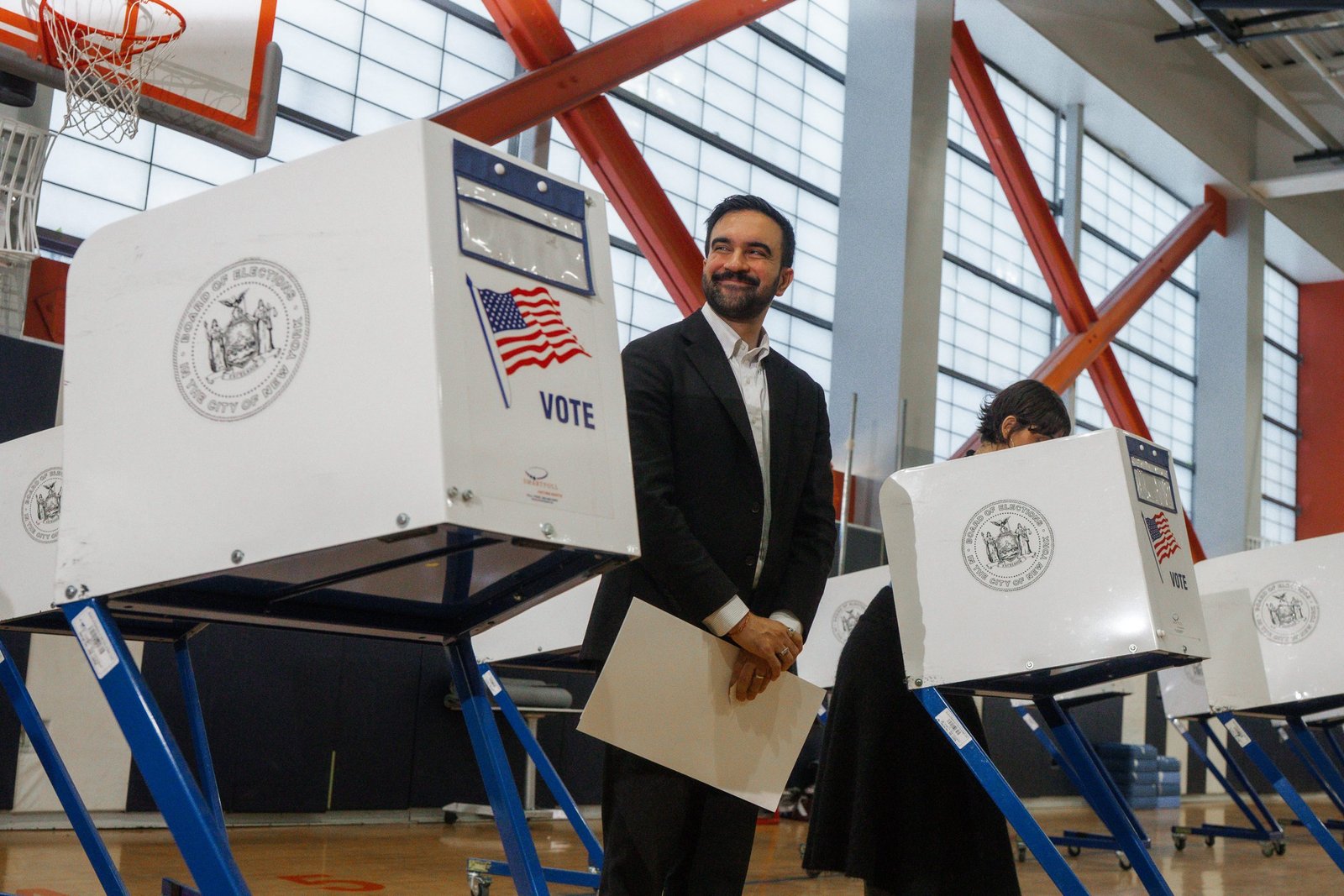
    NEW YORK (AP) — Zohran Mamdani was elected mayor of New York City on Tuesday, capping a stunning ascent for the 34-year-old state lawmaker, who was set to become the city’s most liberal mayor in generations.

    In a victory for the Democratic party’s progressive wing, Mamdani defeated former Gov. Andrew Cuomo and Republican Curtis Sliwa. Mamdani must now navigate the unending demands of America’s biggest city and deliver on ambitious — skeptics say unrealistic — campaign promises.

    With the victory, the democratic socialist will etch his place in history as the city’s first Muslim mayor, the first of South Asian heritage and the first born in Africa. He will also become the city’s youngest mayor in more than a century when he takes office on Jan. 1.

    Mamdani’s unlikely rise gives credence to Democrats who have urged the party to embrace more progressive, left-wing candidates instead of rallying behind centrists in hopes of winning back swing voters who have abandoned the party.

    He has already faced scrutiny from national Republicans, including President Donald Trump, who have eagerly cast him as a threat and the face of what they say is a more radical Democratic Party.

    The contest drove the biggest turnout in a mayoral race in more than 50 years, with more than 2 million New Yorkers casting ballots, according to the city’s Board of Elections.

    Mamdani’s grassroots campaign centered on affordability, and his charisma spoiled Cuomo’s attempted political comeback. The former governor, who resigned four years ago following allegations of sexual harassment that he continues to deny, was dogged by his past throughout the race and was criticized for running a negative campaign.

    There’s also the question of how he will deal with Trump, who threatened to take over the city and to arrest and deport Mamdani if he won. Mamdani was born in Uganda, where he spent his early childhood, but was raised in New York City and became a U.S. citizen in 2018.

    Mamdani must now start building for his ambitious agenda

    Mamdani, who was criticized throughout the campaign for his thin resume, will now have to begin staffing his incoming administration before taking office next year and game out how he plans to accomplish the ambitious but polarizing agenda that drove him to victory.

    Among the campaign’s promises are free child care, free city bus service, city-run grocery stores and a new Department of Community Safety that would send mental health care workers to handle certain emergency calls rather than police officers. It is unclear how Mamdani will pay for such initiatives, given Democratic Gov. Kathy Hochul’s steadfast opposition to his calls to raise taxes on wealthy people.

    His decisions around the leadership of the New York Police Department will also be closely watched. Mamdani was a fierce critic of the department in 2020, calling for “this rogue agency” to be defunded and slamming it as “racist, anti-queer & a major threat to public safety.” He has since apologized for those comments and has said he will ask the current NYPD commissioner to stay on the job.

    Mamdani’s campaign was driven by his optimistic view of the city and his promises to improve the quality of life for its middle and lower classes.

    But Cuomo, Sliwa and other critics assailed him over his vehement criticism of Israel ’s military actions in Gaza. Mamdani, a longtime advocate of Palestinian rights, has accused Israel of committing genocide and said he would honor an arrest warrant the International Criminal Court issued for Israeli Prime Minister Benjamin Netanyahu.

    How Mamdani won over the city while Cuomo faltered

    Mamdani began his campaign as a relatively obscure state lawmaker, little known even within New York City.

    Going into the Democratic primary, Cuomo was the presumed favorite, with near-universal name recognition and deep political connections. Cuomo’s chances were buoyed further when incumbent Mayor Eric Adams bowed out of the primary while dealing with the fallout of his now-dismissed federal corruption case.

    But as the race progressed, Mamdani’s natural charm, catchy social media videos and populist economic platform energized voters in the notoriously expensive city. He also began drawing outside attention as his name ID grew.

    Mamdani ultimately trounced Cuomo in the primary by about 13 points.

    The former governor relaunched his campaign as an independent candidate for the general election, vowing to hit the streets with a more energetic approach. However, much of his campaign continued to focus on attacking opponents. In the race’s final stretch, he claimed Mamdani’s election would make Jews feel unsafe.

    Meanwhile, supporters packed Mamdani’s rallies, and he held whimsical events, including a scavenger hunt and a community soccer tournament.

    Cuomo also juxtaposed his deep experience in government with Mamdani’s less than five years in the state Legislature. But the former governor also faced his own political baggage, as his opponents dredged up the sexual harassment allegations that led to his resignation, as well as his decisions during the early days of the COVID-19 pandemic.

    Sliwa, the creator of the Guardian Angels crime patrol group, also had his moments — mostly in the form of funny quips on the debate stage — but had difficulty gaining traction as a Republican in an overwhelmingly Democratic city.

    The post Zohran Mamdani wins NYC mayor’s race, capping a stunning ascent appeared first on MinnPost.
  • White House walks back Trump’s threat to SNAP

    White House walks back Trump’s threat to SNAP

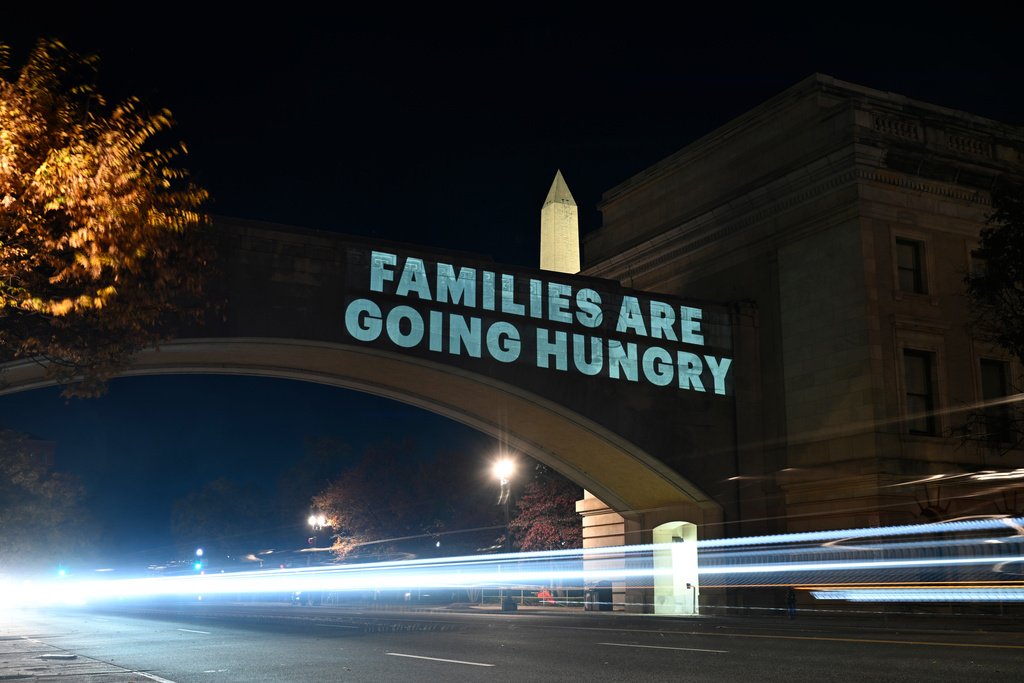
    President Donald Trump caused some confusion earlier Tuesday when he appeared to threaten SNAP benefits unless Democrats voted to reopen the government — despite court orders mandating that the administration keep the nation’s largest food program running.

    Press secretary Karoline Levitt said Tuesday the administration continues to pay out SNAP funding using contingency funding, which is what two separate judges ordered on Monday. The U.S. Department of Agriculture had planned to freeze SNAP payments starting Nov. 1 because of a lapse in funds during the government shutdown.

    In a social media post Tuesday morning, Trump said SNAP benefits had been handed out “haphazardly” under his predecessor.

    SNAP benefits “will be given only when the Radical Left Democrats open up government, which they can easily do, and not before!” Trump added.

    The government says the emergency fund it will use has enough to cover about half the normal benefits. Leavitt said Trump “does not want to have to tap into this fund in the future,” which is what he meant by his social media post earlier in the day.

    The post White House walks back Trump’s threat to SNAP appeared first on MinnPost.

  • U of M offers free meals to SNAP recipients amid uncertainty over program funding

    U of M offers free meals to SNAP recipients amid uncertainty over program funding

    (Nov. 4) The University of Minnesota said it will offer one free meal a day for students, workers and faculty who receive Supplemental Nutrition Assistance Program (SNAP) benefits amid uncertainty about program funding during the federal government shutdown.

    The school’s announcement Monday came as the Trump administration said SNAP, otherwise known as food stamps, will be partially funded for November after two federal judges said emergency funds must be tapped for the program. When these payments will be distributed, however, remains uncertain.  

    More than 3,000 Minnesota college students were enrolled in SNAP as of December, including nearly 700 in Hennepin County, according to data from the state’s Department of Children, Youth and Families. More Black students received SNAP benefits than any other racial group in Hennepin County, despite more white students using the program statewide. 

    Many students also visit campus food shelves — an even more important option now with pending SNAP funding up in the air.

    Of the hundreds of students who visit the University of Minnesota’s Nutritious U Food Pantry weekly, roughly 75% are Black, Indigenous and people of color, according to Michelle Trumpy, the director of public health at Boynton Health, the university’s health service. More than half of the pantry’s visitors are graduate or professional students, and around 43% are first-generation students. 

    Roughly one in four students at the university experienced food insecurity in 2024, Trumpy added.

    “We’re doing everything we can to make sure our students have access to fresh and healthy food and so they can focus on their studies,” said Matt Tveter, Boynton’s assistant director of marketing and communications.  

    Normandale Community College has a Campus Cupboard that provides free food five days a week. Without full SNAP benefits, said Paige Wheeler, lead coordinator of Normandale’s basic needs service, food shelves already over maximum capacity are under increased pressure.

    “The tools we have are not enough to deal with this bigger system that doesn’t work perfectly and has a lot of inequities,” Wheeler said.

    She added: “Obviously students are very stressed. Their families are very stressed.” 

    Spending extra money on food and ignoring other expenses puts students in a difficult position, Wheeler added. If they cannot pay tuition and owe the school money, some may decide to drop out. 

    “It will have a ripple effect,” she said.

    The post U of M offers free meals to SNAP recipients amid uncertainty over program funding appeared first on MinnPost.
  • Rural Minnesota grocers sound the alarm over SNAP uncertainty

    Rural Minnesota grocers sound the alarm over SNAP uncertainty

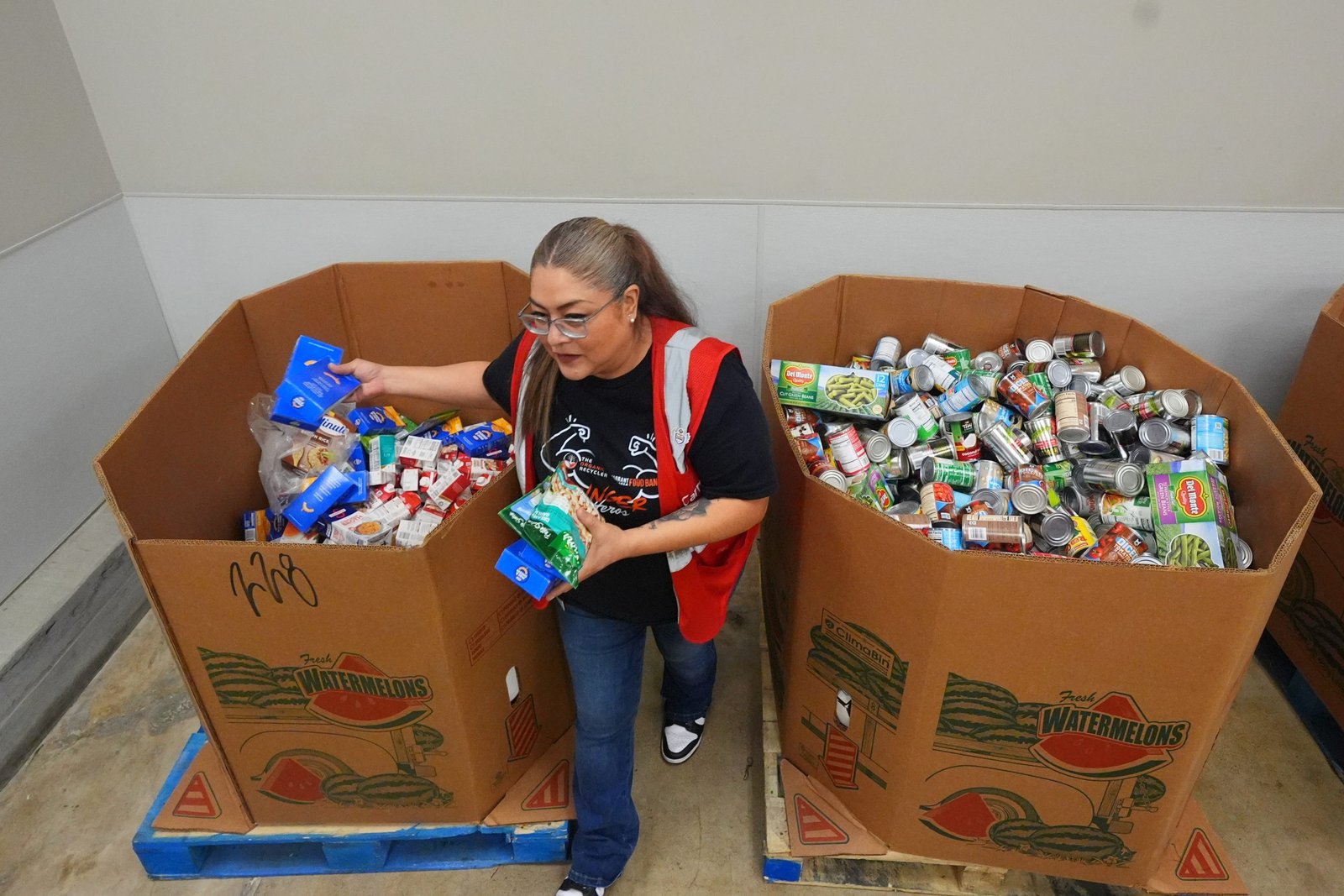
    Larry Madigan Jr. expects November to be an unpredictable month for Cass Lake’s grocery store.

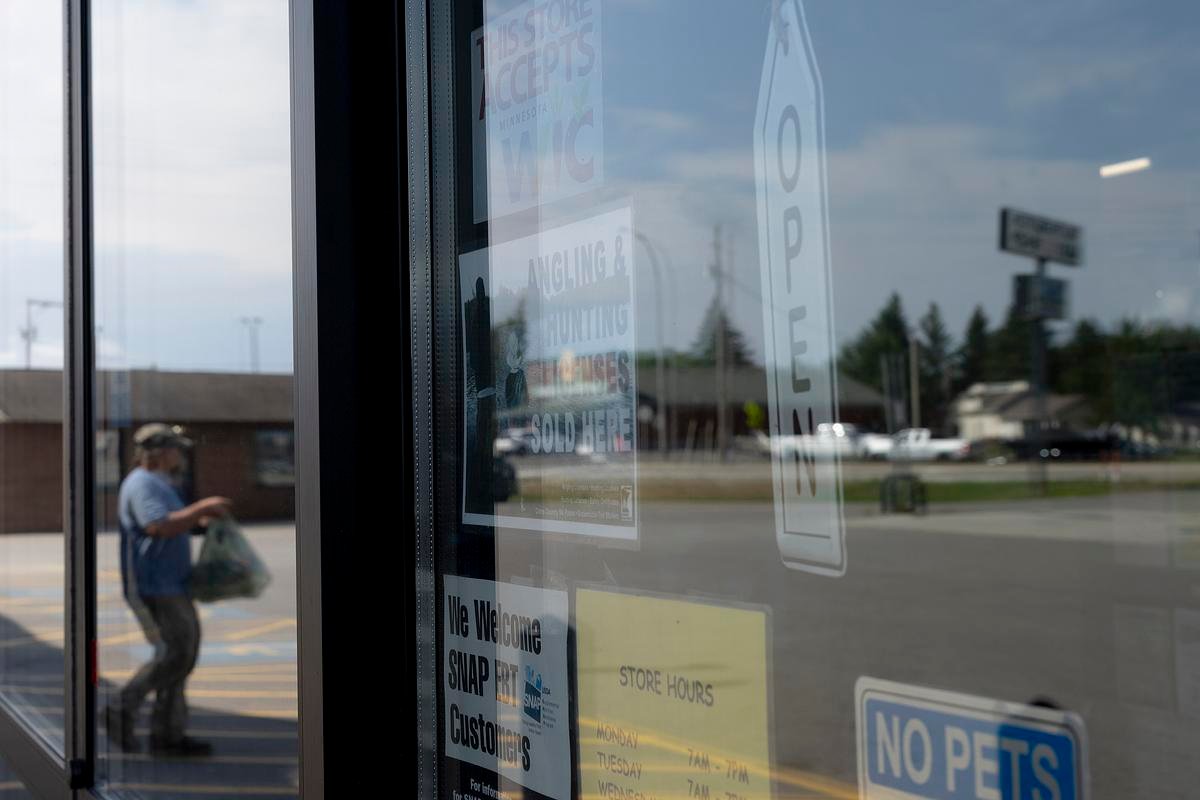
    Like at 3,600 other food retailers in Minnesota, customers can use Supplemental Nutrition Assistance Program (SNAP) benefits at the city’s Leech Lake Market, located on the Leech Lake Band of Ojibwe’s reservation. 

    Amid the federal government shutdown, it’s unclear when or if customers will receive SNAP funds this month, cutting the northern Minnesota store off from a key source of revenue, said Madigan Jr., Leech Lake Market’s general manager.

    “It’s pretty scary, because if it goes on further, into December, we have to adjust on our end,” he said. 

    Leading up to November, Madigan Jr. said cutting payroll in the form of staff hours to make up for the expected revenue hit wasn’t on the table. Grocery stores may need to consider such adjustments, however, if the federal funding well keeps running dry.

    The National Grocers Association estimates about 12% of grocery and food retailer revenue comes from SNAP. In a statement, NGA President and CEO Greg Ferrara said Congress’ allowance of SNAP funds to run out would have “far-reaching consequences” for local stores, employees and the communities they feed.

    SNAP’s downstream effect on grocery stores came up during a Stearns County Board of Commissioners meeting Oct. 21. A week earlier, the county received notification that SNAP approvals would be suspended.

    Melissa Huberty, the county’s human services administrator, told county commissioners that rural grocery stores in particular benefit from SNAP and would feel any changes. “People may not know it, but the grocery store owners will know it real quick because it does impact their bottom line,” she said.  

    SNAP, which provides food assistance to about 440,000 Minnesotans, could be partially funded during the shutdown. Federal judges have ordered the U.S. Department of Agriculture to tap into funding for the program, though it wasn’t clear how soon benefits would become available to recipients. The Trump administration, responding to the judicial rulings, said Monday that it would tap enough funds to cover half of November’s benefits.

    In Leech Lake Market’s county, Cass, about 14% of the population, or around 4,400 residents, were SNAP recipients in 2022, according to U.S. Census data. Minnesota’s statewide rate was about 8% at the time.

    “SNAP is a big part of our community,” Madigan Jr. said. “After our summer season we depend on SNAP.” Summer is the busy season in his community, a time when out-of-towners visit one of the state’s largest lakes for recreation.

    Losing SNAP during a slower time for local economies means locals go without food assistance, grocery stores lose out on sales and food shelves get stretched trying to fill the gaps. Gov. Tim Walz last week announced the state would use $4 million in funding to support 300 food shelves around the state.

    In rural areas, where grocery stores are often tens of miles from the next closest option, losing revenue makes them particularly vulnerable in an industry known for tight profit margins.

    “My biggest fear is if we didn’t have the grocery store in our community, it would just be a food desert,” Madigan Jr. said.

    Corey Christianson, owner of KC’s Country Market in Greenbush and Badger in northwestern Minnesota, has been glued to the news lately for updates on SNAP. It’s hard to predict how hard losing the revenue will be on stores, he said, but it won’t be pretty.

    “It’s too early to tell,” he said. “One customer did say it’s the last time he’s using his (SNAP benefit).”

    Another customer asked for store credit to cover groceries. This customer vowed to pay the store back. 

    Small-town grocers may be able to exercise some flexibility with locals. A customer asking the store to delay cashing a check for a few days isn’t unheard of, Christianson said.

    A grocer can only do so much, though, before putting the business at risk. As a humanitarian worker before his grocery days, Christianson said it’s hard not to help out when people are struggling.

    “I sure wish we could help everybody, but you know this is where I can’t understand their logic, as in the policymakers,” he said. “Why would they want people to be driven to this point?”

    Leech Lake Market is working with the tribal government on plans to donate food to customers dealing with SNAP benefit uncertainty, Madigan Jr. said. A meal package covering a certain number of days could be an option in the short term. In the long-term, grocery stores need SNAP funding to be restored.

    “We’re probably going to take a big hit if the funding isn’t there, but a lot of food we’ll donate to make sure family members have food,” Madigan Jr. said. “I know a lot of independent grocery stores just can’t do that.”

    The post Rural Minnesota grocers sound the alarm over SNAP uncertainty appeared first on MinnPost.

  • Trump administration says it will pay half of November food stamp benefits, leaving 440,00 Minnesota SNAP recipients wanting

    Trump administration says it will pay half of November food stamp benefits, leaving 440,00 Minnesota SNAP recipients wanting

    (Nov. 3) WASHINGTON — The Trump administration said Monday it will only partially fund the food stamp program through November.

    About 440,000 Minnesotans lost their food stamp benefits on Saturday, as did about 42 million Americans across the country, because the Trump administration said the shutdown resulted in a lack of money to continue benefits.

    The Supplemental Nutrition Assistance Program — known as SNAP or food stamps — was shut down after the U.S. Department of Agriculture (USDA) said it would not tap into a $5.5 billion contingency fund to pay for November benefits.

    Last week, John J. McConnell of the U.S. District Court for the District of Rhode Island ordered the USDA to release those funds in a case brought by the Rhode Island State Council of Churches and nonprofit groups and several cities.

    In its response Monday, the Trump administration said it will tap $4.65 billion in emergency money to cover about half of this month’s benefits. It declined to dip into other contingency funds to pay the full $8 billion needed to cover SNAP in November.

    In a separate case filed by Minnesota, 24 other states and the District of Columbia, a federal judge in Massachusetts last week directed the Trump administration to decide by Monday whether it would use the contingency funds for food aid, saying it was likely illegal for it not to do so.

    Judge Indira Talwani of the U.S. District Court for the District of Massachusetts also said the USDA has discretion to access other funding, such as a fund established by custom duties on imported food that pays for the Child Nutrition Program, to provide SNAP beneficiaries their full benefits, which average about $166 a month per individual.

    Sen. Amy Klobuchar, D-Minn., a senior member of the Senate Agriculture Committee, also said the USDA could tap other monies to fully fund the program.

    “The courts have ordered the administration to use its contingency fund for SNAP — and have made clear it can use its transfer authorities to fully fund SNAP,” Klobuchar said in a social media post. “It is not enough to do the bare minimum — they should do everything they can to ensure Americans put food on the table.”

    Although McConnell ordered the USDA to “immediately” release payments to states — which administer the food stamp program — it’s unclear how long it would take before recipients receive their partial payments.

    The USDA said it will provide all states with a table on Monday to calculate what benefits will be made available for each eligible household. Those states will be able to send SNAP payments to beneficiaries once the table is completed. But no new food stamp applicants would receive benefits.

    The post Trump administration says it will pay half of November food stamp benefits, leaving 440,00 Minnesota SNAP recipients wanting appeared first on MinnPost.

  • Shutdown Blog: The latest on the government shutdown and its impact on Minnesota

    Shutdown Blog: The latest on the government shutdown and its impact on Minnesota

    Updates on the federal government shutdown and its impact on Minnesota by D.C. correspondent Ana Radelat, data journalist Shadi Bushra and other MinnPost contributors.

    The post Shutdown Blog: The latest on the government shutdown and its impact on Minnesota appeared first on MinnPost.

  • Federal judges order release of funds that would help Minnesotans losing SNAP funds

    Federal judges order release of funds that would help Minnesotans losing SNAP funds

    (Oct. 31) WASHINGTON – Two federal judges ordered the U.S. Department of Agriculture to release money for the food stamp program, which was due to end benefits on Saturday because the Trump administration said the shutdown left it without funding.

    That may bring relief to 42 million low-income Americans, including 440,000 Minnesotans who use food stamps to supplement their nutritional needs but will no longer have that help as of Saturday because the Trump administration said the shutdown resulted in a cut off of money. But that relief is not likely to be immediate.

    A federal judge in Boston on Friday gave the USDA until Monday to come up with a plan to at least partially fund the Supplemental Nutrition Assistance Program (SNAP), the official name of the food stamp program.

    Nearly simultaneously, a federal judge in Rhode Island ruled that the program must be funded by tapping about $5 billion in SNAP emergency funds and perhaps the monies.

    Twenty-five states, including Minnesota, filed the Boston lawsuit seeking the release of SNAP contingency funds.

    “Using hungry children as bargaining chips isn’t just cruel, it’s unlawful. That’s why we’re taking Trump to court,” Minnesota Attorney General Keith Ellison said when the states filed suit earlier this week.

    While U.S. District Judge Indira Talwani ruled that the Trump administration’s refusal to release those funds is likely unlawful, she did not give the states that sued the USDA everything they wanted.

    The states sought the release of USDA funds on Saturday; the day most SNAP recipients receive November benefits on their EBT cards. Instead, Talwani ordered the USDA to decide by Monday whether it will authorize that release.

    Still, Democrats like Rep. Angie Craig, D-2nd District, hailed the court decision.

    “As we’ve said from the start, the Trump administration was acting illegally,” said Craig, the highest-ranking Democrat on the House Agriculture Committee. “They have congressionally appropriated dollars to issue SNAP benefits in November and made the cruel decision to let Americans go hungry instead.”

    On Friday, Ellison said that while the court rulings mean the USDA will be required to use its $5 billion contingency fund to continue to provide SNAP benefits nationwide, the fund does not have enough money to pay for full SNAP benefits throughout the month of November.

    But Talwani said the USDA has access to additional funds that it can use to continue to provide SNAP benefits once the initial $5 billion fund is exhausted. The court ordered the USDA to evaluate whether and how it will use that additional fund to continue to provide benefits throughout November, and to report their decision by no later than Nov. 3.

    “Today’s ruling made it clear that Donald Trump’s Department of Agriculture has multiple ways to continue feeding hungry Minnesotans during the shutdown,” Ellison said in a statement.

    At a press conference with House Speaker Mike Johnson on Friday, Agriculture Secretary Brook Rollins declined to say whether she would comply with a court order that required continued SNAP funding.

    “We are looking at all the options,” Rollins said.

    Johnson and other GOP congressional leaders have agreed with Rollins that the administration had no legal authority to use SNAP contingency funds to continue to provide nutritional help to low-income families.

    Yet the Trump administration has shifted other monies to address the shutdown’s impacts — despite questions over the legality of the transferring of such funds. Those include a transfer of Pentagon funds to continue paying members of the U.S. military while other federal workers receive no paychecks. 

    Editor’s note: This story has been updated to add comment from Ellison.

    The post Federal judges order release of funds that would help Minnesotans losing SNAP funds appeared first on MinnPost.

  • Not only the elderly and disabled: A look at the Minnesotans who are about to lose their SNAP benefits

    Not only the elderly and disabled: A look at the Minnesotans who are about to lose their SNAP benefits


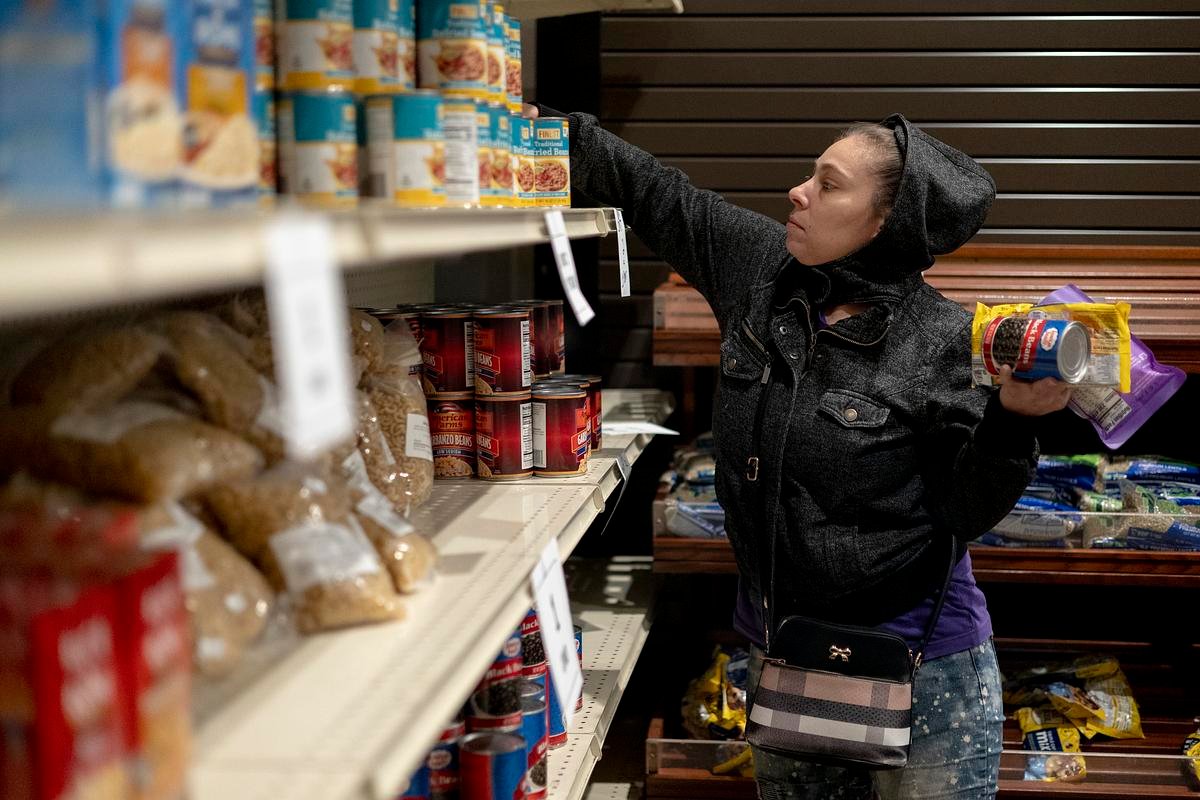
    A woman shops at a food shelf

    Chelsea Amber was thrilled when her eldest daughter moved in with her last month after spending most of her life living with her father.

    Amber and her younger daughter were on government assistance after a family emergency caused the mother of two to lose her job this summer. But she knew if she reapplied with her updated household size, she would see a bump in the amount of aid she received from the federally funded Supplemental Nutrition Assistance Program (SNAP), informally known as food stamps. 

    But amid an ongoing federal government shutdown, Amber is no longer expecting an increase in November of her benefits. In fact, like 440,000 other Minnesotans, she is girding for an abrupt end to that financial lifeline starting this weekend. 

    “Next month will be very different from this month. I have another person to feed, and I’ll have less money — no money, really — to feed us all,” said Amber. “Most likely, I’ll stick to grabbing a snack when I can and not much else. I’d rather they eat than I eat.”

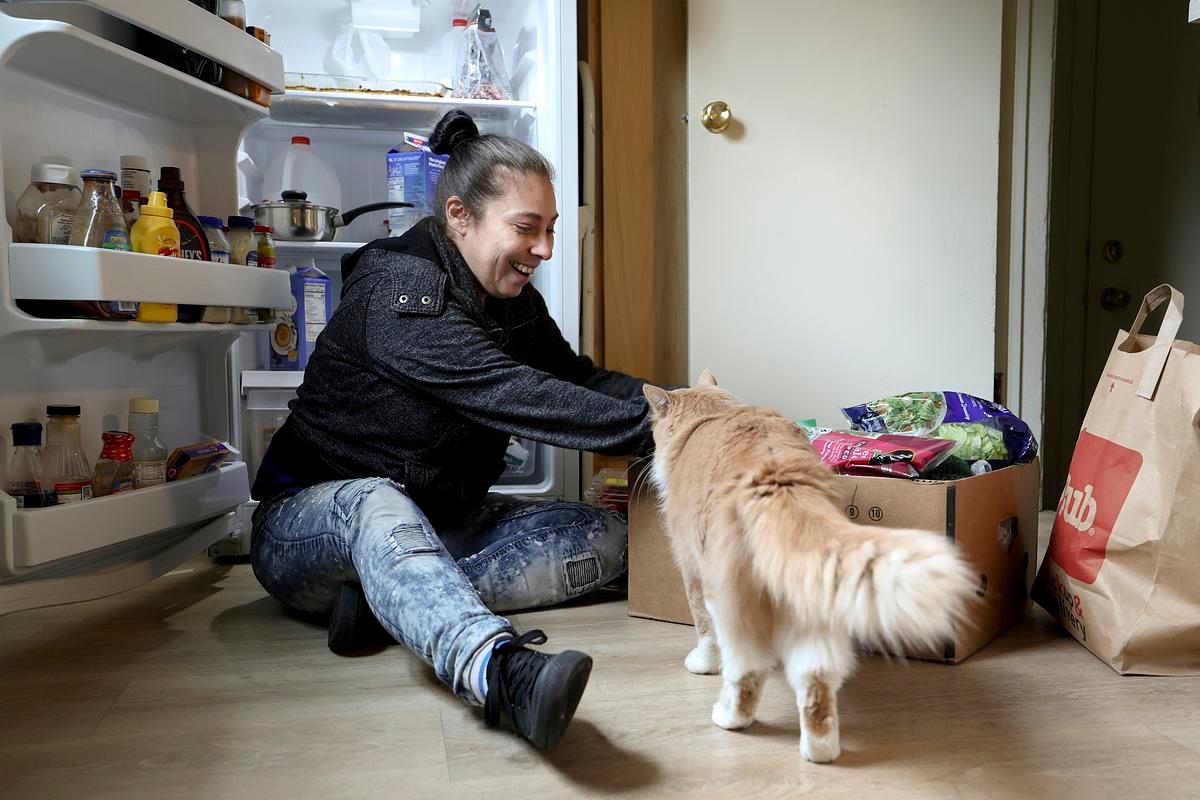
    A woman puts away her groceries while sitting on the floor while her cat investigates
    Chelsea Amber puts away groceries she received from a food pantry with the help of her cat, Angel, at home on Thursday, Oct. 30, 2025, in north Minneapolis, Minn. Credit: Ellen Schmidt/MinnPost/CatchLight Local/Report for America
    window.addEventListener(“message”,function(a){if(void 0!==a.data[“datawrapper-height”]){var e=document.querySelectorAll(“iframe”);for(var t in a.data[“datawrapper-height”])for(var r,i=0;r=e[i];i++)if(r.contentWindow===a.source){var d=a.data[“datawrapper-height”][t]+”px”;r.style.height=d}}});

    ‘Well has run dry’

    The impact of the federal government shutdown that began Oct. 1 has steadily broadened, stopping paychecks for federal workers, slowing the release of critical economic data, triggering delays in air travel and broadly raising uncertainty for markets, businesses and households.

    But beginning tomorrow, Nov. 1, Washington politics will be dragged right into the pantries of those who can least afford a disruption to their already-strained budgets. 

    “Bottom line, the well has run dry. At this time, there will be no benefits issued November 01,” a banner on the U.S. Department of Agriculture’s Food and Nutrition Service webpage reads.

    While Congress has set aside a contingency fund for SNAP, estimated at between $5 billion and $6 billion, the government has refused to tap it to extend benefits into November. Nationwide, the federal government spent about $7.9 billion on the program in May, the last month for which data is available. Most of the benefits go to fund food needs for children, the elderly and the disabled, many of whom live below the federal poverty line.

    A federal judge in Boston is currently hearing arguments brought by states, including Minnesota, that want to force the government to use the emergency fund to keep the program from lapsing for the first time in its history. 

    window.addEventListener(“message”,function(a){if(void 0!==a.data[“datawrapper-height”]){var e=document.querySelectorAll(“iframe”);for(var t in a.data[“datawrapper-height”])for(var r,i=0;r=e[i];i++)if(r.contentWindow===a.source){var d=a.data[“datawrapper-height”][t]+”px”;r.style.height=d}}});

    But while the courts deliberate and the politicians make speeches, Minnesotans like Amber and her children are left wondering how they will keep their stomachs full.

    “I’m feeling nervous, scared, overwhelmed … my emotions are all over the place,” Amber said. “Usually, I spend close to $500 on groceries for the month when I get my benefits, and leave maybe $60 for any unexpected food expenses that might come up, or if we run low on groceries before the next payment.”

    That roughly $560 monthly benefit, which Amber expected would increase in November to around $700 due to her having another dependent child living with her, has made up “100%” of Amber’s grocery budget since she lost her job at a clothing store this summer. 

    While there are plenty of people in a similar position, where SNAP makes up all or most of the household’s budget for food, many Minnesotans use the program to supplement what they earn from work. According to the Minnesota Department of Children, Youth and Families, more than 60,000 households receiving SNAP also have someone with a job. But if they are not earning enough from that job to meet all of their household needs, SNAP can fill the gap.

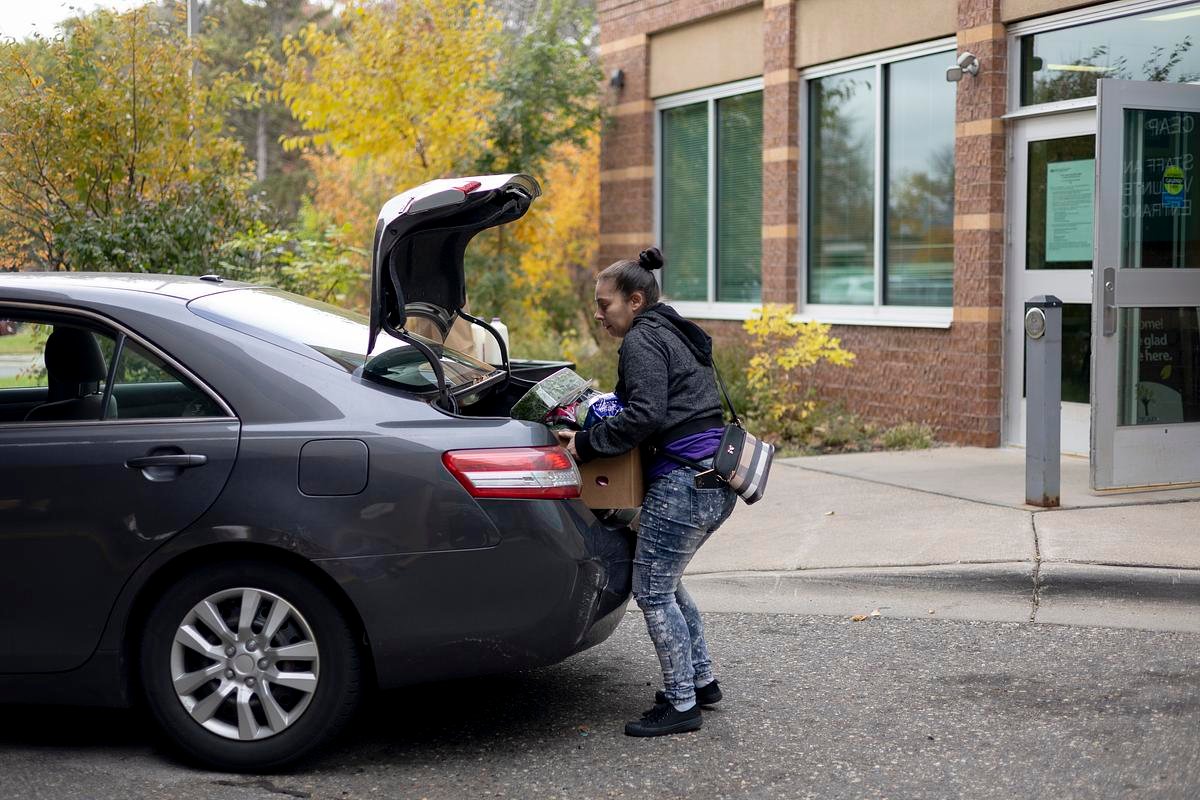
    A woman puts a load of food into her car
    Chelsea Amber puts a load of groceries she picked up from a drive-through food pantry into her girlfriend’s car on Thursday, Oct. 30, 2025, in Brooklyn Park, Minn. Credit: Ellen Schmidt/MinnPost/CatchLight Local/Report for America

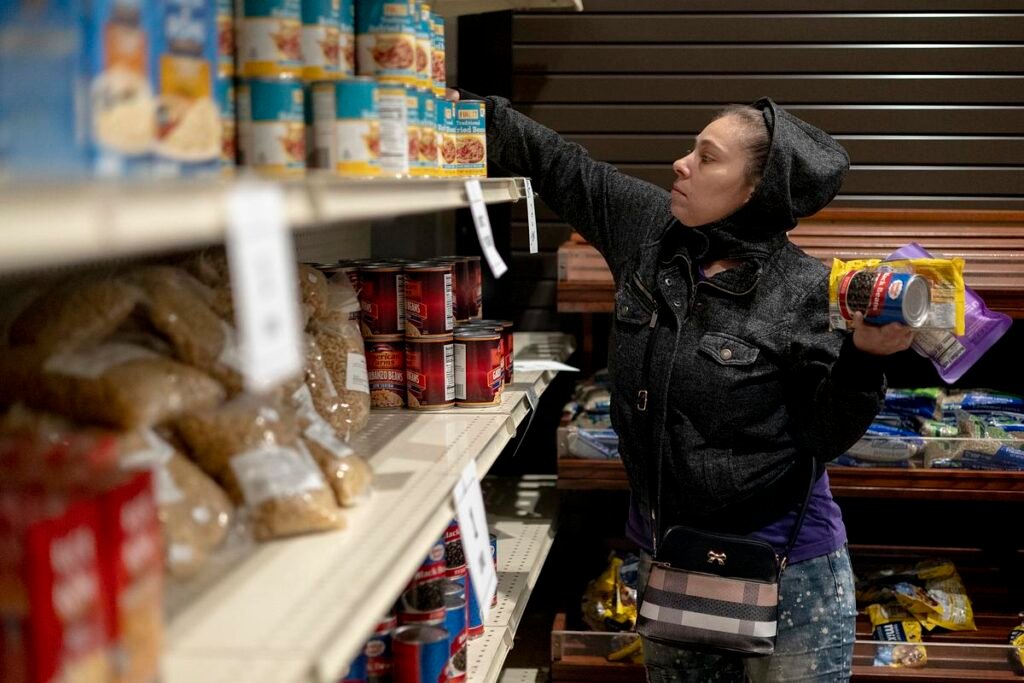
    In Amber’s case, she plans to lean on food shelves run by charities and religious organizations, including some that she has been to before to supplement her SNAP groceries. But she has noticed longer lines at food shelves in the past two weeks as unpaid federal workers and SNAP recipients seek to stock up for next month. 

    At Brooklyn Park’s Community Emergency Action Programs’ food shelf, she has to sign up for a spot in line precisely at midnight the day before she plans to go in. If she logs on too late, she’s unlikely to be able to get in. At other food shelves with in-person lines, by the time it’s her turn most usable foods have been taken and she is left to decide how long past the expiration date she’s willing to trust an item for her family. 

    window.addEventListener(“message”,function(a){if(void 0!==a.data[“datawrapper-height”]){var e=document.querySelectorAll(“iframe”);for(var t in a.data[“datawrapper-height”])for(var r,i=0;r=e[i];i++)if(r.contentWindow===a.source){var d=a.data[“datawrapper-height”][t]+”px”;r.style.height=d}}});

    Modest help

    Earlier this week, Gov. Tim Walz announced $4 million in state funding to support 300 food shelves, though those funds are not expected to go very far.

    Amber is waiting to hear from Twin Cities RISE, a local nonprofit, about the prospect of a paid internship until she can find a permanent job. She’s currently behind on rent and utilities, and those mounting bills, combined with the looming prospect of greater food insecurity, bring up memories of the years she spent homeless before landing an apartment in Minneapolis last year. 

    She laments this additional stressor on top of the other struggles she’s faced, and is particularly frustrated that her crisis is not the outcome of bad luck or bad decision making on her part, but, she said, due to choices made in Washington, D.C.

    A woman waits to shop at a food pantry
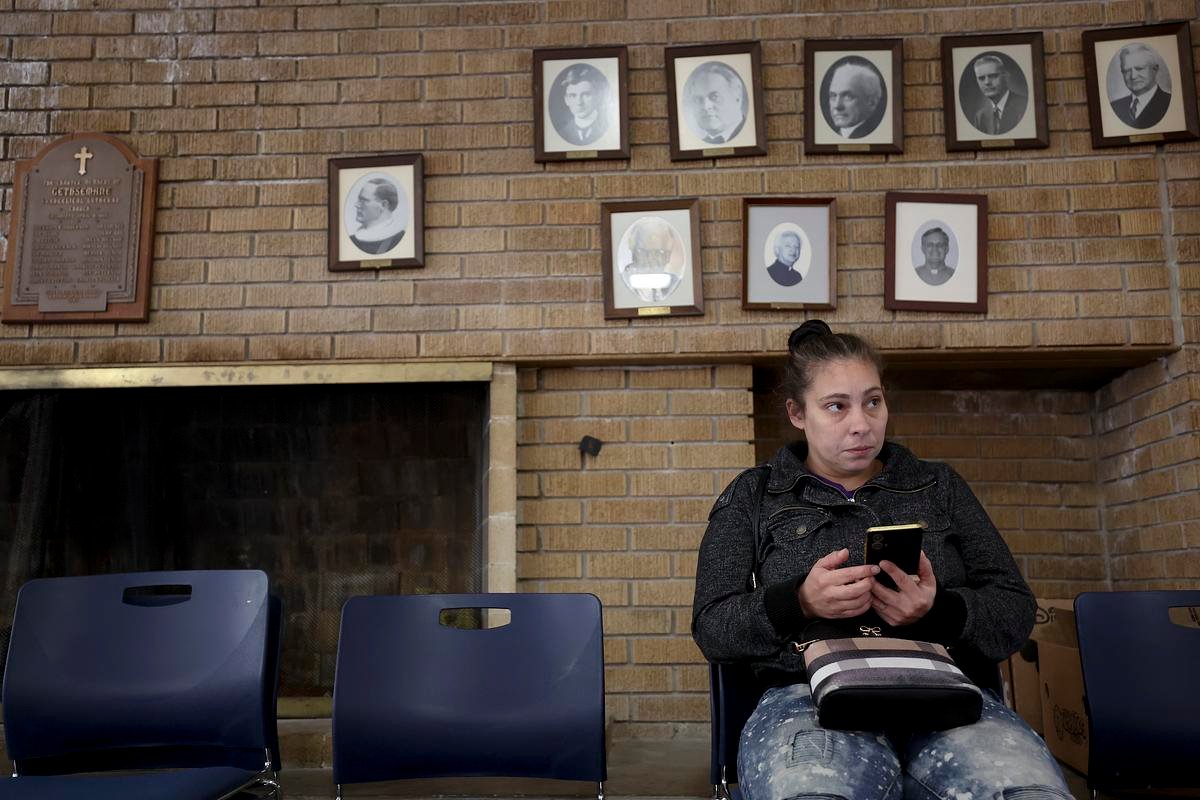
    Chelsea Amber waits for over an hour to shop at the Gethsemane Lutheran Church’s food shelf, her second food donation stop of the day, on Thursday, Oct. 30, 2025, in north Minneapolis, Minn. Credit: Ellen Schmidt/MinnPost/CatchLight Local/Report for America

    “It’s just like every time I try to do something, I get smacked with something else. So it’s like I can never get up, I can never succeed the way I want to be able to because something else always ends up [happening],” she said. 

    “I’m already struggling trying to come up with rent. I’m already struggling trying to get a job. I’m already struggling to get things for my kids. I can’t even get them school clothes,” Amber said.

    She doesn’t have much to put towards extra, non-staple items, but she was hoping to use some of her SNAP funds to celebrate her youngest daughter’s 13th birthday in November, she said. 

    “Now it doesn’t even seem like I’ll be able to get her a cake.”

    The post Not only the elderly and disabled: A look at the Minnesotans who are about to lose their SNAP benefits appeared first on MinnPost.

  • Younger Americans less concerned about political violence and free speech threats: AP-NORC poll

    Younger Americans less concerned about political violence and free speech threats: AP-NORC poll

    WASHINGTON (AP) — In the tumultuous political climate marked by this year’s assassinations of conservative activist Charlie Kirk in Utah and a Democratic legislator in Minnesota, younger adults are less worried about political violence than older adults, according to a new AP-NORC poll.

    About 4 in 10 U.S. adults are concerned about political violence directed at conservatives or liberals, the poll from The Associated Press-NORC Center for Public Affairs Research found, but anxiety about violence on either side of the political spectrum is lower among young adults.

    There’s also a substantial partisan divide, with Republicans and Democrats expressing high concern about violence against their own side — and fewer saying they’re worried about violence against the other side.

    When it comes to fundamental rights, U.S. adults are most likely to say that freedom of speech and freedom of the press are facing a major threat. Fewer Americans see threats to the right to vote and the right to bear arms.

    “I worry because anytime political violence happens, it seems like it can be a snowball effect,” said Ryan Striker, a 34-year-old music teacher in Manchester, New Hampshire, who is liberal but politically independent and opposes President Donald Trump.

    In June, state lawmaker Melissa Hortman and her husband were shot to death in their home and state Sen. John Hoffman and his wife were wounded in what the Justice Department called the shooter’s “calculated plan to inflict fear and violence upon Minnesota elected officials and their families.” Kirk was shot dead in September while addressing an audience on the campus of Utah Valley University in what authorities also called an act of political violence.

    Younger adults are less worried about violence, free speech threats

    The poll found that 44% of U.S. adults are “extremely” or “very” concerned about political violence directed at conservative political figures or organizations. A similar percentage, 41%, are concerned about violence directed at liberal figures and groups.

    There’s a large divide among generations, however.

    About half of adults age 60 and older are highly concerned about political violence directed at conservatives or liberals, compared with about 3 in 10 adults under 30.

    “I remember Kent State. I was around then,” said Tony DiGiovine, a 74-year-old musician and retired electrical engineer from Phoenix and a Democrat. “The National Guard really isn’t trained to patrol our streets. Neither are our armed forces. Something’s going to go wrong.”

    The National Guard shot and killed unarmed students who were protesting the Vietnam War at Kent State University in 1970.

    There’s a similar generational pattern when it comes to concern about limitations on liberals’ and conservatives’ free speech.

    About 4 in 10 U.S. adults overall are “extremely” or “very” concerned about threats to conservatives’ or liberals’ free speech. But among adults ages 60 and older, about half are highly concerned about threats to conservatives’ free speech, while only about one-quarter of adults under 30 say the same. There’s a smaller but still substantial gap for liberals.

    Fundamental rights seen as threatened

    Asked whether various fundamental rights were under threat, the poll found about half of U.S. adults see a “major” threat to freedom of speech and about 4 in 10 say the same about the freedom of the press. Fewer, about 3 in 10, say there are significant threats to the right to vote and the right to keep and bear arms.

    There was no age divide among Americans who see a “major” threat to free speech. The finding suggests that younger adults do think freedom of speech is threatened, but they’re less personally concerned about how it could affect liberals or conservatives than older adults.

    “It’s concerning that we seem to be getting to the point where we stop talking, we stop compromising, and people vilify their opponents,” said Craig Tenhoff, 58, an independent of Simi Valley, California.

    Only about 2 in 10 adults under 30 say the right to vote faces a “major” threat, compared with about 4 in 10 adults ages 60 and older.

    Republicans worry about violence against conservatives, Democrats worry about it against liberals

    U.S. adults who identify with a party are more likely to be worried about violence against organizations or figures that share their ideology, while most independents are not highly concerned about political violence in general.

    About 6 in 10 Republicans are “extremely” or “very” concerned about political violence directed at conservative political figures or organizations, while only 27% are highly concerned about political violence directed at liberal political figures or organizations.

    On the other hand, about 6 in 10 Democrats are “extremely” or “very” concerned about political violence directed at liberal political figures and organizations, while 38% are highly concerned about political violence directed at conservatives.

    These findings are particularly pronounced among people at extreme ends of the political spectrum: Conservative Republicans and liberal Democrats are much likelier to be concerned about violence directed at their side than more moderate members of their coalition.

    About one-quarter of independents are “extremely” or “very” concerned about political violence directed at conservatives or liberals.

    Max Anderson, an independent who describes himself as liberal, said he’s concerned about violence from across the political spectrum.

    “I think a lot of people my age aren’t generally doing good right now,” said Anderson, a 23-year-old college student in Fort Collins, Colorado. “So I think all of a sudden, those more extreme avenues of action just feel like a better option.”

    There are major partisan divides about the extent to which freedom of speech, freedom of the press and the right to vote are currently threatened. About two-thirds of Democrats say freedom of speech and freedom of the press are facing a “major threat,” while only about 3 in 10 of Republicans say this about freedom of speech and about 2 in 10 say this about freedom of the press.

    Jeff Milligan, a 72-year-old Republican from Logan, Ohio, said he’s more concerned about violence directed at conservatives than liberals. Milligan used to be more worried about threats to fundamental rights than he is now.

    What changed for him?

    “President Trump was elected,” he said.

    ___

    This story has been corrected to reflect that one Democratic lawmaker in Minnesota was assassinated, not multiple lawmakers.

    ___

    Cooper reported from Phoenix.

    ___

    The AP-NORC poll of 1,289 adults was conducted Oct. 9-13, using a sample drawn from NORC’s probability-based AmeriSpeak Panel, which is designed to be representative of the U.S. population. The margin of sampling error for adults overall is plus or minus 3.8 percentage points.

    The post Younger Americans less concerned about political violence and free speech threats: AP-NORC poll appeared first on MinnPost.

  • What to know as federal food help and preschool aid will run dry Saturday if shutdown persists

    What to know as federal food help and preschool aid will run dry Saturday if shutdown persists

    A new lawsuit by Democratic state officials Tuesday seeks to uncork emergency money to help tens of millions of Americans keep buying food for their families after federal SNAP funding is expected to run dry Saturday due to the U.S. government shutdown.

    The Supplemental Nutrition Assistance Program, or SNAP, helps about one in eight Americans buy groceries. A halt to SNAP benefits would leave a gaping hole in the country’s safety net. Vulnerable families could see federal money dry up soon for some other programs, as well.

    Funding for a group of Head Start preschool programs is set to run out Saturday.

    Aid for mothers to care for their newborns through the Special Supplemental Nutrition Program for Women, Infants, and Children, known as WIC, could run out the following week.

    Here’s a look at what would happen.

    Democratic officials sue

    Tuesday’s legal filing from attorneys general from 22 states and the District of Columbia, plus three governors, focuses on a federal contingency fund with roughly $5 billion in it – enough to pay for the benefits for more than half a month.

    President Donald Trump’s Department of Agriculture said in September that its plan for a shutdown included using the money to keep SNAP running. But in a memo last week, it said that it couldn’t legally use that money for such a purpose.

    The Democratic officials contend the administration is legally required to keep benefits going as long as it has funding.

    The agency said debit cards beneficiaries use as part of SNAP to buy groceries will not be reloaded as of Nov. 1.

    With their own coalition, 19 Republican state attorneys general sent Democratic U.S. Senate Minority Leader Chuck Schumer a letter Tuesday urging passage of a “clean continuing resolution” to keep funding SNAP benefits.

    Lack of funds for SNAP benefits could affect millions

    Most SNAP participants are families with children, more than 1 in 3 include older adults or someone with a disability, and close to 2 in 5 are households where someone is employed. Most have incomes that put them below the poverty line, about $32,000 in income for a family of four, according to an analysis by the Center on Budget and Policy Priorities.

    The average monthly benefit is $187 per person.

    Beneficiaries say that without the aid, they’ll be forced to choose between buying food and paying other bills. Food banks are preparing for a spike in demand that they’ll have to navigate with decreased federal aid themselves.

    The debit cards are recharged in slightly different ways in each state. Not everyone receives their benefits on the first day of the month, though many beneficiaries get them early in the month.

    States expect retailers will be able to accept cards with balances on them, even if they’re not replenished.

    Some states seeking to fill void of SNAP benefit cuts

    State governments controlled by both Democrats and Republicans are scrambling to help recipients. But several say they don’t have the technical ability to fund the regular benefits.

    Officials in Louisiana, Vermont and Virginia have pledged to provide some type of backup food aid for recipients even while the shutdown stalls the federal program, though state-level details haven’t been announced.

    More funding for food banks and pantries is planned in states including New Hampshire, Minnesota, California, New Mexico, Connecticut and New York.

    The USDA advised Friday that states won’t be reimbursed for funding the benefits.

    Related: Minnesota looks for loose change to support 440,000 residents about to lose SNAP benefits

    Republican South Carolina Gov. Henry McMaster announced Tuesday that the state is opening a nonprofit fund typically used for disasters to give grants to food banks. But the fund is empty and will need immediate donations. Last year, it raised $6 million for Hurricane Helene relief. Each month, more than $100 million in SNAP benefits are delivered in South Carolina.

    In Pennsylvania, where a budget stalemate has held up more than $25 million in aid to food banks, Democratic lawmakers are pushing for $60 million in emergency aid for food banks and meals on wheels programs.

    The Trump administration is blaming Democrats, who say they will not agree to reopen the government until Republicans negotiate with them on extending expiring subsidies under the Affordable Care Act. Republicans say Democrats must first agree to reopen the government before negotiation.

    Early childhood education

    More than 130 Head Start preschool programs won’t receive their annual federal grants on Nov. 1 if the government remains shut down, according to the National Head Start Association.

    Centers are scrambling to assess how long they can stay open, since nearly all their funding is federal. Head Start provides education and child care for the nation’s neediest preschoolers. When a center closes, families may have to miss work or school.

    With new grants on hold, a half dozen Head Start programs have already missed federal disbursements they were expecting Oct. 1 but have stayed open with fast-dwindling reserves or with help from local governments. All told, more than 65,000 seats at Head Start programs across the country could be affected.

    Food aid for mothers and young children

    Another food aid program supporting millions of low-income mothers and young children already received an infusion to keep the program open through the end of October, but even that money is set to run out early next month.

    The Special Supplemental Nutrition Program for Women, Infants and Children helps more than 6 million low-income mothers, young children and expectant parents purchase nutritious staples such as fruits and vegetables, low-fat milk and infant formula.

    The program, known as WIC, risked running out of money in October because of the shutdown. The Trump administration reassigned $300 million keep the program afloat. But it was only enough for a few weeks.

    Now, states say they could run out of WIC money as early as Nov. 8.

    ___

    Mattise reported from Nashville, Tennessee. Mulvihill reported from Haddonfield, New Jersey. Contributors include Jeffrey Collins in West Columbia, South Carolina, and Margery Beck in Omaha, Nebraska.

    The post What to know as federal food help and preschool aid will run dry Saturday if shutdown persists appeared first on MinnPost.