Category: Uncategorized

  • Switch 2 Crosses 17 Million Sales Worldwide

    Switch 2 Crosses 17 Million Sales Worldwide

    Add Techlomedia as a preferred source on Google. Preferred Source

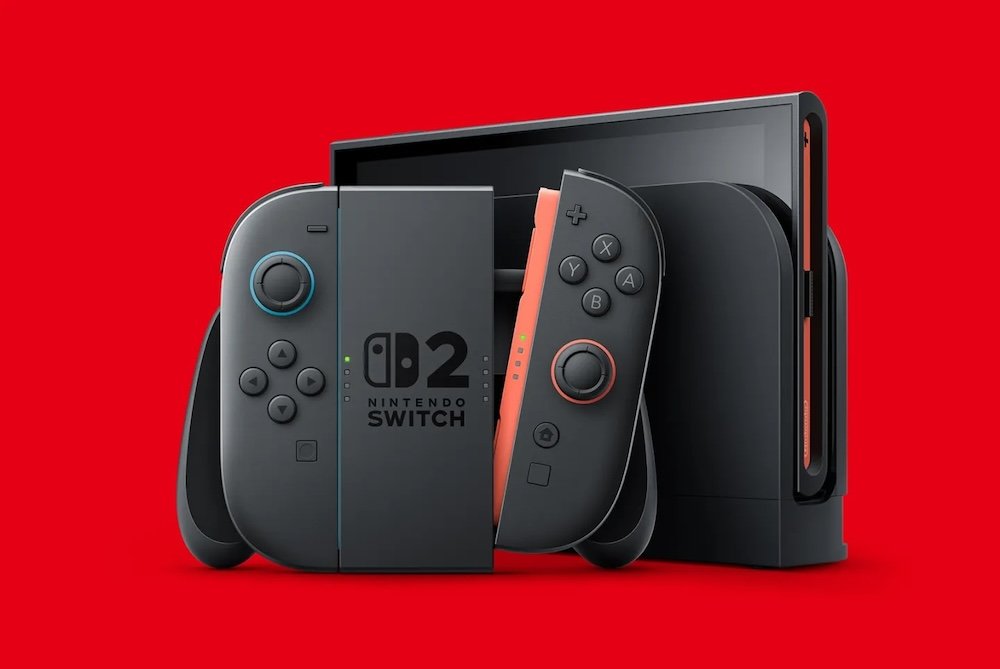
    Nintendo has achieved a major milestone in its gaming hardware business. The company has confirmed that the Nintendo Switch 2 has sold 17.37 million units worldwide, while the original Nintendo Switch has crossed 155.37 million units as of December 31, 2025. This data confirms that Nintendo Switch has officially become the best-selling console in Nintendo’s history, overtaking the Nintendo DS.

    The sales numbers were shared in Nintendo’s latest earnings release and show the strong position the Switch ecosystem continues to hold, even eight years after the original console first launched.

    The original Nintendo Switch has now sold 155.37 million units globally. This pushes it past the Nintendo DS, which ended its lifetime with 154.02 million units sold. Until now, the DS has been Nintendo’s most successful hardware ever. The Switch has managed to break this long-standing record thanks to steady demand, a strong first-party game lineup, and continued support across multiple hardware revisions.

    It is important to note that Switch has not yet overtaken the PlayStation 2 in global console sales, which remains the best-selling console of all time.

    The newer Nintendo Switch 2 is also off to a strong start. The console has sold 17.37 million units worldwide in a relatively short time. During the three-month period ending December 31, 2025, Nintendo sold 7.01 million Switch 2 units. This shows strong early demand and suggests the platform is gaining momentum faster than many of Nintendo’s past consoles.

    In the same quarter, the original Switch sold 1.36 million units. While hardware sales for the older system are slowing down, software demand remains high, which shows that millions of users are still actively buying games.

    During the October to December 2025 quarter, Nintendo sold 17.31 million Switch 2 games and 47.37 million games for the original Switch. Across their lifetime, Switch 2 games have sold more than 37.93 million copies, while total Nintendo Switch game sales have crossed 1.5 billion units worldwide.

    Nintendo also shared updated sales numbers for its first-party titles.

    On Nintendo Switch 2, Mario Kart World is the clear leader with 14.03 million copies sold. Donkey Kong Bananza has sold 4.25 million units, while Pokémon Legends Z-A in its Switch 2 edition has reached 3.89 million sales. Kirby Air Riders has also crossed 1.76 million units.

    However, the original Switch continues to dominate. Mario Kart 8 Deluxe remains the best selling title on the platform with 70.59 million copies sold. Animal Crossing: New Horizons follows with 49.32 million units, while Super Smash Bros Ultimate has sold 37.44 million copies. The Legend of Zelda Breath of the Wild has reached 33.64 million, and Super Mario Odyssey stands at 30.27 million.

    Pokémon games also remain strong performers. Pokémon Scarlet and Violet have sold 28.08 million units, while Pokémon Sword and Shield are close behind with 27.08 million. The Legend of Zelda: Tears of the Kingdom has crossed 22.40 million sales.

    Nintendo also revealed updated numbers for several other popular titles. Nintendo Switch Sports has sold 17.84 million copies, while Super Mario Bros Wonder has reached 17.15 million. Super Mario Party Jamboree has crossed 9.41 million units, and Pokémon Legends Z-A on the original Switch stands at 8.41 million. Even older titles like Super Mario Galaxy and Super Mario Galaxy 2 on Switch have sold over 2 million copies each.

    Nintendo expects Switch 2 sales to continue growing through the current fiscal year, which ends in March 2026. The company is targeting shipments of around 19 million Switch 2 units by then. The original Switch is also expected to ship several million more units before its lifecycle fully winds down.

    Follow Techlomedia on Google News to stay updated. Follow on Google NewsFollow on Google News

    Affiliate Disclosure:

    This article may contain affiliate links. We may earn a commission on purchases made through these links at no extra cost to you.


  • Xbox Game Pass February 2026 Lineup Announced

    Xbox Game Pass February 2026 Lineup Announced

    Add Techlomedia as a preferred source on Google. Preferred Source

    Microsoft has announced the first wave of Xbox Game Pass games for February. Subscribers are getting several big releases over the next two weeks, including day one launches, popular franchises, and major AAA titles.

    One of the biggest highlights is High on Life 2, the new comedy action game from Squanch Games. The sequel will launch directly on Xbox Game Pass, making it a day-one release for subscribers. Fans of story-driven and humorous shooters will likely keep an eye on this one.

    Another major addition is Like A Dragon: Pirate Yakuza in Hawaii. The game brings a fresh twist to the Like A Dragon series and offers a full JRPG-style experience. It is available across cloud, console, handheld, and PC, making it accessible to a wide range of players.

    Ubisoft is also adding Avatar: Frontiers of Pandora to the service. The open-world game is set in the Avatar universe and lets players explore Pandora with its detailed environments and large-scale missions. This is one of the more high-profile third-party titles joining Game Pass this month.

    Sports fans are not left out either. Madden NFL 26 is coming to EA Play, which is included with Xbox Game Pass Ultimate. The new entry replaces Madden NFL 24, which will leave the service later this month.

    Here is the full list of games announced for the first wave of February on Xbox Game Pass:

    • Final Fantasy II is available now on cloud, Xbox Series X|S, and PC.
    • Like A Dragon: Pirate Yakuza in Hawaii is available now on cloud, console, handheld, and PC.
    • Madden NFL 26 arrives on February 5 for cloud, console, and PC.
    • Paw Patrol Rescue Wheels: Championship also launches on February 5 across cloud, console, handheld, and PC.
    • Relooted joins the service on February 10 for cloud, Xbox Series X|S, and PC.
    • BlazBlue Entropy Effect X launches on February 12 for cloud, Xbox Series X|S, and PC.
    • Roadside Research enters Game Preview on February 12 for cloud, Xbox Series X|S, and PC.
    • Starsand Island arrives on February 12 for cloud, Xbox Series X|S, and PC.
    • High on Life 2 launches on February 13 for cloud, Xbox Series X|S, and PC.
    • Kingdom Come: Deliverance also joins on February 13 for cloud, console, and PC.
    • Avatar: Frontiers of Pandora arrives on February 17 for cloud, Xbox Series X|S, handheld, and PC.
    • Avowed launches on February 17 for cloud, Xbox Series X|S, and PC.

    While many games are being added, only one title is leaving the service this time. Madden NFL 24 will be removed from Xbox Game Pass on February 15, just days after the new Madden entry becomes available.

    Follow Techlomedia on Google News to stay updated. Follow on Google NewsFollow on Google News

    Affiliate Disclosure:

    This article may contain affiliate links. We may earn a commission on purchases made through these links at no extra cost to you.
  • Adobe Reverses Adobe Animate Shutdown Plans, Removes All Deadlines

    Adobe Reverses Adobe Animate Shutdown Plans, Removes All Deadlines

    Add Techlomedia as a preferred source on Google. Preferred Source

    Adobe has walked back its earlier decision to shut down Adobe Animate. After facing strong criticism from creators and professionals, the company has now confirmed that Animate is not being discontinued and will remain available without any end date.

    Earlier, Adobe had stated that new users would not be able to download Adobe Animate after March 1, 2026. Existing users were given time until March 1, 2027, to finish and export their projects. Enterprise customers were told they would receive support until March 1, 2029. These announcements caused confusion and frustration across the animation community.

    A newly updated Adobe support page now confirms that all those deadlines have been removed. Adobe says Animate will continue to exist and users will keep access to their projects and content. The company has also clarified that previous end-of-life emails no longer apply.

    Adobe Animate is one of the oldest animation tools in the industry. It was first launched in 1996 as FutureSplash Animator by FutureWave Software. Later that same year, it was acquired by Macromedia. Over the years, it was renamed Macromedia Flash, then Adobe Flash Professional in 2005, and finally rebranded as Adobe Animate in 2015.

    While Adobe Animate is staying, it is now placed in Maintenance Mode. This means Adobe will continue to provide security updates and bug fixes. However, users should not expect any new features or major improvements going forward.

    Adobe has clearly stated that Animate is not being removed for current or new customers. There is no longer any deadline for availability, and access to existing content will remain unchanged. Maintenance Mode applies to individual users, small businesses, and enterprise customers.

    Adobe also confirmed that there are no plans to discontinue Maintenance Mode and that it will continue indefinitely. Adobe Animate is still available as part of the Adobe Creative Cloud Pro subscription.

    Follow Techlomedia on Google News to stay updated. Follow on Google NewsFollow on Google News

    Affiliate Disclosure:

    This article may contain affiliate links. We may earn a commission on purchases made through these links at no extra cost to you.
  • iQOO 15 Ultra With Snapdragon 8 Elite Gen 5 and 7400mAh Battery Launched in China

    iQOO 15 Ultra With Snapdragon 8 Elite Gen 5 and 7400mAh Battery Launched in China

    Add Techlomedia as a preferred source on Google. Preferred Source

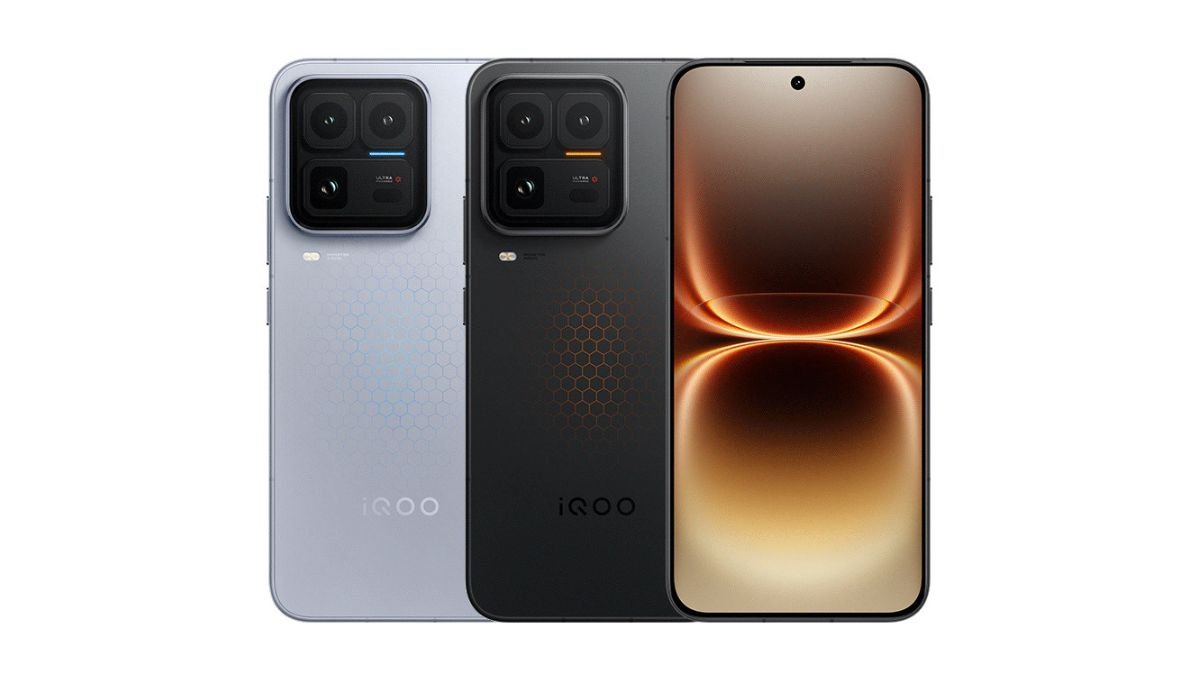
    iQOO has officially launched the iQOO 15 Ultra in China. The company had already teased the phone earlier, and it is now available for pre-order. The iQOO 15 Ultra is positioned as a flagship gaming smartphone with a focus on display quality, performance, cooling, and gaming controls.

    iQOO 15 Ultra comes with a large 6.85-inch flat display with a 2K+ resolution and a 144Hz refresh rate. It uses Samsung’s M14 luminous material and 8T LTPO technology. The screen supports 2160Hz high-frequency PWM dimming and up to 3200Hz instantaneous touch sampling rate. Peak brightness goes up to 8000 nits, while HBM brightness reaches 2600 nits. iQOO says the display also brings its new Pleasing Eye Protection 2.0 technology, which includes na on-polarized natural light display, hardware-level gaming eye protection, and brightness as low as 1 nit.

    The device is powered by the Snapdragon 8 Elite Gen 5 chipset. The company claims the phone scores over 4.51 million points on AnTuTu 11. It also includes the Q3 gaming chip, which enables true 2K gaming visuals, 144FPS gameplay, and support for seven games with native super resolution and super frame features. The phone supports up to 24GB of LPDDR5X Ultra Pro RAM and up to 1TB of UFS 4.1 storage.

    To manage heat during heavy gaming sessions, iQOO has added an Ice Dome Cooling System. This includes a custom cooling fan with 59 blades and a 17x17mm size. There is also an 8000mm² large vapor chamber and a double-layer high thermal conductivity graphite. A one-tap global cooling mode is included for better sustained performance.

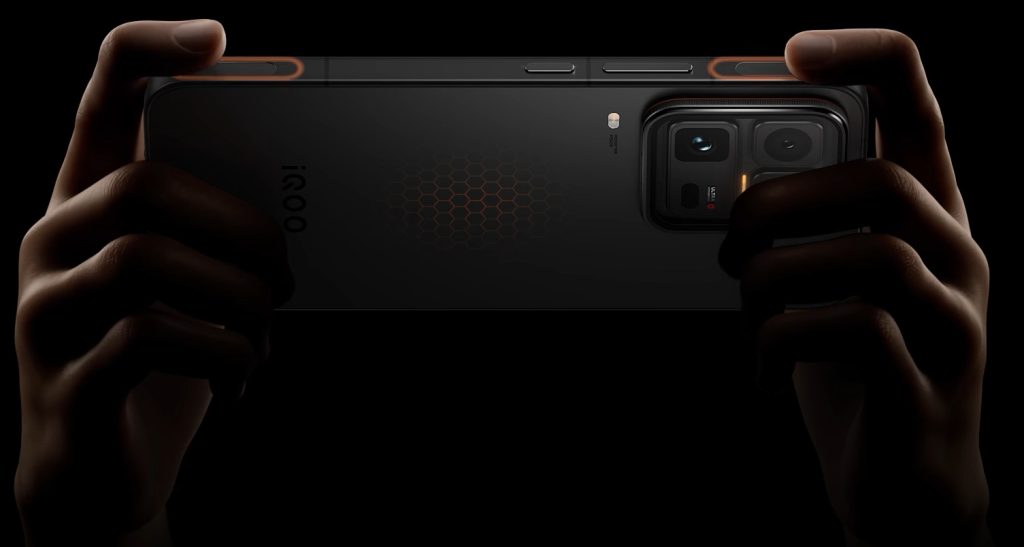
    iQOO 15 Ultra Gaming TriggersiQOO 15 Ultra Gaming Triggers

    The iQOO 15 Ultra also focuses heavily on gaming controls. It features super-sensitive gaming shoulder buttons with a 600Hz sampling rate and response times as low as 32 milliseconds. The phone includes a super-sensitive gyroscope with a 500Hz sampling rate and a custom algorithm to track small hand movements. Touch response is also enhanced with up to 4000Hz instantaneous touch sampling and 480Hz multi-finger sampling. iQOO has worked with the game Delta Force to optimize zoned touch controls for better accuracy and faster response.

    The iQOO 15 Ultra runs Android 16 with OriginOS 6.0 on top.

    The phone packs a 50-megapixel Sony main camera with OIS, a 50-megapixel ultra-wide camera, and a 50-megapixel Sony periscope telephoto camera with OIS. There is also a 32-megapixel front camera. iQOO says the periscope camera uses an ultra-thin prism and an M-shaped optical path for better image quality and comfort. The camera system supports Live Photos, AI visual effects, and cinematic image processing powered by NICE algorithms.

    The phone is available in 2049 and 2077 color options. It features a sci-fi-inspired Energy Matrix hexagonal texture and a transparent Deco capsule that reveals internal components. The Deco also includes energy light blades with slow pulsing effects. The phone has a matte metal frame, an AG micro-frosted back with AF coating, and an extra-large R-angle design for better grip. iQOO also includes an L-shaped charging cable that does not interfere while gaming in landscape mode.

    For audio and haptics, the iQOO 15 Ultra features War Drum Master coaxial symmetrical dual speakers with Dolby Atmos support. One speaker integrates both high and low frequency units, with an independent tweeter placed inside the woofer. AI-based noise recognition is also included. The phone uses a Warhammer MAX dual-axis vibration motor for advanced haptic feedback in supported games. The Energy Light Blade supports multiple notification types, color options, and custom lighting effects.

    It supports dual SIM, an in-display 3D ultrasonic fingerprint sensor, IP68 and IP69 dust and water resistance, and connectivity options like 5G, Wi-Fi 7, Bluetooth 6.0, NFC, and USB Type-C 3.2. The device is backed by a 7400mAh single-cell Blue Ocean battery. It supports 100W ultra-fast wired charging and 40W wireless charging. The phone is also compatible with PPS and PD fast charging standards.

    Pricing for the iQOO 15 Ultra in China starts at 5,699 yuan for the 16GB RAM and 256GB storage variant. The 16GB and 512GB model is priced at 5,999 yuan, while the 16GB and 1TB version costs 6,999 yuan. The top-end 24GB and 1TB variant is priced at 7,699 yuan. The phone is available for pre-order now and will go on sale in China from February 10.

    Follow Techlomedia on Google News to stay updated. Follow on Google NewsFollow on Google News

    Affiliate Disclosure:

    This article may contain affiliate links. We may earn a commission on purchases made through these links at no extra cost to you.

  • Hackers Used AI to Take Over an AWS Account in Under 10 Minutes, Researchers Warn

    Hackers Used AI to Take Over an AWS Account in Under 10 Minutes, Researchers Warn

    Add Techlomedia as a preferred source on Google. Preferred Source

    Security researchers are warning that artificial intelligence is now helping hackers break into cloud environments at an alarming speed. A new report from the Sysdig Threat Research Team shows how attackers used AI tools to gain full administrative access to an Amazon Web Services account in less than ten minutes.

    The incident was observed in November 2025 and shows how the cloud attack lifecycle has changed. What earlier took hours or even days can now be done in minutes. According to the researchers, large language models were likely used to automate reconnaissance, generate attack code, and make decisions during the intrusion in real time.

    The attack targeted an AWS environment and began with a simple but common mistake. The attackers found valid AWS credentials stored inside publicly accessible S3 buckets. These buckets contained Retrieval-Augmented Generation data used for AI models. Once the credentials were exposed, the attackers quickly moved ahead.

    An AWS spokesperson said the incident was limited to a single customer account and did not impact AWS services or infrastructure.

    AWS services and infrastructure are not affected by this issue, and they operated as designed throughout the incident described. The report describes an account compromised through misconfigured S3 buckets. We recommend all customers secure their cloud resources by following security, identity, and compliance best practices, including never opening up public access to S3 buckets or any storage service, least-privilege access, secure credential management, and enabling monitoring services like GuardDuty, to reduce risks of unauthorized activity. AWS customers who suspect or become aware of malicious activity within their AWS accounts should follow guidance for remediating potentially compromised AWS credentials or contact AWS Support for assistance.

    The compromised credentials belonged to an IAM user that had read and write access to AWS Lambda and limited access to Amazon Bedrock. The user was also attached to the ReadOnlyAccess policy, which still allowed the attackers to explore a wide range of AWS services. They scanned services such as Secrets Manager, Systems Manager, EC2, ECS, RDS, and CloudWatch within minutes.

    After mapping the environment, the attackers abused Lambda permissions, specifically UpdateFunctionCode and UpdateFunctionConfiguration. They injected malicious code into an existing Lambda function called EC2-init. After a few attempts, this allowed them to generate new access keys for an admin-level account named “frick,” effectively giving them full control.

    Sysdig researchers noted several signs that AI tools were used during the attack. The injected Lambda code had detailed exception handling, a modified timeout setting, and even comments written in Serbian. Some mistakes were also visible, which are typical of AI-generated output. These included attempts to assume roles in fake AWS account IDs, references to a GitHub repository that does not exist, and session names like “claude-session,” hinting at AI-assisted workflows.

    Once inside, the attackers focused on persistence. They spread their activity across 19 different AWS principals, including multiple IAM roles and users. A new backdoor user named “backdoor-admin” was created and granted full AdministratorAccess, ensuring continued control even if some credentials were revoked.

    The attackers then turned their attention to Amazon Bedrock. After confirming that model invocation logging was disabled, they began LLMjacking operations. They invoked several foundation models, including Claude Sonnet, Claude Opus, DeepSeek R1, Llama models, and Amazon’s own Nova and Titan models. This allowed them to consume expensive AI resources without authorization.

    Researchers also discovered a Terraform module designed to deploy another backdoor. This setup created a Lambda function that generated Bedrock credentials and exposed them through a public Lambda URL with no authentication, making abuse even easier.

    The final stage of the attack involved large-scale resource abuse. The attackers queried more than 1,300 machine images related to deep learning and then launched a powerful p4d.24xlarge EC2 instance. This instance costs over $32 per hour and can exceed $23,000 per month. They configured it with CUDA, PyTorch, and a publicly accessible JupyterLab server, giving them a backdoor that did not rely on AWS credentials.

    To avoid detection, the attackers used IP rotation tools, changing their source IP address with almost every request. This made it harder for security systems to link activities together.

    Sysdig says this incident shows how dangerous AI-assisted attacks can be when basic cloud security hygiene is missing. The researchers recommend strict least-privilege policies for IAM users, locking down Lambda permissions, keeping S3 buckets private, enabling logging for Amazon Bedrock, and closely monitoring IAM activity.

    AWS users can reduce the risk of such attacks by following basic cloud security practices. S3 buckets should never be left public unless absolutely required. IAM users should follow least-privilege access and avoid attaching broad policies like ReadOnlyAccess unless needed. Access keys should be rotated regularly and never stored in public locations. Logging and monitoring tools such as CloudTrail, GuardDuty, and Bedrock model invocation logs should always be enabled. Regular security audits can help detect misconfigurations early before attackers can exploit them.

    Update: This article has been updated to include a statement from AWS clarifying that the incident involved a single compromised customer account and did not impact AWS services or infrastructure.

    Follow Techlomedia on Google News to stay updated. Follow on Google NewsFollow on Google News

    Affiliate Disclosure:

    This article may contain affiliate links. We may earn a commission on purchases made through these links at no extra cost to you.

  • AnTuTu January Rankings Show Android Phones Are More Powerful Than Ever

    AnTuTu January Rankings Show Android Phones Are More Powerful Than Ever

    Add Techlomedia as a preferred source on Google. Preferred Source

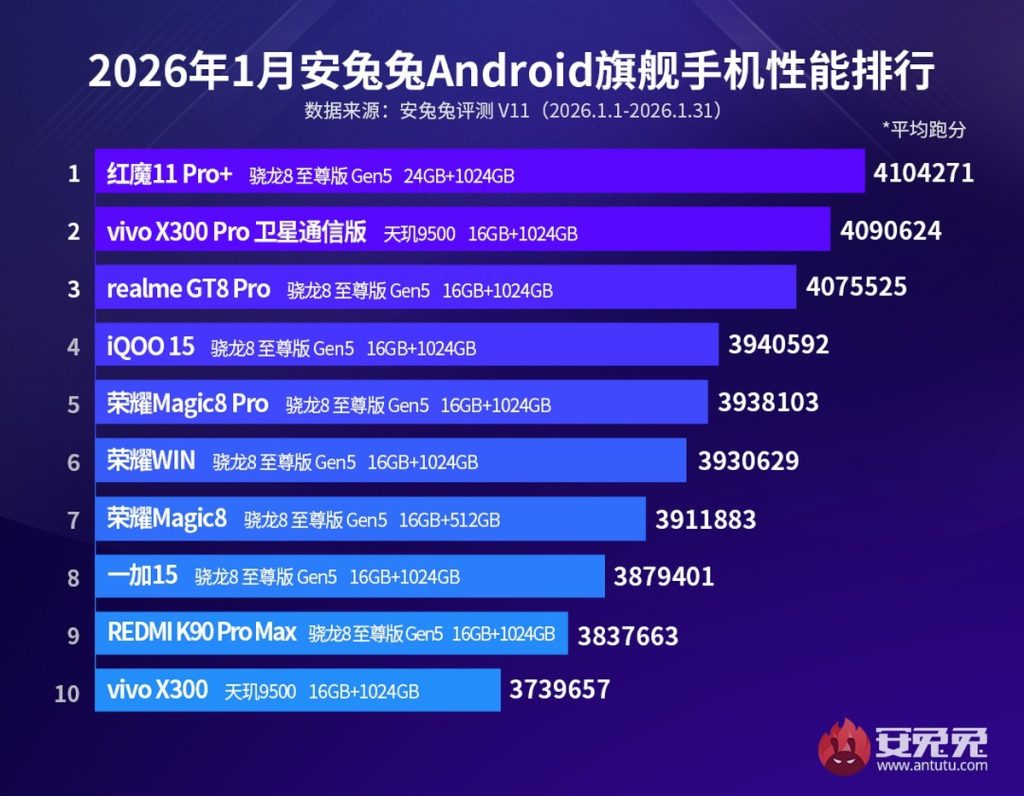
    AnTuTu has released its performance rankings for January, based on benchmark runs carried out in China during the month. As always, these scores are average results from real-world testing, not one-off peak numbers. The charts show impressive gains across categories, but also raise an important question. How much does this raw power actually matter to users?

    In the flagship smartphone category, the RedMagic 11 Pro+ is at the top with an average AnTuTu v11 score of 4,104,271. This is the highest among Android phones right now, and it is not surprising. The device is built with performance as the top priority, with aggressive cooling and gaming-focused tuning.

    AnTuTu January RankingsAnTuTu January Rankings

    The top position of RedMagic 11 Pro+ won’t last long. The iQOO 15 Ultra just launched in China, and it could offer even higher benchmark numbers. iQOO has already claimed 4.51 million+ Antutu v11 score. Now it would be interesting to see how it turns out in real-world testing from consumers.

    Second place in January went to the Satellite Communication Edition of the vivo X300 Pro. It is followed by the Realme GT 8 Pro, iQOO 15, Honor Magic8 Pro, Honor Win, Honor Magic8, OnePlus 15, Redmi K90 Pro Max, and the vivo X300. Now, the interesting thing is that 8 out of the top 10 phones are powered by Qualcomm’s Snapdragon 8 Elite Gen 5. Only two models use MediaTek’s Dimensity 9500.

    This clearly shows that Qualcomm still dominates the ultra-premium Android space when it comes to raw performance. However, in daily use, most of these phones will feel equally fast. Beyond a point, the difference only shows up in heavy gaming, thermal stability, and long sessions, not basic tasks. Only users who pay attention to each detail would count of which is better.

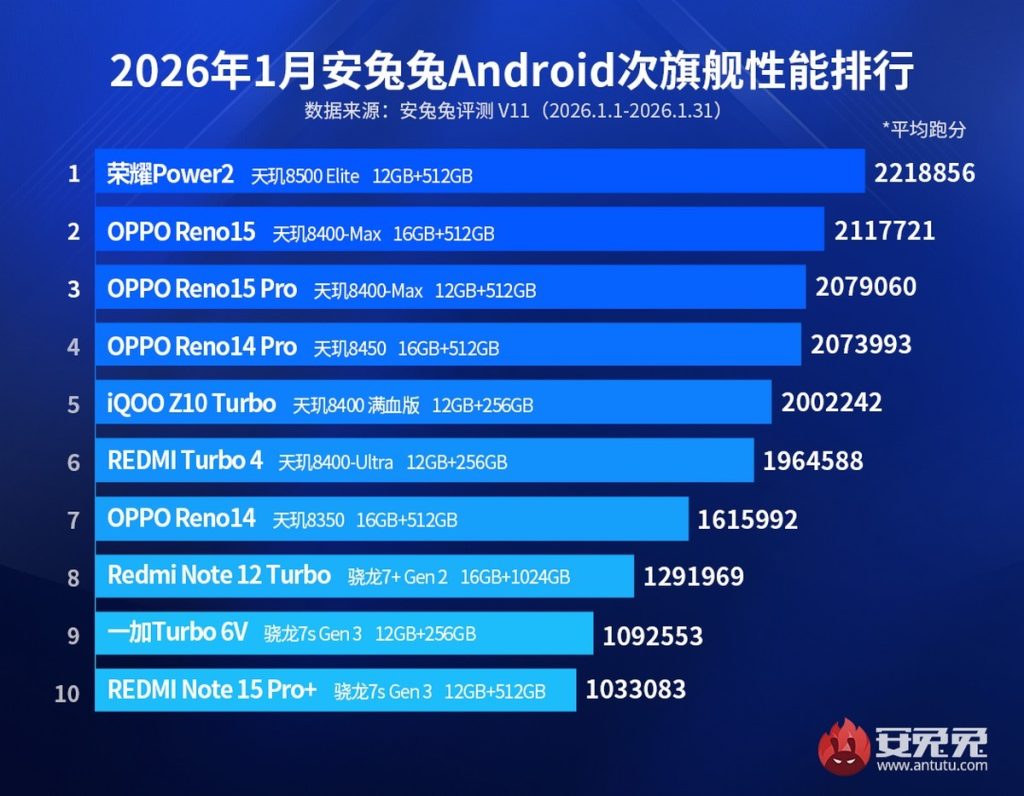
    In the mid-range category, the Honor Power 2 takes the top spot with an average score of 2,218,856. It is followed by the Oppo Reno15, Reno15 Pro, Reno14 Pro, iQOO Z10 Turbo, Redmi Turbo 4, Oppo Reno14, Redmi Note 12 Turbo, OnePlus Turbo 6V, and Redmi Note 15 Pro+.

    AnTuTu January RankingsAnTuTu January Rankings

    Here, MediaTek completely dominates. The Dimensity 8 series chips occupy the first seven positions. The latest Dimensity 8500 leads the chart, although the performance jump over the 8400 is not very large. The bigger improvement came earlier, between the 8300 and 8400 generations. Qualcomm continues to struggle in this segment, with Snapdragon-powered devices appearing only in the lower half of the list.

    Consumers now get better mid-range devices that are powerful enough for gaming, multitasking, and long-term use.

    These rankings show that Android performance has reached a mature stage. Flagships are fighting for the top spot with extreme scores and mid-range phones are more powerful than ever. Benchmarks still matter, but for most users, factors like cooling, software optimization, battery life, and pricing will make a bigger difference than a few hundred thousand points on AnTuTu.

    Follow Techlomedia on Google News to stay updated. Follow on Google NewsFollow on Google News

    Affiliate Disclosure:

    This article may contain affiliate links. We may earn a commission on purchases made through these links at no extra cost to you.

  • $300 Billion Wiped Out as AI Turns Into a Direct Threat for IT Businesses

    $300 Billion Wiped Out as AI Turns Into a Direct Threat for IT Businesses

    Add Techlomedia as a preferred source on Google. Preferred Source

    The global IT and software sector saw a massive sell-off in the last 24 hours. Nearly $300 billion in market value was wiped out. This did not happen because of weak earnings or bad economic data. It happened because investors realised that AI is no longer just a tool. It is now a direct competitor to IT companies.

    This triggered after Anthropic rolled out enterprise-grade plugins for its Claude AI. These plugins are designed to automate real business work. This includes legal checks, compliance tasks, internal research, and enterprise workflows. These are the same areas where IT services and software companies make a large part of their money.

    Soon after this, the market reacted, and the Nasdaq fell by over 2 percent during the session. Software and IT stocks across the US, Europe, and Asia saw heavy selling.

    Until now, AI has been seen as a productivity feature. It helped employees work faster. But this is now changing. Tools like Claude can take over entire workflows. This shows that AI can now start replacing work instead of supporting it. So, several business models are now under pressure.

    Many analysts see this share market incident as a structural repricing. Valuations were based on the assumption that human-led services would continue to grow. Now, AI has forced investors to question their assumptions. If AI can deliver similar output faster and cheaper, clients will renegotiate contracts or move away altogether.

    The impact on the Indian IT sector could be serious in the long run. Indian IT companies are heavily dependent on service-based revenue. Much of this revenue comes from large teams handling repetitive enterprise tasks for global clients. If AI automates these tasks, the need for large teams reduces.

    In the short term, Indian IT firms may still see stable demand. Many enterprises will take time to adopt AI fully. But over the next five to ten years, pricing pressure is likely to increase. Margins could shrink. Growth rates may slow unless companies reinvent their offerings.

    This also raises concerns for IT engineers. Entry-level and mid-level roles that involve routine work are the most exposed. Tasks like testing, basic development, documentation, support, and internal research are already being automated. This does not mean jobs will disappear overnight, but the nature of work will change fast. And developers who adapt soon will stay.

    To stay safe, IT professionals need to adapt. Learning only one programming language will not be enough. Engineers should focus on system design, cloud architecture, security, AI integration, and problem-solving roles that require human judgment. Understanding how AI tools work and how to deploy them will be critical.

    Soft skills will also matter more. Communication, business understanding, and decision-making will help engineers move into roles where AI supports them instead of replacing them. Those who treat AI as a threat will struggle. Those who learn to work with it will stay relevant

    This sell-off is a warning for many IT companies. Now that AI is entering core enterprise operations, they have to do something to keep their business model safe. Companies still have time to respond, but they cannot ignore this. The next phase will reward companies and professionals who move early. AI is not coming. It is already here.

    Follow Techlomedia on Google News to stay updated. Follow on Google NewsFollow on Google News

    Affiliate Disclosure:

    This article may contain affiliate links. We may earn a commission on purchases made through these links at no extra cost to you.

  • Google Teases Pixel 10a, Confirms February 18 Launch for Its Next Budget Phone

    Google Teases Pixel 10a, Confirms February 18 Launch for Its Next Budget Phone

    Add Techlomedia as a preferred source on Google. Preferred Source

    Google has officially confirmed the launch date of its next budget smartphone, the Pixel 10a. After weeks of mixed reports around a February or later launch, the company has now released official teasers announcing that the Pixel 10a will be unveiled on February 18, 2026.

    Along with the teaser, Google also confirmed that Pixel 10a pre-orders will open on the same day. However, buyers may have to wait a little longer to get the phone in hand, as in-store availability is expected to begin from March 5.

    Recent leaks had already hinted that the launch was close. Tipster Evan Blass had shared a screenshot showing the Pixel 10a certified for use on Verizon’s network. That listing also revealed several key specifications, giving a clearer picture of what to expect from Google’s next affordable Pixel.

    The Pixel 10a is expected to feature a 6.285-inch FHD+ AMOLED display with a refresh rate of up to 120Hz. It will likely come with 8GB of RAM and 128GB of base storage. Powering the device will be a 5,100mAh battery, which should offer solid all-day usage.

    The phone is said to measure 153.9 x 72.9 x 9mm and will be powered by Google’s Tensor G4 processor. This is the same chip used in the Pixel 9a, though the Pixel 10a version is expected to run at slightly higher clock speeds.

    The phone doesn’t appear to bring major changes to design. It follows the familiar Pixel A-series look with thick bezels and a plastic back. The signature camera bar remains on the rear, housing a dual-camera setup. Google is also likely to offer the Pixel 10a in multiple color options. These include Obsidian, Fog, Lavender, and Berry, giving users a mix of neutral and bold choices.

    Follow Techlomedia on Google News to stay updated. Follow on Google NewsFollow on Google News

    Affiliate Disclosure:

    This article may contain affiliate links. We may earn a commission on purchases made through these links at no extra cost to you.
  • Sony Says PS5 Shipments Reach 92.2 Million, Hardware Growth Slows

    Sony Says PS5 Shipments Reach 92.2 Million, Hardware Growth Slows

    Add Techlomedia as a preferred source on Google. Preferred Source

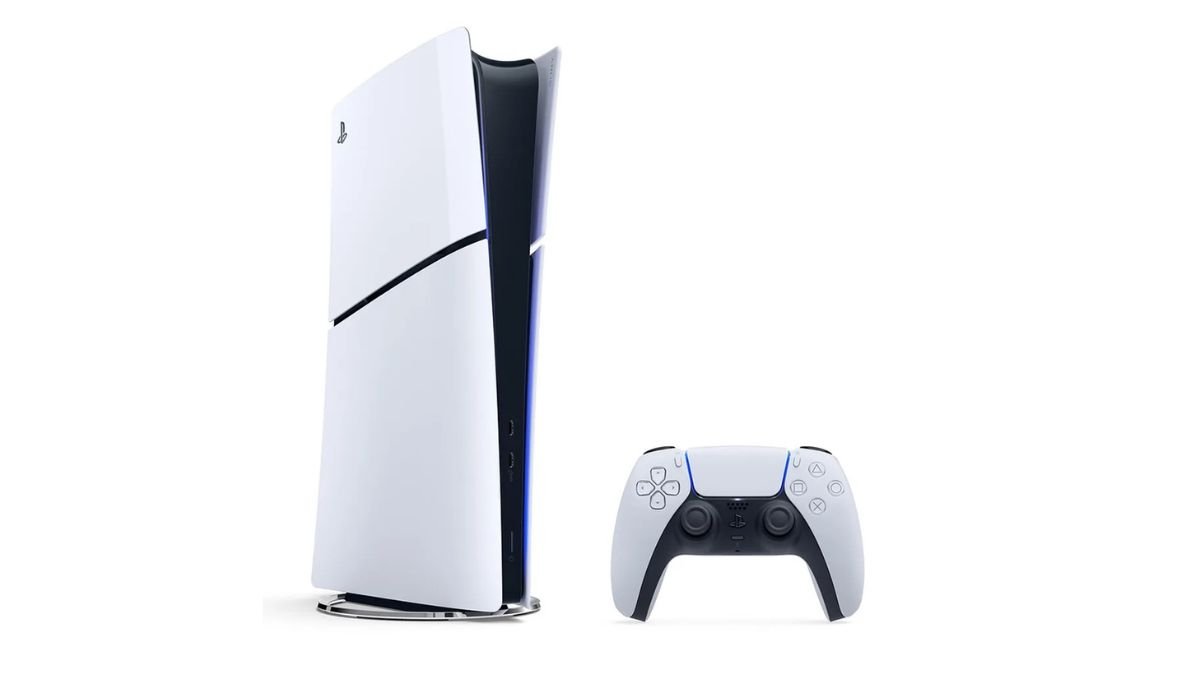
    In its financial results for the quarter ending December 31, 2025, Sony said that PlayStation 5 has shipped 92.2 million units globally since its launch in November 2020. This shows how strong the PS5 remains in the gaming market, but the pace of shipments is slowing compared to past milestones.

    In the October to December quarter of the 2025 financial year, Sony shipped 8 million PS5 units. This is 1.5 million fewer units than the same quarter a year earlier. It shows a weaker hardware momentum. At the same time, Sony’s gaming division showed resilience thanks to software and network performance.

    Sony said there are now 132 million monthly active users on the PlayStation Network, up by 3 million from the same period last year. Combined PlayStation 4 and PS5 software sales reached 97.2 million units in the quarter, which is 1.3 million more than a year earlier, and 13.2 million of those were first-party titles, up 1.6 million year-on-year. The digital download ratio for full game software was 76 percent, up by two percentage points.

    The PS5 has also achieved a rare milestone among modern consoles. It has now surpassed lifetime sales of every Xbox console, including the Xbox 360, and sits close to Sony’s PlayStation 3 lifetime total. It shows how strong the PlayStation brand still is five years into the PS5’s lifecycle.

    The slowdown in PS5 hardware shipments is not unexpected. Console lifecycles often slow after early demand is met, and the current generation has faced stock challenges, price pressure, and strong competition. At the same time, Nintendo’s hardware continues to sell very well, with recent reports showing the Nintendo Switch 2 set records as the fastest-selling console ever shortly after its launch.

    Software and network services are becoming more important to Sony’s results. PlayStation Network users continue to grow, and digital software sales now make up a large majority of game purchases. First-party games now sell millions of units each quarter, and software sales overall are rising.

    The slowdown in hardware shipments may prompt questions about the future of the PS5 and Sony’s next moves. A possible PS5 Pro refresh or new hardware revision could stimulate sales later in the lifecycle. If “Grand Theft Auto VI” and other major exclusives release later in 2026, Sony might see a renewed surge in console demand.

    Xbox’s hardware performance lags far behind the PS5, and Microsoft’s strategy has shifted more toward services like Game Pass than pure console sales. This could mean Microsoft does not reclaim console share but builds a different kind of long-term value through subscriptions.

    Follow Techlomedia on Google News to stay updated. Follow on Google NewsFollow on Google News

    Affiliate Disclosure:

    This article may contain affiliate links. We may earn a commission on purchases made through these links at no extra cost to you.
  • Watch this snowbot crush 130,000 steps for an Olympic moment

    Watch this snowbot crush 130,000 steps for an Olympic moment

    Robotics specialist Unitree has been making waves with its humanoid robots, and a new video shows its impressive G1 bipedal bot dealing with incredibly cold conditions.

    In a video showing the G1 trudging through deep snow, Unitree describes the feat as “the world‘s first autonomous walking challenge for humanoid robots in a -53.32°F (-47.4°C) extreme weather environment.”

    The stunt took place in China’s Altay region, about 1,500 miles (2,400 km) northwest of Beijing, where Unitree’s snowbot trudged through deep snow to mark out the Olympic rings in celebration of Friday’s Winter Olympics opening in Italy.

    It’s not clear how long the robot walked for, or how many times its battery needed to be swapped out, but during the course of its sub-zero slog it managed to create an image 100 meters wide and 186 meters long.

    Still, the fact that it managed to function at all in such frigid conditions is clearly impressive. Icy temperatures can freeze batteries, stiffen joints, or shut down electronics, but the G1, apparently assisted by its puffer jacket that possibly came with some internal heating, managed to stay alive in the challenging setting.

    ​The successful demonstration offers a glimpse at how the G1, or robots like it, could one day be deployed for tasks like search and rescue in polar environments, or even operate in faraway places like Mars where average temperatures reach around -76°F (-60°C).

    China-based Unitree has emerged as one of the leading players in the increasingly competitive humanoid robotics sector. The G1 robot, which stands at 4 feet 4 inches (132 cm), also has a remarkable ability to regain control if it takes a tumble, and can apparently perform a number of household chores, too.

    While many challenges lie ahead for robotics firms when it comes to readying humanoid robots for specific roles that can be performed consistently, reliably, and truly independently, this year is shaping up to be an exciting one in the sector.