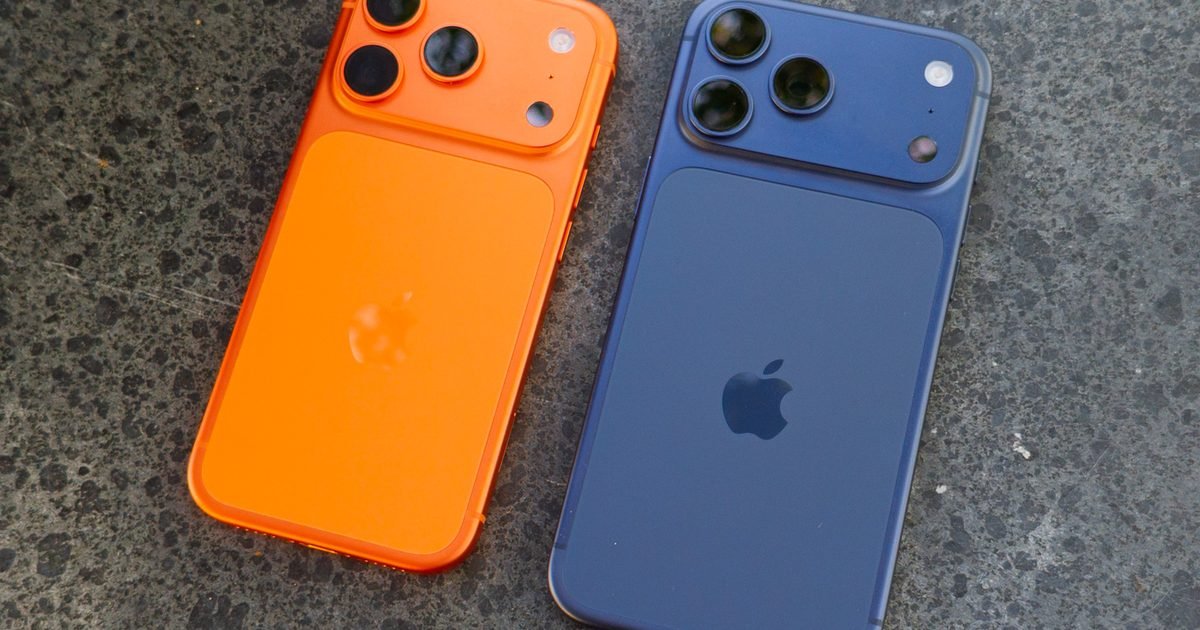
Even though we’re months away from its anticipated launch, a new leak about Apple’s iPhone 18 Pro Max raises serious concerns about Samsung’s purported Galaxy S26 Ultra.
According to renowned tipster Digital Chat Station, the iPhone 18 Pro Max will feature a larger battery compared to the iPhone 17 Pro Max. While the Chinese version of the handset could feature a 5,000 mAh battery, international variants could offer an even bigger upgrade.
Nirave Gondhia / Digital Trends
Early iPhone 18 Pro Max put battery life back in the spotlight
The iPhone 18 Pro Max version sold outside China could have a battery capacity between 5,100 and 5,200 mAh. The exact battery size could depend on whether the version has a physical SIM or supports eSIM only. Why do I say that?
The iPhone 17 Pro Max features a 4,823 mAh battery on variants with a physical SIM slot, and a slightly larger 5,088 mAh battery on units without one. So, there’s a chance that the iPhone 18 Pro Max with and without a SIM slot could come with different batteries in the range.
These numbers might not impress you on paper, especially when compared to the 6,000 or 7,000 mAh battery cells on modern Android flagships (like the OnePlus 15), but when it comes to real-world use, the iPhone 17 Pro Max is among the longest-lasting phones on a single charge.
Given that Samsung’s purported Galaxy S26 Ultra is rumored to ship with a 5,000 mAh battery (the same as the Galaxy S20 Ultra, which debuted six years ago) and the Snapdragon 8 Elite Gen 5 chipset based on 3nm fabrication technology, the iPhone 18 Pro Max should easily outlast it.
With a battery that can hold more charge, a chipset that consumes less power (likely the 2nm A20 Pro chip), and the highly-optimized iOS operating system, the iPhone 18 Pro Max might offer more screen-on time between charges than the Galaxy S26 Ultra.
If the leak holds true, the iPhone 18 Pro Max could hold well not just against the Galaxy S26 Ultra, but the Android flagships of 2026 that feature gargantuan batteries, proving that efficiency, not just raw capacity, is what truly matters.
NASA is finally changing a long-standing policy about what astronauts can carry into space. Astronauts heading to space will now be allowed to carry smartphones on missions, opening the door to more candid photos, videos, and yes, even the occasional zero-gravity selfie.
NASA Administrator Jared Isaacman confirmed the change on X, saying astronauts will soon fly with the latest smartphones “to capture special moments for their families and share inspiring images with the world.”
He added that NASA challenged long-standing approval processes to qualify modern hardware faster, calling it a “small step in the right direction.”
NASA astronauts will soon fly with the latest smartphones, beginning with Crew-12 and Artemis II. We are giving our crews the tools to capture special moments for their families and share inspiring images and video with the world. Just as important, we challenged long-standing…
— NASA Administrator Jared Isaacman (@NASAAdmin) February 5, 2026
The new policy will kick in with upcoming missions, including Crew-12, which is heading to the International Space Station, and Artemis II, the long-awaited crewed mission that will take humans around the Moon.
Imagine the stunning images astronauts could capture with smartphones powered by cameras found on the latest iPhones and Pixels.
Why NASA is changing course now
Artemis II crew member Reid Wiseman.NASA
Until now, astronauts relied on NASA-approved camera gear to capture images, a process that often lagged far behind consumer technology. In fact, before this change, the newest camera cleared to fly on Artemis II was a 2016 Nikon DSLR, along with GoPro cameras that were already nearly a decade old (via Ars Technica).
With smartphones, astronauts will finally have access to modern, portable cameras that fit easily into daily life on a spacecraft. Interestingly, this is not the first time phones have reached orbit. Two iPhone 4 devices flew aboard a space shuttle mission in 2011, though it remains unclear whether they were actively used or simply carried along.
NASA
The timing of the announcement lines up with renewed attention on Artemis II. The mission will send four astronauts on a loop around the Moon and back. However, the launch of Artemis II has been delayed after running into technical issues during testing, pushing its launch into March 2026.
When it does fly, the journey will not just be historic; it may also be documented in a more personal way than any lunar mission before it.
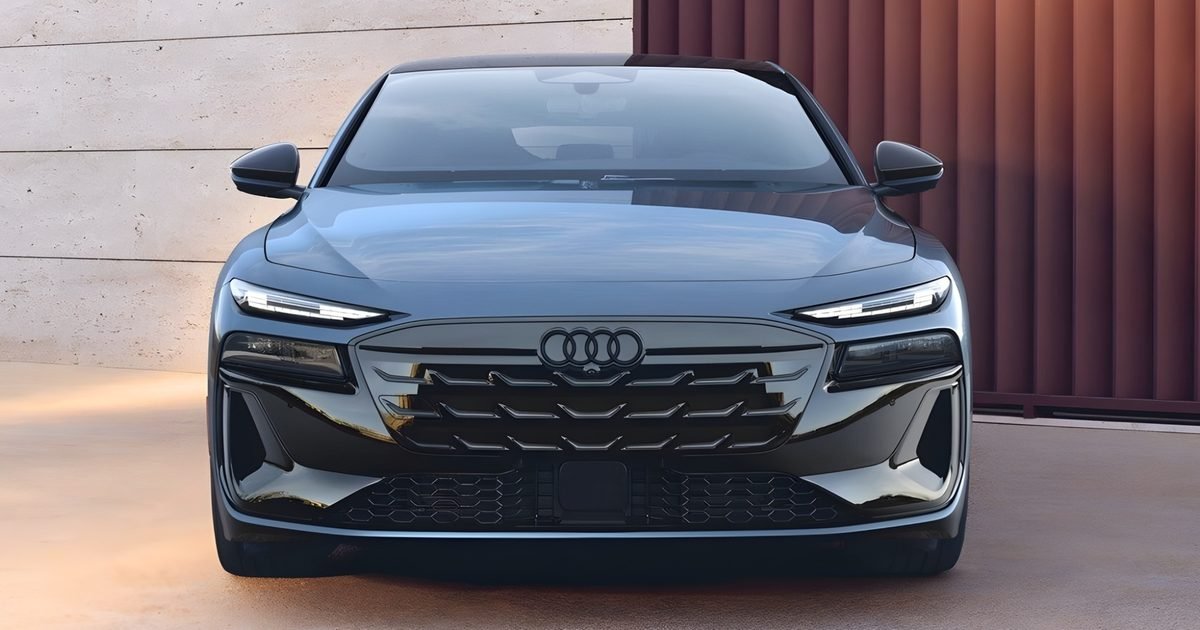
If we measured EV updates on their “coolness quotient,” Audi’s newly revised 2027 A6 Sportback e-tron and Q6 e-tron lineups would probably top the chart. The automaker has released what I’d say are a bunch of lifestyle upgrades that make the cabin as entertaining and intuitive as it is practically possible.
Both the 2027 A6 Sportback e-tron and Q6 e-tron get a redesigned Audi Digital Stage (the combination of infotainment screen and instrument panel) with improved graphics, fewer menu lists, and intuitive visual tiles. You can also mirror the navigation or media into the virtual cockpit.
Audi
A tech refresh that feels like a lifestyle upgrade
The physical scroll wheel, a fan-favorite feature, is back on the steering wheel, letting you control volume and navigate menus. For co-drivers, the front passenger screen now supports independent media playback via Bluetooth headphones.
And if you don’t get the chance to handle the wheel for long, you can connect gaming controllers (via Bluetooth) and race your way in video games with Active Privacy Mode enabled so that it doesn’t distract the driver. Audi also adds new massage seat modes to enhance comfort.
To elevate the overall experience, the cars now come with ambient “experience worlds” that sync lighting, sound, and climate control for programmed durations. There’s also a Power Nap feature that creates a calm, reclined cabin vibe when you stop for a short charging break.
Audi
Reverse Assist, Trained Parking, and ambient Experience Worlds
To assist with driving, the cars now get a Reverse Assist feature that automatically reverses up to 150 feet, a Trained Parking feature that enables autonomous parking in up to five regular parking spots, and more powerful regenerative braking that brings the car to a standstill without applying friction brakes.
You can now get an optional 4K dashcam integrated into the base of the rear-view mirror, and a Dynamic Plus that prioritizes raw performance over stability systems (to a limited extent) for times when you’re on your way to a track session. If some of these features sound familiar, that’s because they’re already available on the 2026 Audi A5 and Q5 models.
The 2027 Audi A6 Sportback e-tron starts from $66,700 for the standard model, while the 2027 Audi Q6 e-Tron starts from $64,500. These are the entry prices for the core-electric sedans and SUVs; higher trims are more expensive. Both the lineups will arrive at Audi dealerships “in the second quarter of 2026.”
Apple AI foundations are opening across its entire portfolio. Thanks in no part to the slow development of Siri, Apple had to piggyback atop ChatGPT for Apple Intelligence. A few weeks ago, the company announced that it would use the same foundations as Gemini to power the next-gen version of Siri.
What’s changing?
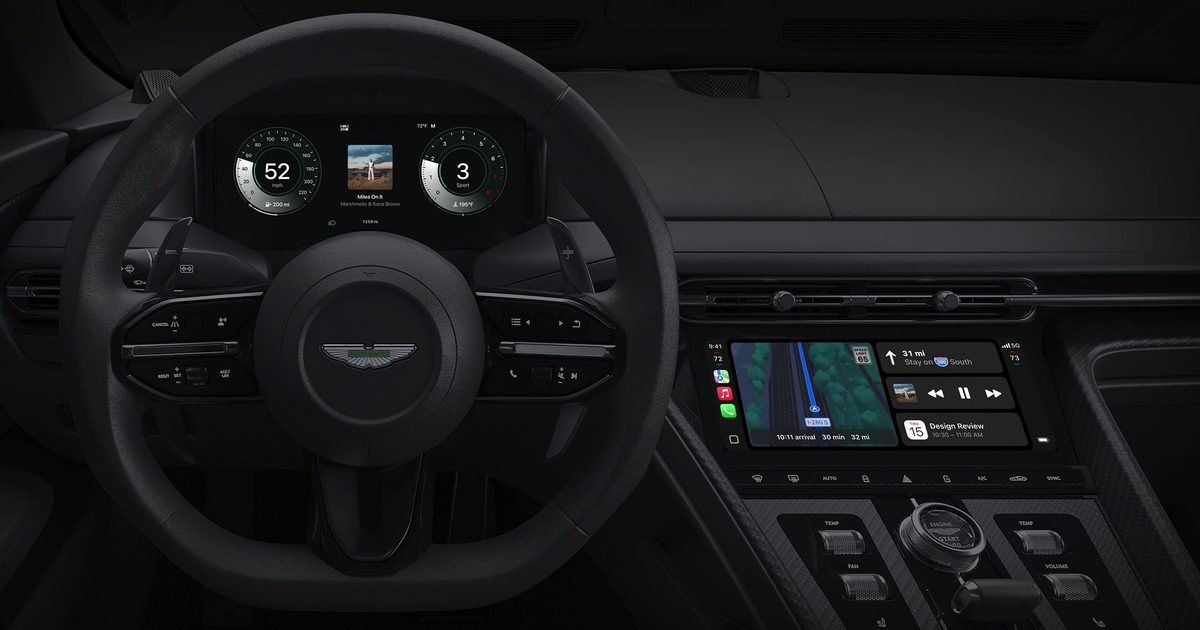
The next avenue for “AI externalization” in Apple’s ecosystem is CarPlay. According to Bloomberg, Apple is planning to allow AI models from other companies on its in-car digital connectivity system. So far, CarPlay has only allowed Siri as the sole digital assistant.
“With the move, AI providers such as OpenAI, Anthropic PBC and Alphabet Inc.’s Google will be able to release CarPlay versions of their apps that include a voice-control mode,” reports Bloomberg. Given Apple’s recent partnerships with Google and OpenAI, it’s actually pretty surprising that these apps took so long to land within the CarPlay stack.
The arrival of ChatGPT and Gemini comes at a time when CarPlay Ultra is struggling to find partners. So far, it has been limited to Aston Martin vehicles, and it might expand to Hyundai or Kia cars later this year.
Why does it matter?
Google, on the other hand, has already showcased deep Gemini integration on cars running the Android Auto stack. Mercedes-Benz adopted a Gemini-based assistant and integrated it within the MBUX Virtual Assistant system a year ago. Google is even planning to bring Gemini shortcuts and widgets to cars.
Apple is finally making a course correction, but it won’t be a completely open playground for the likes of Google, OpenAI, and Anthropic. “Apple won’t let users replace the Siri button on CarPlay or the wake word that summons the service,” adds the Bloomberg report.
That means Siri will remain the default assistant, while other AI assistants such as ChatGPT or Gemini can only be accessed by opening their dedicated apps built for the CarPlay platform. It would be interesting to see whether these assistants will also be able to interact with other system apps such as Map or Apple Music, the way you can already achieve agentic work on phones.
Smart home uses are convenience-focused, and discovering the limits of what a home monitoring system can do. But in an age where technology is beginning to do it all, where is the focus on the people? The company Sleepal wants to address just that, focusing on wellness by focusing on how people sleep in combination with their environment.
Sleepal is a consumer brand operated by XSmart Technology, a company founded in 2022 by Dian Fan, a Tsinghua University master’s degree graduate. Fan is also a founding employee, General Manager of the IoT Platform Department, and Head of Cloud Services at Xiaomi.
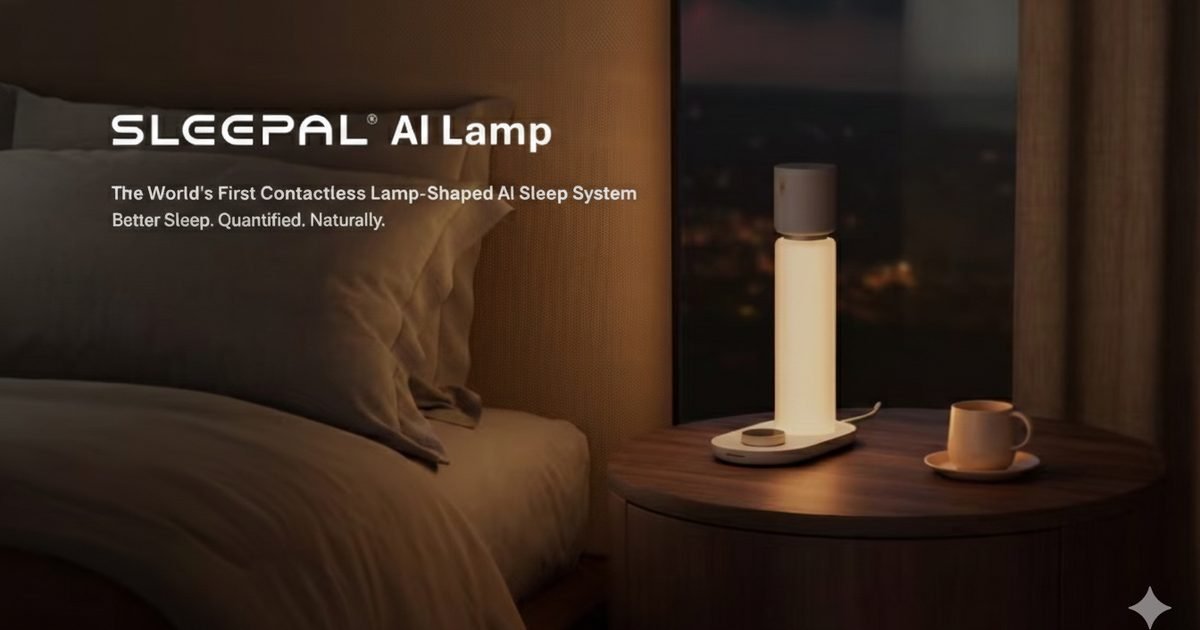
New technology is the fusion of artificial intelligence and sensor technology, expanding sleep-monitoring capabilities and potentially how users sleep. The Sleepal AI Lamp is at the convergence of emerging tech, and, with its creation, the Sleepal company aims to deliver a product that not only tracks how you sleep but also factors in your environment. With a non-contact, ambient design, they hope to usher in a new era of health-focused smart home integration.
The rise of ambient, non-invasive sleep tech
With traditional wearables, consumers can experience discomfort from the design or the wearable requirements of the device. A limited battery life causes repetitive need to recharge and can cause worry about how long the battery will last while in use. These types of devices can also see a lower adoption among sensitive or elderly users.
Devices like the Sleepal® AI Lamp remove the need for skin contact or wearable tech, offering full functionality in a passive, contactless format. Discomfort, charging, and sensitivity can become obsolete, improving the functionality for users.
Multi-modal sensing using radar, thermal, acoustic, humidity, luminosity, and environmental cues enables holistic, high-accuracy sleep tracking.
Beyond sleep tracking: Personalized and AI-driven
To build the Sleepal lamp, the company combined AI models trained on proprietary clinical sleep datasets over a period of two years with real-time sensor inputs to generate accurate, personalized sleep reports and actionable suggestions for improved sleep quality.
The Sleepal AI lamp includes sleep position guidance, breathing pattern analysis, and adaptive environmental control (light/sound), making it a soothing and holistic sleep system.
Sleepal / Sleepal
Smart homes meet preventive health
By integrating the Sleepal AI Lamp into smart homes, Sleepal hopes to turn bedrooms into intelligent wellness zones. The idea is driven by the company’s commitment to enable users to understand how they can get better sleep. Their AI lamp is built so that wellness is not competing for attention with all the other high-activity electronics people keep in their homes in contemporary times.
Adaptive light, sound, and device behavior are based on the customer’s sleep stages, hoping to promote better rest and daily circadian rhythm alignment. Sleepal positions their smart sleep tech as a key component of consumer-driven preventive health.
Design and privacy
The Sleepal sleep system is designed to blend into home decor while maintaining privacy-first operation. The lamp has no camera and takes no video, only heat patterns and radar. Sensor data is processed locally on the device, but some sleep features are measured against AI for deep sleep insight and actionable suggestions for improved sleep quality. Included in the design of the device is a physical privacy button that disconnects sensors at the circuit level, promising 100% privacy.
The visual design of Sleepal AI Lamp came from collaboration with VISTART Design, the premium design studio founded by renowned, award-winning designer Ningning Li. It focuses on lifestyle appeal and an unobtrusive form factor.
Digital health market trends and applications
The aging population and the increasing awareness of sleep’s impact on mental and physical health create a demand for accessible, at-home health solutions. Sleepal is hoping to fill the gap with their AI lamp sleep system.
The company says its product is ideal for use in elderly care, monitoring older patients who may require more care at night, as well as sleep apnea and other symptoms for troubled sleepers. Finally, the device is made for stress management with white noise or soothing soundscapes, a low-blue light interface that naturally induces a calmer state of mind, and other exciting features on the roadmap designed to promote a stress-free and optimized sleep.
In the future, Sleepal hopes to be a pioneer in integrating sleep health into smart homes.
Digital Trends partners with external contributors. All contributor content is reviewed by the Digital Trends editorial staff.
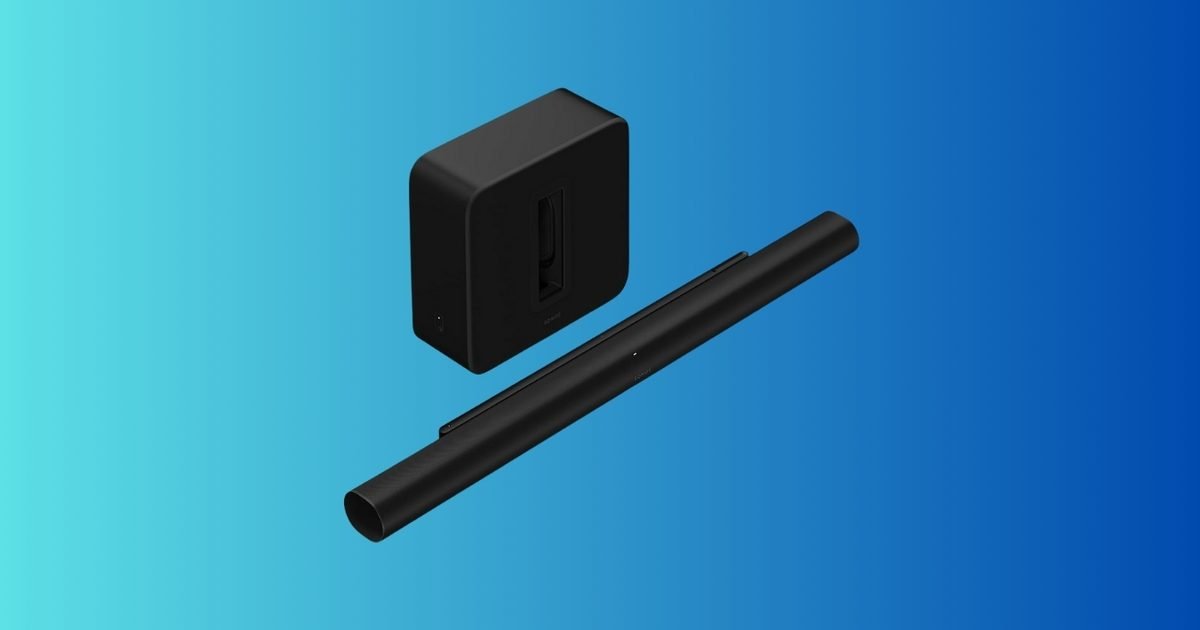
If you’ve ever watched an action scene and thought, “I can see it, but I can’t feel it,” your TV audio is the problem. A premium soundbar plus a real subwoofer fixes that instantly. The Sonos Arc Ultra soundbar + Sub 4 bundle is $1,599.00, down from $1,998.00, saving you $399 (20%) for a limited time. It’s not an impulse buy, but it is a “change the entire room” kind of upgrade.
What you’re getting
This bundle pairs a flagship-style Sonos Arc Ultra soundbar with the Sub 4 subwoofer. The soundbar handles clarity and spatial presentation, while the sub adds the low-end impact that makes movies, games, and live sports feel more physical.
In everyday use, the difference shows up immediately in three places:
Dialogue that sounds clearer and more anchored to the screen
Effects and music that feel wider and more immersive
Bass that adds weight without needing the volume cranked
It’s also a cleaner setup than separate speakers. You get a major jump in sound without turning your living room into a cable project.
Why it’s worth it
This deal is worth attention because you’re getting the “full” soundbar experience. A soundbar alone can improve things, but adding a sub is what makes the upgrade feel complete. Explosions, kick drums, engine noise, crowd roar, and even subtle ambience in movies, it all becomes more convincing.
The 20% discount matters here because premium audio doesn’t get discounted heavily all the time, especially as a bundle. If you already have a nice TV, this is one of the most satisfying ways to stop wasting that screen on thin sound.
The bottom line
At $1,599, the Sonos Arc Ultra + Sub 4 bundle is a strong buy if you want a clean, premium audio upgrade that makes movies and shows more immersive and gives your living room real low-end punch. If you’re on a tight budget, you can spend far less and still improve your TV audio. But if you want a setup that feels genuinely “home theater” without the complexity, this limited-time $399 discount is a great time to jump.
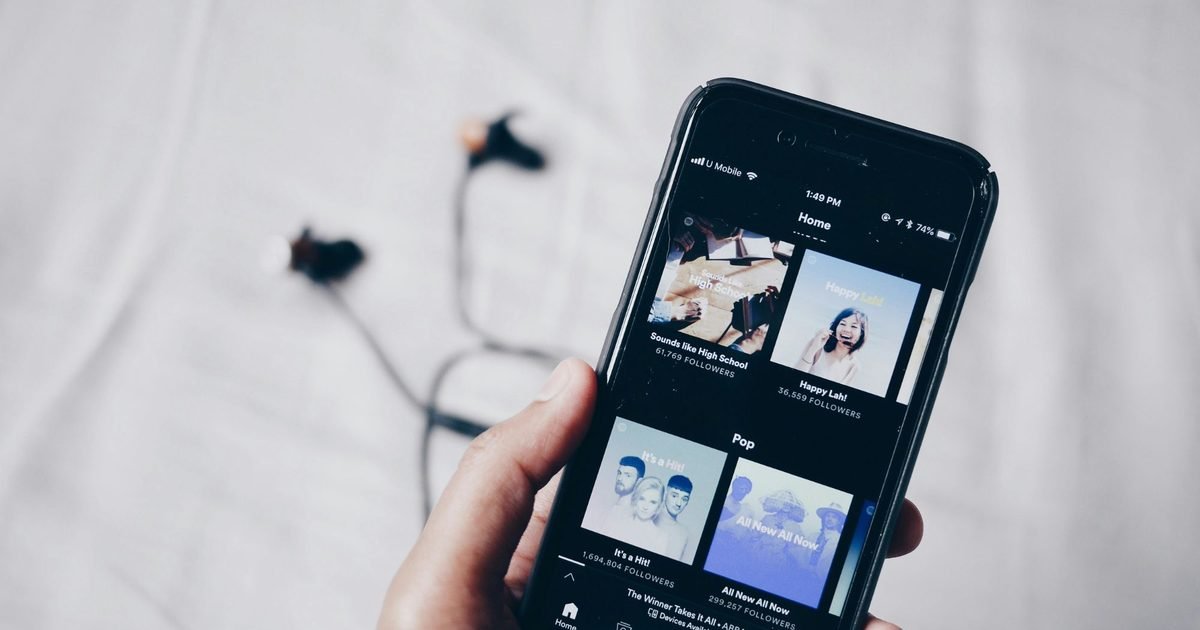
Spotify is rolling out a new feature that brings a new way to learn more about the tracks you listen to. The music platform has introduced About the Song, a feature that brings stories and context directly into the listening experience on the mobile app.
Instead of just hearing a song, you can now read short, swipeable cards that explain what inspired the music, interesting facts, and behind-the-scenes moments while you stream.
About the Song is available in beta for Premium listeners on iOS and Android and is rolling out in English language in U.S., U.K., Canada, Ireland, New Zealand, and Australia.
Explore the story behind the songs you love on Spotify
Spotify
The story cards appear in the Now Playing View for supported tracks. Once you open that screen, you simply scroll down to find the About the Song card, then swipe through the series of cards to explore the track’s story while it plays.
Spotify says the stories are summarized from verified sources to give you more context about the music. You can also share feedback through the card to help Spotify improve the feature over time.
Spotify
With this update, Spotify will help you connect deeply with the art and artists behind your favorite tracks. It has been a busy few days for Spotify, with several updates rolling out across the app. Just yesterday, the company announced that users in the U.S. and the U.K. will soon be able to buy paper books directly through Spotify.
The platform also introduced new audiobook tools, including Page Match, which lets listeners scan a page from a physical book and jump straight to that moment in the audiobook.
Earlier this week, Spotify rolled out lyrics translations worldwide and added support for viewing lyrics offline for all users, not just Premium subscribers. You can also try Spotify’s recently launched Prompted Playlist feature, which lets you create playlists just by typing a prompt, if you reside in the US or Canada.
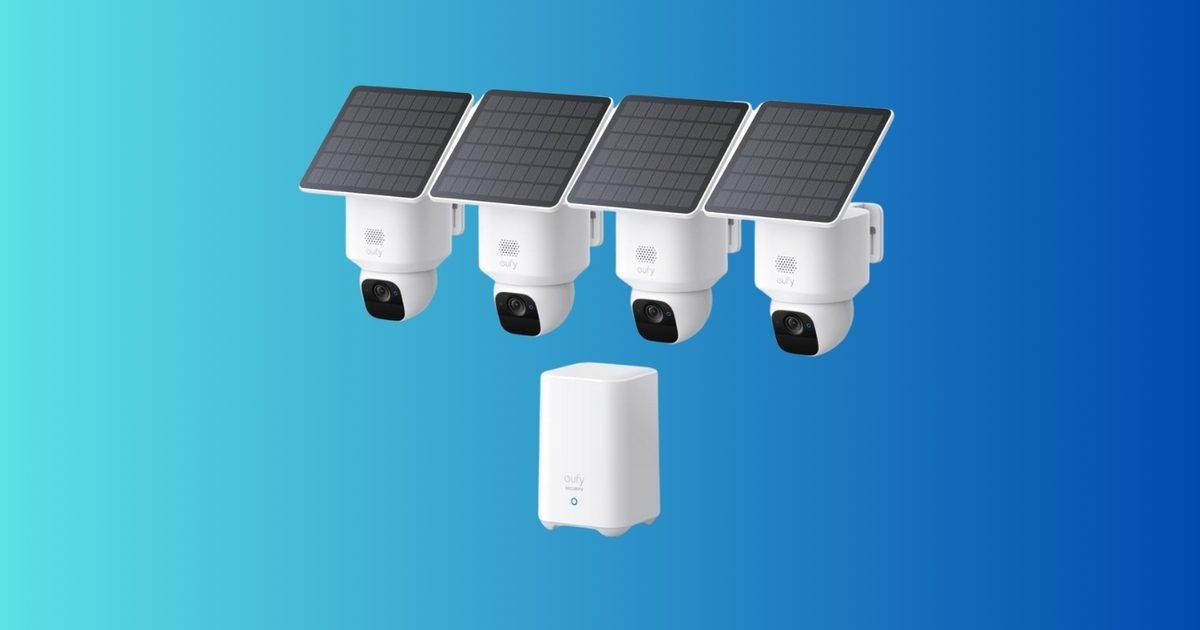
If you’ve ever priced out a full outdoor camera setup, you know the pain: the cameras aren’t cheap, wiring is a hassle, and then you’re stuck figuring out where to mount everything. A solar-powered wireless bundle removes a lot of that friction. The eufy Security SoloCam E30 4-cam pack is $299.99 for a limited time, down from $549.99 for 45% off. That’s the kind of discount that makes “cover the whole property” feel doable instead of excessive.
What you’re getting
This kit includes four wireless outdoor cameras with solar power, 2K clarity, and 360° pan coverage. It also includes AI tracking, which is designed to follow motion so you get more useful footage, not just a clip of someone walking out of frame.
A four-pack is the real advantage. It lets you cover the obvious spots (front door approach, driveway, back patio, side yard) without playing the “which area do I leave unprotected?” game.
Why it’s worth it
This deal is about coverage and convenience. Solar + wireless is ideal if you don’t want to run power or deal with complicated installs. It also makes it easier to reposition cameras later when you realize the perfect angle is a few feet over.
The 360° pan and tracking are also practical features for larger areas like a driveway or backyard, where a fixed camera sometimes misses the action. And 2K resolution is the sweet spot for clarity. You want footage that’s detailed enough to be useful, not just “yep, something happened.”
At $299.99 for four cameras, the value is strong. Even if you were only planning to buy one or two cameras, bundles like this can be the better move because you end up with a more complete setup from day one.
The bottom line
At $299.99, this eufy SoloCam E30 4-cam pack is a strong value if you want wider outdoor coverage with wireless solar power, 2K video, and pan + AI tracking features that help capture more of what actually happens. If you only need a single camera for one entry point, you can spend less. But if your goal is real property coverage, this limited-time 45% discount is worth acting on.
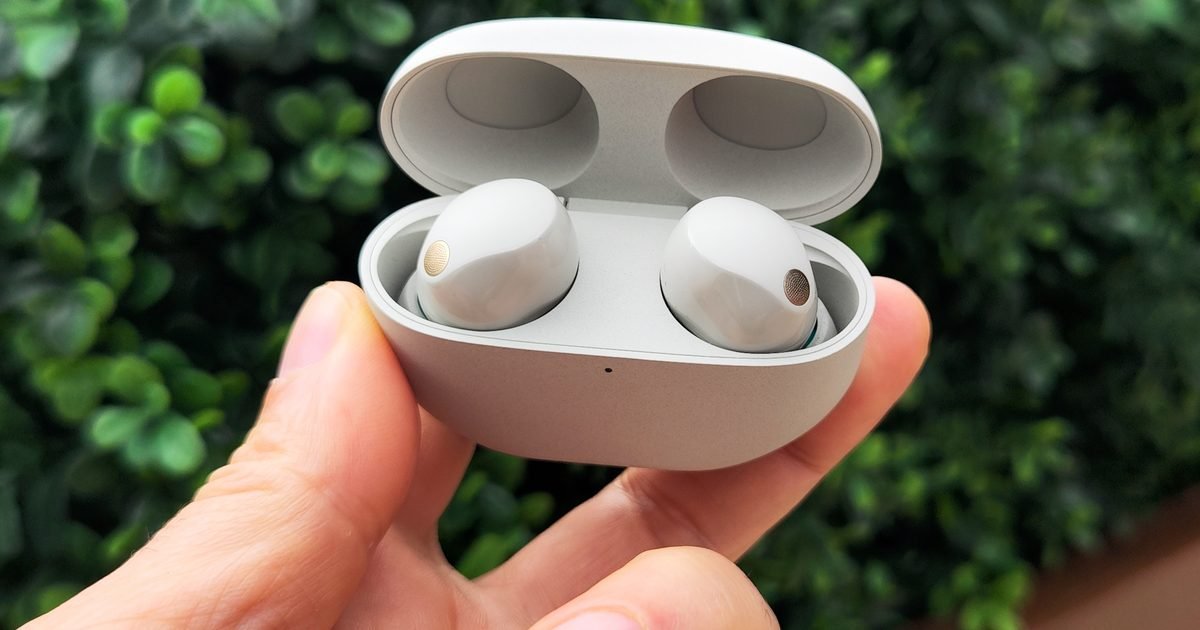
Sony has finally put an official date on the release of its next-gen flagship earbuds, the WF-1000XM6. After months of leaks, rumors, and speculation about the design and launch timeline, the company teased the upcoming debut in a short clip on YouTube, billing them as the “next generation of earbuds.”
The teaser doesn’t reveal much beyond a brief look at the charging case, but it does confirm that the WF-1000XM6 will launch on February 12. Leaked renders had already suggested Sony is moving away from the XM5’s rounded design in favor of a sleeker, pill-shaped form factor, paired with a flatter, more compact charging case.
Sony hasn’t confirmed official specs yet, but rumors point to some meaningful upgrades. These include improved noise cancellation, IPX4 water resistance, and support for DSEE Ultimate upscaling, upgrades that could help the XM6 secure a spot among the best wireless earbuds on the market. Color choices are expected to include Black, Platinum Silver, and a lighter Sand Pink variant.
The XM6 could bring practical real-world improvements
If the rumored upgrades pan out, the WF-1000XM6 could address some of the lingering complaints around the XM5, including fit and long-term comfort. A redesigned shape may also allow Sony to improve battery life, another aspect that matters just as much as raw sound quality for everyday use.
Pricing hasn’t been announced yet, but Sony is likely to position the WF-1000XM6 at the premium end of the market, similar to its predecessor. With the February 12 launch now locked in, it won’t be long before we see whether Sony’s next-gen earbuds can live up to the hype.
Harare: Batting prodigy Vaibhav Sooryavanshi lit up the grand stage with a jaw-dropping 175 to power India to a record-extending sixth ICC Under-19 World Cup title with a 100-run victory over England in the final here on Friday.
The triumph adds to India’s previous titles in 2000, 2008, 2012, 2018 and 2022, underlining their dominance in the tournament’s history.
The 14-year-old Sooryavanshi blazed his way to a stunning 175 off just 80 balls, recording the fastest 150 in Under-19 cricket history, reaching the milestone in 71 deliveries, as India piled up a daunting 411 for 9 after electing to bat.
Vaibhav Sooryavanshi (Image: X/BCCI)India win sixth Under-19 World Cup (Image: X/BCCI)
In response, England kept the required run rate within sight for large parts of the chase but lost wickets at regular intervals, which steadily derailed their pursuit.
They were eventually bowled out for 311 with Caleb Falconer scoring a 66-ball 115.
Sooryavanshi, who shot into the limelight during last year’s Indian Premier League, smashed 15 sixes and an equal number of boundaries, registering the highest individual score by any batter in an ICC tournament final.
Brief Scores:
India 411/9 in 50 overs (Vaibhav Sooryavanshi 175, Ayush Mahatre 53; James Minto 3/63, Sebastian Morgan 2/74).
England 311 all out in 40.2 overs (Caleb Falconer 115, Ben Dawkins 66; RS Ambrish 3/56, Deepesh Devendran 2/64)
Get the latest updates in Hyderabad City News, Technology, Entertainment, Sports, Politics and Top Stories on WhatsApp & Telegram by subscribing to our channels. You can also download our app for Android and iOS.