

Category: Uncategorized

  • Tilak ton scripts memorable turnaround for Mumbai Indians

    Tilak ton scripts memorable turnaround for Mumbai Indians


    Cricket players celebrating after a successful match in a packed stadium.

    Ahmedabad: Tilak Varma played a knock for the ages as his maiden IPL century turned the corner for the Mumbai Indians with the five-time champions crushing Gujarat Titans by 99 runs here on Monday.

    Spurred by skipper Hardik Pandya’s ‘hard talk’ asking him to get a move-on during the strategic break after he scratched his way to 19 off 22 balls, Tilak changed gears in a flash to amass 82 off the next 23 deliveries and end on an unbeaten 101 off 45 balls.

    Mumbai Indians’ 199 for 5 was good enough as Jasprit Bumrah broke his wicket-less streak for five matches with a first-ball dismissal of Sai Sudharsan and GT never recovered from there to get all out for 100 in 15.5 overs.

    The introduction of left-arm seamer Ashwani Kumar proved to be decisive as he snared 4 for 24 to run through the middle-order along with Mitchell Santner (2/16 in 3 overs).

    The defeat also exposed the chinks in GT’s armoury, especially their fragile middle-order, where they have carried two ‘non-performing assets’ in Rahul Tewatia and M Shahrukh Khan for the longest time.

    Between them, they played 24 balls and scored only 25 runs and it is baffling to see head coach Ashish Nehra placing so much faith in the mediocre duo.

    The win, after four straight defeats, took the Mumbai Indians to seventh place in the points table, but more importantly, it improved their net run rate significantly (+0.067).

    MI looked a different outfit till the 14th over when the second strategic time out was taken. Post that, Tilak did the unthinkable to give the total respectability, which looked improbable after the powerplay thanks to an intimidating first spell by Kagiso Rabada.

    At the strategic time-out post 14th over, TV cameras caught skipper Pandya animatedly telling something to Tilak, who had looked unconvincing till that point of time and was occasionally booed by the Motera crowd.
    But after that break, one saw the Tilak that one has always known as he threw the kitchen sink at GT’s fastest bowlers. Prasidh Krishna went for 19, and new pace sensation Ashok Sharma was toyed with for 26 runs.

    Before Monday’s innings, Tilak’s poor form was one of the talking points as he managed only 43 in the previous five outings. In all, he hit eight fours and seven sixes on the day, with a few over covers and some hit down the ground.

    Pandya (15 off 16 balls) did push Tilak but hardly did anything of note himself in their 81-run stand off only 38 balls. The last six overs yielded 96 runs, largely due to the ever inconsistent Prasidh Krishna (1/54 in 4 overs), who gave away 41 in his final two overs.

    This was after Rabada (3/33 in 4 overs) got the ball to seam at a quick clip as he blew the top-order away inside powerplay to ensure that it would be another day of below par total for the five-time champions who had been looking completely out of sorts until then.
    Rabada, rated as one of the legends of his generation alongside Pat Cummins, Bumrah and Josh Hazlewood, bowled the ‘Test match length’, faster, fuller and attacked the stumps to get three wickets.

    Danish Malewar (2) understood the gulf between domestic and world class bowling as he couldn’t get his bat down on time and Rabada rapped him on the pads plumb in front. Quinton de Kock (13 off 11 balls) played a rasping square cut when Rabada gave him width but a short ball saw him balloon a pull shot, which the bowler collected gleefully.

    The best dismissal certainly was the one where he set up out-of-form India T20I skipper Suryakumar Yadav (15 off 10 balls). Surya had clipped Rabada for a six into the cow corner and straight drove him for a boundary.

    Rabada came back with a banger — a 152 kmph delivery pitched up on fourth stump line that cut back sharply. There was no visible footwork and the bat was away from the body as it breached through the defence to peg the stump back.

    Naman Dhir, who scored a fifty in the last game, resurrected the innings. He used Ashok Sharma’s pace to get a couple of boundaries and kept pushing the scoreboard although he never dominated the attack.

    It was only post the strategic break that Tilak suddenly changed gears and played the most memorable knock of his IPL career. It was the fastest hundred for Mumbai Indians in the history of the tournament.


    Get the latest updates in Hyderabad City News, Technology, Entertainment, Sports, Politics and Top Stories on WhatsApp & Telegram by subscribing to our channels. You can also download our app for Android and iOS.
  • The Lifestyle Trends Shaping How People Explore the World Today

    The Lifestyle Trends Shaping How People Explore the World Today

    Travel today looks very different from what it did even a decade ago. Changing work patterns, evolving technology, and shifting lifestyle priorities have influenced how people plan and experience journeys. Many travelers are no longer simply focused on visiting famous landmarks. Instead, they are looking for meaningful experiences, flexibility, and opportunities to explore the world in ways that align with their personal lifestyles.

    Here are several key lifestyle trends that are shaping how people explore the world today.

    1. Experiential Travel

    One of the most significant trends in modern travel is the shift toward experiences rather than traditional sightseeing. Travelers increasingly want to immerse themselves in local cultures, food, and traditions.

    Instead of simply visiting well-known attractions, people are choosing activities such as cooking classes, local guided tours, and cultural workshops. These experiences allow travelers to build deeper connections with the places they visit and create more memorable journeys.

    2. Digital Nomad Lifestyles

    Remote work has made it possible for many people to travel while maintaining their careers. Digital nomads combine work and travel by living in different locations for extended periods while continuing their professional responsibilities online.

    This trend has encouraged travelers to spend longer periods in each destination, often choosing locations that offer both lifestyle benefits and reliable internet access.

    3. Slow Travel

    Slow travel focuses on spending more time in fewer locations rather than rushing through multiple destinations. Travelers embracing this trend prioritize quality experiences over busy itineraries.

    By staying longer in one place, travelers can explore neighborhoods, develop routines, and experience destinations in a more authentic way.

    4. Adventure-Focused Travel

    Adventure travel has become increasingly popular among people seeking more active and engaging experiences. Activities such as hiking, cycling, and motorcycle touring allow travelers to connect with nature while exploring new environments.

    These types of journeys often prioritize scenic routes, outdoor activities, and exploration beyond traditional tourist hotspots.

    5. Technology-Enabled Travel Planning

    Digital tools have dramatically changed how people plan trips. Navigation apps, booking platforms, and travel forums allow travelers to organize complex journeys with ease.

    Smartphones now act as travel companions, helping people discover local attractions, navigate unfamiliar cities, and manage travel logistics in real time.

    6. Road-Based Exploration

    Road trips and vehicle-based travel are experiencing renewed popularity. Travelling by car, campervan, or motorcycle allows people to explore at their own pace and reach destinations that may not be easily accessible through traditional transport.
    Road trips in particular have gained popularity among travelers seeking immersive travel experiences. For drivers relocating or planning long-distance journeys, you can enlist the help of car transporters in Dallas, making it easier to begin adventures in new locations without extended travel beforehand.

    7. Sustainable Travel

    This trend includes choosing eco-friendly accommodation, supporting local businesses, and prioritizing destinations that promote responsible tourism practices.

    8. Community-Driven Travel Inspiration

    Social media and online travel communities have become powerful sources of inspiration. Platforms such as travel blogs, video channels, and social networks allow travelers to share experiences and recommendations.

    These communities help people discover destinations, routes, and travel ideas that they might not have considered otherwise.

    Closing Thoughts 

    The way people explore the world continues to evolve as lifestyles, technology, and personal priorities change. Modern travelers are increasingly focused on experiences, flexibility, and meaningful connections with the places they visit.

    From digital nomad lifestyles to road-based adventures and sustainable travel choices, these trends reflect a broader shift toward travel that is more personalized and purposeful.

    As these lifestyle trends continue to develop, they will shape how future travelers plan their journeys and experience the world around them.

  • Amazon Launches AI Store in India to Showcase Smart Devices Across Categories

    Amazon Launches AI Store in India to Showcase Smart Devices Across Categories

    Add Techlomedia as a preferred source on Google. Preferred Source

    Amazon India has launched a dedicated AI Store on its platform. It aims to make it easier for users to discover and understand devices powered by artificial intelligence.

    The new storefront brings together a wide range of products across categories such as smartphones, laptops, televisions, tablets, wearables, and home appliances. Instead of focusing only on specifications, the store tries to explain how AI features can improve daily usage, such as extending battery life, enhancing image quality, or offering personalised health insights.

    The move comes at a time when AI is becoming a key selling point in consumer electronics, but many users still find it difficult to understand what these features actually do in real-world scenarios.

    A senior executive at Amazon India said the idea behind the AI Store is to simplify the discovery process and help customers make better purchase decisions without getting lost in technical jargon. The company also highlighted that the store is designed to cater to a wide range of users across different regions in India.

    The store features products across price segments, from flagship devices to more affordable options. Some of the highlighted products include:

    In addition to these, the store also lists AI-enabled home appliances such as air conditioners, refrigerators, and washing machines that can automatically adjust performance based on usage patterns.

    Alongside hardware, Amazon continues to integrate AI into its shopping experience. Features like Rufus allow users to search for products using natural language queries, while visual search tools and review summaries aim to simplify decision-making.

    Just like other companies, Amazon is also investing big in AI and is exploring different ways it can help customers using AI. The launch of the AI Store shows that AI is now being seen as a core feature. But users are still now sure how AI can help them in everyday scenarios. By curating AI-powered products in one place and explaining their use cases, Amazon appears to be addressing this gap,.

    Follow Techlomedia on Google News to stay updated. Follow on Google NewsFollow on Google News

    Affiliate Disclosure:

    This article may contain affiliate links. We may earn a commission on purchases made through these links at no extra cost to you.

  • Mercedes-Benz C-Class takes a sporty electric avatar and it’s coming to the US next year

    Mercedes-Benz C-Class takes a sporty electric avatar and it’s coming to the US next year

    The C-Class has always been the sweet spot in Mercedes-Benz’s lineup — refined enough to feel premium. Now, for the first time, it’s going fully electric. Mercedes unveiled the all-new electric C-Class on April 20 at a world premiere in South Korea, and the US is already on the roadmap, with the first deliveries expected sometime in the first half of 2027.

    The numbers are hard to ignore

    The US-bound variant is called the C400 4Matic, and it arrives with a 94.5-kWh battery pack powering two electric motors. Combined output sits at 482 horsepower and 590 pound-feet of torque, enough to get the car from 0 to 60 mph in 3.9 seconds. Top speed is capped at 130 mph. Range is where things get even more interesting. Mercedes hasn’t released official EPA figures yet, but based on the European WLTP rating of 473 miles, estimates are landing around 400 miles for the US cycle. That would put it in competitive territory for a performance-oriented luxury sedan.

    The electric C-Class rides on a purpose-built EV platform, and you can tell from the proportions. The wheelbase has grown by 3.8 inches over the current gasoline model, which translates directly into more legroom front and rear. The shift to electric also opens up a front trunk with 3.5 cubic feet of space, while the rear trunk offers a generous 16.6 cubic feet. For those who need to tow, the car is rated for up to 3,968 pounds. The sedan also has a drag coefficient of 0.22, which is notably slipperier than the electric GLC’s 0.26. That aerodynamic advantage is a big reason the C-Class can cover more ground per charge than its crossover sibling. Plus, the C400 4Matic supports DC fast charging at up to 330 kW. That means roughly 200 miles of added range in just 10 minutes, and a 10-to-80-percent charge takes around 22 minutes. For those using older 400-volt infrastructure, a standard DC converter maintains compatibility.

    The tech inside

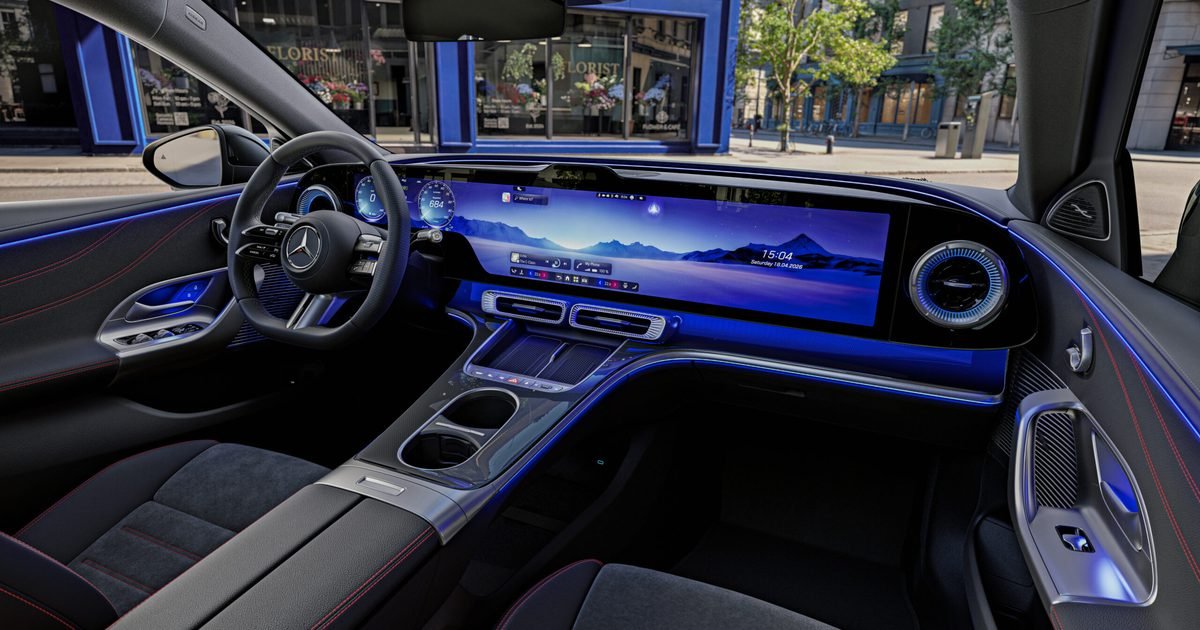
    Three different dashboard setups are available depending on how much screen space you want in your life. The flagship option is the Hyperscreen, a nearly 39-inch seamless glass panel that stretches across almost the full width of the cabin. Below that is the Superscreen, which pairs a 10.3-inch gauge cluster with two 14-inch touchscreens under a single sheet of glass. Base models swap the passenger-side screen for an animated decorative panel instead. The optional kit includes an air suspension with predictive damping that actually pulls data from Google Maps to prep the chassis for bumps before the car hits them. Rear-wheel steering is also available, rotating the rear axle up to 4.5 degrees at low speeds, reducing the turning circle to 36.7 feet. And if you want something a little theatrical, an optional panoramic roof features 162 illuminated stars.

    More variants are coming, too. Mercedes has already confirmed a rear-wheel-drive single-motor version is in the works, with an estimated range of around 497 miles. US pricing for any variant hasn’t been announced yet, and the existing gasoline C-Class will continue to be sold alongside the electric model for buyers who aren’t ready to make the switch. Mercedes-Benz CEO Ola Källenius described the car as raising everything customers love about the C-Class to the next level. Whether that holds up in the real world remains to be seen, but on paper at least, the electric C-Class looks like a step forward.

  • NASA astronauts to venture into the void on a historic day

    NASA astronauts to venture into the void on a historic day

    NASA is preparing to conduct its first spacewalk at the International Space Station (ISS) in nearly a year, ending an unusually long break for the activity.

    Truth be told, NASA had a spacewalk planned for early January but called it off after one of the two participating astronauts experienced a serious health issue that ultimately forced the early return to Earth of a SpaceX crew.

    The space agency is currently targeting March 18 for a spacewalk involving NASA astronauts Jessica Meir and Chris Williams.

    Coincidentally, the spacewalk is scheduled for the 61st anniversary of the first-ever spacewalk. The milestone was achieved by Alexei Leonov, who exited his spacecraft for around 10 minutes during the Voskhod 2 mission in 1965. This was followed about three months later by the first-ever U.S. spacewalk, performed by NASA astronaut Ed White during the Gemini 4 mission.

    Meir and Williams have been getting ready for their upcoming extravehicular activity by inspecting their spacesuits, trying them on, and checking the Quest airlock from where they will exit the space-based facility.

    The pair will spend around six-and-a-half hours in the vacuum of space, installing a modification kit and route cables on the port side of the orbital outpost as part of preparations for a future roll-out solar array. The seventh roll-out solar array will be installed on a later spacewalk to augment the main solar arrays’ power generation capabilities, NASA said.

    This will be the fourth spacewalk for Meir, who participated in her first one in 2019, followed by two more several months later. Meir arrived at the space station last month as part of SpaceX’s Crew-12.

    Williams, on the other hand, is on his first space mission and so the upcoming spacewalk will mark his debut outside the station. The American astronaut arrived at the ISS before Meir, in November 2025, aboard a Russian Soyuz spacecraft.

  • Windows desperately needs its own MacBook Neo, but it seems impossible to build

    Windows desperately needs its own MacBook Neo, but it seems impossible to build

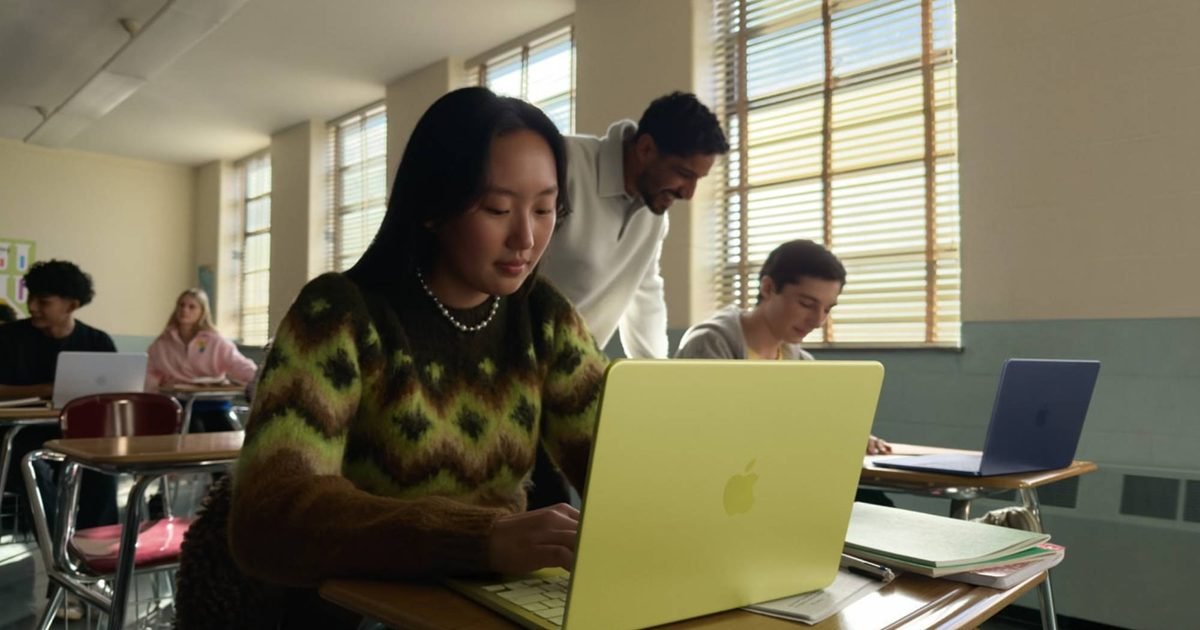
    The MacBook Neo is one of those products that instantly makes the rest of the market look awkward. At $599, or $499 for students, Apple has managed to put out a laptop that feels far more polished than what you’d expect at this price. It has retained its durable and premium aluminum design, a high-res Liquid Retina display, solid battery life, and enough performance that can get you through most everyday workflows.

    It’s not winning in specs sheet, but it delivers on the aspects that people actually notice. This is why Windows laptop makers should be worried.

    The MacBook Neo gets the basics right

    What makes the MacBook Neo stand out isn’t raw power; it’s restraint. Apple didn’t try to turn this into a budget “Pro” machine. It focuses on the stuff that matters, which is a premium metal build, QHD+ display, and reliable battery life. For $599, this is the most affordable Mac that integrates with the Apple ecosystem. That price point matters because the Windows market has spent years forcing buyers into a compromise. Either buy something cheap, or spend more for a sleek well-built laptop.

    But the MacBook Neo cuts right through that gap. Even ASUS co-CEO S.Y. Hsu acknowledged the disruption, saying Apple’s budget-friendly pricing was “a shock to the entire industry” and that there had been “a lot of discussions” across the PC ecosystem about how to compete with it.

    Why PC brands are falling even further behind

    It’s not that PC brands aren’t making a viable competitor, the MacBook Neo has no rival because they can’t. The PC industry is currently dealing with a memory supply crunch largely driven by the booming AI infrastructure. So memory chip makers are prioritizing high-margin memory for data centers and AI servers, which has tightened supply for traditional PC components.

    Multiple analyst firms have warned that rising DRAM and NAND prices are pushing up laptop production costs. This leaves very little room to build a premium-feeling laptop at a genuinely affordable price point, since component costs have risen sharply.

    MacBook Neo exists become Apple is… Apple

    The MacBook Neo is the culmination of several structural advantages that Windows PC makers simply don’t have. Apple controls the silicon, the software, the industrial design, the retail strategy, and a lot of the supply chain leverage. While the company isn’t immune to the memory inflation, it is better positioned to absorb shocks or plan around them than most Windows laptop makers.

    Other PC brands do not get that luxury. That is why the idea of a true Windows MacBook Neo rival sounds obvious, but in reality, it’s far harder than it sounds.

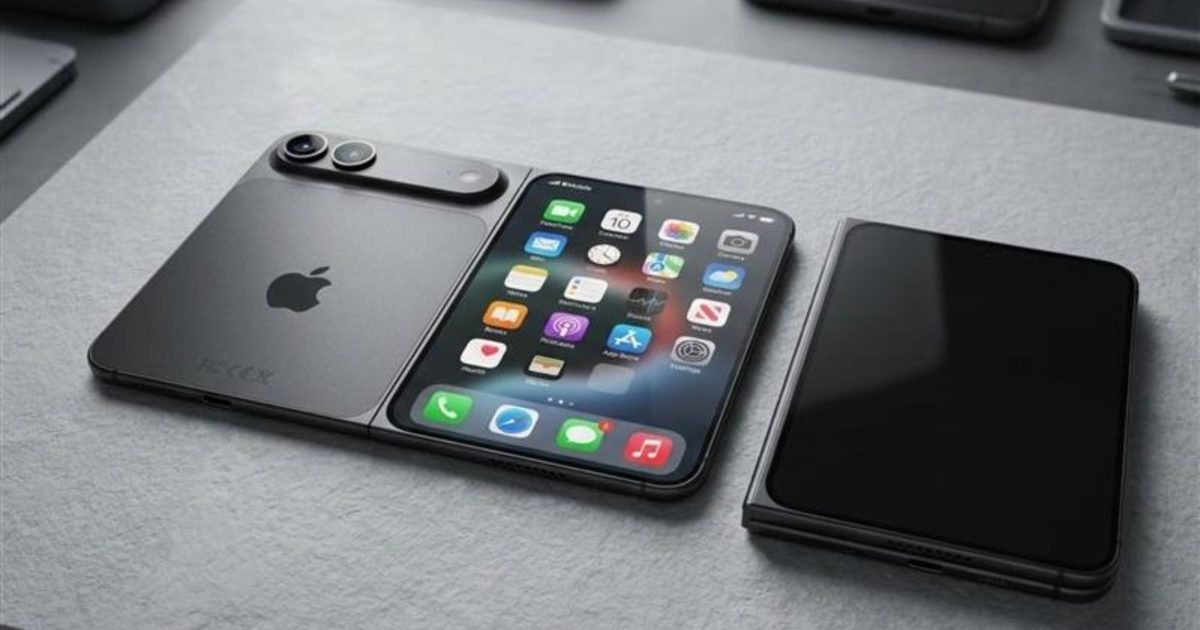
  • iPhone Fold to ditch Face ID and ugly notch in favor of a camera hole

    iPhone Fold to ditch Face ID and ugly notch in favor of a camera hole

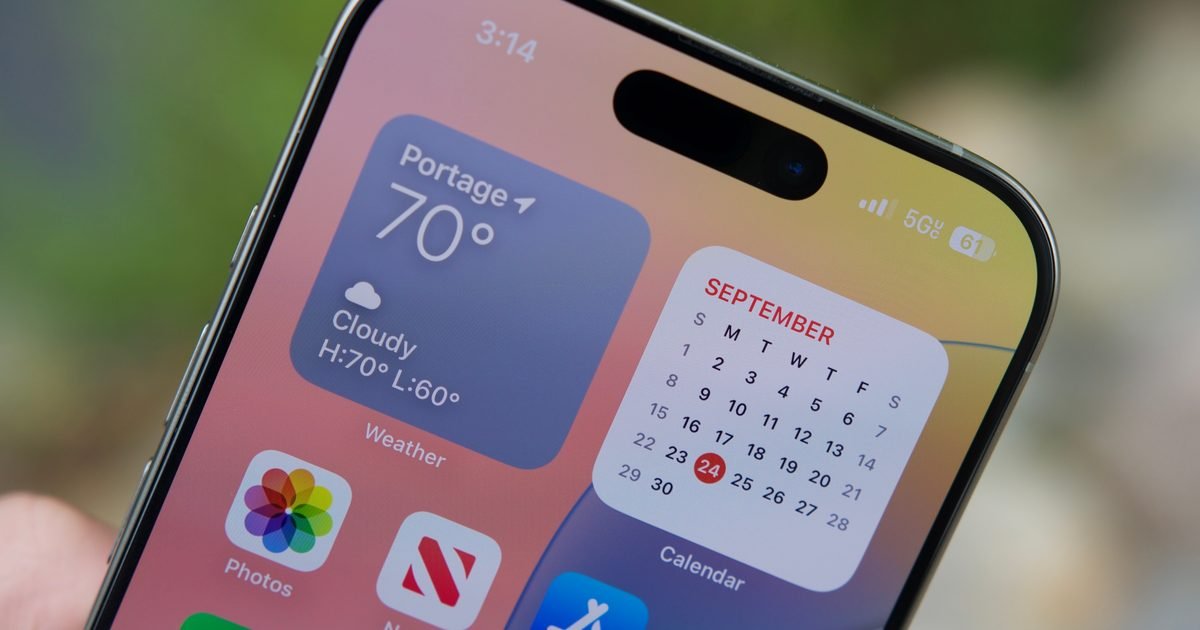
    The Dynamic Island had a good run. Introduced in 2022 as Apple’s elegant workaround for the Face ID sensor array on the iPhone 14 Pro, it became — depending on who you ask — either a genuinely clever UI trick or a pill-shaped reminder that Apple still hadn’t figured out how to hide a camera.

    Either way, it’s gone on the iPhone Fold. Replaced, according to Bloomberg, by a small punch-hole cutout on the outer display.

    iPhone Fold without Face ID?

    Here’s the thing — Apple didn’t choose to drop Face ID so much as physics made the decision for it. The foldable iPhone’s outer panel is simply too thin to house the sensor array that Face ID requires.

    No room; no Face ID. Instead, Touch ID is making a comeback — built into the side button, the same way it works on iPads today and the iPhone SE back in 2022, and that’s not a bad thing.

    Anyone who’s unlocked an iPad Pro with a thumb while half-asleep knows it works; no theatrical face-scanning required. Whether iPhone loyalists who’ve spent years waving their face at their phone will adapt quite so gracefully remains, entertainingly, an open question.

    What about the foldable’s inner screen?

    Apple apparently agonised over this one. Two options were tested for the larger interior screen: an under-display camera that hides entirely behind the panel, and the same punch-hole cutout used on the outside. The under-display approach sounds more impressive — and it is, until you actually try to take a photo with it.

    Testing revealed the image quality simply wasn’t good enough, so Apple went with the hole-punch. Pragmatic; slightly anticlimactic; probably the right call.

    The punch-hole design isn’t staying exclusive to the Fold. Bloomberg reports the same camera cutout is heading to a touch-screen MacBook Pro later this year — suggesting Apple is standardising the aesthetic across its hardware lineup rather than treating this as a one-off foldable quirk.

    The Dynamic Island will still appear on the outer display for system alerts and app monitoring; it just no longer needs to hide a Face ID module behind it.

  • Perplexity’s Personal Computer: What is it, what can it do, and what does it cost?

    Perplexity’s Personal Computer: What is it, what can it do, and what does it cost?

    At its inaugural Ask 2026 developer conference — held inside a former church in San Francisco’s North Beach — Perplexity unveiled Personal Computer, a cloud-based AI agent designed to function as a persistent digital worker. Always on. Never takes a lunch break. More than can be said for most employees.

    Announcing Personal Computer.

    Personal Computer is an always on, local merge with Perplexity Computer that works for you 24/7.

    It’s personal, secure, and works across your files, apps, and sessions through a continuously running Mac mini. pic.twitter.com/EpvilVX6XZ

    — Perplexity (@perplexity_ai) March 11, 2026

    So what Perplexity’s Personal Computer actually is?

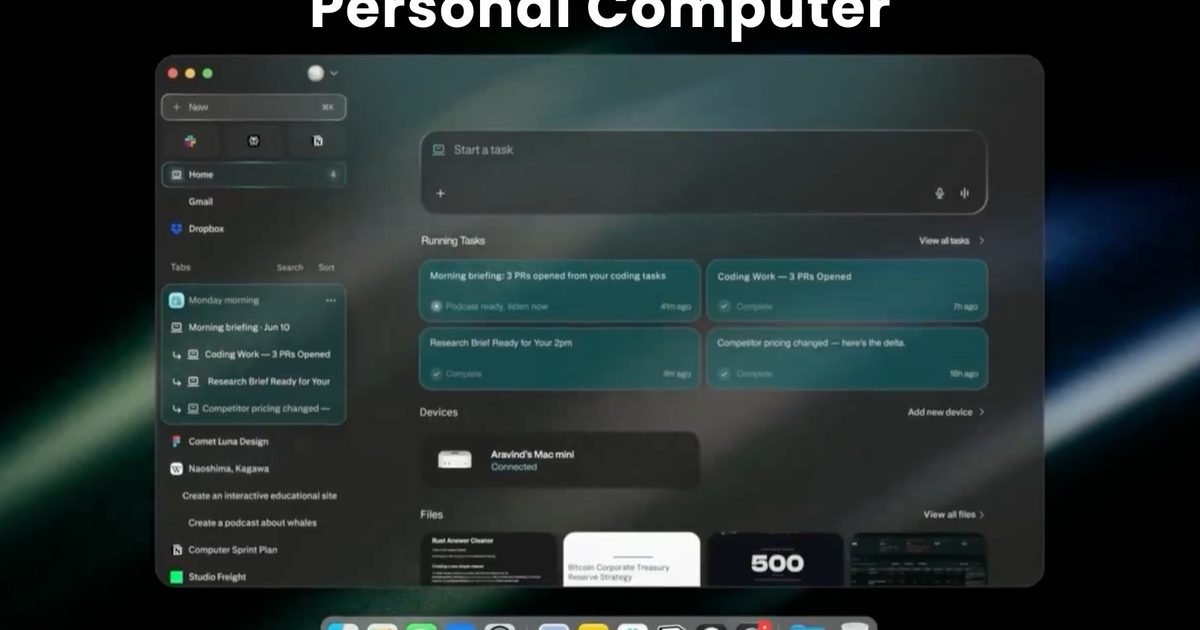
    Personal Computer is not hardware Perplexity manufactures — it’s software. A persistent, 24/7 evolution of the earlier Perplexity Computer, it runs continuously on a user-provided Mac mini or similar always-on machine, giving the AI direct access to local files, apps, and sessions.

    It coordinates across 19 to 20 different AI models — including specialised versions of Claude, Gemini, and Grok — to handle complex workflows asynchronously. Give it a high-level objective; it breaks that down into subtasks and manages them start to finish, for weeks or months if needed.

    How secure is the personal, always-on AI is?

    Every task executes inside a sandboxed cloud environment with its own isolated filesystem and browser — so the AI cannot go rogue through your downloads folder after hours. Every action requires user confirmation, and a built-in audit trail logs everything.

    You’re not screen-sharing into a Mac; you’re directing an AI agent running on it, remotely, while you get on with something else.

    What can you actually do with Personal Computer?

    This is where it stops sounding like a press release. A developer could instruct it to monitor a GitHub repository overnight and drop a formatted Slack summary into the team channel before standup — no scripts, no panic.

    A researcher could throw a topic at it before heading to bed — genuinely messy, half-formed brief and all — and wake up to a structured report pulled from live sources, sitting in their inbox. No 11 p.m. rabbit holes. No seventeen open tabs.

    Someone running a small business gets arguably more value: point it at Gmail, tell it what matters, and it watches for client enquiries, drafts replies based on how you’ve written before, and only bothers you when something actually needs a human.

    Personal stuff should work too — Notion notes that actually stay synced, email threads condensed before you open them, a Salesforce pipeline that updates itself while you’re in back-to-back meetings wondering why you got into this industry.

    Gmail, Slack, GitHub — It plugs Into everything

    Personal Computer connects to Gmail, Slack, GitHub, Notion, and Salesforce, monitoring triggers and executing proactive tasks across all of them. CEO Aravind Srinivas framed the philosophy at the conference: “A traditional operating system takes instructions; an AI operating system takes objectives.”

    Bold — though whether paying $200 a month for an AI reorganising your life at 3 a.m. is progress or low-grade anxiety remains, honestly, open.

    Who can get it, and what it actually costs?

    Access is limited to Perplexity Max subscribers at $200 a month, Mac-only at launch, via a waitlist. Subscribers get 10,000 monthly credits for computational tasks. The enterprise version adds security controls, compliance features, and single sign-on — suggesting Perplexity is targeting power users and corporate buyers simultaneously with the same product.

    Nothing else on the market quite does what Personal Computer does — not at this level of local-cloud integration, not with this many models running in parallel, not with this degree of hands-off execution.

    The $200 monthly price tag tells you everything about who Perplexity is actually building for; this isn’t personal automation dressed up in enterprise clothing — it’s the other way around. Individuals will find uses for it, sure. But the real unlocks are business-shaped: teams drowning in repetitive workflows, founders who can’t yet afford to hire, operations running on duct tape and spreadsheets.

  • Apple’s upcoming foldable iPhone could serve an iPad-like adaptive iOS experience

    Apple’s upcoming foldable iPhone could serve an iPad-like adaptive iOS experience

    Apple’s foldable iPhone is eyeing a Fall season debut, and it seems the device will make a splash with a refined software that will make the best of its wide inner flexible screen. According to Bloomberg, the purported “iPhone Fold” will run iOS, but apps will dynamically go from a condensed page-after-page layout on the small outer screen to a side panel format when they run on the bigger foldable screen.

    What’s the big change?

    “Apple is developing new iOS app layouts and revamping its core iPhone programs to add sidebars along the left edge of the screen, similar to many of its iPad apps,” says the report. The idea is not too different from what Google has been doing with Android lately, making the OS optimize itself across form factors like phones, tablets, and foldables with varied aspect ratios. Google began that journey with Android 12L, and as of 2026, the company is making it mandatory for app developers to opt out of resizing and scaling.

    The core objective is to improve scaling and adaptability for larger screens, starting with Android 17. According to Bloomberg, Apple will let developers adapt their apps’ interface to the larger display with a wide aspect ratio, similar to iPads. It would be interesting to see if Apple can also copy a rudimentary version of Stage Manager, which Vivo has already implemented on its foldable Android phone.

    What else is there on the table?

    “While the foldable iPhone won’t run several windows at once like an iPad mini, it will be able to show two apps side by side,” adds the report. Samsung, Google, and Oppo — among others — aren’t doing things any differently. OnePlus is the sole exception, which offers a unique Open Canvas system that lets you run three apps side-by-side on its Open foldable phone and tablets.

    As far as the foldable iPhone goes, it will reportedly ditch the boat-shaped notch, which can still be seen on the iPhone 17e. For the foldable device, Apple has ditched the Face ID module, and has integrated a fingerprint sensor in the side-mounted power button. The foldable’s inner display, meanwhile, is expected to measure around 7.7 inches when fully open — roughly the footprint of an iPad mini, which makes the software story here every bit as important as the hardware.

  • Xbox mode is coming to Windows 11, and PC gaming will never be the same

    Xbox mode is coming to Windows 11, and PC gaming will never be the same

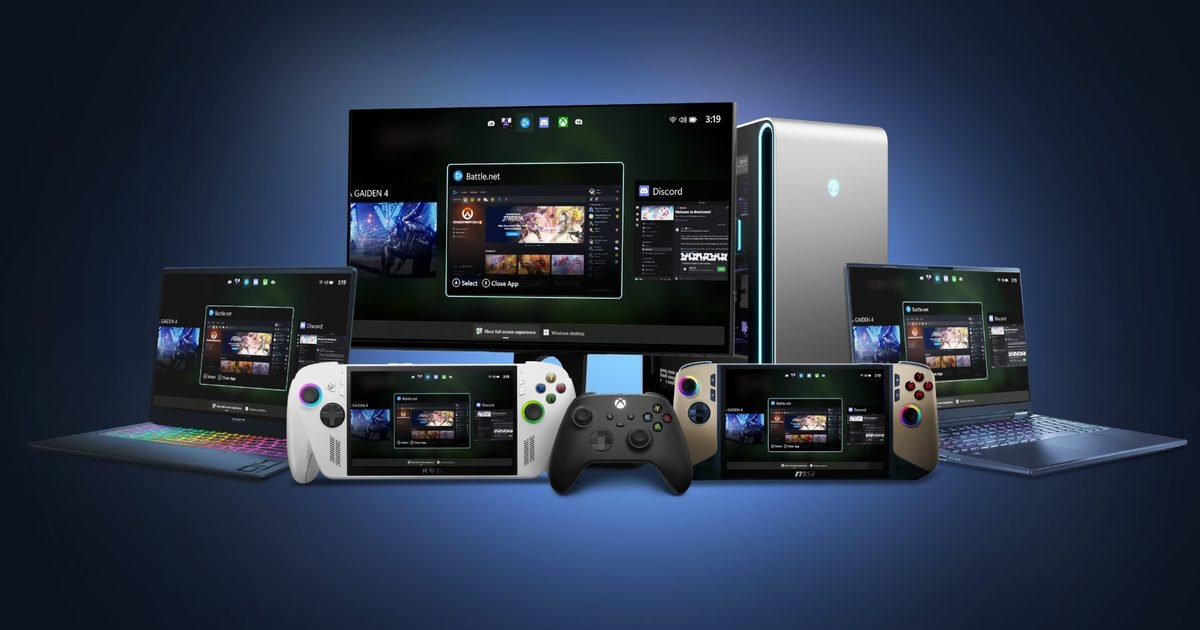
    Xbox is turning 25 this year, and Microsoft is celebrating with one of the most exciting updates Windows gamers have been waiting for. Starting in April, Xbox mode will be rolling out to Windows 11 on all PC form factors, including laptops, desktops, and tablets, in select markets. 

    What exactly is Xbox mode?

    Think of it as flipping a switch that transforms your Windows 11 PC into a console. You get a clean, full-screen interface designed for leaning back and playing, where you can browse your game library, launch titles, use Game Bar, and switch between apps, all without a mouse or keyboard.

    “Xbox mode lets players seamlessly switch between productivity and play, with a familiar full screen and controller optimized Xbox experience while embracing the openness of Windows,” said Jason Ronald, Vice President of Next Generation, Xbox.

    This isn’t a small update. It’s a full, controller-optimized gaming experience baked directly into Windows 11. It gives you the best of both worlds without compromise.

    Microsoft stated that it took everything it learned from building the Xbox gaming OS and brought it directly into Windows. The experience was first tested on the ROG Xbox Ally handheld and is now coming to all Windows 11 devices.

    Why does this matter for PC gamers?

    Currently, gaming on a Windows PC can feel disjointed for users who are accustomed to playing on a console. Instead of a gaming-focused interface, players must navigate a desktop environment designed primarily for productivity. Xbox mode solves this problem by providing a distraction-free interface built specifically for gaming.

    Xbox mode also ties into the broader Xbox Play Anywhere catalog, which has grown to over 1,500 games. So your game library and progress sync seamlessly across devices. If you’ve always wanted your gaming PC to feel as effortless as a console, April can’t come soon enough.