Category: Uncategorized

  • Best High-Speed Internet Deals Right Now: Fast, Reliable Browsing

    Best High-Speed Internet Deals Right Now: Fast, Reliable Browsing

    Choosing a high-speed internet plan in 2026 is no longer just about picking the fastest number on a spec sheet. With more households relying on fast connections for remote work, 4K streaming, gaming, and smart-home devices, the difference between a great plan and a frustrating one comes down to more than raw speed. Providers now offer a mix of fiber, cable, and 5G home internet, each with its own strengths, limitations, and promotional pricing. This guide breaks down what you need to know and highlights the best deals available right now.

    How to use this guide

    This guide is designed to help you make sense of today’s rapidly changing high-speed internet landscape. Whether you’re moving into a new apartment, replacing an outdated cable line, or just trying to cut your monthly bill, you’ll find a simplified path to choosing the right plan.

    Start by understanding what technology your building—or home—supports. Many newer apartments are fiber-ready, offering faster and more consistent performance than cable. Others rely on older coaxial networks where performance varies by time of day. And if neither works for you, 5G home internet has become a surprisingly strong alternative that requires no installation.

    Next, match your daily needs with the right technology. Fiber is best for uploads, stability, gaming, and multiple-device households. Cable is often cheaper and more widely available. 5G home internet is perfect for renters or people who want a plug-and-play experience.

    Finally, review the ongoing deals at the end. Internet providers rotate promotions frequently, and choosing the right moment can save you hundreds over the first year.

    Why does this matter?

    Internet performance has become central to everyday life. If your connection stutters during a Zoom call or slows down when multiple people are streaming, the problem usually comes from either limited upload speeds or congestion on older lines. Fiber solves these issues with symmetrical speeds and lower latency, making it ideal for remote work, cloud backups, smart-home devices, gaming, and video calls.

    5G home internet provides another important option—especially for renters who don’t want installers drilling into walls or landlords requiring approval for new wiring. Its flexibility makes it one of the most renter-friendly high-speed choices today.

    Choosing the right plan isn’t just about avoiding frustration; it’s about ensuring your home remains capable of supporting future bandwidth demands. As AI-driven apps, cloud rendering, and higher-resolution content become standard, a stable, fast connection will only grow more essential.

    Here’s how to get the most out of this guide

    Think of this guide as your roadmap. Start by checking your home’s wiring and availability. Understand how your household uses the internet—streaming, work calls, gaming, smart-home control—and pick the technology that aligns with those needs. Then look through the curated deals below to find the one that fits your budget and usage pattern.

    The Best High-Speed Internet Deals Right Now

    These top deals combine speed, reliability, and strong introductory pricing. Whether you’re looking for fiber, cable, or a no-install alternative, these options offer the best value available today.

    T‑Mobile 5G Home Internet: Easy setup, strong value

    T-Mobile’s 5G Home Internet is a top pick if you want contract-free service with fast setup. Plans start at $35/month with a qualifying voice line and AutoPay (taxes & fees apply), and include unlimited data, a gateway device, and a 5-Year Price Guarantee (taxes & fees excluded). For a limited time, eligible customers can get a month of service included and $100 back via virtual prepaid Mastercard® when activating online.

    Spectrum Internet

    Spectrum’s 300 Mbps plan is $49.99/month for 12 months, with no contract or data caps. A free modem and access to Wi‑Fi hotspots are included, making this a reliable pick in most cable markets.

    Verizon Fios

    Verizon Fios offers fiber speeds up to 1 Gig with symmetrical uploads and occasional $200 gift card incentives. It’s a strong all-around option for fiber-connected homes.

    AT&T Fiber

    AT&T’s fiber plans range from 300 Mbps to 5 Gbps, with no data caps or equipment fees. Reward card promos are frequently offered to new customers.

    Cox Internet

    Cox’s Essential 100 plan starts at $49.99/month. It’s a flexible option for small households, and optional add-ons let you scale up your speeds or coverage.

    T-Mobile 5G Home Internet

    T-Mobile’s 5G Home Internet remains one of the easiest and most flexible high-speed solutions available. There are no contracts, no installation appointments, and no cables—just plug in the included gateway and you’re online. Plans start at $35/month with AutoPay and include unlimited data, a gateway device, and a 5-Year Price Guarantee (taxes & fees excluded).

    For a limited time, eligible customers can get a month of service included and $100 back via virtual prepaid Mastercard® when activating online. Speeds vary by location, but as a renter-friendly, portable setup, it’s a flexible high-speed option for many renters and easy setup users.

    Offer disclaimers:
    Via virtual prepaid Mastercard® when you sign up online and activate a qualifying new Home Internet line. Allow up to 14 weeks from rebate submission. Promotional bill credits applied over time. Speeds vary by location and factors affecting cellular networks. Pricing, availability, and promotions are accurate at the time of publication and subject to change.

    Spectrum Internet

    Spectrum Internet is a leading cable provider offering reliable high-speed connectivity to millions across 41 states. Its standard tiers deliver speeds from 300 Mbps to 1 Gbps, all featuring unlimited data and no annual contracts. A standout value is the Spectrum One deal, which bundles home internet with a free mobile line and advanced Wi-Fi for 12 months.

    While promotional rates start around $50/month, customers should prepare for significant price increases after the first year. Despite this, Spectrum remains highly accessible due to its contract buyout program of up to $500 for those switching providers.

    Verizon Fios

    Verizon Fios is a fiber-to-the-home (FTTP) internet service available primarily in the Northeastern United States. Unlike cable providers that use coaxial lines, Fios uses a 100% fiber network, which allows for symmetrical speeds—meaning your upload speeds are as fast as your downloads. This is particularly useful for video conferencing, large file backups, and competitive gaming.

    Plans generally range from 300 Mbps to 2.3 Gbps. Pricing starts at approximately $50 per month, though existing Verizon Wireless customers can often lower this to $35. Most plans include the router rental and do not require a long-term contract. While the service is highly rated for reliability and low latency, its main drawback is limited geographical availability compared to national cable or satellite providers.

    AT&T Fiber

    AT&T Fiber is a fiber-to-the-premises service available in 21 states. It provides symmetrical download and upload speeds ranging from 300 Mbps to 5 Gbps. Unlike cable, it does not use data caps or annual contracts, and equipment fees are typically included in the base price.

    Pricing starts around $55/month, with discounts available for AT&T mobile subscribers. The service is noted for low latency, though its availability is limited to specific residential areas where fiber lines have been installed.

    Cox Internet

    Cox is a cable internet provider operating in 19 states. It offers download speeds between 100 Mbps and 2 Gbps, though upload speeds are significantly lower due to its coaxial cable infrastructure.

    Most plans include a 1.25 TB monthly data cap, with fees applied for overages unless you pay for an unlimited data add-on. Pricing typically starts at $50–$60 but increases after a 12-to-24-month promotional period. While widely available, it is often more expensive than fiber alternatives when factoring in equipment rentals and data fees.

    How to get the most out of this guide

    Comparing internet deals in your area isn’t just about finding the cheapest plan — it’s about choosing a connection that stays fast and stable when you need it most. Speed is a good starting point, so run a few browser-based tests like Speed Test, Fast, or Google’s built-in tool.

    Test during the times you’re usually online and repeat over several days to get a realistic picture. Pay special attention to upload speeds, which matter far more than many people realize, especially if you work from home, game online, or spend a lot of time on video calls.

    Reliability, however, is even more important than peak speed. A gigabit plan won’t help if your connection drops during meetings or buffers during streaming. To gauge consistency, browse Reddit, Nextdoor, or local forums for real-world feedback. Check DownDetector for outage trends, and see whether your provider uses older DSL lines, shared cable networks, or more stable fiber.

  • Honor’s global expansion pays off as it achieves record growth in 2025

    Honor’s global expansion pays off as it achieves record growth in 2025

    Honor emerged as one of the stronger performers in 2025, posting record growth, according to a new research report. Data from Omdia’s latest analysis shows the brand’s shipments grew 11% year-over-year, outperforming competitors like Xiaomi, Oppo, and Vivo.

    The report notes that global smartphone shipments grew by 2% overall, with Apple leading the market, posting 7% year-over-year growth and capturing 19% market share. Samsung followed closely with similar growth and market share figures, while Xiaomi placed third with a 13% market share despite a 2% decline in shipments.

    Although Honor was not among the top 5 vendors, trailing slightly behind Vivo, Oppo, and Transsion in terms of market share, it stood out for its growth performance. Omdia attributes this momentum primarily to Honor’s rapid geographical expansion amid intense competition in its core markets.

    Honor’s 2025 lineup reflected a sharper focus on innovation

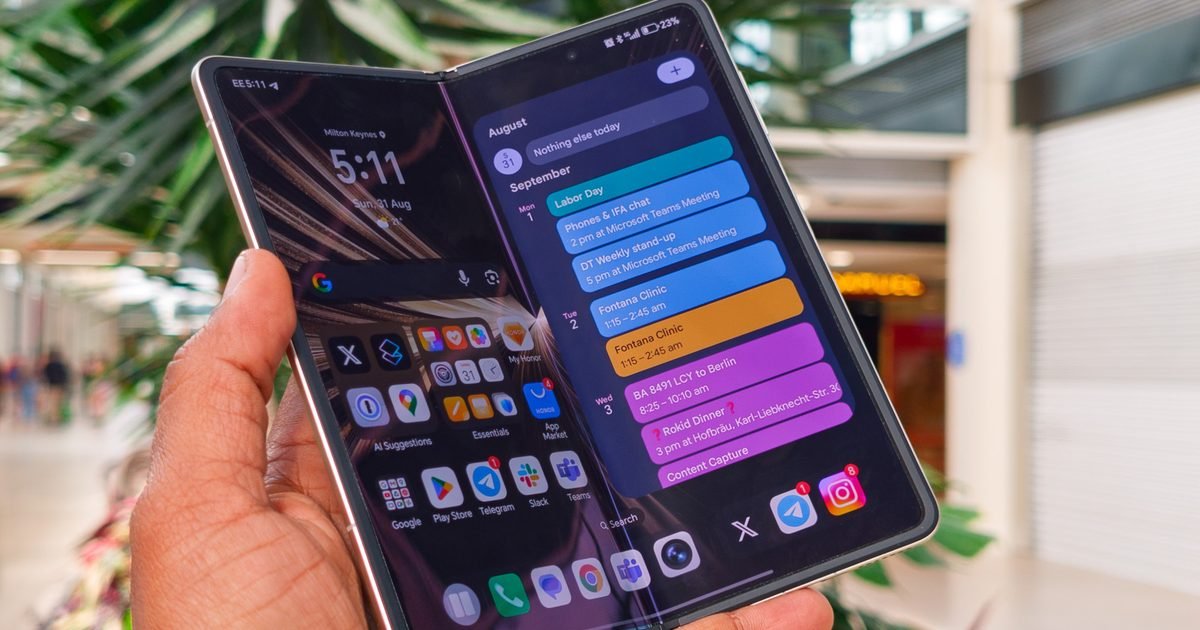
    Honor also launched several notable devices last year that likely supported its upward trajectory. Its flagship foldable, the Honor Magic V5, earned praise for its ultra-thin design, outstanding screens, and top-tier camera hardware. The company also revised its software support commitment to match Google’s, promising 7 years of updates for Honor Magic 7 Pro and newer models.

    Late last year, Honor unveiled the Honor Win, a Snapdragon 8 Elite Gen 5-powered flagship with a massive 10,000mAh battery. The company appears to be continuing this momentum in 2026, with recent reports suggesting it’s now gearing up to showcase its next-gen flagship foldable, the Honor Magic V6, at MWC early next month. The Honor Robot Phone, which was first teased at CES earlier this year, will also be unveiled during the trade show.

  • Horizon Hunters Gathering brings three-player co-op hunting to your PS5 and PC

    Horizon Hunters Gathering brings three-player co-op hunting to your PS5 and PC

    Guerrilla is expanding the Horizon universe with Horizon Hunters Gathering, a new co-op action game headed to PS5 and PC. It’s built around tactical hunts where a three-person team has to read the field fast, manage roles, and stay alive when machines start swarming.

    A small closed playtest is scheduled for the end of February through the PlayStation Beta Program, and it will run on both platforms. At launch, the game will support cross-play between PS5 and PC, plus cross-progression if you use the same PlayStation account.

    There’s no release date or price yet, so the February test is the best early indicator of whether the combat loop has staying power.

    Two modes to master

    Machine Incursion is the quick-hit mode, a high-intensity mission built around waves of machines pouring out of underground gateways. It ends with a boss fight that’s meant to punish teams that don’t coordinate, or that burn cooldowns at the wrong time.

    Cauldron Descent is framed as the longer run. It sends your squad through multiple stages, with escalating encounters and optional detours that can pay out power and rewards. Those side routes come with a clear tradeoff, more loot, more danger, and more ways for a run to go sideways.

    Both modes will be playable during the closed playtest on PS5 and PC.

    Hunters, perks, and a hub

    You won’t make a custom character here. You’ll pick from a roster of Hunters, each built around a distinct melee or ranged style and specific weapons, then lean into Hunter roles and a rogue-lite perk system that can reshape your build from run to run. It’s a clean setup for co-op, especially when every player has a job.

    Guerrilla is also tying it to a fully canon story campaign, with new threats and mysteries it isn’t spelling out yet. The studio says the narrative continues after launch, which points to more missions and story beats over time.

    Between runs, you’ll return to Hunters Gathering, a social hub for customizing your Hunter, hitting vendors, upgrading gear, and setting up the next hunt.

    What to watch next

    Sign-ups for the end-of-February closed playtest run through the PlayStation Beta Program, and the test includes PS5 and PC from the start. If you love repeatable runs with a steady crew, it’s worth trying to get in, because you’ll quickly learn if the trio-only structure feels tight or restrictive.

    After the first test, Guerrilla says more playtests and development updates are coming in the months ahead, along with announcements shared through its new official Discord.

  • Civilization VII Apple Arcade brings a big PC strategy game to your pocket

    Civilization VII Apple Arcade brings a big PC strategy game to your pocket

    Civilization VII Apple Arcade is now available on iPhone, iPad, and Mac, so you can start a campaign on your phone and keep it going on a larger screen later. It’s the closest thing to true pocket Civ on Apple hardware, without ads, upsells, or a separate purchase for each device.

    The appeal is simple. Civ rewards short bursts and long nights, and this version finally lets you do both with the same save. But it also draws a clear line around what it can’t do yet.

    The portability comes with limits

    Your progress syncs across Apple devices, so a match can follow you from iPhone to iPad to Mac. That’s the feature that makes the subscription feel practical, not just convenient. One save, one campaign, no starting over.

    The tradeoff is in the borders. Multiplayer isn’t available at launch, and it’s planned for a later update. There’s also no cross-play, and your saves don’t move over to the PC or console releases, so it won’t merge with an existing campaign you already have elsewhere.

    Touch-first Civ, with a safety net

    This edition is built around touch, with taps and gestures doing the heavy lifting for unit moves, city choices, and the endless menu hopping Civ is known for. Controller support helps if you’d rather play in a familiar way on iPad or Mac.

    It’s a better fit for solo play than anything else. You can take a few turns while waiting in line, then swap to a bigger screen when you want to plan a war, juggle districts, or untangle a late-game mess. It’s still Civ that just fits your day.

    What to check before installing

    Your device will shape how far you can push it. The App Store listing calls for iOS 17 and an A17 Pro class iPhone or newer, and the largest map sizes are reserved for devices with more than 8GB of RAM.

    If you want a portable way to scratch the Civ itch, Apple Arcade is the smoothest option on iPhone, especially if you’ll also play on Mac or iPad. If your Civ life revolves around online matches, mods, or huge scenarios, this is best as a side door for now.

  • SpaceX may be exploring a Starlink phone, though Elon Musk says otherwise

    SpaceX may be exploring a Starlink phone, though Elon Musk says otherwise

    SpaceX is reportedly laying the groundwork for what could be its next big leap: a satellite-linked mobile device under the Starlink banner. Sources familiar with the company’s plans say that it is exploring the idea of building a phone that taps directly into its Starlink satellite constellation, a move that could take its connectivity push far beyond the current broadband market.

    According to Reuters, SpaceX is considering a mobile device that connects directly to Starlink’s network. The specifics on design or timing remain unclear, but CEO Elon Musk has hinted such a device is “not out of the question at some point” and would be “very different” from current smartphones, optimized for high-performance AI computing.

    Not out of the question at some point. It would be a very different device than current phones. Optimized purely for running max performance/watt neural nets.

    — Elon Musk (@elonmusk) January 30, 2026

    Starlink has already experimented with bringing its service to mobile phones via partnerships like the one with T-Mobile, but producing a dedicated Starlink phone would mark a significant expansion.

    The report notes that SpaceX filed to trademark “Starlink Mobile” last October and earlier this year filed patents for “technologies that seek to improve Starlink’s ability to connect with small and moving devices on land that are not just Starlink user terminals,” lending credibility to the speculation.

    Musk denies plans for a Starlink phone

    Although Musk has previously suggested a Starlink phone could be possible in the future, he pushed back on the report in recent tweets.

    Responding to X users sharing the story, he said, “We are not developing a phone,” going so far as to call the report a lie in a separate tweet.

    At this point, SpaceX has not made anything official, leaving the idea of a Starlink phone unconfirmed. The company is currently focusing on expanding its satellite network and broadband services, which already serve millions of users worldwide. A mobile device could help it unlock a new market and reach more users, but whether such a product will ever be released remains uncertain.

  • This Nokia N8 revival turns a 2010 flagship into a usable retro phone

    This Nokia N8 revival turns a 2010 flagship into a usable retro phone

    The Nokia N8 is back in circulation, and not just as a collector’s trophy. More than 15 years after its 2010 debut, a fan-made custom firmware called Reborn is keeping the Symbian flagship practical in 2026, even with Nokia’s official update servers offline.

    That matters because the usual route to the N8’s final software era, Nokia Belle, no longer exists. Reborn steps in with a Belle-based build that sticks to the stock feel, while cutting out bloat and dead links that drag old phones down. Short version, it makes the N8 nicer to use.

    The biggest quality of life fix is web access. Reborn includes updated HTTPS certificates, which lets the N8 load far more of today’s internet than an untouched install. It won’t turn Symbian into a modern browser powerhouse, but it reduces the number of instant failures that make vintage devices miserable.

    Reborn makes the N8 usable

    The ROM also removes Symbian’s old signing restrictions, so installing legacy apps is less of a fight. Pair that with a new store-style app that connects to large libraries of Symbian software and games, and the N8 stops feeling like a phone that needs constant workarounds.

    That’s the real appeal here. Reborn doesn’t try to reinvent the platform, it clears the debris so the phone can do what it always did well, launch fast, stay responsive, and run lightweight apps without drama.

    The hardware still has teeth

    The other reason this works is the N8’s build. Nokia treated it like a true flagship, and it shows in the OLED display and the rare HDMI output, which can still hook up to modern monitors. That single port makes it oddly versatile, part media gadget, part retro toy.

    The camera remains the headline feature. The 12-megapixel shooter with Carl Zeiss optics and a xenon flash was once the best phone camera around, and the N8’s chunky camera island reads like a prototype for today’s camera bumps.

    What to try next

    If you’re tempted, start with what Symbian does best. Games like Sky Force and Protoxide are a quick demo of how smooth the N8 can feel with Reborn installed.

    Just plan for some friction. Flashing can run into driver conflicts on Windows 10, and many units need repairs, sometimes with donor phones for parts. Still, the N8 is unusually serviceable with basic Torx tools, which is part of why this revival has legs.

  • Gemini’s Circle to Search lost Share on some phones, you may need a workaround

    Gemini’s Circle to Search lost Share on some phones, you may need a workaround

    Some Android users are reporting that the Gemini feature Circle to Search no longer shows a Share option, and it makes the feature feel like it just got a lot less practical.

    If you used that shortcut all the time, you know why it mattered. It let you send what you circled right away, without dumping another screenshot into your gallery that you’d have to clean up later.

    The complaints started on Reddit, and Android Authority says it can reproduce the change on some devices. In those cases, Circle to Search still shows actions like Create and Select text, but sharing isn’t available.

    The missing control changes the workflow

    Circle to Search works best when it reduces friction. Sharing from the overlay did exactly that, it turned a quick visual lookup into something you could pass along in seconds.

    Without it, you’re forced into workarounds. You either take a screenshot or copy text, then bounce into another app to finish the job. That’s not what people expect from one of Android’s slickest utility features.

    The sharing feature was first spotted in development in April 2024 and rolled out more broadly in August 2024, which makes its sudden disappearance harder to explain.

    Bug, rollback, or test

    Google hasn’t said what’s going on yet, so the best you can do is follow the few concrete clues that exist. One user report ties the change to a Google app beta build, version 17.3.60.sa.arm64.

    In that case, the Share option returned after the user reset the Google app to factory defaults.

    What you can try next

    If you’re on the beta channel for the Google app, switching back to stable is a sensible first move. If you want the quickest fix that’s been reported so far, resetting the Google app to factory defaults is the only step linked to Share coming back.

    If you’d rather avoid that, the fallback is straightforward. Use Select text to grab what you need, then share it from the app you’re already using, or take a screenshot and send it manually.

    Keep an eye on Google app updates and changelogs. If this is a server-side switch or a beta-side regression, the next update should make the situation clearer, one way or the other.

  • If you buy AirTag 2, your biggest safety feature is still easy to bypass

    If you buy AirTag 2, your biggest safety feature is still easy to bypass

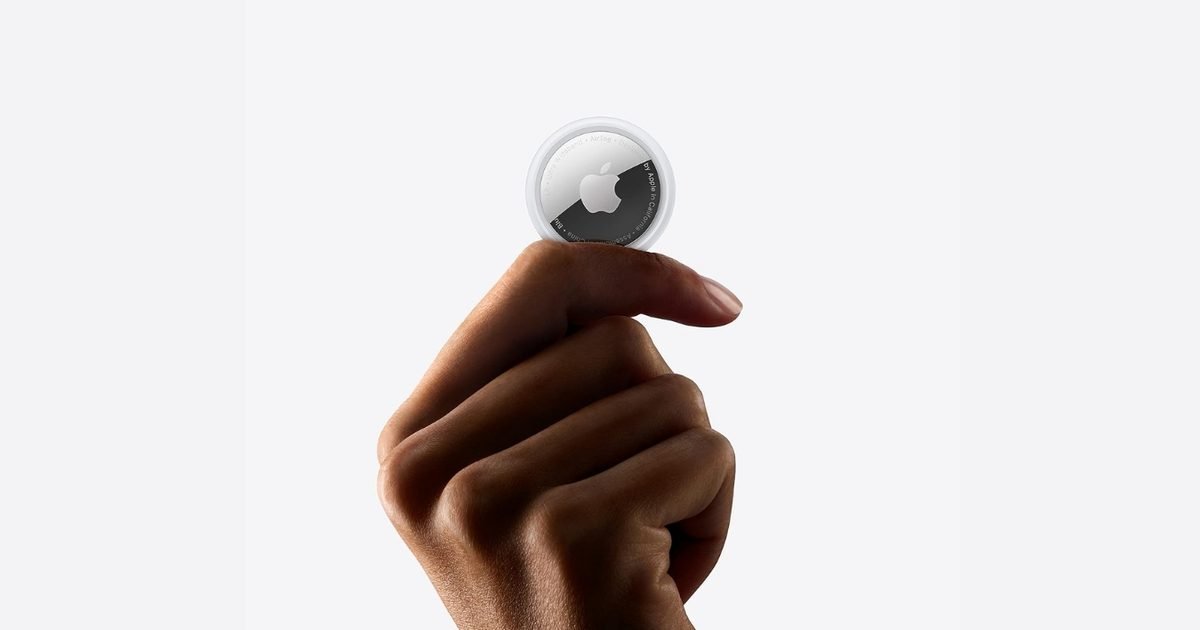
    AirTag 2 is supposed to be safer than a silent tracker, but the AirTag 2 speaker can still be defeated with basic tools. ZDNET’s teardown report says it took about two minutes to open the tag, disable the sound, and close it back up, with the tracker continuing to work afterward.

    That’s not a niche concern. The speaker is the loud, obvious warning you’re meant to hear when an unknown AirTag is traveling with you. Remove the noise and the tag gets tougher to spot, especially in situations where you’re trying to locate it quickly.

    Apple has spent years adding anti-stalking protections. This kind of quick hardware tampering shows how easy it is for someone to route around the most intuitive safety signal.

    A simple mod, same result

    The same report describes getting inside AirTag 2 with a single spudger, then silencing the speaker fast. After reassembly, the tag still powered on and functioned normally, it just stopped making noise.

    That combination is the problem. A tracker that still reports location but no longer announces itself shifts the burden onto the person being tracked to notice alerts and hunt it down without the help of sound.

    The safety gap stays open

    The report also points to a steady market for altered tracking tags, with speaker removal or disabling described as the most common change. It argues that physical modifications like this can slip past broader anti-stalking efforts.

    None of this means most people will run into misuse. But it does mean a key safety feature can be defeated quickly, and the device can keep doing the one thing that matters to a bad actor.

    What to watch next

    A potential counter is software. A firmware could check whether the speaker is drawing current when an alert is triggered, then flag a mismatch if the circuit is effectively dead.

    The fix also doesn’t have to be only software. A small physical deterrent, like epoxy, could slow down quick tampering.

    For now, the practical takeaway is to watch for Apple’s response and future updates. The teardown is being tracked over time to see whether an update breaks modified tags or throws an error, and that outcome will say a lot about how serious Apple is about closing this loophole.

  • Your wait for the iPhone 17e might soon be over

    Your wait for the iPhone 17e might soon be over

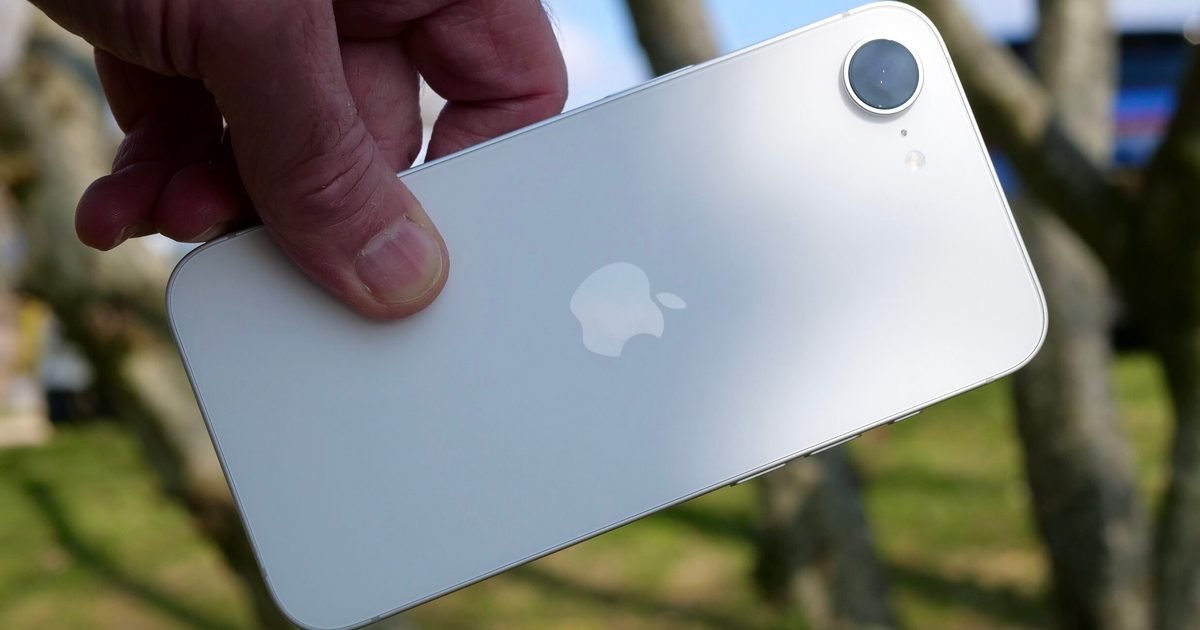
    Apple is gearing up to launch the successor to last year’s affordable iPhone 16e, and leaks suggest it may feature a more modern design and two key upgrades. While Apple has yet to share any details about the iPhone 17e, a new report hints that the company may unveil the device in just two weeks.

    According to Macworld, the information comes from a case and accessory maker familiar with Apple’s plans, who suggests the iPhone 17e could launch on February 19. The report notes that the timeline sounds unusual, given that Apple typically doesn’t launch new devices on Thursdays, but adds that accessory brands often rely on insider scoops to time their own releases with Apple’s schedule, so the rumored date could still hold some truth.

    As for the iPhone 17e’s specifications, the report mirrors what we’ve seen in previous leaks. It suggests the device may address one of the main issues users faced with its predecessor by finally adding MagSafe charging support. The affordable model is also expected to pack Apple’s C1X modem, which debuted with the iPhone Air.

    iPhone 17e might skip the Dynamic Island

    However, while a leak from last month suggested that the iPhone 17e might replace the iPhone 16e’s ugly notch with a Dynamic Island, the latest report says otherwise. It notes that the upcoming phone is expected to retain the notch, with the Dynamic Island “likely to be a generation or two away.” Camera upgrades also don’t appear to be on the cards, as the device is said to stick with a single rear-facing camera.

    As with all leaks, nothing is confirmed at this point. Apple could still change the launch timeline, and the reported upgrades may not end up being true. For now, prospective buyers will have to wait for an official announcement, which might not take long if the leaked launch date turns out to be accurate.

  • Adobe Ends a 30-Year Era With Animate Shutdown

    Adobe Ends a 30-Year Era With Animate Shutdown

    Add Techlomedia as a preferred source on Google. Preferred Source

    Adobe has announced that it will discontinue Adobe Animate, one of the oldest and most well-known 2D animation tools. The company confirmed that the software will no longer be sold after March 1, 2026. The software began as FutureSplash Animator in 1996 and was later renamed Macromedia Flash and eventually Adobe Animate.

    This sudden move has surprised and angered many users around the world. Animate has been a foundational tool for creating vector animations, web content, interactive media, and even TV-level 2D animation. So, it feels like the end of an era for many animators, artists, and studios. Its retirement comes as Adobe continues shifting focus toward newer technologies.

    Adobe clarified that existing customers can still use Animate and receive support for a limited period. For regular users, technical support and the ability to download the software and project files will continue until March 1, 2027. Enterprise customers get an extended grace period, with support lasting until March 1, 2029. After those dates, access to Animate and its project files will not be guaranteed.

    The company also warned that once support ends, users may lose access not only to the software but also to their active project data. To avoid losing work, Adobe strongly recommends exporting projects to other formats such as SWF, SVG, and MP4 before the deadlines.

    What many users find frustrating is that Adobe has not provided a true replacement. Instead, the company suggests using other apps to replicate parts of Animate’s functionality. Adobe After Effects can handle complex keyframe animation and more advanced motion effects with tools like Puppet, but it is not designed for traditional frame-by-frame animation the way Animate was. Adobe Express offers simple one-click animation effects, but targets a very different audience and workflow.

    This has left many professional animators feeling abandoned. For decades, Animate was part of daily workflows for studios, freelance artists, educators, and students. Suddenly being told to switch to apps that do not fulfill the same role has triggered frustration and confusion across social media and creative forums.

    On platforms like Reddit and X, reactions range from disbelief to anger. Some users are worried about ongoing projects that depend on Animate’s unique features. Others argue that Adobe could have chosen to open-source the software rather than retire it. It could allow the community to continue developing and maintaining it.

    Many users pointed out that there is currently no real drop-in substitute for Animate that fits its ease of use, feature set, and export flexibility. If you are an Animate user, you can think of switching to alternative apps such as Toon Boom Harmony, Moho, or open-source animation tools.

    Follow Techlomedia on Google News to stay updated. Follow on Google NewsFollow on Google News

    Affiliate Disclosure:

    This article may contain affiliate links. We may earn a commission on purchases made through these links at no extra cost to you.