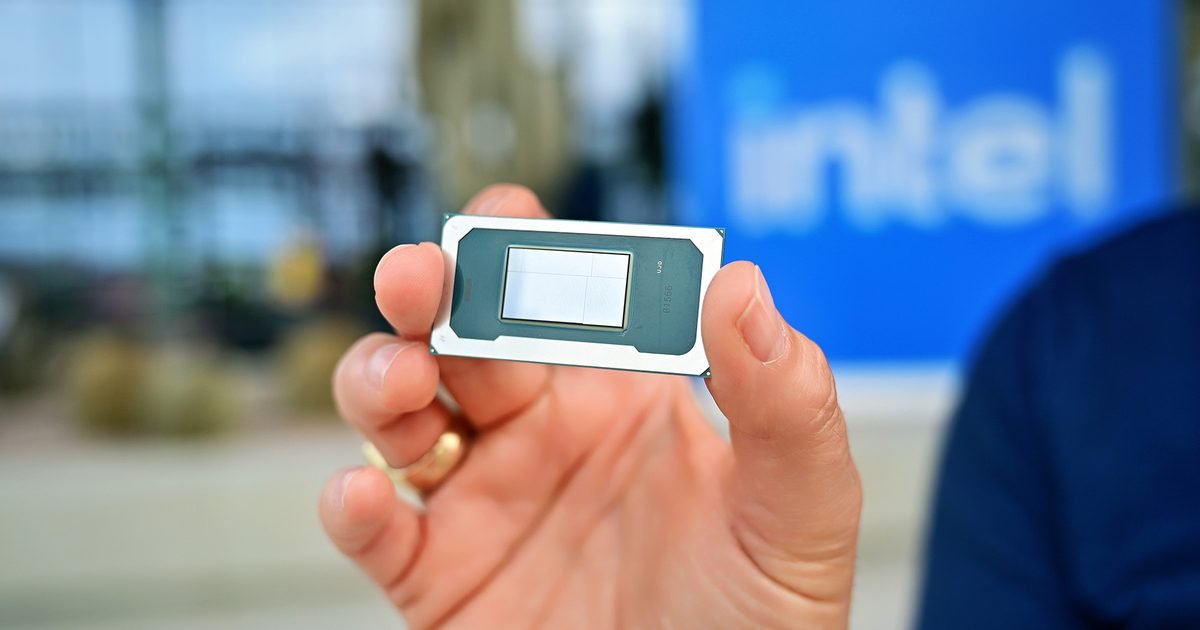
Intel’s long-term desktop roadmap may be moving faster than expected. New leaks suggest the company is already preparing its Nova Lake-S Core Ultra Series 4 processors, with a possible launch window shifting closer than earlier rumors indicated. According to reliable leaksters HXL and Golden Pig Upgrade, Intel’s next major desktop CPU family could arrive around CES 2027, potentially landing sooner than previous roadmaps suggested. That would position Nova Lake as Intel’s next big step after the current Arrow Lake and Panther Lake generations.
Nova Lake is expected to represent a significant architectural jump. The chips are rumored to use Intel’s next-generation CPU cores alongside new integrated graphics and stronger AI acceleration. The architecture is expected to combine Coyote Cove performance cores and Arctic Wolf efficiency cores, continuing Intel’s hybrid CPU design approach.
Additionally, the upcoming platform may also introduce a major hardware shift for desktop builders. Leaks point to a brand-new LGA 1954 socket and 900-series chipsets, meaning future CPUs will likely require new motherboards. This kind of platform reset usually signals a bigger generational change rather than a simple refresh.
A major platform shift could be coming
If these rumors prove accurate, Nova Lake could bring more than just faster CPUs. Reports suggest the platform may offer up to 48 PCIe lanes, improved cache design, and stronger integrated graphics powered by Intel’s next-gen Xe architecture. There are also expectations of a new NPU designed to push AI performance further, reflecting the industry’s growing focus on AI-accelerated workloads. This timeline also fits into the broader CPU race, as AMD is reportedly preparing its own next-generation desktop chips around the same period.
Intel
For PC enthusiasts, the takeaway is fairly simple. A major platform shift could be on the horizon, and the next wave of desktop CPUs may bring bigger changes than usual. If a long-term PC build is on the cards, keeping an eye on Intel’s roadmap over the next year might be a smart move. After all, component prices don’t look ready to calm down anytime soon, so waiting could mean better performance and more time to save up for it.
Small-form-factor PC builds are awesome when they’re done right, but they can get expensive fast. Between DDR5 memory, SSD pricing, and GPU costs that still feel higher than most people want, the budget can disappear before you even finish the parts list. That’s why this clearance deal stands out.
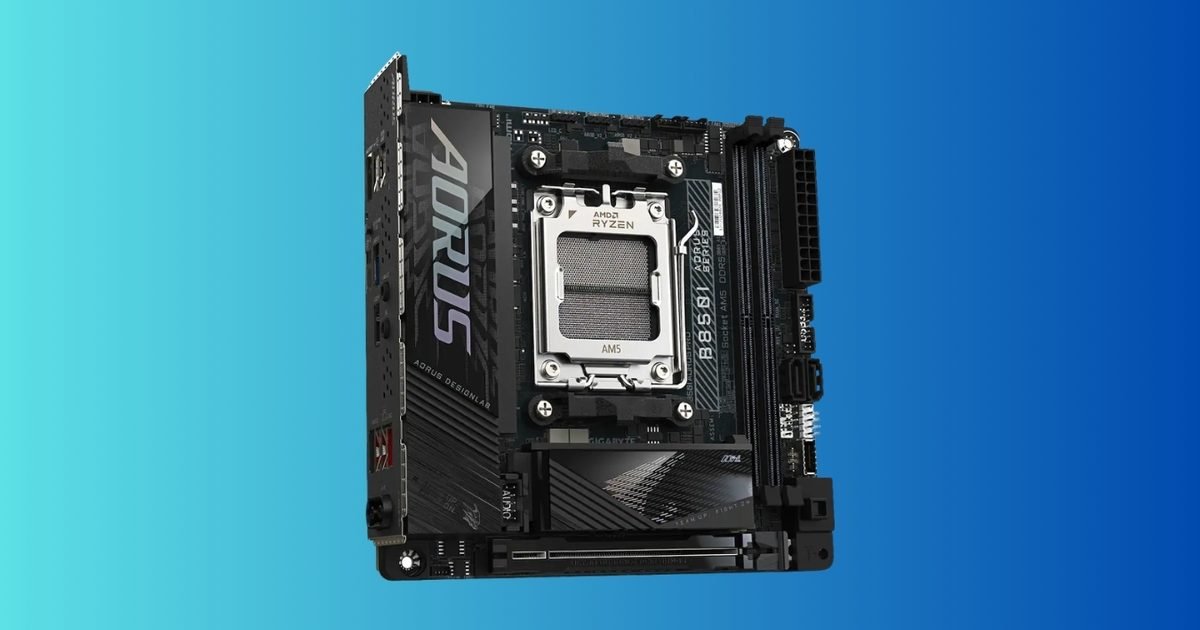
The GIGABYTE B850I AORUS PRO WIFI7 is down to $124.99, which is a huge drop from the $309.99 comp value. That’s $185 off, and for an AM5 mini-ITX board with Wi-Fi 7 support, it’s the kind of discount that can meaningfully shift your build math. Instead of blowing your budget on the motherboard, you can redirect that savings toward the parts that usually sting more, like RAM, storage, or your GPU.
What you’re getting
This is a mini-ITX AM5 motherboard built for AMD systems, with support for DDR5 memory and Wi-Fi 7. The mini-ITX form factor is the big story here because it’s aimed at compact builds where space is tight and every component choice matters.
Boards in this category usually carry a premium just because they’re small and feature-packed. You’re paying for size efficiency, connectivity, and the ability to build something clean and powerful without a full tower. Getting one at a clearance price changes the equation.
If you’ve been planning a compact gaming PC, living-room build, or just want a cleaner desk setup, this is the type of part that lets you start with a strong foundation without immediately overpaying.
Why it’s worth it
The best angle on this deal is simple: it gives you breathing room.
PC builders are still dealing with expensive upgrade paths in a few key areas, especially DDR5 and GPUs. Saving $185 on the motherboard is not a tiny coupon. That’s real money you can use to step up your graphics card, grab a larger SSD, or avoid settling for the cheapest memory kit.
It also helps that this is a current-platform board. AM5 gives you a more modern base to build on, which matters if you’re trying to build once and upgrade parts over time instead of rebuilding everything next year.
The bottom line
At $124.99 on clearance, the GIGABYTE B850I AORUS PRO WIFI7 is an unusually good price for a mini-ITX AM5 motherboard. The biggest value here is not just the board itself, it’s what the discount lets you do with the rest of your budget. If you’re building compact and trying to manage rising component costs, this is a very smart place to save.
Microsoft has officially named Asha Sharma as Executive Vice President and CEO of Microsoft Gaming, marking one of the biggest leadership changes in Xbox history. The move comes as longtime gaming chief Phil Spencer retires after a decades-long career at the company, ending an era that helped shape modern Xbox. The leadership shakeup is happening during a challenging period for Microsoft’s gaming division, as the gaming revenue dropped and the company faces intense competition and rising hardware costs.
Interestingly, though, Sharma is not a traditional gaming executive. Before taking over Microsoft Gaming, she led product development for Microsoft’s AI services and models, positioning her as one of the company’s key voices in its broader artificial intelligence strategy. As a result, there’s been a lot of debate over how her appointment signals how seriously Microsoft is taking the role of AI in the future of gaming.
To address this, in early messaging about her vision, Sharma emphasized that AI will play a growing role across the gaming ecosystem, from development tools to player experiences. At the same time, she tried to reassure fans that games would remain “crafted by humans,” a phrase that has already become a talking point across the gaming community.
Why AI in gaming is already sparking debate
Billy Freeman / Unsplash
The reaction online has been swift and mixed. On social media platforms like X and Reddit, some gamers expressed concern that Microsoft might lean too heavily on AI-generated content or automation. Others questioned whether an AI-focused leader signals a shift away from traditional game development priorities.
The backlash highlights a growing tension across the industry. Game studios are experimenting with AI tools for tasks such as testing, localization, asset creation, and live service updates. Supporters see these tools as a way to speed up development and reduce costs. Critics worry about creative quality, job security, and the risk of what some players call “AI slop.”
DONT USE YOUR AI SLOP ON CONSOLES FOR THE LOVE OF GOD HELL, STOP USING AI SLOP PERIOD Im begging here man
The good news is that Sharma appears aware of that skepticism. In her first public messages after taking the role, Sharma emphasized that Microsoft will “take risks,” will not treat games as static IP to simply monetize, and will avoid flooding the ecosystem with what she called “soulless AI slop.” She also stressed that games are and always will be art, reinforcing the idea that AI is meant to support creativity rather than replace it.
In follow-up comments shared on social media, she laid out three commitments for Xbox: delivering great games, strengthening the Xbox brand, and shaping the future of play. She also addressed fan concerns about exclusivity and creative direction, saying she hears the community’s feedback.
Ultimately, Sharma’s arrival signals a new chapter for Xbox, one where AI will likely play a bigger role but not without scrutiny from the players who care most about the platform. Her early promises suggest Microsoft is trying to balance innovation with creativity, even as the industry debates how far AI should go in game development. For now, the real test will be the games that follow. If Microsoft can prove that AI enhances rather than replaces the human touch, this leadership change could mark the start of a very different era for Xbox.
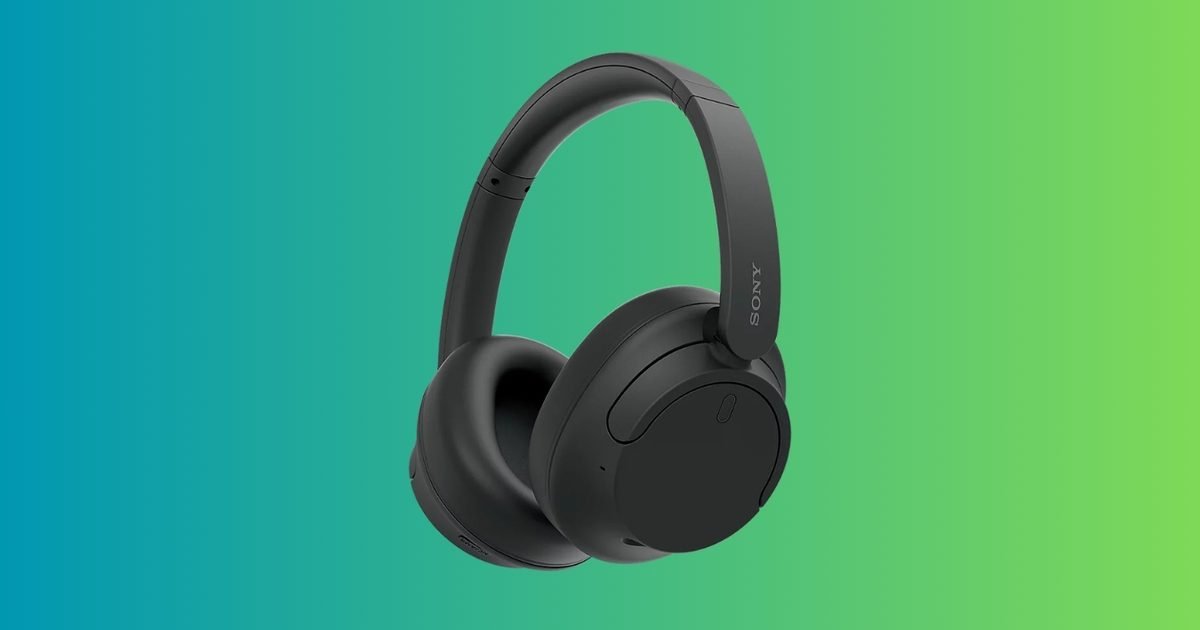
This is the kind of deal that doesn’t need much overthinking. If you’ve been wanting a pair of wireless noise-canceling headphones from a brand you already trust, $99.99 is a very comfortable price to jump in. That’s $78.01 off the $178 comp value, and it puts Sony’s WH-CH720N in a range where they make a lot more sense for everyday buyers.
What I like about this deal is that it hits the practical middle ground. You’re not paying premium flagship prices, but you’re also not gambling on a random off-brand pair that looks good on paper and disappoints a week later. For commuting, working from home, travel, or just getting some quiet time, this is the kind of upgrade you’ll actually use every day.
What you’re getting
The Sony WH-CH720N is a wireless over-ear headphone with active noise canceling, which is exactly what most people want in this category. You get the comfort of full-size headphones, Bluetooth convenience, and noise reduction that helps take the edge off background sound when you’re on a flight, in a coffee shop, or trying to focus in a noisy house.
This is also the kind of headphone that works well as an “all-arounder.” It’s not trying to be a niche audiophile product or a flashy fashion piece. It’s built to be easy to live with. That matters more than people admit. If a pair is comfortable, reliable, and simple to use, it tends to become your default pair fast.
Sony also has a long track record with headphones, and that shows up in the little things. The controls are usually straightforward, the wireless connection is stable, and the overall experience tends to feel polished instead of frustrating.
Why it’s worth it
At $99.99, this deal stands out because it brings real ANC headphones into impulse-buy territory without feeling cheap. That’s a big difference. A lot of under-$100 headphones look tempting, but many of them cut too many corners. This one feels more like a “buy once and use it for a while” purchase.
It’s a particularly good fit for students, office workers, frequent travelers, and anyone who just wants less noise in their day. It also makes a lot of sense as a backup pair for work or travel if you already own something nicer and don’t want to risk losing your expensive set.
The bottom line
The Sony WH-CH720N at $99.99 is a smart, easy recommendation for anyone who wants wireless noise-canceling headphones without spending a ton. It’s a practical deal on a product category people use constantly, and that usually ends up being money well spent.
Microsoft has today announced a major shakeup in its gaming division. Phil Spencer, who joined the company back in 1988 and eventually led its gaming and Xbox divisions, is retiring from his role as the Executive Vice President and CEO of Microsoft Gaming. Also leaving the company is Sarah Bond, who served as President of the Xbox division. Spencer’s role will now be assumed by Asha Sharma, who previously led AI projects at Microsoft and had leadership stints at Meta and Instacart, as well.
Why is this a big shift?
For over a decade, Phil Spencer has been the face of Microsoft’s gaming ambitions with the Xbox label. Under his leadership, Microsoft launched Xbox Game Pass, the game subscription service that is often likened to “Netflix of games.” Taking over as the head of the Xbox division back in 2014, and eventually moving into the role of Microsoft Gaming CEO in 2022, Spencer advocated for the cross-platform play movement that is now at the center of the company’s gaming vision.
Thinking back to my start as an intern in 1988, I never could have imagined the path ahead. I’ve been lucky to work with so many passionate creators, partners, colleagues, and players across the industry; people who challenged me, taught me, and made this work full of joy and…
It was under his leadership that Microsoft announced backward compatibility for console games, starting with the Xbox One back in 2015. During his tenure, the company launched the Xbox cloud game streaming service, expanding the company’s “play anywhere” vision. Additionally, Spencer also spearheaded the blockbuster acquisition of gaming studios such as Bethesda and Activision Blizzard. In his final years at the company, Microsoft also expanded into the third-party Xbox console segment, starting with the Asus ROG Ally X.
What’s next?
Following Spencer’s departure, Sharma will have giant shoes to fill. She has previously served as the President of Microsoft’s CoreAI Product. Stepping into her new role, she has also promoted veteran Matt Botty to the position of Executive Vice President and Chief Content Officer. And it seems she is committed to the cause of Xbox consoles, alongside cross-device platform access.
“We will celebrate our roots with a renewed commitment to Xbox starting with console which has shaped who we are. It connects us to the players and fans who invest in Xbox, and to the developers who build ambitious experiences for it,” she wrote in a note. She also highlighted that Microsoft will not be blindly pushing AI slop into games, which is reassuring at a time when the industry is divided over the usage of AI in the game development process.
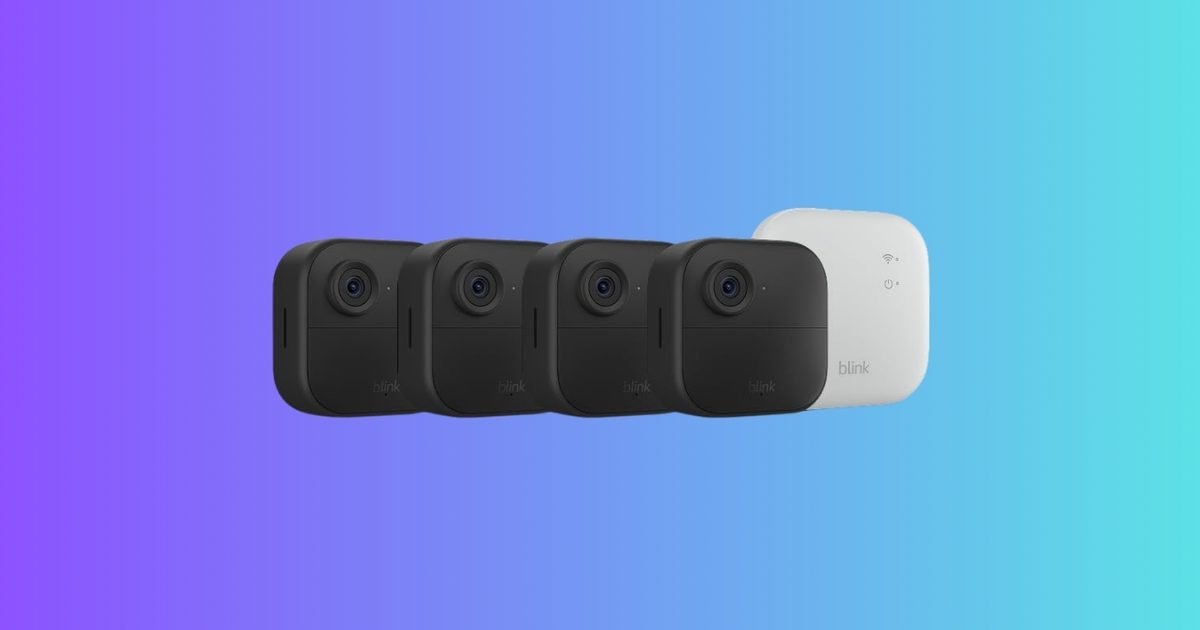
Home security deals can get expensive fast once you start adding multiple cameras, which is why this one stands out. The Blink Outdoor 4 XR 4-camera system is down to $164.99 for a limited time, which is a big drop from $299.99. That’s 45% off, and more importantly, it gets you a full multi-camera setup at a price that feels realistic for most households.
The angle here is coverage. A lot of people start with one camera and then realize they need another for the driveway, one for the backyard, and one near a side entrance. This bundle skips that slow, piecemeal process and gives you a more complete setup from day one.
What you’re getting
This is a 4-camera wireless security system built around convenience and range. The standout features are the two-year battery life claim and the extended wireless range, with up to 1000 feet open-air range (or around 400 feet with typical use).
That matters because placement is usually where camera systems get annoying. If you’ve got a detached garage, a longer driveway, or a larger yard, range can be the difference between “works great” and “constant headaches.”
A four-camera kit also gives you flexibility right away. You can cover the obvious spots first, then move things around as you learn where your blind spots are.
Why it’s worth it
This deal works because it solves a practical problem without overcomplicating it. You’re getting a recognizable, battery-powered outdoor camera setup at a price that’s well below what many four-camera packages cost. The long battery life is also a big part of the appeal, because fewer battery swaps mean you’re more likely to keep the system running consistently.
The other reason this is worth a look is the timing. Security camera deals this deep don’t always show up on full bundles, and when they do, the best value is usually in the multi-pack rather than buying individual units later.
The bottom line
At $164.99, this Blink Outdoor 4 XR 4-camera system is a genuinely good deal if you want broad home coverage without spending a ton upfront. The long battery life and strong range make it especially appealing for larger properties or tricky camera placements. If you’ve been putting off a home security setup because the cost adds up too quickly, this limited-time price makes the decision a lot easier.
With the iPhone 16e, Apple tried to revive the affordable iPhone segment by offering a familiar form factor and capable hardware. But despite that, 2025’s cheapest iPhone release wasn’t as hot and popular as the other ones. Well, that could change with the arrival of the iPhone 17e.
With detailed rumors pouring in for over six months now, the iPhone 17e is among the most-anticipated Apple product launches in the first half of the year, and so far, the rumor mill has only been kind to the device. So, without any further ado, here’s everything we know about the iPhone 17e.
Release date and price rumors
Andy Boxall / Digital Trends
While some rumors suggested a February 19 launch date for the iPhone 17e, that didn’t happen. Instead, the phone should break cover at the “special Apple experience” media briefing sessions on March 4, 2026.
Apple is holding press briefings in three cities around the world — New York, London, and Shanghai — which sounds like the perfect time to introduce the world to the new, better, and, most importantly, cheaper iPhone.
FPT / YouTube
Pre-orders for the iPhone could begin either as the event ends or the next day, with general availability from around the second week of March.
But exactly how cheap could the iPhone be? Bloomberg’s Mark Gurman suggests that the iPhone 17e (128GB) could retain the iPhone 16e’s launch price of $599. Despite rumored hardware upgrades, the company might freeze the smartphone’s launch price for another year.
Despite all the reports about the ongoing memory crisis, Apple’s long-term partnership with its suppliers and the scale of its operations give it a unique advantage over other brands, even as other smartphone makers (including global giants like Samsung) struggle to control smartphone prices.
Design and display
Christine Romero-Chan / Digital Trends
Apple’s iPhone 16e is often criticized for its outdated design (it’s the gigantic notch at the top of the screen that bothers some buyers). Well, that could go away with the iPhone 17e, as it’s rumored to replace the ugly notch with the Dynamic Island (as seen on the recent iPhones).
I strongly believe that the iPhone 17e could borrow its screen from the baseline iPhone 15, facilitating the Dynamic Island and thinner bezels. The choice of materials — an aluminum frame sandwiched between two layers of glass — should remain the same as well.
Apart from the classic black and white finishes, the iPhone 17e should be available in a new purple or lavender finish, appealing to younger buyers and helping the handset compete with the variety of colors the Pixel 10a is available in.
Andy Boxall / Digital Trends
Coming to the screen, the iPhone 17e is rumored to ship with a 6.1-inch OLED screen (smaller than the 6.3-inch screen on the regular iPhone 17) that supports a 60Hz refresh rate and 2,000 nits of peak brightness, making it, well, usable.
No ProMotion display, no dramatic upgrades in brightness, just the regular, Apple-fashioned refinement. In terms of design, the iPhone 17e will likely mirror the iPhone 15 from the front and the iPhone 16e from the back.
Performance and software
Apple
Under its familiar hood, the iPhone 17e should feature Apple’s A19 (3nm) chip, perhaps a binned version with one fewer GPU core (five instead of six). I’ve been using the iPhone 17, powered by the A19 chip, as a daily driver, and the chip has more computational power than I can use on most days.
Further, the chipset could be paired with Apple’s in-house C1X modem (similar to the iPhone Air), which should offer faster 5G speeds and up to 30% better energy efficiency than the C1 modem. If that happens, the ‘e’ series iPhone might also get the N1 wireless chip.
Like the iPhone 16e, the iPhone 17e could also feature 8GB of RAM, which is the bare minimum to support Apple Intelligence (both current and upcoming features).
Apple
The handset might get a storage upgrade to 256GB on the base variant, but I’ll not be surprised if Apple continues with 128GB base storage (since it is expected to retain the $599 price). The top variant, like last year, should get 512GB of storage.
Out of the box, the iPhone 17e should run iOS 26 (perhaps iOS 26.3 or iOS 26.4), with all Apple Intelligence features (including Writing Tools, Gemoji, Clean Up, and more).
And no, the revamped version of Siri might not be available on the iPhone 17e, as it’s delayed to iOS 26.5 or iOS 27. Like other iPhones, the cheapest iPhone should also get new iOS versions for around five to six years before Apple drops support.
Cameras and battery
Nirave Gondhia / Digital Trends
The only back camera on the iPhone 17e should feature a 48MP Fusion camera sensor, which allows capturing images at 24MP or 48MP resolution, along with optical-quality 2x in-sensor zoom, and Dolby Vision HDR video recording (up to 4K at 60 fps).
What I’m curious to see is whether Apple goes with the same 1/2.55-inch sensor on the iPhone 16e or upgrades the camera with the 1/1.56-inch sensor found on the iPhone 16 or iPhone 17.
If you’ve heard about and envied the Center Stage camera on the iPhone 17, the iPhone 17e could be your chance to unlock the marvellous selfie experience for yourself and your friends. Rumors indicate that the latest ‘e’ series iteration could ship with the 18MP square-sensor front camera we’ve seen on the iPhone 17 series.
Magsafe charging puck attached to an iPhone 16Apple
Beyond the cameras, the purported entrant to the latest iPhone lineup could come with a 4,005 mAh battery, which is larger than that on the iPhone 17. If that happens, the iPhone 17e could offer around 30 hours of video playback (up from 26 hours), making battery life a major selling point for buyers.
If that’s not enough, Apple is also considering adding MagSafe charging to the handset, and the faster one (up to 25W), no less. Apart from unlocking convenient wireless charging, MagSafe also unlocks support for plethora of accessories.
So, whether it’s the design, display, performance, optics, or battery life, the iPhone 17e should get upgrades across the board, which would make it one of the easiest recommendations for prospective iPhone buyers on a budget, but with known compromises like a single-camera setup and the lack of ProMotion (120Hz) display.
High refresh rate gaming monitors have slowly become more affordable, but Dell’s latest launch takes that trend to a new extreme. The company has introduced two new 27-inch gaming monitors with 240Hz refresh rates starting at roughly $130, a price that would have seemed impossible for this spec just a few years ago.
Dell
The two models, the SE2726HG and SE2726HGS, focus on delivering fast, responsive gameplay at a budget-friendly price. Both displays are built around a 27-inch Full HD panel, a combination that prioritizes high frame rates and smooth motion over ultra-high resolution. For competitive gaming, that trade-off makes sense. Lower resolution reduces GPU strain and helps players reach the high frame rates needed to fully take advantage of a 240Hz refresh rate.
Speaking of which, the high refresh rate is also paired with 0.5ms response time, which is designed to minimize motion blur and input delay. For fast shooters and esports titles, this can translate into smoother tracking, clearer movement, and a more responsive feel overall. Add to that, there’s support for AMD FreeSync to help eliminate screen tearing and keep gameplay fluid when frame rates fluctuate.
Dell
Dell has also paid attention to everyday usability. The panels cover 99% of the sRGB color space, which means they are capable of delivering reasonably accurate colors for media consumption, casual content creation, and general desktop work. The only difference between the two monitors is mainly in ergonomics and design. The SE2726HGS includes an adjustable stand that allows height and tilt changes. The SE2726HG, meanwhile, sticks with a simpler stand to keep the design straightforward and accessible.
The bigger takeaway from these monitors is how much high-refresh displays have evolved. Not long ago, 240Hz screens were niche products aimed almost exclusively at professional esports players. Now, they are becoming part of the mainstream gaming conversation. Dell’s new models highlight how competitive gaming features are gradually moving into everyday setups. Smooth motion, low latency, and adaptive sync are no longer luxury upgrades but features that more players can realistically consider. For gamers building or upgrading a setup, this release signals a shift in expectations.
As video advertising output accelerates across platforms, a new challenge has emerged: volume alone no longer guarantees effectiveness. Brands are producing more content than ever, yet performance remains uneven – often because creative decisions are reviewed subjectively and far too late in the process. A growing class of AI-driven validation tools is attempting to change that by bringing predictive analysis earlier into the creative lifecycle.
Instead of relying solely on post-campaign metrics or human interpretation, these systems use machine learning to assess whether an ad is structurally sound before it goes live. The goal isn’t to replace creativity, but to give teams clearer, earlier signals about what works, what doesn’t, and why.
Why creative validation is becoming a tech priority
For many marketing teams, the bottleneck isn’t a lack of ideas – it’s a lack of confidence. Human review cycles are slow, subjective, and inconsistent. Meanwhile, performance feedback usually arrives only after media budgets have already been spent, meaning weak creative can slip through despite heavy investment.
AI-driven validation offers a different path. By analyzing large libraries of historical ads, these tools identify patterns linked to engagement, brand recall, and call-to-action clarity. The promise is consistency at scale – evaluating creative quality using the same criteria, every time, across formats and channels.
Merging production insight with media planning
A key trend is the integration of creative assessment directly into media planning workflows. Rather than treating production and distribution as separate stages, some platforms now evaluate creative readiness during planning itself, helping teams decide which assets are worth amplifying.
Alison.ai’s Preflight Plus tool exemplifies this approach. It runs automated checks based on Google’s ABCD framework – Attract, Brand, Connect, Direct – to determine whether a video ad meets foundational best practices. While not the only platform in this space, it reflects a broader shift toward validating creative structure before budget commitments are made.
How computer vision is transforming creative analysis
At a technical level, these systems rely heavily on computer vision, scanning video content frame by frame to identify elements such as logo visibility, pacing, facial presence, text overlays, and visual hierarchy. These signals are then quantified, enabling creatives to be scored and compared more precisely.
Alison.ai describes this as its “Creative Genome” – a model that breaks ads into discrete visual and conceptual components. Similar techniques are emerging across ad-tech, signaling a move toward more granular, data-driven creative decision-making.
Reducing bias and increasing alignment
The practical benefit for marketing teams is alignment. Objective scoring helps bridge the long-standing divide between creative teams prioritizing storytelling and performance teams focused on measurable outcomes. Instead of debating subjective opinions, teams can work from shared data points that highlight where an ad may need refinement.
This shift also reduces dependence on multiple fragmented tools. When validation, feedback, and planning live inside a single workflow, teams spend less time navigating systems and more time improving the work itself.
Toward accountable AI in creative workflows
More broadly, this marks a push toward accountability in AI-assisted and AI-generated content. As generative tools speed up production, validation layers are becoming essential to ensure that increased output doesn’t come at the cost of effectiveness.
Preflight Plus – and tools like Alison.ai’s Agentic Video Ideation Flow – reflect an emerging creative model: AI that not only generates concepts but also evaluates whether those ideas are structurally prepared to perform. While implementation varies across platforms, the direction is clear – creative technology is moving upstream, closer to the moment decisions are made.
In a landscape where attention is expensive and mistakes are costly, early-stage creative intelligence may soon shift from competitive advantage to industry standard.
Digital Trends partners with external contributors. All contributor content is reviewed by the Digital Trends editorial staff.
In a year defined by sovereign AI and data, one truth has become unavoidable: humans will matter more than ever. Even the most ambitious AI strategies will stall if organizations fail to invest in their people.
More than 95% of enterprises worldwide now say they want to operate as their own AI and data platforms within the next 850 working days. It’s a stunning recognition from C-suite leaders across 13 countries representing a combined GDP of $48 trillion – and a signal of how rapidly the world is shifting. IDC estimates this transition could generate $17 trillion in GDP growth, effectively creating the world’s third-largest economy if counted as a country.
Yet despite this massive ambition, only 13% of more than 134,000 major enterprises are getting it right.
These early leaders have made AI and data sovereignty a mission-critical priority. Their infrastructure allows intelligence to be accessed securely – anywhere, anytime, and in any form. The results speak for themselves: they see 5x higher ROI than the rest, with 2x more GenAI and agentic systems deployed in mainstream production. They are also 250% more confident in their ability to thrive long term.
Enterprises such as Abbott, AIA Singapore, Aviva India, Boston Scientific, Danske Bank, ENOC, JP Morgan Chase, Mastercard, Singtel, Wells Fargo, Toyota, and others are already proving what scaled success looks like.
But this transformation is not a push-button upgrade. Digital transformation took nearly a decade. The AI and data revolution may peak in just three to four years, and its impact could far surpass anything seen before.
That is why the defining question of the next era is not purely technological. Sovereign AI will rise or fall on human readiness. Organizations that fail to reskill, align, and carry their workforce into this transformation will find their ambitions constrained before they ever scale.
There are three key reasons why.
The Intelligent Systems Economy Will Require Hundreds of Millions of Skilled People
This new AI-driven economy brings greater complexity than the cloud migration wave. According to the World Economic Forum’s 2025 Future of Jobs report, AI is expected to displace 92 million jobs, but also create 170 million new ones—a net gain of 78 million. In some countries, up to 70% of these new roles risk going unfilled due to skill shortages.
“We cannot realize the potential of this new intelligent systems economy unless we invest significant time and energy reskilling and enabling employees in new ways,” says Einav Lavi, CHRO at EDB. “Demand for qualified people will far exceed supply, emphasizing how central humans are to this revolution.”
Enterprise-Wide Agentic Success Requires Everyone – Not Just Specialists
The top 13% of enterprises treat AI and data sovereignty as a company-wide standard. Their 2x density of AI initiatives and 5x ROI stem from building a sovereign foundation that reaches everyone—from HR and frontline staff to product design, engineering, and finance.
They rolled out GenAI and agentic systems in a coordinated, enterprise-wide sequence that embedded AI into organizational DNA. Skill levels varied, but reskilling at scale produced transformation at scale.
As enterprises evolve into AI “factories,” every employee becomes part of the production line, sharing common standards, practices, and a unified vision.
The Future Workforce Will Demand Continuous Reinvention
For most of the past century, people held 1.5 careers across 5–10 employers. That era is ending. By 2050, 60–80% of today’s jobs will be automated, and individuals may have 20–30 roles across a dozen organizations.
“In this environment, continuous reskilling becomes one of the most valuable currencies of success,” Lavi notes. “The enterprises that thrive will invest as much in their people as they do in their AI.”
AI itself will accelerate this reinvention – surfacing internal opportunities faster, matching people to roles or stretch assignments, and building personalized development pathways. Growth will be driven increasingly by skills and contribution, not proximity or bias.
For HR and managers, AI-powered “people copilots” will reshape workforce planning by identifying early signals of burnout, workload imbalance, sentiment shifts, and retention risks – augmenting, not replacing, human judgment.
The goal is not the automation of humanity, but the elevation of what makes us human – freeing people to focus on creativity, judgment, empathy, and innovation, the very things machines cannot replicate.
Digital Trends partners with external contributors. All contributor content is reviewed by the Digital Trends editorial staff.