Category: Uncategorized

  • AMD’s next Ryzen chips could hit 24 cores for the first time

    AMD’s next Ryzen chips could hit 24 cores for the first time

    AMD might finally break its 16-core ceiling with the next generation of Ryzen desktop processors. A fresh rumor from reliable tipster HXL points to a Ryzen 10000 lineup that runs from 6-core budget chips all the way up to flagship 24-core monsters.

    The “Olympic Ridge” series, built on Zen 6, would mark the first time AMD offers more than 16 cores for mainstream desktop buyers. That shifts the company’s position against Intel.

    Seven SKUs and a new chiplet design

    The Ryzen 10000 family will reportedly include seven configurations spread across single and dual-CCD designs. Single-chiplet chips are said to come in 6-core, 8-core, 10-core, and 12-core variants. For higher-end SKUs, AMD is reportedly doubling up to deliver 16-core (8+8), 20-core (10+10), and 24-core (12+12) options.

    This is a big shift. From the first Ryzen through Zen 5, AMD has stuck to 8-core CCDs as its building block. Moving to 12-core chiplets lets the company scale up without stacking three or four dies. Each new CCD is said to carry 48 MB of L3 cache, giving the flagship non-X3D model 96 MB total.

    What Zen 6 brings to the table

    Beyond the core bump, Zen 6 is expected to deliver IPC gains and higher clock speeds. That could make these chips noticeably faster than the current Ryzen 9000 series, even at similar core counts.

    The post also suggests the new processors will work on existing AM5 motherboards. Anyone with a recent build has a clear upgrade path without swapping boards. That contrasts with Intel, where next-gen chips often require new platforms.

    Still, the core count gap between the two rivals might widen. Current rumors point to Intel’s Nova Lake flagship hitting 52 cores, leaving AMD’s 24-core ceiling looking modest.

    What to watch for before you buy

    None of this is official. AMD hasn’t confirmed Ryzen 10000 beyond the Olympic Ridge codename, and Intel hasn’t even released its Arrow Lake refresh, so take the rumors with patience.

    But if they hold, the lineup gives AMD a flexible spread from entry-level builders to professionals who can actually use 24 cores. The bigger question is how Zen 6 performs against Nova Lake when both arrive.

    For now, if you’re sitting on an AM5 board, the path forward looks clearer than it did yesterday. Just maybe wait on that RAM upgrade until prices settle.

  • Amazfit’s new T-Rex Ultra 2 is built for your toughest outdoor adventures

    Amazfit’s new T-Rex Ultra 2 is built for your toughest outdoor adventures

    Amazfit has unveiled the T-Rex Ultra 2, its latest rugged smartwatch aimed at outdoor enthusiasts and adventure athletes. The new model builds on the company’s T-Rex lineup with a larger design, upgraded materials, and expanded mapping capabilities.

    The T-Rex Ultra 2 features a 51mm case and a 1.5-inch AMOLED display protected by sapphire glass. The watch uses a Grade 5 titanium bezel and back, and carries a 10 ATM water resistance rating, making it suitable for high-pressure water activities, including diving. Amazfit is positioning the smartwatch as one of its most durable wearables to date, designed to withstand the elements with ease.

    Navigation and route planning upgrades

    Navigation is a central focus of the Ultra 2. The smartwatch supports full-color offline maps, route import and planning, turn-by-turn navigation, and elevation data. Users can preload global maps directly onto the device and create routes of up to 100km without relying on a connected smartphone.

    The watch supports six satellite positioning systems for improved accuracy and faster signal acquisition. It even includes an intelligent Checkpoint Display and Reminder alerts, allowing users to mark waypoints like water sources, shelters, altitude targets, or turnaround points during long treks or multi-day excursions. Additionally, enhanced climb segmentation and refined terrain mapping provide clearer insights for upcoming ascents.

    Class-leading battery life

    Battery life remains a headline feature for the new T-Rex model, with Amazfit claiming up to 30 days of typical smartwatch usage on a single charge and up to 50 hours of GPS tracking, figures that stand out in a segment that includes more premium devices like the Apple Watch Ultra 3. The watch also includes 64GB of internal storage for maps, workout data, and music, along with a built-in speaker and microphone for Bluetooth calling.

    Additional features include grade-adjusted pace for hill training, voice memo recording during workouts, a dual-mode flashlight with Boost Mode for high-intensity illumination, and an SOS signal for emergencies.

    The Amazfit T-Rex Ultra 2 is priced at $549.99 and is already available through Amazfit’s website. Amazon availability is expected in the coming days.

  • Samsung upgrades Bixby beta to challenge ChatGPT and Gemini, starting in One UI 8.5

    Samsung upgrades Bixby beta to challenge ChatGPT and Gemini, starting in One UI 8.5

    Samsung’s new Bixby beta is a direct push to make the assistant feel more like ChatGPT or Gemini, but with a clearer job, running your Galaxy phone. Instead of barking precise commands, you’re supposed to talk normally and let it translate intent into actions.

    The update is tied to One UI 8.5 and starts in select markets, including Germany, India, Korea, Poland, the UK, and the US Samsung says a wider expansion is coming, but it hasn’t shared a timeline or a list of supported devices, so availability will vary by model and region.

    The headline feature is fewer trips through menus. You can describe what you want in your own words, even if you don’t know the exact name of a setting. Bixby is meant to understand the request, then surface the right control and apply it.

    Natural language control, fewer menu dives

    Samsung’s example is the screen timing out too quickly. If you say you don’t want it to turn off while you’re still looking at it, Bixby can enable “Keep Screen on While Viewing” without you hunting for the label.

    That matters because Galaxy settings can be deep, and the names aren’t always obvious. If the assistant gets intent right, it turns common tweaks into a quick ask. Short. Done.

    A smarter way to fix annoyances

    Samsung is also leaning into troubleshooting. The assistant can consider the context of your question, check what’s already enabled, then suggest a fix you can apply immediately.

    If your screen stays on when the phone is in your pocket, it can point you to “Accidental Touch Protection” and let you toggle it. That’s the kind of practical help people often ask chatbots for, but here it’s tied directly into the phone’s controls.

    Web answers without leaving Bixby

    The other big change is real-time web search shown inside Bixby’s own interface. A request like finding kid-friendly hotels in Seoul can return live web results without sending you off to a browser.

    If you’re in one of the launch regions, the best move is to check for One UI 8.5, then test Bixby with messy, everyday requests. That’s where this update either replaces a few ChatGPT or Gemini queries, or falls back into the background.

  • Samsung isn’t aping the AirPods, but doing a better job on the upcoming Galaxy Buds 4

    Samsung isn’t aping the AirPods, but doing a better job on the upcoming Galaxy Buds 4

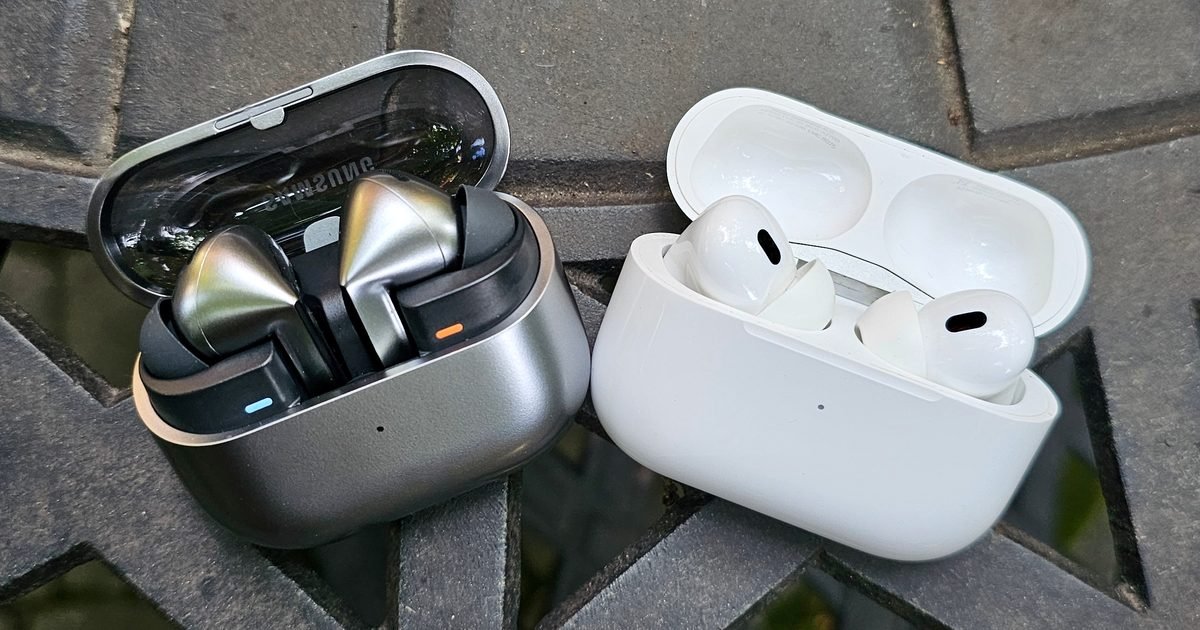
    Ahead of their expected launch on February 25, 2026, the Samsung Galaxy Buds 4 have appeared in real-life photos shared by @Mr_TechTalkTV on X. Although they contain non-functional or dummy units used for displays in retail stores, they give us a good idea of how the earbuds will look.

    Previously, we’ve seen the regular Buds 4 (with an open-ear design) in black and the Buds 4 Pro in white (with silicon eartips). However, the new pictures flip this order, showcasing the regular earbuds in white and the Pro ones in black.

    Exclusive: First real-life look at the Galaxy Buds 4 and Galaxy Buds 4 Pro. These are non-functional dummy units that Samsung sends to retail stores for display. pic.twitter.com/Wz74oJqaGB

    — TechTalkTV (@Mr_TechTalkTV) February 19, 2026

    Fresh leaks, familiar rivalry

    From what it looks like, both earbuds will be available in white and black finishes, appealing to buyers who aren’t into the simple white color the AirPods are available in.

    Everything from the AirPods’ charging case, top lid, and earbuds is made of the same glossy white plastic material, which is surely iconic, but it doesn’t leave buyers with any other option.

    While the choice of colors shouldn’t be an issue with the Galaxy Buds 4 series, the design should be what distinguishes it from the AirPods (and for good). As seen in the pictures, both Buds 4 models have a metallic paint finish on their stems, elevating their look.

    More choice, more personality

    Samsung has opted for a flat charging case, where the earbuds lie horizontally, making them easier to access and easier to remove in a hurry. The wider layout also allows for a slimmer profile in your pocket or backpack and a case that feels more stable on a tabletop.

    With two colors, an elevated design, a flat charging case, optimized touch/gesture controls, and potential upgrades in sound quality and noise cancellation, the Galaxy Buds 4 should be a compelling choice for Galaxy S26 buyers, or other Android users, for that matter.

  • Google’s secret AI tool feels like a professional photoshoot powerhouse in your pocket

    Google’s secret AI tool feels like a professional photoshoot powerhouse in your pocket

    If you’ve ever tried to stage a professional product photo shoot on your kitchen or study table, using a desk lamp or a flashlight as the primary light, Google Labs has something for you.

    The experimental arm of the Alphabet-owned company has released a new Photoshoot feature as part of its AI marketing platform, Pomelli, which is like a virtual studio that fits in your browser (and, by extension, your backpack).

    Today, we’re introducing Pomelli’s latest feature update, ‘Photoshoot’

    With Photoshoot, you can start from a single image of your product and easily create high quality, customized product shots to elevate your marketing.

    Available free of charge in the US, Canada, Australia… pic.twitter.com/ryW1djxyKm

    — Google Labs (@GoogleLabs) February 19, 2026

    From scrappy setup to showroom-ready

    Users can upload a picture of their product (doesn’t matter if it’s captured on a phone), and Pomelli’s Photoshoot feature can transform it into a polished, campaign-ready version.

    Even if you don’t have a proper setup, Pomelli helps you mimic the results of studio lighting, add dreamy backgrounds, and achieve aesthetic composition, all with the help of Google AI models.

    So, it should be able to add marble countertops for skincare products, cozy living room backdrops for candles, or studio gradients for tech gadgets. Most importantly, the tool adjusts lighting direction and intensity to match the environment.

    Big-brand polish without big-brand budgets

    It can also refine shadows, enhance texture, and sharpen details. You can also use presets and templates built specifically for ads, social media posts, and marketplace listings, allowing you to prepare a product catalogue in no time.

    Pomelli analyzes your existing website and creates images that match the overall tone, colors, and vibe. For instance, if you’re using a “minimalist chic” theme for your website, Google’s AI will maintain that theme for the product images.

    Pomelli’s Photoshoot is clearly aimed at small-scale businesses and e-commerce sellers who don’t have the budget or the resources for a professional product shoot. For now, the feature is available in the United States, Canada, Australia, and New Zealand.

  • Hyderabad’s Amberpet tense after slogans near mosque during Taraweeh

    Hyderabad’s Amberpet tense after slogans near mosque during Taraweeh


    Hyderabad's Amberpet tense after slogans near mosque during Taraweeh

    Hyderabad: Tension prevailed at Amberpet on the night of Thursday, February 19, after some miscreants who were participating in the Shivaji Maharaj Jayanti procession raised slogans in front of the Jamia Masjid during the Taraweeh prayers.

    The police intervened and dispersed the gatherings.

    According to local reports, the issue erupted around 10 pm when a group of people who were participating in the procession raised slogans while prayers were going on in the mosque. After noticing it, the Muslims who were returning home from prayers gathered and shouted slogans.

    The slogan shouting continued for five minutes, and the police who were on bandobast intervened and dispersed the groups.

    Soon, extra policemen were rushed to the spot.

    Rakshita Murthy, DCP of Secunderabad zone
    Rakshita Murthy, DCP of Secunderabad zone

    Rakshita Murthy, DCP of Secunderabad zone, reached the spot and held a dialogue with the Muslim elders, and asked them to maintain calm. She said the issue started after some persons raised slogans and an enquiry is being conducted.

    “Situation is now peaceful, people should not believe rumours,” said Rakshita Murthy.


    Get the latest updates in Hyderabad City News, Technology, Entertainment, Sports, Politics and Top Stories on WhatsApp & Telegram by subscribing to our channels. You can also download our app for Android and iOS.

  • Chrome Urgently Patches Actively Exploited Zero-Day Vulnerability

    Chrome Urgently Patches Actively Exploited Zero-Day Vulnerability

    Add Techlomedia as a preferred source on Google. Preferred Source

    Google has released an urgent security update for Chrome after a high-severity zero-day vulnerability was actively exploited in the wild. The vulnerability is tracked as CVE-2026-2441 and is a use-after-free bug in Chrome’s CSS handling. It was reported by independent researcher Shaheen Fazim on February 11, 2026, just five days before the patch.

    The vulnerability allows attackers to execute arbitrary code by exploiting memory corruption. Systems running Chrome versions before the patch are at risk. Attackers have already weaponized this bug, likely combining it with other techniques to escape the browser sandbox and gain higher privileges on Windows, macOS, and Linux devices.

    Google released the patch as part of its latest Stable channel update and is urging users to update immediately. Details of the vulnerability have been limited until most users apply the patch, following Google’s policy for actively exploited flaws.

    The patched versions are:

    • Windows: 145.0.7632.75 / 145.0.7632.76
    • macOS: 145.0.7632.75 / 145.0.7632.76
    • Linux: 144.0.7559.75

    Users can update Chrome via its built-in updater. For organizations, it is important to prioritize patching, monitor for unusual network activity, and follow advisories from security agencies like CISA.

    This incident highlights ongoing challenges in browser security, particularly in CSS rendering, as browser-based attacks become more sophisticated. While specific indicators of compromise are not yet public, phishing and compromised websites remain likely attack vectors. Security teams should keep track of Chrome’s release notes and Chromium’s security page for updates.

    Follow Techlomedia on Google News to stay updated. Follow on Google NewsFollow on Google News

    Affiliate Disclosure:

    This article may contain affiliate links. We may earn a commission on purchases made through these links at no extra cost to you.

  • HP Wants You to Rent Your Next Gaming Laptop

    HP Wants You to Rent Your Next Gaming Laptop

    Add Techlomedia as a preferred source on Google. Preferred Source

    HP has been quietly offering a subscription service for gaming laptops for some time now. Instead of buying a laptop outright, users can pay a monthly fee to access high-end machines. While it is not brand new, the model is gaining attention as gaming laptops continue to rise in price.

    The service covers HP Victus and HP Omen laptops, with powerful CPUs and GPUs capable of running modern games smoothly. Monthly prices start around $50 for entry-level machines and go up to $130 for top-tier laptops with Intel Core Ultra 9 processors and Nvidia RTX 5080 graphics. Subscribers also have the option to upgrade to a new machine every year, keeping their setup fresh without buying a new laptop outright.

    The subscription includes more than just the laptop. You can customize your setup with optional HyperX and OMEN accessories. After 12 months, you can trade in your gear to upgrade to the latest hardware or continue using what you already have. HP also provides 24/7 expert support, so help is always available if something goes wrong. If a device cannot be repaired quickly, HP guarantees a next-business-day replacement at no extra cost.

    From my perspective, this is a smart move by HP. Renting makes high-end gaming laptops more accessible, and frequent upgrades let you stay current with the latest hardware. The support and fast replacement policies also reduce downtime, which is a big plus for serious gamers or content creators who rely on consistent performance.

    At the same time, there are some trade-offs. Unlike buying a laptop, you never actually own the device. If you stop paying, access disappears, and there is no resale value. Over several years, the total cost of renting could be higher than buying outright. Some gamers may also prefer the freedom to upgrade or modify components on their own, which subscription models limit.

    This subscription model also fits a larger tech trend. Movies, music, software, and even games have shifted to subscriptions, and now hardware is following the same path. HP’s approach shows that owning a device is no longer the only way to game seriously.

    For many players, this could be the future of gaming laptops. It lowers the barrier to entry, makes upgrades easy, and keeps the experience seamless. HP’s rental plan may not be for everyone, but for those who want flexibility and high performance, it is a game-changer.

    You can explore the plan and details on HP’s official site here.

    Follow Techlomedia on Google News to stay updated. Follow on Google NewsFollow on Google News

    Affiliate Disclosure:

    This article may contain affiliate links. We may earn a commission on purchases made through these links at no extra cost to you.

  • realme P4 Lite 4G Set to Launch in India on February 20

    realme P4 Lite 4G Set to Launch in India on February 20

    Add Techlomedia as a preferred source on Google. Preferred Source

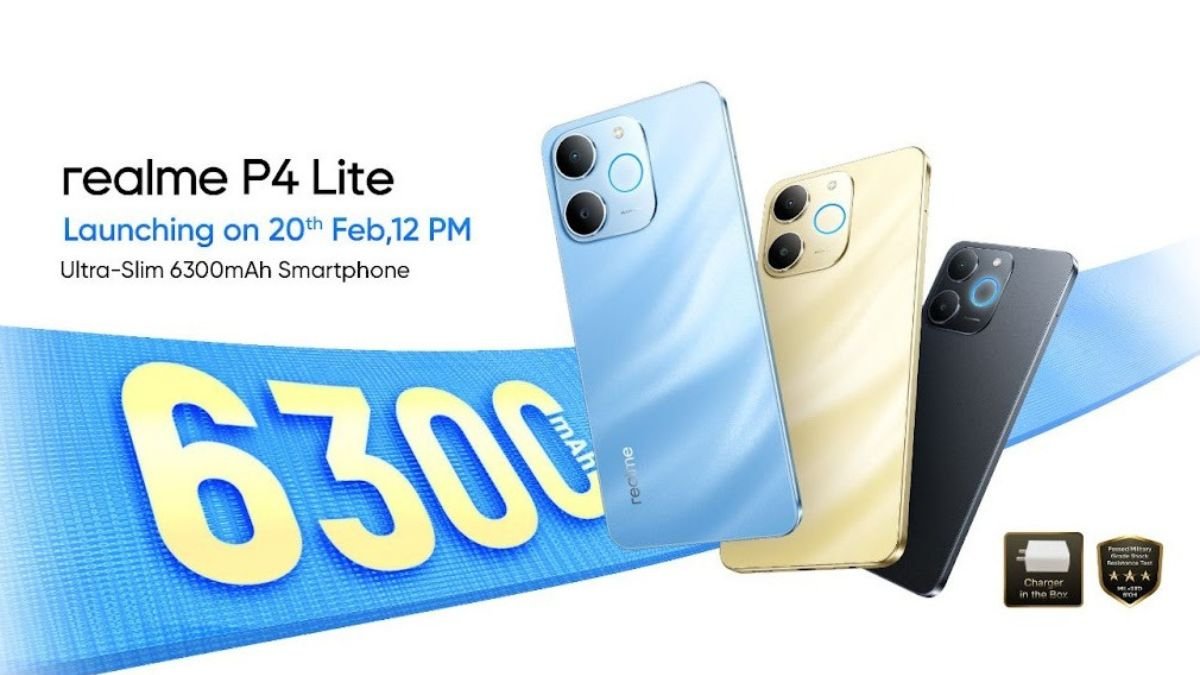
    realme is expanding its P series lineup in India with the launch of the realme P4 Lite 4G on February 20, 2026. The smartphone is aimed at younger users, focusing on long battery life, a slim design, and smart AI features.

    The phone will pack a 6300mAh battery, which realme claims is the largest in its segment. Despite this large battery, the phone remains sleek at just 7.94mm in thickness. realme has confirmed that the device will include a charger in the box, making it convenient for users right out of the box.

    The P4 Lite 4G runs on the UNISOC T7250 Octa-Core chipset and will offer a 6.67-inch 90Hz HD+ LCD screen. It also comes with an IP54 rating, providing basic protection against dust and water splashes, along with military-grade durability for added reliability.

    realme is also bringing several AI-driven features to enhance usability. These include Circle to Search for quick information retrieval, AI Photo Enhancements for better image quality, and Noise Reduction Call 2.0 to improve audio clarity during calls.

    The official launch is scheduled for February 20, 2026, with pricing and availability details expected to be revealed on the same day. The

    Follow Techlomedia on Google News to stay updated. Follow on Google NewsFollow on Google News

    Affiliate Disclosure:

    This article may contain affiliate links. We may earn a commission on purchases made through these links at no extra cost to you.

  • Poco X8 Pro Spotted on Geekbench With Dimensity 8500 Ultra and Android 16

    Poco X8 Pro Spotted on Geekbench With Dimensity 8500 Ultra and Android 16

    Add Techlomedia as a preferred source on Google. Preferred Source

    Poco’s next mid-range smartphone has started showing up online even before the official announcement. The Poco X8 Pro has now been spotted on Geekbench, giving us an early look at its performance numbers and possible hardware details.

    If the leaks are accurate, Poco is preparing a strong successor to last year’s Poco X7 Pro.

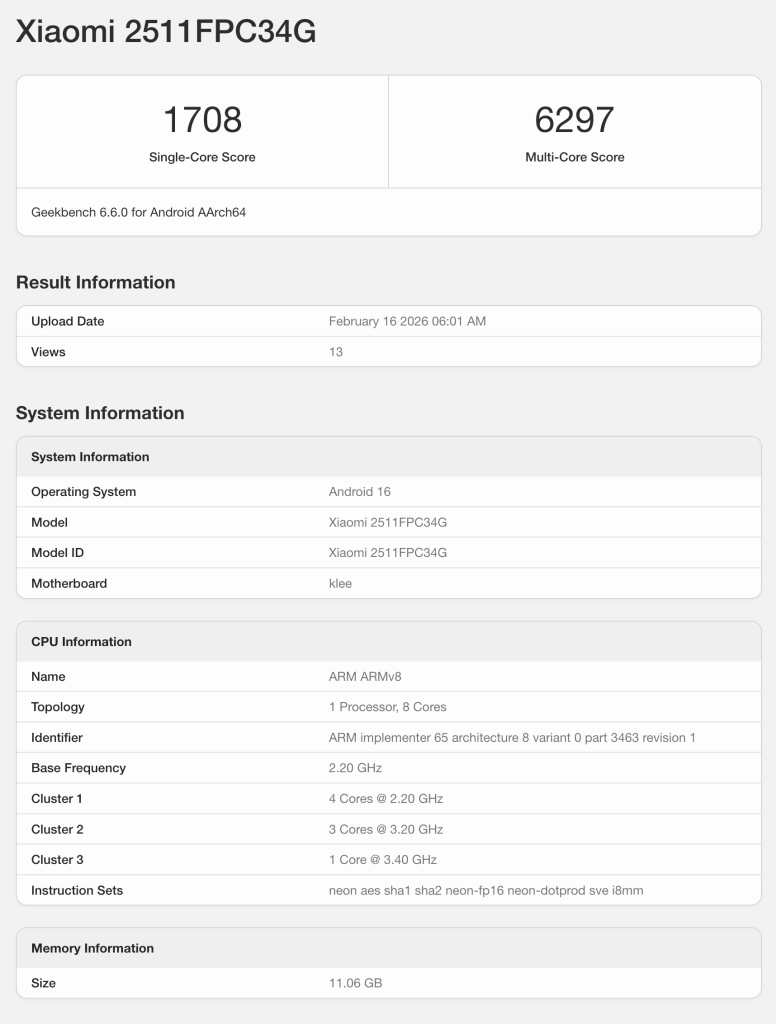
    The upcoming phone appeared on Geekbench with the model number Xiaomi 2511FPC34G. The “G” at the end usually indicates the global version of the device.

    According to the listing, the phone scored 1,708 in the single-core test and 6,297 in the multi-core test. These are solid numbers for a mid-range device and suggest that Poco is aiming for performance-focused users once again.

    The benchmark data points to an octa-core MediaTek chipset. It reportedly includes four cores clocked at 2.20GHz, three cores at 3.20GHz, and one prime core going up to 3.40GHz. The listing also mentions a Mali G720 MC8 GPU. Based on this configuration, the device is expected to run on the MediaTek Dimensity 8500 Ultra.

    The tested unit on Geekbench had 12GB of RAM and was running Android 16. It is likely to ship with Xiaomi’s HyperOS 3 on top.

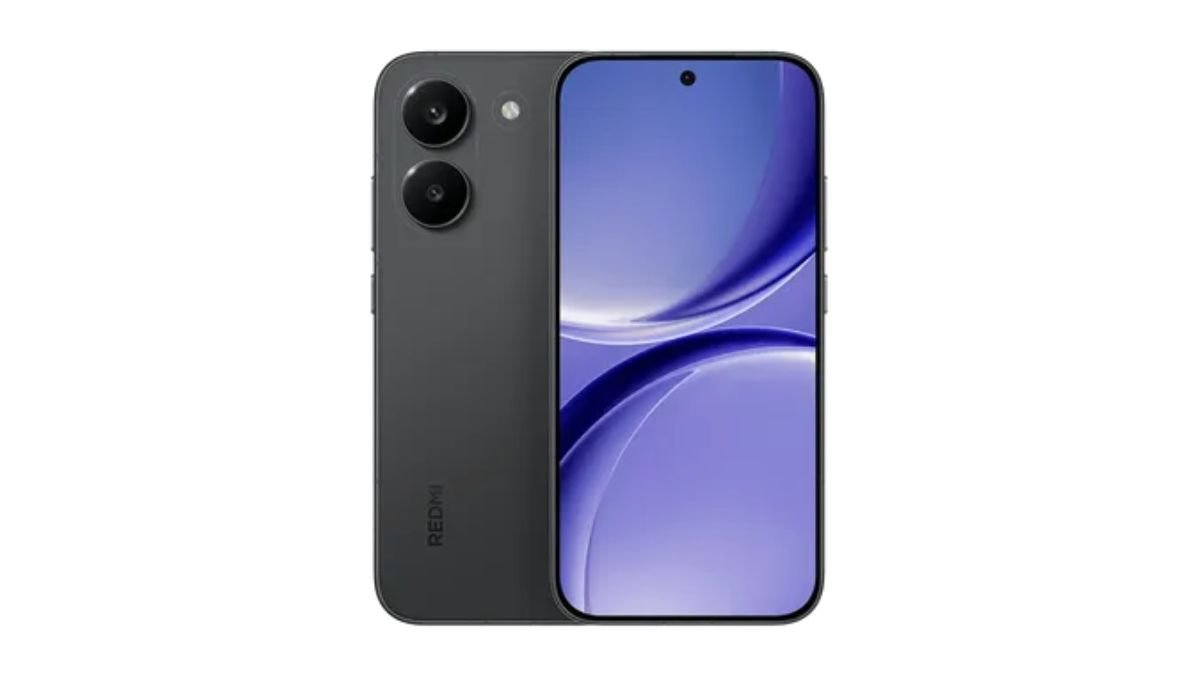
    Reports suggest that the Poco X8 Pro could launch in March, possibly alongside a Poco X8 Pro Max variant. There is strong speculation that the Poco X8 Pro could be a rebranded version of the Redmi Turbo 5, which was recently launched in China. So, it could bring similar specifications to global markets at a competitive price.

    Follow Techlomedia on Google News to stay updated. Follow on Google NewsFollow on Google News

    Affiliate Disclosure:

    This article may contain affiliate links. We may earn a commission on purchases made through these links at no extra cost to you.