Category: Uncategorized

  • Windows 11 Finally Gets Native MIDI 2.0 Support for Musicians

    Windows 11 Finally Gets Native MIDI 2.0 Support for Musicians

    Add Techlomedia as a preferred source on Google. Preferred Source

    Microsoft has finally brought native MIDI 2.0 support to Windows 11. This is a big update for musicians, producers, and audio creators who rely on electronic instruments and digital audio tools.

    MIDI, short for Musical Instrument Digital Interface, has been around since 1983. It is a core protocol that lets electronic instruments, computers, and music software talk to each other. While it has been widely used for decades, support on Windows has remained limited. With this update, Microsoft is taking music production more seriously on Windows 11.

    MIDI 2.0 was first introduced in 2020. It brings several major improvements over MIDI 1.0. These include two-way communication between devices, automatic device discovery and setup, faster data speeds, higher resolution controllers, per-note articulation, and self-describing devices. These upgrades give musicians more precision and better control over their instruments and software.

    Microsoft understands the importance of backward compatibility. Many studios and artists still use hardware and software built around MIDI 1.0. To address this, the company has introduced a new Windows MIDI Services stack. This stack modernizes MIDI 1.0 while also adding full support for MIDI 2.0. Both versions now work together natively in Windows 11.

    Microsoft has already started previewing the new MIDI infrastructure in Windows 11 Canary build 27788, which began rolling out recently. This gives early testers a chance to explore the new capabilities before a wider release.

    It also offers multi-client support. Multiple apps can now use the same MIDI port or device at the same time. Earlier, users often had to depend on vendor-specific drivers to achieve this. With the new system, that is no longer required.

    MIDI 1.0 also gets improvements. Port names are now clearer, and endpoints include additional metadata. Users will be able to manage and configure everything through a new MIDI Settings app, which will soon be available as an optional download.

    The new Windows MIDI stack also brings built-in loopback and app-to-app MIDI connections. It allows automatic translation and scaling between MIDI 1.0 and MIDI 2.0 devices. Users can expect tighter message timing with timestamps and scheduled messages. There is also a new USB class driver that supports both MIDI 1.0 and MIDI 2.0 devices. Developers get access to tools and MIDI scripting as well.

    Follow Techlomedia on Google News to stay updated. Follow on Google NewsFollow on Google News

    Affiliate Disclosure:

    This article may contain affiliate links. We may earn a commission on purchases made through these links at no extra cost to you.

  • Sarvam AI Unveils Two Large AI Models

    Sarvam AI Unveils Two Large AI Models

    Add Techlomedia as a preferred source on Google. Preferred Source

    Bengaluru-based artificial intelligence startup Sarvam AI has launched two new large language models, called Sarvam‑30B and Sarvam‑105B. The company announced the models on Wednesday at the India AI Impact Summit 2026 in New Delhi. These models are part of India’s effort to build its own advanced AI tools that can match global systems while handling Indian languages and local needs.

    The new models are foundational AI systems, which means they are trained on large amounts of data and can be used for many tasks. These include chat conversations, coding support, research help, enterprise solutions, and more. These systems form a base that other applications can build on, similar to models like OpenAI’s GPT‑4.

    The smaller model, Sarvam‑30B, has 30 billion parameters and a context window of 32,000 tokens. Sarvam says it was trained on about 16 trillion tokens and is built to run efficiently with less computing power. Benchmarks shared at the summit show that it performs well on tasks such as math reasoning, coding, and general problem solving when compared to many international models.

    In demonstrations, the company showed how its 30B model can power a multilingual conversational AI assistant, referred to as ‘Vikram’ during the demo. The example assistant was shown working in Hindi, Punjabi, and Marathi, including on feature phones.

    The Sarvam‑105B model is much larger, with 105 billion parameters and a 128,000‑token context window. It is designed for more complex reasoning and deeper tasks. At the summit, the company showed the model analyzing a company’s balance sheet in real time. The model answered detailed questions about the data. This shows the model can handle large documents, financial data, research work, and long business reports.

    This launch is important for India’s AI industry. For the first time, an Indian startup has created large‑scale AI systems that claim performance close to international models and support many Indian languages. The focus on local language support, cost control, and data privacy may help Indian businesses and developers avoid relying entirely on overseas AI platforms.
    Both models are planned to be open source, meaning developers and companies can use them to build their own AI tools. Sarvam says all the technology was built from scratch without depending on external data sources.

    Follow Techlomedia on Google News to stay updated. Follow on Google NewsFollow on Google News

    Affiliate Disclosure:

    This article may contain affiliate links. We may earn a commission on purchases made through these links at no extra cost to you.
  • Google Pixel 10a Launched in India

    Google Pixel 10a Launched in India

    Add Techlomedia as a preferred source on Google. Preferred Source

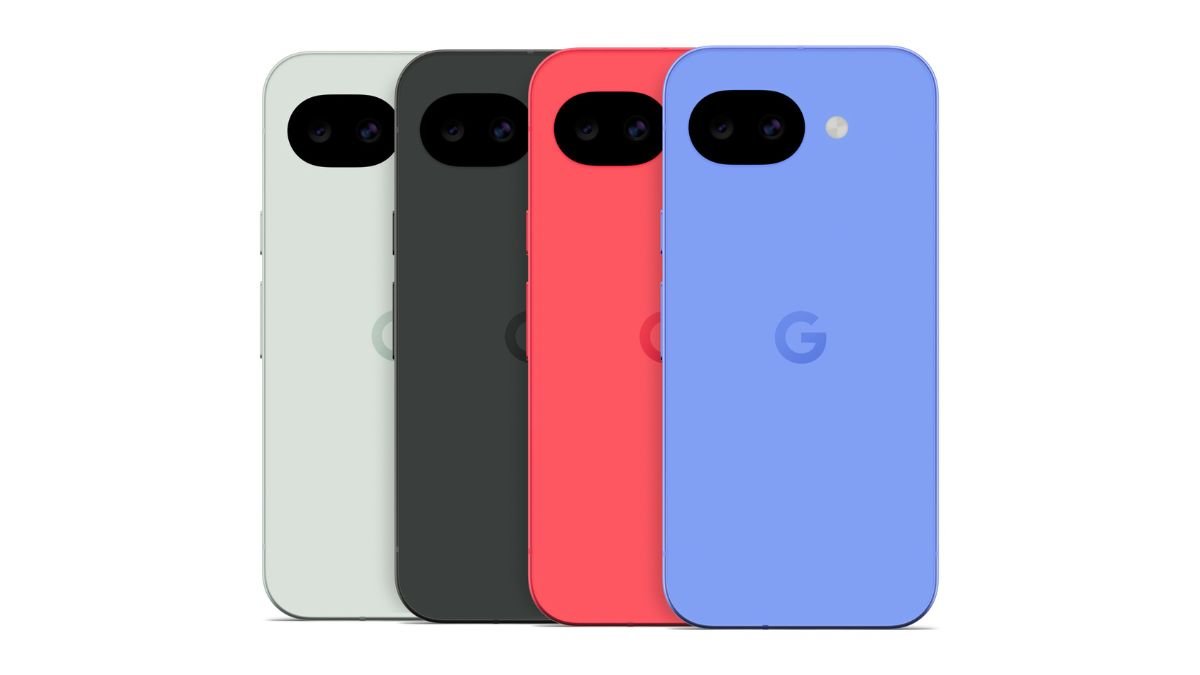
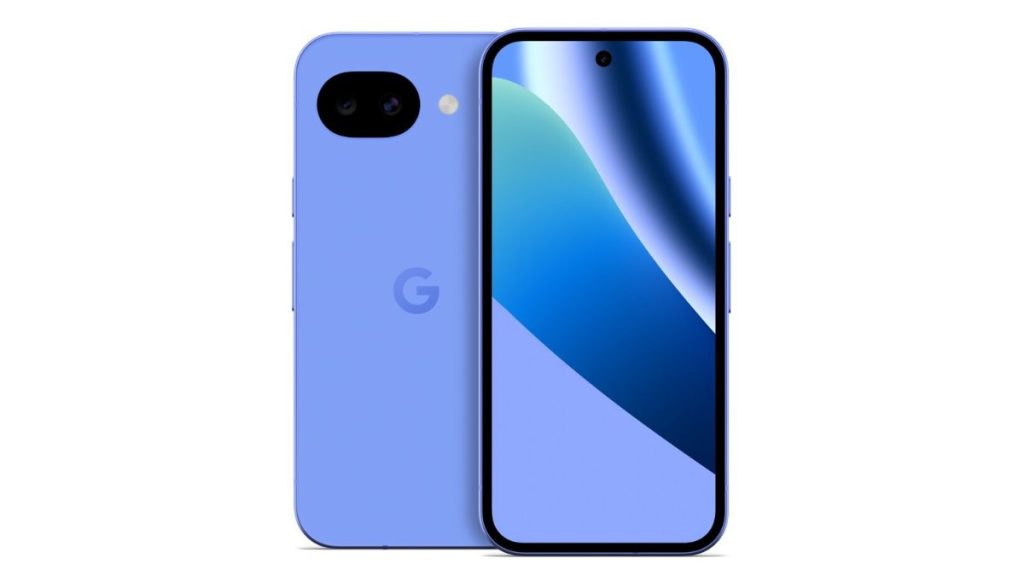
    Google has launched the Pixel 10a, the most affordable phone in its Pixel 10 series, in India. The device is priced at Rs 49,999, the same as the Pixel 9a at launch. Pre-orders start today, and the phone will be available for sale from March 6, 2026.

    Pixel 10a features a 6.3-inch Actua display with a peak brightness of 3,000 nits, which makes it the brightest screen on a Pixel a-series phone so far. The display panel has a 120Hz refresh rate and supports HDR.

    The design is refined with uniform 4mm bezels and a “bumpless” chassis. The phone is IP69 certified for dust and water resistance and uses Corning Gorilla Glass 7i for protection.

    It is powered by Google Tensor G4 with the Titan M2 security coprocessor. The phone offers smooth performance for everyday tasks, gaming, and AI-based apps. It has 8GB RAM and is offered in 128GB or 256GB storage options.

    Google Pixel 10aGoogle Pixel 10a

    The Pixel 10a runs Android 16 and comes with Google’s AI features. It introduces Camera Coach, which guides users while taking photos, and Auto Best Take, which optimises group shots with up to 20 people. Google promises seven years of OS and security updates through monthly Pixel Drops.

    The phone has a dual rear camera system with a 48MP wide sensor and a 13MP ultra-wide lens. The front camera is 13MP. AI enhancements help in capturing better portraits and group photos. The rear camera can record up to 4K 60 FPS, while 4K 30 FPS from the front camera.

    Connectivity options include 5G, 4G LTE, Wi-Fi 6e, Bluetooth 6, NFC, a USB Type-C port, GPS, GLONASS, Galileo, BeiDou, and QZSS. It also features an under-display fingerprint sensor.

    It packs a 5,100mAh battery with 30W wired and 10W wireless charging. Google claims over 30 hours of usage on a single charge.

    The Pixel 10a is priced at Rs 49,999. Launch offers include Rs 3,000 cashback on select HDFC Bank cards, up to 24-month no-cost EMI, and an Rs 3,000 exchange bonus. It is also part of the Pixel Upgrade Program, allowing zero-interest monthly instalments starting at Rs 2,083 with an assured buyback option.

    Follow Techlomedia on Google News to stay updated. Follow on Google NewsFollow on Google News

    Affiliate Disclosure:

    This article may contain affiliate links. We may earn a commission on purchases made through these links at no extra cost to you.

  • Snapchat+ Crosses $1 Billion Annual Revenue

    Snapchat+ Crosses $1 Billion Annual Revenue

    Add Techlomedia as a preferred source on Google. Preferred Source

    Snap Inc. has reached a major milestone with its direct revenue business. The company confirmed that Snapchat+, its subscription service, has surpassed 25 million subscribers and a $1 billion annualized revenue run rate. The Annualized revenue reflects the current revenue rate projected over a full year.

    Snapchat+ was launched back in 2022 and offers subscribers early access to exclusive features for $3.99 per month. Over the past year, Snap has added multiple paid tiers to diversify its revenue, including Lens+ at $8.99 per month and the ad-free Platinum tier at $15.99 per month. The company has also introduced a paid storage plan for Memories at $1.99 per month.

    Snap described Snapchat+ as “one of the fastest-growing consumer subscription services globally.”

    The company is now experimenting with creator subscriptions in alpha in the U.S. Users can subscribe to creators to gain access to exclusive content, priority replies, and ad-free experiences. Creators can set their own subscription prices.

    Snap plans to expand Snapchat+ with a focus on customization and community-driven features. The company’s success highlights that there is a growing market for paid social media experiences.

    Follow Techlomedia on Google News to stay updated. Follow on Google NewsFollow on Google News

    Affiliate Disclosure:

    This article may contain affiliate links. We may earn a commission on purchases made through these links at no extra cost to you.
  • X Rolls Out Immersive Video Player on iOS

    X Rolls Out Immersive Video Player on iOS

    Add Techlomedia as a preferred source on Google. Preferred Source

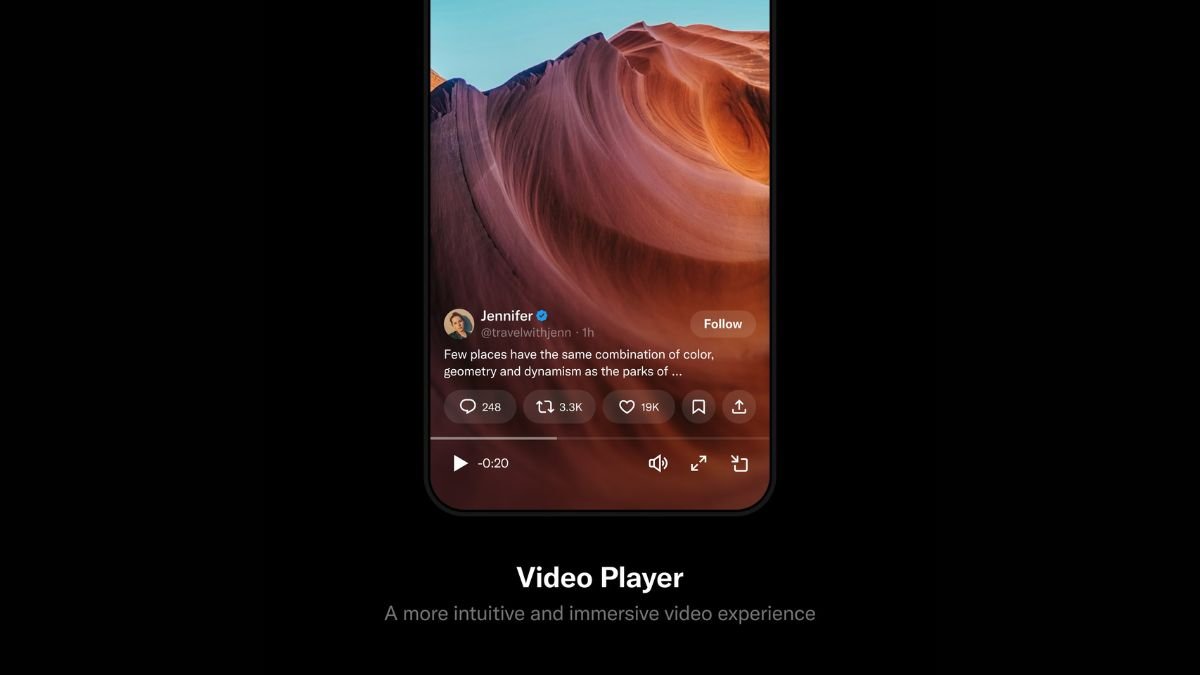
    X has started rolling out a new immersive video player on iOS. The update was announced by Nikita Bier, head of product at X. She admitted that the previous video player “badly needed a refresh.”

    The new player allows users to expand videos to full screen with a single tap. Once in full-screen mode, viewers can swipe up to move to the next video. This design is similar to the short-form video format popularized by TikTok.

    While the update is aimed at making mobile video consumption more engaging, some users have raised concerns. The new player forces all videos into a cropped, full-screen view, removing the option to watch content in its original aspect ratio. When asked about preferred orientation, Bier confirmed that portrait video is ideal.

    Bier added that X will stop cropping native vertical videos in future updates. She explained that the previous cropping encouraged people to post square videos.

    The immersive player comes after X introduced a dedicated vertical video feed globally last year. The company is also integrating AI-driven tools, including Grok’s text-to-video generation feature, as part of its video expansion.

    The timing of this rollout is significant. Last month, TikTok’s U.S. operations were sold to an American investor group, and X appears to be positioning itself as a competitor by enhancing both creator and viewer experiences. Bier also hinted that more video-focused updates are coming in the near future.

    Follow Techlomedia on Google News to stay updated. Follow on Google NewsFollow on Google News

    Affiliate Disclosure:

    This article may contain affiliate links. We may earn a commission on purchases made through these links at no extra cost to you.

  • Metaverse just went mobile first, leaving VR behind

    Metaverse just went mobile first, leaving VR behind

    Meta’s latest developer update delivers a quiet but major shift in strategy: the company is moving its metaverse ambitions away from virtual reality and focusing almost entirely on mobile experiences. In its 2026 Horizon update, Meta confirmed it is separating its VR platform from Horizon Worlds and “shifting the focus of Worlds to be almost exclusively mobile.” The move is designed to give both platforms room to grow independently and help creators reach a larger audience.

    The message is clear: VR is no longer the primary gateway to the metaverse; phones are. Meta says it began experimenting with mobile versions of Horizon Worlds last year and saw strong momentum. Now it plans to go all-in, citing the potential to connect with billions of users across its social platforms. The company also revealed that mobile worlds grew from zero to more than 2,000 experiences in a single year, with mobile monthly users increasing more than fourfold.

    VR isn’t gone, but it’s no longer the main stage

    Meta is careful to stress that VR isn’t going anywhere. The company says it still plans to invest heavily in VR hardware and remains one of the biggest backers of the space. What is changing, however, is how it approaches VR development. Instead of building everything in-house, Meta now plans to focus more on funding individual projects and supporting third-party creators with education, case studies, consultations, and other resources designed to help developers grow and better understand VR audiences over time.

    At the same time, Horizon Worlds, once positioned as a flagship VR social platform, is being redesigned primarily for mobile players. Meta is now prioritizing mobile to compete with massive social gaming platforms like Roblox and Fortnite, rather than focusing solely on headset adoption.

    This pivot follows years of slower-than-expected VR growth and internal restructuring across Meta’s Reality Labs division. The company has been cutting costs and shifting resources toward AI, wearables, and mobile experiences. That shift makes sense given that VR remains a niche market, while mobile gaming and social platforms attract billions of users worldwide. By moving Horizon Worlds to phones, Meta instantly expands its potential audience.

    For creators, this means future metaverse experiences will increasingly be designed for touchscreens instead of headsets. For users, it means the metaverse may feel less like a futuristic VR destination and more like another social app on your phone. In short, the metaverse hasn’t disappeared. It has simply moved out of the headset and into your pocket.

  • Ai+ Teases Pulse 2 Launch in India

    Ai+ Teases Pulse 2 Launch in India

    Add Techlomedia as a preferred source on Google. Preferred Source

    Ai+ has teased the launch of its upcoming smartphone, the Pulse 2, in India. The brand shared a first look at X, hinting that the phone will run its in-house NxtQuantumOS skin on top of Android.

    The teaser caption reads, “Not just an upgrade. An evolution,” suggesting that the Pulse 2 could bring improvements in connectivity, a faster display, a bigger battery, and a more powerful processor. However, Ai+ has not revealed the full specifications yet.

    The announcement follows the brand’s recent AIoT product launches, including the AI NovaPods and AI NovaWatch. Ai+ is also reportedly working on a flip phone called the Nova Flip, indicating that the Madhav Sheth-backed company has multiple launches planned by Q1 2026.

    Now that the first teaser is out, fans will likely see more details in the coming weeks as Ai+ builds excitement ahead of the Pulse 2 launch.

    Follow Techlomedia on Google News to stay updated. Follow on Google NewsFollow on Google News

    Affiliate Disclosure:

    This article may contain affiliate links. We may earn a commission on purchases made through these links at no extra cost to you.

  • Microsoft 365 Copilot Bug Exposed Confidential Emails, Raises Fresh Privacy Concerns

    Microsoft 365 Copilot Bug Exposed Confidential Emails, Raises Fresh Privacy Concerns

    Add Techlomedia as a preferred source on Google. Preferred Source

    Artificial intelligence is now deeply integrated into enterprise software. From drafting emails to summarizing long conversations, tools like Microsoft 365 Copilot promise to save time and improve productivity. Many organizations are paying significant subscription fees to bring these AI features into their workflows. However, a newly discovered bug has triggered serious privacy concerns for enterprise customers.

    The issue was first reported by Office365ITPros, which spotted an advisory published on the Microsoft admin portal. According to the advisory, Microsoft 365 Copilot was reading confidential emails while generating summaries for users.

    The problem was linked to Copilot Chat’s summarization feature. Due to a programming bug, emails from the Sent Items and Drafts folders were being sent for summarization, even when data protection policies should have restricted such access.

    This is a major concern because many organizations rely on Data Loss Prevention policies and privacy labels to prevent sensitive data from being exposed or processed in unintended ways. The fact that Copilot could access such emails raised alarms across IT departments.

    The incident is being tracked under ID CW1226324. According to Microsoft, customers initially discovered the issue on January 21, 2026. It was not an external security researcher who found the flaw. Instead, enterprise users themselves flagged the behavior, which then led to Microsoft publishing the advisory.

    Microsoft has acknowledged that the behavior was unintended. The company stated that the issue was caused by a programming bug.

    The fix began rolling out in a staggered manner starting February 10. However, Microsoft has confirmed that the update has not yet reached all affected customers.

    The company is currently informing impacted organizations and testing the remediation measures to ensure the fix works properly before full deployment.

    For enterprises, trust is everything. AI tools are being integrated into core business processes. If privacy controls can be bypassed because of a software bug, it creates serious compliance and security risks. Organizations that handle legal documents, financial data, healthcare records, or confidential contracts cannot afford accidental exposure, even if it happens due to unintended behavior.

    The incident also comes at a time when many companies are still evaluating the risks and benefits of generative AI in the workplace. News like this may make some decision makers reconsider the pace of AI adoption.

    Follow Techlomedia on Google News to stay updated. Follow on Google NewsFollow on Google News

    Affiliate Disclosure:

    This article may contain affiliate links. We may earn a commission on purchases made through these links at no extra cost to you.
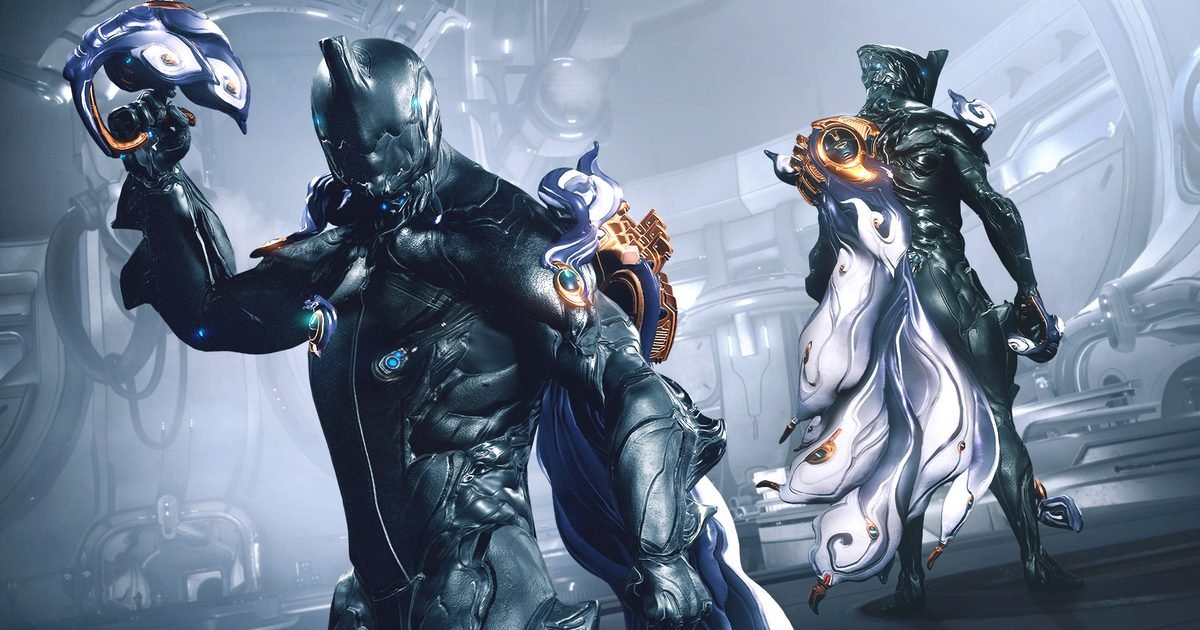
  • Warframe finally lands on Android and its next stop is Switch 2

    Warframe finally lands on Android and its next stop is Switch 2

    After more than a decade of platform hopping, Warframe has officially arrived on Android devices worldwide. The free-to-play sci-fi action RPG is now available on Google Play, bringing one of gaming’s longest-running live-service titles to yet another screen. Developer Digital Extremes has been gradually expanding the game across platforms for years, from PC to consoles and eventually iOS. With Android now in the mix, the studio says it’s another big step toward its long-standing goal of making Warframe playable “everywhere.”

    The Android version supports full cross-play and cross-save, meaning players can jump between mobile, PC, PlayStation, Xbox, and Nintendo Switch without losing progress. That kind of seamless platform integration has become a major selling point for live-service games, and Warframe has steadily leaned into it as the community grows. What’s more, is that to celebrate the launch, Digital Extremes is offering exclusive rewards to new Android players who log in early, including cosmetic items and boosters designed to help new players get started faster.

    The final platform gap is about to close

    Even with Android now checked off the list, there’s still one major destination left for Warframe’s platform tour: Nintendo Switch 2. Digital Extremes has confirmed a native version is coming soon, and it could arrive as early as the first quarter of 2026. The upcoming Switch 2 edition is expected to run at 1080p and 60 frames per second, with improvements such as mouse controls and enhanced shaders.

    To celebrate the Android launch, Digital Extremes is offering a limited-time login bonus for players who jump in early. Anyone who downloads the game and logs in by March 4 can claim the Cumulus Collection, which includes the Cirrus Armor Bundle, Cumulus Syandana, Stratus Pistol Skin, Spektaka Color Palette, and a three-day Resource Booster. New players receive the reward after completing the Awakening quest, while returning players get it after setting up cross-platform save. The studio has also introduced a new Fulmin Battlekit pack aimed at newer players, bundling the Fulmin rifle, Split Chamber mod, Opula Ephemera, and three-day boosters for affinity, credits, and resources.

    This strategy highlights how live-service games are evolving. Instead of chasing the next sequel, studios are investing in longevity, accessibility, and cross-platform ecosystems. Warframe is now more than 13 years old, yet it continues to grow by meeting players wherever they are. As for players, the Android release means the ability to grind missions, collect gear, and squad up from a phone or tablet. And with Switch 2 support around the corner, Warframe’s long mission to be everywhere you want to play is almost complete.

  • OpenAI Bets Big on India with Tata Data Center Deal

    OpenAI Bets Big on India with Tata Data Center Deal

    Add Techlomedia as a preferred source on Google. Preferred Source

    OpenAI has partnered with the Tata Group to secure 100 megawatts of AI-ready data center capacity. The company also plans to expand this to 1 gigawatt over time. If that becomes true, it would be one of the largest AI-focused infrastructure projects in the world.

    Under this deal, OpenAI will become the first customer of Tata Consultancy Services’ HyperVault data center business. The initial commitment of 100MW is already substantial.

    The data center capacity will be provided through TCS’ HyperVault platform, which has backing from private equity firm TPG. The platform is reportedly supported by around ₹180 billion in planned investment. However, financial details of the OpenAI deal have not been disclosed. It is unclear whether OpenAI is investing capital directly or leasing capacity.

    India has quietly become one of OpenAI’s most important markets. According to CEO Sam Altman, India now has more than 100 million weekly ChatGPT users. These users include students, teachers, developers, founders, and enterprises. With that scale of usage, running infrastructure locally starts to make business sense.

    By hosting compute inside India, OpenAI can reduce latency for users and meet data residency and compliance requirements. Many sectors, such as banking, healthcare, and government, demand that sensitive data stay within national borders. Local infrastructure makes it easier to win those customers.

    If the project eventually scales to 1GW, it would signal that OpenAI is not just testing the waters. It would mean a long-term commitment to India as a core AI hub.

    The deal goes beyond data centers. The partnership includes rolling out ChatGPT Enterprise across Tata’s workforce. It will begin with hundreds of thousands of employees at Tata Consultancy Services, one of the largest IT services companies in the world.

    TCS also plans to use OpenAI’s Codex tools to standardize AI-native software development across its engineering teams. If executed well, this could reshape how one of India’s biggest tech employers builds software.

    Tata Sons Chairman N. Chandrasekaran said the partnership will help build advanced AI infrastructure in India while preparing the workforce for the AI era. That focus on skilling is important. India has a massive developer base, and structured AI certification programs could accelerate enterprise adoption.

    In fact, TCS will become the first organization outside the United States to participate in OpenAI’s certification programs. This move shows that OpenAI sees India not just as a user market, but as a talent and delivery base.

    OpenAI also plans to open new offices in Mumbai and Bengaluru later this year. It already has a presence in New Delhi. This expansion will support enterprise sales, developer relations, and regulatory engagement.

    Follow Techlomedia on Google News to stay updated. Follow on Google NewsFollow on Google News

    Affiliate Disclosure:

    This article may contain affiliate links. We may earn a commission on purchases made through these links at no extra cost to you.