Nvidia is preparing to re-enter the consumer PC market with laptops powered by its own processors, potentially launching before the end of this year. The development, first reported by the Wall Street Journal, marks a significant expansion for the company, which currently dominates graphics chips and AI data-center hardware.
Nvidia’s shift toward full PC processors
Nvidia is developing Arm-based system-on-a-chip processors tailored for laptops. Unlike its traditional role of supplying discrete GPUs that work alongside CPUs from Intel or AMD, these new chips combine CPU, GPU, and dedicated AI acceleration into a single unit. According to the report, major PC manufacturers such as Dell and Lenovo are already working on laptop models that integrate Nvidia’s new processors.
NvidiaUnsplash
The goal is to build lighter, more power-efficient laptops capable of delivering strong AI performance and competitive battery life. These systems are expected to directly challenge Apple’s MacBooks, which have set the benchmark for energy-efficient performance through Apple Silicon.
This move represents a major strategic shift for Nvidia
While the company has become the backbone of modern artificial intelligence, its presence inside everyday consumer computers has decreased over the last decade. By introducing complete laptop processors, Nvidia is positioning itself to compete directly with Intel, AMD, and Qualcomm as AI-powered computing becomes the new standard.
The broader industry is transitioning to architectures optimized for on-device AI tasks such as real-time language processing, image generation, and local inference. Nvidia’s entry into full laptop processors aligns with this shift and could significantly reshape the Windows PC landscape.
What users can expect
For consumers, Nvidia-powered laptops could mean thinner designs, longer battery life, and improved AI features integrated directly into Windows. While Nvidia’s graphics capabilities have always been a strength, the real advantage could come from cohesive hardware integration similar to what Apple achieved with its unified memory architecture.
Nvidia
However, early devices may face challenges, especially around software compatibility and balancing thermal efficiency with performance – common issues for first-generation platforms.
The first laptops featuring Nvidia’s processors are expected to arrive later this year, with broader availability in 2026. Analysts will be watching closely to see how Nvidia prices these systems and how they perform against established competitors. If successful, Nvidia could rapidly become a major force in consumer PCs once again, marking one of the most significant shifts in the PC processor market in more than a decade.
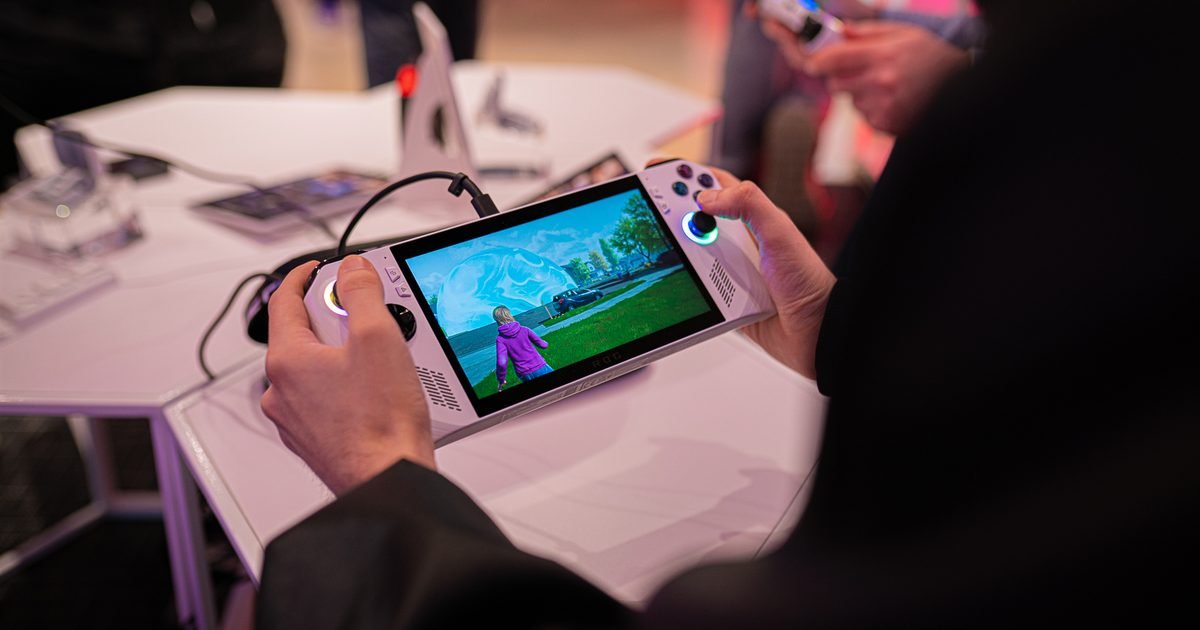
Owners of handheld gaming PCs powered by AMD’s Ryzen Z1 chips may have reason to feel uneasy. What started as a support message regarding the Lenovo Legion Go has quickly turned into a broader concern that driver updates for the Ryzen Z1 and Z1 Extreme platform may have slowed or even paused across multiple devices.
Giovanni Colantonio / Digital Trends
The situation first came to light when Lenovo Korea reportedly informed customers that the original Legion Go would not receive further BIOS or driver updates. Instead, users were advised to rely on Windows Update and generic AMD drivers, where compatible. Now, additional reports suggest the issue may extend to ASUS’s popular ROG Ally, another flagship Ryzen Z1 Extreme handheld. According to user reports, the device appears to be stuck on graphics drivers dating back to August 2025, with no newer releases despite several major game launches since then.
Is handheld driver support quietly stalling?
This detail matters because the ROG Ally and Legion Go are the two most recognizable Windows gaming handhelds powered by AMD’s custom Z1 silicon. If both devices are relying on older drivers, it suggests the slowdown could be happening at the platform level rather than being isolated to a single manufacturer.
Jacob Roach / Digital Trends
Adding to the confusion, Lenovo forum posts also warn users not to install Legion Go S drivers on the original Legion Go. Interestingly, the Legion Go S uses the Z2 Go chip based on the older Zen 3 architecture, while the Z1 Extreme, whose updates now appear to have stalled, is built on the newer Zen 4 architecture. The generational mismatch makes cross-installation risky and further limits options for affected users.
Driver updates play a crucial role in handheld gaming performance. They often bring game-specific optimizations, power management refinements, and bug fixes tailored to each device’s thermal and battery constraints. Without consistent updates, handheld PCs risk gradually falling behind newer games and evolving Windows builds. For handheld gamers, the uncertainty is the biggest concern. While nothing has been officially confirmed by AMD yet, with both Legion Go and ROG Ally owners noticing stalled updates, the conversation around long-term handheld support is clearly gaining momentum.
Tesla has made a bold pricing move on its long-anticipated Cybertruck, offering one of its more affordable trims at a price that finally starts to feel within reach for a broader range of buyers. For a limited time, the dual-motor all-wheel-drive Cybertruck is listed at $59,990 in the U.S. – the lowest price yet for the futuristic electric pickup and a significant shift from the vehicle’s previously high price tags.
The discounted price, which CEO Elon Musk says will only be available for 10 days, represents a rare opportunity for prospective buyers who have been turned off by the Cybertruck’s historically premium cost and slower-than-expected sales.
Tesla’s typical strategy of incremental price cuts and new configurations has been on full display with the Cybertruck, a model that faced considerable delays and a long lead-up since its 2019 unveiling. Originally pitched with a target base price closer to $40,000, the production version has consistently landed well above that figure.
This latest offer is not just a response to consumer feedback on pricing
It’s a tactical move to stimulate demand after the Cybertruck’s sales performance lagged significantly behind early expectations. With sales dropping nearly 48% in 2025 compared with the previous year, and overall electric vehicle deliveries softening across markets, Tesla is using the price reduction as a short-lived incentive to boost interest.
Epic Games
The $59,990 version of the Cybertruck isn’t a stripped-down work truck – it retains significant features like all-wheel drive, an estimated EPA range near 325 miles, a powered tonneau cover, bed power outlets, and other functional elements that matter to buyers. However, compared to higher-priced trims, there are compromises: textile seats instead of premium seating, reduced towing capacity, and fewer luxury amenities.
This temporary price drop could be Tesla’s most aggressive bet yet to broaden the Cybertruck’s appeal
Since its market debut, the Cybertruck has battled challenges including quality control issues, recalls, and a pricing strategy that many viewed as out of step with mainstream pickup buyers. By offering a sub-$60K entry point – even if only briefly – Tesla is signalling that it still believes in the Cybertruck’s potential as a serious competitor in the electric truck space.
Electric pickups are quickly gaining traction thanks to growing consumer interest and increasing competition from legacy automakers. A more attainable price may help Tesla attract customers who might otherwise opt for rivals like the Ford F-150 Lightning or Rivian R1T, both of which offer compelling alternatives in similar segments.
CybertruckUnsplash
If you’re in the market for an electric pickup, this 10-day pricing window could be one of the few chances to secure a Cybertruck at a cost that doesn’t demand a premium luxury-vehicle budget. The deal makes the Cybertruck competitive with other EV trucks on price, but you’ll need to act quickly – Tesla has made it clear this isn’t a long-term price change.
For buyers on the fence about waiting for future price reductions or alternative models, this limited price promotion underscores how fickle EV pricing can be and how strategic timing might save thousands. Whether the Cybertruck will become a mainstream choice remains to be seen, but for now, this brief dip in price offers one of the best opportunities to own Tesla’s electric pickup without paying top dollar.
Apple is gearing up for one of its most packed launch cycles in years, with five new products set to debut in the days leading up to the company’s March 4 “Apple Experience” event. The information comes from Mark Gurman’s latest Power On newsletter for Bloomberg, which outlines Apple’s multi-day rollout strategy and its broader push across Macs, iPhones and iPads.
Major lineup incoming
According to Gurman, Apple plans to reveal a new low-cost MacBook, updated MacBook Air and MacBook Pro models, a refreshed iPhone 17e, and at least one new iPad between March 2 and March 4. This staggered set of announcements marks a shift from Apple’s usual single-keynote approach, highlighting a more global, experiential strategy.
The March 4 event itself will take place simultaneously in New York, London, and Shanghai, with hands-on sessions expected to play a bigger role than traditional stage presentations.
Gurman notes that the centerpiece of this wave is the low-cost MacBook
This has been designed to compete directly with entry-level Windows laptops and Chromebooks. Instead of using an M-series chip, the device is expected to run on the A18 Pro, the same processor class used in iPhones – a move that allows Apple to drive down cost while keeping performance competitive.
At the same time, the refreshed MacBook Air and Pro models will continue Apple’s premium performance push, likely using the newest generation of its M-series chips. This positions Apple to hit both ends of the market: affordability for casual and education-sector users, and high-end options for creators and professionals.
For buyers, this rapid-fire launch cycle signals a major refresh window
Anyone considering upgrades across the Mac, iPhone or iPad lineup may benefit from waiting until the rollout is complete. Gurman’s reporting suggests the low-cost MacBook could become one of Apple’s most important products of 2026, potentially reshaping the laptop landscape by offering a full macOS experience at a lower entry point.
Meanwhile, the iPhone 17e and new iPads could help Apple strengthen its mid-range offerings, an increasingly competitive segment in global markets.
Broader strategic context
Though the March 4 event won’t focus on wearables, Gurman writes that Apple’s longer-term roadmap includes a significant push into AI-driven wearables and visual intelligence. This aligns with CEO Tim Cook’s recent hints that AI-first hardware will define Apple’s next decade. The company is accelerating development of smart glasses and next-generation wearables that integrate deeply with Apple Intelligence software.
What’s next
The next two weeks are expected to deliver a steady stream of announcements, culminating in Apple’s global showcase. Analysts will be watching closely for pricing, performance claims and how Apple positions the low-cost MacBook against the broader market. As Gurman emphasizes, this rollout marks the start of a transformative year for Apple, blending aggressive hardware refreshes with a growing shift toward AI-centric product design.
Ahmedabad: David Miller rolled back the years with a stroke-filled fifty before South Africa executed clinically with the ball to choke India and secure a handsome 76-run win in their Group 1 Super Eights match of the T20 World Cup here on Sunday.
Opting to bat, South Africa rode on Miller (63 off 35 balls) and young Dewald Brevis’ (45 off 29 balls) recovery act — 97-run fourth-wicket stand from just 51 balls — to post 187 for 7.
In reply, India never got going as the Aiden Markram-led side outsmarted them to bowl the co-hosts out for 111 in 18.5 overs with Marco Jansen taking 4/22.
Keshav Maharaj grabbed 3/24, while Corbin Bosch (2/12) also gave crucial breakthroughs.
Credit should also go to Lungi Ngidi who didn’t take any wicket but bowled miserly and gave away just 15 runs from his full quota of four overs to stymie India’s fightback.
Shivam Dube was India’s top-scorer with a 37-ball 42.
In a bold move, part-time off-sipnner Aiden Markram (1/5; 1 over) opened with the new ball and gave the crucial breakthrough, removing in-form Ishan Kishan for a four-ball duck in the opening over.
India’s star opener Abhishek Sharma ended his hat-trick of ducks to open his account in the T20 World Cup but fell for 15 as Marco Jansen struck twice in the powerplay to have India 26/3.
Miller rolled back the years with exhilarating strokes but Jasprit Bumrah’s superb bowling restricted South Africa to 187/7.
Miller struck 63 off 35 balls and got fine support from young Dewald Brevis (45 off 29 balls) as the duo led a recovery act in a 97-run fourth-wicket stand that came off just 51 balls.
Bumrah (3/15 in 4 overs) and Arshdeep Singh (2/28 in 4 overs) had reduced the Proteas to 20/3 inside the first four overs after they opted to bat.
Brief Scores:
South Africa: 187 for 7 in 20 overs (David Miller 63, Dewald Brevis 45, Tristan Stubbs 44; Jasprit Bumrah 3/15, Arshdeep Singh 2/28).
India: 111 all out in 18.5 overs (Shivam Dube 42; Marco Jansen 4/22, Keshav Maharaj 3/24, Corbin Bosch 2/12).
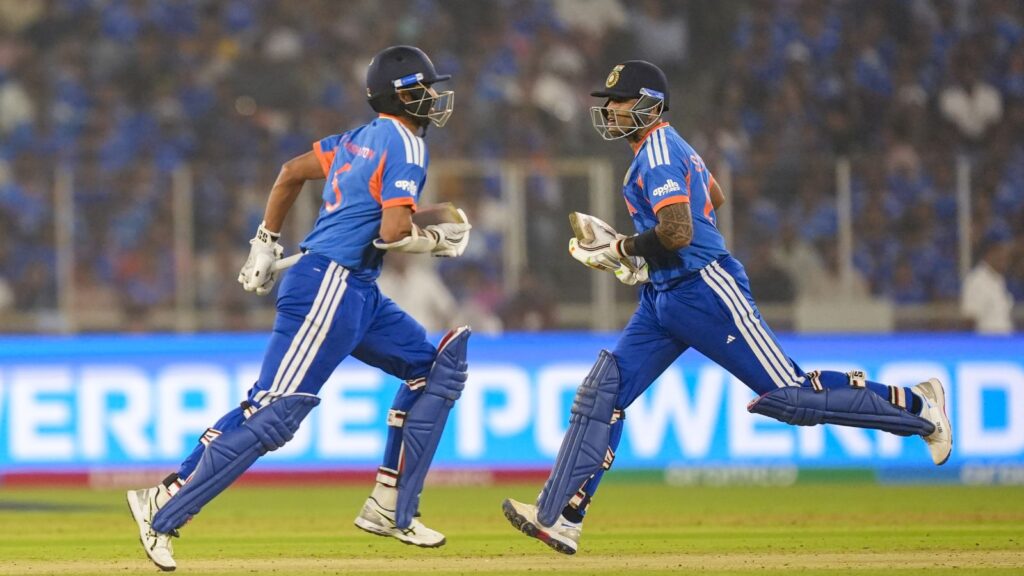
India’s captain Suryakumar Yadav, right, and Washington Sundar run between the wickets
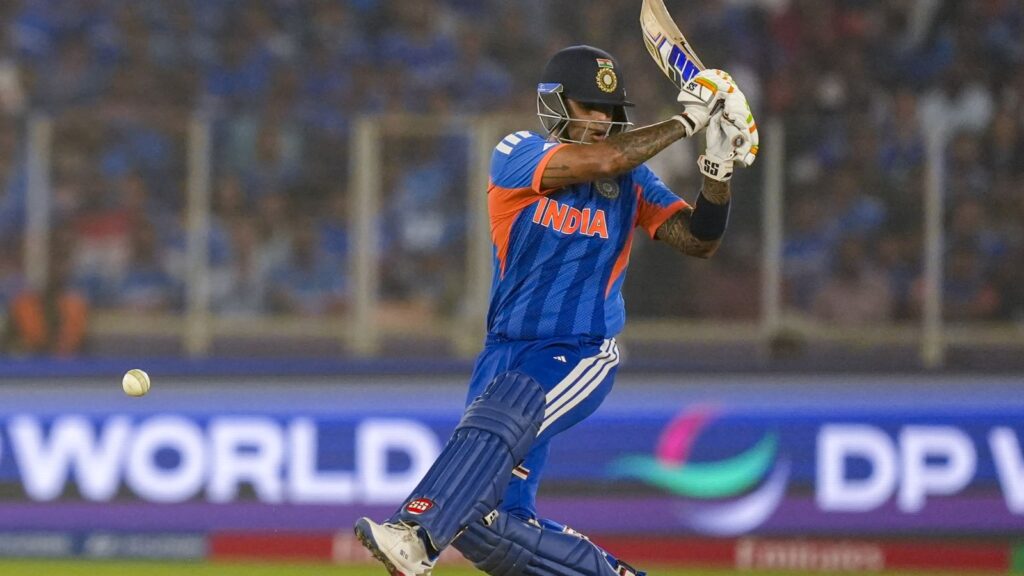
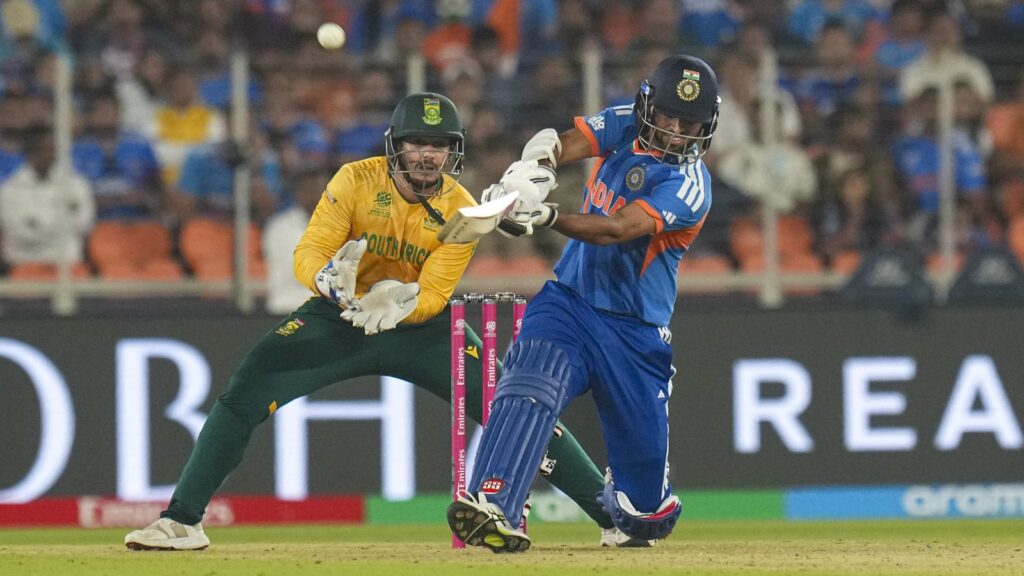
India’s captain Suryakumar Yadav plays a shot during an ICC Men’s T20 World Cup 2026 cricket match between India and South Africa,
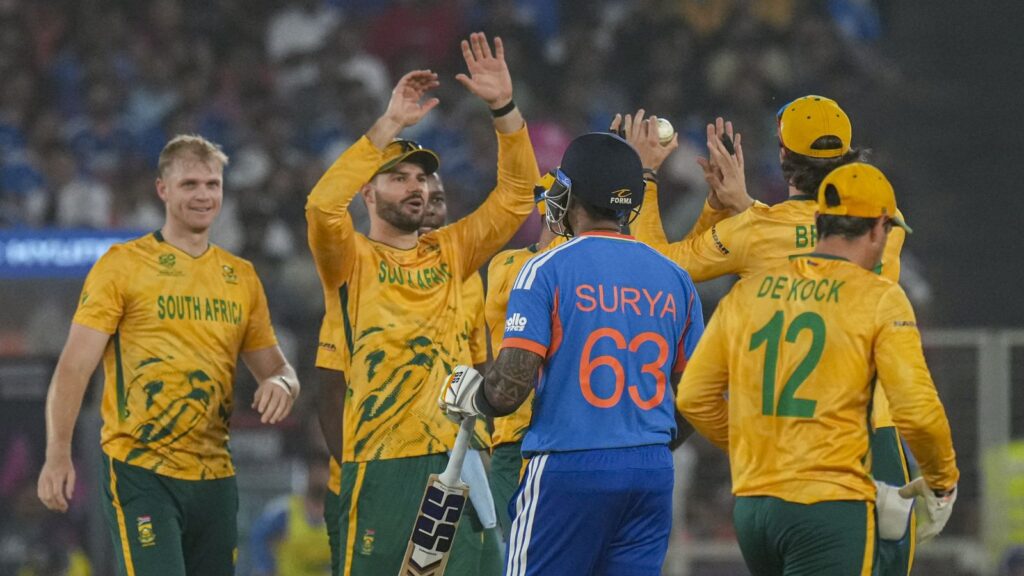
South Africa’s Corbin Bosch celebrates with teammates after taking the wicket of India’s captain Suryakumar Yadav
India’s Washington Sundar plays a shot during an ICC Men’s T20 World Cup 2026 cricket match between India and South Africa
South Africa’s Corbin Bosch celebrates with teammates after taking the wicket of India’s Washington Sundar
Get the latest updates in Hyderabad City News, Technology, Entertainment, Sports, Politics and Top Stories on WhatsApp & Telegram by subscribing to our channels. You can also download our app for Android and iOS.
On today’s episode of You Asked, we cover what to do about an 83-inch TV that’s too bright, whether it’s time to upgrade a 10-year-old TV, and whether a calibration can extend the life of your OLED.
Is an 83-inch TV too bright?
Douglas Murray / Digital Trends
@msbgone asks: I went with an 83-inch TV, and it’s so bright that at times I have to close my eyes. I love the size, but man, being so bright is not always great, and I do not have it at max brightness. Also, when there are shows with flashing, wow, it can be a hard watch. So would I go smaller? Well, I’m not sure. Larger seems overall better in most cases.
Well, to answer your last question first: Yeah. Larger is usually better when you want to be fully immersed in what you’re watching. However, I would say there is such a thing as too large of a TV. Like, if you’re within 10–12 feet, 83 inches feels like a little bit of overkill.
At that distance, 65 inches should be fine. 77 inches is probably all you need. And both would save you a considerable amount of money versus an 83-inch TV. And I’m gonna assume you’re talking about an OLED TV in response to a recent episode of You Asked.
Anyway, I think if you’re finding the TV too bright and you aren’t at max brightness, there could be a few things at play.
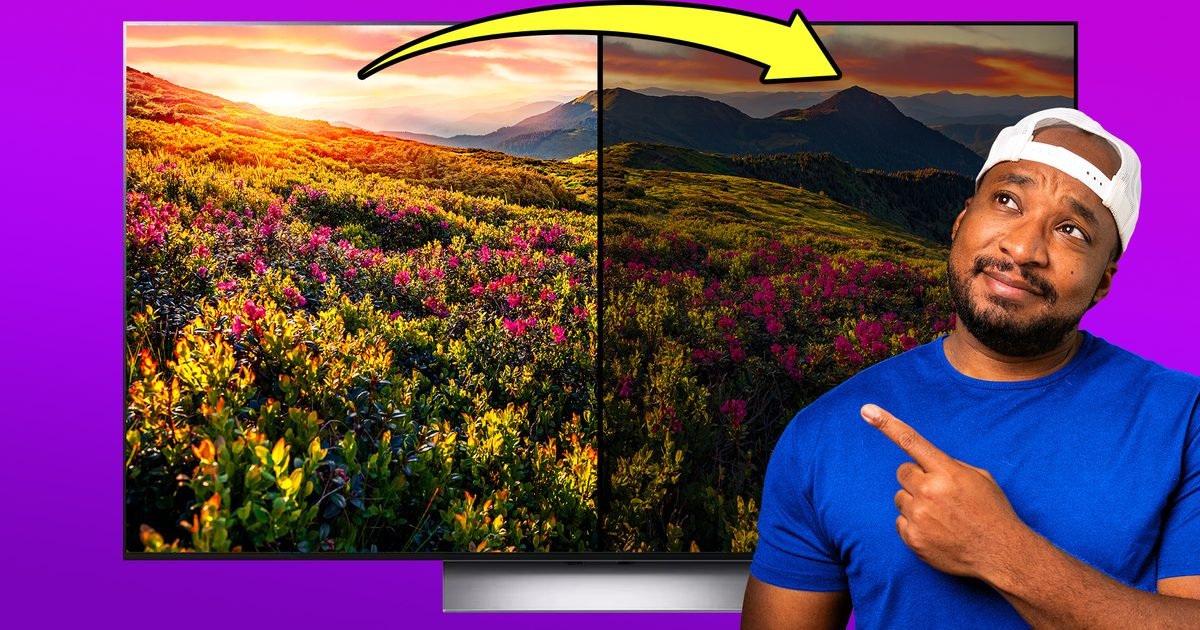
One: Picture mode matters a lot. Especially in a Vivid or Dynamic mode, but even sometimes just in its Standard or Eco mode out of the box, you’re getting a cooler or more blue color temperature than you would in a Movie or Filmmaker mode. Those modes, movie and filmmaker, tend to give you a warmer color temperature that’s easier on the eyes regardless of where your brightness is set. So if you’re not in one of those modes, it’s worth making that change and getting rid of that harsh blue light that can cause a little more eye discomfort.
Another thing could be your Local Dimming setting. Set to High, it’s going to push the highlights a little harder and darken the shadows to create more contrast. If you were to lower that setting, while it would take away a bit from the higher contrast HDR experience, it would probably be another step toward lowering the brightness.
And the third thing: it could just be the size. If it’s too big, it’s too big and there’s just too much light coming at you at a close distance. So maybe going smaller would be the answer.
Should you upgrade a 10-year-old TV?
TCL Q671GTCL
@petekropf5335 asks: I need your help on if I would see a huge improvement buying a new low-cost TV versus my current 10-year-old TV. I currently have a 65-inch LG UH6150… that’s an LED TV if you didn’t know… Peter continues… It’s still working, but hard to see dark scenes in shows, and the ethernet / wireless have not worked in years. So I have not been able to update the TV. I was wondering if the picture quality would be worth it if I got a low-cost TV such as the TCL 75-inch Q671G or Hisense QD7N. When you have watched the same TV for a decade, it’s hard to know if the one I got has better picture quality than a cheaper new one. Any thoughts would be greatly appreciated. Thank you!
Hey Peter, before getting into the details, I would say straight up, yes, you’re due for a new TV. I know it’s a badge of honor for us to boast about how long we’ve had something and how well it’s aged, and how good of a value it is since you haven’t had to spend money on an upgrade in a decade. But at some point, if you do value picture quality and a lot of the quality of life improvements that have come in the last 10 years, it’s time to say a respectful farewell to the TV and upgrade. And this is coming from someone, me, who had the same LG LED TV in my living room from 2011 until 2023. I used a Roku streaming stick to keep up with the times and quickly access and update my favorite apps, but I was long overdue.
So, to you, I would say you can confidently upgrade and know that you’ll see a difference in picture quality and how quickly the TV operates and the smart TV interface.
In terms of the TVs you’re looking at upgrading to, I’m sure you’re well aware that as budget models, both have their compromises, but it really comes down to a few key differences, with a caveat I’ll mention at the end.
Hisense QD7NHisense
The TCL uses a VA panel, which will have better contrast, and that’s its biggest advantage.
The Hisense, on the other hand, is brighter and uses an IPS panel, which gives it a much wider viewing angle. But that comes at the cost of contrast.
So if you and your viewing party are primarily watching the TV from straight on and the room dimly lit, or better yet, just straight up dark, the TCL Q671G is probably the way to go. But if you’re in a brighter room or someone will be frequently watching TV from a side angle, I lean toward the Hisense.
The only potential flaw in this logic is this: in the United States, we have the TCL Q651G, which is what I’m basing my advice from. You’re talking about the Canadian Costco version, which is the Q671G. From what I can find, they’re pretty much the same, but just wanted to have that in there so you know in case you’re doing further research.
Can a calibration extend the life of your OLED?
Sony A8HDan Baker / Digital Trends
John Craig asks: I have a Sony A8G OLED that I bought after watching a Digital Trends review. It’s been great, and I still enjoy it even more than the newer Sony X90L, which was also a Digital Trends recommendation. Recently, the A8G seems to have lost some of its pop. I’ve tried adjusting some settings based on YouTube channel recommendations, but it still seems like it has lost some of its luster. My questions: Would getting a professional calibration be worthwhile at this point? Can the picture on an older TV be revitalized through those adjustments? Or is the OLED just fading with age?
Oh this is a good one John. First of all, I think that speaks volumes about OLED TVs and how even older models still turn out a superior image compared to newer LED TVs. Glad to hear you’re still enjoying your A8G.
As for your question though, if you’ve gone through the suggested advice, which is probably some of the same stuff I’d say, I’ll save you the time and say that a professional calibration is the next logical choice, but is it worth it?
If you can really tell that it’s lost some of its pop, and you would know better than anyone online because it’s YOUR EYES that have been on it for more than half a decade, then maybe it is too far gone.
Sony A8HDan Baker / Digital Trends
But a calibration from a professional can make a big difference. What a pro can do is adjust the TV to what best fits your room and viewing environment. Everything from color to black levels and brightness can be tuned to improve the image. And again, I think it would help.
But consider the price of the calibration and the age of the TV. That professional is probably gonna cost anywhere from 200 to 500 dollars… maybe more. It’s not cheap, but it is less expensive than a new Sony OLED. I’m just assuming you’re Team Sony since you have two of them and like the processing of the A8G.
Sony Bravia 8 OLEDZeke Jones / Digital Trends
At one point, I probably would’ve just recommended the Bravia 8 Mark 1 when it was on a bigger sale during the holidays, but a 65-inch model is nearly 2,000 dollars again, and that’s a lot more than it would cost you to get your current TV calibrated.
All that to say, I’d say go for the calibration if you want to see the improvement and put off buying a new OLED… OR… If you were to venture from Team Sony, check out the LG B5. At 65 inches, I’m seeing it for 1,000 dollars right now, and THAT might be worth it for a new OLED TV instead. I hope that helps.
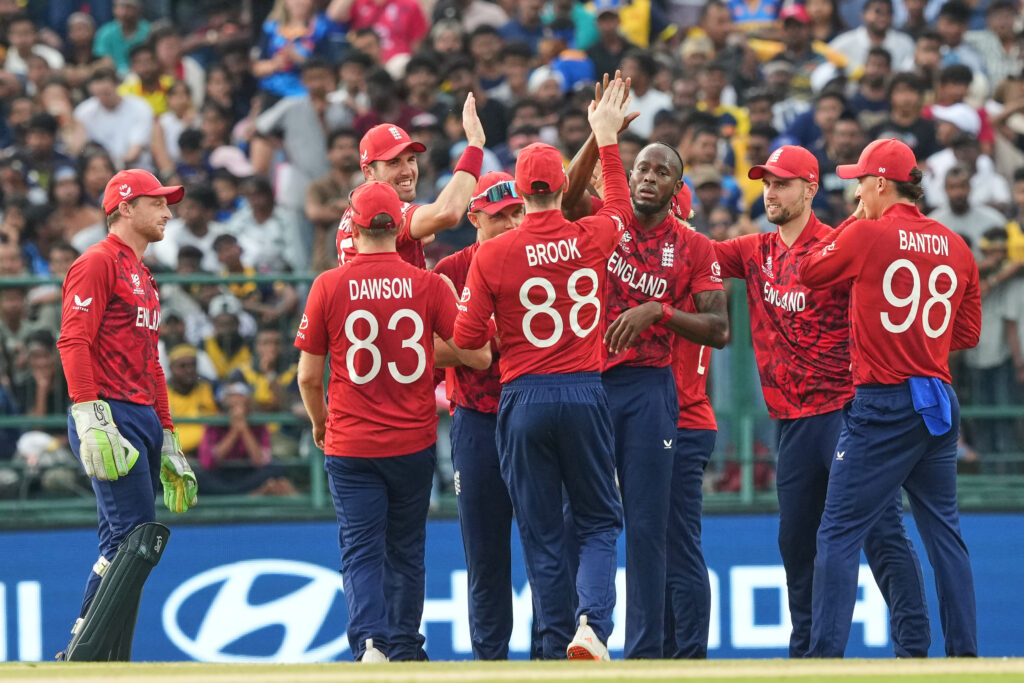
Colombo: Will Jacks reflected on a clinical all-round performance after guiding England to a commanding 51-run win over Sri Lanka at the Pallekele International Cricket Stadium on Sunday, February 22, Jacks picked up three crucial wickets as a comprehensive effort by the bowlers saw England defending a modest total of 146.
“We’re buzzing with that. At the halfway stage, we were pleased to get up to 145, but obviously, we knew we were going to have to bowl well and work hard. And we had such a brilliant start in the powerplay, Jof got us off to a good start. And then we managed to continue taking wickets all the way throughout,” Jacks said during the post-match presentation after receiving the Player of the Match award.
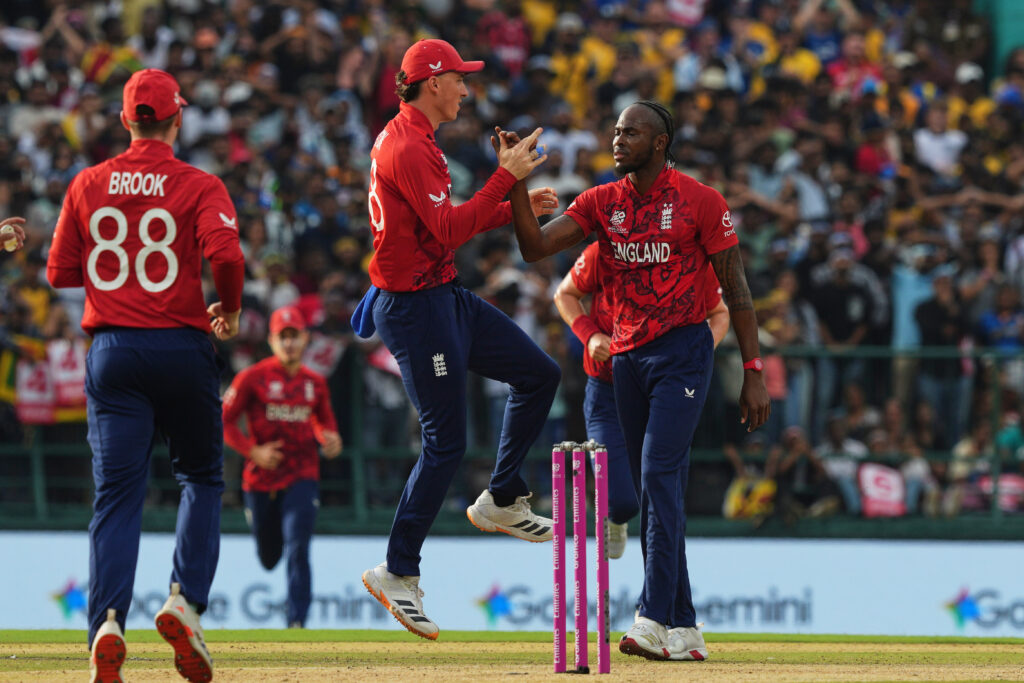
England’s Jofra Archer, right, celebrates with teammates the wicket of Sri Lanka’s Pathum Nissanka during the T20 World Cup cricket match between Sri Lanka and England in Pallekele, Sri Lanka, Sunday, Feb. 22, 2026. AP/PTI(AP02_22_2026_000201B)
England’s bowlers delivered exactly what was required, dismantling Sri Lanka for just 95 in a relentless display built on early breakthroughs and sustained pressure. Jacks credited familiarity with conditions and England’s spin strength as key factors behind their control.
England’s Jofra Archer, center without cap, celebrates with teammates the wicket of Sri Lanka’s Kamil Mishara during the T20 World Cup cricket match between Sri Lanka and England in Pallekele, Sri Lanka, Sunday, Feb. 22, 2026. AP/PTI(AP02_22_2026_000198A)
“We seem to do well here. We’ve obviously just come off a series against Sri Lanka at this ground. So we do know it well. Yeah, with minimum really 12 overs to spin here. That’s it. I think we spin the ball hard, which definitely helps there. And we seem to do well defending, squeezing the game, like squeezing, eking every dot out that we possibly can. And we know as a chasing side how hard it makes it,” he said.
Jacks himself played a pivotal role with the ball, embracing the responsibility of delivering in crucial phases. His willingness to step up, particularly in the powerplay, has become an important asset for England’s bowling plans.
“I love getting that responsibility with the ball. I think it encourages me to get into the game and perform better. I think I like that responsibility and bowling in the powerplay is something I’ve done a lot. So it’s not foreign to me. And when we get on the surface like that, I come into the game knowing what I need to do,” he mentioned.
The victory continued England’s winning run, even as Jacks acknowledged that the side is still striving for its best cricket. He emphasised the value of building momentum and playing with confidence as the tournament progresses.
“We haven’t quite been at our best, but importantly, we’ve been winning those close games. And I think it’s quite relieving in a way to get through that stage where you’re expected to win.
“Coming back here and against the better teams in a way, some of that pressure is off you and you just go out there and play your way. And that’s something we’ve done today. Played with freedom. And it’s just about trusting our own game. We know we’re good enough and we know if we play with that freedom and that unity that more often than not we’ll be in the right position,” Jacks concluded.
Get the latest updates in Hyderabad City News, Technology, Entertainment, Sports, Politics and Top Stories on WhatsApp & Telegram by subscribing to our channels. You can also download our app for Android and iOS.
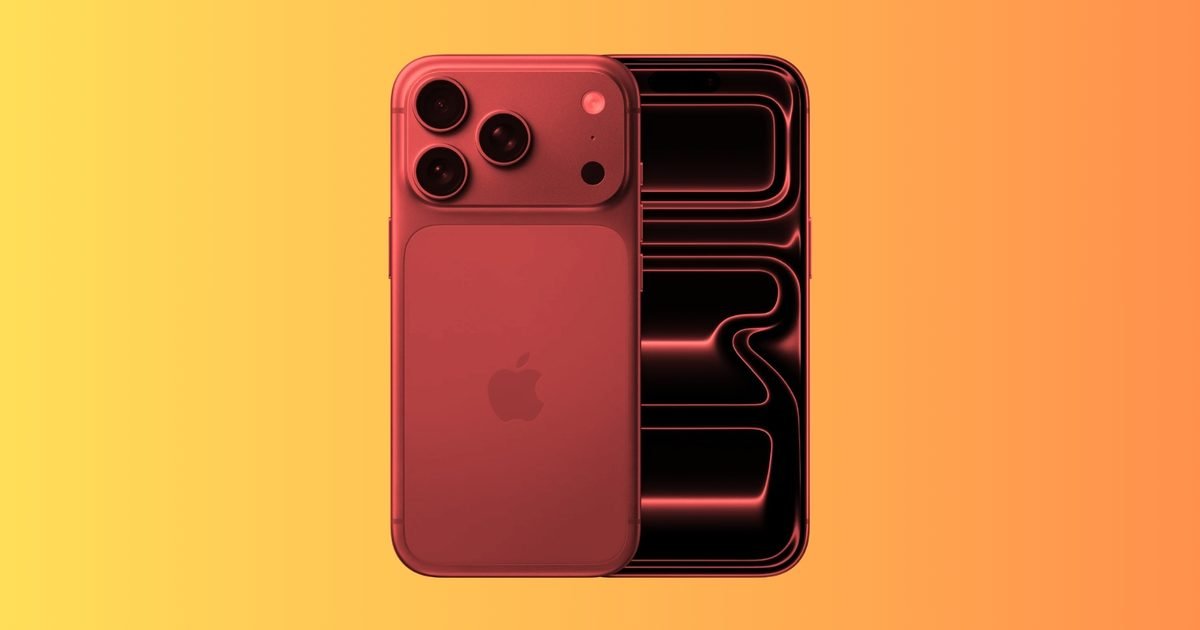
Apple has usually played it safe with the color options on its flagship iPhones. Aside from the usual silver, white, gold, and black, the company barely ever goes bold. That changed with the iPhone 18 Pro, which landed in an eye-catching Cosmic Orange color, and it proved to be quite popular. Apple is looking to replicate that success with the iPhone 18 Pro later this year, according to Bloomberg, and its next bet could be a shade of red.
What’s the big shift?
“Given the success of orange, I wouldn’t be surprised if the company keeps that option around and just adds the red as an additional choice,” reports the outlet, adding that “as of now, red is the new flagship color in testing for the next iPhone Pros.” Now, deep red is just one of the colors that Apple is eyeing for the iPhone 18 Pro, and it’s plausible that the company might ultimately decide on other colors. It’s also worth noting that Apple experiments with multiple colors years in advance, so there’s a possibility that we might ultimately see a red iPhone in a few years from now.
It was recently reported that Apple tried bold color options for the M2 MacBook Air, but eventually ditched the idea. Those colors are finally rumored to appear on the low-cost MacBook that is set to arrive in March, packing an A-series smartphone chip and a display smaller than 13 inches. It would be interesting to see if Apple also tries something new with the surface finish on the deep red shade of iPhone 18 Pro. Multiple iPhone 17 Pro users have reported the orange paint easily getting scratched and discolored.
A return to Red
Apple is no stranger to red iPhones. In fact, the company has a long history of releasing iPhones in a bright red shade, which the company markets as (PRODUCT)RED iPhone. The company has released iPhones donning this signature red shade, which is a reflection of a partnership with Red to raise awareness about HIV and rally support for the cause. Apple has predominantly released (PRODUCT)RED variants of iPhones and iPods, and as per the company, the initiative has raised $250 million to support HIV/AIDS programs.
As for the iPhone 18 Pro, it’s unclear whether the deep red shade will be a continuation of the partnership, or if it’s just the signature color for the Fall 2026 slate of iPhones. Other rumors suggest that chocolate brown and purple are also under consideration at Apple. As far as upgrades go, the iPhone 18 Pro is expected to feature a slimmer Dynamic Island, a camera with variable aperture, a next-gen modem with enhanced satellite connectivity, and a faster chip.
If you’re wondering what happened to the Starship, then rest assured, SpaceX engineers are still working to get it airborne again soon.
In fact, in a post on X on Saturday, SpaceX chief Elon Musk confirmed an earlier stated target window for the 12th launch of the most powerful rocket: next month.
In that case, the Starship could be blasting off from SpaceX’s Starbase site in near Boca Chica, Texas, in a matter of weeks, treating onlookers and those watching online to a spectacular display of raw rocket power.
The 12th Starship flight is particularly special because it involves a new version — the third — of the first-stage Super Heavy booster, which lifts the upper-stage Ship to space.
Version 3 of the Starship rocket is 124.4 meters tall, making it just over a meter taller than its predecessor. Its engines have also been given a power upgrade, together with a number of design tweaks that will improve the rocket’s overall performance.
This year promises to be an exciting one for the Starship as SpaceX is heavily focused on getting it ready for a trip to the moon in the Artemis III mission.
First, it needs to achieve a number of important milestones, including getting the Ship to orbit, refueling the Ship in Earth orbit, and then landing it back at Boca Chica in a similar way to how it’s already landed the Super Heavy booster.
The Artemis III mission is currently set for 2027, though that date could slip due to technical challenges with the rocket. NASA wants to use a modified version of the Ship to land two astronauts on the lunar surface in what would be the first crewed moon landing since 1972.
The astronauts won’t travel to lunar orbit aboard the Ship, flying instead aboard an Orion spacecraft launched by NASA’s SLS (Space Launch System) rocket. Once in lunar orbit, they’ll transfer to SpaceX’s Ship and descend to the lunar surface.
The same Orion spacecraft is about to carry its first crew on a voyage around the moon in the Artemis II mission, which will pave the way for the Artemis III lunar landing in a few years’ time.
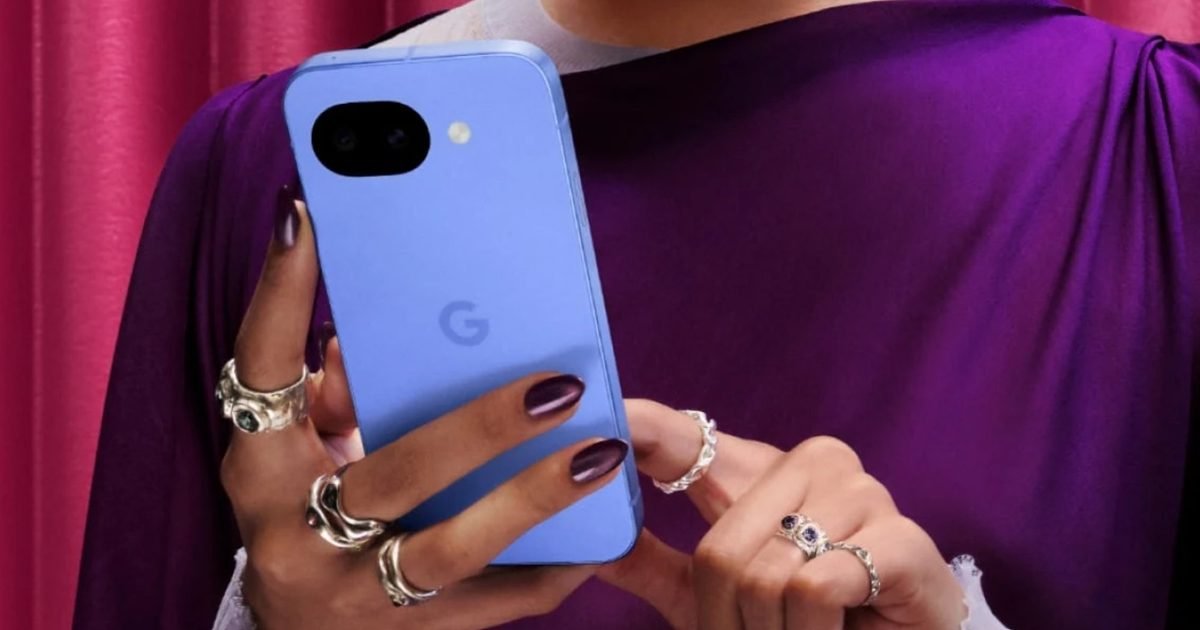
Google has officially unveiled the Pixel 10a, its newest entry in the A-series lineup. On the surface, it looks like another compelling budget-friendly Pixel: minimalist design, fresh colours, a large battery, and Google’s well-known AI features. But dig a little deeper, and the excitement quickly fades. For many buyers, the Pixel 10a may feel like a déjà vu moment – a phone that looks new but behaves very much like last year’s Pixel 9a. In fact, the similarities run so deep that a growing number of users and reviewers are asking the same question: Why upgrade at all?
Despite its refreshed exterior and a few modern touches, the Pixel 10a delivers nearly identical core specifications to its predecessor, and in some areas, actually feels like a step backward. For anyone shopping in the sub-$500 bracket, the Pixel 10a’s value proposition becomes questionable, especially when several alternatives – some from Google’s own lineup – offer far better hardware at equal or lower prices.
Below, we break down why the Pixel 10a underwhelms and explore five smartphones that might be smarter buys.
Pixel 10a vs Pixel 9a: A shockingly small upgrade
Put the Pixel 9a and Pixel 10a side by side, and the differences almost vanish. The display size, refresh rate, RAM, storage, charging speeds, and primary camera setup remain functionally the same. The most controversial change? Google swapped out its flagship-level Tensor G5 expected for A-series phones, instead opting for the older Tensor G4. This marks the first time an A-series Pixel has launched without the newest processor. For a brand that built the A-series on value-driven flagship trickle-down, the decision is puzzling.
One of the most frustrating omissions is the complete lack of Pixel Snap support. Pixel Snap – Google’s magnetic accessory ecosystem – has become a standout feature on the Pixel 10 lineup. Yet the Pixel 10a gets no magnetic capabilities at all. Even Google’s official Pixel 10a cases lack magnets. As a result, buyers who want magnetic accessories must rely on third-party cases, relinquishing Google’s usual first-party ecosystem experience.
There are upgrades, but they’re small: slightly brighter display, faster wired charging, improved Bluetooth, updated Gorilla Glass 7i front protection, and one extra year of software support. While welcome, these refinements hardly justify the price jump when the Pixel 9a still exists – and continues to offer identical real-world performance.
Yes, we are slightly upset too. But don’t worry, we gotchu. Here are five smartphones you can buy instead of the Pixel 10a.
If You Want to Save Money: Buy the Pixel 9a
If your priority is value, the older Pixel 9a remains the smarter purchase. With the Pixel 10a now official, Pixel 9a pricing is expected to drop significantly – often $100 or more below the 10a. Since the two phones share the same core experience, opting for the 9a means saving money without sacrificing features.
Andy Boxall / Digital Trends
The Pixel 9a’s only real shortcomings compared to the 10a include the older Gorilla Glass 3 display, slightly slower charging, and one fewer year of OS updates. None of these are dealbreakers for most users – especially those planning to upgrade again within three to four years.
Put simply, the Pixel 10a doesn’t justify its premium when last year’s model delivers nearly identical performance at a much lower cost.
If you’re willing to spend more: Buy the Pixel 10
The Pixel 10 lists at $799, but its real street price tells a different story. Six months after launch, the Pixel 10 can regularly be found for $649 new – and refurbished units frequently dip to the Pixel 10a’s $499 asking price. Trade-in bonuses and carrier deals drive the price even lower, making the Pixel 10 a substantially better value.
Nirave Gondhia / Digital Trends
For the same or slightly higher cost as a Pixel 10a, you get Google’s superior Tensor G5 chip, a proper ultrawide + telephoto rear camera setup, 12GB RAM, tougher display glass, an ultrasonic fingerprint reader, and full Pixel Snap compatibility. In every meaningful way – performance, photography, ecosystem, feel, longevity – the Pixel 10 outclasses the Pixel 10a.
The trade-offs? A slightly smaller battery, a slightly heavier chassis, and a marginally weaker selfie camera. None outweigh the significant advantages. If you’re shopping around the Pixel 10a’s price bracket, the Pixel 10 is simply a better phone.
If the Google Pixel is not your jam, here are four other smartphones you can opt for instead.
Samsung Galaxy A55
The Samsung Galaxy A55 stands out as a far stronger mid-range option than the Pixel 10a, especially for US users on T-Mobile, Mint Mobile, or MetroPCS. Powered by Samsung’s Exynos 1480 octa-core chipset, it delivers faster, more stable performance than the Pixel 10a’s downgraded Tensor G4. The phone features a vibrant 6.6-inch FHD+ Super AMOLED 120Hz display, offering noticeably better brightness, colour accuracy, and smoothness.
Samsung Galaxy A55Andy Boxall / Digital Trends
Its camera system is more versatile too, with a 50MP OIS main camera, 12MP ultrawide, 5MP macro, and a 32MP front camera with 4K video, giving it an edge in flexibility and detail. Durability is another win, thanks to Gorilla Glass Victus+, an aluminum frame, and IP67 water and dust resistance – all superior to the Pixel 10a’s simpler build.
You also get microSD expansion, dual SIM, newer Bluetooth 5.3, Wi-Fi 6, and a more premium overall experience. For most buyers, the A55 simply offers better long-term value than the Pixel 10a.
Motorola Moto G Stylus (2025)
Not every Pixel 10a alternative sits close in price. The Moto G Stylus starts at just $399, meaning you can save over $100 compared to Google’s new A-series device. It also comes with a built-in stylus, making it the only phone on this list with that capability. For note-takers, artists, or productivity-focused users, this may be a major selling point.
Jason Howell / Digital Trends
Despite its modest price, the Moto G Stylus impresses with 68W fast charging – the fastest among these alternatives – and expandable storage via microSD card. Those two features alone could sway many buyers.
Of course, its low price comes with sacrifices: outdated Gorilla Glass 3, slow UFS 2.2 storage, weak software support, and slower USB transfer speeds. This isn’t a phone for long-term users or performance-heavy workflows – but as a budget device, it offers tremendous value.
Nothing Phone 3a Pro
For buyers who want something visually distinctive and feature-rich, the Nothing Phone 3a Pro stands out. Surprisingly, it retails for $40 less than the Pixel 10a while offering twice the storage at 256GB. Hardware-wise, it’s stacked: a 50MP periscope telephoto lens, strong 50MP selfie camera, 50W wired charging, and a stunning display with symmetrical bezels and peak brightness matching the flagship Pixel 10.
Andy Boxall / Digital Trends
Its weaknesses include no wireless charging, less powerful Snapdragon 7s Gen 3 chip, and only an IP64 rating. Connectivity issues may arise for Verizon customers. Still, for the price, it’s an exceptional device – especially for buyers who value aesthetic flair and display quality.
Samsung Galaxy S25 FE
Samsung’s Galaxy S25 FE serves as another compelling alternative. While its list price is higher than the Pixel 10a’s, real-world pricing – especially during sales – often brings it within striking distance. For users who value performance, the S25 FE easily outpaces the Tensor G4 in nearly every benchmark. The Exynos 2400 delivers superior CPU and GPU performance, which translates to faster daily operation and noticeably better gaming.
Nirave Gondhia / Digital Trends
Camera hardware is also stronger on Samsung’s FE model, especially thanks to the inclusion of a telephoto lens – a feature missing from the Pixel 10a. You also get faster 45W wired charging and tougher display protection. On the flip side, Google’s computational photography still produces more consistent results, and the Pixel 10a has a larger battery and faster OS updates.
Still, for users already in Samsung’s ecosystem – or anyone prioritizing power – the Galaxy S25 FE deserves serious consideration.
Should anyone buy the Pixel 10a?
The Pixel 10a is not a bad phone. In isolation, it offers reliable performance, a clean design, Google’s trademark AI features, and a long update commitment. But it suffers from one major problem: the Pixel 9a exists, the Pixel 10 is discounted, and the competition in the sub-$500 market is fiercer than ever.
If your heart is set on the Pixel 10a, go for it – Google’s hardware and software consistency still make it a great everyday phone. But if you want the best possible value for your money, it’s hard to justify choosing the 10a over its alternatives. Whether it’s Google’s own Pixel 9a and Pixel 10 or competitive offerings from Samsung, Motorola, and Nothing, several devices offer more for your dollar.
In 2026, the Pixel 10a isn’t the obvious choice – it’s simply one option in a crowded field. And for many buyers, the alternatives may be a far better fit.