Category: BUSINESS

  • World Bank expects India’s fiscal deficit to shrink further

    World Bank expects India’s fiscal deficit to shrink further

    New Delhi: India’s fiscal deficit is expected to shrink further, on the back of growing tax revenues, according to a World Bank report.

    The report noted that this trend is anticipated to contribute to fiscal consolidation policies of the government.

    “In India, fiscal deficits are expected to continue shrinking, largely on account of growing tax revenues,” the report said

    Hyderabad Institute of Excellence“ width=

    While fiscal deficits across South Asia are predicted to remain tight, India stands out with its improving fiscal position. In contrast, fiscal deficits in other South Asian nations are projected to remain stable due to fiscal adjustments being offset by higher interest payments in Pakistan and infrastructure investments in Bangladesh.

    The report noted that inflation in the region is forecast to moderate during the projection period, supported by stabilising exchange rates. Inflation is expected to remain within or below target ranges in countries like India, Nepal, and Sri Lanka.

    India is also projected to retain its position as the fastest-growing economy among the world’s largest economies, with a GDP growth forecast of 6.7 per cent for FY2025-26 and FY2026-27.

    The report highlighted sustained growth in India’s services sector and a strengthening of manufacturing activity, driven by government initiatives to enhance logistics infrastructure and simplify tax regulations.

    Private consumption growth is expected to rise due to an improving labour market, increased credit availability, and easing inflation, while government consumption growth may remain restrained. Investment growth in India is anticipated to stay robust, underpinned by rising private investments, strong corporate balance sheets, and better financing conditions. These factors are expected to enhance the country’s economic resilience in the coming years.

    The Indian government aims to bring down the fiscal deficit to 4.9 per cent of gross domestic product (GDP) in the current financial year from 5.6 per cent in 2023-24.

    India’s net direct tax collections, comprising corporate tax and personal income tax, shot up by a robust 15.4 per cent to Rs 12.1 lakh crore, from April 1 to November 10 during the current financial year, according to the latest figures released by the Central Board of Direct Taxes (CBDT).

    Similarly, there has been a robust growth in GST collections on the back of rising economic activity.

    The buoyancy in tax collections places more funds in the government’s coffers to undertake investments in large infrastructure projects to spur economic growth and take up welfare schemes for the poor.

    It also helps to keep the fiscal deficit in check and strengthens the macroeconomic fundamentals of the economy. A lower fiscal deficit means the government has to borrow less which leaves more money in the banking system for big companies to borrow and invest. This in turn leads to a higher economic growth rate and the creation of more jobs.

    Besides, a low fiscal deficit keeps the inflation rate in check which strengthens the fundamentals of the economy and ensures growth with stability.

  • Trump’s inauguration, Q3 results key factors next week

    Trump’s inauguration, Q3 results key factors next week

    Mumbai: The market outlook for next week will be guided by the Donald Trump factor, Q3 FY25 results, foreign institution investors (FIIs), rupee vs dollar and crude oil prices.

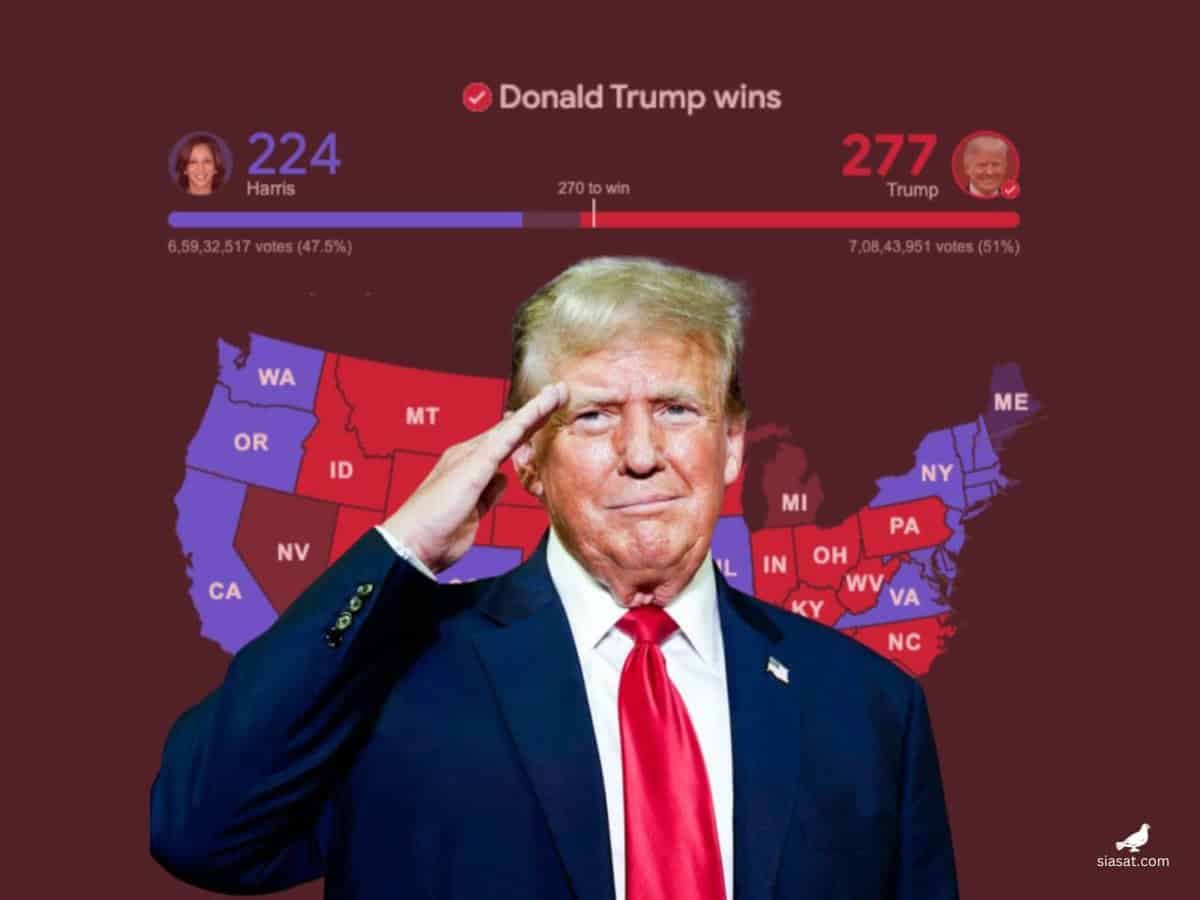
    Donald Trump will be sworn in as the 47th US President on January 20, as investors keenly observe upcoming tariff announcements. The global market may remain volatile in the coming week, according to market watchers.

    “Looking ahead, the incoming US president’s policies and comments will be keenly watched with a focus on tariffs. Higher inflation in Japan or tighter policy from BoJ will weigh on market sentiments,” according to experts.

    Hyderabad Institute of Excellence“ width=

    Over 240 companies will announce their quarterly earnings next week. The market will keep an eye on the results of Adani Green Energy, HDFC Bank, One 97 Communication (Paytm), Zomato, IDBI Bank, Indian Overseas Bank, Tata Technologies, Bharat Petroleum Corporation and Indigo, among others

    The primary market will see four new IPOs opening for subscription in the coming week, out of which three will be from the small and medium enterprises (SME) segment.

    The Indian stock market witnessed a decline in the trading session from January 13 to January 17. Nifty fell 228.30 points or 0.97 per cent to close at 23,203.20 and Sensex fell 759.58 points or 0.98 per cent to close at 76,619.33. During this period, the Nifty Bank index closed at 48,540.60, down 193.55 points or 0.40 per cent.

    Apart from this, the last week was full of ups and downs for Nifty Midcap stocks and the index closed at 54,607.65 with a gain of 21.90 points or 0.04 per cent.

    Nifty declined for the second consecutive week, driven by persistent selling pressure. The index is trading below its 21-week and daily exponential moving average and has slipped under the ascending trendline, signalling a bearish sentiment, said experts.

    Buying may emerge if the index reclaims 23,400, potentially pushing it to 23,700.

    FIIs sold shares worth Rs 3,318.06 crore on January 17, while domestic institutional investors bought shares worth Rs 2,572.88 crore on the same day. FII sentiment continues to remain negative. Foreign Portfolio Investors (FPIs) have sold Indian equities worth Rs 44,396 crore so far in January.

  • Locally manufactured all-new BMW X3 launched in India

    Locally manufactured all-new BMW X3 launched in India

    New Delhi: Luxury car-maker BMW Group India on Saturday launched all-new BMW X3 that has been locally manufactured at its Chennai plant, and is touted as the longest, tallest and widest car in its segment.

    The all-new BMW X3 xDrive20 M Sport will be available for Rs 75,80,000 (ex-showroom price) and the all-new BMW X3 xDrive20d M Sport at Rs 77,80,000. Deliveries will commence from April, the company said during the auto expo 2025 in the national capital.

    First-generation BMW X3 was the first vehicle to offer the BMW xDrive intelligent all-wheel-drive system. Now in its fourth-generation avatar, the all-new BMW X3 makes its way to India with dominant road presence, completely redefined interiors and best-in-class technology.

    Hyderabad Institute of Excellence“ width=

    “With the launch of the all-new BMW X3, modernity, presence, and sporting flair have reached unprecedented heights. As the fourth generation of the iconic Sports Activity Vehicle, the X3 embarks on a new era,” said Vikram Pawah, President and CEO, BMW Group India.

    Now even bigger than before, it has reinvented itself with a reimagined design, unparalleled luxury and a new digital character, he added.

    The car is available in Dune Grey Metallic, Alpine White, Brooklyn Grey Metallic, Individual Tanzanite Blue and Black Sapphire Metallic colours.

    With a width of 1,920 mm and a height of 1,660 mm, the all-new X3 is also the widest and tallest car in its segment.

    The all-new X3 also comes with a head-up display as standard, the only car in its segment to do so.

    The 2-litre, 4-cylinder petrol engine of the BMW X3 20 xDrive produces an output of 190 hp and maximum torque of 310 Nm at 1,500–4,000 rpm. The car accelerates from 0 -100 km per hour in just 7.8 seconds.

    The 2-litre 4-cylinder diesel engine of the BMW X3 20d xDrive produces an output of 197 hp and a maximum torque of 400 Nm at 1,500 – 2,750 rpm. The car accelerates from 0 -100 km per hour in just 7.7 seconds, according to the company.

    BMW Motorrad also launched the new BMW S 1000 RR, a super sport bike, at Rs 21,10,000 that will be available in the country as a completely built-up unit. It claims 0-100 km per hour in just 3.3 seconds with a top speed of 300 km/h.

  • India’s economic growth poised to rebound as demand picks up: RBI

    India’s economic growth poised to rebound as demand picks up: RBI

    Mumbai: India’s economic growth is poised to rebound as domestic demand regains strength reflecting a resilience in consumption, supported by brighter agricultural prospects,” according to the RBI’s monthly bulletin for January.

    “There is a conducive quickening of high-frequency indicators of economic activity in the second half of 2024-25, bearing out the implicit pick-up in India’s real GDP growth for this period in the annual first advance estimates of the NSO,” the bulletin states.

    It points out that the headline inflation eased for the second successive month in December, although the stickiness in food inflation warrants careful monitoring of second order effects.

    Hyderabad Institute of Excellence“ width=

    “India’s economic growth is poised to rebound as domestic demand regains strength. Rural demand continues to gain momentum, reflecting a resilience in consumption, supported by brighter agricultural prospects,” the bulletin observes.

    With agriculture and allied activities turning in a reasonable performance on the back of a record kharif harvest, and with higher rabi sowing, the fortunes of the rural economy have improved, it added.

    A revival in public capex on infrastructure is likely to stimulate growth in key sectors.

    It states that the first advance estimates for 2024-25 released by the National Statistics Office (NSO) on January 7 confirmed that India continues to be the fastest-growing major economy, although gross domestic product (GDP) growth has moderated to 6.4 per cent from three consecutive years of above 7 per cent growth.

    “Private final consumption is the brightening spot in the economy, driven by e-commerce and q-commerce among which it is important to foster competition rather than being restrictive. One way to revive the animal spirts may be to provide a consumption boost,” the bulletin observes.

    The demand for household staples has seen a modest rise in the October-December quarter. The middle class is pinning its hopes on relief from food inflation and hence higher disposable incomes, especially the urban segment.

    The rural segment is likely to continue to record strong volume growth. In the housing space, the mid-income segment and premiumisation are fuelling demand and leading to overall improvement in market health metrics – another growth gear, it states.

    The bulletin also highlights that headline inflation eased for the second-successive month in December, driven by winter easing of prices when the earth offers up a rich bounty of fruits and vegetables. Despite the sequential easing, the level of food inflation continues to remain high, with select key products experiencing high double digits inflation.

    It further states that the global economic outlook for 2025 is divergent across countries with some loss of speed in the US; weak-to-modest recoveries in Europe and Japan; more moderate growth profiles in emerging and developing countries alongside a more gradual disinflation relative to advanced economies.

    Global trade is expected to improve, with volume expansion somewhat higher in 2025 than in the year gone by, although the persistence of geopolitical risks and the looming threats of a more protectionist environment overcast these expectations with high uncertainty.

    The prospects for financial flows are risk laden, with the outlook for foreign direct investment still subdued and with portfolio flows displaying ‘home bias’ and high volatility, the RBI bulletin added.

  • Mixed bag for Indian stock markets this week, all eyes on Trump’s inauguration

    Mixed bag for Indian stock markets this week, all eyes on Trump’s inauguration

    Mumbai: As Indian investors adopt a cautious approach ahead of the inauguration of Donald Trump as 47th US President and his comments with focus on tariffs, this week was a mixed bag for the domestic benchmark indices.

    After three days of gains, the domestic market ended on a weak note on Friday as large-cap IT and banking stocks saw higher underperformance due to a cautious outlook on discretionary spending for the former and subdued deposit and credit growth, as well as tighter liquidity conditions for the latter.

    In contrast, public sector banks (PSUs) performed well during the week.

    Hyderabad Institute of Excellence“ width=

    Sensex ended the week at 76,619.33 and Nifty settled at 23,203.2. The Nifty remained under bearish pressure for yet another session.

    Nifty Bank ended at 49,540.6 down by 738.10 points or 1.50 per cent. The Nifty Midcap 100 index closed at 54,607.65 after climbing 123.85 points, or 0.23 per cent, while the Nifty Smallcap 100 index closed at 17,672.05 after adding 28.75 points, or 0.16 per cent.

    Since the recent peak in September 2024, the Nifty 50 has fallen by 11.5 per cent, with the Midcap index down 12 per cent and the Smallcap index sliding 11 per cent.

    The Q3 earnings season will be critical in restoring confidence and stability.

    According to market watchers, investors are increasingly adopting a risk-averse stance due to strengthening of the dollar. Furthermore, rising uncertainty over potential economic policies from the new US administration impacted overall sentiments.

    Overall, the market is expected to remain cautious in the short term due to moderate Q3 expectations, while persistent FII outflows could add to higher volatility.

    Looking ahead, the incoming US President’s policies and comments will be keenly watched with focus on tariffs. Higher inflation in Japan or tighter policy from BoJ will weigh on market sentiments, said experts.

    This is a time to act with clarity, not panic. The market correction offers an opportunity to separate the wheat from the chaff, focussing on resilience and growth potential, said Krishna Appala from Capitalmind Research.

  • Internship programme with Rs 20K stipend for future internet governance leaders launched

    Internship programme with Rs 20K stipend for future internet governance leaders launched

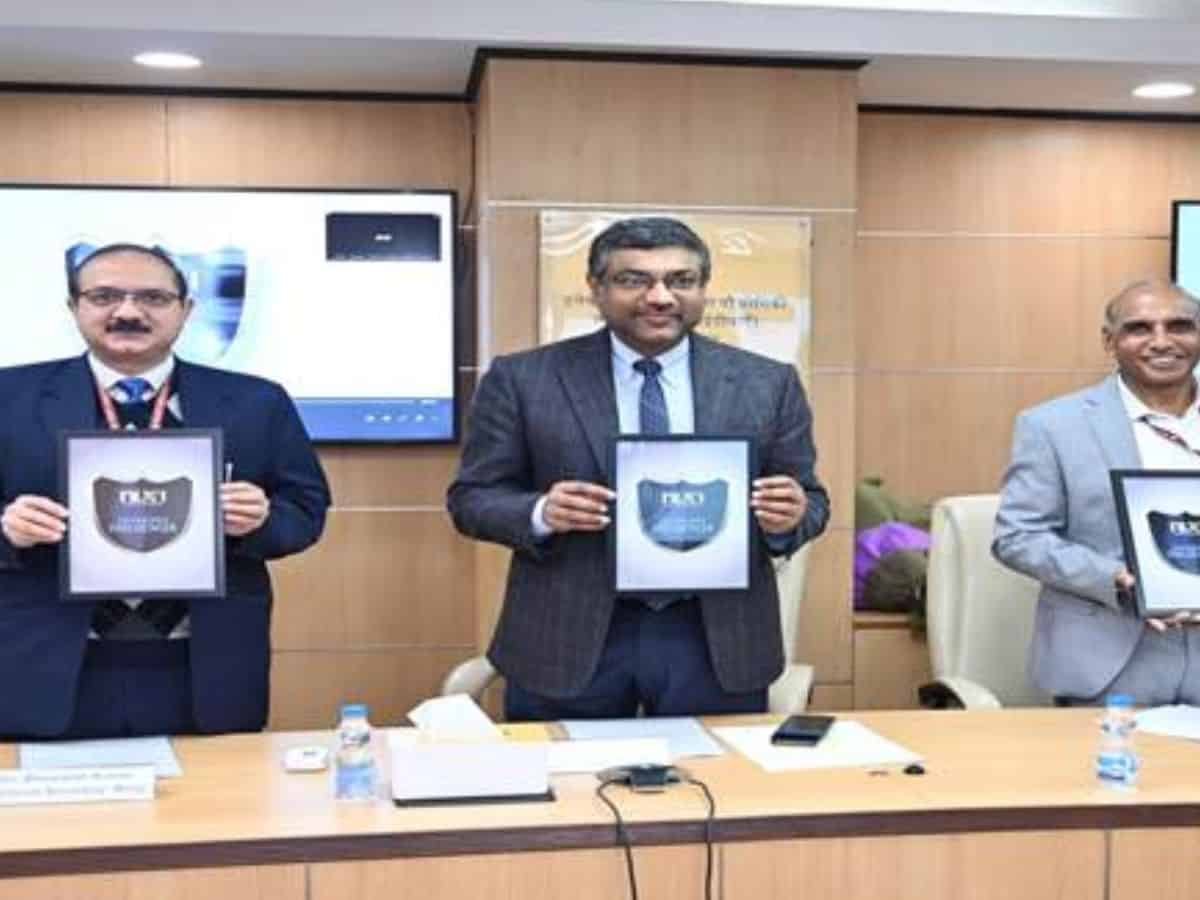
    New Delhi: The National Internet Exchange of India (NIXI) on Saturday announced the launch of its Internet Governance Internship and Capacity Building Scheme, which aims to build awareness and develop expertise in internet governance among Indian citizens.

    A fixed stipend of Rs 20,000 per month will be provided to interns along with support to conduct mandatory outreach programmes, according to the IT Ministry.

    S. Krishnan, Secretary, MeitY, and Chairman, NIXI, said that we need people from different fields who can dedicate time to internet governance and represent the real concerns of our society.

    Hyderabad Institute of Excellence“ width=

    “Our goal is to inspire young minds to learn, grow, and use their knowledge to make a positive impact in their organisations and communities, helping the internet grow in a fair and inclusive way,” said Krishnan.

    The scheme is set to shape the next generation of tech policy leaders and Internet Governance experts.

    “Today’s generation values experience over traditional stable jobs. NIXI’s Internet Governance Internship is a great opportunity for youth passionate about digital policy, providing global exposure,” he mentioned.

    The programme aims to equip participants with the knowledge to effectively engage in global internet governance processes with organisations like Internet Corporation for Assigned Names and Numbers (ICANN), Internet Society or Information Security Operations Center (ISOC), Institute of Electrical and Electronics Engineers (IEEE), Internet Engineering Task Force (IETF) and collaborate closely with leading experts in the field.

    It will nurture a pool of domestic talent who can deeply engage with emerging internet governance issues and contribute to their resolution, according to MeitY.

    The programme offers a bi-annual internship with two parallel tracks: a six-month programme and a three-month programme.

    According to Dr Devesh Tyagi, CEO, NIXI, this programme is a crucial step towards empowering Indian citizens to contribute meaningfully to the global internet governance ecosystem.

    “By building next generation of internet governance experts, NIXI is paving the way for a more inclusive and accessible digital world,” he noted.

  • Telangana CM, Singapore Minister discuss partnership in various sectors

    Telangana CM, Singapore Minister discuss partnership in various sectors

    Hyderabad: Telangana Chief Minister Revanth Reddy on Saturday requested Singapore to partner with his state in various sectors to realise the goals of ‘TelanganaRising’.

    The Chief Minister, who is leading a delegation on a visit to Singapore, on Saturday met Sustainability and Environment Minister, and in-charge Trade Minister, Grace Fu Hai Yien.

    The two sides held wide-ranging discussions for partnership in several areas, according to Chief Minister’s Office.

    Hyderabad Institute of Excellence“ width=

    The delegation, including IT & Industries Minister D. Sridhar Babu, and officials, showcased the unmatched investment opportunities in Telangana in several areas, including urban planning and infrastructure, water management, skills development, sports, semi-conductors, manufacturing, environment and sustainability sciences and technology.

    Minister Yien, assured Chief Minister Revanth Reddy that Singapore would consider his invitation to partner with Telangana in making the goals of TelanganaRising a reality and success.

    She was particularly keen on Net Zero Future City, the River Musi rejuvenation project, water management, and the sustainability plans of Telangana.

    Both sides agreed to work together closely, including identifying special teams to explore joint projects, systemic sharing of learnings from Singapore for India’s youngest state, and making rapid progress and impact on the ground in joint projects.

    Meanwhile, Sridhar Babu had an interaction with the Singapore Semiconductor Industry Association (SSIA).

    “Several high-profile semiconductor industry leaders participated in the interaction on opportunities for Telangana in the sector. Brian Tan, Chairman, SSIA, and Regional President, Applied Materials, Inc., Tan Yew Kong, Vice Chairman, SSIA, and Senior VP, GlobalFoundries Singapore, and C. S. Chua, Secretary, SSIA, and President and MD, Infineon Technologies Asia Pacific Pte and other participated. The SSIA shared learnings, best practices, and lessons from Singapore’s meteoric rise and global consolidation in the Semiconductor sector. Minister Sridhar Babu, while expounding on the salient features of TelanganaRising, showcased the opportunities for global investors, and invited the Singapore industry to invest heavily in the state. SSIA responded very keenly and positively to the Telangana invite. A big team is set to visit Hyderabad later this year to explore opportunities on the ground,” the CMO said.

  • Jagathgirigutta endowment lands being encroached, action soon: HYDRAA

    Jagathgirigutta endowment lands being encroached, action soon: HYDRAA

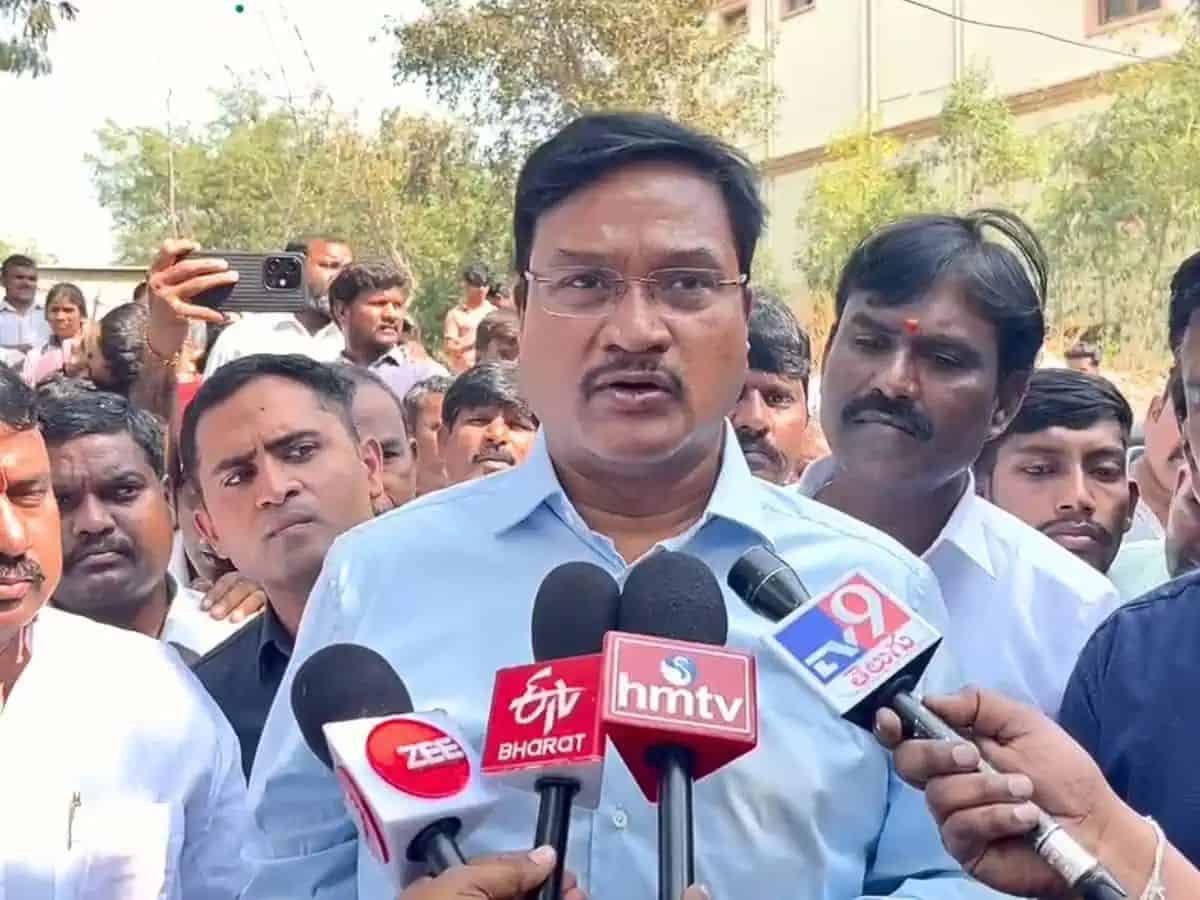
    Hyderabad: Hyderabad Disaster Response Assets Monitoring and Protection Agency (HYDRAA) commissioner AV Ranganath said that encroachers have been trying to grab the endowments lands in Jagathgirigutta, and next Wednesday, January 22, a meeting will be held involving all the stakeholders, after which action will be initiated against the illegal structures and the encroachers.

    On Saturday, January 18, Ranganath inspected Govindaraju Swamy temple in Jagathgirigutta after complaints came from officials of various departments, people’s representatives, and the priest of the temple, that some persons were trying to encroach into the temple’s ‘gundam‘ (open well).

    Speaking with the media, the HYDRAA commissioner said that a few others, in the name of caste associations, had also built illegal structures on Venkatadri temple lands and were trying to sell them with political backing.

    Hyderabad Institute of Excellence“ width=

    The locals informed Ranganath that there was an extent of 14.10 acres of temple lands belonging to both the temples and 66 acres under Parki Cheruvu in Jagathgirigutta.

    He warned legal action would be initiated by sending notices against those who built compound walls and encroached upon the temple lands, and the gundam would be brought back to its original state.

    The HYDRAA commissioner also reiterated that houses built and occupied before the formation of the agency will not be touched. “Structures that have come up in recent times will be removed after following due procedure,” he assured.

    “Encroachers who try to act smart by building structures overnight and setting up electricity meters will not be spared. Google Maps will show exactly when a structure was built,” he said.

    Ranganath informed that the much-awaited HYDRAA police station will be inaugurated in the next 15 days. The station will handle non-bailable cases against encroachers and if found guilty, will be sent to jail.

    Government officials found showing negligence or aiding encroachers will be punished, he said.

    HYDRAA police station at Secunderabad

    On January 7, the Telangana government issued orders to establish a dedicated police station under HYDRAA. The police station will be established at B-block, Buddha Bhavan at Secunderabad.

    According to the order, HYDRAA will function under a unified framework to address issues such as land encroachments, damage to public property, and other asset protection challenges. The agency chaired by the Telangana chief minister A Revanth Reddy comprises various wings including assets protection, disaster response, administration, legal, IT, and more.

    The jurisdiction of the HYDRAA police station spans the Outer Ring Road (ORR) and its adjoining areas.

  • India, US ink pact for cooperation in cybercrime investigations

    India, US ink pact for cooperation in cybercrime investigations

    New Delhi: India and the US have inked an agreement to enhance cooperation in cybercrime investigations, according to the Ministry of External Affairs (MEA).

    The signing of the pact comes days before the Biden administration hands over charge to the Trump administration.

    The Memorandum of Understanding (MoU) was signed in Washington DC on Friday by Indian Ambassador Vinay Kwatra and Acting US Deputy Secretary of Homeland Security (DHS) Kristie Canegallo, the MEA said.

    Hyderabad Institute of Excellence“ width=Hyderabad Institute of Excellence“ width=

    It said the agreement allows the respective agencies of the two countries to step up the level of cooperation and training with respect to the use of cyber threat intelligence and digital forensics in criminal investigations.

    From India, the Indian Cybercrime Coordination Centre (I4C) of the Home Ministry is responsible for the execution of the MoU.

    On the US side, the DHS and its constituent agencies US Immigration and Customs Enforcement and Homeland Security Investigations Cyber Crimes Center are tasked with implementing the pact.

  • Bitcoin soars past USD 100,000 ahead of possible early action on crypto by Trump

    Bitcoin soars past USD 100,000 ahead of possible early action on crypto by Trump

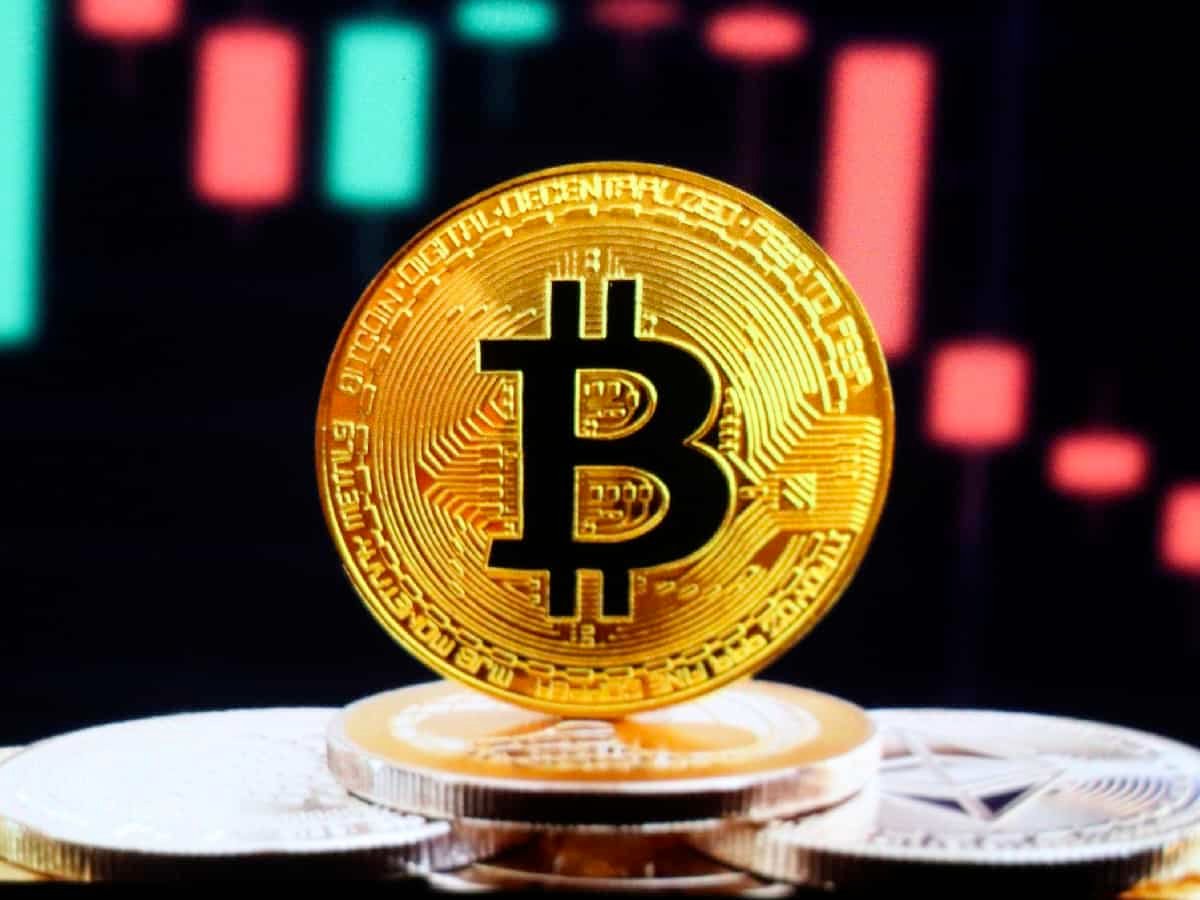
    Washington: The price of bitcoin topped USD 100,000 again early Friday as a pumped up cryptocurrency industry expects early action by Donald Trump when he’s sworn in as president next week.

    Once a sceptic who said a few years ago that bitcoin “ seems like a scam,” Trump has embraced digital currencies with a convert’s zeal. He’s launched a new cryptocurrency venture and vowed on the campaign trail to take steps early in his presidency to make the US into the “crypto capital” of the world.

    His promises including creating a US crypto stockpile, enacting industry-friendly regulation and event appointing a crypto “czar” for his administration.

    Hyderabad Institute of Excellence“ width=

    “You’re going to be very happy with me,” Trump told crypto-enthusiasts at a bitcoin conference last summer.

    Bitcoin is the world’s most popular cryptocurrency and was created in 2009 as a kind of electronic cash uncontrolled by banks or governments. It and newer forms of cryptocurrencies have moved from the financial fringes to the mainstream in wild fits and starts.

    The highly volatile nature of cryptocurrencies as well as their use by criminals, scammers and rogue nations, has attracted plenty of critics, who say the digital currencies have limited utility and often are just Ponzi schemes.

    But crypto has so far defied naysayers and survived multiple prolonged price drops in its short lifespan. Wealthy players in the crypto industry, which felt unfairly targeted by the Biden administration, spent heavily to help Trump win last November’s election.

    Bitcoin has surged in price since Trump’s victory, topping USD 100,000 for the first time last month before briefly sliding down to about USD 90,000 earlier this week. Two years ago, bitcoin was trading at about USD 20,000.

    On Friday, bitcoin rose about 5 per cent to around USD 104,000 according to CoinDesk.

    Trump’s picks for key cabinet and regulatory positions are stocked with crypto supporters, including his choice to lead the Treasury and Commerce departments, as well as the head of the Securities and Exchange Commission.

    Key industry players are throwing a first ever “Crypto Ball” Friday evening, which promised on its website to include “an elite lineup of musical entertainment” to celebrate the first “crypto president.” The event is sold out, with tickets costing several thousand dollars.

    Here’s a look at some detailed action Trump might take in the early days of his administration:

    CRYPTO COUNCIL

    As a candidate Trump promised that he would create a special advisory council tasked with providing guidance on creating “clear” and “straightforward” regulations surrounding crypto within the first 100 days of his presidency.

    Details about the council and its membership are still unclear, but after winning November’s election, Trump named tech executive and venture capitalist David Sacks to be the administration’s crypto “czar.” Trump also announced in late December that former North Carolina congressional candidate Bo Hines will be the executive director of the “Presidential Council of Advisers for Digital Assets.”

    At last year’s bitcoin conference, Trump told crypto supporters that new regulations “will be written by people who love your industry, not hate your industry.” Trump’s pick to lead the SEC, Paul Atkins, has been a strong advocate for cryptocurrencies.

    Crypto investors and companies chafed as what they said was a hostile Biden administration that went overboard in unfair enforcement actions and accounting policies that have stifled innovation in the industry — particularly at the hands of outgoing SEC Chairman Gary Gensler.

    “As far as general expectations from the Trump Administration, I think one of the best things to bet on is a tone change at the SEC,” said Peter Van Valkenburgh, the executive director of the advocacy group Coin Center.

    Gensler, who is set to depart as Trump takes office, said in a recent interview with Bloomberg that he’s proud of his office’s actions to police the crypto industry, which he said is “rife with bad actors.”

    STRATEGIC BITCOIN RESERVE

    Trump also promised that as president he’ll make sure the US government stockpiles bitcoin, much like it already does with gold. At the bitcoin conference earlier this summer, Trump said it the US government would keep, rather than auction off, the billions of dollars in bitcoin it has seized through law enforcement actions.

    Crypto advocates have posted a draft executive order online that would establish a “Strategic Bitcoin Reserve” as a “permanent national asset” that would be administered by the Treasury Department through its Exchange Stabilization Fund. The draft order calls for the Treasury Department to eventually hold at least USD 21 billion in bitcoin.

    Republican Sen. Cynthia Lummis of Wyoming previously proposed legislation mandating the US government stockpile bitcoin, which advocates said would help diversify government holdings and hedge against financial risks. Critics say bitcoin’s volatility make it a poor reserve.

    Creating such a stockpile would also be a “giant step in the direction of bitcoin becoming normalised, becoming legitimatised in the eyes of people who don’t yet see it as legitimate,” said Zack Shapiro, an attorney who is head of policy at the Bitcoin Policy Institute.

    ROSS ULBRICHT

    At the bitcoin conference earlier this year, Trump received loud cheers when he reiterated a promise to commute the life sentence of Ross Ulbricht, the convicted founder of the drug-selling website Silk Road that used crypto for payments.

    Ulbricht’s case has energised some crypto advocates and Libertarian activists, who believe government investigators overreached in building their case against Silk Road.