Category: BUSINESS

  • IndiGo’s December quarter profit slips 18.3 pc, revenue up 14.6 pc

    IndiGo’s December quarter profit slips 18.3 pc, revenue up 14.6 pc

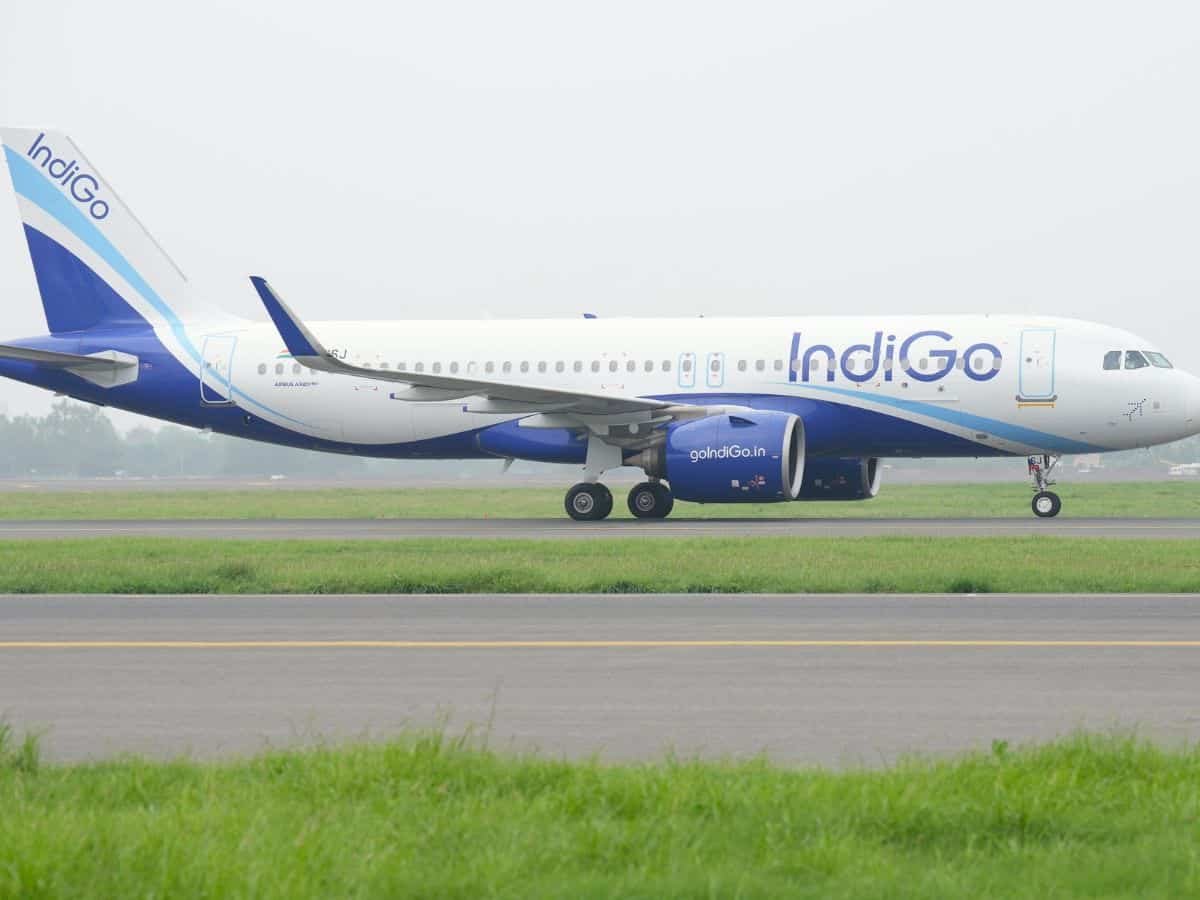
    New Delhi: The country’s largest airline IndiGo on Friday saw its profit after tax slide 18.3 per cent to Rs 2,448.8 crore in the three months ended December 2024 due to foreign exchange loss even as revenue jumped on higher capacity and passenger traffic.

    The carrier, which had a fleet of 437 planes at the end of December, is planning to induct wet leased planes for long range flights and expects the number of grounded aircraft to come down to 40s by the start of next financial year from the current level of 60s.

    With increase in the number of capacity as well as passengers, the carrier’s total income jumped 14.6 per cent to Rs 22,992.8 crore in the third quarter of the current financial year. In the year-ago period, the same stood at Rs 20,062.3 crore, according to a release.

    Hyderabad Institute of Excellence“ width=

    InterGlobe Aviation is the parent of IndiGo, which flew 31.1 million passengers in the latest December quarter.

    In the 2023 December quarter, the carrier had a profit after tax of Rs 2,998.1 crore.

    By the end of this fiscal, the airline expects to fly to 40 international destinations. Currently, the airline operates to 38 overseas cities.

    “Driven by strong demand for air travel, continued growth, and lower fuel cost, for the quarter ended December 2024, IndiGo reported a solid profit of Rs 38.5 billion excluding the impact of currency movement, as against a profit of Rs 30.5 billion during the same period last year.

    “Including the impact of foreign exchange, the net profit for the quarter aggregated to Rs 24.5 billion,” the release said.

    IndiGo Chief Financial Officer Gaurav Negi said profitability was impacted by rupee depreciation in the December quarter.

    “At the end of the quarter, it depreciated around 2 per cent as compared to the September quarter, resulting in a Mark to Market (MTM) foreign exchange loss of around Rs 14 billion.

    “… for every rupee movement leads to a MTM of Rs 7.9 billion at the end of December. This impact is recorded in the foreign exchange line item… while currency remains volatile and further depreciated in January, we have been actively taking steps to reduce the volatility in the financial statement by hedging part of our foreign currency outflow,” he said.

    Fuel cost, which accounts for a significant chunk of an airline’s operational expenses, fell 6.1 per cent to Rs 6,422.6 crore in the latest December quarter even as total costs climbed 19.9 per cent to Rs 20,465.7 crore.

    “We delivered a strong third quarter of financial year 2025, both operationally and financially… including currency impact, we reported a profit of Rs 24.5 billion highlighting effective execution of our clear and well-defined strategy,” IndiGo CEO Pieter Elbers said.

    He also noted that these results were driven by robust demand in the market and our ability to cater to that demand supported by lower fuel prices.

    On Aircraft on Ground (AOG) situation due to Pratt & Whitney engine woes, Elbers said, “we have turned a corner on the grounding situation when it comes to AOGs. Now, it is on a downward trajectory”.

    The number of AOGs is in the 60s now.

    Negi said the AOGs are on a downward trajectory and the airline is past the peak of groundings.

    “Based on the latest guidance from OEM, we will begin the next financial year with groundings in the range of 40s and expect the number to further go down as the year progresses,” he said.

    Elbers said that subject to regulatory approvals, the airline is exploring interim solutions for an earlier introduction of long range aircraft to its fleet through wet leasing of planes.

    Routes and network opportunities are also being explored at present, he said and added that in the last two years, amid the supply chain disruptions environment, “we have developed the capability of leveraging secondary market capacity to cater to the robust demand. We are hopeful that soon we will be able to cater to the demand in the long haul markets too”.

    In the current quarter, Negi said the airline has recorded a gain of Rs 591 million on its hedging contracts.

    Elaborating on the carrier’s hedging strategy, he said hedging positions will be enhanced and as more international capacity is added, it expects the natural hedges to also improve.

    Around 10 per cent of the airline’s revenue comes from international operations.

    “Hedging strategy is currently looking out for next 12 months… we have a certain amount of inflow which comes as a natural hedge… Whatever is the natural hedge is taken out which is 10 per cent in terms of revenues coming from international. We have some inflows that come from incentives received on deliveries.

    “In aggregate, we are hedging for next 12 months for 60-70 per cent of our positions. Going forward, we will test whether we have to extend the 12-month window to a longer window…,” Negi said.

    During the 2024 December quarter, the airline’s yield (revenue per passenger) fell 1 per cent to Rs 5.43.

    For the fourth quarter ending March this year, the airline expects capacity in terms of ASKs to increase by around 20 per cent compared to the year-ago period. ASK or Available Seat Per Kilometre is around 28 per cent for international flights.

    The airline said the capitalised operating lease liability was Rs 495,937 million at the end of December. “The total debt (including the capitalised operating lease liability) was Rs 6,51,385 million”.


  • Auction of KPHB plots fetches Rs 1.5 to Rs 1.85 lakh per sq yd

    Auction of KPHB plots fetches Rs 1.5 to Rs 1.85 lakh per sq yd

    Hyderabad: Amid heavy police presence, an auction for the sale of plots in the western division of Kukatpally Housing Board was completed on Friday, January 24. The maximum bid placed was Rs 1.85 lakh per square yard and the minimum was Rs 1.50 lakh per square yard.

    Many people actively participated in the auction with their demand drafts to quote the highest price and secure the plots. Out of 24 plots that were put up for sale by the state government, 23 were sold on Friday.

    On the other hand, the residents of Phase-15 had approached the Telangana High Court claiming that those plots couldn’t be sold as they were being sold against the regulations.

    Hyderabad Institute of Excellence“ width=

    The advocate on behalf of the petitioners argued that there was a proposal to widen the road from 80 to 100 ft in that area and that the officials had converted 10 ft of that intended road and made plots out of it to be sold in the auction.

    Justice T Vinod Kumar who heard the arguments, questioned advocate general Sudarshan Reddy whether 10% of the 54.29 acres of the total layout that was meant to be reserved for greenery was set aside, or if that was also being sold in the auction.

    The advocate general informed the bench that the 10% of land for greenery was already handed over to the Greater Hyderabad Municipal Corporation (GHMC).

    The court has allowed the government to perform the auction but informed that allotment of those plots could be done only based on further court orders.

    The state government has planned to auction 73 plots in three phases for a total area of 4,880.98 square yards.

    In the first phase of the auction, 24 open plots as small as 6.11 square yards and as large as 290 square yards were auctioned in 5, 8, 9, and 15 phases of KPHB on Friday, with the total area auctioned measuring 3,040.16 square yards.

    On January 30, during the second phase of the auction, 7 plots measuring 566.09 square yards in Gachibowli, Balaji Nagar, and Bharat Nagar.

    In the third phase of the auction, 42 plots measuring 1,274.71 square yards in Raviryal of Maheshwaram mandal will be sold on February 5.

  • Indian stock market trades flat as new US President avoids tariffs on Day 1

    Indian stock market trades flat as new US President avoids tariffs on Day 1

    Mumbai: Indian benchmark indices traded almost flat on Tuesday morning, tracking gains in Asia, after Donald Trump took over as the 47th US President and did not immediately impose trade tariffs as widely expected.

    The Nifty 50 was up 0.25 per cent while the 30-stock BSE Sensex was higher by 0.09 per cent, as of 9:18 a.m. At pre-open, the S&P BSE Sensex Index was up 188 points, or 0.24 per cent, at 77,261 while the NSE Nifty 50 was 76 points or 0.33 per cent higher at 23,421.

    According to market watchers, Donald Trump 2.0 has kicked off without much clarity on his likely economic decisions.

    Hyderabad Institute of Excellence“ width=

    In his inaugural address he was clear on immigration but sounded vague on tariffs. The indication of a likely 25 per cent tariffs on Canada and Mexico suggests that the tariff hike policy will be implemented gradually.

    The currency market has reacted with a cut in the dollar index to 108.43 and the 10-year bond yield has declined to 4.54 per cent.

    “This is the classic case of ‘buy on rumours and sell on news.’ It is likely that further delays in tariff hikes will weaken the dollar and bring down the bond yields. If this happens, it will be good for emerging markets like India,” said experts.

    Seven out of the 12 sectors on the NSE advanced, with Nifty IT and Nifty Pharma rising the most on Tuesday. Nifty Realty and PSU Bank fell the most in early trade.

    The broader markets traded alongside the larger peers, with the BSE midcap climbing by 0.21 per cent and the smallcap rising by 0.51 per cent.

    Seven out of the 20 sectors compiled by BSE declined, with Consumer durables and realty falling the most.

    “After a positive opening, Nifty can find support at 23,250 followed by 23,100 and 23,000. On the higher side, 23,400 can be an immediate resistance, followed by 23,500 and 23,700,” said experts.

    The foreign institutional investors (FIIs) sold equities worth Rs 4,336 crore on January 20, while domestic institutional investors bought equities worth Rs 4,322 crore on the same day.

  • Centre to step up procurement of pulses from farmers in Rabi marketing season

    Centre to step up procurement of pulses from farmers in Rabi marketing season

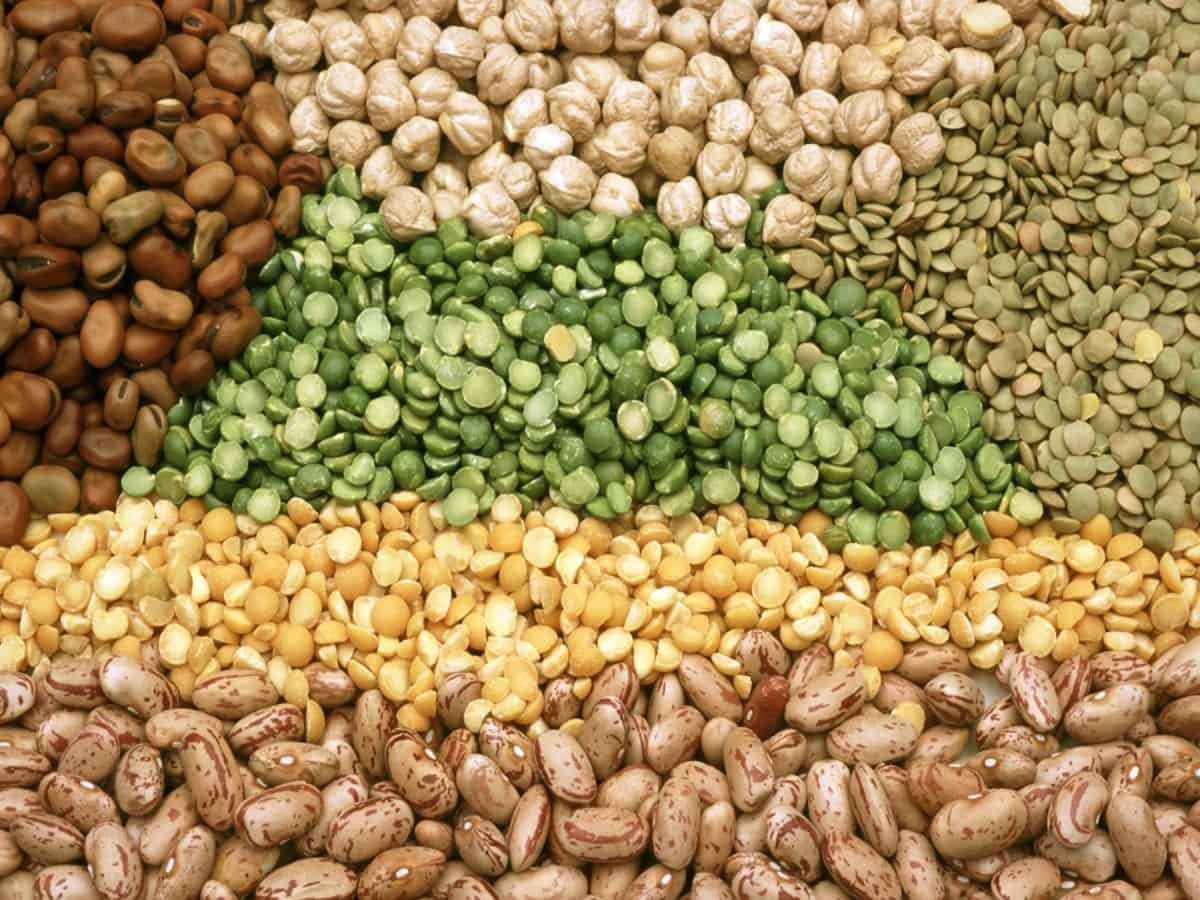
    New Delhi: The Centre has prepared plans to go for increased buying of pulses in the current Rabi season to ensure that farmers get remunerative prices for their crops and step up cultivation of pulses to reduce dependence on imports.

    A senior official confirmed that directions have been issued to Central nodal agencies National Agricultural Cooperative Marketing Federation of India Limited (NAFED) and National Cooperative Consumers’ Federation of India Limited (NCCF) to step up buying of Tur, Urad and Masur pulses during the Rabi marketing season through the Price Support Scheme (PSS) and Price Stabilisation Fund (PSF).

    The two agencies have pre-registered around 21 lakh farmers from large pulse producing states such as Maharashtra, Madhya Pradesh, Rajasthan and Karnataka on their portal for purchase of their crops.

    Hyderabad Institute of Excellence“ width=

    Union Minister of Agriculture, Shivraj Singh Chouhan, had earlier assured the states that the Centre is committed to procure 100 per cent of Tur, Urad and Masur produced by farmers at the Minimum Support Price (MSP) to ensure crop diversification and achieve self-sufficiency in the production of pulses.

    Chauhan said the e-Samridhi portal has been launched through NAFED and NCCF for registration of farmers and the government is committed to procure these pulses at MSP from farmers registered on the portal.

    He urged the state governments to encourage more and more farmers to register on this portal so that they can avail the facility of assured procurement.

    During the 2023-24 Rabi season the Centre had procured 6.41 lakh metric tonnes (LMT) of pulses at an MSP value of Rs 4,820 crore, which benefited 2.75 lakh farmers, according to official figures.

    The procurement to support the farmers included 2.49 LMT of Masoor, 43,000 MT of Chana and 3.48 LMT of Moong.

    Similarly, 12.19 LMT of oilseeds of Rs 6,900 crore of MSP value were procured from 5.29 lakh farmers.

    During the start of the Kharif season, market prices of soybean were ruling much below the MSP, leading to great hardship to farmers.

    With the intervention of the Centre under the PSS scheme, 5.62 LMT of soybean has been procured at MSP value of Rs. 2,700 crore which has benefited 2.42 lakh farmers.

  • NSE’s total unique investors base crosses 11 crore for first time

    NSE’s total unique investors base crosses 11 crore for first time

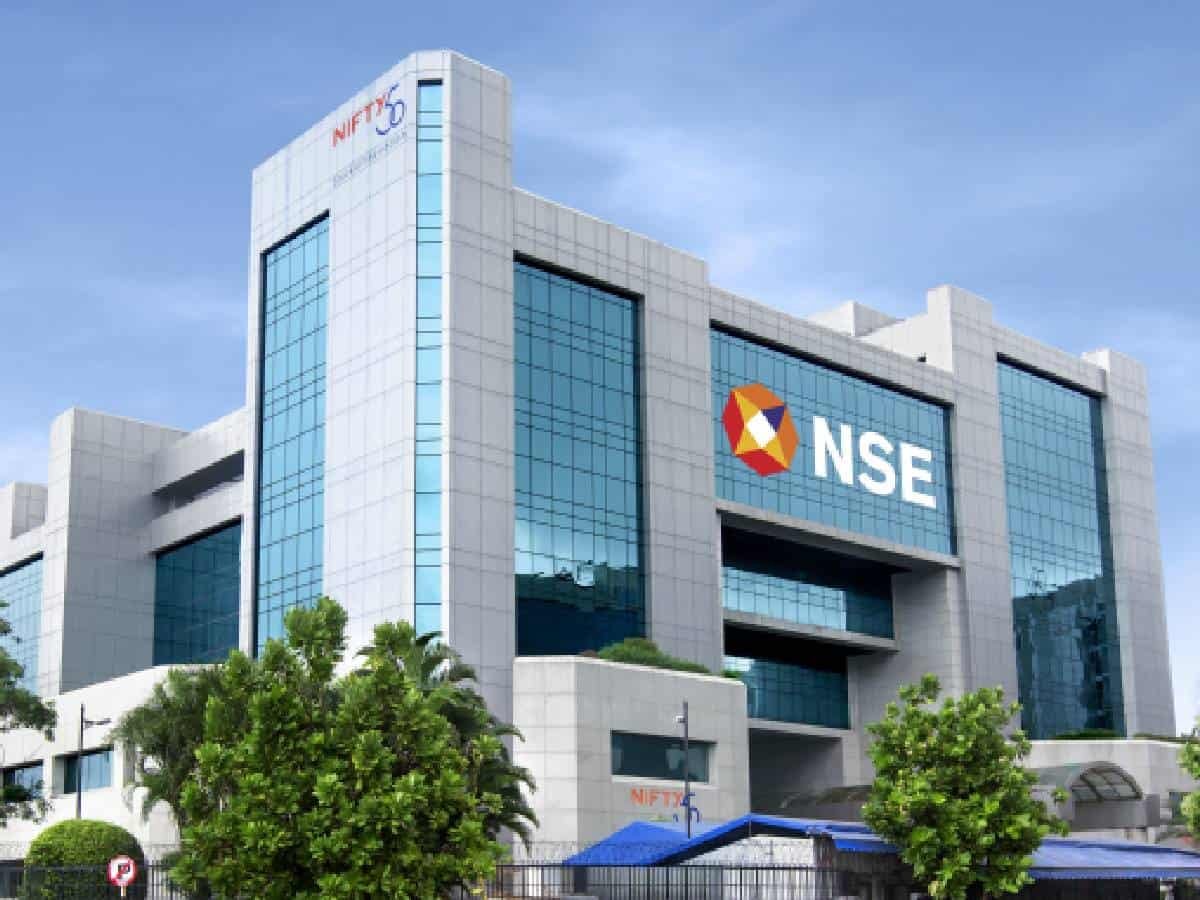
    Mumbai: Total unique investors’ base (unique PANs) on the National Stock Exchange (NSE) crossed the 11-crore mark for the first time, and total client accounts registered with the exchange now stands more than 21 crore, it was announced on Wednesday.

    Investor registrations at the NSE experienced acceleration in recent year due to surge in stock market participation, with 3.6 times jump in the last five years.

    It took 14 years from the NSE’s commencement of operations in 1994 to reach 1 crore investors.

    Hyderabad Institute of Excellence“ width=

    The pace then quickened, with the next 1 crore registrations taking about seven years, followed by another 3.5 years for the next crore and the subsequent milestone of adding the fourth crore took just over a year.

    “The rate of growth has since quickened significantly, with each additional 1 crore investors being added in roughly 6-7 months, while the last 1 crore investors were added in just over five months, reflecting a shift in investor enthusiasm and participation in the stock market through direct means,” the NSE noted.

    The exchange said that in the last five months, daily new unique investor registrations have consistently ranged between 47,000 and 73,000.

    This growth has been driven by many factors, including the strong market performance, heightened investor awareness, financial inclusion efforts and rapid advancement of digitisation.

    In 2024, the Nifty 50 index delivered a return of 8.8 per cent, while the Nifty 500 index saw an impressive 15.2 per cent gain.

    Indian markets have had positive returns for the past nine consecutive years.

    Over the five-year period ending December 2024, the Nifty 50 and Nifty 500 have generated annualised returns of 14.2 per cent and 17.8 per cent. respectively, further boosting investor confidence.

    Market capitalisation of NSE-listed companies has increased nearly 6 times from Rs 73.5 lakh crore as of May 1, 2014 to Rs. 425 lakh crore as of now.

  • Zomato’s share hits 6-month low amid Blinkit’s expansion plans

    Zomato’s share hits 6-month low amid Blinkit’s expansion plans

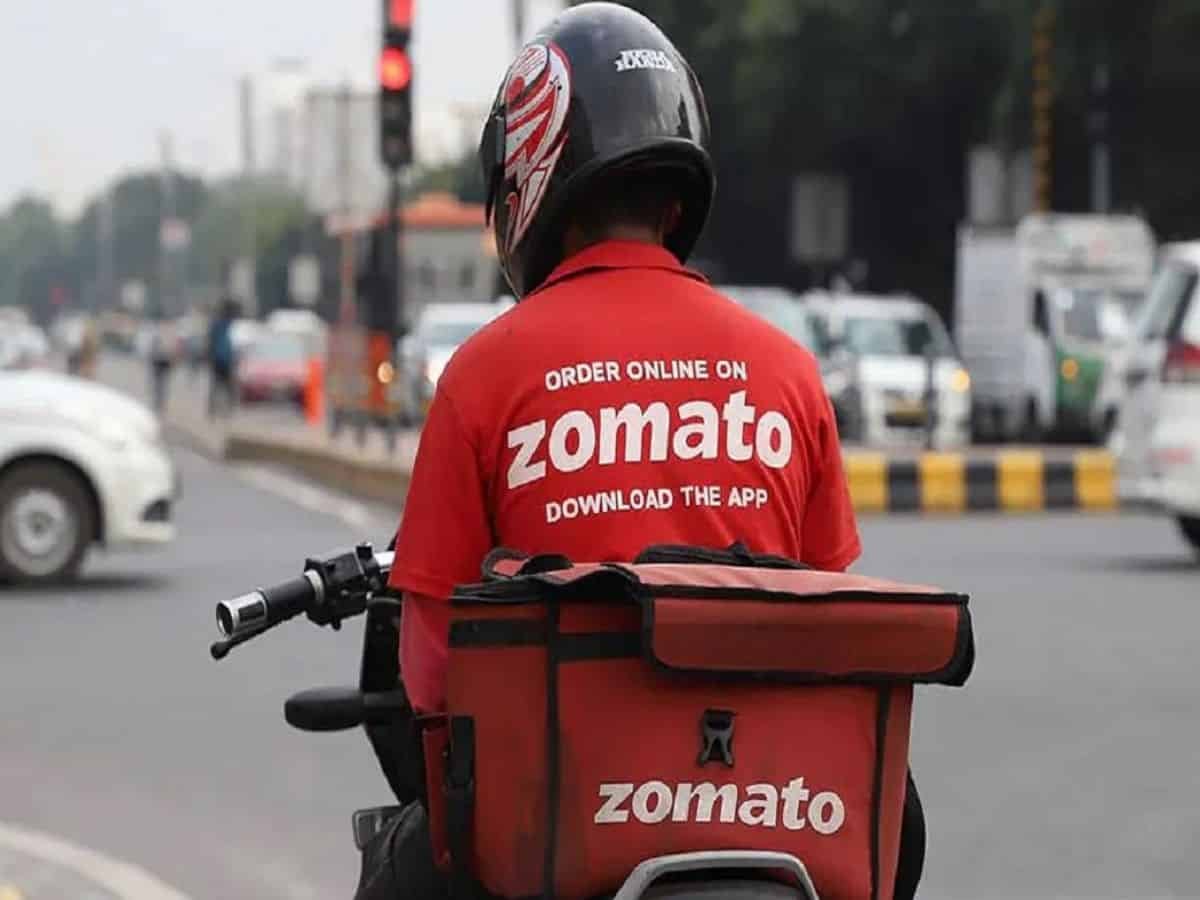
    Mumbai: Zomato’s share price dropped to its lowest point on Tuesday in nearly six months, following weak Q3 FY25 earnings.

    The online food delivery giant’s stock marked the lowest price since July 23, 2024 as it dropped 13.33 per cent to Rs 207.80 per share.

    As of 12:52 p.m., Zomato’s shares were trading 8.88 per cent lower at Rs 218.40. This decline comes even as the broader Nifty 50 index saw a small rise of 0.31 per cent.

    Hyderabad Institute of Excellence“ width=

    The drop in Zomato’s stock price is linked to the company’s increased investment in Blinkit, its quick-commerce business.

    Blinkit, which delivers groceries and other essentials, is expanding rapidly, and Zomato has been focusing its resources on this growth. As a result, the company’s profitability is expected to remain low in both the current and next financial year.

    In its third-quarter results for December 2024, Zomato’s profits were impacted by Blinkit’s expansion plans. The company is investing heavily in Blinkit’s growth, which has led most analysts and brokerages to lower their earnings estimates and reduce their target prices for Zomato’s stock.

    The online food delivery company on Monday reported a 57 per cent decline in net profit (year-on-year) at Rs 59 crore in the third quarter (Q3) of FY25 — from Rs 176 crore in the same period last fiscal.

    The operational revenue went up by 64 per cent to Rs 5,404 crore in Q3, from Rs 3,288 crore in the same period last year.

    Deepinder Goyal, Founder and CEO of Zomato, said that losses in the quick commerce business this quarter are largely on account of pulling forward the growth investments in the business that we would have otherwise made in a staggered manner over the next few quarters.

    He further stated that it seems like “we will get to our target of 2,000 stores by December 2025, much earlier than our previous guidance of December 2026”.

  • Eatala Rajender demands CM to protect lands of Ekasila Nagar victims

    Eatala Rajender demands CM to protect lands of Ekasila Nagar victims

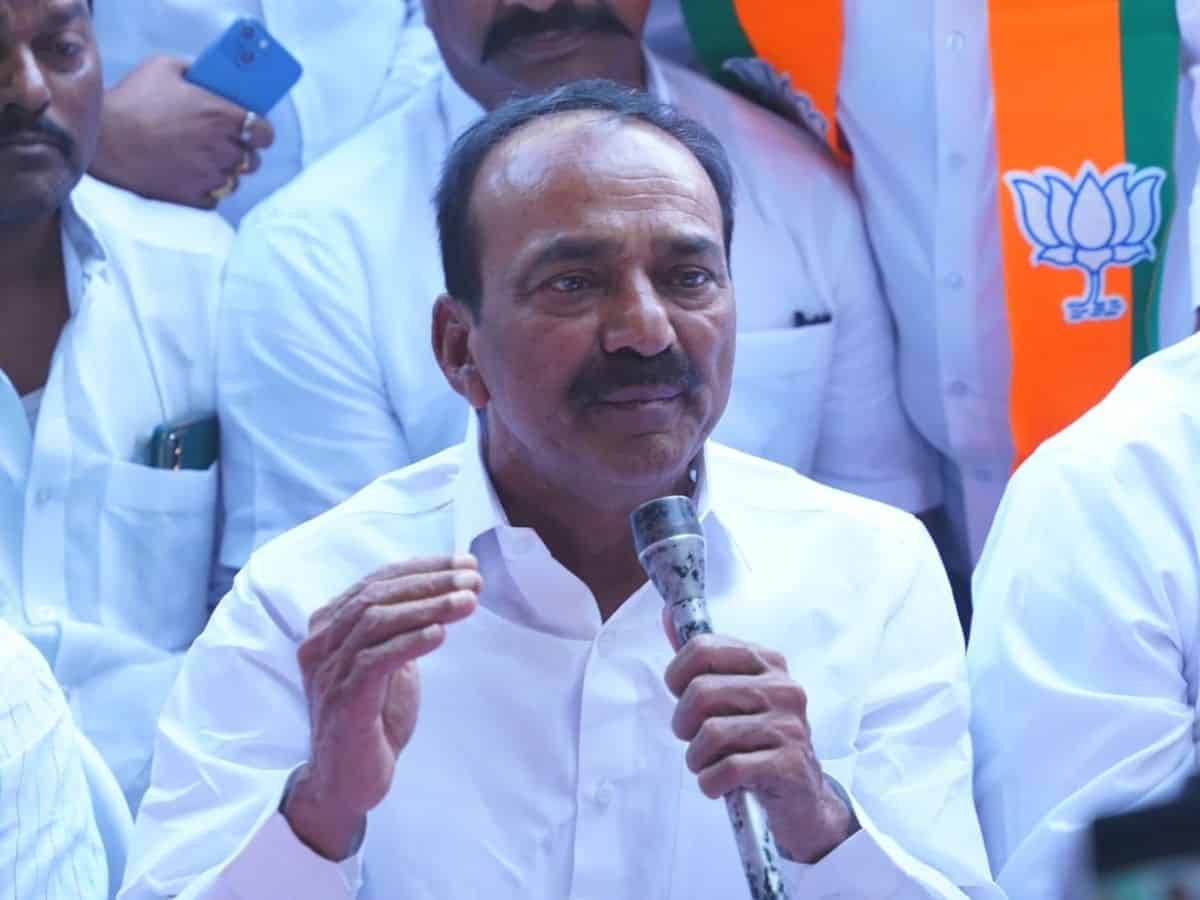
    Hyderabad: BJP Malkajgiri MP Eatala Rajender demanded chief minister A Revanth Reddy to protect the properties of 2,076 people who had purchased lands in Ekasila Nagar of Pocharam municipality; if the latter had any respect for democracy and concern for the poor.

    Addressing the media after the incident on Tuesday, January 21, where he slapped a real estate broker for allegedly trying to grab the land measuring 149 acres bought mostly by the lower-rung government employees from rural areas; Eatala demanded the chief minister to order a comprehensive inquiry into the land grabbing attempts and justice for the victims who have been fighting to protect their lands for the past couple of decades.

    He said that in 1985 layouts were made in 149 acres of Korremula village in the present Pocharam municipality and sold to 2,076 people.

    Hyderabad Institute of Excellence“ width=

    “In 2006 a realtor used the help of the lower staff of the gram panchayat to create fake documents by altering revenue records to show those lands as agricultural lands. The victims got favourable orders from the courts thrice that this land belonged to them, but the realtor continued to harass the land owners,” Eatala said.

    Eatala alleged that after the Dharani portal was introduced, the realtor used the help of district collector Amoy Kumar and got 9 acres registered in his name, and then went on to forcefully acquire 206 plots adjacent to his land out of a total of 2,076 plots in that area.

    Pointing out that there were presently 700 houses constructed in those plots, Eatala claimed that when the owners of the plots went to the municipality for permission to construct houses, they were denied permission through the layout regularisation scheme (LRS).

    Eatala alleged that on top of that, the realtor has been stationing over a hundred goons and hunting dogs to intimidate the victims (rightful owners). He also alleged that even the sub-inspector and circle inspector of Pocharam police station were acting at the behest of the land grabber and not supporting the victims.

    “When the victims came to me yesterday and poured out their woes, I called the police commissioner and the collector to question what they were doing about the repeated land-grabbing incidents. I told them that I would come and visit Ekasila Nagar and speak with the victims today. Last night the goons questioned the victims what the MP could do, and also threatened them not to erect any tent or arrange chairs to hold a meeting there” Eatala said.

    Eatala further explained that when he went to Ekasila Nagar on Tuesday, there were around 20 goons of the land grabber sitting with beer bottles as if they were throwing a challenge at him.

    “When the victims showed me that they were the people who had been harassing them for the past couple of months I went towards them. When the police and revenue department failed to protect the victims despite them being protected by the court orders, the people will certainly revolt,” Eatala asserted.

    Eatala also pointed out that such land-grabbing issues were rampant in Balaji Nagar, Jawahar Nagar, and Arundhati Nagar, and for the past six months, the victims have been approaching him for justice.

    Also drawing the attention of the chief minister to what he claimed, was the handiwork of Congress leaders in land-grabbing incidents in that area, Eatala urged the chief minister to warn those leaders and punish those officials who have been playing stooge to land-grabbers.

    Eatala also said that he will certainly raise the issue of Ekasila Nagar with revenue minister Ponguleti Srinivas Reddy, CCLA commissioner Navin Mittal, Medchal-Malkajgiri district collector, and Rachakonda police commissioner.

  • Telangana CM Revanth, Andhra CM CBN meet at Zurich

    Telangana CM Revanth, Andhra CM CBN meet at Zurich

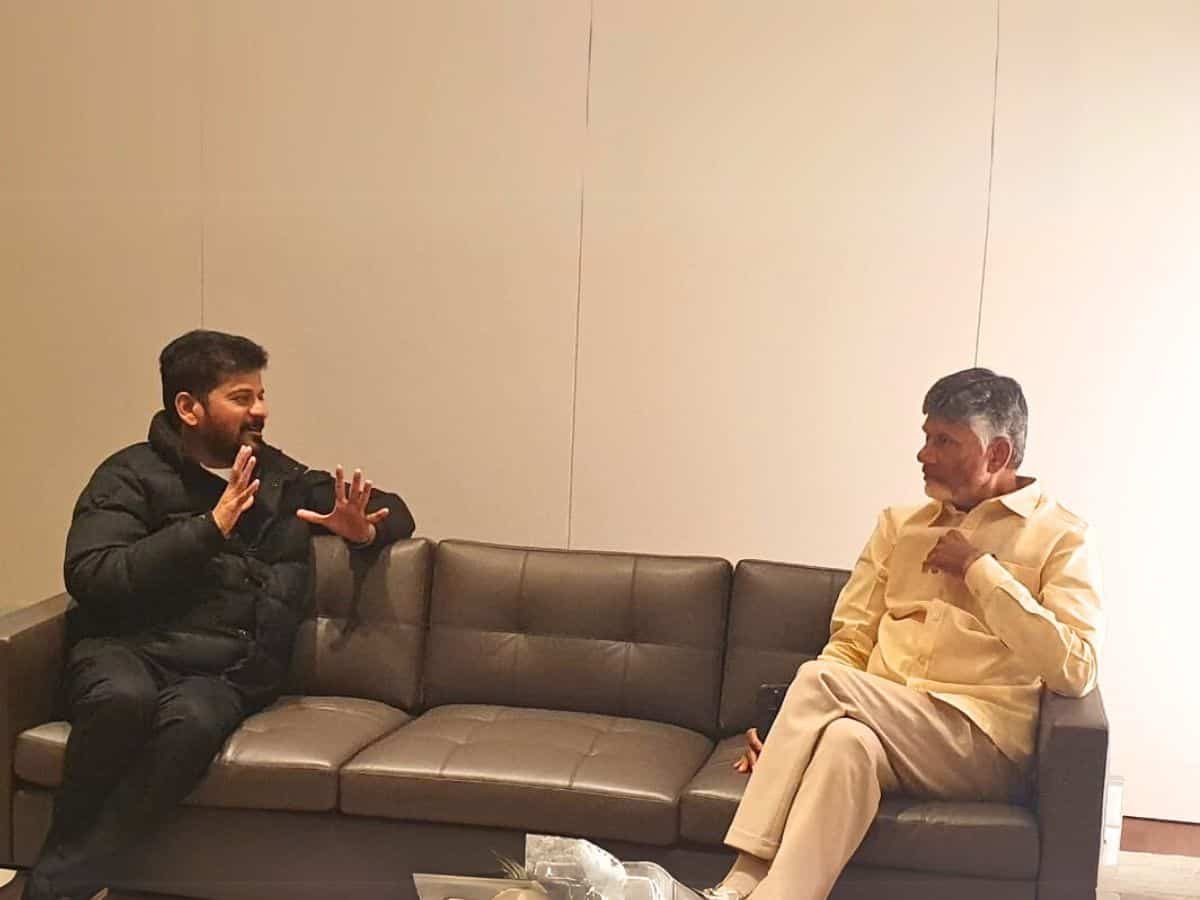
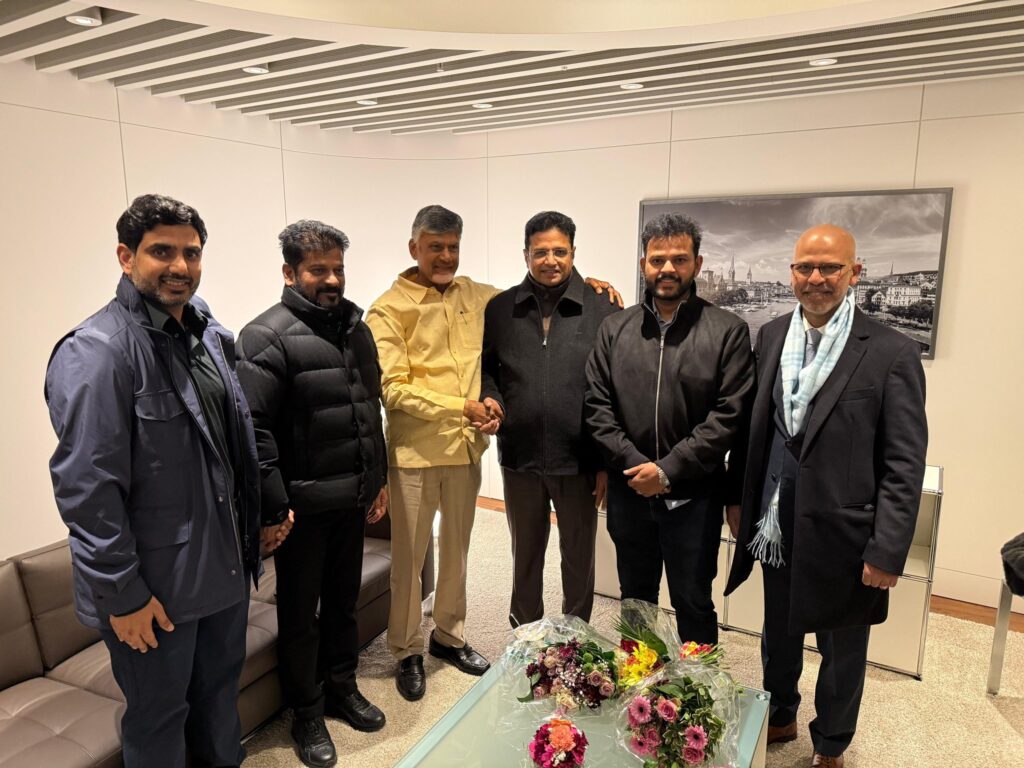
    Hyderabad: Ahead of the Davos summit, Telangana chief minister A Revanth Reddy and his Andhra Pradesh counterpart N Chandrababu Naidu met at Zurich Airport in Switzerland on Monday, January 20.

    The two chief ministers discussed development programmes being implemented in both the Telugu States and various investment opportunities.

    Both Telangana and Andhra Pradesh delegations had a meeting at the airport on their arrival to attend the World Economic Forum in Davos.

    Hyderabad Institute of Excellence“ width=

    According to the Telangana chief minister’s office, NRIs from Telangana accorded a warm welcome to the chief minister, information technology and industry minister D Sridhar Babu and other members of the Davos delegation.

    The delegation of Andhra Pradesh headed by chief minister Naidu also landed at Zurich Airport around the same time. The chief ministers and ministers of both the states warmly greeted each other. They also posed for photographs.

    At Davos, Telangana to be introduced as an investment hub

    Telangana chief minister Revanth Reddy will meet industrialists on the first day of the Davos visit. According to the CMO, the state delegation is particularly focused on the Davos visit, with a specific plan to introduce Telangana to the world, as an international investment destination.

    The Telangana delegation arrived in Davos after a three-day visit to Singapore, where it met ministers, heads of various companies and investors from various sectors to make a strong pitch for investment in Telangana.

    Andhra Pradesh Chief Minister Nara Chandrababu Naidu arrived at Zurich airport on Monday. He was accompanied by Ministers Nara Lokesh, TG Bharat, and a team of officials

    The delegation will hold discussions with representatives of leading companies to attract investment. The Andhra Pradesh delegation includes minister for information technology Nara Lokesh, industry minister TG Bharath and senior officials.

    The Europe TDP Forum members and the Indian diaspora warmly welcomed Chief Minister Naidu and the Ministers.

    The Andhra Pradesh delegation also met investors in Zurich. Before leaving for Davos, Naidu said they aimed to restore Andhra Pradesh’s place on the global investment map.

    (With inputs from IANS)

  • RBI steps to boost liquidity in banking system are smart, pragmatic: SBI

    RBI steps to boost liquidity in banking system are smart, pragmatic: SBI

    Mumbai: More changes in the RBI Liquidity Management Framework are likely after the daily dynamic VRR has been taken as the first step to manage liquidity in the banking system, according to an SBI research report.

    “Such changes and frontloading next round of moves are smart and pragmatic by the RBI…A delicate mix of temporary and permanent liquidity injection and withdrawal remains a work in progress,” the report states.

    As a corollary to intervention in the forex markets juxtaposed with volatile movements in government cash balances, liquidity has been shrinking in the banking system and alarmingly blowing past the comfort zone

    Hyderabad Institute of Excellence“ width=

    This persistent liquidity conundrum, along with the anticipation of a rally in DXY has prompted the regulator to revert to daily dynamic VRR (variable rate repo) to effectively manage the liquidity along the revised LMF (Liquidity Management Framework) in place from February 2020.

    Given that such daily VRR transactions are akin to transient liquidity injections, repo transactions should ideally compensate for changes in government cash balances, but this is somehow also substituting for permanent durable liquidity shortfall arising out of currency leakage and liquidity impact of RBI forex intervention, the report observes.

    “To negate this, in a smart move RBI has started to sell in Spot and NDF forwards and then doing short-term buy-sell swaps to replace the maturing forward sale position and also to counter the durable liquidity drain from spot intervention. We also think RBI may announce longer term (2-3 years) buy sell swaps to shore up reserves and release liquidity,” according to the SBI report.

    In principle, liquidity management per se still has some operational challenges like improving the market microstructure, a proper indicator of liquidity tightness in the system and most importantly maintaining a delicate balance between an effective mix of durable and transient liquidity injection or withdrawal, the report points out.

    According to the report, the system liquidity situation remained tight and turned to injection mode since 16 December 2024, due to many reasons like tax outflows, GST payment, forex market intervention and volatility in capital flows. Further with the implementation of Just in Time (JIT), the system liquidity has been impacted through movements in government cash balances

    System liquidity moved from a surplus of Rs 1.35 lakh crore in November to a deficit of Rs 0.65 lakh crore in December, further to Rs 1.58 lakh crore deficit in January (till January 16). If we look at the injection-absorption ratio, which has increased to about 4 X, indicating persistent borrowings from the LAF window, the report added.

  • Paytm log 10 pc revenue jump at Rs 1,828 crore in Q3

    Paytm log 10 pc revenue jump at Rs 1,828 crore in Q3

    New Delhi: Leading payments and financial services company, Paytm, on Monday reported impressive robust growth across key financial metrics. The company’s operating revenue surged by 10 per cent quarter-on-quarter (QoQ) to Rs 1,828 crore in Q3 FY2025, driven by its payments business and expanding financial services distribution portfolio.

    The company reported a PAT improvement of Rs 208 crore QoQ to Rs (208) crore, while its cash reserves increased by Rs 2,851 crore QoQ to Rs 12,850 crore.

    The key highlights include a Rs 181 crore QoQ improvement in EBITDA, which now stands at Rs (223) crore. The company’s contribution margin (excluding UPI incentives) held steady at 52 per cent, translating to a contribution profit of Rs 959 crore, up 7 per cent QoQ, according to the company.

    Hyderabad Institute of Excellence“ width=

    EBITDA before ESOP costs improved by Rs 145 crore QoQ to Rs (41) crore, with the company maintaining its target to achieve EBITDA profitability before ESOP costs by Q4 FY25.

    The company’s payment services revenue grew to Rs 1,059 crore, while its financial services revenue saw an impressive 34 per cent QoQ increase, reaching Rs 502 crore. Gross Merchandise Value (GMV) processed through the platform rose to Rs 5.0 lakh crore, a 13 per cent QoQ growth, further underscoring Paytm’s strong market position.

    Paytm’s merchant subscriber base for payment devices rose to 1.17 crore, with 5 lakh new additions during the quarter. The net payment margin reached Rs 489 crore, aided by higher subscription revenue and a stable payment processing margin.

    Indirect costs were down 7 per cent QoQ and 23 per cent year-on-year (YoY). Employee expenses for the first nine months of FY2025 dropped by Rs 451 crore YoY, surpassing the company’s annual cost-saving target of Rs 400-500 crore.

    The company also distributed loans worth Rs 3,831 crore during the quarter, versus Rs 3,303 crore in Q2 FY2025. Notably, over 50 per cent of these loans were provided to repeat borrowers, reflecting a consistent demand and strong customer retention.

    A significant portion of merchant loans was distributed under Paytm’s DLG (Direct Lending & Guarantee) model, which continues to bolster the company’s financial services revenue.

    Loans under the DLG model, known for their higher upfront cost, deliver higher revenue over their lifecycle, further enhancing profitability. The strong performance of this model has attracted increased interest from lenders eager to partner with Paytm, recognising its potential to drive sustainable growth and returns, said the company.