
India’s Parliament has approved the historic SHANTI Bill, opening the nuclear power sector to private players for the first time, aiming to boost clean energy capacity, investment, safety, and innovation.
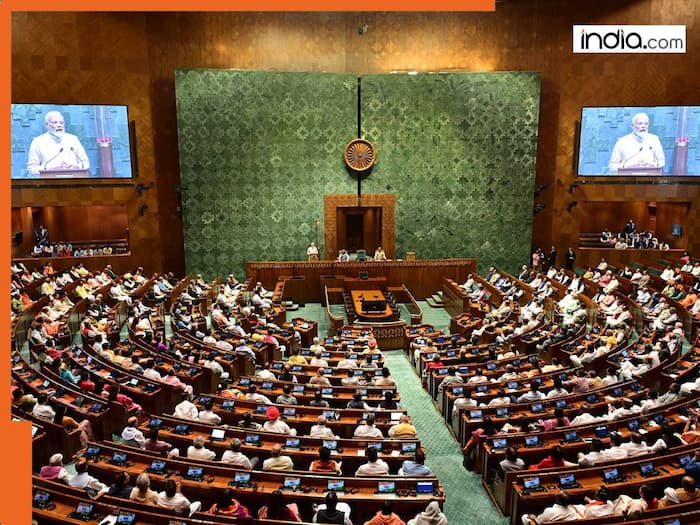
Parliament on Thursday cleared a bill to allow private and foreign investments in India’s nuclear energy sector, in a move that brings about a historic change in a field that was until now a preserve of the public sector since Independence. The bill to “legislate the regulatory framework with respect to all aspects of nuclear energy and minerals” will now become law with the President’s assent. The Winter Session of Parliament also cleared the legislation in the Lok Sabha this week.
The government tabled the bill, named Sustainable Harnessing and Advancement of Nuclear Energy for Transforming India (SHANTI) Bill, 2025 and cleared in Rajya Sabha on Thursday. The legislation is being pitched as a game-changer and clears the decks for private players to set up their own nuclear power plants for the first time. It will replace all the existing laws related to the use of nuclear energy for civil purposes. It sets a legal framework for the sector and will enable the growth of capacity and encourage private investments and development of technologies across the nuclear power value chain, from setting up and running nuclear power plants, to decommissioning them at the end of their life.
As per the bill, private players can now apply for a licence to own and operate nuclear power plants and set up, construct and run the facility for a period of up to 60 years. The right to own and operate nuclear power reactors was, till now, reserved only for state-owned companies, with the NPCIL being the biggest player. Private companies, including foreign ones (with an Indian partner), will have to apply for a licence to operate a nuclear plant, as per the legislation.
The government has been pitching the opening up of the nuclear energy sector as necessary to fuel the economy and reach its target of increasing clean-power capacity. In the past, the government has said that it plans to scale up India’s nuclear power capacity from the current 8.7–8.8 GW to a target of 100 GW by 2047, as part of its climate and clean-energy commitments. India is turning to nuclear power as it moves away from fossil fuels. Nuclear is a low-carbon energy source and, by being part of the energy mix, helps to lower overall emissions.

SHANTI Bill, 2025 revises the existing liability regime in certain ways, simplifies the process of licensing and restructures the regulatory regime, including bringing the Nuclear Regulatory Authority of India and the Atomic Energy Regulatory Board into one overarching body. It has, however, raised some hackles. Critics say it attempts to dilute the existing liability framework (a sticking point) and has been brought in without a thorough examination. They have asked for it to be referred to a Parliamentary Select Committee for further examination. The Electricity Employees’ Federation of India (EEFI) has slammed the move as a “seismic attack on India’s nuclear safety and liability architecture”.
The government on Thursday defended the bill in Parliament, saying it will allow India to scale up nuclear power capacity with safety and the regulatory framework already in place was the best in the world. The bill was passed after a walkout by opposition parties over what they said was the government giving short shrift to their demand for a greater period of debate and failing to address their demand for certain amendments.
Leave a Reply