Category: Uncategorized

  • This heated foot massager is 47% off, and it’s a surprisingly great Valentine’s Day gift

    This heated foot massager is 47% off, and it’s a surprisingly great Valentine’s Day gift

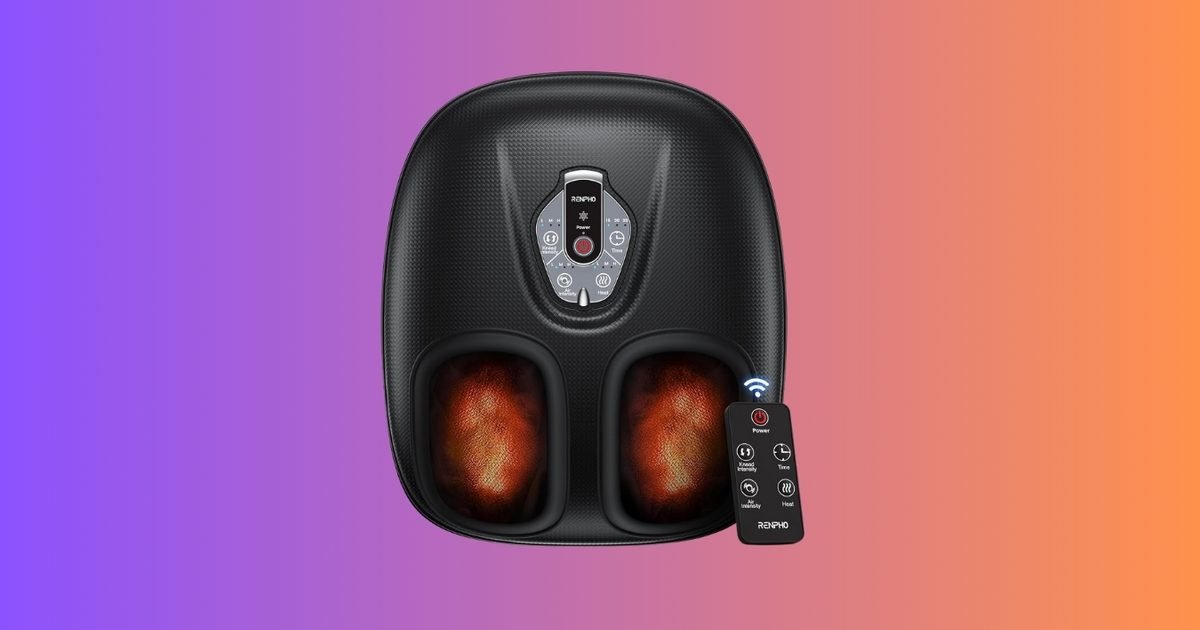
    Valentine’s Day gifts get tricky when you want something that feels thoughtful but also genuinely useful. That’s why a foot massager can be a sleeper hit. It’s comfort, stress relief, and “I noticed you’ve been tired lately” wrapped into one box. Right now, the RENPHO Foot Massager Machine with Heat is $79.99, down from $149.97 for 47% off. If you’re shopping for someone who’s on their feet all day or simply loves at-home comfort upgrades, this is one of those deals that makes the gift feel smarter than the price tag.

    What you’re getting

    This is a shiatsu-style foot massager with heat, designed to deliver that kneading, pressure-based sensation people associate with a real massage. It’s positioned for common soreness issues like plantar fasciitis and general foot fatigue, and it comes with cordless control so it’s easy to adjust settings without fumbling around mid-session.

    Why it’s worth it

    The best gifts are the ones that become part of someone’s routine. This is ideal for the person who finishes a long shift, gets home, and wants ten minutes of peace. It’s also a solid pick for anyone who works out regularly, travels often, or just carries a lot of daily stress in their body.

    At $79.99, this is a great value buy because you’re getting the heated massage feature at a price that usually sits closer to “basic” massage gadgets. If you want to make it feel extra intentional, pair it with a simple add-on like cozy socks or a note that says, “Use this whenever you need a reset.”

    The bottom line

    If you want a Valentine’s Day present that feels personal, practical, and likely to be used all year, this RENPHO heated foot massager at $79.99 is a great deal. It’s especially well-suited for anyone who’s on their feet a lot or loves easy, at-home relaxation.
  • SpaceX sets new time for Crew-12 launch to ISS — here’s how to watch

    SpaceX sets new time for Crew-12 launch to ISS — here’s how to watch

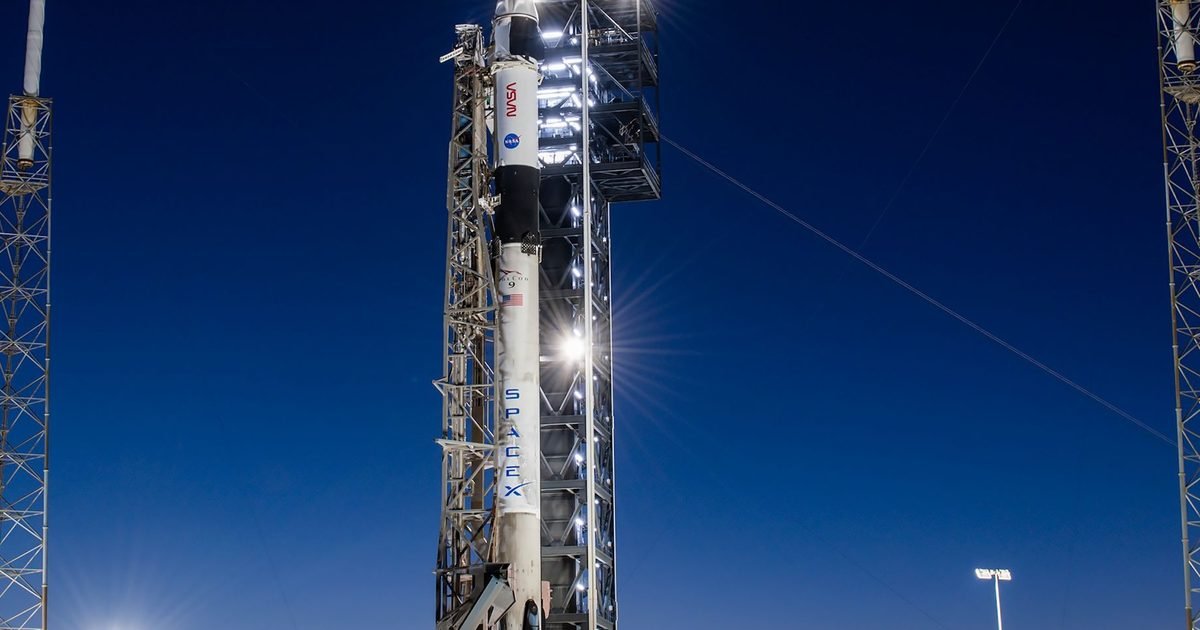
    SpaceX and NASA have delayed the launch of the next crewed flight to the International Space Station (ISS) due to unfavorable weather conditions in the ascent corridor.

    The launch team had been targeting Wednesday, February 11, for liftoff, but is now aiming to get Crew-12 airborne a day later on Thursday. Read on for full details on how to watch NASA’s first astronaut launch since Crew-11 flew to the ISS in August last year.

    The liftoff will take place from Space Launch Complex 40 (SLC-40) at Cape Canaveral Space Force Station in Florida.

    SpaceX’s Falcon 9 rocket will launch NASA astronauts Jessica Meir and Jack Hathaway, ESA (European Space Agency) astronaut Sophie Adenot, and Roscosmos cosmonaut Andrey Fedyaev aboard a Crew Dragon capsule, which previously flew the Crew-4, Ax-2, Ax-3, and Crew-9 missions to and from the space station.

    It will be the second flight for the first-stage booster, which launched a batch of Starlink internet satellites on its maiden flight.

    Around eight minutes after stage separation, the Falcon 9’s first stage will return to Landing Zone 40 (LZ-40) at Cape Canaveral. Bringing home the booster in this way allows SpaceX to reuse its boosters multiple times, helping to reduce spaceflight costs.

    “During their time on the orbiting laboratory, the crew will conduct new research to prepare for human exploration beyond low-Earth orbit and to benefit humanity on Earth,” SpaceX said in a post on its website.

    How to watch

    SpaceX is aiming to launch Crew-12 to orbit at 5:38 a.m. ET on Thursday, February 12.

    A livestream will begin on SpaceX’s website and X account about one hour before liftoff. NASA will show the same stream on its website.

    The broadcast will feature the launch from multiple angles, together with communications between the crew and Mission Control during the early part of the flight. You’ll also get to see the first-stage booster land back at base.

    Of course, it’s possible that a technical issue or inclement weather could disrupt the schedule. We’ll be sure to update here if another delay occurs, or you can check SpaceX’s account on X for the very latest information.

  • Sony leak hypes improved noise cancellation in the upcoming WF-1000XM6 earbuds

    Sony leak hypes improved noise cancellation in the upcoming WF-1000XM6 earbuds

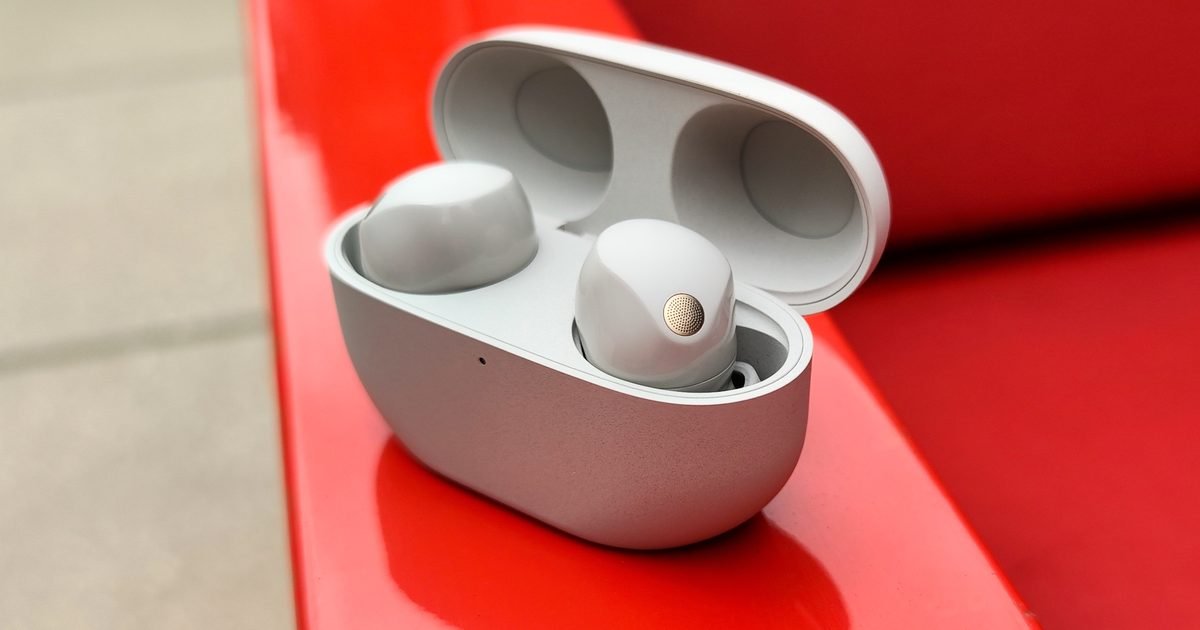
    Ahead of the official launch on February 12, 2026, a French publication has leaked the key features of Sony’s WF-1000XM6 TWS earbuds. Per Dealabs, the device will feature a new QN3e chipset that is three times faster than the one on the XM5s.

    Along with eight adaptive microphones (beamforming + bone conduction), up from six on the outgoing model, the chipset should offer smarter, more responsive, and effective active noise cancellation (ANC).

    A faster brain for better silence

    Further, the model could get an “Adaptive NC Optimizer” feature that adjusts the noise-cancellation intensity based on the user’s environment, optimizing the performance in real time.

    Like the XM5s, the XM6 will offer three core listening modes: Noise Cancelling, Ambient Sound Mode, and regular (with no cancellation or passthrough). Moreover, expect the earbuds to offer noticeably better noise cancellation, perhaps enough to be on par with the AirPods Pro 3.

    The report also mentions a “new speaker” or audio driver that should deliver richer audio than the 8.4mm Dynamic Driver X on the XM5s. Sony could also equip the device with an upgraded Digital-to-Analog Converter (DAC) and an enhanced amplifier.

    Sound upgrades beyond ANC

    On the software side, the flagship earbuds could get DSEE Ultimate support, a more advanced upscaling technology than DSEE Extreme on the XM5s. It can improve both the sample rate frequency and the bit depth of compressed audio files.

    Additional features may include adaptive sound control, Quick Attention mode, background music effect, and Speak to Chat. The device should also support LE Audio and Auracast.

    You could also get Spatial Audio with Head Tracking, new audio modes, Bluetooth v5.3 (with multi-point connectivity), support for Hi-Res Wireless (LDAC) codec, and a 10-band equalizer within the Headphones Connect app to customize the sound.

    Sony WF-1000XM6 to demand $80 over the AirPods Pro 3

    Regarding battery life, the Sony WF-1000XM6 should last up to eight hours on a single charge (likely with ANC) and up to 24 hours with the charging case (which supports fast and wireless charging).

    Post their launch on February 12, 2026, the Sony WF-1000XM6 are expected to be available in the United States for $329.99, in Black and Silver finishes (commanding a more premium price tag than the AirPods Pro 3).

  • Toyota just introduced its own robotaxi to tackle Tesla and Waymo

    Toyota just introduced its own robotaxi to tackle Tesla and Waymo

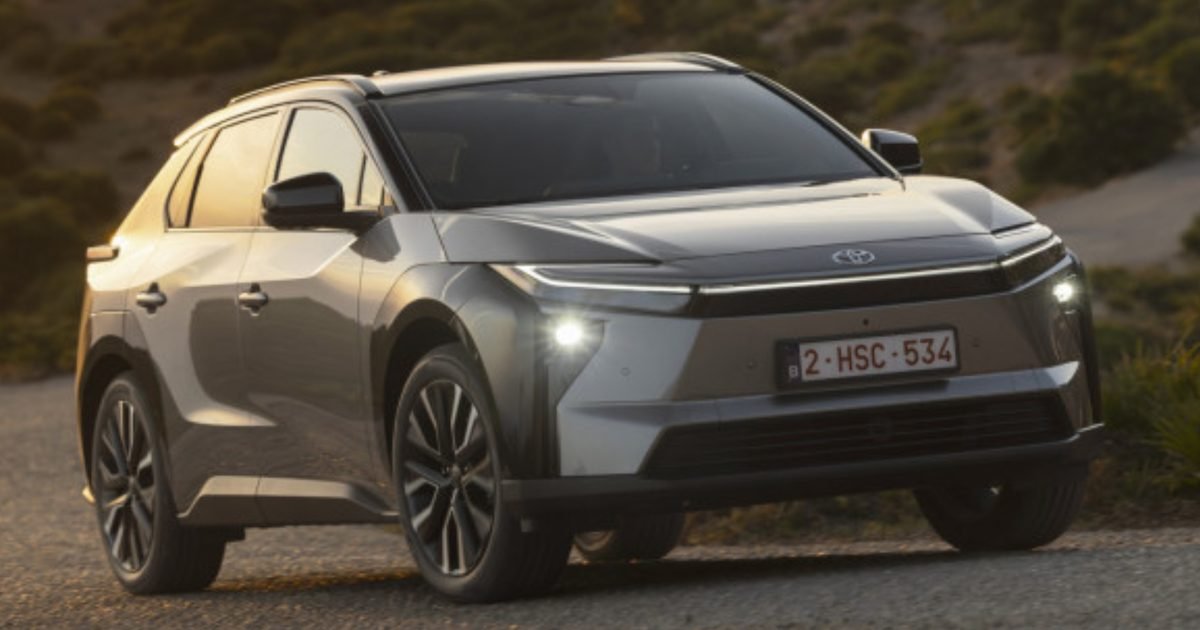
    Toyota, along with the Chinese autonomous-driving firm Pony.ai, has announced that its first mass-produced robotaxi, based on the Toyota bZ4X, has rolled off the production line.

    The project is a joint venture between Toyota Motor China, GAC Toyota, and Pony.ai, with themanufacturing handled by the latter two. Unlike prototypes that live their life on press stages, the robotaxis are headed for real-world service.

    From prototype to production

    The companies, as mentioned in the official press release, plan to build more than 1,000 Toyota bZ4X robotaxis this year, with gradual commercial deployment across China’s tier-one cities.

    At the heart of the robotaxis is Pony.ai’s latest, seventh-generation autonomous driving system, which cuts the bill of materials for the self-driving kit by 70% (compared to the previous generation), while using 100% automotive-grade hardware. With this, the firm expects its total robotaxi fleet to exceed 3,000 vehicles by the end of 2026.

    Inside, the Toyota bZ4X-based Pony.ai robotaxis offer features that should feel familiar to anyone who has used a modern ride-hailing app: Bluetooth-based automatic unlocking, voice interaction, online music, pre-trip climate control, and smoother braking and acceleration for enhanced comfort and reduced motion sickness.

    Scaling fast, the Toyota way

    The robotaix are built using the Toyota Production System and adhere to Toyota’s “QDR” principles, which stand for “Quality, Durability, and Reliability.” While Tesla and Waymo often grab attention with cutting-edge software, Toyota is leaning into scale, cost control, and manufacturing discipline.

    “Together, these efforts demonstrate a clear pathway for autonomous driving technology to progress from limited-scale validation to large-scale mass production.”

    Right now, the U.S. robotaxi landscape looks like a race where some runners already have a head start. Waymo, for instance, is doing extremely well in commercial deployment, operating around 2,500 fully autonomous robotaxis in multiple U.S. cities. Tesla is scaling its service out of Austin with a controlled, well-equipped fleet.

    However, given that Toyota’s robotaxis are currently available only in China, they’re competing with local players like Baidu’s Apollo Go, WeRide, and AutoX.

  • YouTube TV’s new bundles are here to help you lower your streaming bill

    YouTube TV’s new bundles are here to help you lower your streaming bill

    YouTube TV announced plans to introduce new genre-specific bundles last year to give users the flexibility to pick and pay for the content they actually want to watch. Four of these bundles are now live in the US, with the platform planning to roll out over ten bundles across Sports, News, Entertainment, and Family content in the coming weeks.

    YouTube TV announced the rollout in a recent blog post, highlighting the content included in the introductory bundles and their pricing. The base Sports plan, priced at $64.99/month, will give subscribers access to all major broadcasters, alongside sports networks like FS1, NBC Sports Network, and all of ESPN networks. Subscribers ill also gain access to ESPN Unlimited this fall.

    The Sports + News plan includes everything from the Sports plan, along with national news networks such as CNBC, Fox News, MSNBC, CNN, CSPAN, Bloomberg, and Fox Business. It’s priced at $71.99/month. The Entertainment plan, which is the most affordable of the four, costs $54.99/month and includes all major broadcasters and content, “ranging from FX dramas to Hallmark classics, with channels such as Comedy Central, Bravo, Paramount, Food Network, HGTV, and many more.”

    Finally, the News + Entertainment + Family plan, priced at $69.99/month, combines news and entertainment channels with family content like Disney Channel, Nickelodeon, National Geographic, Cartoon Network, PBS Kids and more.

    YouTube TV bundles offer big savings, especially for new subscribers

    All four bundles is priced lower than the main YouTube TV plan, the platform’s most comprehensive offering with over 100 networks across genres. For those who haven’t previously subscribed to YouTube TV, the bundles are available at a discount.

    The Sports plan is available for $54.99 per month for the first year, while the Sports + News, Entertainment, and News + Entertainment + Family plans are priced at $56.99, $44.99, and $59.99/month, respectively, for the first three months.

  • Want full Discord perks? Prepare to prove you’re an adult

    Want full Discord perks? Prepare to prove you’re an adult

    If you’re used to hopping between gaming servers, sharing memes, or catching up with friends on Discord, be ready for a small twist in how the platform works. Starting March 2026, Discord will introduce a global age verification system that automatically places every user into a “teen-appropriate experience” until they prove they’re an adult. To fully unlock age-restricted content and certain features, users will need to verify their age via face-based AI estimation or a government-issued ID.

    According to Discord’s official announcement, this change is part of a broader safety push to control access to adult or graphic material and comply with international safety expectations. But before you panic that Discord is turning into a DMV, it’s worth noting what changes and what stays the same, if you don’t verify right away.

    What works and what doesn’t without age verification

    Under Discord’s upcoming teen-by-default setup, everyday features won’t suddenly vanish. Users can still send messages, chat in most regular servers and DMs, hop into voice calls with friends, and hang out in their usual gaming communities just like before.

    However, anything marked as adult or age-restricted will stay locked behind a verification wall. That includes access to certain servers and channels, speaking privileges in Stage channels, and viewing unfiltered or sensitive content, which will remain blurred by default. Some message request controls and notification customizations may also stay limited until age verification is completed, meaning full access only unlocks once you confirm you’re old enough.

    Discord knows this move isn’t going to earn universal applause. Any time an app asks for a face scan or ID, a few users are bound to hit the exit button instead. Still, the company says the bigger picture is safety first, aiming to set a more secure, teen-friendly default for everyone rather than letting the wild west stay wild.

    The good news is your everyday Discord life isn’t getting kicked from the party. DMs, regular servers, and voice chats with the squad will keep humming along. But if you want the full, no-filters version of Discord, complete with adult servers, spicy memes, and every corner of your late-night gaming hangouts, you’ll have to show you’re old enough to enter. Think of it less like a ban and more like a digital bouncer asking for ID at the door.

  • Ferrari’s first electric car is Luce, rocking interiors by ex-Apple designer Jony Ive

    Ferrari’s first electric car is Luce, rocking interiors by ex-Apple designer Jony Ive

    Ferrari is finally shifting gears and heading into the electric car era. Naturally, the company must do so in style, right? Well, today, Ferrari announced Luce, its first electric car, and also gave us a glimpse of its interiors. And guess who helped with the design process? Ferrari partnered with LoveFrom, a design firm started by Apple legend Sir Jony Ive. 

    The “Apple touch” is visible

    Ferrari says both firms worked for five years to design the car, and the results look stunning. Ive’s touch also reflects his work at Apple, bringing clean metallic looks, rounded corners, and a seamless fusion of glass and other luxurious materials in the cabin. What’s notable is the focus on analog inputs, instead of going with an all-digital cockpit, a principle that has been embraced by Mercedes-Benz and BMW. 

    The steering wheel is inspired by the wooden three-spoke Nardi wheel from the 1960s, and its recycled aluminum material was developed specifically for the Luce. The button placement is inspired by Formula One cars, while the start key features an e-ink display that lights up in tandem with the central console and binnacle.

    The Ferrari Luce is also the first car from the brand to feature an instrument cluster mounted on the steering column, and it features a one-of-a-kind dual OLED display with three cutouts. The control panel, notably, is mounted on a ball-and-socket joint, while the instrument cluster graphics draw inspiration from helicopters and airplanes. 

    Raw, tactile, and visceral

    Ferrari also paid special attention to the shifter, which is made out of special Corning Fusion5 Glass with laser-etched microholes to create the backlit graphics. There are plenty of buttons, dials, toggles and switches in the cockpit, and the overall design is calmly minimalist, unlike other hypercars that either go too deep with digital controls or embrace over-the-top aggressive styling.

    The key, in particular, looks like a miniature iPhone or iPod, with its metallic sides and polished finish. Ive’s touch is clearly visible on the car’s interior. The Luce, which was initially supposed to debut as the Ferrari Elettrica, will be introduced later this year. It’s also somewhat of a bittersweet chapter for Ive, who was involved with Apple’s cancelled electric car project. Notably, Ferrari’s announcement comes at a time when rumors are swirling that Porsche has cancelled two of its high-profile electric sports cars.

  • A Chinese EV giant could be testing superchargers with an absurd output

    A Chinese EV giant could be testing superchargers with an absurd output

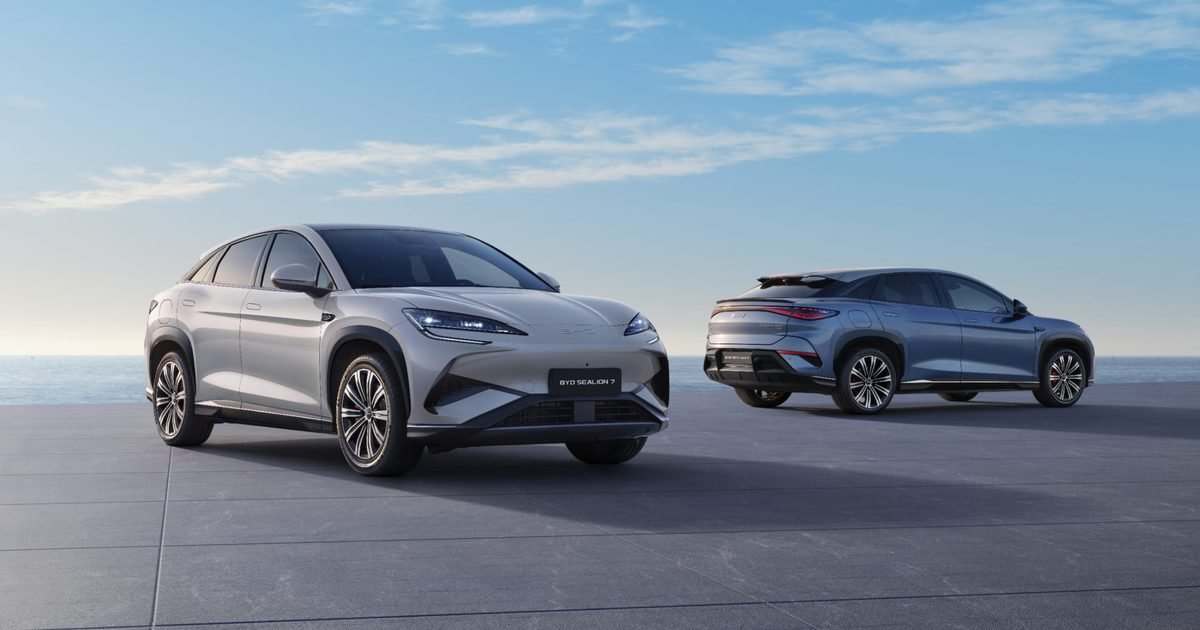
    If you told an EV owner five years ago that a mainstream automaker might be testing 2,100 kW charging, they probably would have laughed at you. However, that is exactly what leaked documents tied to BYD appear to suggest.

    A new report from Car News China, citing social media posts and screenshots of regulatory filings circulating on Chinese social media platforms, suggests that BYD is experimenting with super-fast charging technology capable of reaching a maximum input power of up to 2,100 kW (2.1 MW).

    What 2.1 megawatts could really deliver

    Even though the system might not deliver a direct 2,100 kW, it could still provide a major upgrade over BYD’s Flash Charge network, which delivers 1,000 kW of peak charging power, enough to provide 400 kilometers of cruising range in around 300 seconds, or 5 minutes.

    If the leaked figure is even close to reality, a charger with 2,100 kW input could theoretically output between 1,800 kW and 2,000 kW (I’ve accounted for conversion losses and auxiliary systems).

    However, leaks from the previous week suggest reference individual output channels between 1,200 kW and 1,500 kW.

    Compatible EV owners should be able to get 400 kilometers of range in about 200 to 250 seconds, or around three to four minutes. Although I’ve oversimplified the numbers for your understanding, a 2,100 kW charging input could, in a very real way, bring a charging station break feel like a gas stop.

    Much faster than Tesla’s quickest public charging

    It’s worth mentioning that BYD’s 1,000 kW charging (though not as widely available) is about twice as fast as Tesla’s 500 kW charging available for the Cybertruck via V4 Superchargers.

    A multi-megawatt passenger-car charging system could certainly shift how automakers and EV owners think about charging and plan their infrastructure or road trips.

    However, it also raises concerns about grid capacity, on-site energy storage, and the electrical architecture that BYD’s EVs would need to support charging speed. Also, remember that the Chinese automaker is yet to announce the charging standard or confirm the specifications, so take them with a pinch of salt.

  • Your next AirPods might get tiny cameras to sense the world

    Your next AirPods might get tiny cameras to sense the world

    Apple’s next pair of premium earbuds could gain a feature that sounds more sci-fi than audio: cameras. A new leak, shared by well-known leaker Kosutami Ito, suggests that the upcoming AirPods Pro may include tiny built-in cameras or visual sensors designed to understand your surroundings better. Surprisingly, they might not cost any more than today’s model.

    Next AirPods Pro can see around you. At same price avail.

    — Kosutami (@Kosutami_Ito) February 8, 2026

    According to the leak, it appears that Apple is developing a version of AirPods that can “see around you,” thereby opening the door to more advanced AI features and tighter integration with spatial computing. Just to be clear, though, these would be infrared (IR) sensors, not standard cameras, meaning they wouldn’t capture photos or video. Instead, they’d function more like the depth and tracking sensors found in Apple Vision Pro, feeding spatial and environmental data into Apple’s AI systems.

    What the cameras could actually do

    In practice, these cameras could let AirPods better understand your surroundings, which would help in adjusting audio based on where you are, improving gesture detection, enhancing head tracking for spatial audio, or supporting accessibility and navigation features. It also fits into Apple’s bigger push toward spatial computing and on-device intelligence. By giving wearables a kind of environmental awareness, AirPods could feel less like simple audio accessories and more like smart companions that react automatically to what’s happening around you, cutting down on taps and voice commands.

    The bigger surprise, however, is pricing. According to the leak, Apple isn’t expected to raise prices despite the added hardware. That’s notable at a time when most upgrades usually come with a premium, and it suggests Apple may treat these sensors as a core feature rather than a luxury extra.

    Of course, none of this is official yet. Apple hasn’t confirmed any camera- or sensor-equipped earbuds. But if the rumors hold, the next AirPods might do more than just play music. Instead, they could quietly sense the world around them and make smarter decisions in the background.

  • Your next Xbox might not even be made by Microsoft

    Your next Xbox might not even be made by Microsoft

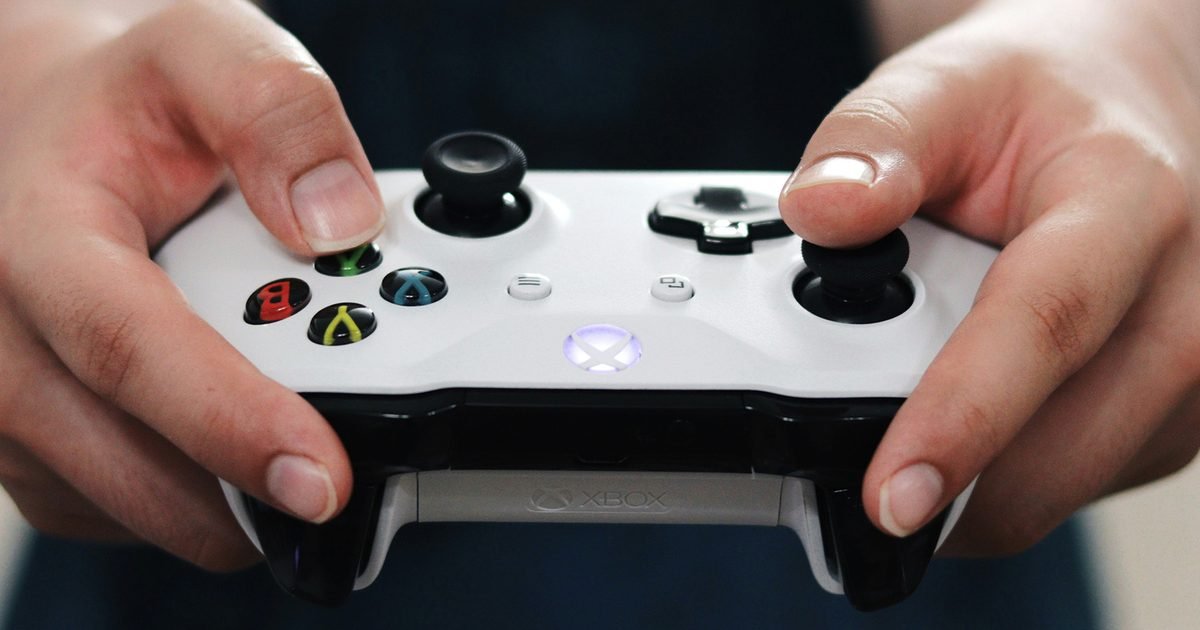
    The next generation of Xbox may not be just one console sitting under your TV. According to reports from Windows Central, Microsoft has locked in plans for a 2027 next-gen Xbox, but the bigger shift could be how it’s built and who builds it.

    Instead of a single, fixed design, Microsoft is reportedly exploring a PC-style approach, where traditional partners (like ASUS and Lenovo) could release their own Xbox-branded hardware. Think of it as offerings in different sizes, power levels, and prices. One model might be compact or handheld, another a high-end performance beast, while Microsoft sets the platform rules and software layer. In other words, Xbox may start to look less like one console and more like an ecosystem.

    Windows 11 at its core?

    Previous reports suggest Microsoft wants future Xbox devices to lean heavily on Windows 11, making it easier to share storefronts, libraries, and development tools across consoles, handhelds, and PCs. We’ve already seen an early preview of this thinking with the ROG Xbox Ally, a handheld built in partnership with ASUS. It runs Windows 11 but boots into the Full-screen Xbox experience first, only transforming into a full desktop when manually triggered. However, that also means it carries some PC quirks, from clunky navigation to performance overhead. Microsoft is reportedly learning from those rough edges, working toward a cleaner, controller-first experience that feels more console-like before the 2027 hardware arrives.

    There’s also the pricing reality. Thanks to rising memory costs and AI-driven supply crunches, the next-gen Xbox may not come cheap, with estimates suggesting premium models could edge toward $800 or even $1,000. That sounds steep, but Microsoft’s multi-device strategy could soften the blow, with cheaper partner options sitting alongside premium models.

    The silver lining is longevity. If new hardware gets pricier and more PC-like, today’s Xbox Series X and Series S aren’t likely to be dropped anytime soon. One can expect longer support cycles and developers continuing to ship games for current-gen systems rather than forcing everyone to upgrade immediately. Long story short, the next Xbox era may not be about replacing your console overnight. Instead, it may be about choice: pick the power, price, and shape that fits your setup, and keep playing either way.