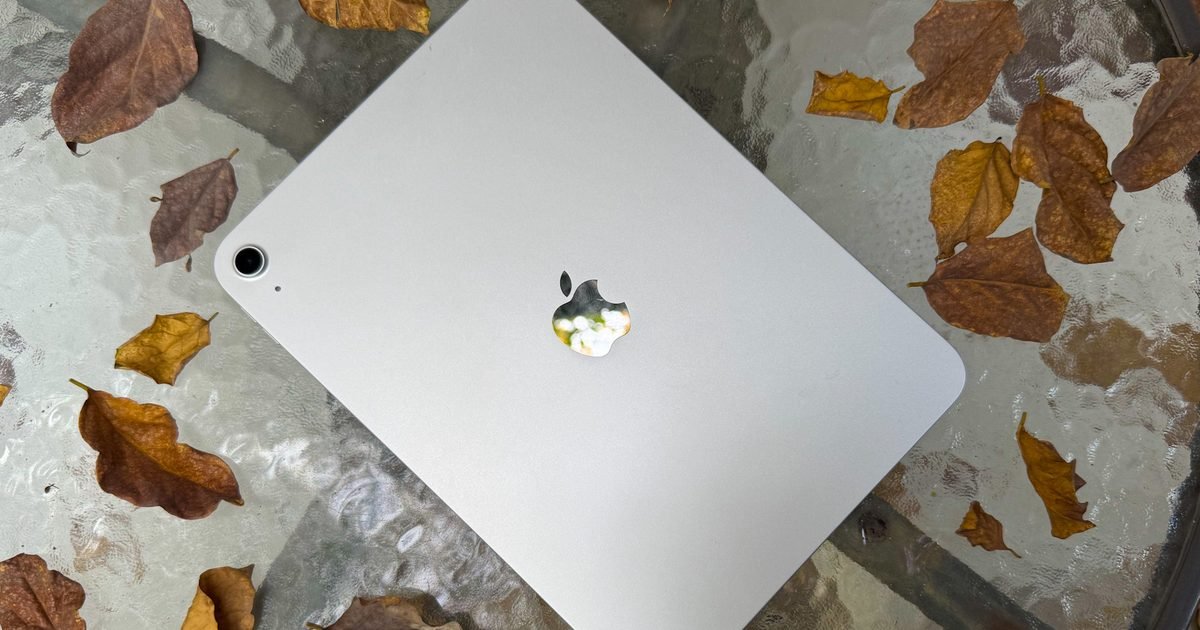
Apple is preparing its first wave of products for 2026, and a refreshed entry-level iPad is expected to be among the first devices out of the gate. According to a recent report, the new model may finally gain Apple Intelligence support, marking a notable step up from its predecessor.
In the latest edition of the Power On newsletter, Bloomberg’s Mark Gurman reports that Apple will soon launch an upgraded entry-level iPad alongside refreshed iPad Air models. While major design changes are unlikely, Gurman says the new tablets will be powered by faster processors.
The entry-level iPad is expected to receive Apple’s A18 chip, while the iPad Air could be upgraded to the M4. For the base iPad, the new processor would enable Apple Intelligence support for the first time, which Gurman notes is set to be a key part of the product’s marketing push.
The entry-level iPad may also get a RAM upgrade
Details about the chip upgrade for the entry-level iPad align with a previous leak that also suggested Apple will increase RAM. While last year’s model shipped with an A16 chip and 6GB of RAM, the 2026 refresh is expected to feature the A18 processor paired with 8GB of RAM.
For now, there’s no word on exactly when Apple will announce the new iPads. However, based on last year’s launch timeline, the company may unveil the next-generation tablets in early March. More details are expected to surface in the days leading up to the announcement, including pricing, availability, and whether Apple has any additional changes planned beyond the internal upgrades.
Alongside the new iPads, Apple is also expected to unveil the iPhone 17e and refreshed MacBook Pro models with the M5 chip in the coming weeks.
Colombo: Tournament co-hosts Sri Lanka produced a clinical, all-round performance to begin their campaign in the T20 World Cup with a 20-run victory over Ireland here on Sunday, February 8.
Asked to bat first, Kamindu Mendis’ scintillating 19-ball 44 and Kusal Mendis’ unbeaten half-century lifted Sri Lanka to 163 for six after a slow start.
Sri Lanka were also helped by a few dropped catches by the Irish fielders in the floodlit R Premadasa Stadium.
In reply, Ireland were all out for 143 in 19.5 overs.
Ross Adair struck 34 off 23 balls, while Harry Tector made 40 off 34 deliveries.
Maheesh Theekshana (3/23 in 4 overs) and Wanindu Hasaranga (3/25 in 4 overs) were excellent with the ball, playing vital roles in the Sri Lankan victory.
Ireland’s Matthew Humphreys bowled out by Sri Lanka’s Matheesha Pathirana during the T20 World Cup cricket match between Sri Lanka and Ireland in Colombo, Sri Lanka, Sunday, Feb. 8, 2026. (AP/PTI) Sri Lanka’s Kusal Mendis plays a shot during the T20 World Cup cricket match between Sri Lanka and Ireland in Colombo, Sri Lanka, Sunday, Feb. 8, 2026. AP/PTI
In the chase, Ireland lost skipper Paul Stirling (6) in the fourth over with just 24 runs on the board, but Ross Adair looked in good touch and was dealing in boundaries to quickly move to 29 off 16 balls as his team reached 45 for one at the end of power play.
Stirling was dropped by Kusal Mendis on 1, but he could not capitalise on the life offered to him and was bowled by a fine yorker from Maheesh Theekshana.
Sri Lanka got the big wicket of Adair when Wanindu Hasaranga bowled him with an excellent googly, the experienced leg-spinner striking in his first over.
Harry Tector continued to hold the Ireland innings thereafter as they reached 72 for two at the halfway stage, needing another 92 runs in 60 balls.
However, Hasaranga struck again as Tector was dismissed in the 16th over.
Ireland’s innings fell apart after that as they lost quick wickets to get bowled out.
Earlier, wicketkeeper Kusal made 56 off 43 balls with the help of five boundaries and added 67 runs for the fifth wicket with Kamindu, who smashed four fours and two sixes, to lift Sri Lanka after they were struggling at 86 for four in the 14th over.
Ireland opted to field first, and the decision seemed to have paid off initially as they picked up Sri Lanka opener Kamil Mishara (14) while limiting them to 28 runs in the first four overs.
Mishara, who was dropped once, could not make use of the reprieve as Mark Adair removed him with a well-disguised slower delivery which the batter hit straight to mid-off.
Mishara looked solid during his brief 11-ball knock, and so did his opening partner Pathum Nissanka, who perished after making a 23-ball 24, both batters throwing away their wickets after getting starts, leaving the partisan home crowd disappointed.
Nissanka, one of the team’s premier batters, raised hopes of a big knock when he clobbered left-arm spinner Matthew Humphreys over deep square for a massive six.
Kusal Mendis collected three fours against Barry McCarthy (2/40 in 3 overs) in the sixth over to help Sri Lanka reach an impressive 50 for one at the end of power play.
Those boundaries prompted Ireland skipper Paul Stirling to introduce the experienced left-arm spinner George Dockrell (2/17 in 4 overs) into the attack, and the seasoned man conceded only four runs in his first over.
The move to make Dockrell bowl in that phase of the innings was a good one considering Nissanka’s prolonged struggles against spin. It brought the desired result quickly too, as Dockrell foxed Nissanka with a slower one, forcing the batter to play a shot towards cover for Stirling to pull off a sharp catch.
Mendis, meanwhile, was struggling to force the pace but hung on, even as Dockrell struck for the second time by bowling out Pavan Rathnayake, who attempted the ramp shot to a delivery that was not meant for it. The shot selection was horrendous there as Sri Lanka slumped to 68 for three at the start of the 11th over.
Dockrell looked in total command as spinners dominated the Sri Lankan batters.
Bowling his leg-spinners, Gareth Delany (1/24 in 4 overs) had Dunith Wellalage out caught as the batter skied a tossed-up delivery outside off to the long-on fielder, leaving Sri Lanka in deep trouble.
However, Kamindu and Kusal lifted the islanders with their partnership while playing attacking cricket.
Get the latest updates in Hyderabad City News, Technology, Entertainment, Sports, Politics and Top Stories on WhatsApp & Telegram by subscribing to our channels. You can also download our app for Android and iOS.
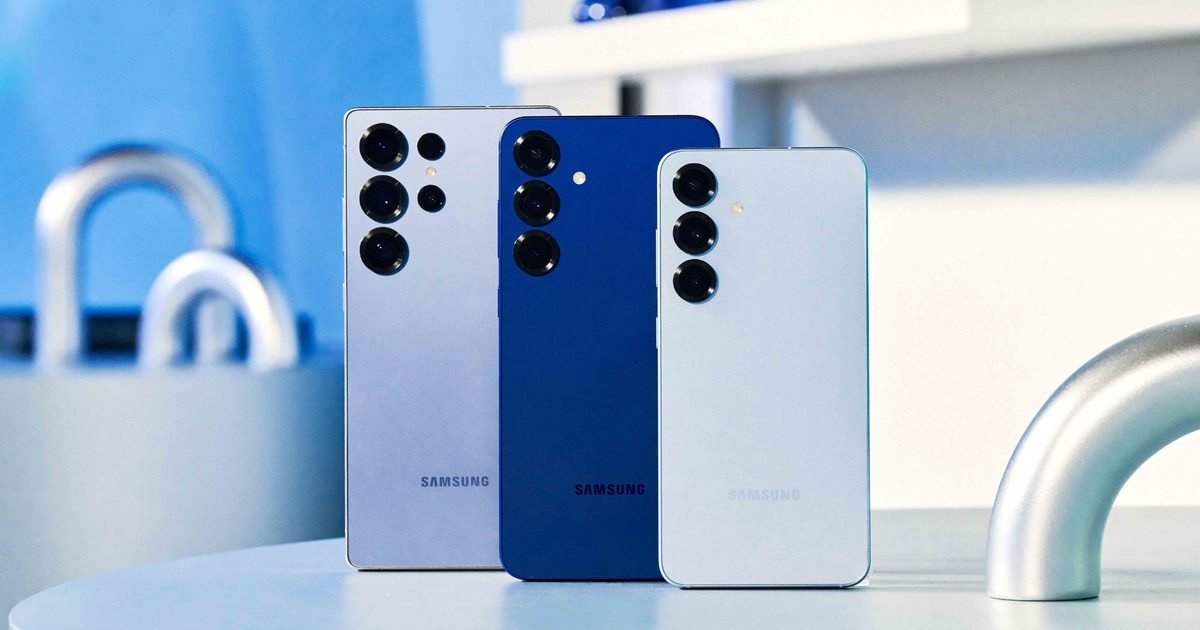
Samsung’s next-gen Galaxy S26 series smartphones are expected to break cover at the first Galaxy Unpacked event of the year by the end of February 2026. Despite early rumors about a rejigged lineup with new names for the existing models, Samsung seems to have settled on the familiar naming scheme.
We’re expecting three models in the lineup — Galaxy S26, Galaxy S26 Plus, Galaxy S26 Ultra — featuring One UI 8.5 based on Android 16. Besides the flagships, the Korean giant could also release two wireless earbuds: the Galaxy Buds 4 and the Buds 4 Pro. There’s plenty of ground to cover, so let’s dive right in.
Release Date And Price
Nirave Gondhia / Digital Trends
Samsung’s first 2026 Galaxy Unpacked event is rumored to take place on February 25, 2026, in San Francisco. Expect the event to be livestreamed on the company’s official website and YouTube channel, and for the corresponding press releases to appear on Samsung Newsroom.
Following the announcement, the handsets should be available to purchase (globally) by the second week of March. If you were planning to pre-order a brand-new Galaxy S26, you might not get many benefits this year, as the company is striving to keep retail prices under control amid the ongoing memory crisis.
I believe Samsung could use this opportunity to increase its market share by keeping the pricing under control. One of the most recent leaks suggests the brand won’t raise prices for the Galaxy S26 and Galaxy S26 Plus variants. In fact, the source claims that the Galaxy S26 Ultra could be €100 ($118) cheaper for the 256GB and 512GB variants.
However, we may not get a free storage bump either, because the company is already operating on slim margins.
Samsung Galaxy S26 Series: Latest News
Prakhar Khanna / Digital Trends
We haven’t seen any official Galaxy Unpacked announcements or press releases with details, but the company has released three official teasers for its upcoming flagship lineup.
Teasers on Samsung’s official YouTube channel indicate significant improvements in the phones’ low-light videography and photography, better zoom capabilities, and the integration of AI in the purported smartphones.
Another new feature, “Privacy Display,” is also official. It prevents people in public places from viewing your phone’s screen from an angle, especially when you’re entering sensitive information such as passwords.
Given that Samsung has already announced the Exynos 2600 chipset (based on 2nm manufacturing technology), I wouldn’t be surprised if the company uses it on the S26 and S26 Plus, at least in select regions, including South Korea, Europe, and Asia, while American buyers could get a Snapdragon 8 Elite Gen 5-based unit.
Another strong rumor about the smartphone is that it won’t support native Qi2 wireless charging. Samsung will continue selling magnetic charging cases that let you use the handset with Qi2 accessories like a wireless power bank.
The series should get a new EdgeFusion AI image generator that generates images locally in under one second.
Samsung Galaxy S26 and Galaxy S26 Plus
Nieuwemobiel
The renders of the Galaxy S26 and S26 Plus are already out (via Android Headlines), suggesting a subtle change in the design, primarily on the back panel. Instead of individual floating lenses, we’ll most certainly get a unified camera island that houses the three backward-facing cameras.
There could be slight changes in the device’s dimensions as well. Instead of 146.9 x 70.5 x 7.2 mm, the Galaxy S26 could measure 149.6 x 71.7 x 7.2 mm, making it a tad taller and wider. Instead of 162 grams, the purported smartphone could weigh 137 grams, which would make it one of the lightest phones with a 6.3-inch screen.
The S26 Plus shares its dimensions and weight with the S25 Plus: 158.4 x 75.8 x 7.3 mm and 190 grams. So, no changes there.
Render of the Galaxy S26 in whiteEvan Blass
Regarding materials, Samsung should use the same tried-and-tested Gorilla Glass Victus 2 on the front and back, along with aluminum frames on the sides. The phones, like the others in the series, should carry an official IP68 dust- and water-resistance rating (1 meter for 30 minutes).
The additional length and width on the base Galaxy S26 may make room for a slightly larger 6.3-inch FHD+ Dynamic AMOLED 2x LTPO flat screen that supports 120Hz refresh rate (similar to the baseline iPhone 17), and possibly the same peak brightness as the Galaxy S26 (2,600 nits).
About the Galaxy S26 Plus, it should come with the familiar 6.7-inch QHD+ Dynamic AMOLED 2x LTPO screen with a similar refresh rate and peak brightness.
Prakhar Khanna / Digital Trends
In January, we covered a rumor about the removal of the 128GB variant from the Galaxy S26, implying that the baseline variant will now ship with 256GB of storage (UFS 4.0 or newer). In other words, both the S26 and S26 Plus will be available in 256GB and 512GB storage variants.
Per Ice Universe, the phones should come with 12GB of RAM across all variants, and I’m not expecting any surprises there, given the ongoing memory crisis and its impact on the smartphone industry.
Unfortunately, the Galaxy S26 and S26 Plus might borrow their cameras from the outgoing models. You could get a triple-rear-facing camera setup, with a 50MP (f/1.8) primary camera, 10MP (f/2.4) secondary camera with 3x telephoto zoom, and a 12MP (f/2.2) ultrawide camera. The 12MP (f/2.2) front camera could also remain the same.
Samsung
However, where the Galaxy S26 could offer a significant upgrade is battery life. The handset is rumored to sport a 4,300 mAh battery (vs. 4,000 on the Galaxy S25), which, combined with the increased efficiency of the new chipset, should result in a noticeable improvement in the battery life. The S26 Plus, on the other hand, should sport the same 4,900 mAh battery.
Wired charging speeds might be bumped up to 45W on the base Galaxy S26 and wireless charging to 20W (from 15W on the Galaxy S25). Meanwhile, the S26 Plus should support 45W wired and 20W wireless charging. Connectivity options on the handsets may include 5G (sub-6GHz and mmWave), Wi-Fi 7, Bluetooth v5.4, and ultra-wideband (UWB).
Samsung Galaxy S26 Ultra
Android Headlines
The Galaxy S26 Ultra will also feature a unified camera island for the sensors on the left, but the fourth camera, the time-of-flight sensor, and the LED flash module are to its right. Dimensions of the smartphone appear to be a tad different at 163.6 x 78.1 x 7.9 mm (instead of 162.8 x 77.6 x 8.2 mm), and the weight could also go down by four grams.
The S26 Ultra could feature noticeably more rounded corners than the S25 Ultra. Beyond that, the punch-hole camera, flat frames, and a tall-body design remain unchanged. And so does the presence of the S-Pen inside the phone’s chassis (with color-coded tips).
Andy Boxall / Digital Trends
Despite the increase in the length and width, the phone is rumored to ship with the same 6.9-inch QHD+ Dynamic AMOLED 2x LTPO flat screen (120Hz, 2,600 nits) we’ve seen on the S25 Ultra, which could lead to slightly thicker bezels. It could be me being paranoid, but I see a larger punch-hole camera at the front in the recent renders.
The S26 Ultra, unlike the non-Ultra models, should be based on the Snapdragon 8 Elite Gen 5 SoC in all markets. Besides, it should get up to 12GB of LPDDR5X RAM (in most markets) and 1TB of storage (UFS 4.0 or newer). Samsung could also provide 16GB of RAM in select markets.
The white Galaxy S26 Ultra being a pure white shade is amazing to see
No cream or other tones, just a beautiful pure white color
Although the S26 Ultra might not get a new primary camera, Samsung is rumored to pair the existing 200MP sensor with a bigger aperture (f/1.4 instead of f/1.7), which should result in better low-light pictures. Furthermore, the 3x optical zoom camera could also get a new 12MP sensor.
However, the 50MP (f/3.4) 5x optical zoom camera, the 50MP (f/1.9) ultrawide camera, and the 12MP selfie shooter could remain the same. The battery on the Ultra should remain unchanged at 5,000 mAh, but its wired charging speed should increase from 45W to 60W, while the wireless charging speed could increase to 25W.
Galaxy Buds 4 And Buds 4 Pro
Android HeadlinesAndroid Headlines
Along with the Galaxy S26 series, Samsung should unveil the Galaxy Buds 4 lineup. It could include the regular Buds 4 with an open-ear design (inspired by the AirPods 4), a new charging case with a transparent lid, and active noise cancellation.
The Buds 4 Pro look a lot like the AirPods Pro. They feature silicon ear tips, a dangling stem, a new charging case, and new gesture controls. Naturally, noise cancellation should be better on the Buds 4 Pro.
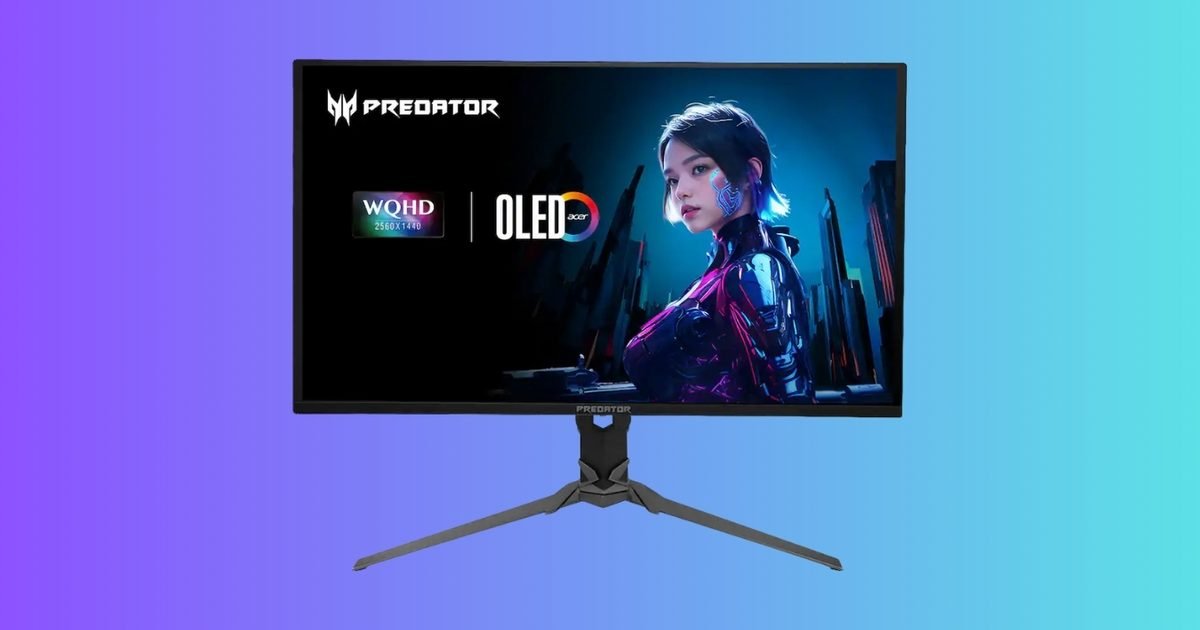
A monitor upgrade is one of the fastest ways to make a PC setup feel new again, especially if you game and do everything else on the same screen. The Acer Predator X27U is down to $399.99, saving you $250 off the $649.99 compared value. For a 27-inch WQHD QD-OLED display with a 280Hz refresh rate and 0.03ms response time, this is a rare mix of “looks incredible” and “feels ridiculously fast” at a price that’s usually reserved for midrange panels.
What you’re getting
This is a 27-inch WQHD (1440p) QD-OLED gaming monitor built for both competitive speed and high-end image quality. The headline specs matter in real use:
280Hz refresh rate for smoother motion and clearer tracking in fast games
0.03ms response time to cut down on blur and smearing
FreeSync Premium Pro support for smoother gameplay without distracting tearing
HDR400 support plus OLED-style contrast that makes dark scenes look genuinely dark
At 27 inches, 1440p also tends to be a great “sweet spot” resolution. It’s sharp enough to look premium, but not so demanding that you need the absolute top-tier GPU to enjoy high frame rates.
Why it’s worth it
QD-OLED is the big deal here. It’s the kind of panel tech that makes colors pop and contrast look dramatic, which you’ll notice immediately in story games, night maps, and anything cinematic. But this monitor doesn’t stop at pretty. The 280Hz refresh rate makes it a legit option for shooters and competitive play, too, where motion clarity can feel like a real advantage.
It’s also a quality-of-life upgrade for non-gaming tasks. Text looks crisp at 1440p, and the extra clarity helps with editing, browsing, and productivity work. If you’re upgrading from an older 1080p display or a standard IPS panel, the experience is night-and-day.
The bottom line
At $399.99, the Acer Predator X27U is a solid bargain if you want a fast 1440p monitor that also delivers OLED-level contrast and a more premium image overall. If you mostly do office work and never game, you can spend less. But if gaming is a core use case and you want a screen that makes everything look and feel better, this discount is worth acting on.
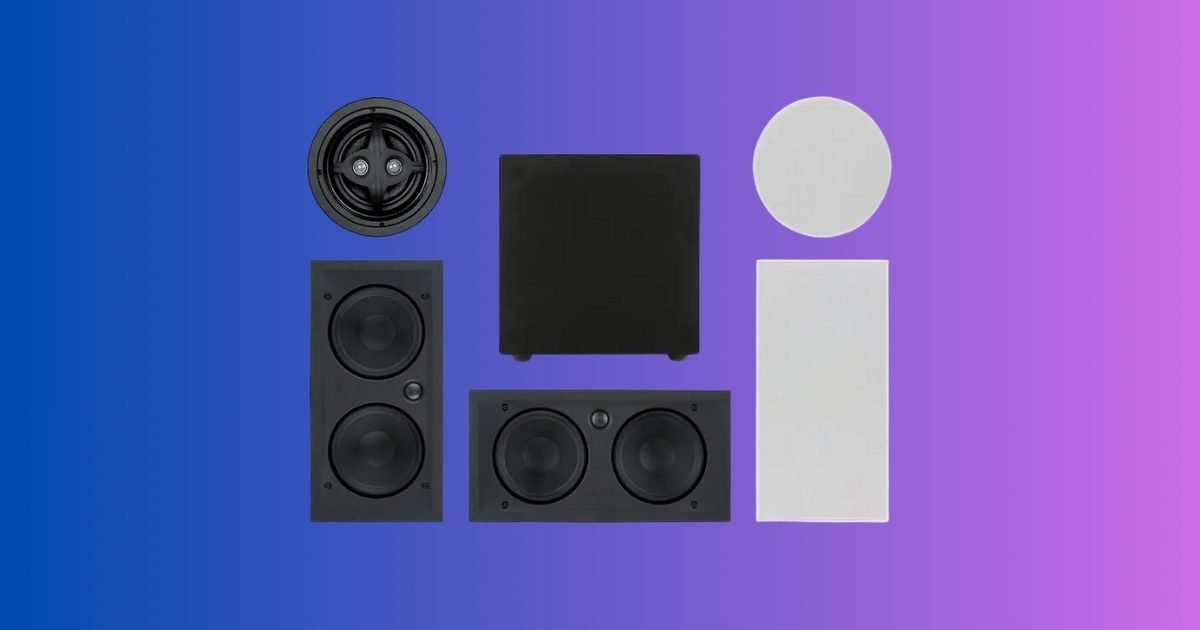
If you’ve ever wanted “real” surround sound but hated the idea of speaker stands, visible wires, or a living room that looks like a gear showroom, an in-wall system is the clean solution. The Sonance MAG5.1 PREMIUM in-wall surround package is $1,499.00, saving $3,000 off the $4,499.00 compared value as a Presidents’ Day deal. That’s a massive discount for a setup that can deliver the kind of immersive movie and sports sound people usually associate with much more complicated systems.
What you’re getting
This is a 5.1-channel in-wall speaker system built around 6.5-inch in-wall speakers plus a wireless subwoofer. The practical win is simple: you get a full surround layout while keeping the speakers integrated into the room. The speakers are also paintable, which helps them blend in once installed.
A wireless subwoofer is a nice touch here because it gives you more flexibility in placement. You can position it where bass performs best, instead of being forced into the one spot a wire can reach.
Why it’s worth it
This deal stands out because it’s a full-package approach. Instead of piecing together speakers one by one, you’re jumping straight to a complete surround setup designed to work together. That matters for home theater, where matching performance across channels helps dialogue, effects, and music feel consistent.
If you host movie nights, watch a lot of sports, or game in a main living space, surround sound is one of the most noticeable upgrades you can make. Crowd noise and stadium ambience feel bigger. Dialogue becomes easier to follow at lower volumes. Explosions and bass-heavy moments get the weight they’re supposed to have, without just turning everything up.
The bottom line
At $1,499, this Sonance MAG5.1 PREMIUM system is a strong value for anyone who wants a clean-looking surround setup with real immersion and a wireless sub to bring the low end. If you rent, move frequently, or do not want to cut into walls, it’s probably not the right fit. But if you’re ready to commit to a home theater experience without cluttering the room, this Presidents’ Day pricing is a rare opportunity.
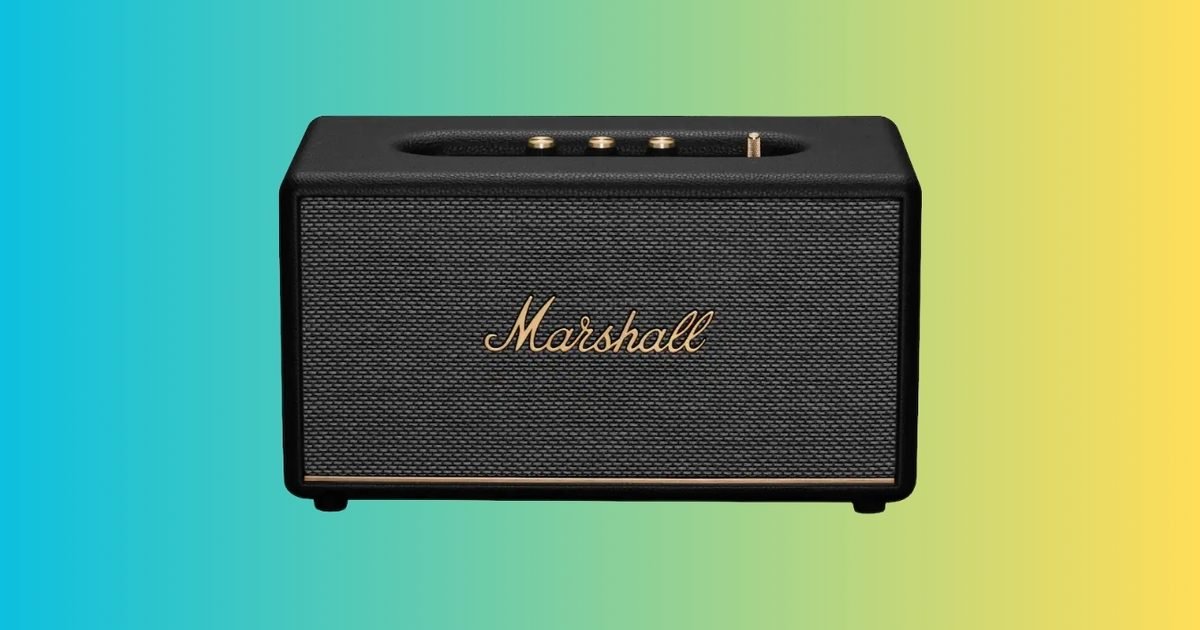
Some speakers disappear into the background. The Marshall Stanmore III does the opposite. It looks like a mini guitar amp, it has actual knobs you’ll want to touch, and it’s built for the kind of “put music on and let it fill the room” listening that cheap Bluetooth speakers never quite nail. Right now it’s a Presidents’ Day deal at $299.00, saving you $100.99 off the $399.99 compared value. If you’ve been wanting one great home speaker instead of a pile of small ones, this is a solid time to do it.
What you’re getting
This is a Bluetooth home speaker with bass, treble, and volume controls on the unit itself, plus 3.5mm auxiliary and RCA inputs for wired sources. That mix is a big part of the appeal because it lets you treat it like a real home audio component, not just a portable speaker you charge and forget.
The physical knobs are more useful than they sound. You can quickly tune the sound for your room or your taste without digging through an app. It’s a very “set the vibe” speaker, whether you’re playing background jazz while you cook or cranking a playlist for friends.
Why it’s worth it
This deal is all about the “single-speaker upgrade.” A strong home speaker changes how you listen. You stop maxing out tiny speakers and start getting fuller sound at lower volumes, which is easier to live with day to day.
The inputs also make it more versatile. Bluetooth is great for convenience, but having aux and RCA means you can plug in a turntable preamp, a TV output, or other gear without making your setup complicated.
At $299, it’s priced in a way that makes the Marshall styling and the more premium home speaker feel easier to justify. It’s not a bargain-bin buy, but it’s a meaningful discount on something you’ll use constantly if you like having music in the background.
The bottom line
At $299, the Marshall Stanmore III is a strong value if you want a home speaker that looks great, sounds room-filling, and gives you real control knobs plus wired input options. If you only need a small portable speaker for occasional use, you can spend less. But if you want one “main speaker” for your space, this Presidents’ Day discount is a good time to grab it.
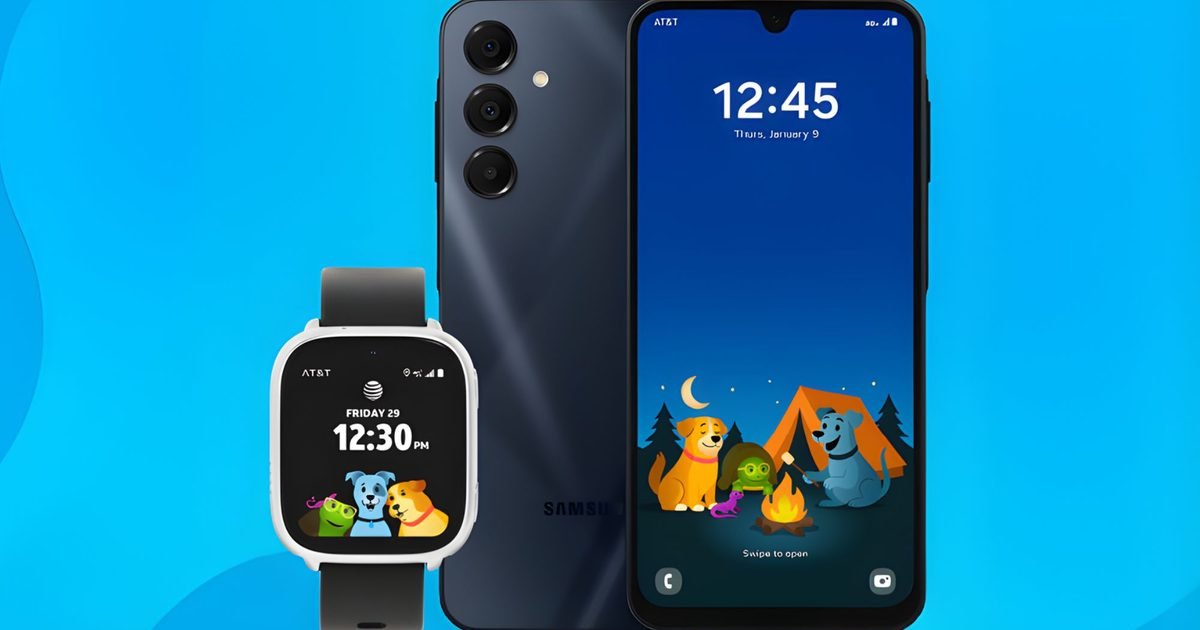
AT&T has announced the Amigo Jr., a new Samsung-manufactured smartphone designed specifically for children as young as six, with an emphasis on safety, simplicity, and controlled communication. The device, unveiled through AT&T’s official press release, marks the company’s latest push into family-oriented tech solutions and arrives at a moment when parents are increasingly anxious about screen time, stranger contact, and unfiltered internet access.
The Amigo Jr. resembles a compact Samsung Android handset but comes heavily modified with a kid-specific interface, curated apps, and strict guardrails. Parents manage everything from an external dashboard – contacts, apps, screen limits, location settings – with no way for kids to disable features or bypass restrictions.
AT&T says the goal is to offer a phone that “lets kids connect safely while giving parents total confidence”
Under the hood, the phone includes 4G LTE connectivity, a simplified home screen, and a curated app store limited to essentials like messaging, photos, learning tools, and parent-approved games. AT&T also includes location tracking with real-time updates, geofence alerts, and emergency call shortcuts. The carrier emphasizes that the Amigo Jr. is not designed to be a fully featured smartphone but a stepping stone between a flip phone and a standard Android device.
AT&T Samsung PhoneAT&T
This launch matters because it arrives at a time when major tech companies are being criticized for failing to protect minors online. With rising concern over social media exposure, cyberbullying, and inappropriate content, carriers are increasingly stepping in with hardware-level solutions instead of simply offering apps or parental control settings. AT&T’s strategy positions the Amigo Jr. as a safer alternative to giving a child an entry-level Android or iPhone and hoping parental controls hold.
For families, the value proposition is clear
A device that keeps children reachable and independent without giving them access to social media, open web browsing, or unfiltered app stores. Parents frustrated with the complexity of managing restrictions on mainstream smartphones may prefer a device engineered from the ground up with safety in mind.
AT&T Samsung PhoneAT&T
The Amigo Jr. will be available starting February 7, sold through AT&T stores and online. Pricing is expected to land in the budget-friendly range, with AT&T offering installment plans and pairing options with existing family lines.
Looking ahead, industry analysts expect more carriers to release controlled smartphones as lawmakers continue pressing tech companies to apply stricter protections for minors. If the Amigo Jr. finds traction, AT&T may expand the lineup beyond a single device and introduce models for older kids or teens with graduated access tiers.
An ambitious new series that leans heavily on artificial intelligence and carries the name of renowned filmmaker Darren Aronofsky is facing a barrage of negative responses from critics and viewers alike. The short-form series On This Day… 1776, produced by Aronofsky’s AI-focused studio Primordial Soup in partnership with Google DeepMind, TIME Studios, and Salesforce, was meant to be a groundbreaking use of generative AI to dramatize moments from the American Revolutionary War. Instead, it has become a flashpoint in the ongoing debate over AI’s role in creative industries.
Released on Time’s YouTube channel late January
The series uses AI image generation tools to produce visuals depicting historical events, while professional voice actors deliver the narration. Despite these pedigree collaborators, the first episodes quickly drew harsh criticism for poor visual quality, uncanny character depictions, and jarring aesthetic glitches that many viewers found distracting and unsettling rather than immersive. Critics described the AI-generated imagery as resembling “AI slop” with uncanny valley effects, distorted text, and an overall lack of cinematic coherence.
YouTube
Reviews from outlets such as The Guardian and The Hollywood Reporter underscored the severity of the backlash. One reviewer called the visuals “ugly as sin,” noting that reliance on AI cores often resulted in awkward shots and lifeless faces that didn’t match the voice performances. Another critic characterized the series as visually grotesque and failing to deliver compelling storytelling through its current technological approach.
The broader reaction on social media echoed these sentiments
Many calling the project embarrassing or disappointing, especially given Aronofsky’s established reputation for visually distinctive films like Black Swan and Requiem for a Dream. Some commenters expressed concern that associating a high-profile director with this kind of AI-first production could legitimize undercooked creative output and lower audiences’ expectations for storytelling quality.
On This Day… 1776YouTube
Industry observers say the series’ reception highlights the gaps between what AI tools can technically generate and what audiences expect from narrative visual media. While hybrid models that combine human artistry with AI assistance are increasingly explored, projects that appear to replace core creative roles with generative algorithms continue to spark controversy. The backlash has also intersected with ongoing discussions about labor protections for actors and the legal and ethical implications of using AI-generated content in entertainment.
Despite the criticism, supporters of AI experimentation argue that early missteps are part of the learning curve in a rapidly evolving field. Future productions may refine workflows and better balance AI’s potential with artistic intent. For now, however, On This Day… 1776 stands as a cautionary example of the challenges facing AI-assisted filmmaking and a reminder that audiences still value human-crafted nuance in storytelling.
Microsoft is preparing one of its most consequential years for Xbox as the platform turns 25, lining up major game releases and platform updates aimed at restoring momentum after a challenging hardware cycle. The company’s internal roadmap centers on four flagship franchises – Forza Horizon 6, Halo: Campaign Evolved, Fable, and Gears of War: E-Day – all targeting 2026 launches and representing a renewed push to unify Xbox’s messaging after years of mixed signals and declining console sales.
Reports indicate Forza Horizon 6 will arrive first on May 19th, with the new Halo reboot tentatively targeting a summer window. Fable and Gears of War: E-Day are slated for the second half of the year, though internal planning includes avoiding overlap with Grand Theft Auto VI, set for November 19th. Alongside the “big four,” Double Fine’s new Kiln game is expected in April, and Bethesda is preparing fresh Starfield content, with long-standing rumors of a PS5 release resurfacing.
A broader year of content, remasters, and long-term platform planning
Beyond first-party tentpoles, Blizzard’s 35th-anniversary roadmap includes new updates for World of Warcraft, Overwatch, Hearthstone, and Diablo, while fans continue to speculate about remasters of Fallout 3 and Fallout: New Vegas. Bethesda is reportedly polishing its Fallout 3 remaster carefully following the positive reception to the surprise Oblivion remaster.
HaloUnsplash
But 2026 isn’t only about games – it’s a reset year for Xbox hardware and software strategy. After Asus’ launch of Xbox-aligned handhelds last year, the new Xbox Ally X will debut AI-powered features like Automatic Super Resolution and AI-generated highlight reels. A redesigned Xbox PC UI is also in development, unifying console, PC, and cloud experiences with smoother animations and a new floating guide.
Industry watchers expect more clarity at GDC
This is where Microsoft traditionally outlines developer tools and long-term platform direction. While no new console will launch in 2026, AMD confirmed that work on the next-gen Xbox – built on a new semi-custom SoC – is progressing toward a 2027 release.
FableYouTube
Microsoft’s aggressive 2026 lineup signals an effort to stabilize the Xbox brand after years of uncertainty, leaning on legacy franchises while reshaping its ecosystem around PC, cloud, and third-party hardware. New next-gen controllers with Wi-Fi cloud connectivity, refreshed Xbox special editions, and early testing for ad-supported free cloud gaming are all designed to grow the platform beyond traditional console boundaries.
By the end of 2026, Xbox fans should have a clearer view of how Microsoft intends to steer the brand through its next quarter-century – and whether this ambitious slate can rekindle trust and enthusiasm across the broader gaming community.
The tech wizards at Boston Dynamics are continuing to refine the physical abilities of its Atlas humanoid robot.
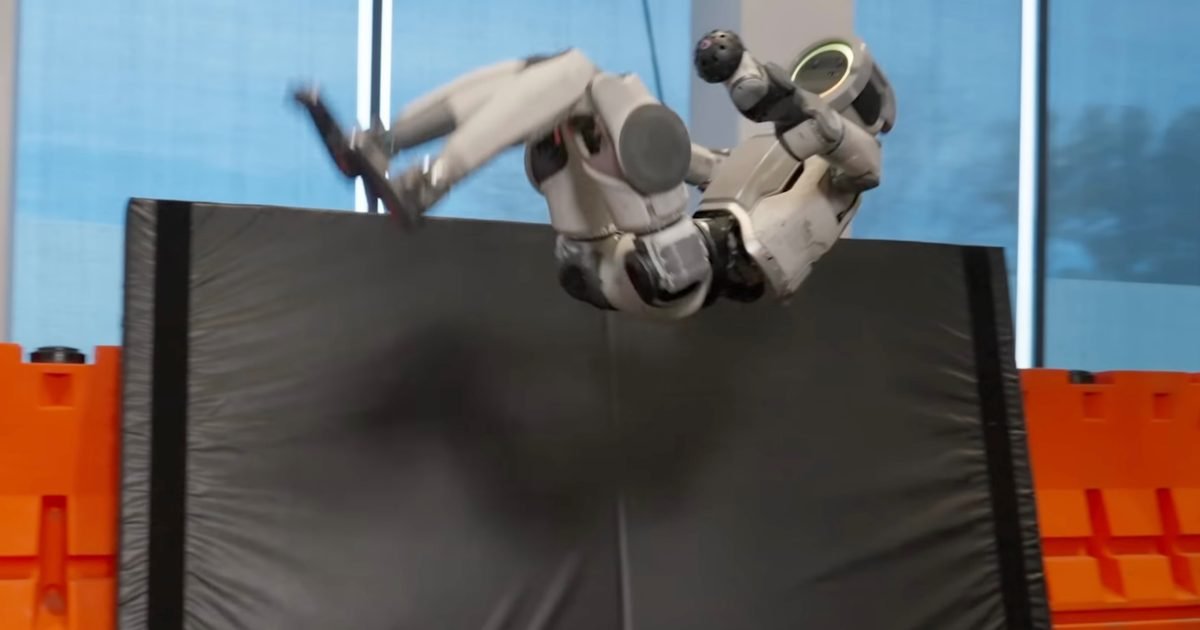
A new video (above) released by the Massachusetts-based company kicks off with Atlas performing a cartwheel followed by a backflip, which it achieves with astonishing precision.
But then, in a series of clips that bring some refreshing transparency to such proceedings, Boston Dynamics shows Atlas failing to complete the same move, finishing up in a crumpled heap on the ground.
It also shows the robot trying to run before it trips and keels over — to much laughter from the team testing it out.
Finally, the video shows the latest version of Atlas, performing various jumps, and running and walking, with absolute ease.
The most remarkable effort, however, comes at the 1:06 mark. While the backflip itself isn’t perfect, it demonstrates the robot’s impressive ability to quickly correct itself when it lands awkwardly, moving in a way that gymnasts might if they made the same kind of landing.
The Boston Dynamics roboticists have been working with experts at the Robotics and AI Institute to perfect the robot’s full-body control and mobility.
The long-term goal is to put Atlas in workplace settings like factories and warehouses, and while gymnastics ability is unlikely to be a job requirement for such positions, this latest video does at least show the robot’s ability to move with excellent balance and coordination, and also responsiveness — traits that will be useful for adapting to complex or changing environments.
A previous Boston Dynamics video showed Atlas deploying AI and machine learning smarts to perform various workplace tasks, including competent handling and sorting of engine covers between containers. No teleoperation was involved, with the robot acting autonomously to complete the tasks.
And just recently, Boston Dynamics revealed that in the coming years, the Atlas humanoid robot will help to assemble vehicles at a U.S. facility operated by Hyundai, its main backer.