Category: Uncategorized

  • Space Coast to light up tonight with ULA’s Vulcan blastoff — how to watch

    Space Coast to light up tonight with ULA’s Vulcan blastoff — how to watch

    As SpaceX and NASA gear up for the Crew-12 launch from Cape Canaveral in Florida early on Friday morning, its colleagues at United Launch Alliance (ULA) are just hours away from sending the Vulcan Centaur rocket skyward on only its fourth flight.

    A two-hour launch window opens at 3:30 a.m. ET (12:30 a.m. PT) on Thursday, February 12, at Cape Canaveral’s Space Launch Complex-41.

    The mission, USSF-87, is for the U.S. Space Force and will deliver spacecraft directly into geosynchronous orbit around 22,000 miles above Earth. While the finer details of the mission are classified, we do know that the two satellites will monitor and track objects in Earth orbit.

    Thursday’s mission will set new performance and endurance records for ULA’s relatively new Vulcan rocket, with the USSF-87 being the heaviest payload yet carried by the vehicle, according to the spaceflight company. The Vulcan booster and the upper-stage Centaur will also be embarking on the rocket’s longest mission to date, lasting nearly 10 hours from liftoff to completion.

    “Countdown operations are continuing smoothly today at Space Launch Complex-41 to ready the Vulcan rocket for liftoff,” ULA said in an update on its website. “System final preps are underway, valve functional tests are complete and Centaur V helium bottles have pressurized. The flame bucket cover will soon be removed by launch pad technicians and chilldown of the environmental control system is about to begin.”

    The Vulcan Centaur will fly with four solid rocket boosters at full power, which should make for a spectacular sight as it climbs high over the East Coast. The rocket, which took its maiden flight in January 2024, will be launching for the first time since August last year.

    You can watch the launch live via the video player embedded at the top of this page. The broadcast will begin at 3:10 a.m. ET, which is about 20 minutes before liftoff.

    While it looks likely that the rocket will launch tonight, be sure to check ULA’s X account in case any last-minutes technical issues occur that force the team to scrub the launch.
  • A 4K DJI drone kit that’s ready out of the box drops to $575

    A 4K DJI drone kit that’s ready out of the box drops to $575

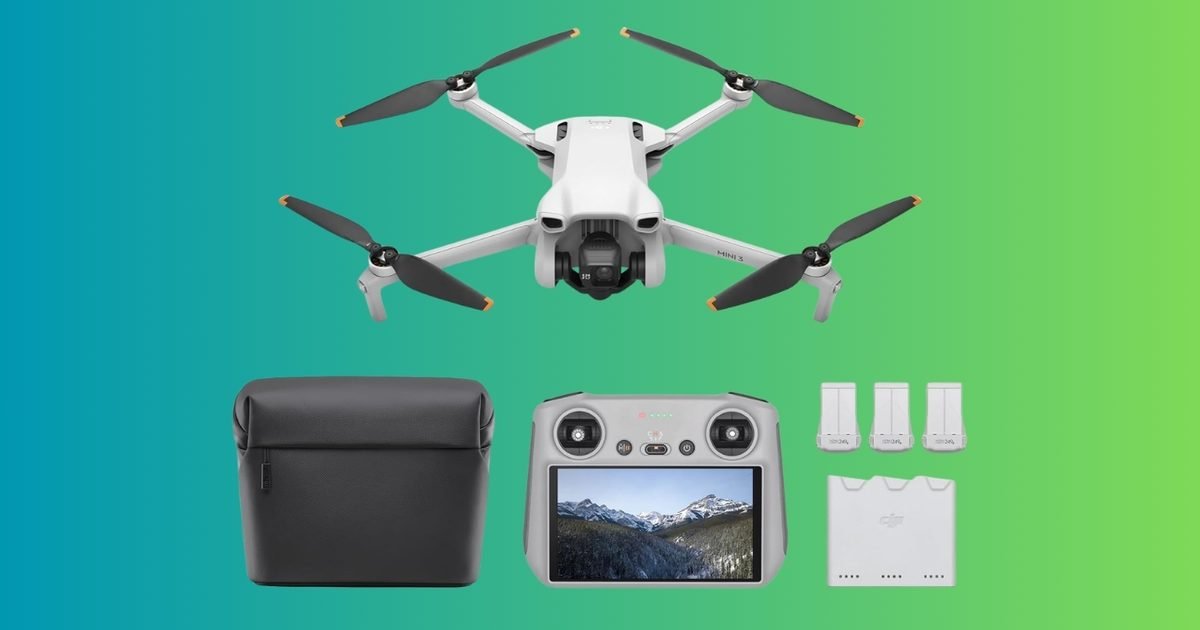
    If you’ve been thinking about getting into drone footage in 2026, this is a nice “do it right the first time” kind of deal. The DJI Mini 3 Fly More Combo is down to $575.00 for a limited time, from $719.00 (20% off). The reason this bundle matters is simple: most people don’t quit drones because the camera isn’t good enough; they quit because they run out of battery or the setup feels like a hassle. This package is built to keep you in the air longer and make it easier to shoot consistently.

    What you’re getting

    This combo includes the DJI Mini 3 drone with a 4K camera, the DJI RC controller (so you’re not forced to rely on a phone screen), and three batteries for up to 114 minutes of total flight time across sessions. You also get vertical shooting, which is huge if you want content that fits naturally on TikTok, Reels, and Shorts without awkward cropping.

    The advertised 10km video transmission range is also a quality-of-life feature: it’s less about flying miles away and more about having a stable signal when you’re capturing shots in open areas.

    Why it’s worth it

    This is one of those bundles that matches how people actually use drones. You’ll take it on a trip, fly to a few locations, grab multiple angles, and still want enough battery left for one more “let’s try it again” pass. Having three batteries turns a drone from a novelty into a tool.

    It’s also a smart option for creators who want variety fast: drone shots instantly add production value to travel videos, real estate walk-throughs, outdoor adventures, and even simple “day in the life” edits without spending a ton of money. And vertical shooting makes it far easier to build content for social platforms without extra editing steps.

    The bottom line

    At $575, the DJI Mini 3 Fly More Combo is a compelling limited-time deal if you want a capable 4K drone setup that comes with the controller and enough batteries to actually practice, reshoot, and create without constantly stopping. If you only plan to fly once a year, a cheaper kit might do. But if you want to shoot regularly, this bundle is the more practical way to start.

  • The easiest TV audio upgrade is still a Sonos soundbar, and the Beam Gen 2 is 26% off

    The easiest TV audio upgrade is still a Sonos soundbar, and the Beam Gen 2 is 26% off

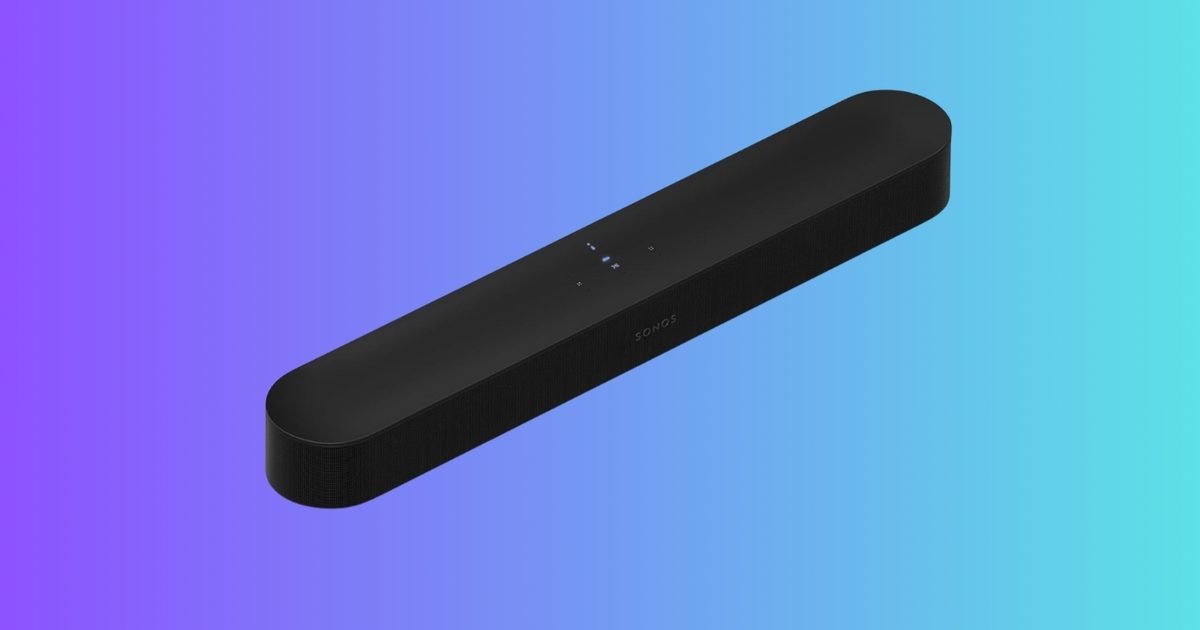
    Most people buy a nicer TV and then live with the same thin, down-firing speaker sound for years. A soundbar is the fix, and it’s one of the few upgrades that feels instantly obvious the moment dialogue starts. The Sonos Beam (Gen 2) is $369.00 for a limited time, down from $499.00 for 26% off. If you want clearer voices, better separation, and a more immersive feel without turning your living room into a full home theater project, this deal makes a lot of sense.

    What you’re getting

    The Beam Gen 2 is a compact Dolby Atmos soundbar designed to boost clarity and create a wider, taller soundstage than your TV can produce on its own. Atmos support is the “make it feel bigger” piece, especially for movies, sports, and games where you want sound to feel more layered instead of coming from a single strip under the screen.

    It’s also built for people who want simple everyday use. You turn on the TV, sound improves automatically, and you’re not constantly fiddling with settings.

    Why it’s worth it

    This is a great pick for apartments, bedrooms, and smaller living rooms where a full surround setup is overkill. The Beam is the kind of soundbar that upgrades the stuff you watch most: streaming shows, YouTube, late-night movies, and sports where commentary needs to be easy to understand.

    It’s also a good “foundation” purchase. If you like the Beam, you can build on it later with additional speakers, but it stands on its own well. The key is that it improves your day-to-day listening immediately, not just on blockbuster movie nights.

    The bottom line

    At $369, the Sonos Beam (Gen 2) is a very appealing limited-time deal if you want noticeably better TV audio, clearer dialogue, and a more immersive sound than your TV can deliver, all in a clean, compact setup. If you’re chasing full theater-level bass, you’ll want to pair it with a sub down the road. But as a simple, high-impact upgrade, this discount is worth grabbing.

  • The easiest way to keep pet hair under control is 40% off right now

    The easiest way to keep pet hair under control is 40% off right now

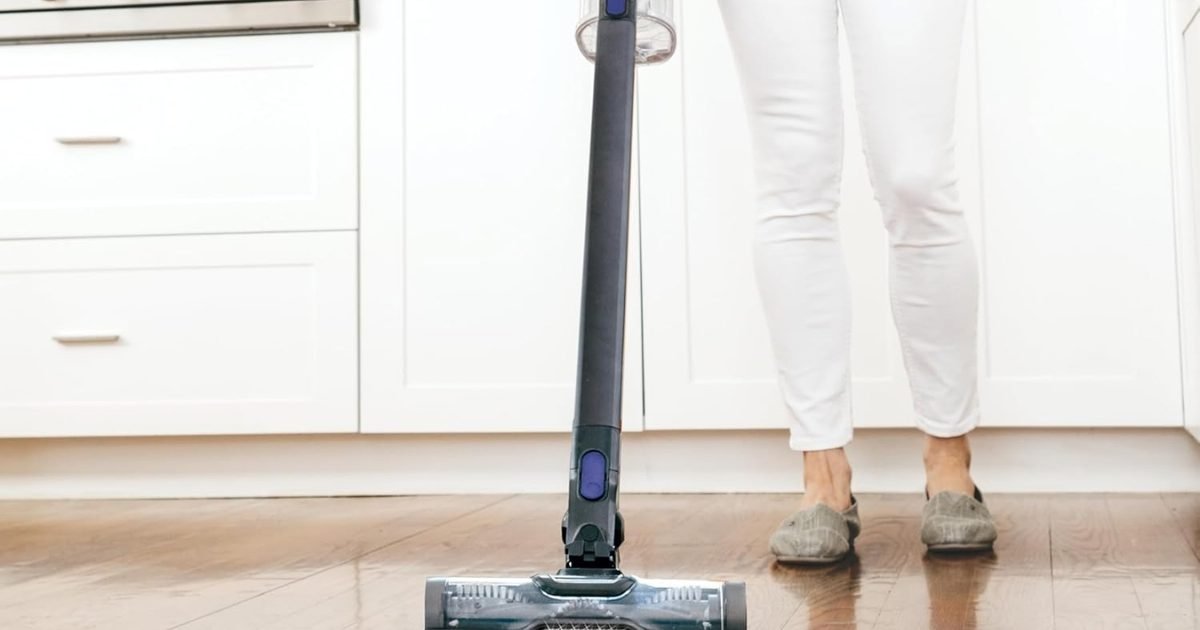
    If you have pets, you don’t really “deep clean” once a week and call it done. You clean constantly. A cordless vacuum is the difference between letting fur tumbleweeds pile up and doing a 90-second pass that keeps your place feeling under control. Right now, this Shark Cordless Pet Plus vacuum is $179.00 for a limited time, down from $299.99 for 40% off. For anyone tired of dragging out a full-size vacuum every time the couch needs help, this is a deal that makes everyday cleaning easier.

    What you’re getting

    This is a cordless vacuum with LED headlights and a removable handheld unit. It comes with a crevice tool and a pet multi-tool, which is exactly what you want for the spots where pet hair actually lives: upholstery, corners, stairs, and car seats.

    It’s rated for carpet and hard floors and advertises up to 40 minutes of runtime, which is typically plenty for quick whole-room passes and targeted cleanups.

    Why it’s worth it

    The best vacuum is the one you’ll actually use. Cordless models win because they remove the friction. No cord management, no wrestling with a bulky canister, no “I’ll do it later.” That matters even more with pets, where little messes turn into big ones if you ignore them.

    The handheld mode is another big plus. That’s the feature that turns a vacuum into a pet-hair tool for couches, beds, and the car. And LED headlights sound like a gimmick until you see how much dust and fur they reveal on hard floors.

    The bottom line

    At $179.00, this Shark Cordless Pet Plus vacuum is an excellent limited-time deal for anyone who wants quick, convenient cleanup power for pet hair, crumbs, and everyday messes across carpets and hard floors. If your main goal is heavy-duty deep cleaning only, you may want a larger upright. But for keeping a pet household looking presentable day to day, this discount is worth grabbing.

  • Microsoft could merge Xbox PC Game pass with its priciest bundle

    Microsoft could merge Xbox PC Game pass with its priciest bundle

    Microsoft is reportedly considering a major shake-up of Xbox Game Pass that could bring two of its subscription tiers together.

    According to Windows Central, the company is exploring the possibility of merging PC Game Pass with Xbox Game Pass Premium, a move that would change how much players pay and what they access.

    The PC Game Pass currently offers day-one access to many major titles on Windows for a standalone monthly fee. Meanwhile, the Game Pass Premium gives access to a large library of games on console and PC without day-one releases. Bringing them together could create a single tier for players across platforms.

    What Microsoft’s Game Pass changes could look like

    The idea is still in the early stages, and Microsoft has not made any official announcements. According to The Verge, the proposed merger is part of broader plans for Xbox Game Pass after recent revisions in 2025.

    One possibility is that PC Game Pass users could be shifted into the Premium tier, which might streamline the subscription offerings but could also mean giving up perks like certain day-one releases unless they step up to a higher tier.

    PC Game Pass currently sits at a lower monthly price compared to Premium, giving access to several PC games and first-party titles at launch. If Microsoft merges the two subscriptions, those benefits could be folded into a new unified tier with a broader set of services.

    Microsoft is also exploring free, ad-supported Xbox game streaming with playtime limits. There is also talk of Microsoft integrating more third-party services into Game Pass subscriptions, building on existing partnerships such as EA Play, Ubisoft+ Classics, and Fortnite Crew already included in higher tiers.

    One key question many gamers could have is whether this change would affect what they already pay or lose access to features they value most.

    The report suggests that PC players could lose standalone access to day-one releases under the merged structure, pushing gamers toward the Ultimate tier if they want the most comprehensive coverage.

    For now, these plans appear to be exploratory, and insiders do not expect major changes to hit in 2026. If Microsoft does move ahead, it could reshape how millions of players access games across devices.

  • Sony has a new headphone lined up, and it looks familiar

    Sony has a new headphone lined up, and it looks familiar

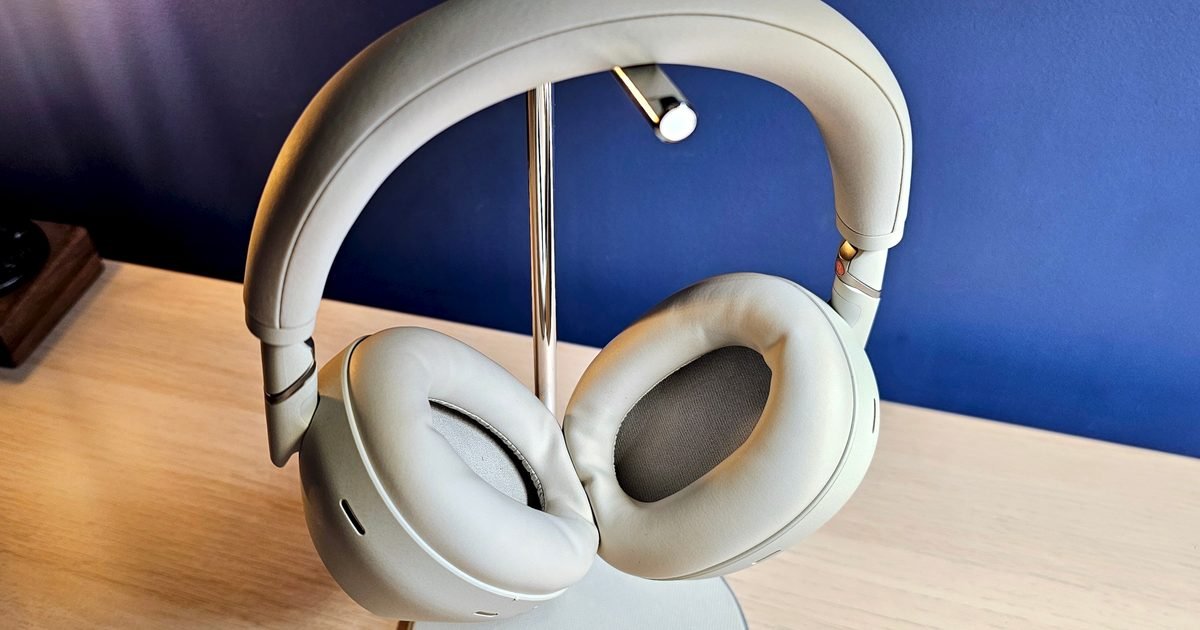
    Sony has published a new teaser, hinting that something new is landing on February 12, 2026. While the clip itself (posted on YouTube) is short and mysterious: a rose-tinted satin fabric draped over what clearly looks like a pair of over-ear headphones, the company hasn’t revealed the product yet.

    From what I know, Sony is preparing to launch its WF-1000XM6 flagship TWS earbuds with improved noise cancellation and a higher price tag (rumored at $329.99). However, the six-second teaser suggests the company could also reveal a pair of headphones.

    WF-1000XM6 launch, and maybe something extra

    Now, there aren’t any rumors about a new headphone model or lineup. Further, the teaser contains a satin pink cloth sliding over the silhouette of headphones.

    Connecting the dots (and inferring from internet chatter), the teaser could be about a new shade of Sony’s WH-1000XM6 flagship headphones.

    Sony could release a new finish for its flagship headphones, called “Sand Pink,” featuring a muted pink that looks premium and attracts plenty of eyes.

    The WH-1000XM6 only recently took over noise-canceling duties at the top of Sony’s lineup, and hence, an amid-cycle glow-up makes sense.

    Is “Sand Pink” the next XM6 shade?

    It’s worth noting that Sony hasn’t confirmed the shade’s name. Currently, the device is available in three colors: Black, Platinum Silver, and Midnight Blue.

    So, a pink shade doesn’t exist in the lineup. However, Sony offered the WH-1000XM5 in a Smoky Pink option.

    So, on February 12, we’re now expecting Sony to reveal the WF-1000XM6 earbuds, along with a new color of the WH-1000XM6 headphones.

    For now, the company hasn’t confirmed the pricing or the availability of either of the products. Given that all the available colors of the WH-1000XM6 retail at $449.99, the Sand Pink shade should be available at the same price.

  • Huawei is testing diabetes risk detection on smartwatches

    Huawei is testing diabetes risk detection on smartwatches

    Diabetes remains one of the world’s fastest-growing health challenges, with millions of people living with the condition without knowing it. Catching the warning signs early can make a real difference, and Huawei says its new smartwatch feature is designed to help by quietly flagging potential diabetes risk using the kind of health data your watch already tracks.

    How Huawei uses PPG to assess diabetes risk

    At the heart of Huawei’s diabetes risk feature is photoplethysmography, or PPG. It is a non-invasive optical method that tracks tiny changes in blood flow just beneath the skin.

    If that sounds familiar, it is because many smartwatches, including the Huawei Watch 5, already rely on PPG to monitor heart rate and blood oxygen levels. Huawei is now taking those same signals and analysing them for patterns that may be linked to diabetes risk.

    You will have to wear the watch regularly for anywhere between 3 to 14 days. During that time, the watch continuously gathers cardiovascular data from the wrist. The Diabetes Risk app then sorts the results into low, medium, or high-risk categories.

    If you fall into the medium or high-risk group, the app will tell you to consult a healthcare professional for proper medical testing.

    To validate the system, Huawei has partnered with Dubai Health to study how well the watch-based results compare with hospital tests such as fasting blood glucose, HbA1c, and OGTT.

    However, Huawei is also careful to stress that this feature is not a medical device. It is meant to raise awareness and encourage early action, not diagnose diabetes.

    Other smartwatch makers are chasing similar health insights

    Huawei is not alone in this race. Apple is exploring AI-powered tools to predict structural heart diseases using data from future Apple Watch models, while Samsung is working on features that can detect early signs of dementia.

    For now, Huawei’s diabetes risk feature is available on the Huawei Watch GT 6 Pro via an OTA software update, with plans to expand support to additional smartwatch models.

    While it does not replace clinical diagnosis, consumer wearables are steadily becoming an important tool for spotting health risks early.

  • Apple’s hyped AI overhual for Siri could be beset by delayed features

    Apple’s hyped AI overhual for Siri could be beset by delayed features

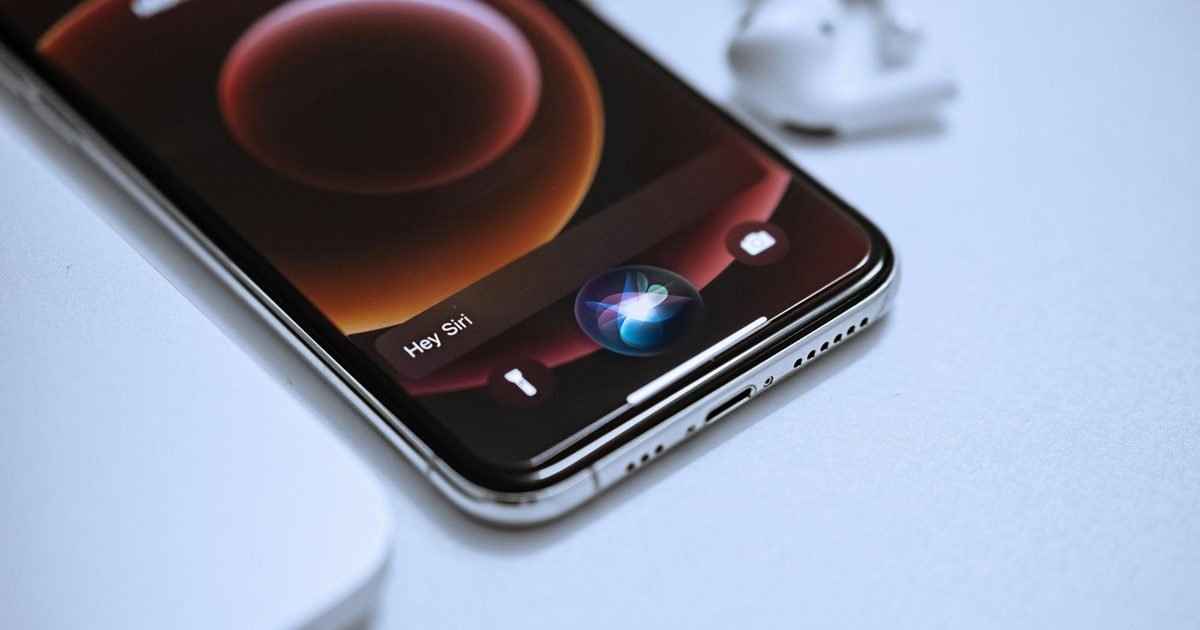
    A few weeks ago, Apple announced that it had inked a deal with Google to fix Siri. Or to put it more accurately, Apple will rely on a custom version of Gemini to develop a new version of Siri, one that is faster, smarter, and does a lot more. As per Bloomberg, the transition was supposed to happen with the upcoming iOS 26.4 update, but those plans appear to have been delayed.

    What’s happening?

    “After planning to include the new capabilities in iOS 26.4 — an operating system update slated for March — Apple is now working to spread them out over future versions, according to people familiar with the matter,” says the latest report from the outlet. That means some of the planned Siri features will only be released widely in the Fall season, when iOS 27 is widely released with the iPhone 18 series.

    According to the report, Apple’s engineers ran into issues where Siri didn’t respond to queries as expected, or it was just too slow. In the wake of these hiccups, Apple is now reportedly targeting iOS 26.5 to release some of the next-gen Siri features, which include advanced conversational skills, the ability to execute tasks in other apps, and pull up context from user data stored on the phone.

    What’s next?

    The latter, which grants Siri awareness of your personal data, such as calendar, messages, photos, and location information, is the likely candidate for a delayed release. Additionally, the ability to get work done in apps by summoning Siri using voice commands could also be delayed.

    The in-development version of Siri also reportedly falls back on ChatGPT, which is already a part of Apple Intelligence, even though Apple’s own local models are capable of handling those tasks. The features that appear to be on track include the custom web search tool (aka answering engine), similar to Perplexity. An updated AI-powered image generation also appears to be on the scheduled development track.

  • Google just released the first build of Android 17, and it’s ready for Pixel phones

    Google just released the first build of Android 17, and it’s ready for Pixel phones

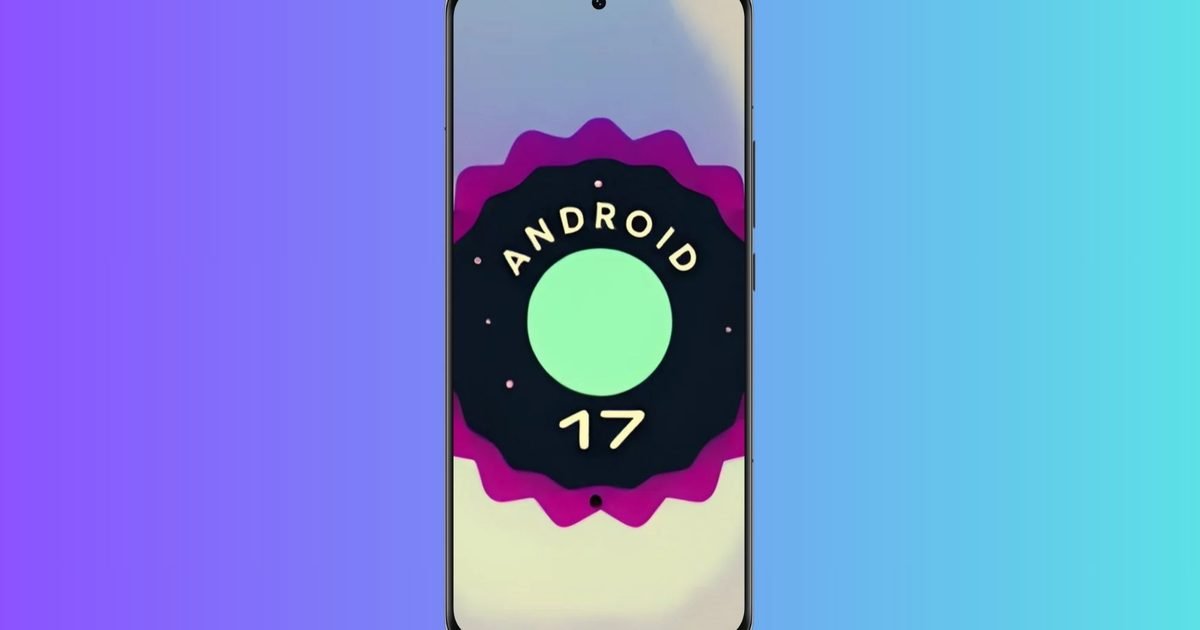
    Android 17 is here, and if you’re among the brave souls who can drive early-stage software, the build is already available to download on Pixel smartphones. Google has just rolled out the first test build of Android 17, and this one brings a few crucial changes. 

    Google is now shifting to a Canary channel for in-development Android updates, just the way it seeds beta updates through the Canary channel for the Chrome browser. The Developer Preview updates are getting sidelined in favor of Canary builds, starting with Android 17. 

    The beta testing phase will also be relatively shorter, and Google expects to reach platform stability at some point in March. This is the stage where all the core features and app functionalities are locked. Once there, it will be a few more months before the stable build is released widely. 

    What’s new in Android 17?

    A crucial change that comes with Android 17 is the focus on app adaptability. Android devices now come in all shapes and formats, from clamshells and tablets to book-style foldables and wide-folding phones. To offer experiences that can adapt to these different screen sizes and aspect ratios, adaptability is a must. 

    To that end, developers will no longer be able to opt out of resizability and orientation restrictions. “Users expect their apps to work everywhere—whether multitasking on a tablet, unfolding a device, or using a desktop windowing environment—and they expect the UI to fill the space and respect their device posture,” says Google.

    How to try Androd 17?

    With Android 17, Google is touting a bunch of improvements to privacy, connectivity, camera, and security. Google is also claiming improvements to how health data is handled, and fitness devices work in tandem with your phone. For camera enthusiasts, Google is touting a smoother experience with switching between camera features with minimal stutters. 

    On the performance side, system interactions such as notifications will hog less memory, and optimizations have been made to make the devices feel more fluid during day-to-day usage. The first beta build of Android 17 is now available for the Pixel 6 series and later models. You can sign up for the beta program and get an OTA update on eligible devices.

  • Threads now lets you personalize your feed with simple text prompts

    Threads now lets you personalize your feed with simple text prompts

    Last October, Meta began testing a new Instagram feature that gives users more control over what appears in their feed. The feature lets users customize the platform’s algorithm by selecting or removing topics to better match their interests. At the time, Meta said it was exploring a similar feature for its microblogging app, Threads. And it’s now rolling out to users.

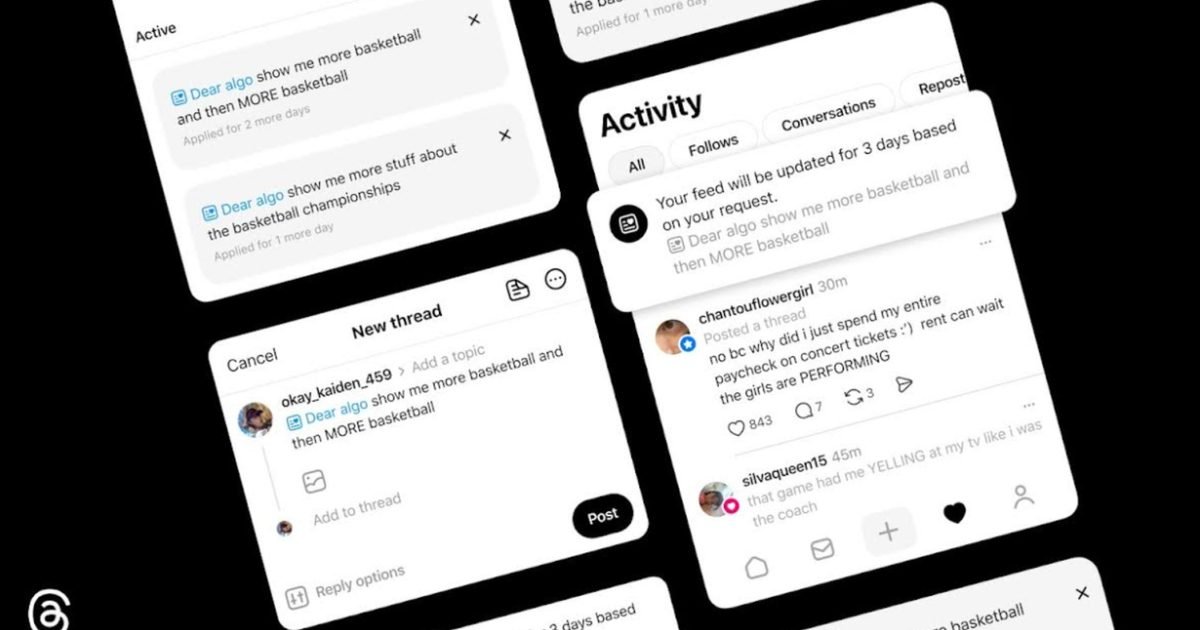
    The AI-powered feature, called Dear Algo, is launching in beta for Threads users in the US, and it lets them personalize their feeds by specifying what they want to see more or less of. While it sounds similar to Instagram’s topic-based customization, its implementation is slightly different. Instead of selecting or removing topics from a list, Dear Algo allows users to adjust what appears in their feed using natural language prompts.

    According to Meta, users can simply type “Dear Algo” in a public Threads post, followed by what they would like to see more or less of. For example, a user who wants more content about popular podcasts can type: “Dear Algo, show me more posts about podcasts.”

    Your request shapes your feed, and others can join in

    Once the prompt is shared, the feature adjusts the feed for three days, surfacing posts relevant to the request. Dear Algo also has a community aspect, allowing users to repost another user’s request and apply those content preferences to their own feed.

    Users can view both active and expired Dear Algo requests in the app’s settings. They can also delete active requests to remove the personalization or repost expired requests if they want to apply it again.

    Beyond the US, Dear Algo is rolling out to Threads users in New Zealand, Australia, and the UK. Meta says it plans to expand to more regions soon, though it has not shared a timeline for a wider release.