Category: Uncategorized

  • Paytm Signs MoU with Government-Backed Bharat Taxi to Power Digital Payments for Drivers

    Paytm Signs MoU with Government-Backed Bharat Taxi to Power Digital Payments for Drivers

    Add Techlomedia as a preferred source on Google. Preferred Source

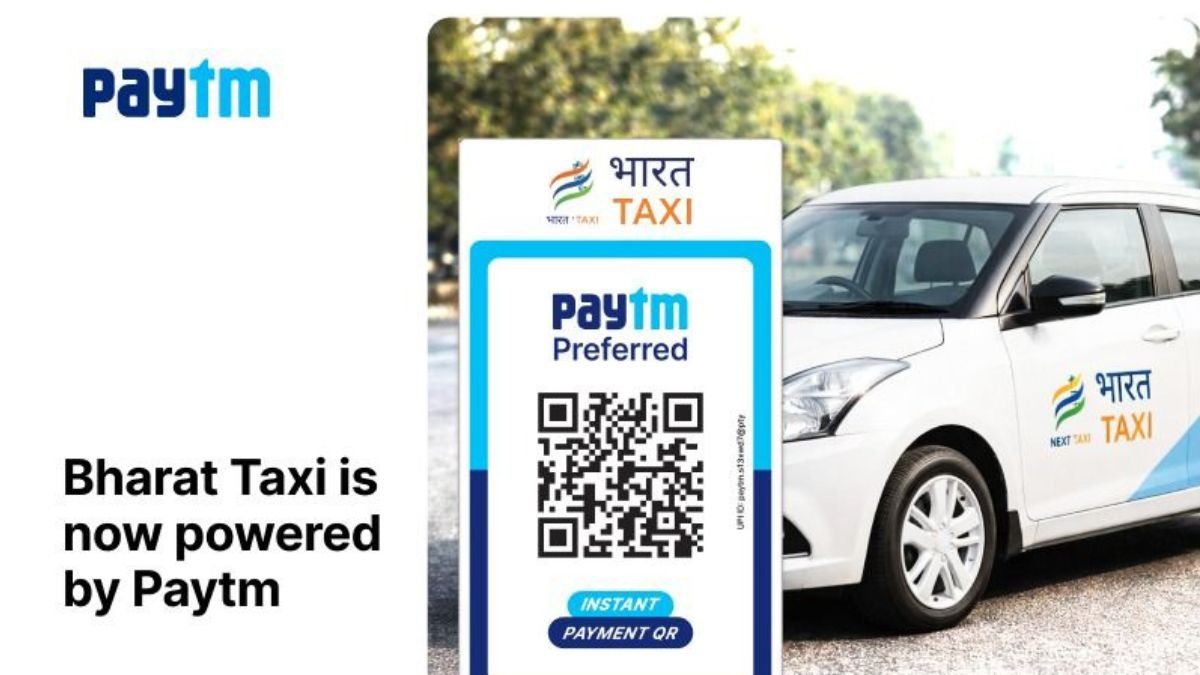
    Paytm has signed a Memorandum of Understanding with Bharat Taxi, a government-supported ride-hailing platform, to enable digital payments and financial services for drivers on the platform. Bharat Taxi was recently launched and is positioned as a cooperative-based alternative in India’s mobility space.

    Under the agreement, Paytm will provide its payment infrastructure to Bharat Taxi. This will allow passengers to pay for rides using UPI within the app, as well as through QR codes, card machines, and Soundbox devices. The partnership also includes onboarding drivers for UPI payments and exploring the integration of a Bharat Taxi mini-app within the Paytm app.

    Bharat Taxi operates on a cooperative model where drivers are treated as stakeholders. Unlike traditional ride-hailing platforms that charge commissions per ride, the model claims to allow drivers to retain their full earnings. This structure is being presented as a way to improve income transparency and reduce dependency on platform-controlled pricing.

    The collaboration also includes access to financial services for drivers, such as insurance and other offerings. While specific product details have not been disclosed, the move reflects a broader trend in India’s gig economy where fintech firms are targeting drivers and delivery partners with credit, insurance, and payment solutions.

    India’s ride-hailing sector has long been dominated by private players such as Ola and Uber, both of which operate commission-based models. Over the past few years, there has been a growing debate around driver earnings, commission rates, and platform policies. Government-backed or cooperative alternatives could introduce new competitive pressure, although their long-term scalability remains to be tested.

    For Paytm, the partnership comes at a time when competition in the digital payments market remains intense. UPI has significantly reduced transaction costs across platforms, and fintech firms are increasingly focusing on ecosystem partnerships to expand usage. Integrating with a mobility platform gives Paytm another channel to deepen merchant acceptance and strengthen its presence in daily-use services.

    The proposed integration of a mini-app within Paytm could also help Bharat Taxi reach a wider user base quickly. However, success will depend on factors such as driver onboarding, consumer awareness, pricing, and service reliability. Government endorsement may offer initial visibility, but operational efficiency will be critical in a market where established players already have large networks and brand recall.

    Follow Techlomedia on Google News to stay updated. Follow on Google NewsFollow on Google News

    Affiliate Disclosure:

    This article may contain affiliate links. We may earn a commission on purchases made through these links at no extra cost to you.
  • This Week’s Free Games on Epic Games Store Include Two Detective Adventures

    This Week’s Free Games on Epic Games Store Include Two Detective Adventures

    Add Techlomedia as a preferred source on Google. Preferred Source

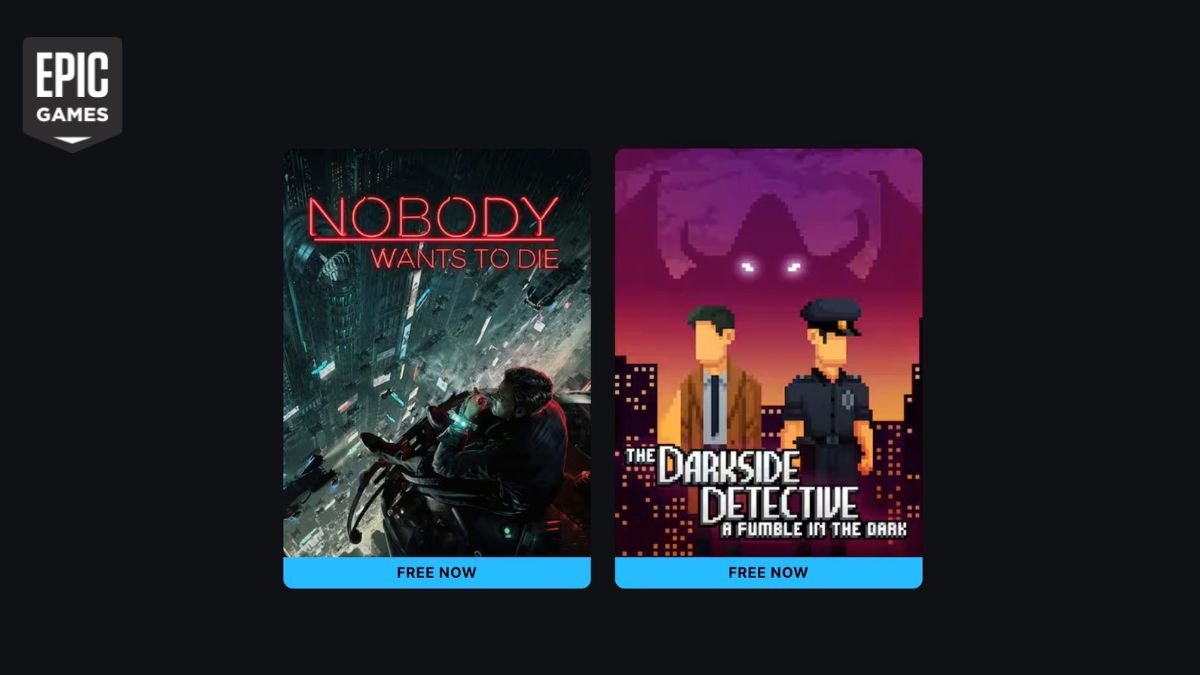
    This week, Epic Games is offering two detective adventure got free as part of its regular weekly giveaway program. You can claim both titles and keep them in your library permanently. The offer is available for seven days, after which a new set of free games will replace them.

    The first free title is Nobody Wants to Die. It is developed by Critical Hit Games and is set in a futuristic version of New York in the year 2329. The game follows a detective investigating a serial killer case. It is a first-person investigation adventure where you examine crime scenes, collect evidence, and use advanced tools to reconstruct events. The gameplay focuses on story, choices, and detailed investigation mechanics. It has received a positive response from players for its atmosphere and concept.

    The second game in this week’s giveaway is The Darkside Detective: A Fumble in the Dark. It is developed by Spooky Doorway. This is a point-and-click adventure game with pixel-style visuals. You play as Detective McQueen and solve strange and paranormal cases in the fictional city of Twin Lakes. The game mixes mystery with light humor, which makes it different from more serious detective titles. It is the sequel to The Darkside Detective and continues the story with new cases.

    Both games are free right now on the Epic Games Store. There is no trial period. Once you claim them within the seven-day window, they are yours to keep.

    Epic is also offering the mobile version of The Darkside Detective: A Fumble in the Dark for free on Android and iOS through its mobile store. So players who prefer gaming on their phones can claim that version as well.

    Follow Techlomedia on Google News to stay updated. Follow on Google NewsFollow on Google News

    Affiliate Disclosure:

    This article may contain affiliate links. We may earn a commission on purchases made through these links at no extra cost to you.
  • Nvidia GeForce NOW Comes to Amazon Fire TV, Adds Eight New Games

    Nvidia GeForce NOW Comes to Amazon Fire TV, Adds Eight New Games

    Add Techlomedia as a preferred source on Google. Preferred Source

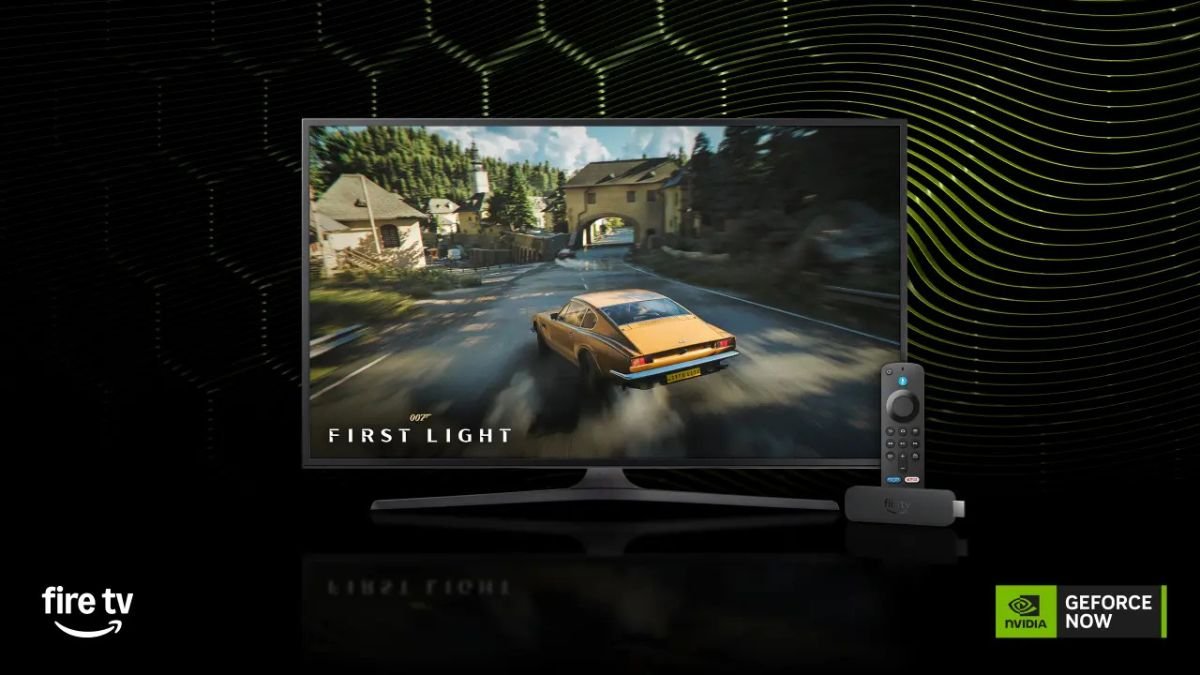
    NVIDIA has expanded the reach of its cloud gaming service, GeForce NOW. The company has now officially brought the platform to Amazon Fire TV devices. Along with this expansion, eight more games have also been added to the supported list this week.

    This update is part of Nvidia’s regular weekly rollout for Nvidia’s GeForce NOW. The Fire TV support was first announced during CES 2026. At that time, Nvidia also confirmed a native Linux app and flight stick support. Those features have already gone live, and now Fire TV users can finally stream PC games directly on their televisions.

    The GeForce NOW app is now available for supported Fire TV models. These include Fire TV Stick 4K Plus 2nd Gen with Fire OS 8.1.6.0 or later, Fire TV Stick 4K Max 2nd Gen with Fire OS 8.1.6.0 or later, and Fire TV Stick 4K Max 1st Gen with Fire OS 7.7.1.1 or later.

    The streaming is limited to 1080p at 60 frames per second. It uses standard dynamic range graphics, H.264 video encoding, and stereo audio. Users will also need a compatible controller to play games on Fire TV. It does not support keyboard and mouse in this setup.

    From a practical point of view, this move makes sense. Fire TV devices are widely used, and adding GeForce NOW support means more users can access PC games without investing in expensive hardware. For casual gamers, this can turn a basic streaming stick into a gaming device. However, the 1080p limit shows that Nvidia is still positioning this as a balanced cloud experience rather than a full high end replacement for gaming PCs or consoles.

    Alongside platform expansion, eight games have joined the GeForce NOW library this week. These include:

    • Disciples: Domination
    • REANIMAL
    • Kingdom Come: Deliverance
    • Capcom Beat ‘Em Up Bundle
    • Capcom Fighting Collection
    • Mega Man 11
    • Street Fighter 30th Anniversary Collection
    • Torment: Tides of Numenera

    Titles like REANIMAL are new releases, while others expand options across action, RPG, and fighting genres. Some games are also accessible through PC Game Pass, which gives added flexibility for subscribers.

    It is important to understand how GeForce NOW works. Unlike services such as Xbox Game Pass or EA Play, this is not an all access content subscription. Users must own the game on a supported store like Steam or have a valid Game Pass license. Only then can they stream it via Nvidia’s servers. There is also a monthly playtime limit depending on the subscription tier.

    In my view, bringing GeForce NOW to Fire TV is a strategic move. Smart TVs and streaming sticks are becoming central entertainment hubs. If Nvidia can deliver stable performance with low latency, this could attract users who do not want to buy a console or build a gaming PC. At the same time, the service still depends heavily on internet quality. In markets where broadband is inconsistent, the experience may not always be smooth.

    Follow Techlomedia on Google News to stay updated. Follow on Google NewsFollow on Google News

    Affiliate Disclosure:

    This article may contain affiliate links. We may earn a commission on purchases made through these links at no extra cost to you.
  • Microsoft Launches Command Line Interface for Microsoft Store

    Microsoft Launches Command Line Interface for Microsoft Store

    Add Techlomedia as a preferred source on Google. Preferred Source

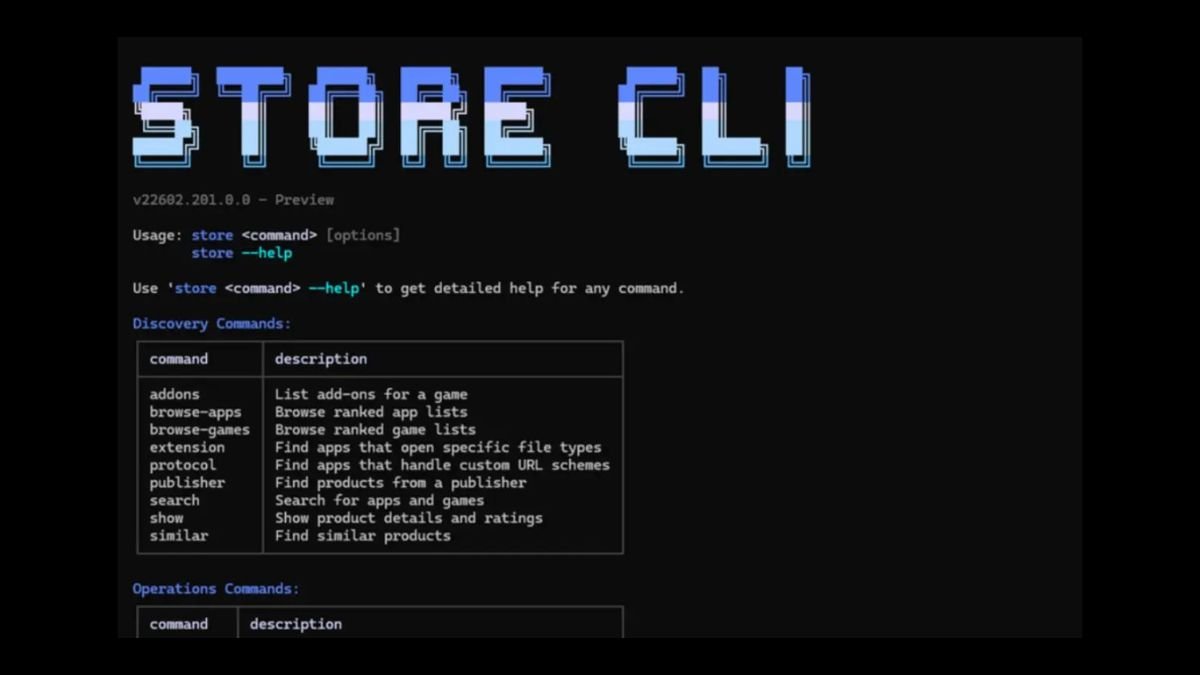
    Microsoft has introduced a new command line interface for the Microsoft Store. The new tool allows users to browse, install, and update apps directly from the terminal without opening the Store app interface.

    The feature is mainly targeted at developers and power users who prefer working with command-line tools instead of graphical interfaces. With this update, Microsoft is trying to make app management faster and more flexible on Windows systems.

    The new Store CLI supports several basic commands in its first version. Users can browse apps using the browse command and filter results by category, market, language, and listing type, such as top free or new releases. Apps can be installed directly using a single install command. Updates can also be triggered from the terminal for specific apps. Running the help command will show a full list of supported options.

    It is important to note that this CLI works only on Windows devices where the Microsoft Store is already enabled. It is not a standalone replacement for the Store. Instead, it acts as an additional access layer.

    This move was expected because developers often rely on command line tools for automation, scripting, and remote management. Platforms like Linux and macOS already offer strong package management systems through terminal commands. Windows has improved in this area over the years, especially with tools like winget. Adding a dedicated Store CLI makes the ecosystem more complete.

    However, one could also argue that this may overlap with existing tools. Microsoft already offers Windows Package Manager, which allows app installations via command line. So the new Store CLI might feel like an extra layer rather than a completely new need. The real value will depend on how deeply it integrates with Store specific features and developer analytics.

    Alongside the CLI, Microsoft has announced updates for developers in Partner Center. Health Reports now provide deeper insights into app stability. Developers can filter reports by app version, device architecture, and Windows build. This makes it easier to identify crash patterns and reliability issues. A new anomaly alert system will notify developers if there is a sudden spike in crashes or hangs.

    Microsoft has also introduced a new Summary Dashboard. It combines key metrics such as installs, ratings, engagement, and stability in one place. The redesigned Usage Dashboard now includes more detailed engagement data, including active devices and session counts. These additions are clearly aimed at helping developers understand how their apps are performing over time.

    The Microsoft Store Web Installer has also been improved. Win32 apps can now automatically open after installation, which reduces extra steps for users. There is also better support for enterprise managed devices, which should help improve installation success rates in business environments. Microsoft has also refreshed the Store Badge creator to make it easier for developers to generate official badges for their apps.

    Follow Techlomedia on Google News to stay updated. Follow on Google NewsFollow on Google News

    Affiliate Disclosure:

    This article may contain affiliate links. We may earn a commission on purchases made through these links at no extra cost to you.
  • On the Beach Announced for PC

    On the Beach Announced for PC

    Add Techlomedia as a preferred source on Google. Preferred Source

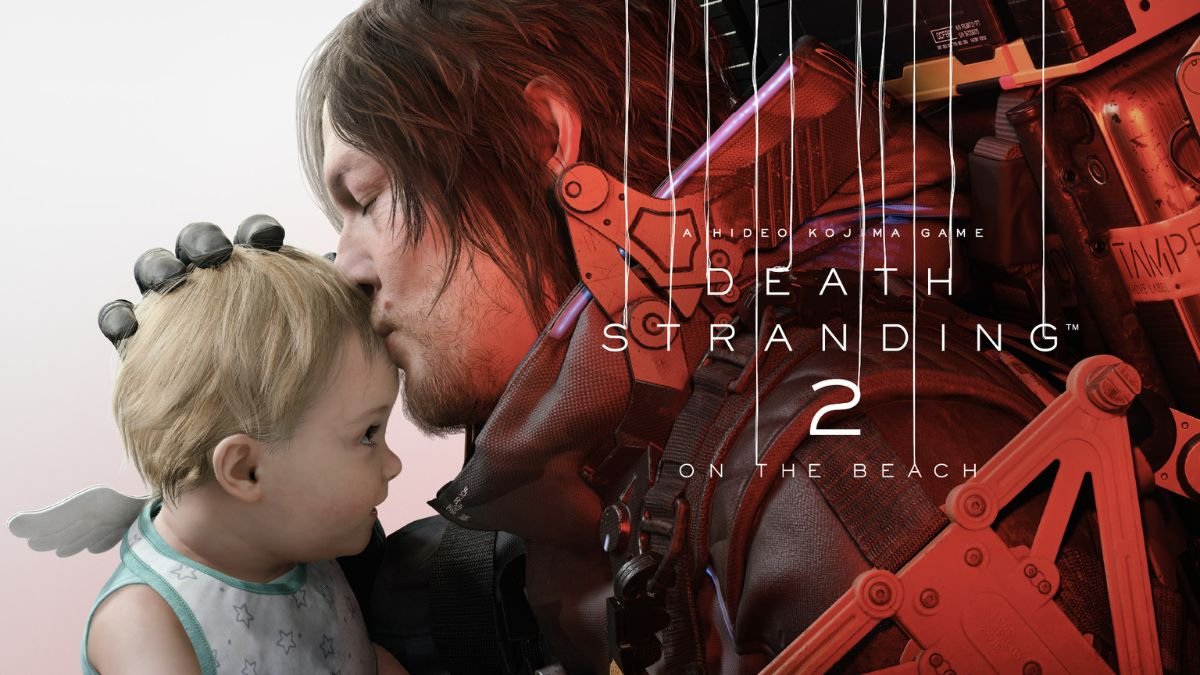
    Sony has officially announced the PC version of Death Stranding 2: On the Beach. The reveal came during the first State of Play showcase of 2026. Pre-orders for Death Stranding 2: On the Beach are now live on Steam and the Epic Games Store. It will be released on March 19, 2026. The game was originally released on PlayStation 5 in June 2025, and now it is finally heading to PC.

    The sequel is developed by Kojima Productions and published by Sony Interactive Entertainment. The PC port is being handled by Nixxes Software, which is known for working on PlayStation titles for PC.

    Death Stranding 2: On the Beach continues the story of Sam Porter Bridges. This time, the setting moves to Australia. Players once again work to reconnect isolated regions to the Chiral network. The game combines exploration, delivery based gameplay, stealth, shooting, and survival elements. Natural disasters such as sandstorms, earthquakes, and Timefall return, adding more environmental challenges.

    The original Death Stranding was known for dividing opinions. However, it later gained strong support from players and critics. It won multiple awards, including Best Game Direction at The Game Awards 2019 for the first title. The sequel received generally positive reviews on PlayStation 5, with praise for its visuals, world design, and emotional storytelling. Critics appreciated how it refined the original formula instead of changing it completely. Some players still find the gameplay slow, but fans of the series see that as part of its unique identity.

    The PC release was expected. Sony has been steadily bringing its major single player titles to PC after a period of console exclusivity. The first Death Stranding performed well on PC, so launching the sequel on the platform makes business sense. It allows Sony to expand revenue without affecting its console sales too heavily.

    Death Stranding 2 is not just another port. It is a technically demanding cinematic experience that can benefit from powerful hardware. With proper optimization from Nixxes Software, this version could become the best way to experience the game.

    Follow Techlomedia on Google News to stay updated. Follow on Google NewsFollow on Google News

    Affiliate Disclosure:

    This article may contain affiliate links. We may earn a commission on purchases made through these links at no extra cost to you.
  • Fighting Souls Set for August Release

    Fighting Souls Set for August Release

    Add Techlomedia as a preferred source on Google. Preferred Source

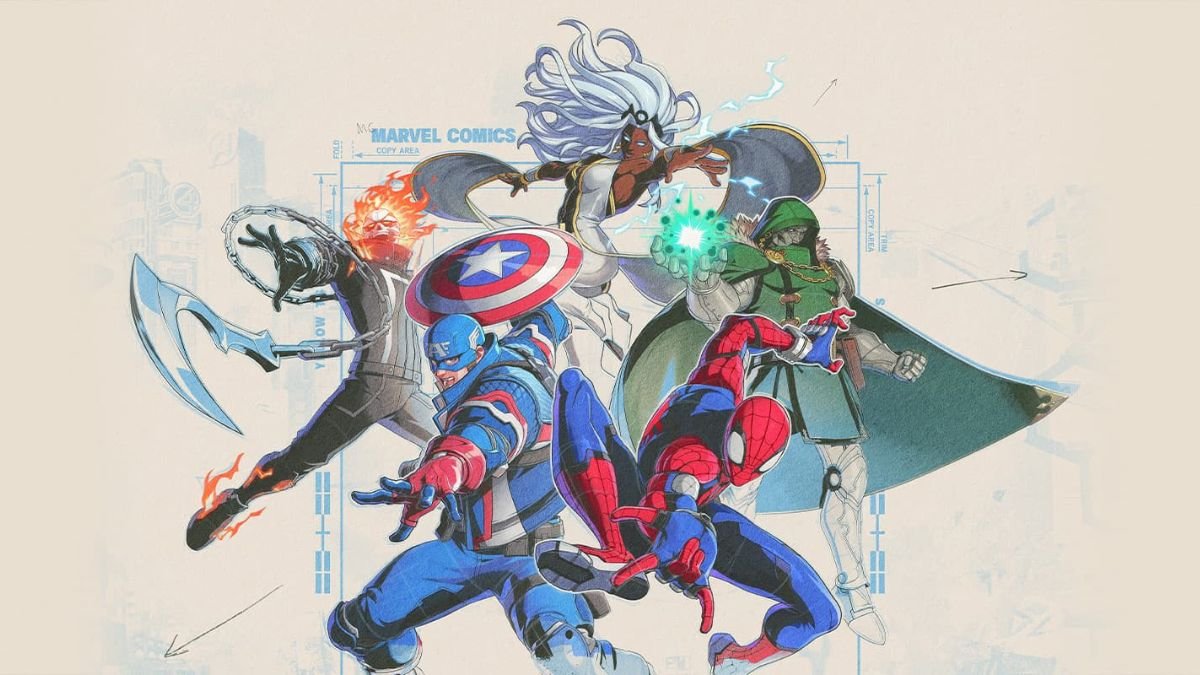
    Sony has confirmed that Marvel Tōkon: Fighting Souls will launch on August 6 for PlayStation 5 and PC. The update came during the latest State of Play event, where the company also revealed new playable characters from the X-Men universe.

    The game is being developed by Arc System Works, a studio known for its experience in competitive fighting games. This project marks Sony’s serious entry into the tag-based fighting genre using Marvel characters.

    Four X-Men fighters have now been added to the confirmed lineup. Storm brings weather-based attacks and is positioned as a key leader-type character. Magik joins with her Soulsword and magical combat style. Wolverine is included as a close-range fighter with his Adamantium claws. Danger, the former training AI from the X-Men universe, appears as a unique playable character with advanced combat abilities.

    These characters will not only be part of multiplayer battles but also feature in the game’s episodic story campaign. The narrative is being created in partnership with Marvel and will introduce a new central threat that brings together heroes and villains.

    The standard edition of the game will be priced at 59.99 US dollars. Sony will also offer Deluxe and Ultimate editions priced at 84.99 and 99.99 US dollars. These editions will include additional content such as a Year 1 character pass and cosmetic items. Pre-orders are scheduled to begin on February 19. Players who pre-order will receive bonus lobby cosmetics, including the Infinity Gauntlet, Baby Groot, and the Cosmic Surfboard.

    Follow Techlomedia on Google News to stay updated. Follow on Google NewsFollow on Google News

    Affiliate Disclosure:

    This article may contain affiliate links. We may earn a commission on purchases made through these links at no extra cost to you.
  • TECNO POVA Curve 2 5G With 144Hz AMOLED Display and 8000mAh Battery Launched in India

    TECNO POVA Curve 2 5G With 144Hz AMOLED Display and 8000mAh Battery Launched in India

    Add Techlomedia as a preferred source on Google. Preferred Source

    TECNO has launched the POVA Curve 2 5G in India. The new phone comes with a large curved AMOLED display, a slim design, and a massive 8000mAh battery.

    The phone features a 6.78-inch 1.5K 3D curved AMOLED display with a 144Hz refresh rate. It offers up to 4500 nits peak brightness and 2304Hz PWM dimming. The display is protected by Corning Gorilla Glass 7i.

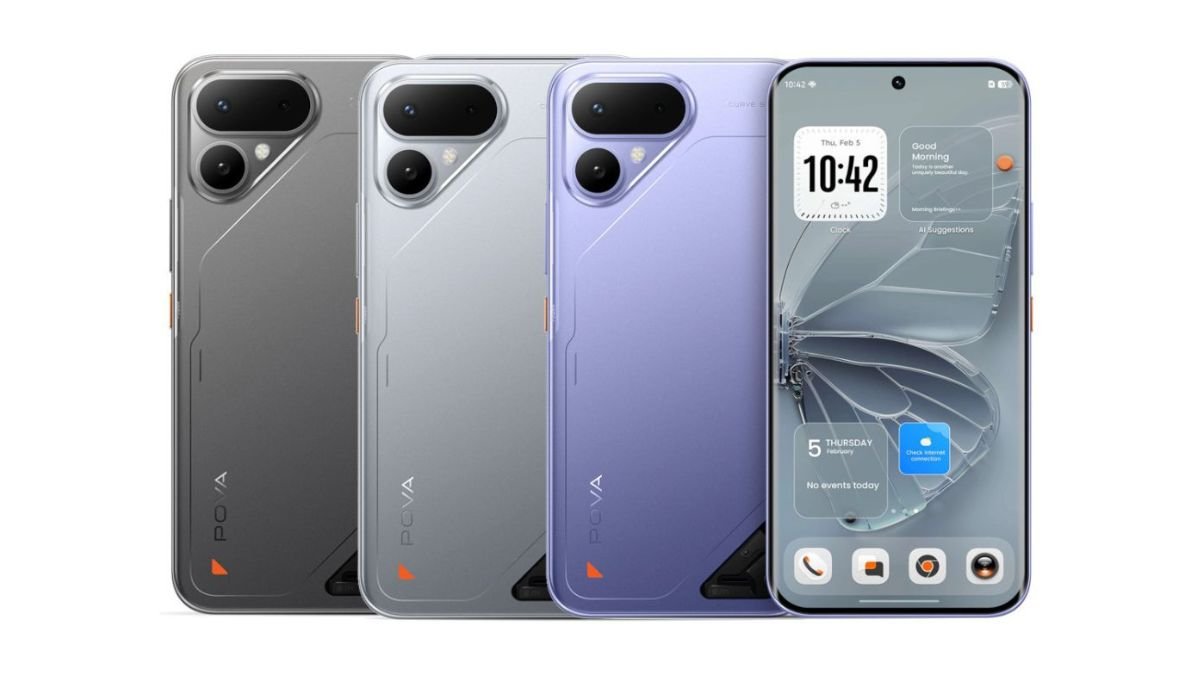
    The rear camera module has a triangular and asymmetrical design, which gives it a different identity compared to standard rectangular modules. The phone has SGS 5 Star drop resistance certification and comes with IP64 dust and splash resistance.

    It is powered by the MediaTek Dimensity 7100 processor built on a 6nm process. The phone comes with 8GB LPDDR5X RAM and offers up to 8GB of additional virtual RAM. Storage options include 128GB and 256GB UFS 2.2 variants.

    The device runs HiOS 16 based on Android 16 and the company has promised two major Android updates. It also includes ELLA AI 2.0 with multilingual support designed for Indian users.

    The phone has a 50MP main rear camera along with a 2MP macro sensor. It supports 2K video recording at 30 frames per second. On the front, there is a 13MP camera that also supports 2K video recording.

    It includes an in display fingerprint sensor, IR sensor, Dolby Atmos support, and dual microphones. Connectivity features include support for 20 5G bands, dual 4G VoLTE, Wi Fi ac, Bluetooth 5.4, GPS, and USB Type C. TECNO has also added a G1 signal enhancement chip, which claims to improve mobile signal strength significantly. There is also an SE1 Wi Fi enhancement chip that promises stronger connectivity.

    TECNO POVA Curve 2 5G packs an 8000mAh battery and supports 45W fast charging.

    The TECNO POVA Curve 2 5G is available in Mystic Purple, Storm Titanium, and Melting Silver colours. The 8GB + 128GB model is priced at Rs. 27,999, while the 8GB + 256GB version costs Rs. 29,999. It will go on sale from February 20 through Flipkart and retail stores across India. Pre bookings have started from February 13.

    Follow Techlomedia on Google News to stay updated. Follow on Google NewsFollow on Google News

    Affiliate Disclosure:

    This article may contain affiliate links. We may earn a commission on purchases made through these links at no extra cost to you.
  • God of War Trilogy Remake Announced for PS5

    God of War Trilogy Remake Announced for PS5

    Add Techlomedia as a preferred source on Google. Preferred Source

    Fans of the original Greek saga finally have something big to look forward to. God of War Trilogy Remake has been officially announced for PlayStation 5.

    The project is being handled by Sony Interactive Entertainment and Santa Monica Studio. However, there is no release date yet. The developers have confirmed that the remake is still in early development.

    This remake will bring back the first three main titles in the series. That includes God of War, God of War II, and God of War III. These games were originally released on PlayStation 2 and PlayStation 3, and they defined action games of their time.

    One of the most exciting details is the return of TC Carson as the voice of Kratos. Many fans still connect the original, angry, and brutal version of Kratos with his performance. His return suggests that the remake may stay close to the tone of the classic trilogy.

    The original trilogy followed Kratos in his violent journey through Greek mythology. From battles with Ares to the final confrontation with Zeus, the games were known for large-scale boss fights, brutal combat, and cinematic storytelling.

    It is not clear yet whether this remake will simply upgrade visuals or fully rebuild the games from the ground up. If rebuilt using modern technology for PS5, players can expect improved graphics, smoother performance, better animations, and possibly updated gameplay systems.

    Follow Techlomedia on Google News to stay updated. Follow on Google NewsFollow on Google News

    Affiliate Disclosure:

    This article may contain affiliate links. We may earn a commission on purchases made through these links at no extra cost to you.

  • HP wants you to rent your next gaming laptop

    HP wants you to rent your next gaming laptop

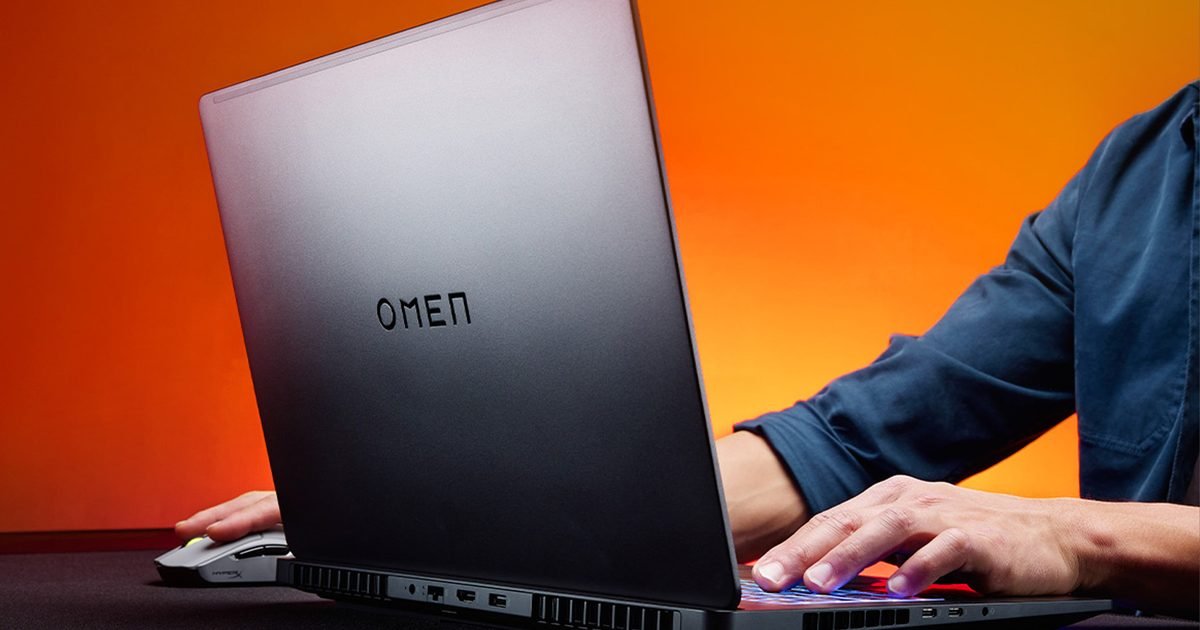
    Gaming laptops aren’t getting any cheaper, and HP seems to have decided that fighting rising hardware costs head-on isn’t the answer. Instead, the company is reportedly exploring something different: letting gamers rent their laptops instead of buying them outright. While the service has actually been available for a couple of months, it’s been brought into the notice again owing to the shift in the market.

    HP seems to be experimenting with subscription-style access to gaming machines, where players pay a monthly fee to use high-end laptops rather than dropping a large upfront sum. The idea is simple on paper. Instead of spending thousands on a new gaming rig, you spread the cost out like a Netflix plan, with HP handling upgrades, servicing, or replacements behind the scenes.

    For some players, that could lower the barrier to entry. A powerful gaming laptop becomes a smaller monthly commitment rather than a major one-time purchase. It also means access to newer hardware more frequently, which is appealing in a space where GPUs and CPUs age fast. At a time when memory prices and component shortages are pushing system costs higher across the industry, the rental pitch might feel practical.

    Renting your rig is convenient, but is it the future you want?

    But there’s a bigger shift happening here that’s worth pausing on. Renting hardware fits neatly into a broader tech trend where ownership slowly gives way to subscriptions. First it was movies and music, then software, and now even games through cloud services. With platforms like NVIDIA GeForce Now and Xbox Cloud Gaming, players are already streaming titles they don’t locally own. HP’s approach pushes that one step further: you might not even own the device running them.

    On the one hand, it’s flexible and potentially cheaper in the short term. On the other hand, it means you’re effectively paying forever. Stop the subscription, and both the laptop and access disappear. No resale value, no long-term asset, and no tinkering or upgrading on your own terms. For budget-conscious gamers, renting could make sense as a stopgap. But if this model becomes the norm, the industry might quietly move from “buy and own” to “subscribe and borrow.” That’s convenient, sure, but it also changes what gaming hardware really means.

    So while HP’s rental idea may solve today’s pricing crunch, it also raises a bigger question: do you want your next gaming rig to be yours, or just temporarily checked out?

  • Samsung begins One UI 9 testing ahead of next foldable launch

    Samsung begins One UI 9 testing ahead of next foldable launch

    Samsung appears to be laying the groundwork for its next major software update well ahead of schedule, with early signs of One UI 9 development surfacing alongside next-generation foldable hardware testing. While the tech giant is still gearing up for the imminent launch of the Galaxy S26 series – expected to debut One UI 8.5 – sightings of internal One UI 9 builds for upcoming devices hint at a broader strategy to align new software with future hardware releases.

    One UI 9 has already been spotted running on early test firmware tied to the Galaxy Z Flip 8 and Galaxy Z Fold 8, indicating that software preparations are actively underway. These early builds, identified by firmware tags such as F776USQU0AZB1 for the Flip and F976USQU0AZB1 for the Fold, suggest Samsung is pushing One UI 9 testing internally even as it finalises One UI 8.5 for next month’s flagship launch.

    Rumours also point to additional foldable models – including a potential wide-screen Galaxy Z Fold variant – appearing within the One UI 9 ecosystem, revealing how closely Samsung may be integrating software and form-factor innovation.

    The significance of this early development cannot be overstated

    Software updates like One UI traditionally arrive alongside major hardware launches; by preparing One UI 9 now, Samsung is positioning itself to debut a unified platform with its foldable devices later this year. Foldables such as the Z Flip 8 and Z Fold 8 are key pillars of Samsung’s mobile strategy, forming a crucial edge against rivals in an increasingly competitive premium smartphone market. Early software readiness allows more time for optimisation, feature polishing, and compatibility testing – essential for complex devices with unique UI requirements.

    For users, the early appearance of One UI 9 in testing signals both continuity and evolution. Samsung has consistently used One UI updates to introduce refined performance, enhanced AI features, and improved user interfaces that harness the capabilities of Google’s Android base – and One UI 9 is expected to follow suit when paired with Android 17. Although specific features have not yet been officially announced, build leaks hint at deeper Galaxy AI tools and interface improvements that could enhance everyday tasks and foldable multitasking experiences.

    Why should consumers care

    Understanding Samsung’s software direction helps set expectations for upcoming devices and their capabilities. Early software development means that foldables launching later in 2026 could debut with a more mature, feature-rich operating environment from day one. This approach contrasts with staggered updates seen in previous years, where flagship devices often waited months before receiving major OS overhauls.

    Looking ahead, Samsung’s rollout timeline is likely to follow a familiar pattern: One UI 8.5 will emerge with the Galaxy S26 series, then progressively expand to eligible models. Later in the year, One UI 9 – potentially shipping first on new foldables – should become available to a broader device portfolio. As leaks and test builds continue to surface, more specific details about what One UI 9 will offer are expected to emerge, keeping fans and industry watchers engaged.