Category: Uncategorized

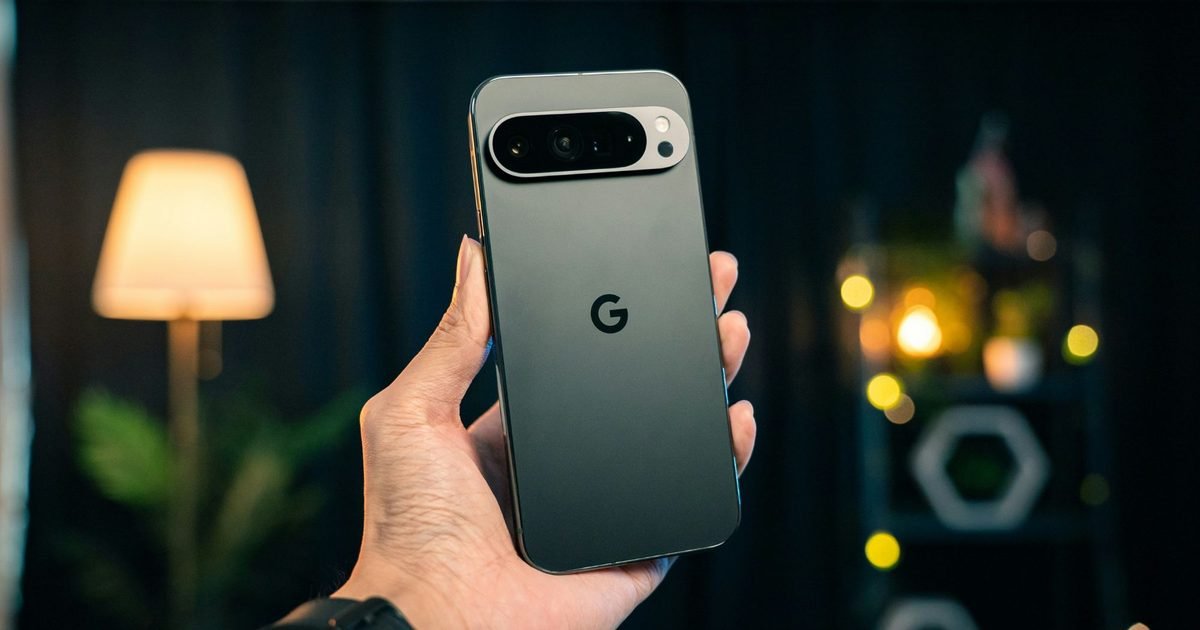
  • Your Pixel is getting Android 17 again

    Your Pixel is getting Android 17 again

    Google has restarted the rollout of Android 17 for eligible Pixel devices, resuming its beta release cycle after a short interruption. The company confirmed the update through its Android Developers blog, marking the first official beta of Android 17 and signaling that the next major version of the operating system is moving ahead on schedule.

    A return to the Android beta track

    The rollout had briefly stalled following reports of minor stability issues in earlier test builds. With the new beta now available, Google is inviting developers and Pixel users enrolled in the Android Beta Program to test Android 17 and provide feedback.

    The update is currently available for supported Pixel models, including recent Pixel flagship and mid-range devices. As with previous beta releases, users can install the update over the air once enrolled, without needing to manually flash system images.

    Android 17 introduces refinements rather than radical design changes. Early highlights include improvements to background task efficiency, tighter privacy controls, and enhanced app compatibility tools for developers. Google is also continuing its focus on performance consistency, especially around battery management and system responsiveness.

    Google’s faster Android release cadence has reshaped how updates roll out across the ecosystem. Instead of unveiling features late in the year, Google now begins developer previews and beta testing earlier, giving app developers more time to prepare before the stable release.

    For Pixel users, this means quicker access to platform-level improvements

    For developers, the resumed rollout ensures they can start testing compatibility and performance adjustments for Android 17 ahead of the public launch later this year.

    Android 17 also reinforces Google’s strategy of pushing AI-powered enhancements deeper into the operating system. While not all AI features are visible in the first beta, Google has hinted at improvements in on-device intelligence, smarter resource management, and more adaptive user experiences.

    If you own a Pixel device, the resumed rollout signals that Google’s next wave of updates is on track. While beta software is not recommended for everyone due to potential bugs, early adopters can explore new features months before the stable release.

    Even if you choose not to install the beta, this stage of development typically indicates that a stable version could arrive later this year, likely alongside upcoming Pixel hardware. Google’s modern update model also means security patches and system refinements will continue independently of major OS upgrades.

    Google is expected to release multiple beta updates over the coming months, refining performance and adding features based on developer and community feedback. The final stable release of Android 17 is likely to debut in the second half of the year.

    As the beta cycle progresses, more details about user-facing features, system optimizations, and AI-driven enhancements should emerge. For now, the resumed rollout confirms one thing: Android 17 is officially back on track – and Pixel users are once again first in line.

  • Google boosts Gemini 3 Deep Think AI and it’s a huge milestone for 3D printing

    Google boosts Gemini 3 Deep Think AI and it’s a huge milestone for 3D printing

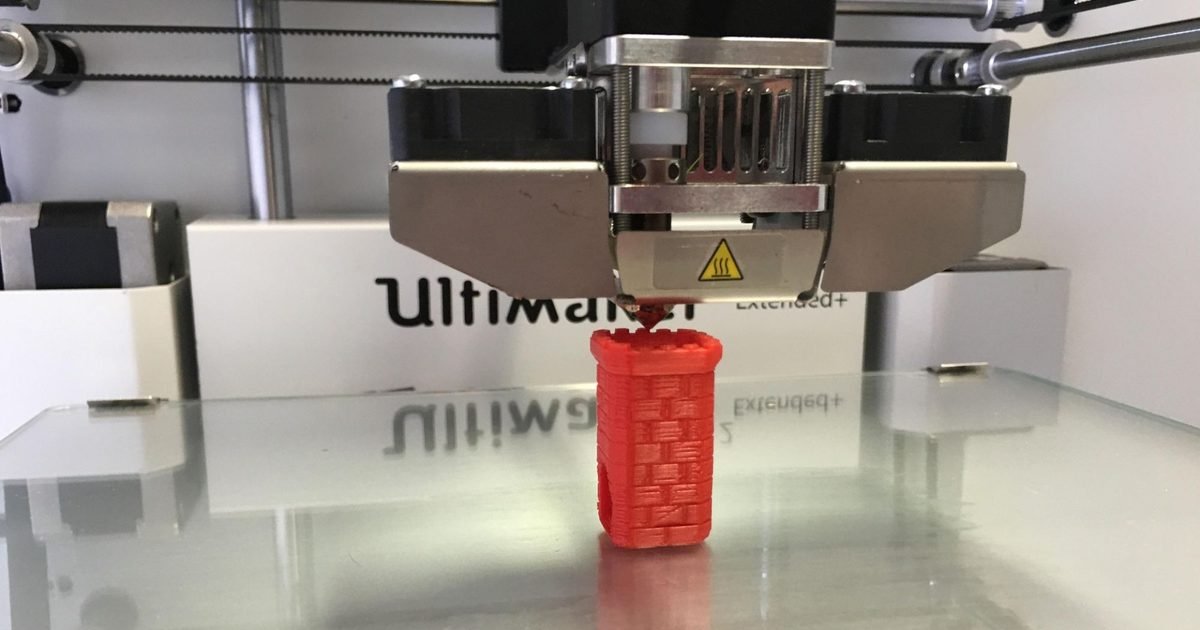
    Google has just updated the Deep Think mode for its Gemini 3 model, and it’s a massive step forward for chores involving 3D printing. For the unaware, Deep Think mode focuses on enhanced multimodal understanding and reasoning, and its latest upgrade pushes it further for engineering, research, and scientific tasks. The core focus is going from theoretical to practical applications. One of those application areas is 3D printing.

    Essentially, Gemini 3 Deep Think is going to turn your rough sketches into a proper 3D model and generate a file ready for feeding to a 3D printer. What you have here is a tool that can basically take a look at physical objects or a 2D image, and turn them into a 3D blueprint while making changes you request in natural language.

    Gave Gemini 3 Deep Think an image of a 3D spider web and asked for an interactive design tool. It generated a full design suite (procedural control, simulation, optimization) with STL export capability. I used it to engineer new metamaterials and a spider-web inspired bridge… pic.twitter.com/fMrdCjuzMG

    — Markus J. Buehler (@ProfBuehlerMIT) February 14, 2026

    Why is this a big step forward?

    For anyone interested in 3D printing, even for personal usage, going from idea to execution is a hassle. You must know CAD modeling, own the right software, and have a powerful computing machine to turn those ideas into a 3D file. The whole process is pretty intensive and time-consuming, in addition to posing a steep learning curve. And when it comes to product prototyping in engineering labs, or even companies testing new products, the whole ordeal of physics modeling and prototyping ends up taking a lot of time and resources.

    With Gemini 3 Deep Think, Google wants to replace those technical challenges, letting users go from ideas to the 3D printing stage without having to deal with complex physics-based modeling and software. But it’s not just the sheer convenience of turning drawings into 3D files that is going to speed things up.

    Iterating on an existing design is an equally crucial step, and Gemini 3 Deep Think is aiming to ease that, as well. The benefits are huge, not just for DIY enthusiasts but also for material scientists, engineers, and product developers.

    A huge practical shift for AI

    “I used it to engineer new metamaterials and a spider-web inspired bridge design, 3D printed it, then validated the structural integrity with a @nvidia DGX Spark load test. A mind-blowing example of the future of material and architecture design – image in, fabrication-ready design out,” Markus Buehler, an engineering professor at MIT, wrote on X.

    Gemini 3 Deep Think is getting an upgrade 🧠 By blending deep scientific knowledge with advanced engineering utility, Deep Think now moves beyond abstract theory to drive practical applications.

    Researchers are already using it to accelerate their work in the real world:

    —… pic.twitter.com/O5z6g4Wf3a

    — Google AI (@GoogleAI) February 12, 2026

    Taking a conversation approach to fixing and tweaking the complex models of objects, and then having a CAD model ready for printing in minutes, is a huge step forward. Gemini 3 Deep Think is available to Google AI Ultra subscribers in the Gemini app, and it will also be made available via API for the first time to interested companies and researchers.

  • Chrome 145 Brings Back JPEG XL Support After Four Years

    Chrome 145 Brings Back JPEG XL Support After Four Years

    Add Techlomedia as a preferred source on Google. Preferred Source

    Google has released Chrome 145 to the stable channel for Windows, macOS, and Linux. While the update includes many changes for developers and security teams, one feature that caught my attention is the return of JPEG XL image support.

    Google removed JPEG XL support from Chrome back in 2022 after deprecating it, which disappointed many developers and image experts. At the time, Google argued that there was not enough ecosystem adoption. Four years later, Chrome 145 brings JPEG XL decoding back to the browser, which seems a clear change in direction.

    JPEG XL support in Chrome 145 is currently behind a flag. Users need to enable the image format manually using the enable-jxl-image-format option. Google has also taken a different technical approach this time. Instead of the older C++ based libjxl library, Chrome now uses a Rust-based decoder called jxl-rs. Google says this improves memory safety, which is a key focus area for the Chrome team in recent years.

    JPEG XL is designed as a modern image format that offers better compression than JPEG, while keeping high visual quality. It also supports features like lossless compression, HDR images, and faster decoding in some cases. For websites that rely heavily on images, this could mean smaller file sizes and quicker load times. However, since the feature is still gated behind a flag, it is not yet ready for mainstream use.

    Beyond images, Chrome 145 introduces several meaningful updates to web standards. One of the most practical changes is support for wrapping in multi-column layouts. With the new column-height and column-wrap CSS properties, developers can control how content flows when it exceeds a column’s height. This solves a long-standing usability issue where users had to scroll awkwardly or deal with horizontal overflow when reading long content in columns.

    Chrome 145 also adds support for the text-justify CSS property and allows percentage values for letter spacing and word spacing. These changes give designers more control over typography and layout, especially for long-form reading experiences.

    On the security side, Google has introduced device-bound session credentials. This feature allows websites to bind login sessions to a specific device using hardware-backed keys. Even if a session cookie is stolen, it becomes much harder to reuse it on another machine. This could significantly reduce certain types of account hijacking, especially for high-value services like banking or enterprise tools.

    Another major internal change is the move to an SQLite backend for IndexedDB. While most users will never notice this directly, it could improve performance, reliability, and debugging for web apps that rely heavily on local storage.

    Chrome 145 also continues Google’s effort to reduce passive tracking. By default, the browser now sends a more limited user agent string, which reduces the amount of device information exposed to websites. This may break some older scripts, but it aligns with the broader push toward better user privacy.

    There are also many smaller updates. These include improved rendering of nearly circular elements, new animation event handlers, better support for customizable select boxes, and various updates to JavaScript, WebGPU, WebRTC, and performance APIs. As usual, Google has also patched multiple security vulnerabilities in this release.

    From a broader perspective, the return of JPEG XL support is the most interesting signal. It suggests that Google is more open to revisiting past decisions when developer demand and technical maturity improve. Still, keeping the feature behind a flag shows caution. Google may be testing real-world usage before fully enabling it by default.

    It will be interesting to see if JPEG XL support becomes enabled without flags in a future release; it could push wider adoption across the web. That would put pressure on other browsers and platforms to improve image handling as well. Chrome 146 is already scheduled for release on March 10, 2026, and it will be worth watching if JPEG XL moves closer to mainstream use by then.

    Follow Techlomedia on Google News to stay updated. Follow on Google NewsFollow on Google News

    Affiliate Disclosure:

    This article may contain affiliate links. We may earn a commission on purchases made through these links at no extra cost to you.

  • Microsoft Fixes Critical Windows Notepad Bug That Allowed Remote Code Execution

    Microsoft Fixes Critical Windows Notepad Bug That Allowed Remote Code Execution

    Add Techlomedia as a preferred source on Google. Preferred Source

    Microsoft has fixed a serious security issue in the modern Windows Notepad app that could have allowed attackers to run malicious code remotely. The vulnerability is tracked as CVE-2026-20841 and was addressed as part of the February 2026 Patch Tuesday updates.

    The flaw affected the Microsoft Store version of Notepad, not the older classic Notepad.exe. According to Microsoft, the issue could be exploited over a network if a user was tricked into opening a specially crafted Markdown file with a .md extension. This makes it a high-risk bug, especially because Notepad is often seen as a safe and trusted app.

    The problem was caused by improper handling of certain commands inside Markdown files. When a user opened a malicious Markdown file in Notepad and clicked on a link inside it, the app could process unsafe or unverified protocols. This allowed Notepad to fetch and execute files from a remote server without proper checks.

    In simple terms, an attacker could send a harmless-looking Markdown file. Inside the file would be a link that looks normal but actually points to an attacker-controlled source. Once the link is clicked, Notepad could execute commands from that source. The malicious code would then run with the same permissions as the logged-in user. If the user had admin rights, the impact could be much worse.

    Read: Best Note taking Apps for Android

    Microsoft rated the vulnerability as “Important” with a CVSS score of 8.8 out of 10. While it does not spread automatically, it still poses a serious risk because it relies on user interaction, which is common in real-world attacks.

    The company has released a fix through the Microsoft Store. The patched version of Notepad is build 11.2510 or newer. Users need to update the app manually or make sure automatic app updates are enabled. Microsoft has confirmed that this is a customer action required update, meaning the fix will not apply unless users install it.

    Microsoft credited security researchers from Delta Obscura and an independent researcher known as “chen” for responsibly reporting the issue.

    It is important to note that Apps like Notepad are no longer simple text editors. As they add support for formats like Markdown, links, and richer content, they also introduce new attack surfaces. Many users do not expect a basic tool like Notepad to be a security risk, which makes such vulnerabilities more dangerous.

    On the positive side, Microsoft responded quickly and provided a clear fix. There is no public evidence yet that the flaw was actively exploited. Still, this serves as a reminder that even everyday apps need regular updates.

    To stay safe, users should update Notepad from the Microsoft Store as soon as possible. It is also a good idea to avoid opening Markdown files from unknown sources and to be cautious when clicking links inside text files. Enabling automatic updates and using a good security solution can further reduce risk.

    Follow Techlomedia on Google News to stay updated. Follow on Google NewsFollow on Google News

    Affiliate Disclosure:

    This article may contain affiliate links. We may earn a commission on purchases made through these links at no extra cost to you.

  • India Tightens Rules on Deepfakes, Orders Faster Takedowns From Social Media Platforms

    India Tightens Rules on Deepfakes, Orders Faster Takedowns From Social Media Platforms

    Add Techlomedia as a preferred source on Google. Preferred Source

    India has introduced stricter rules to deal with deepfakes and AI-generated impersonation content on social media. The government now wants platforms to remove such content much faster and take stronger responsibility for how synthetic media spreads online.

    The updated rules shorten takedown timelines sharply. Social media platforms now have just three hours to act on official government orders. In urgent cases reported by users, the deadline can be as short as two hours. These changes are part of amendments to India’s IT Rules, first introduced in 2021.

    For the first time, deepfakes are clearly defined under a legal framework in India. Platforms that allow audio or video uploads must ensure that AI-generated content is properly labeled. They must also make such content traceable so its source can be identified later. This applies to synthetic voices, edited videos, and other forms of AI-generated media that can look or sound real.

    The rules also ban certain types of content completely. This includes fake impersonation meant to mislead, non-consensual intimate content, and synthetic media linked to serious crimes. If platforms fail to act after such content is flagged, they risk losing their legal protections under Indian law.

    This move comes at a time when deepfakes are becoming easier to create and harder to detect. A recent example is the Payal Gaming issue, where fake or manipulated content circulated online and caused confusion and harassment. While not every deepfake is created with harmful intent, such cases show how quickly things can spiral out of control once misleading content goes viral.

    Many people today use AI tools for harmless reasons. These include fun videos, voice filters, memes, or creative social media posts. The problem begins when the same tools are used to impersonate real people, damage reputations, spread false information, or target individuals with harassment. Once shared widely, such content can cause real-world harm within hours.

    Also Read: How to Spot the Deepfakes Videos

    India’s large and young internet population makes the situation more sensitive. With over a billion users online, platforms like YouTube, Instagram, Facebook, and X play a major role in shaping public conversations. The government believes faster action is needed to stop harmful content before it spreads too far.

    Legal experts say the rules bring clarity but also raise questions. Some argue that forcing platforms to act within two or three hours leaves little room for careful human review. This could push companies to rely more on automated systems, which may remove content too aggressively.

    Digital rights groups have also warned that short deadlines could increase censorship and affect free speech. When platforms are under pressure to act quickly, they may remove content first and review it later. This could impact creators whose content is legitimate but flagged wrongly.

    At the same time, the rules send a strong signal that deepfakes are no longer a grey area. Platforms are expected to invest in better detection tools and stronger moderation systems. Companies that fail to comply could face legal consequences in one of their most important markets.

    There is also a responsibility on users. Technology alone cannot solve the deepfake problem. People need to think before sharing AI-generated content, especially when it involves real individuals. Even sharing a fake video as a joke can amplify harm once it reaches a wider audience.

    The new rules will come into effect on February 20, which gives platforms very little time to adjust. The timing is notable, as India is also hosting the AI Impact Summit in New Delhi during the same week. This places India at the center of global discussions on how artificial intelligence should be regulated.

    Follow Techlomedia on Google News to stay updated. Follow on Google NewsFollow on Google News

    Affiliate Disclosure:

    This article may contain affiliate links. We may earn a commission on purchases made through these links at no extra cost to you.

  • Mewgenics Launches Big With 150,000 Sales in 6 Hours and Nearly 66,000 Peak Players on Steam

    Mewgenics Launches Big With 150,000 Sales in 6 Hours and Nearly 66,000 Peak Players on Steam

    Add Techlomedia as a preferred source on Google. Preferred Source

    Mewgenics has started strong on Steam and quickly showed impressive numbers soon after the launch.

    Mewgenics is a cat breeding tactical roguelike from the creator of The Binding of Isaac and Super Meat Boy. It offers strategy, role-playing, and dark humor. The game focuses on breeding and raising cats, where each cat inherits traits, abilities, and even strange mutations from its parents. Players build a team of cats and send them into grid-based battles filled with enemies, traps, and random events.

    As per Techlomedia Gaming’s Mewgenics Steam chart, Mewgenics clocked a peak of around 65,890 concurrent players soon after launch. This puts it very close to The Binding of Isaac Rebirth’s all-time peak of 70,701 players.

    Sales numbers are even more interesting. Mewgenics sold over 150,000 copies in its first six hours. According to developer Edmund McMillen, the game sold around 152,000 copies in just five and a half hours. He called the performance “kind of insane.”

    On Twitch, interest has been equally strong. Around 94000 viewers were watching Mewgenics streams shortly after launch. Even McMillen joined in to watch, mentioning how quickly popular streamer Northernlion picked up the game.

    Critical response has also been very positive. Mewgenics currently sits at an 89 score on Metacritic. On Steam, about 96 percent of user reviews are positive, based on roughly 1,700 reviews so far. IGN gave the game a 9 out of 10 rating, praising its depth, replay value, and unexpected humor.

    Follow Techlomedia on Google News to stay updated. Follow on Google NewsFollow on Google News

    Affiliate Disclosure:

    This article may contain affiliate links. We may earn a commission on purchases made through these links at no extra cost to you.

  • OPPO K14x 5G With 120Hz Display and 6,500mAh Battery Launched in India

    OPPO K14x 5G With 120Hz Display and 6,500mAh Battery Launched in India

    Add Techlomedia as a preferred source on Google. Preferred Source

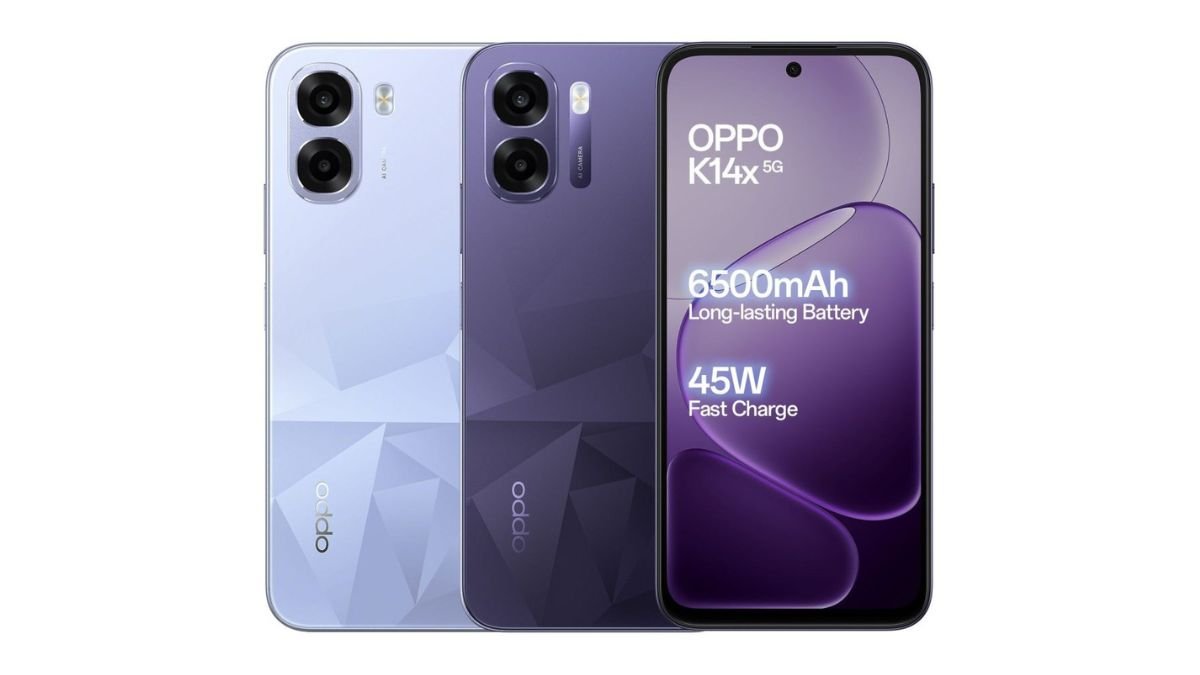
    OPPO has officially launched the OPPO K14x 5G in India. The phone joins its K series smartphone lineup and focuses on big display, long battery life, and 5G support.

    The OPPO K14x 5G features a large 6.75-inch HD+ display with a 120Hz refresh rate. The screen offers up to 1125 nits of peak brightness. It runs Android 16 out of the box with ColorOS 16 on top.

    The device packsMediaTek Dimensity 6300 processor, built on a 6nm process, and offers up to 6GB of LPDDR4X RAM and 128GB of UFS 2.2 storage. There is also support for virtual RAM expansion and a microSD card. It runs Android 16 out of the box with ColorOS 16 on top.

    OPPO K14x 5G comes with a 50MP primary rear camera along with a 2MP portrait sensor. On the front, it has a 5MP camera for selfies and video calls. The rear camera supports video recording up to 1080p at 60fps, while the front camera supports 1080p at 30fps

    The phone has side mounted fingerprint sensor and offers 5G, dual 4G VoLTE, Wi-Fi ac, Bluetooth 5.4, GPS, and a USB Type-C port connectivity.

    The OPPO K14x packs a massive 6,500mAh battery, which should easily last more than a day on a single charge. OPPO includes a 45W SuperVOOC fast charger in the box

    It measures 8.61mm in thickness and weighs 212 grams. The phone has a matte finish on the back and frame. It comes with an IP64 rating, offering protection against dust and water splashes.

    The OPPO K14x 5G is priced at Rs. 14,999 for the 4GB RAM and 128GB storage variant. The 6GB RAM and 128GB storage model is priced at Rs. 16,999. It is available in Prism Violet and Icy Blue colour options. The phone will be sold via Flipkart, the OPPO India online store, and offline retail stores, with sales starting from February 16.

    Follow Techlomedia on Google News to stay updated. Follow on Google NewsFollow on Google News

    Affiliate Disclosure:

    This article may contain affiliate links. We may earn a commission on purchases made through these links at no extra cost to you.

  • Overwatch Breaks Steam Player Record and Tops Twitch Charts After Season 1 Update

    Overwatch Breaks Steam Player Record and Tops Twitch Charts After Season 1 Update

    Add Techlomedia as a preferred source on Google. Preferred Source

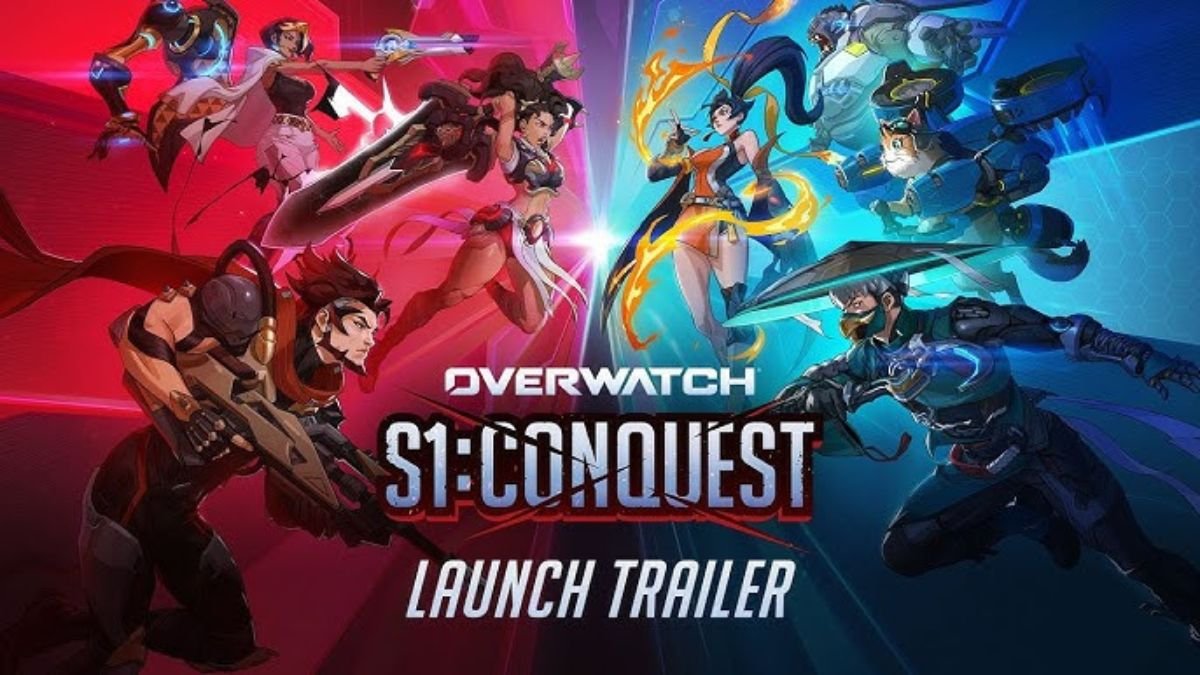
    Overwatch has seen its biggest surge in years following the release of its new Season 1 update. Blizzard’s popular hero shooter has broken its all-time Steam PC player count record and is also the most-watched game on Twitch right now.

    The new Season 1 update introduces the Reign of Talon revamp and drops the “2” from the game’s title. Blizzard has added five new hero characters, started a new live service structure with year-long story arcs, and promised faster hero releases. The update also brings a long list of gameplay changes, system improvements, and quality of life updates, making it the largest Overwatch update in a long time.

    As a result, player numbers have jumped sharply. According to Overwatch Steam charts, Overwatch reached a peak of 165,651 concurrent players on PC. This more than doubles its previous Steam record of 75,608 players, which was set when the game launched on Steam in 2023. This makes it the highest player count the game has ever achieved on Valve’s platform.

    With these numbers, Overwatch is currently the fourth most-played game on Steam. It sits just behind Counter-Strike 2, DOTA 2, and ARC Raiders. It is also ahead of Helldivers 2, which is seeing strong activity due to its latest update. In comparison, its direct competitor, Marvel Rivals is much lower on the chart, with around 90,000 concurrent players.

    These numbers are especially notable because a large part of Overwatch’s PC player base still uses Blizzard’s Battle.net launcher. Even before the update, the game was already climbing past titles like Call of Duty and Battlefield on Steam.

    Overwatch is also dominating on Twitch. Around 165,000 viewers are currently watching the game, making it the most-watched title on the platform. This puts it well ahead of League of Legends, which sits in second place with roughly 40,000 fewer viewers.

    We at Techlomedia have a dedicated Gaming Portal where you can track game releases, Steam charts, and also monitor Twitch viewership data. This helps players and fans understand how games are performing across both gameplay activity and live streaming interest in real time. All data presented in this article comes from there.

    Follow Techlomedia on Google News to stay updated. Follow on Google NewsFollow on Google News

    Affiliate Disclosure:

    This article may contain affiliate links. We may earn a commission on purchases made through these links at no extra cost to you.

  • Lorcan Tucker guides Ireland to 96-run win against Oman

    Lorcan Tucker guides Ireland to 96-run win against Oman


    Irish cricket players Lorcan Tucker and teammate fist bump during match against Oman.

    Colombo: Ireland skipper Lorcan Tucker produced a masterful unbeaten 94 under pressure to power his side to a 96-run victory over Oman in their T20 World Cup match here on Saturday, February 14.

    Riding on Tucker’s entertaining 51-ball knock, studded with 10 boundaries and four sixes, Ireland piled up a formidable 235 for five before dismissing Oman for 139.

    It was Tucker who steadied the innings after Oman’s 38-year-old left-arm spinner Shakeel Ahmed (3/33) had jolted Ireland with three top-order strikes, leaving them reeling at 64 for four in the eighth over.

    Oman’s Shakeel Ahamed, centre, celebrates with teammates the wicket of Ireland’s Harry Tector during the T20 World Cup cricket match between Ireland and Oman in Colombo, Sri Lanka, Saturday, Feb. 14, 2026. AP/PTI(AP02_14_2026_000085A)

    The Ireland skipper stitched together a vital 101-run partnership with Gareth Delany (56) for the fifth wicket before George Dockrell smashed an unbeaten 35 off just nine balls, studded with five sixes, to propel the team to an imposing total.

    Ireland’s Curtis Campher, left, Lorcan Tucker run between the wickets to score as Oman’s Shakeel Ahamed looks on during the T20 World Cup cricket match between Ireland and Oman in Colombo, Sri Lanka, Saturday, Feb. 14, 2026. AP/PTI(AP02_14_2026_000083A)

    Oman attempted to keep pace with Ireland’s scoring rate but lost wickets at regular intervals, with opener Aamir Kaleem (50 off 29 balls) and Hammad Mirza (46 off 37) the only batters to offer resistance.

    Oman’s Syed Aamir Kaleem celebrates his fifty runs during the T20 World Cup cricket match between Ireland and Oman in Colombo, Sri Lanka, Saturday, Feb. 14, 2026. AP/PTI(AP02_14_2026_000160A)

    However, slumping to 108 for five in the 13th over with a daunting target still looming, their chase gradually lost momentum and eventually fizzled out.

    Brief scores:

    Ireland 235 for 5 in 20 overs (Lorcan Tucker 94 not out, Gareth Delany 56; Shakeel Ahmed 3/33, Aamir Kaleem 1/29).

    Oman 139 in 18 overs (Aamir Kaleem 50, Hammad Mirza 46; Matthew Humphreys 2/27, Josh Little 3/16).


    Get the latest updates in Hyderabad City News, Technology, Entertainment, Sports, Politics and Top Stories on WhatsApp & Telegram by subscribing to our channels. You can also download our app for Android and iOS.

  • Lava Yuva Star 3 with 6.75-inch 90Hz Display and 5000mAh Battery Launched in India

    Lava Yuva Star 3 with 6.75-inch 90Hz Display and 5000mAh Battery Launched in India

    Add Techlomedia as a preferred source on Google. Preferred Source

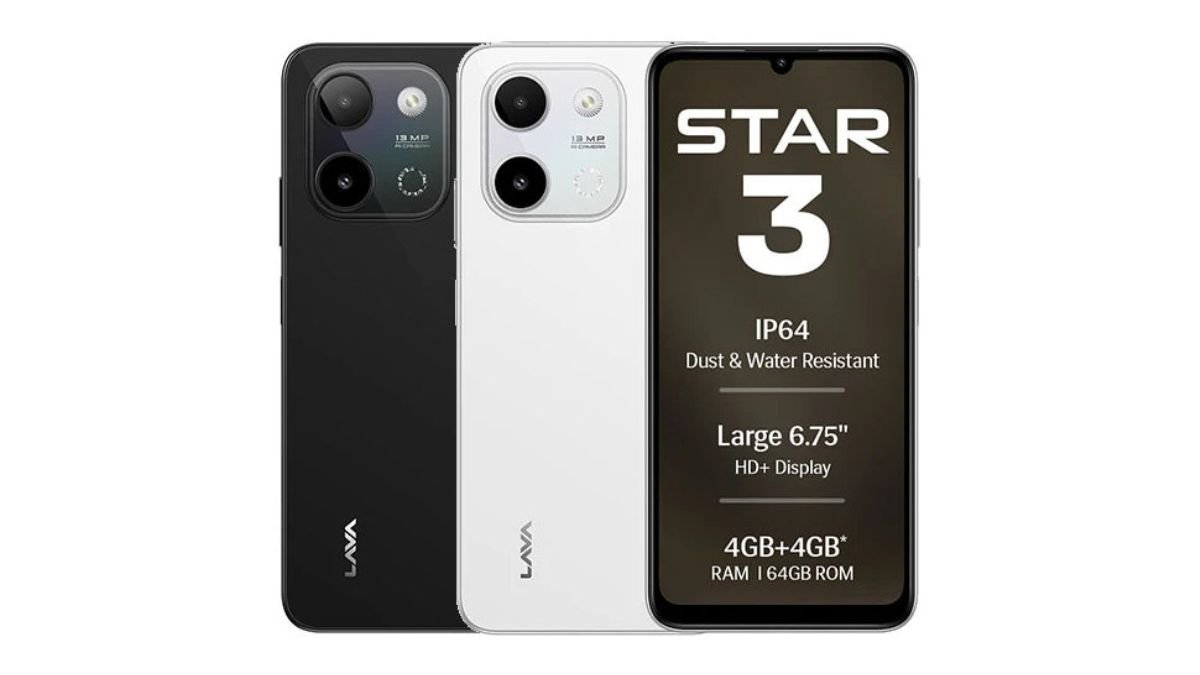
    Lava has launched a new budget smartphone, Lava Yuva Star 3, in India. It is the successor to last year’s Yuva Star 2 and mainly targets first-time smartphone buyers who want a reliable device at an affordable price.

    The Lava Yuva Star 3 features a 6.75-inch HD+ LCD display with a 90Hz refresh rate. The large screen size also makes it suitable for watching videos and casual gaming.

    The phone is powered by the UNISOC SC9863A octa-core processor clocked at 1.6GHz. It comes with 4GB of RAM and also supports an additional 4GB of virtual RAM through RAM expansion. The device has 64GB of internal storage, which can be expanded up to 512GB using a microSD card. It runs on Android 15 Go Edition, which is optimized for entry-level hardware and ensures smoother performance on budget devices.

    Lava Yuva Star 3 offers a 13MP rear camera with LED flash. For selfies and video calls, it has a 5MP front camera.

    The phone also comes with useful features such as a side-mounted fingerprint scanner, a 3.5mm audio jack, and FM Radio. The Lava Yuva Star 3 supports dual 4G VoLTE, Wi-Fi 802.11 ac, Bluetooth 4.2, and GPS. The phone also packs a large 5000mAh battery and supports 10W charging via a USB Type-C port.

    The device measures 164.96 × 76.1 × 8.5mm and weighs 193.7 grams. It has an IP64 rating for dust and splash resistance. The smartphone is available in Indus Black and Siachen White colour options.

    It is priced at Rs. 7,499 for the single 4GB + 64GB variant. Lava is offering a one-year warranty along with free service at home. The phone will be available across retail outlets in India starting March 2026.

    Follow Techlomedia on Google News to stay updated. Follow on Google NewsFollow on Google News

    Affiliate Disclosure:

    This article may contain affiliate links. We may earn a commission on purchases made through these links at no extra cost to you.