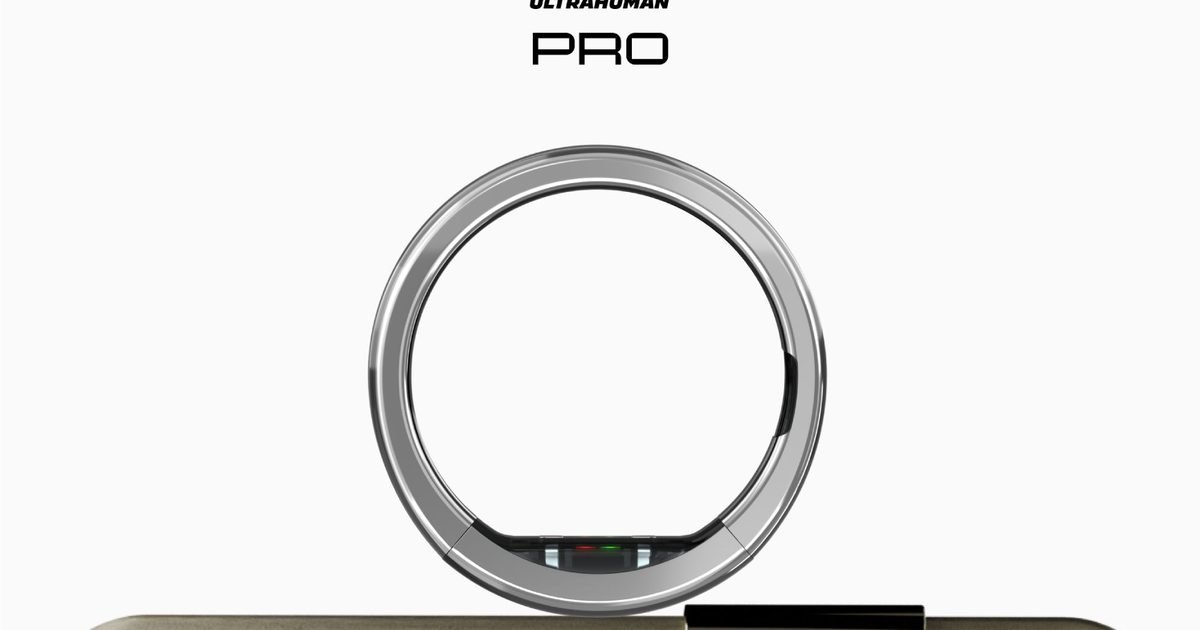
Ultrahuman today announced the Ring Pro, its third-generation smart ring, alongside Jade, a new real-time biointelligence AI platform. The Ring Pro marks a significant step up from the Ring Air, bringing refinements to battery longevity, on-device processing, and expanded ecosystem integration.
Ultrahuman claims that the Ring Pro delivers up to 15 days of battery life on a single charge and can store up to 250 days of health data directly on the device. It features a titanium unibody design and is available in Bionic Gold, Space Silver, Aster Black, and Raw Titanium finishes in sizes 5 to 14.
Hardware upgrades include a redesigned heart rate sensing architecture aimed at improving signal quality during sleep and recovery, as well as a dual-core processor that enables faster data processing and on-chip machine learning. The ring also introduces ProRelease Technology, allowing it to be cut apart more easily in case of finger swelling or injury.
Ultrahuman
Accompanying the ring is the new Pro Charging Case, which offers up to 45 days of additional battery life. The case uses UltraSnap Charging Technology with magnetic alignment, designed to generate less heat than conventional wireless charging. It supports the Qi wireless charging standard, features an LED battery indicator, haptic alerts, and an integrated speaker with Find My Case functionality, and enables firmware updates and diagnostics through direct case connectivity.
Ultrahuman is also rolling out Jade to all users globally. The AI platform is capable of “surfacing long-term trends with real-time guidance across Ring, Blood Vision, Home and M1 CGM data.” It offers Standard and Deep Research modes for broader analysis and, in addition to offering actionable insights, it can initiate breathwork sessions and trigger AFib detection.
Ultrahuman
The Ring Pro is priced at $479 and is available for pre-order globally, excluding the United States. Shipments are scheduled to begin in March. Ultrahuman is currently running a trade-in promo that can save buyers up to $115 when they trade in a Ring Air or other smart rings.
University of Washington researchers built a smartphone app that tracks fetal heart rate as accurately as clinic tools. No extra hardware, no gel, just the phone’s own speaker and microphone.
It’s called DopFone. The system plays an 18kHz tone and listens for the echo. A machine learning model estimates the heart rate from subtle shifts in that reflected sound.
In a study of 23 pregnant patients, the app landed within about 2 beats per minute of a medical-grade Doppler. That’s well inside the 8 BPM margin doctors accept.
The idea is to give more people access to regular fetal monitoring without expensive gear or constant clinic visits. But the tech has limits, and it’s not ready for prime time.
How it works and where it stumbles
You hold the phone’s microphone against your abdomen for one minute. The speaker plays a low tone that travels through tissue. When that sound bounces back, the baby’s heartbeats create tiny frequency shifts the phone picks up.
Garg et al./Proceedings of the ACM on Interactive, Mobile, Wearable and Ubiquitous Technologies
The team tested the app on patients between 19 and 39 weeks pregnant. It held up across different phone positions and angles. That matters at home, where nobody’s guiding you. But accuracy dropped slightly for people with higher BMIs. The readings stayed within normal limits, just not as tight.
The study also excluded anyone with an irregular fetal heartbeat. Those are emergencies, not the place for experimental tech. So we don’t know how the app handles abnormal rhythms yet.
What the app can’t do yet
DopFone only works for singleton pregnancies right now. The team hasn’t tested it on twins or triplets. Two heartbeats would complicate the signal.
All testing happened on iPhones in a controlled medical setting. How well does it perform on Android? In a noisy living room? We don’t know yet. The researchers plan to gather more real-world data.
The study focused on the second and third trimesters, with no data for first-trimester monitoring.
And since everyone in the study had healthy heart rates, the app’s ability to flag distress signals like tachycardia is unproven.
Garg et al./Proceedings of the ACM on Interactive, Mobile, Wearable and Ubiquitous Technologies
When you might actually use it
Don’t look for DopFone in app stores yet. The team needs more data from everyday conditions first. They’re also training the model on more diverse hardware and patient populations.
The long-term vision is a free or low-cost app that works on any phone. That could change things for people in rural areas or low-resource regions where traditional Dopplers are scarce.
It might also help high-risk patients monitor more often between doctor visits. The researchers stress this isn’t a replacement for medical care. If it arrives, it’ll be a measurement tool, not a diagnostic one. You’d still need a doctor to interpret the data.
Remember when Netflix tweeted, “Love is sharing a password,” because I do. It’s been almost seven years since then, and during that passage of time, Twitter became X, Netflix has raised prices multiple times, cracked down on password sharing, and the streaming scene has become more fractured than ever before.
It seems that HBO Max might be following a similar path. In the quarterly earnings call, JB Perrette, CEO and President of Global Streaming and Games for Warner Bros. Discovery, said, “And then we are in the second inning of our password sharing enforcement. It is just beginning to get scale. It has not expanded globally at all. That will start in 2026.”
Currently, HBO is cracking down on password sharing in the United States and is set to expand globally, starting this year.
Thibault Penin/Unsplash / Unsplash
The crackdown on password sharing is just the first step
The crackdown on password sharing was mentioned as one of the growth levers the company was considering for increasing revenue. This might be accompanied by a price hike and ad-supported tiers.
President and Chief Executive Officer, David Zaslav, said, “We have taken decisive actions, which led to eight price increases, when we made clear we were evaluating all paths, and have thus far achieved a 63% increase in value.” This appears to have worked for the company, and based on its comments, price hikes will likely continue.
Then there’s the ad-supported tier. It offers a more affordable alternative to HBO Max’s ad-free plan, and the company plans to push it in overseas markets to grow its subscriber base.
What it means for HBO Max subscribers and new users
If there’s one clear takeaway, it’s that HBO Max is entering a new phase of growth. Whether through tighter password-sharing rules or additional price increases, the company appears to be following a path similar to Netflix and Amazon Prime Video, focusing on generating more revenue from its existing subscriber base.
Google Translate is getting better at the messy parts of language. A new update rolling out today uses Gemini AI to help you decode idioms, slang, and phrases that never translate cleanly.
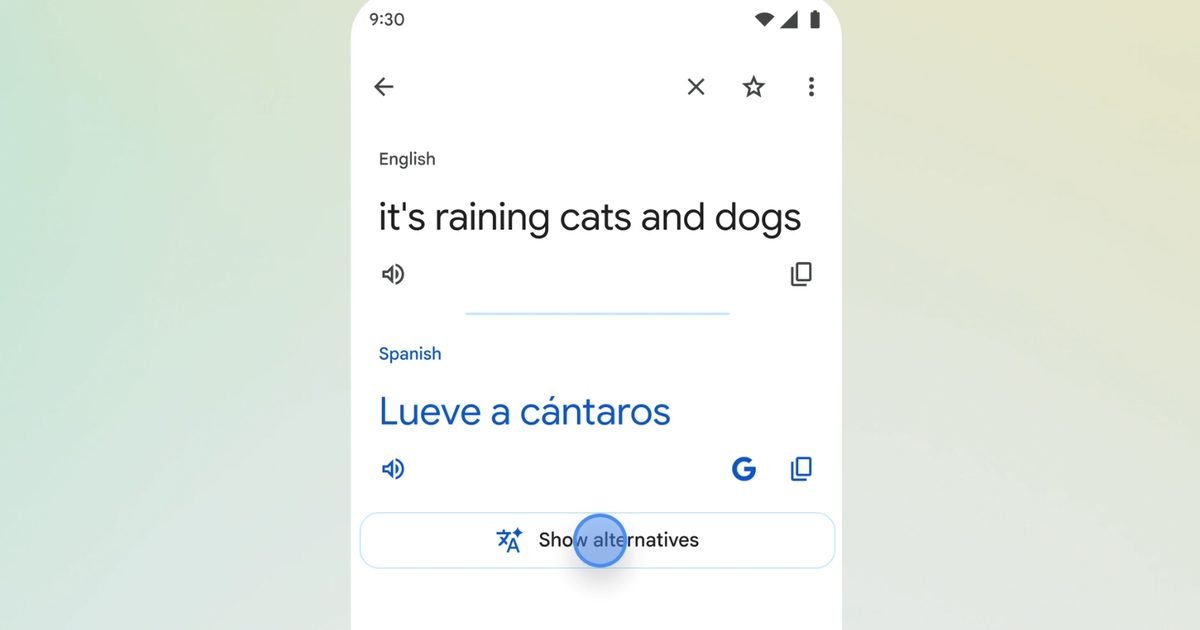
Instead of just swapping words, the app now shows you alternative ways to say things. It also explains the context behind them.
The feature tackles a familiar frustration. If you’ve ever typed “It’s raining cats and dogs” into a translator and gotten gibberish, this update is for you.
Google says the goal is to help you find the right phrasing. That applies whether you’re texting a friend or preparing for a professional meeting. The new tools start appearing on Android and iOS in the US and India today. A web version is coming soon.
How the new idiom feature actually works
When you translate a tricky phrase, you’ll now see helpful alternatives. They’re powered by Gemini’s multilingual smarts.
For something like “It’s raining cats and dogs,” the app offers different options. You also get brief tips on when and why to use each one.
Google
Want to dig deeper? Tap “understand.” That pulls up a clear overview of the phrase’s nuance.
Need more detail? Hit “ask” to follow up with specific questions. Want to know how to say something in a particular country or dialect? The AI tries to handle those follow-ups too.
Google
The update shifts Translate from a blunt instrument into something closer to a language guide.
Why tone matters more than ever
Literal translations often strip away personality as hey turn casual jokes into robotic statements. They make informal chats feel stiff.
Google is betting that people want more than just dictionary definitions. They want to sound like themselves, even in another language.
The timing makes sense. More workers and travelers now rely on translation apps for real conversations.
A phrase that works in a business meeting might bomb at a dinner table. By showing you alternatives and explaining their use, the update tries to bridge that gap.
Where to try it and what comes next
The new tools are live now in the Google Translate app for Android and iOS. You’ll need to be in the US or India to access them today.
Google hasn’t shared a precise date for the web rollout yet. But it says the feature is coming soon to desktop browsers.
For now, you can test it by searching for phrases that never translate cleanly. Idioms, regional slang, and colloquial expressions should trigger the new options.
If you’re outside the launch regions or waiting on the web version, expect the update to hit your device in the coming weeks. Google is pushing Translate toward more human sounding results. This feels like just the start.
Samsung’s bold experiments with radical foldable phone designs, like the ultra-slim flagship Galaxy S25 Edge and its first triple-folding device, may not see a traditional yearly release. An executive has revealed that the company remains uncommitted to launching more insanely pricey smartphones anytime soon.
Why the next TriFold isn’t a given
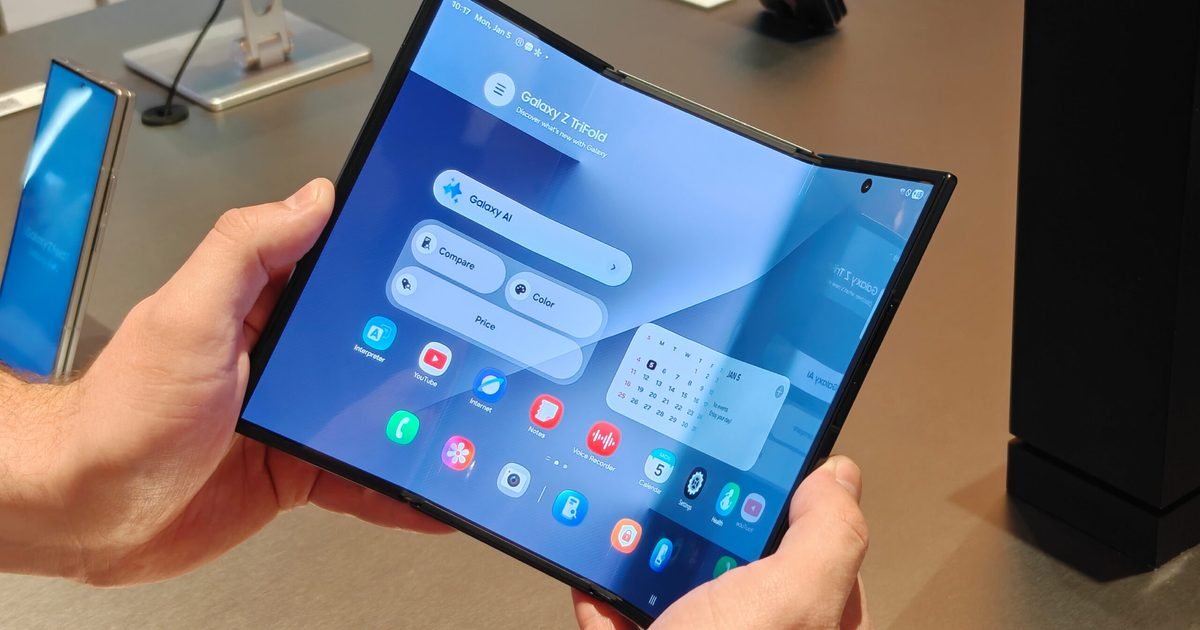
During an interview with Bloomberg, Won-Joon Choi, chief operating officer of Samsung’s Mobile Experience Business, said the brand is skeptical about successors for the Galaxy S25 Edge and Galaxy Z TriFold. The sales of these devices lagged behind expectations compared with their more mainstream models like the Galaxy S and Galaxy Z series.
John McCann / Digital Trends
The TriFold, with its two hinges and a tablet-like unfolded mode, retails for around $2,900. While these sold out in limited batches, the device remains a niche product with a steep price tag and ultra-premium positioning. In his comments, Choi didn’t rule out future models entirely, but added that no decision has been made on when, or even if, a second generation of these complex models will arrive.
Not killing the foldables, just rethinking it
Samsung’s cautious stance doesn’t mean the company is abandoning foldable phones entirely. In fact, the executive highlighted that a more practical iteration could be in the works. A wider version of the Galaxy Z Fold series is reportedly in the pipeline, focusing on delivering a larger screen for entertainment or multitasking without the added complexity (and cost) of a double-hinge system.
Andy Boxall / Digital Trends
Rather than chasing ultra-niche phones that push engineering boundaries, Samsung may be prioritizing models with broader market appeal, like foldables that feel more familiar and are priced more accessibly. While foldable tech continues to mature and enter more segments like handhelds, ultra-premium experiments have yet to prove that they can sustain long-term consumer demand given their pricing and complexity.
This also reveals a larger industry dynamic where pushing the envelope in form factor innovation is expensive, risky, and doesn’t always bring mass demand. Enthusiasts and premium buyers are all for the groundbreaking phones, but the mainstream markets still lean towards more balanced offerings.
That $599 price tag Apple’s budget MacBook was rumored to carry last August? It’s looking shakier by the day.
When supply chain sources first floated the number, it made sense on paper — nearly as cheap as the M1 MacBook Air got during its Walmart clearance run, and enough to open Apple’s laptop lineup to a whole new tier of buyers. But component costs have moved against Apple since then, and two areas in particular are proving stubborn (via DigiTimes).
Karthikeya GS / Unsplash
The memory problem
Memory is the bigger headache. Prices have climbed steeply over the past year, and the relief valve that many in the industry were counting on — increased output from Chinese memory makers — hasn’t materialized the way anyone hoped.
Those suppliers are maxed out and focused on domestic customers. Apple, which historically had enough purchasing leverage to sidestep the worst of these cycles, is feeling it this time. Tim Cook said as much on a recent earnings call, noting that while Q1 2026 exposure was limited, the pressure would build through Q2 and beyond.
Batteries are piling on. Cobalt — a key ingredient in lithium battery production — has gone from around $21,500 per metric ton in early 2025 to north of $56,000 after the Democratic Republic of Congo banned exports. That’s a 161% increase. Battery module prices alone jumped 10–15% just in February.
Omar Al-Ghosson on Unsplash
It looks like a $599 price tag is off the table
Put it together, and the $599 dream has largely been revised out of circulation. Current estimates from within the supply chain put the likely price between $699 and $749.
Which creates a real awkward situation for Apple. The M4 MacBook Air starts at $999 — but it goes on sale, gets discounted through education pricing, and regularly dips below that in retail. A budget MacBook creeping toward $749 starts looking less like a category opener and more like a shelf prop designed to nudge buyers toward the Air anyway.
What the cheaper model is still expected to bring: an A-series chip borrowed from Apple’s iPhone line, a slimmer and lighter build than the current Air, and a smaller screen. Respectable specs — just not quite the disruptive entry point the rumor mill had us expecting.
Microsoft just turned its AI assistant into someone who actually clocks in. Copilot Tasks, a research preview announced today, stops the chitchat and starts doing multi-step work while you focus on other things. No more generating text you still have to act on. This version books, cancels, unsubscribes, and tracks stuff across the web with its own browser.
You describe what needs doing. It figures out the rest.
The shift is simple but significant. Chatbots gave us answers. Copilot Tasks aims to give us completed items from the to-do list. Microsoft is letting a small group try it today, with plans to bring more people in over the next few weeks.
Microsoft
What Copilot Tasks can actually do for you
The company shared examples that sound less like tech demos and more like actual chores you’d hand off. You can set it to surface urgent emails with draft replies every evening. It will unsubscribe from newsletters you never open. It can track new apartment listings each Friday and book showings.
For work, it turns a syllabus into a study plan with practice tests and scheduled focus time. It builds slide decks from emails and attachments. Job hunters can have it watch for relevant listings, then tailor a resume and cover letter for each one.
It also handles shopping and logistics. Planning a birthday party? It will find a venue, send invites, and collect RSVPs. It monitors hotel rates and rebooks when prices drop. It scans used car listings, contacts dealerships, and schedules test drives. It runs while you rest.
Microsoft
How the background AI keeps you in control
Copilot Tasks operates with its own computer and browser, coordinating across services without you watching every step. But Microsoft stresses this isn’t autopilot. The system asks before spending money or sending messages. You can pause or cancel anything.
You describe what you need naturally. Copilot figures out the steps, whether that means browsing the web, creating documents, managing your calendar, or contacting businesses. It works in the background and reports back when finished. Recurring tasks run daily or weekly. One-off jobs just run once. You always get the final say.
When you can try Copilot Tasks for yourself
The feature launches today as a research preview for a limited group. Microsoft wants real-world feedback before expanding. More people will get access in the coming weeks ahead of the full release.
You can join the waitlist now. Microsoft will notify you if you’re selected. The company calls this the beginning of AI that works for everyone, not just developers. For now, the message is straightforward: assistants that actually assist are finally here.
A new investigation from The New York Times reveals how quickly YouTube floods feeds with bizarre AI-generated videos aimed at the youngest viewers. After a single CoComelon video, more than 40 percent of the recommended Shorts in a 15-minute session contained synthetic visuals.
The algorithm pushes content from channels claiming to teach toddlers about the alphabet and animals. But the clips themselves are often nonsensical, featuring warped faces, extra body parts and garbled text. None run longer than 30 seconds.
Experts say that format leaves no room for repetition or narrative structure, both essential for young children learning from media. Yet the videos pull millions of views.
Creators, many operating anonymously, have turned AI tools into a reliable income stream. The barrier is low, the payoff is high and the feed keeps flooding.
The algorithm prioritizes quantity over quality
Reporters conducted the analysis over several weeks, watching popular channels like CoComelon and Ms. Rachel from a private browser. Then they scrolled through recommended YouTube Shorts in 15-minute intervals to see what surfaced.
In one session following a “Wheels on the Bus” video, over 40 percent of the recommendations showed signs of AI generation. Some clips carried YouTube’s own “altered or synthetic content” label. Others required an AI detector to confirm because the visuals were seamless enough to evade casual detection.
The same videos and channels popped up repeatedly across multiple sessions. That suggests the algorithm actively boosts this content instead of filtering it out. Many accounts produce these clips multiple times a day, optimized for maximum views with minimum effort.
Inside the creator economy fueling the feed
Many of the YouTube accounts producing AI-generated children’s content operate anonymously. They list no contact information and offer few identifiable details about who runs them. The barrier to entry is remarkably low.
Creators teach themselves using readily available tools like Google’s Whisk and Runway, often following online tutorials. Some channels present themselves as educational, featuring animated animals and sing-along songs designed to appeal to parents seeking learning content for toddlers.
The financial incentive drives rapid production. One Halloween video featuring spooky animals amassed more than 370 million views. Accounts pump out multiple videos per day, optimized for maximum reach with minimum effort. The formula works: grab attention fast, keep it short and let the algorithm handle distribution.
YouTube reacts but parents are left to police the feed
After the Times shared examples with YouTube and requested comment, the platform suspended all five cited channels from its Partner Program. Those accounts can no longer earn ad revenue or appear on YouTube Kids. The company also removed three hyperrealistic videos from the kids’ app and took down one clip for violating child safety policies.
But the response was reactive, not proactive. YouTube requires creators to disclose AI-generated realistic content, but that rule doesn’t apply to animated videos for children. So the burden falls to parents, a task even experts find daunting as the tools improve.
Some families now create their own playlists of vetted content or remove the app entirely. The American Academy of Pediatrics advises parents to avoid AI-generated or highly sensationalized content. Spotting it remains the hard part.
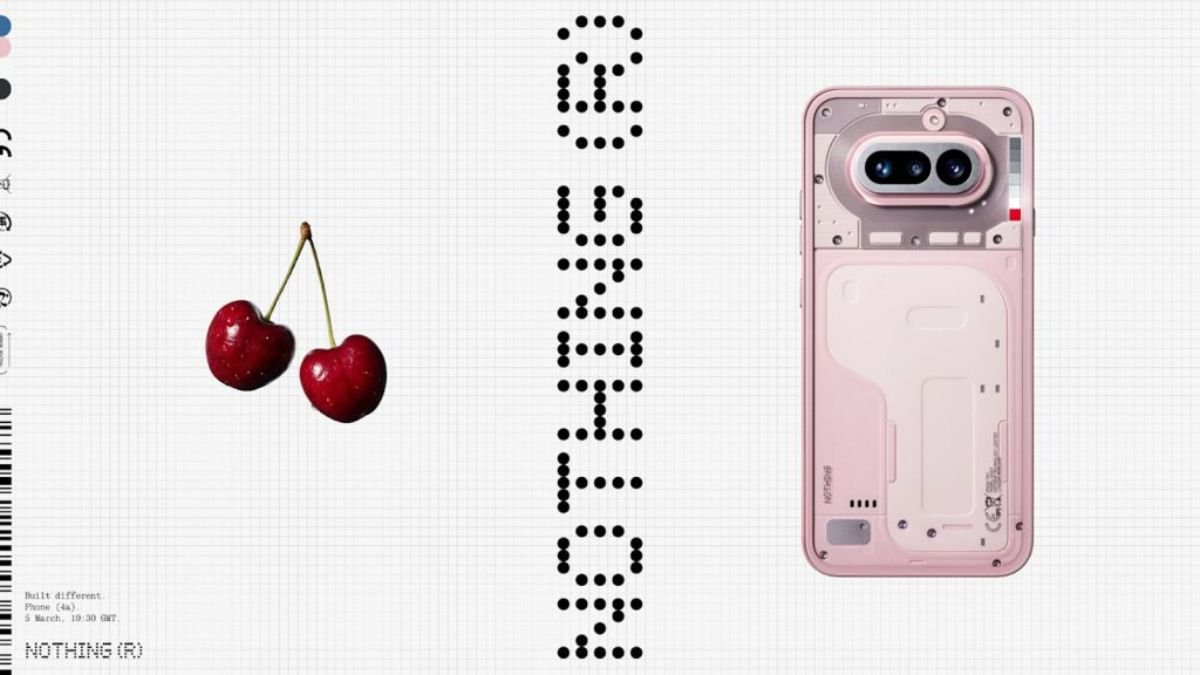
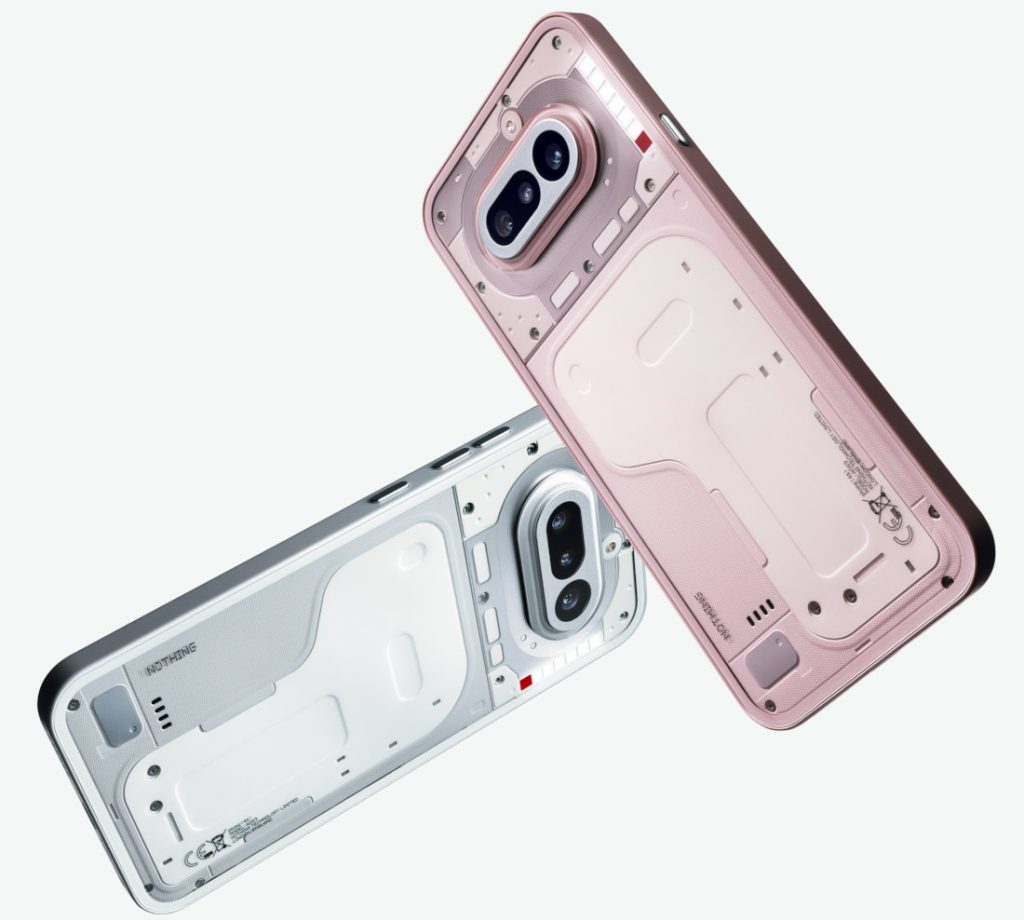
Nothing has officially shown the pink colour variant of the upcoming Nothing Phone (4a). The brand had already teased white, blue, and black options. Now the pink version is out in the open, and it brings a slightly refreshed look to the company’s signature transparent design.
The most noticeable change is on the back. The new Glyph lighting system now includes six white LED strips placed vertically on the right side of the camera module. There is also a small red light that works as a recording indicator. It turns on when you start recording video, making it clear that the camera is active.
Nothing is also adding more customisation to the Glyph interface. Users will get new notification styles such as dolphin and wings effects. The hourglass animation from the Nothing Phone (3) is also coming to this device, even though the layout now uses a single column of LEDs. Features like Glyph progress, camera timer countdown, and camera shutter lighting are also part of the package.
Another small but important design change is the reduced camera bump. Nothing says the camera module is slimmer this time compared to the Nothing Phone (3a). This is possible because the phone uses a tetra prism telephoto lens, which allows better space management inside the body.
To promote the pink edition, Nothing has started a marketing campaign in London. The company has placed bold pink graffiti over flyposters in central areas, using cultural references linked to the colour. The pink theme has also taken over the windows of the Nothing Store in Bengaluru.
The Nothing Phone (4a) will launch on March 5 at 10:30 AM GMT, which is 4 PM IST. The event will be streamed live from Central Saint Martins in London.
Follow Techlomedia on Google News to stay updated.
Affiliate Disclosure:
This article may contain affiliate links. We may earn a commission on purchases made through these links at no extra cost to you.
Microsoft has announced its February update for Xbox. The update brings several new features across consoles, PC, and handheld devices. The update focuses on improving cloud streaming quality, refining the PC app experience, and adding new options for ROG Xbox Ally users.
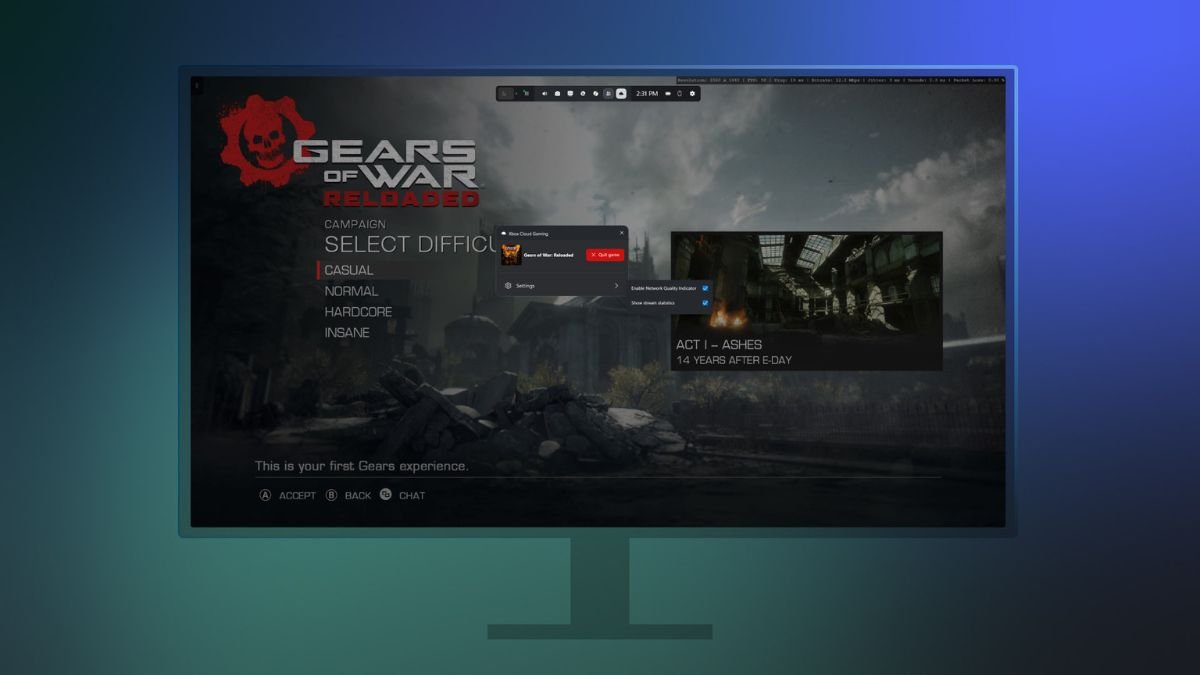
The biggest change is support for up to 1440p resolution streaming on Xbox consoles through Xbox Cloud Gaming. This feature is available for Xbox Game Pass Ultimate members. This should result in sharper visuals and smoother gameplay, depending on internet speed and region.
Cloud Gaming recently moved out of beta. Microsoft says it will continue refining performance and expanding support. The 1440p option was already available on the Xbox PC app and supported browsers. Now, console players also get the same upgrade.
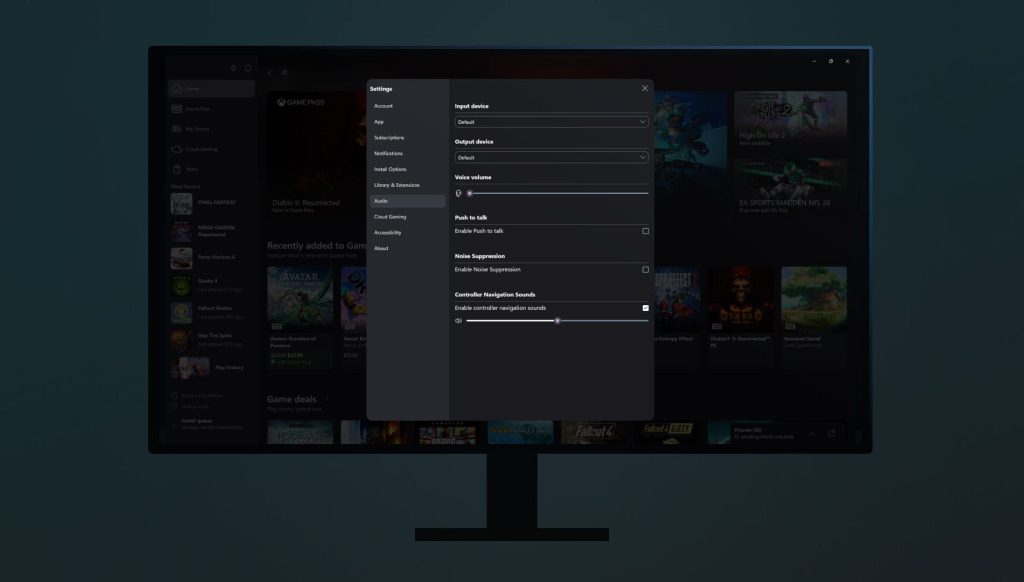
The Xbox PC app on Windows has received subtle controller navigation sounds. These sounds play when users move between menu items, select options, or go back. The feature is optional. Users can enable or disable it in the app settings and adjust the volume. While this is a small change, it improves feedback when using a controller on PC.
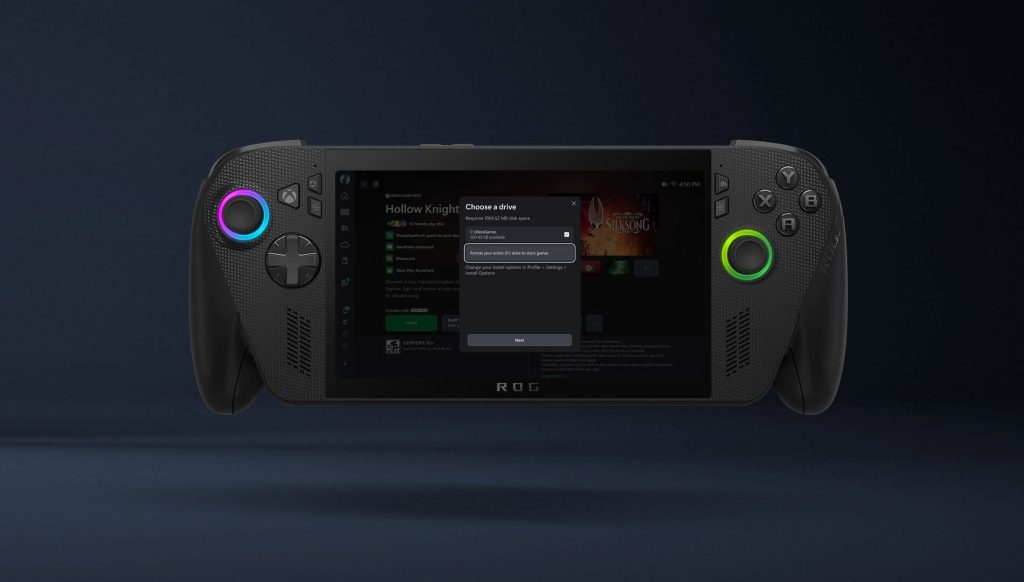
Microsoft has also added updates for the ROG Xbox Ally and Ally X handheld devices. Users can now format removable storage directly from the Xbox app when installing a game. This includes officially licensed microSD cards. Earlier, this process required extra steps.
Another new feature is an Advanced Shader Delivery indicator. Supported games will show a notice during loading if shaders were pre compiled during download. This helps games launch faster and perform better during first play.
Microsoft says more improvements have been added based on user feedback, though full details are available in patch notes.
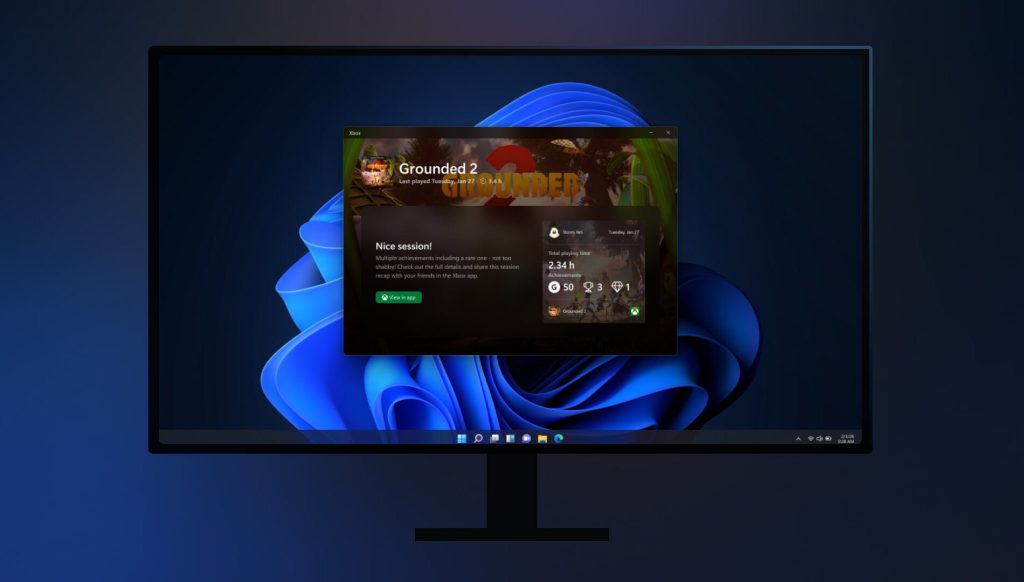
Xbox Insiders enrolled in the PC Gaming Preview can now access Postgame Recaps in the Xbox PC app. After finishing a session, players may see a summary of achievements unlocked, captures taken, and upcoming in game events.
This feature does not appear after every session. It mainly shows up when there is something new to highlight. Users can manage recap settings inside the app.
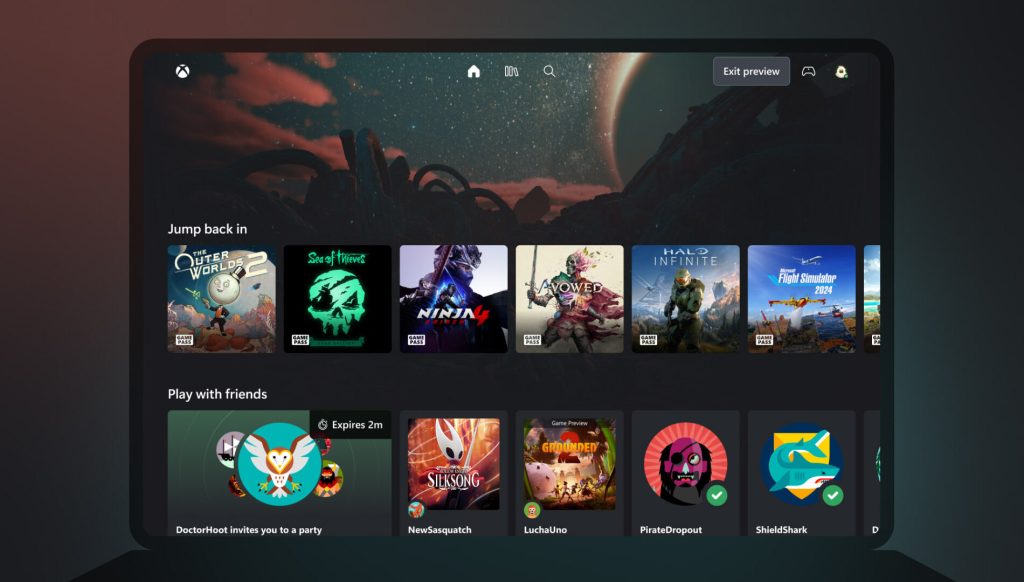
Microsoft is also testing a refreshed web interface for Xbox Cloud Gaming. This preview is available to Insiders who opt in.
The updated interface includes new navigation and a redesigned layout. Since it is still in preview, some features may be limited or behave differently. Microsoft says it will keep improving the experience based on feedback.
The Handheld Compatibility Program now highlights games optimized for handheld Windows devices. These labels appear on product pages and in a dedicated section on supported handhelds.
Recently added titles include Cash Cleaner Simulator, Dragon Quest VII Reimagined, and High on Life 2 under the handheld-optimized tag. Some games are marked as mostly compatible.
Xbox Play Anywhere now supports over 1,000 games. This program allows users to buy a game once and play it across Xbox consoles, PC, and supported handheld devices without extra cost. Progress, saves, add ons, and achievements sync across devices as long as users sign in with the same Xbox account. Some notable additions include Final Fantasy VII Remake Intergrade and MIO: Memories in Orbit.
Microsoft says more than 1,000 owned games can now be streamed through Xbox Cloud Gaming by eligible subscribers. This allows users to stream titles they already own instead of only those included in Game Pass. Recently added games include Gears of War and High on Life 2. More titles, such as Ghostrunner 2 and Star Wars: Dark Forces Remaster, are expected soon.
This move gives players more flexibility, especially those who want to access their purchased library without installing games.
Microsoft also highlighted Retro Classics, a collection of over 100 classic titles available through Xbox Game Pass in partnership with Antstream Arcade. Recently added games include Beyond Zork and Return to Zork.
Xbox Cloud Gaming now supports over 130 games with mouse and keyboard input and more than 260 games with touch controls. New titles supporting mouse and keyboard include Company of Heroes 3, Hotel Barcelona and Transport Fever 2.
Follow Techlomedia on Google News to stay updated.
Affiliate Disclosure:
This article may contain affiliate links. We may earn a commission on purchases made through these links at no extra cost to you.