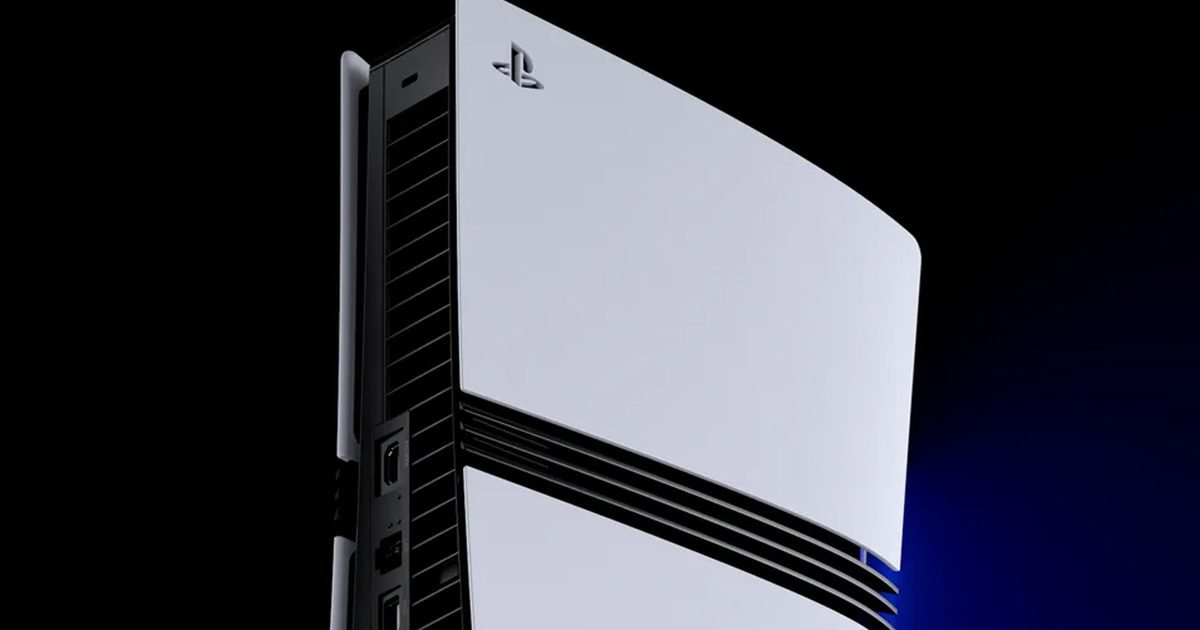
The PlayStation 5 Pro is getting a notable graphics upgrade, and it comes straight from Sony’s long-running partnership with AMD. As shared by Sony in an official blog post, the console’s image-upscaling technology is about to receive a major refresh.
Grateful for the shared vision with @cerny on Project Amethyst.
🎮 Through deep co-engineering between @PlayStation and @AMD, we’re seeing that vision power the PlayStation 5 Pro, delivering higher resolution, higher frame rates, and beautiful visual fidelity for gamers.
At the center of the news is an upgraded version of PSSR (PlayStation Spectral Super Resolution), Sony’s AI-driven upscaling technology. The new version has been co-developed with AMD and is derived from the company’s latest FSR 4 upscaling technology. Sony says the improved PSSR will roll out soon, with Resident Evil Requiem confirmed as the first game to support it. The update is said to bring sharper image quality, reduced ghosting, and better detail reconstruction compared to the original version.
A glimpse at the future of console graphics
The new PSSR update is not just a small tweak. Sony describes it as the result of months of additional refinement built on top of AMD’s FSR 4 technology. That matters because upscaling has become one of the most important tools in modern gaming, allowing consoles to deliver higher resolutions and smoother frame rates without requiring dramatically more powerful hardware. Instead of brute-force rendering every pixel, AI-assisted upscaling reconstructs high-resolution images from lower-resolution frames. The result is better performance while still delivering near-native visual quality.
Sony
For PS5 Pro owners, this upgrade could mean clearer visuals, better performance, and more future-proof graphics as new games begin adopting the updated PSSR technology. And because the upgrade is system-level, it has the potential to benefit multiple upcoming titles rather than being limited to a single release. As Sony and AMD continue to work together, the PS5 Pro may end up feeling more like a living platform that improves over time. With the PS6 reportedly pushed further down the road, it’s reassuring to see the PS5 Pro getting a meaningful performance boost in the meantime.
In today’s fast-moving digital environment, teams responsible for managing multiple online accounts face increasing pressure to stay secure, efficient, and scalable. From affiliate marketers to social media teams and e-commerce operators, the demand for streamlined multi-account workflow management has never been higher. AdsPower has emerged as a trusted, enterprise-ready solution built specifically to meet that demand – enabling businesses to scale confidently with automation, security, and centralized control at the core.
AdsPower’s mission is simple yet ambitious: to create millions of growth opportunities by delivering a secure, reliable platform for global digital operations. As modern business accelerates, the need for intelligent, automated account management becomes essential. AdsPower has not only recognized this shift – it has become the go-to platform powering it.
Automation that unlocks faster scaling
One of AdsPower’s biggest strengths lies in its ability to support rapid business scaling without demanding proportional increases in manual effort. The platform equips teams with powerful automation tools that drastically reduce repetitive workloads and eliminate cross-account risk.
Its RPA (Robotic Process Automation) capabilities allow businesses to automate rule-based, high-volume tasks with precision. Whether you’re managing social accounts, product listings, or data collection workflows, RPA lets you run operations on autopilot while ensuring consistency.
AdsPowerAdsPower
Meanwhile, the multi-window synchronizer executes actions across multiple accounts in real time – an essential advantage for affiliate marketers and social managers who often need to maintain consistent engagement across various platforms.
For advanced users, local API integration provides the flexibility to build custom workflows and connect AdsPower with other systems. This helps teams tailor the platform to unique operational needs, making scaling faster, smoother, and more secure.
A unified dashboard with complete control
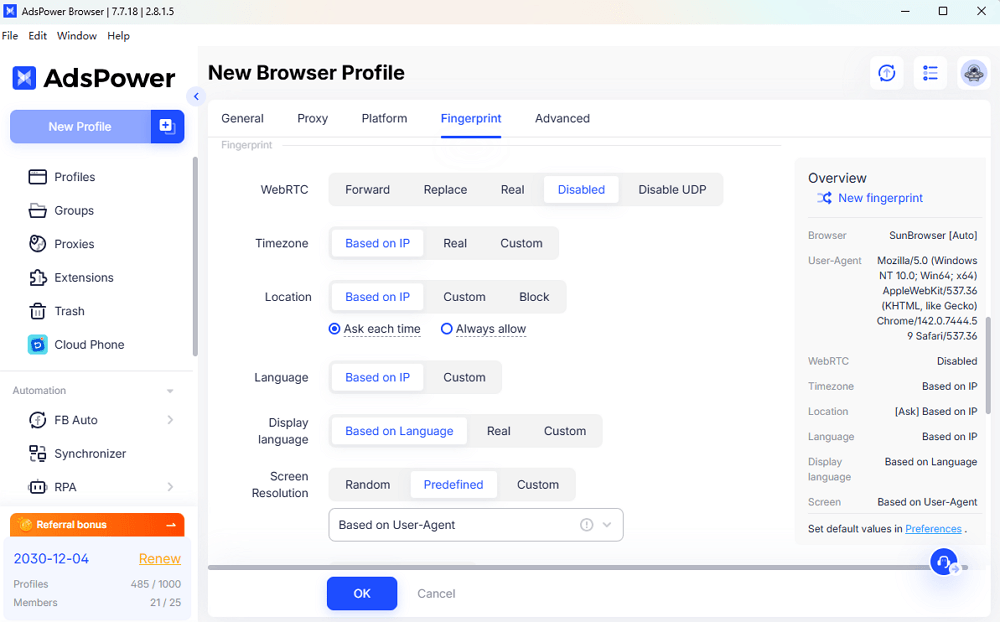
At its core, AdsPower is a secure anti-detect browser built for multi-account management. But the experience goes far beyond basic browsing. Users can generate fully customizable, unique browser fingerprints with flexible parameter settings, allowing each profile to behave like a natural, independent user environment.
AdsPowerAdsPower
The platform’s unified dashboard is designed for clarity and control. Teams can manage hundreds of accounts – and tasks – from a single interface on both Windows and macOS. This centralization is a major advantage for businesses that previously struggled with scattered workflows or siloed team operations.
Role-based access ensures that permissions and responsibilities can be distributed intelligently across teams. Managers can assign customized access levels, ensuring operational clarity while maintaining tight control over sensitive resources.
Enterprise-grade security you can trust
As account volume grows, so does risk. AdsPower builds its product on a foundation of high-level security that protects teams from cross-account exposure, data leakage, and unauthorized access.
Key security features include:
End-to-end encryption for both data transmission and storage
Safe account and browser settings to minimize vulnerabilities
Completed SOC 2 Type II audit confirming compliance with global security and operational integrity standards
This comprehensive approach ensures that AdsPower is not only a powerful automation platform but also a reliable guardian of digital business assets.
A Customer-Centric Anti-Detect Browser Built on Four Pillars
The AdsPower experience is shaped by four core values designed to support customers at every stage of their digital journey:
Customer First – Every update and service decision is driven by user needs.
Open Communication – Feedback is welcomed, respected, and used to shape better solutions.
Leadership Mindset – Teams strive to lead the industry through resilience, adaptability, and excellence.
Innovation – AdsPower continuously evolves to meet the demands of a dynamic digital landscape.
This mindset has allowed the platform to become the preferred solution for digital professionals worldwide across industries such as affiliate marketing, social media marketing, e-commerce, MMO, digital agencies, media buying, crypto, Web3, and web scraping.
Built for a fragmented digital world
As work becomes more fragmented and professionals are required to manage more accounts across more platforms, the need for a stable, secure, and scalable foundation becomes critical. AdsPower addresses this challenge directly by giving teams the tools to automate, manage, and protect their operations under one unified ecosystem.
With global reach and a commitment to continuous improvement, AdsPower is not just keeping up with digital acceleration – it’s helping businesses thrive within it.
Digital Trends partners with external contributors. All contributor content is reviewed by the Digital Trends editorial staff.
Spotify is rolling out Audiobook Charts in the US and UK, giving listeners a new way to discover what’s trending. The charts, updated weekly, highlight the most popular audiobooks overall and by genre based on listening activity and engagement on the platform.
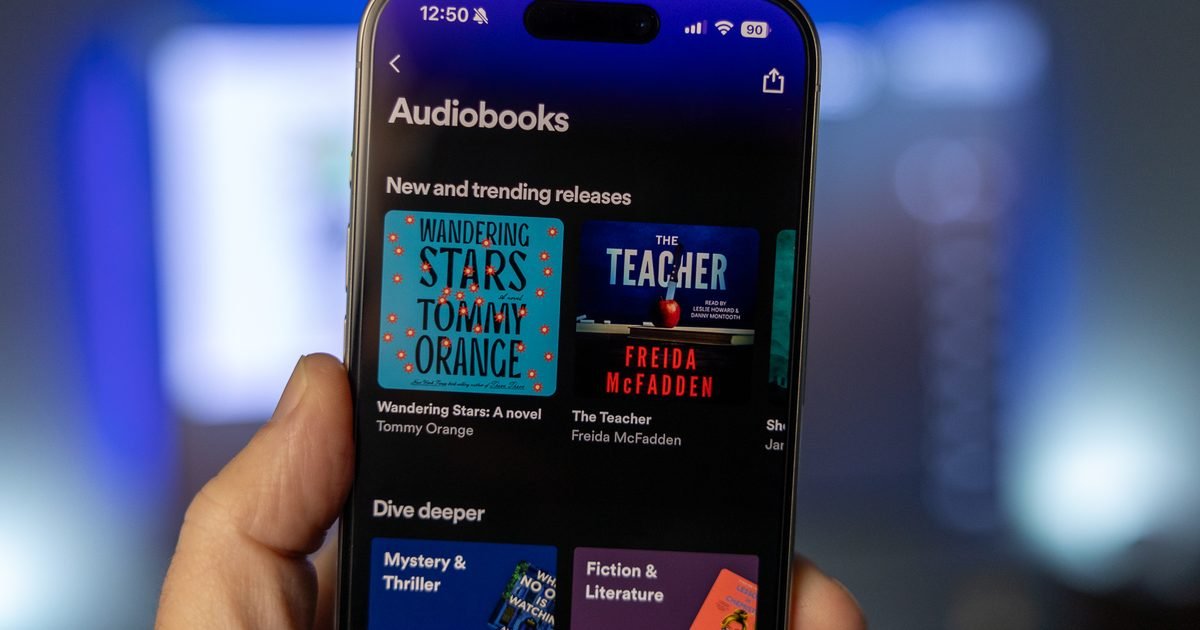
The new rankings are available to both free and Spotify Premium users through the audiobook hub. To access them, users can tap the search button, select the “Audiobooks” tile, and scroll down to the “Dive deeper” section. Spotify says the charts aim to make it easier for users to find popular titles while giving authors and publishers a new channel to reach audiences.
Talking about the new feature, Duncan Bruce, Spotify’s Director of Audiobook Partnerships and Licensing, said, “As we’ve proven with Music and Podcasts Charts, when content is easier to access, discover, and enjoy, the demand grows. We are delighted to now bring that to audiobooks, to help provide even more ways for users, publishers, and authors to discover what’s trending on Spotify, and make books more connected with culture in real time.”
Spotify first launched audiobooks on its platform in 2022, aiming to turn the app into a central hub for all types of spoken-word content alongside music and podcasts. Since then, it has added a couple of features to improve the audiobook listening experience.
Most recently, it released a useful feature called Page Match, which lets users scan a page from a physical book and instantly jump to that spot in the audiobook. Late last year, the platform released a handy Recap tool that offers short summaries to help listeners catch up on previous chapters, making it easier to stay engaged with longer titles.
Netflix’s mystery series Wednesday reinvigorated the Addams Family for the modern age, becoming one of the streaming giant’s most-watched shows. It’s only natural that Netflix keep the hype running with Wednesday‘s upcoming third season.
There’s a lot we can expect to see from Wednesday after season 2. It’s unclear what Wednesday and her peers will encounter in the next season, but what makes the show so fun is watching the mystery unfold. In all fairness, we don’t like waiting years for more episodes. Don’t fret. We’ve got you covered with everything you need to know about Wednesday season 3.
What’s the story of Wednesday season 3?
Netflix / Netflix
Netflix Tudum wrote that in season 3, “a new wave of insidious interlopers will be darkening the doors of Nevermore Academy.” Wednesday showrunners Al Gough and Miles Millar said to Tudum that the third season will also “excavate some long-rotting Addams Family secrets.”
“Our goal for Season 3 is the same as it is for every season: to make it the best season of Wednesday we possibly can,” said Gough. “We want to continue digging deeper into our characters while expanding the world of Nevermore and Wednesday.”
These statements fit with what we saw as Wednesday left Nevermore with Uncle Fester and Thing in search of her alpha werewolf bestie, Enid. In this ending to season 2, Wednesday had a vision of her Aunt Ophelia, imprisoned by Grandmama Frump and writing in blood, “Wednesday Must Die,” suggesting some of the Addams family’s skeletons will come out of the closet.
When will Wednesday season 3 come out?
Netflix / Netflix
Since Wednesday season 3 is so early into production, there is no release date set at this time. We can’t see into the future like Wednesday Addams, but it is likely she will return in 2027. Though the second season premiered three years after the first, the 2023 writers’ and actors’ strike stalled production for several months. Barring any future delays, the wait for season 3 should last a total of two years rather than three.
When and where is Wednesday season 3 filming?
Helen Sloan / Netflix
Production for Wednesday season 3 started in February 2026, according to Netflix Tudum. Like with season 2, filming will take place near Dublin.
Who will return in Wednesday season 3?
Netflix / Netflix
As usual, Wednesday will feature a vast, quirky cast of characters in season 3, including members of the Addams Family and Wednesday’s classmates at Nevermore Academy.
Jenna Ortega as Wednesday Addams
Catherine Zeta-Jones as Morticia Addams
Luis Guzman as Gomez Addams
Isaac Ordonez as Pugsley Addams
Joana Lumley as Grandmama Hester Frump
Joy Sunday as Bianca Barclay
Georgie Farmer as Ajax Tanaka
Moosa Mostafa as Eugene Ottinger
Evie Templeton as Agnes DeMille
Victor Dorobantu as Thing
Winona Ryder as Tabitha
Emma Myers as Enid Sinclair
Hunter Doohan as Tyler Galpin
Fred Armisen as Uncle Fester
Billie Piper as Isadora Capri
Luyanda Unati Lewis-Nyawo as Santiago
Oscar Morgan as Atticus
Kennedy Moyer as Daisy
Noah Taylor as Cyrus
Chris Sarandon as Balthazar
Eva Green as Ophelia Frump
Who’s new to Wednesday season 3?
20th Century Fox / 20th Century Fox
Just like season 2, Wednesday‘s third season will welcome plenty of new characters to Nevermore Academy. Actors joining the cast next season include Winona Ryder (Stranger Things), Chris Sarandon (Dog Day Afternoon, The Princess Bride), Noah Taylor (Peaky Blinders, Game of Thrones), Oscar Morgan (A Knight of the Seven Kingdoms), and Kennedy Moyer (Task, Roofman).
In an interview with Netflix Tudum, Gough and Millar shared a statement praising Eva Green and her performance as Wednesday’s Aunt Ophelia:
“Eva Green has always brought an exhilarating, singular presence to the screen — elegant, haunting, and beautifully unpredictable. Those qualities make her the perfect choice for Aunt Ophelia. We’re excited to see how she transforms the role and expands Wednesday’s world.”
Green also said to Tudum, “I’m thrilled to join the woefully twisted world of Wednesday as Aunt Ophelia. This show is such a deliciously dark and witty world, I can’t wait to bring my own touch of cuckoo-ness to the Addams family.”
Winona Ryder’s casting is also particularly noteworthy. The actor has frequently starred as a main player in producer Tim Burton’s films. Most recently, she starred alongside Jenna Ortega in Beetlejuice Beetlejuice. Whether or not Ryder’s new character will support Wednesday on her journey, it will be exciting to see the former reignite her on-screen chemistry with Ortega.
Are there any trailers for Wednesday season 3?
On February 23, Netflix shared a fiendishly flamboyant video announcing that production for Wednesday season 3, all while revealing the cast. The trailer also featured a “?” to label one of the season’s cast members, suggesting this mystery character plays an important role that would spoil the story.
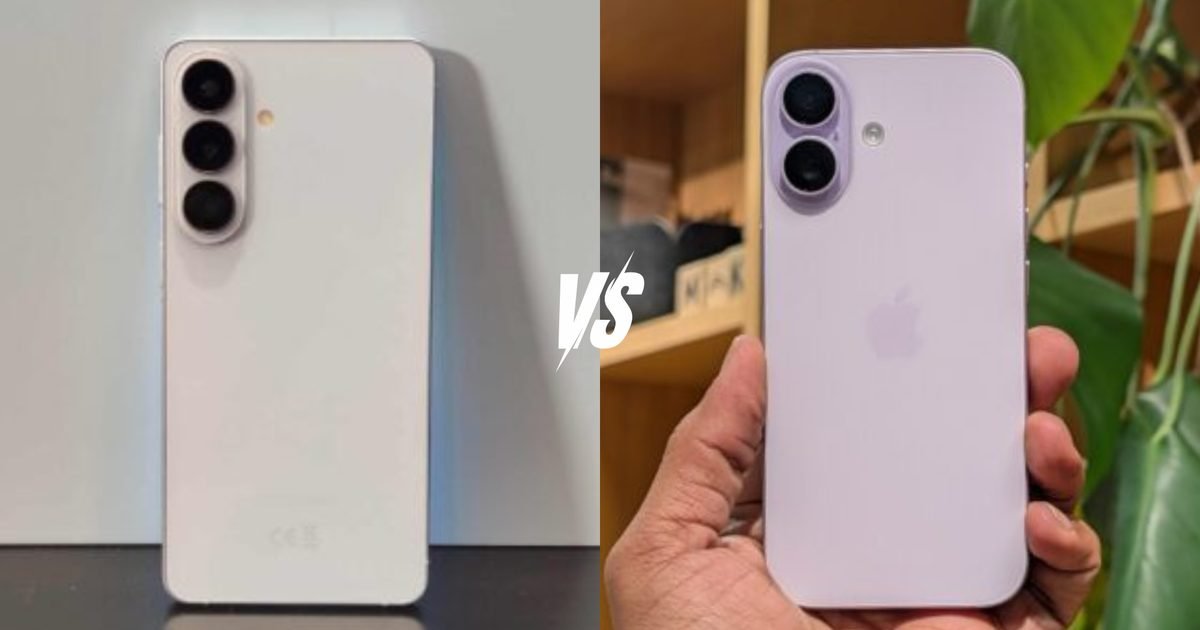
For 2026, the comparison between baseline iPhone and Android flagships comes down to two phones that are closer than they’ve ever been — the Galaxy S26 at $899 and the iPhone 17 at $799. Same form factor, same screen size, very different philosophies.
We’ve broken down everything that actually moves the needle — design, display, performance, cameras, battery, and software — because the right phone isn’t the one with the longer spec sheet. It’s the one that fits how you actually use it.
Price and availability
The iPhone 17 kicks off at $799 with 256GB baked in from the start — no arguing with that. The Galaxy S26 lands at $899 for 256GB. Last year’s S25 was $859, so Samsung snuck in a $40 increase, and the ongoing memory shortage got the blame.
So there’s a $100 gap sitting between these two phones right out the gate. Whether the S26 justifies it over the iPhone 17 — or whether Apple’s just quietly winning on value before the comparison even starts — is what the rest of this piece is for.
Design
Tom Bedford / Digital Trends
Pick up the S26 and the iPhone 17 back-to-back and the first thing you think is: did these two companies share a blueprint? Heights are dead-even at 149.6mm. Width differs by 0.2mm — which doesn’t make a different in real life.
Apple’s phone is thicker at 7.95 mm versus Samsung’s 7.2 mm, and heavier too, tipping the scales at 177 grams against the S26’s 167 grams. What gives away Samsung’s entry-level flagship is its boxy corners, which are immediately recognizable against the rounded corners on the iPhone 17.
Nirave Gondhia / Digital Trends
Both phones use aluminum frames, so nobody’s winning a materials fight there. The glass is where they split — Gorilla Glass Victus 2 front and back on the S26, and Apple’s Ceramic Shield 2 on the iPhone 17’s front, which Apple says scratches three times less easily than regular glass.
Dunking either one is fine either way; IP68 on both. The S26 comes in Black, Cobalt Violet, Sky Blue, and White — pick one and people will notice. The iPhone 17 gives you Black, White (my personal favorite), Mist Blue, Sage, and Lavender — tones quiet enough that your phone practically whispers.
Display
Nadeem Sarwar / Digital Trends
Both screens measure 6.3 inches, so that argument ends before it starts. Where things get interesting is everything underneath that number.
The iPhone 17 sports a 2622 x 1206 pixel OLED panel at 460 ppi, sharper than the Galaxy S26’s panel, which maxes out at FHD+ with 2340 x 1080 pixels (411 ppi). The S26’s display is fine, looks good, and frankly most people won’t lose sleep over it. Side-by-side though, the difference shows (I hope Samsung sees it as well).
The S26 peaks at 2,600 nits outdoors, which handles most sunny days well enough. The iPhone 17 pushes to 3,000 nits — and upon using it side by side with the Galaxy S25 (which shares its peak brightness with the S26), I found the iPhone to be noticeably brighter, especially under direct sunlight.
Nirave Gondhia / Digital Trends
Both do 1-120Hz adaptive refresh rates, so scrolling feels equally fluid on either one. Then there’s always-on display — both phones keep your notifications visible without fully waking the screen, which sounds minor until you’ve used it for a week and then picked up a phone without it.
While I’ve grown accustomed to the Dynamic Island on the iPhone 17, you might not like it in the first glance, especially if you’re upgrading from an Android phone with a punch-hole camera — that’s something to keep in mind as well.
Performance
Qualcomm
Specs-wise, Samsung shows up with more — Snapdragon 8 Elite Gen 5, 3nm, 12GB RAM. Apple brings the A19 and 8GB. On a spec sheet that reads as a clean Samsung win, but phones aren’t spec sheets.
Benchmarks tell a messier story. The S26 pulls ahead when multiple cores are working together, which is relevant for heavy multitasking. The scores are almost similar in the single-core test, which is what your phone actually leans on for most things — launching apps, typing, switching between tasks. All-in-all, both phones offer similar (read excellent) day-to-day performance.
Apple
The RAM gap is where it gets more practical. Twelve gigabytes means more apps stay open in the background without reloading. If your phone use involves juggling a lot at once, the S26 has more headroom. And yes, both are perfectly capable of handing the most demanding games at high frame rates, it’s just the matter of whether the developer has included support for it or not.
I’ve been using the iPhone 17 for about six months now, and I haven’t, for once, felt that the phone doesn’t offer enough CPU or GPU performance, especially when needed. That’s the thing with top-tier mobile chipsets; they’ve got more horsepower than most people can use upfront, but it helps maintaining the performance in the long-term.
Operating System
Tom Bedford / Digital Trends
The S26 runs One UI 8.5 on Android 16 — the most put-together version of Samsung’s skin yet. Rounder, cleaner, and stuffed with settings you’ll spend a Sunday afternoon exploring.
Galaxy AI actually pulls weight now: Now Nudge suggests replies by reading your screen context, Call Screening stops unknown callers before your phone buzzes, and Audio Eraser finally works inside YouTube and Instagram, not just Samsung’s own apps. Bixby gets Perplexity as backup for the questions it used to fumble.
Nirave Gondhia / Digital Trends
iOS 26 got a full face-lift with Liquid Glass — translucent menus and icons that split opinion pretty cleanly between “stunning” and “bit much.” Apple Intelligence handles real-time translation across calls, Messages, and FaceTime, though it’s not as useful as Galaxy AI. The ecosystem perks, however, are still superior.
Samsung commits to seven years of operating system and security updates, while Apple usually provides around five to six years of software support.
Cameras
Nadeem Sarwar / Digital Trends
The S26 has a 50MP main, 12MP ultrawide, and a dedicated 10MP 3x telephoto. The iPhone 17 runs a 48MP main at f/1.6, a 48MP ultrawide, and a 2x “zoom” that’s just the main sensor being cropped — not a real telephoto lens.
Daylight shots on both look great, full stop. Where they differ is taste. Samsung cranks up the saturation and contrast — your photos come out looking like they’ve already been edited, ready to post. Apple mostly shows you what was there, i.e., the camera reproduces natural, neutral colors.
After dark, the iPhone quietly holds its own. Apple’s Night Mode has been one of the best in the business for years (along with the f/1.6 aperture). Zoom goes the other way. A real 3x optical lens on the S26 versus Apple’s cropped 2x is a clear hardware win for Samsung.
Nirave Gondhia / Digital Trends
The most unique thing about the iPhone 17’s camera system is its selfie shooter — an 18MP (f/1.9) square-shaped camera sensor that can capture super wide selfies in multiple aspect ratios. Apple surely needs to bump up the resolution for the visual area the sensor covers, but even so, Samsung’s 12MP sensor is no match for it.
Video on both is strong at 4K/60fps with good stabilization. Apple’s color science gives it a slight edge in footage quality, plus the sensor-shift stabilization works like a charm, but the S26 shoots 8K if that’s something you need. Most people don’t, but the option exists.
Battery
Apple
The S26 has a bigger tank — 4,300mAh versus the iPhone 17’s 3,692mAh — and Samsung claims 31 hours of video playback to Apple’s 30. One hour in it, with a notably smaller cell on Apple’s side. That gap says more about the A19’s efficiency than it does about the S26’s battery.
Charging is where iPhone pulls ahead. With 40W wired charging, the handset reaches 50% in roughly 25 minutes. The S26 still sits at 25W — same as its last two predecessors. Wireless is where the gap reopens. The iPhone 17 does 25W via MagSafe; the S26 base model caps at 15W standard wireless.
Conclusion
The S26 makes a stronger case on paper. More RAM, a bigger battery, a real telephoto lens, 8K video, and One UI 8.5 giving you enough customization to keep a hobbyist busy for weeks. It’s the better phone for power users, Android loyalists, and anyone who shoots a lot of zoom photos or wants their phone to last the full day.
The iPhone 17 wins on the things that are harder to put in a spec sheet. Faster charging, better low-light photography, smoother sustained performance under load, the refreshing iOS 26 experience, and an ecosystem so tightly integrated it borders on a lifestyle choice. If you own a Mac, iPad, or AirPods, the iPhone 17 doesn’t just work well — it works together in a way the S26 can’t replicate.
If you’re thinking about upgrading to Samsung’s new Galaxy S26 series, you don’t have to wait until the release date and drop serious cash to get a feel for what it’s like. Samsung is letting you get a taste of its next-gen flagships with a new web-based interactive experience. This clever virtual try-before-you-buy tool is for curious buyers who want hands-on familiarity before pulling the trigger on the pricey upgrade.
What is TryGalaxy and how does it work?
Samsung Galaxy S26 Ultra’s Privacy DisplayTom Bedford / Digital Trends
The TryGalaxy platform from Samsung isn’t a full emulator or downloadable app. It is just a mobile-optimized web experience designed to run through your phone’s browser. Once you head to TryGalaxy.com, you’ll find an interactive walkthrough of the Galaxy S26:
User interface and home screen behavior
Navigation gestures and OneUI animations
New camera features
Key software features for the Galaxy experience
Samsung renders all of this within your phone’s browser, giving you a taste of how the Galaxy S26 feels without actually owning it. The experience is surprisingly cohesive. You just need to visit the site and follow the quick and simple steps. After installing the web app, the experience allows you to swipe through the menus, tap icons, explore settings, and more, just as you would on the real device.
Samsung TryGalaxy Web AppSamsung
This tool is another example of brands embracing interactive previews to help buyers make more informed decisions. Rather than relying on specs and promo videos, you get a trial run on your own device for a quick comparison. Of course, no web demo brings the real feel, but the tool does offer more details on some of the new tech, like Privacy Display and Now Nudge.
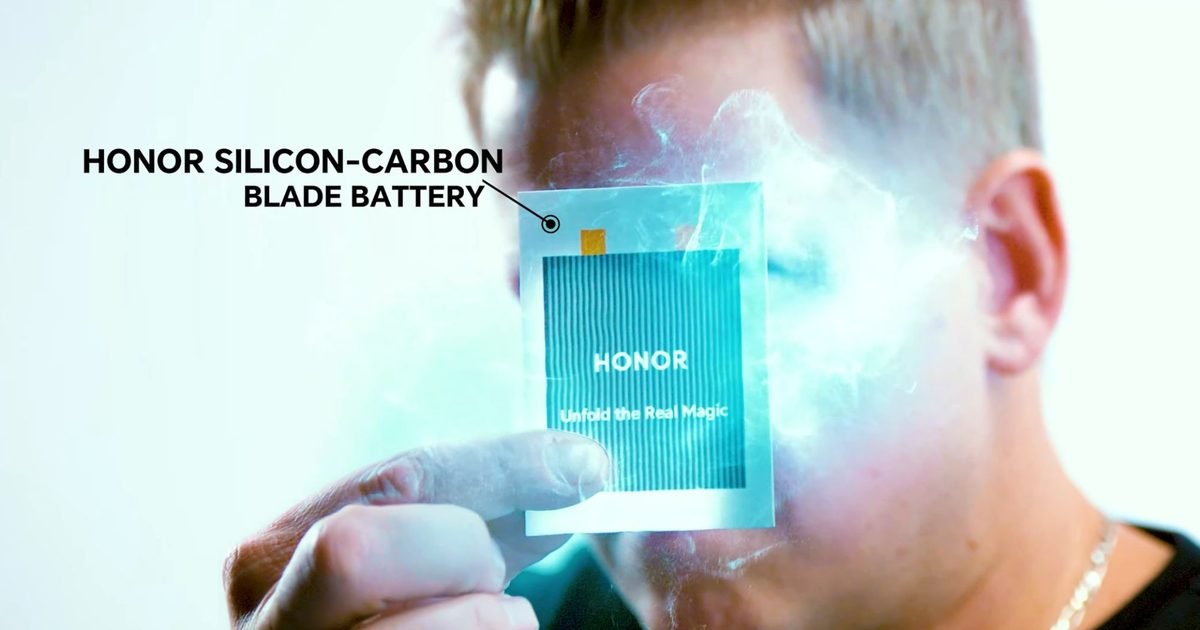
Honor is preparing to take battery innovation to the next level with its upcoming Silicon-Carbon Blade Battery. The company today shared a teaser offering a first look at the ultra-thin power pack, and it’s anything but conventional.
In the short clip, Honor showcases a battery as thin as a playing card, hurled through the air by a Guinness World Record-holding card thrower. The dramatic demonstration not only highlights the battery’s razor-thin profile but also its durability, as it slices through pieces of fruit mid-flight.
While Honor has yet to disclose detailed specifications, it claims the Silicon-Carbon Blade Battery features higher silicon content and greater capacity than the fifth-generation silicon-carbon pack set to debut in the upcoming Honor Magic V6. That battery, developed in partnership with China-based battery manufacturer ATL, reportedly features 25% silicon content and a sizeable 6,600mAh capacity without increasing the device’s thickness.
A big battery leap in a slim foldable
In contrast, last year’s Magic V5, which held the title of the thinnest foldable, packed a 5,820mAh silicon-carbon battery. The jump to 6,600mAh would mark a substantial year-on-year increase. It could also give the Magic V6 a clear edge over rival book-style foldables such as the Galaxy Z Fold 7, which features a 4,400mAh battery, and the Google Pixel 10 Pro Fold, which houses a 5,015mAh cell.
If Honor delivers a 6,600mAh battery in a chassis that remains ultra-thin, the Magic V6 could set a new benchmark for endurance in the foldable segment without compromising on design. The device is set to debut during the company’s MWC keynote on March 1, where it will also share more details about the Silicon-Carbon Blade Battery.
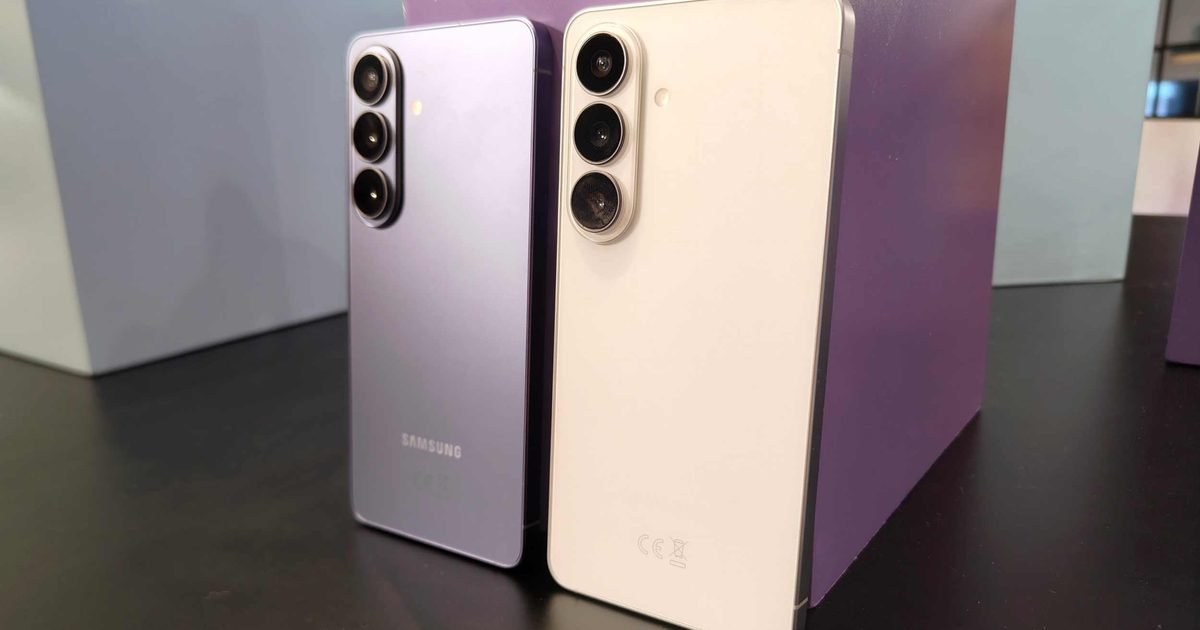
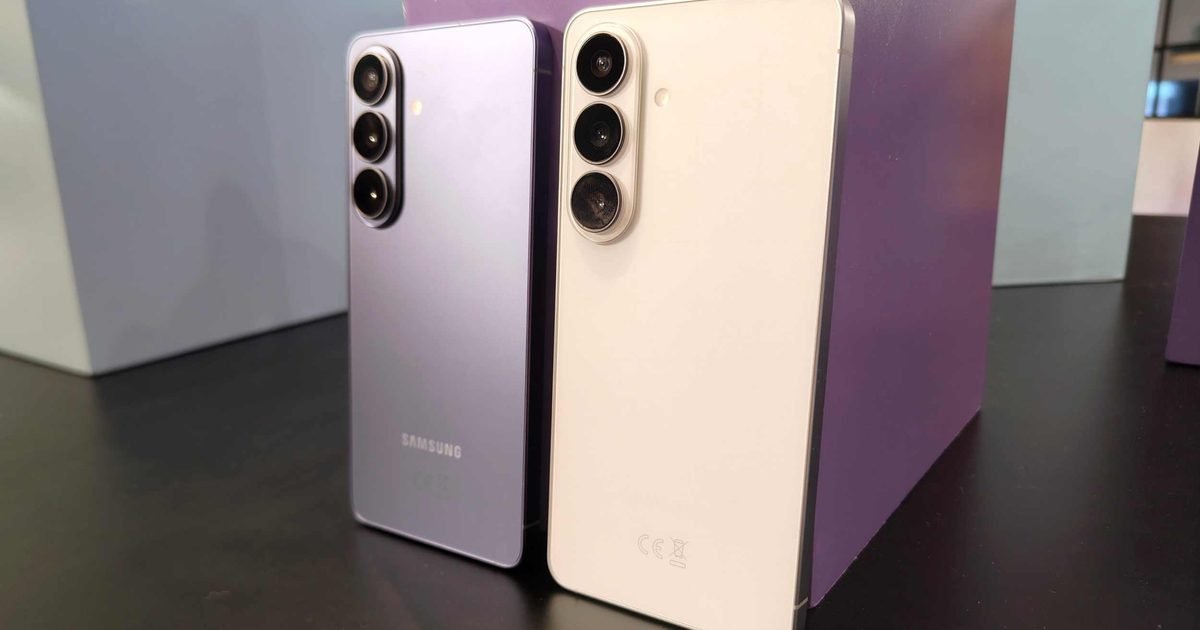
Every year, Samsung raises the bar on specs. This year, it raised something else instead — the price. The Galaxy S26 series landed this week, and all three models now start with 256GB of storage as the baseline. On paper that sounds like a win. In practice, the pricing tells a different story.
The Galaxy S26 starts at $899 for 256GB, versus $859.99 for the 256GB Galaxy S25 — but the more telling number is that the S25’s 128GB base was $799, meaning the cheaper entry point is simply gone now.
Nadeem Sarwar / Digital Trends
Revised introductory price for Galaxy S26
The S26 Plus comes in at $1,099 for 256GB, up from $999 on the S25 Plus. The Ultra holds at $1,299, matching last year’s price exactly — the one clean win in an otherwise uncomfortable lineup.
Samsung’s Won-Joon Choi, COO of its mobile business, told The Verge that the memory shortage alone made a “significant contribution” to the price hike, with tariffs secondary.nIt’s worth noting that Samsung manufactures its own memory. If they couldn’t absorb the cost, nobody can.
AI data centers are consuming global memory supply faster than consumer electronics can compete for it. Samsung, SK Hynix, and Micron are all pivoting capacity toward high-bandwidth memory for AI servers — better margins, bigger contracts.
Tom Bedford / Digital Trends
RAMageddon hits the whole industry
What’s left for phones, laptops, and other consumer-grade products is shrinking and getting more expensive. IDC is projecting a 13% drop in global smartphone shipments for 2026 (via Bloomberg) — potentially worse than the pandemic dip.
PC makers including Lenovo, Dell, and ASUS have flagged 15–20% price increases ahead.
Memory costs aren’t expected to stabilize until mid-2027. Until then, every new device carries that weight — in sticker price, frozen specs, or both. Samsung just showed us what that looks like in practice. The rest of the industry is next.
The internet used to be something you “went to.” Now it’s the invisible engine running the entire home — streaming 4K movies, powering Zoom meetings, supporting smooth gaming sessions, and keeping dozens of smart devices connected. That kind of load can expose the limits of traditional cable, where buffering, frozen video calls, and slowdowns can become daily frustrations. The problem isn’t just speed; it’s your network’s ability to handle everything happening at once.
T-Mobile Fiber Home Internet is built for this new reality. Instead of the traditional cable model, it delivers symmetrical upload and download speeds, with speeds up to available tiers in supported areas, helping improve video calls, cloud backups, and online gaming. And with a mesh Wi-Fi extended included as needed (with certain plans), it’s designed to help reduce dead zones by spreading signal more evenly throughout the home — even in older homes with thicker walls.
Just as important as performance is pricing. T-Mobile keeps things simple: plans start at $55/month with Fiber AutoPay + applicable taxes & fees (availability and eligibility may vary), with no annual contracts, equipment fees included, and no data caps. For a limited time, save $15 a month on T‑Mobile Fiber 2 Gig—now just $70/mo. with Fiber AutoPay + applicable taxes & fees and a voice line. Plus, for a limited time, get $100 back. Allow 14 weeks from installation.
T-Mobile Fiber Plans for You
T-Mobile Fiber offers straightforward options designed to support streaming, video calls, online gaming, and homes with multiple connected devices. Depending on availability in your area, you may be able to choose from different speed tiers and in-home Wi-Fi options designed to help improve coverage throughout the home. That flexibility makes it easier to pick a plan that fits how you use the internet day to day—whether you’re mostly browsing and working from home or running multiple streams and devices at once.
5-Year Price Guarantee: Exclusions like taxes & fees apply. See T-Mobile for full terms and conditions.
T-Mobile Gets You Ready for Tomorrow
We are on the cusp of a new era of technology. AI assistants, 8K streaming, and augmented reality are quickly becoming mainstream consumer technologies. These advancements require higher bandwidth and low-latency connections to perform smoothly.
Fiber is designed to support increasing bandwidth demands and evolving connected-home technology. By expanding its fiber footprint alongside its broader network infrastructure, T-Mobile is working to ensure homes are ready for the next generation of connected devices.
At the end of the day, nobody wants to think about their internet connection. You just want it to work. You want the movie to start quickly. You want your video call to stay clear. You want your smart devices to respond when you need them. T-Mobile Fiber is positioned as a solution built to power today’s connected home.
If you’re considering upgrading your home internet, you can check your address on T-Mobile’s fiber availability page to see if service is offered in your area.
Offer and pricing accurate at time of publication and subject to change.
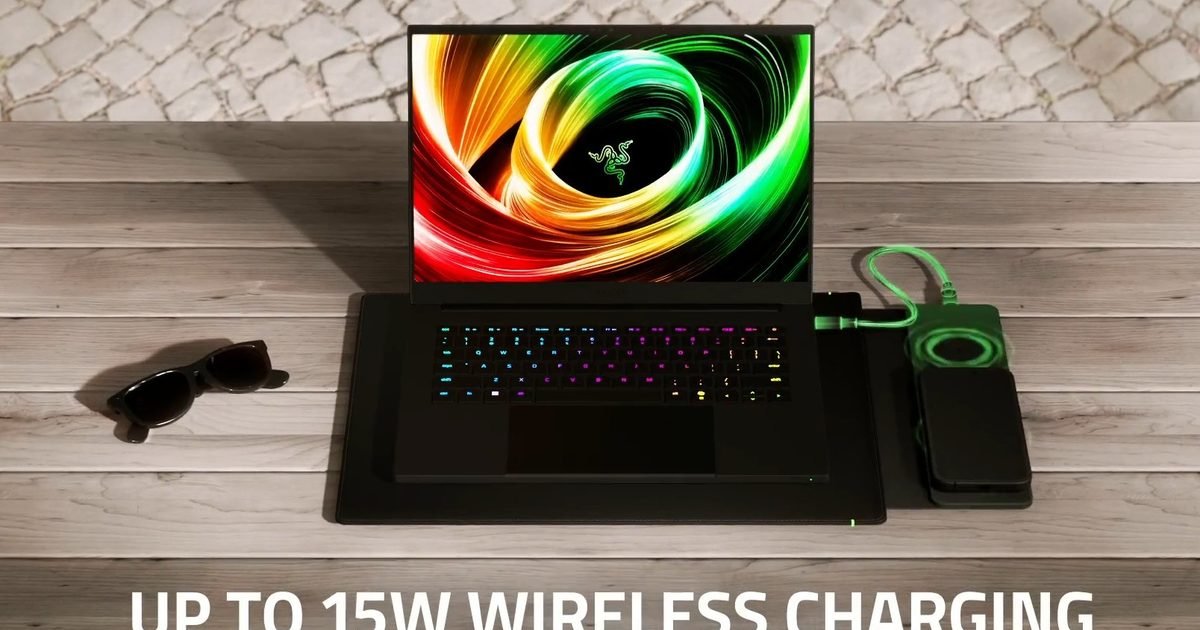
After launching the limited edition Huntsman keyboard, Razer’s latest announcement brings an everyday accessory with a new twist. The Razer Laptop Sleeve 16 is a new protective cover that also functions as a Qi wireless charging mat to charge your smartphones, earbuds, and other gadgets, offering a clever way of cutting down on cords and clutter.
What makes this sleeve different
Razer Laptop Sleeve 16 with wireless chargingRazer
Unlike a normal laptop case that is simply built to protect your notebooks, the Razer Laptop Sleeve 16 integrates a Qi wireless charging surface mat right into the front panel. That means if you place a compatible device like an iPhone, an earbuds case, or other Qi-enabled accessory on the front, it will get charged as long as the sleeve is plugged in via a USB-C port.
Razer is offering up to 15W wireless charging output on this sleeve, which is designed to carry large 16-inch laptops. It uses premium materials for added durability with microfiber lining and reinforced edges. Add a cable pass-through that lets you keep the sleeve plugged in, and the accessory basically turns into a docked workspace in a bag.
Razer
Wireless charging comes with a premium
The standout feature here is the Qi wireless pad embedded in the sleeve’s outer surface. This makes an accessory that you’d normally just carry a laptop in into something you can use every day to top up phones or earbuds. However, there are a few practical limitations. The charging speed at 15W is modest, and the lack of magnets for alignment means that charging won’t always be efficient. And at the end of the day, the sleeve itself needs a power connection, limiting its use on the move.
While the regular Razer Laptop Sleeve 16 costs $79.99, the version with the wireless charging mat is listed for $129.99. It’s a smart accessory that is a little more useful, but the price and modest output mean that it won’t be a must-buy for most users.