Category: BUSINESS

  • Congress accuses Sitharaman of distorting Bali WTO record

    Congress accuses Sitharaman of distorting Bali WTO record

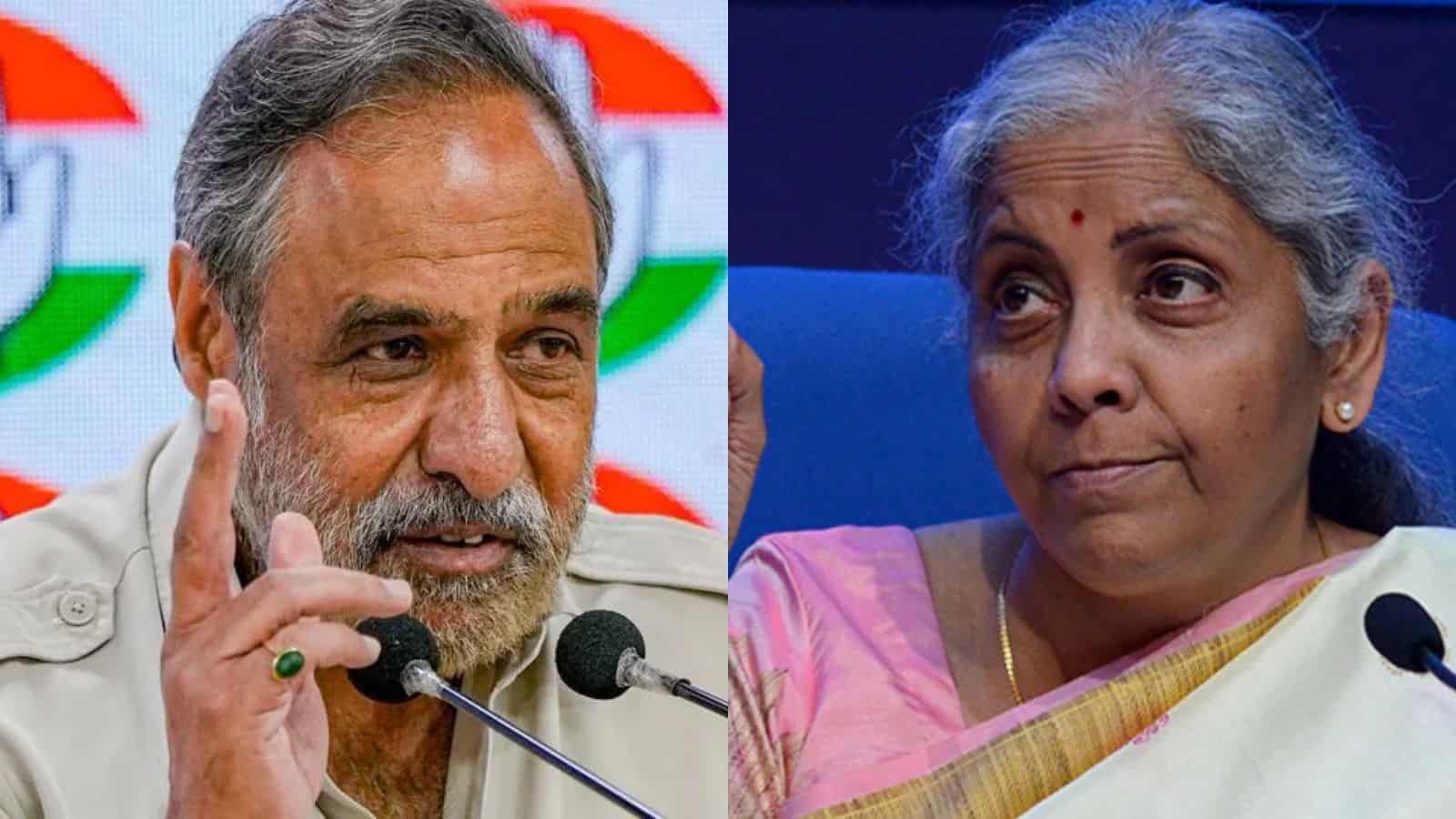
    New Delhi: Congress leader Anand Sharma slammed Finance Minister Nirmala Sitharaman on Thursday for criticising India’s stand at the WTO Ministerial Conference in Bali in 2013 during the UPA rule, and accused her of “deliberately misinforming” Parliament to justify the “sellout” interim trade deal with the US.

    Just for political gains, Sitharaman was misleading the nation and making an “orchestrated claim” that the UPA government “sold out” India’s food security at the WTO meeting in Bali, the former commerce minister alleged in a statement.

    “It is unfortunate and shocking that Finance Minister Nirmala Sitharaman has deliberately misinformed the Parliament on the agreements reached at the ninth WTO Ministerial meeting in Bali in December 2013.

    Add as a preferred source on Google

    “In her desperation to justify and defend the sellout interim trade deal with the US, she has levelled an unfair allegation that the Congress-led UPA government had sold out India’s right to food security at the WTO meeting in Bali. This is false and incorrect and contradicts the facts on record and WTO’s official statement,” Sharma said.

    Claiming that the finance minister made the claim for political gains, he asserted that the “issue of public stockholding for food security was actually forced by India at the Bali Ministerial meeting and the same were secured and protected”.

    Sitharaman, on Wednesday, launched a blistering attack on Leader of Opposition Rahul Gandhi, saying that it was the Congress-led UPA government which surrendered India’s interest before international organisations, including the World Trade Organisation (WTO) and “sold” the interest of the poor and farmers.

    MS Admissions 2026-27MS Admissions 2026-27

    She alleged that it was the Congress which not only sold the interest of the poor and the farmers, but the country itself.

    The fact is that it was India’s strong and uncompromising stance that forced the issue of procurement of food grains for public stock holding and livelihood on the Bali WTO agenda despite stiff opposition from the US, the European Union, the Cairns group and developed nations.

    “India fought tenaciously and succeeded in putting together a global coalition of developing countries of Asia, Africa, Latin America and the Caribbean. That forced the developed countries to cede ground, agree to negotiate a permanent solution to change the dated WTO rules, which India rejected at Bali as inherently flawed and unjust.

    “India also secured for itself and other developing countries, protection from any challenge at WTO for any breach until a negotiated Permanent Solution was put in place,” he said.

    Sharma claimed that the India-led coalition of developing countries had only consented to the WTO agreements after first securing the right of public stockholding of food grains for food security purposes.

    Quoting his own statement in both houses of Parliament on December 13, 2013, he said, “The Bali Ministerial was a resounding victory of countries of the global south.”

    The Congress leader claimed that the issue of securing a peace clause on public stockholding for food security purposes was spearheaded by India in the face of determined opposition from the US and the Cairns Group member countries.

    However, India succeeded in putting the issue beyond any challenge under the Dispute Settlement Understanding of the WTO through the Bali Declaration, which protected India’s public stockholding of foodgrains under the minimum support price programmes from any legal challenge at the WTO, he said.

    Sharma said Sitharaman’s statement in 2015, when she was the Union commerce minister, saying that the agreement reached at the Bali Ministerial Meeting was a temporary Peace Clause, is “factually incorrect and political dishonesty”.

    Sitharaman, in an act of political upmanship, had said in Parliament that a permanent agreement would be concluded before December 2015 as per the assurance given by the then US President to PM Modi, the senior Congress leader said.

    “However, despite a lapse of 12 years from the Bali Ministerial Declaration and 11 years from the General Council decision, a permanent solution to the problem is yet to be arrived at,” he claimed.
  • Sensex tumbles 558 points on sell-off in IT shares over AI disruptions

    Sensex tumbles 558 points on sell-off in IT shares over AI disruptions

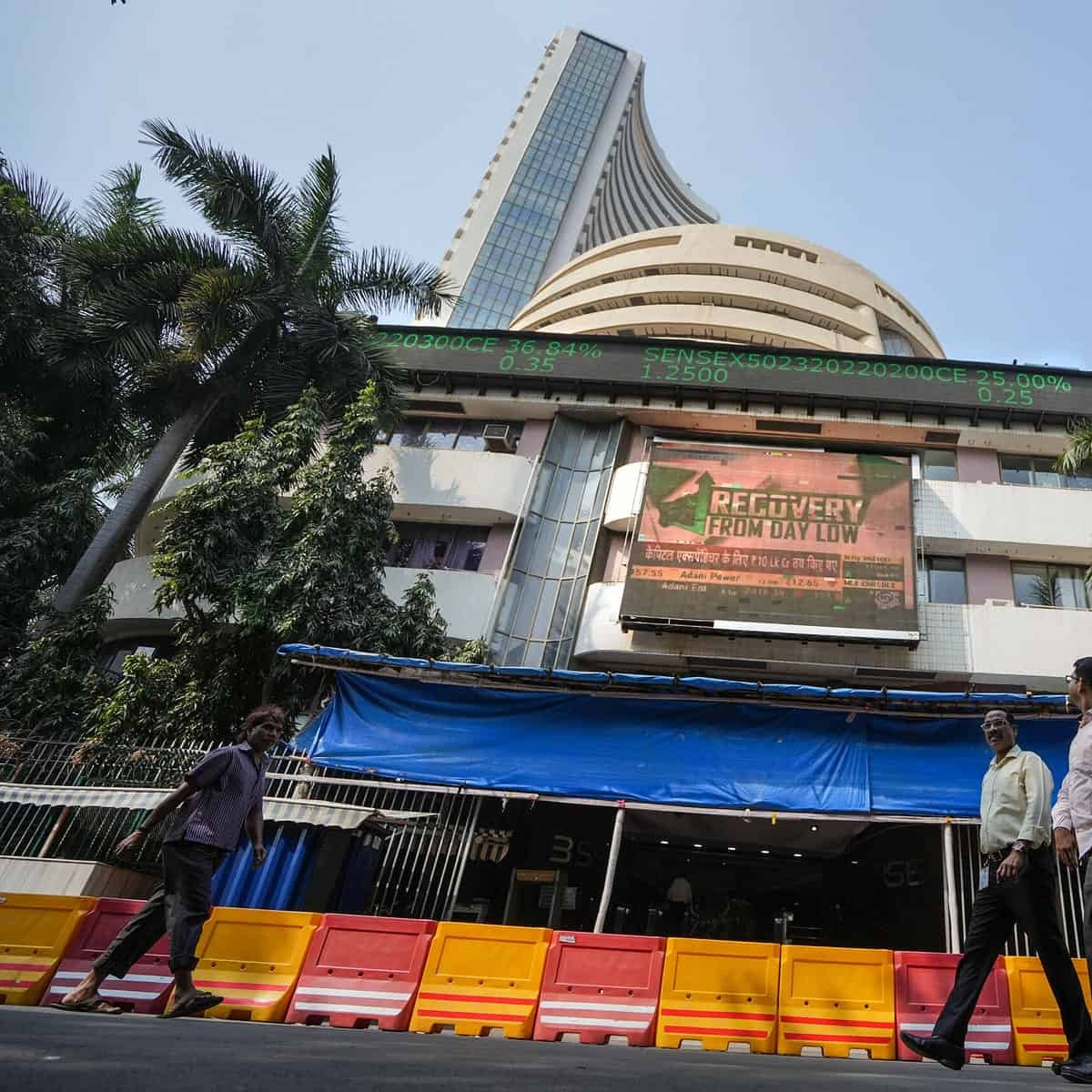
    Mumbai: Benchmark BSE Sensex fell 558 points on Thursday, February 12, amid heavy selling in IT shares, as concerns over AI-led disruptions and waning hopes of a Fed rate cut after firm US economic data weighed on investor sentiment.

    The 30-share BSE Sensex declined 558.72 points, or 0.66 per cent, to settle at 83,674.92. During the day, it tanked 716.97 points, or 0.85 per cent, to hit an intraday low of 83,516.67.

    The 50-share NSE Nifty declined 146.65 points, or 0.57 per cent, to end at 25,807.20.

    Add as a preferred source on Google

    Technology stocks led the slide, with Tech Mahindra, Infosys and Tata Consultancy Services (TCS) tumbling nearly 6 per cent each to emerge as major laggards on the Sensex.

    HCL Technologies, Mahindra & Mahindra, Hindustan Unilever, Reliance Industries, Eternal, HDFC Bank, IndiGo, Kotak Mahindra Bank, and Adani Ports also ended in the red.

    On the other hand, Bajaj Finance, ICICI Bank, Trent, Bharat Electronics Ltd, State Bank of India, Asian Paints, Bajaj Finserv, Titan, Larsen & Toubro, Bharti Airtel and Tata Steel were among the gainers.

    MS Admissions 2026-27MS Admissions 2026-27

    BSE MidCap Select Index fell 0.48 per cent, while SmallCap Select Index slipped 0.28 per cent.

    Among sectoral indices, Focussed IT slumped the most by 5.40 per cent, followed by IT by 5.29 per cent.

    “A nosedive correction in the IT index triggered by mounting concerns over AI-led disruptions, along with low expectations of a US Fed rate cut due to strong US job data and unemployment rates, dampened investor sentiment,” Vinod Nair, Head of Research, Geojit Investments Limited, said.

    He added that in the global markets, AI is reshaping markets by compressing margins in service-intensive sectors and increasing concentration-led volatility.

    “In India, this technology shift is likely to structurally transform IT services by accelerating delivery timelines and automating volume-driven tasks, thereby challenging the traditional headcount-based outsourcing model.

    “A weak sentiment in the IT sector, along with lingering geopolitical tensions between the US and Iran, may influence investors to take a cautious approach in the near term,” Nair said.

    In Asian markets, South Korea’s Kospi closed over 3 per cent higher. Japan’s Nikkei 225 index, Shanghai’s SSE Composite index also ended on a positive note, while Hong Kong’s Hang Seng benchmark finished in the negative territory.

    European markets are trading higher in mid-session deals. US equities ended lower on Wednesday.

    Meanwhile, Foreign institutional investors bought equities worth Rs 943.81 crore on Wednesday, while domestic institutional investors were the net sellers of stocks worth Rs 125.36 crore, according to exchange data.

    Brent crude, the global oil benchmark, fell 0.27 per cent to USD 69.21 per barrel.

    On Wednesday, the 30-share BSE Sensex slipped 40.28 points to close at 84,233.64, while the NSE Nifty inched up 18.70 points to settle at 25,953.85.

  • Rupee depreciates 22 paise, closes at 90.78 against US dollar

    Rupee depreciates 22 paise, closes at 90.78 against US dollar

    Mumbai: The rupee depreciated 22 paise to close at 90.78 against the US dollar on Wednesday, February 11, amid increased dollar demand from importers and geopolitical tensions.

    Forex traders said the rupee is trading with a slight negative bias amid geopolitical tensions and elevated crude oil prices. Dollar demand from importers may also pressurise the rupee. However, FPI inflows may support the local unit at lower levels.

    At the interbank foreign exchange market, the rupee opened at 90.56 against the US dollar, and moved between a low of 90.75 and a high of 90.46 against the greenback in intraday trade.

    Add as a preferred source on Google

    The rupee eventually settled at 90.78, registering a fall of 22 paise over its previous close.

    On Tuesday, the rupee pared initial losses and settled on a positive note, higher by 10 paise at 90.56 against the US dollar.

    “Indian rupee declined today on dollar demand from importers and geopolitical tensions. A surge in crude oil prices, too, weighed on the rupee. However, a weak US dollar and foreign inflows cushioned the downside. Dollar weakened on disappointing ADP non-farm employment and retail sales data from the US,” said Anuj Choudhary, Research Analyst, Mirae Asset ShareKhan.

    MS Admissions 2026-27MS Admissions 2026-27

    Analysts said while markets initially welcomed the India-US trade deal, fresh concerns have emerged after the White House released its fact sheet.

    The fact sheet highlights key terms of the agreement, including that India will eliminate or reduce tariffs on all US industrial goods and a wide range of US food and agricultural products.

    This includes dried distillers’ grains, red sorghum, tree nuts, and fresh and processed fruit, certain pulses, soybean oil, wine and spirits, and additional products, and India has committed to buying more American products and purchase over USD 500 billion of US energy, information and communication technology, agricultural, coal, and other products.

    Meanwhile, the dollar index, which gauges the greenback’s strength against a basket of six currencies, was trading 0.26 per cent lower at 96.54.

    Brent crude, the global oil benchmark, was trading 1.44 per cent higher at USD 69.78 per barrel in futures trade.

    On the domestic equity market front, Sensex dropped 40.28 points to settle at 84,233.64, while the Nifty was up 18.70 points to 25,953.85.

    On Wednesday, foreign institutional investors purchased equities worth Rs 943.81 crore, according to exchange data.

  • US adds 1.3 lakh jobs; past payroll figures cut sharply

    US adds 1.3 lakh jobs; past payroll figures cut sharply

    Washington: US employers added a surprisingly strong 1,30,000 jobs last month, but government revisions cut 2024-2025 US payrolls by hundreds of thousands.

    The unemployment rate fell to 4.3 per cent, the Labour Department said Wednesday, February 11.

    The report included major revisions that reduced the number of jobs created last year to just 1,81,000, weakest since the pandemic year of 2020, and less than half the previously reported 5,84,000.

    Add as a preferred source on Google

    The job market has been sluggish for months even though the economy is registering solid growth.

    But the January numbers came in stronger than the 75,000 economists had expected. Healthcare accounted for nearly 82,000, or more than 60 per cent, of last month’s new jobs. Factories added 5,000, snapping a streak of 13 straight months of job losses. The federal government shed 34,000 jobs.

    Average hourly wages rose a solid 0.4 per cent from December to January.

    MS Admissions 2026-27MS Admissions 2026-27

    The unemployment rate fell from 4.4 per cent in December as the number of employed Americans rose and the number of unemployed fell.

    Weak hiring over the past year reflects the lingering impact of high interest rates, billionaire Elon Musk’s purge last year of the federal workforce and uncertainty arising from President Donald Trump’s erratic trade policies, which have left businesses unsure about hiring.

    Dreary numbers have been coming in ahead of Wednesday’s report. Employers posted just 6.5 million job openings in December, fewest in more than five years.

    Payroll processor ADP reported last week that private employers added 22,000 jobs in January, far fewer than economists had forecast. And the outplacement firm Challenger, Gray & Christmas reported that companies slashed more than 1,08,000 jobs last month, the most since October and the worst January for job cuts since 2009.

    Several well-known companies announced layoffs last month. UPS is cutting 30,000 jobs. Chemicals giant Dow, shifting to more automation and artificial intelligence, is cutting 4,500 jobs. And Amazon is slashing 16,000 corporate jobs, its second round of mass layoffs in three months.

    The sluggish job market doesn’t match the economy’s performance.

    From July to September, America’s gross domestic product – its output of goods and services – galloped ahead at a 4.4 per cent annual pace, fastest in two years. Consumer spending was strong, and growth got a boost from rising exports and tumbling imports. And that came on top of solid 3.8 per cent growth from April through June.

    Economists are puzzling out whether job creation will eventually accelerate to catch up to strong growth, perhaps as President Donald Trump’s tax cuts translate into big tax refunds that consumers start spending this year. But there are other possibilities. GDP growth could slow and fall into line with a weak labour market or advances in AI and automation could mean that the economy can roar ahead without creating many jobs.

    Wednesday’s report included the government’s annual benchmark revisions, meant to take into account the more-accurate jobs numbers that employers report to state unemployment agencies. They cut 8,98,000 jobs from payrolls in the year ending March 2025.

    Despite recent high-profile layoffs, the unemployment rate has looked better than the hiring numbers.

    That is partly because President Donald Trump’s immigration crackdown has reduced the number of foreign-born people competing for work.

    As a result, the number of new jobs that the economy needs to create to keep the unemployment rate from rising – the “break-even” point — has tumbled. In 2023, when immigrants were pouring into the United States, it reached a high of 2,50,000, according to economist Anton Cheremukhin of the Federal Reserve Bank of Dallas. By mid-2025, Cheremukhin found, it was down to 30,000. Researchers at the Brookings Institution believe it could now be as low as 20,000 and headed lower.

    The combination of weak hiring but low unemployment means that most American workers are enjoying job security. But those who are looking for jobs – especially young people who can be competing at the entry level with AI and automation – often struggle to land one.

  • UP Budget 2026-27 earmarks Rs 27,103 crore for infra, 5-fold hike for textiles

    UP Budget 2026-27 earmarks Rs 27,103 crore for infra, 5-fold hike for textiles

    Lucknow: The Uttar Pradesh government has proposed Rs 27,103 crore for infrastructure and industrial development, 13 per cent higher than last year, and over Rs 5,041 crore for handloom and textiles, marking a more than five-fold increase, in the 2026-27 Budget tabled in the Assembly on Wednesday, February 11.

    According to an official statement issued after Finance Minister Suresh Khanna presented what is being seen as the last full-fledged budget of the Yogi Adityanath government ahead of the 2027 Assembly elections, the outlay reflects a push towards industrial expansion, MSME growth and employment generation.

    An allocation of Rs 5,000 crore has been proposed for the Chief Minister Industrial Area Expansion and New Industrial Area Promotion Scheme. Rs 2,374 crore has been earmarked under the Swami Vivekananda Yuva Sashaktikaran Yojana for distribution of tablets and smartphones, while Rs 2,000 crore has been proposed under the Atal Infrastructure Mission.

    Add as a preferred source on Google

    Another Rs 1,000 crore has been set aside to implement the 2023 incentive policy to attract foreign direct investment and Fortune 500 companies.

    The statement said MoUs have been signed for setting up 200 defence units under the Defence Industrial Corridor, involving proposed investment of Rs 35,280 crore and estimated direct employment for 53,263 people.

    For the MSME sector, Rs 3,822 crore has been proposed, 19 per cent higher than 2025-26, it stated.

    MS Admissions 2026-27MS Admissions 2026-27

    A new Sardar Vallabhbhai Patel Employment and Industrial Zone scheme has been proposed with an outlay of Rs 575 crore. Rs 1,000 crore has been earmarked for the Mukhyamantri Yuva Udyami Vikas Abhiyan, targeting one lakh micro enterprises annually, and Rs 225 crore for the Mukhyamantri Yuva Swarozgar Yojana.

    A new “One District One Cuisine” scheme has been proposed with Rs 75 crore allocation.

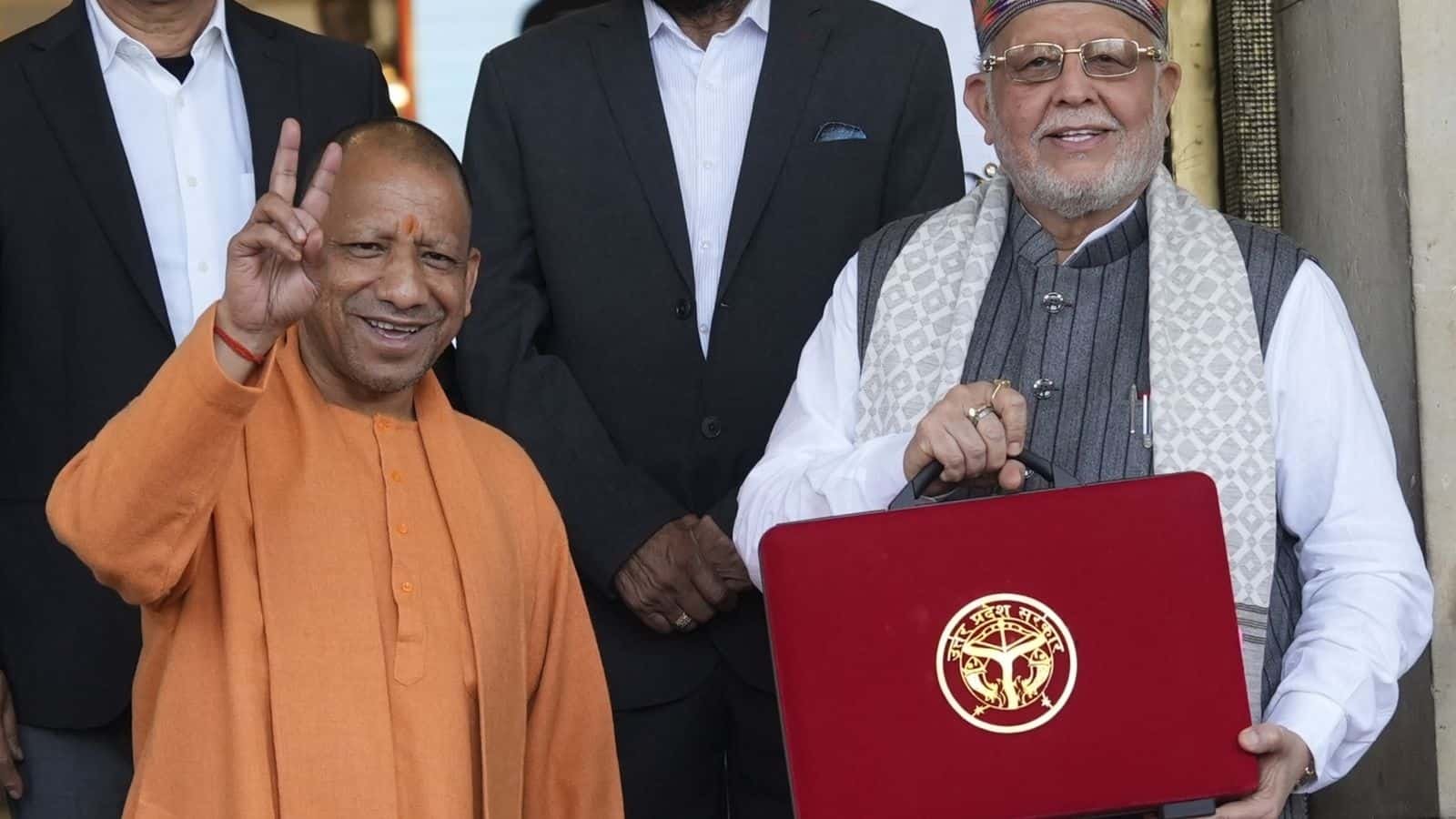
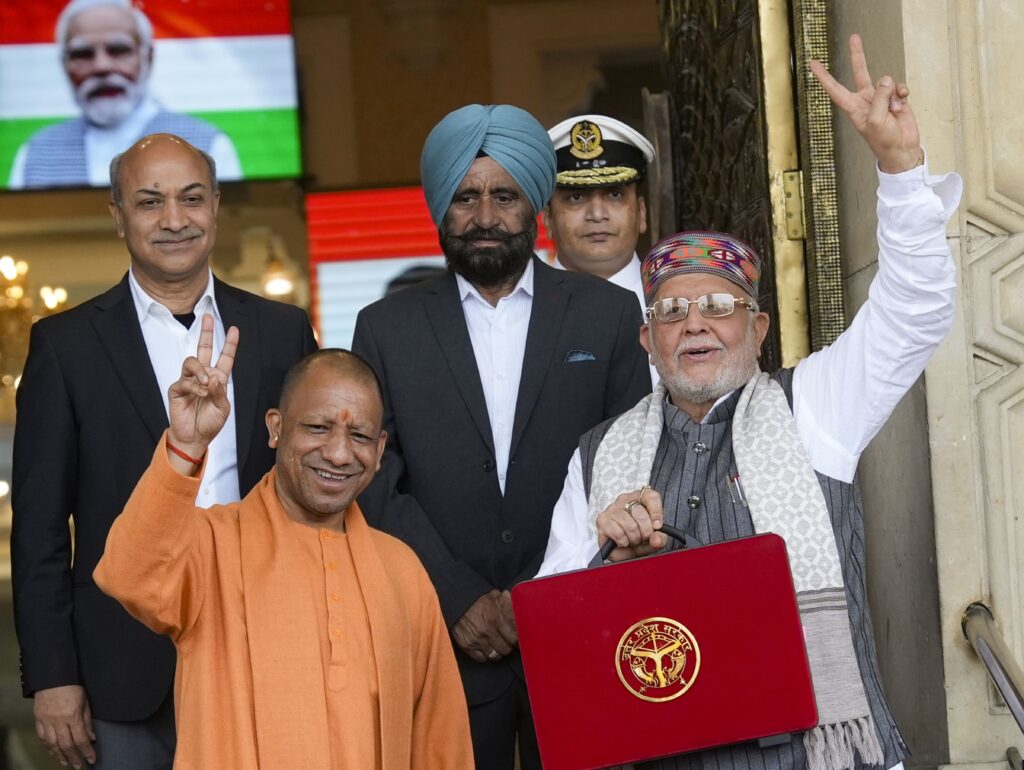
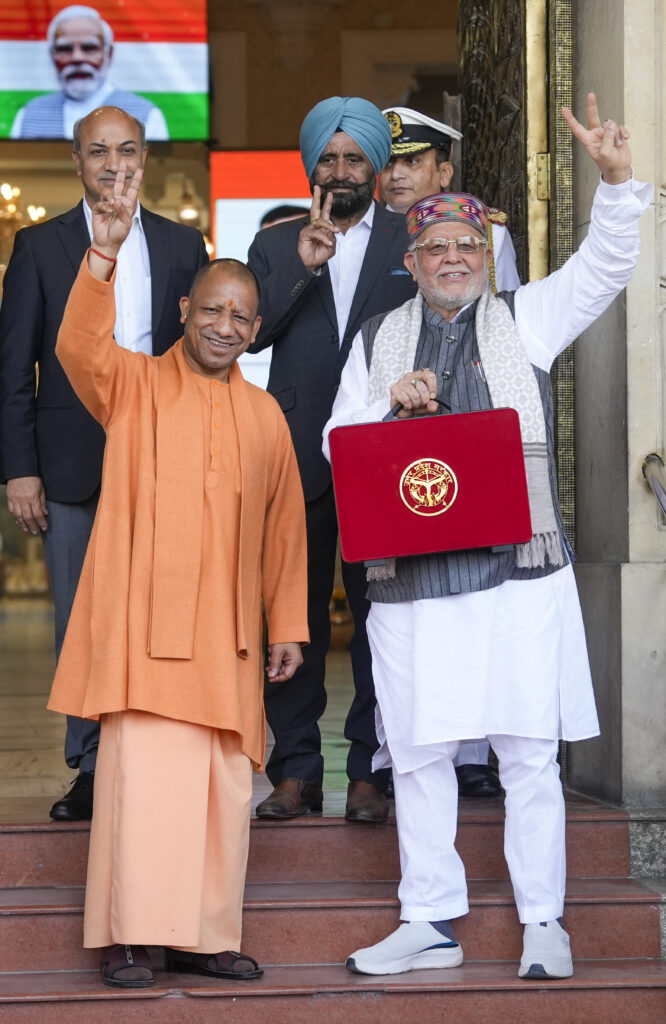
    Lucknow: Uttar Pradesh Chief Minister Yogi Adityanath with state Finance Minister Suresh Kumar Khanna before the presentation of the State Budget 2026-27 in the Assembly, in Lucknow, Wednesday, Feb. 11, 2026. (PTI Photo/Nand Kumar)(PTI02_11_2026_000044A)

    In textiles, the government has set a target of generating 30,000 jobs in 2026-27, according to the statement.

    In the Budget, Rs 4,423 crore has been proposed under the Atal Bihari Vajpayee Powerloom Weavers Flat Rate Electricity Scheme and Rs 150 crore under the UP Textile and Garmenting Policy-2022. A mega textile park is being developed under the PM MITRA scheme to create a garment hub.

    Under khadi and village industries, the Mukhyamantri Gramodyog Rozgar Yojana aims to establish 800 units through Rs 40 crore in bank loans, generating employment for 16,000 people. An allocation of Rs 10 crore has been proposed for interest subsidy under the Pt Deendayal Gramodyog Rozgar Yojana.

    The government has also proposed Rs 7.5 crore for modernisation of the blanket production centre in Khajni, Gorakhpur, and Rs 13 crore for the integrated development of traditional potters under the UP Mati Kala Board, the statement said.

  • Stock markets trade higher in early trade tracking rally in Asian peers

    Stock markets trade higher in early trade tracking rally in Asian peers

    Mumbai: Equity benchmark indices Sensex and Nifty opened on a positive note on Monday, February 9, amid foreign fund inflows, a rally in Asian markets and optimism following a fresh trade agreement between India and the US.

    The 30-share BSE Sensex climbed 441.77 points, or 0.53 per cent, to 84,022.17 in the morning trade. The 50-share NSE Nifty rose 129 points, or 0.50 per cent, to 25,822.70.

    Among the 30-share Sensex constituents, State Bank of India, Titan, Eternal, Kotak Mahindra Bank, Bharat Electronics Ltd, Tata Steel, Sun Pharmaceuticals, Larsen & Toubro, Adani Ports, IndiGo, Reliance Industries and Bharti Airtel were the gainers.

    Add as a preferred source on Google

    On the other hand, PowerGrid, ITC, Hindustan Unilever, Bajaj Finance, Trent, Infosys, ICICI Bank, Axis Bank, NTPC, Tech Mahindra, Tata Consultancy Services, HDFC Bank were among the laggards.

    Foreign institutional investors bought equities worth Rs 1,950.77 crore on Friday, according to exchange data.

    “A big positive for the market is that FIIs who were sustained sellers in the market have bought in the cash market in three out of the last four trading days. The fact that the derivatives market continues to be heavily net short might impart resilience to the market, on expectations of short covering,” VK Vijayakumar, Chief Investment Strategist, Geojit Investments Ltd, said.

    MS Admissions 2026-27MS Admissions 2026-27

    He added that the recent ‘Anthropic shock’ will continue to impact sentiments in the IT sector. On the contrary, banking stocks are likely to gather strength on news of improving credit growth, which will have positive fall out for GDP growth and corporate earnings in FY27.

    In Asian markets, Japan’s Nikkei 225, South Korea’s Kospi, Shanghai’s SSE Composite index and Hong Kong’s Hang Seng index trading higher.

    Devarsh Vakil, Head of Prime Research, HDFC Securities said Japan’s ruling Liberal Democratic Party, led by Sanae Takaichi secured a decisive victory pushing the Nikkei to record highs.

    He noted that Indian equities stand to gain as Japanese capital pivots away from China under Takaichi’s “Economic Security” policy, with billions in FDI expected to flow into Indian infrastructure and technology sectors, he said.

    Vakil further said India and the US on Saturday reached an interim trade agreement ending their ten-month tariff war, with Washington reducing tariffs on Indian goods from 50 per cent to 18 per cent.

    India successfully protected sensitive agricultural sectors like dairy while committing to purchase USD 500 billion in US goods over five years, focusing on energy, aircraft, and defence technology.

    The deal strategically integrates India into the US-led “Pax Silica” initiative for critical minerals and AI supply chains, positioning India as a counterweight to China in the Indo-Pacific, he added.

    US markets ended more than 2 per cent higher on Friday.

    Brent crude, the global oil benchmark, declined 0.94 per cent, to USD 67.41 per barrel.

    On Friday, the 30-share BSE Sensex advanced 266.47 points to settle at 83,580.40, while the NSE Nifty climbed 50.90 points to end at 25,693.70.

  • IPO-bound PhonePe targets growth in payments, merchants, new platforms

    IPO-bound PhonePe targets growth in payments, merchants, new platforms

    New Delhi: Walmart-backed PhonePe, which aims to float its initial public offering (IPO) in April, plans to deepen its presence in India’s digital payments market while expanding into financial services and new consumer platforms.

    In its draft papers, the company said digital payments will remain the core driver of growth, supported by investments to expand its user base, addressable market and platform scale.

    India’s total addressable market for digital consumer payments stood at Rs 301 lakh crore in fiscal 2025 and is projected to grow to Rs 602-681 lakh crore by fiscal 2030, the company said, citing industry estimates.

    Add as a preferred source on Google

    According to sources, PhonePe is aiming to launch its IPO in April.

    The proposed offering will be entirely an offer for sale of 5.06 crore shares by Walmart, Microsoft and Tiger Global, with no fresh issue component.

    In January, the company received regulatory approval from the Sebi to proceed with its maiden public offering, following its confidential filing in September.

    MS Admissions 2026-27MS Admissions 2026-27

    To expand its consumer base, PhonePe plans to deepen penetration across smartphones and feature phones.

    India had an estimated 69-70 crore smartphone users in fiscal 2025, which is projected to rise to 96-108 crore by fiscal 2030, while feature phone users are estimated at 20-30 crore, according to the DRHP.

    In June 2025, PhonePe acquired conversational engagement platform Gupshup’s GSPay technology stack to enable UPI-based payments on feature phones. The company said it is also exploring future consumer use cases, such as credit on UPI, transit payments across transport modes, and payments through smart and connected devices.

    “We are also focused on future consumer-facing opportunities, such as enabling all forms of credit on UPI, building transit solutions across all modes of transportation, and expanding consumer touchpoints through smart and connected devices across homes and vehicles,” the company said.

    As of March 31, 2025, PhonePe had over 29 crore active customers, representing about 41-42 per cent of India’s smartphone user base, indicating significant headroom for growth.

    On the merchant side, PhonePe plans to expand adoption of digital payments in a market where penetration remains well below global peers. India’s digital merchant payment penetration stood at about 45 per cent in fiscal 2025, compared to China’s 93 per cent, according to a report by RedSeer.

    Merchant digital payment volumes in India reached Rs 112 lakh crore in FY25 and are projected to grow at a compound annual rate of 20-22 per cent through FY30, supported by government initiatives, such as the Payments Infrastructure Development Fund (PIDF) scheme.

    India has an estimated 5.6-5.8 crore small and micro merchants, 30,000-40,000 mid-market businesses and over 20,000 large enterprises.

    However, only about 1.11 crore merchants transact on PhonePe on a monthly basis, with around 67.5 lakh engaging daily, highlighting further scope for penetration, the company said.

    PhonePe is also scaling its financial services distribution business, including lending and insurance. Beyond its core businesses, the company plans to invest in new platforms to diversify revenue streams, including Share.Market, its digital investing and wealth management platform, and an indigenous mobile app store, Indus Appstore.

    The company’s financial performance improved in FY25, with revenue rising 40 per cent year-on-year to Rs 7,115 crore, while adjusted profit after tax more than tripled to Rs 630 crore.

  • Q3 earnings to drive stock market sentiment this week: Analysts

    Q3 earnings to drive stock market sentiment this week: Analysts

    New Delhi: Inflation data, trading activity of foreign investors and global trends would dictate sentiment in the stock market this week, according to analysts.

    Besides, geopolitical developments and Q3 earnings will also guide market movement during the week.

    “This week features several important domestic and global triggers. In India, investors will closely track retail inflation data due on February 12 and foreign exchange reserves data on February 13, for insights into price trends and external sector stability.

    Add as a preferred source on Google

    “The earnings calendar stays active, with key results expected from Titan Company and Mahindra & Mahindra, which may drive stock-specific action. Globally, participants will monitor a heavy US data calendar and performance of the Nasdaq Composite following its recent decline,” Ajit Mishra, SVP, Research, Religare Broking Ltd, said.

    Geopolitical developments and their impact on commodity markets will also be closely watched, Mishra added.

    From the Q3 earnings space, Ashok Leyland, ONGC, Bajaj Electricals and Eicher Motors will also be announcing their results during the week.

    MS Admissions 2026-27MS Admissions 2026-27

    India and the US on Saturday announced they have reached a framework for an interim trade agreement under which both sides will reduce import duties on a number of goods to boost two-way trade.

    While the US will reduce tariffs on Indian goods to 18 per cent from the present 50 per cent, India will eliminate or cut down import duties on all US industrial goods and a wide range of American food and agricultural products, including dried distillers’ grains, red sorghum for animal feed, tree nuts, fresh and processed fruit, soybean oil, wine and spirits.

    “With the Union Budget 2026 and the RBI’s monetary policy decisions now largely digested, Indian equity markets have entered a consolidation phase, shifting investor focus toward implementation, capex execution and the pace of actual spending.

    “Overall sentiment remains cautiously optimistic, with markets expected to stay event-driven in the near term, tracking global cues, capital flows and geopolitical developments in the Middle-East,” Ponmudi R, CEO – Enrich Money, an online trading and wealth tech firm, said.

    Last week, the BSE benchmark jumped 2,857.46 points, or 3.53 per cent, and the Nifty surged 868.25 points, or 3.49 per cent.

  • FPIs turn net buyers in Feb; invest Rs 8,100 cr in a week on US trade deal

    FPIs turn net buyers in Feb; invest Rs 8,100 cr in a week on US trade deal

    New Delhi: After three consecutive months of heavy selling, foreign portfolio investors (FPIs) turned net buyers in the first week of February, infusing more than Rs 8,100 crore in Indian equities, aided by improving risk sentiment, along with a trade deal with the US.

    The inflows follow sustained withdrawals in recent months, with FPIs pulling out Rs 35,962 crore in January, Rs 22,611 crore in December, and Rs 3,765 crore in November, data with the depositories showed.

    Overall, in 2025, FPIs pulled out a net Rs 1.66 lakh crore (USD 18.9 billion) from Indian equities, marking one of the worst periods for foreign flows. The selling was driven by volatile currency movements, global trade tensions, concerns over potential US tariffs and stretched equity valuations.

    Add as a preferred source on Google

    According to the data, FPIs invested Rs 8,129 crore in this month (till February 6).

    Himanshu Srivastava, principal manager- research at Morningstar Investment Research India, said the recent buying reflects improving risk appetite and renewed confidence in India’s growth outlook.

    “The sentiment was supported by easing global uncertainties, stability in domestic interest rate expectations, and optimism around India-US trade and policy developments,” he added.

    MS Admissions 2026-27MS Admissions 2026-27

    The turnaround contrasts sharply with January’s outflows, when FPIs exited Indian markets amid a global risk-off environment and elevated US bond yields.

    Echoing similar views, Vaqarjaved Khan, senior fundamental analyst at Angel One, said the breakthrough in India-US trade talks helped reduce geopolitical uncertainty and fuel a market rally, alongside stabilising US yields and supportive measures announced in the Union Budget for FY26, including fiscal stimulus and sector-specific incentives.

    VK Vijayakumar, chief investment strategist at Geojit Investments, said the appreciation of the rupee also played a key role in improving sentiment. The rupee strengthened from a record low of 90.30 against the dollar, although it later weakened to around 90.70 by the close of February 6.

    He said the rupee is expected to stabilise and gradually appreciate to below 90 per dollar by the end of March 2026, which could trigger additional FPI inflows, although outcomes will depend on how global trade and artificial intelligence-related developments unfold.

    Market participants remain cautiously optimistic. Further inflows could materialise if corporate earnings momentum continues and global trade tensions remain contained, although lingering rupee weakness, elevated valuations and potential shifts in US policy could limit upside, Khan said.

  • Mcap of 8 of top 10 valued firms surges by whopping Rs 4.55 lakh cr

    Mcap of 8 of top 10 valued firms surges by whopping Rs 4.55 lakh cr

    New Delhi: The combined market valuation of eight of the top 10 valued firms jumped by a whopping Rs 4.55 lakh crore last week, with Reliance Industries emerging as the biggest winner, in line with a remarkable rally in equities.

    Last week, the BSE benchmark surged by 2,857.46 points or 3.53 per cent.

    From the top-10 pack, Reliance Industries, HDFC Bank, Bharti Airtel, ICICI Bank, State Bank of India, Bajaj Finance, Life Insurance Corporation of India (LIC), and Hindustan Unilever were the gainers, while Tata Consultancy Services (TCS) and Infosys saw their valuations erode.

    Add as a preferred source on Google

    The combined market valuation of the eight firms was Rs 4,55,336.36 crore.

    Reliance Industries added Rs 1,41,887.97 crore, taking its market valuation to Rs 19,63,358.79 crore.

    LIC’s valuation zoomed Rs 64,926.1 crore to Rs 5,70,198.54 crore. The market valuation of Bharti Airtel surged Rs 52,516.39 crore to Rs 11,62,288.64 crore and that of ICICI Bank jumped Rs 52,476.97 crore to Rs 10,06,258.82 crore.

    MS Admissions 2026-27MS Admissions 2026-27

    The market capitalisation (mcap) of Bajaj Finance climbed Rs 48,659.83 crore to Rs 6,10,830.20 crore and that of State Bank of India by Rs 45,460.79 crore to Rs 9,84,353.06 crore.

    HDFC Bank’s valuation advanced by Rs 32,350.28 crore to Rs 14,48,249.63 crore and that of Hindustan Unilever appreciated by Rs 17,058.03 crore to Rs 5,69,482.18 crore.

    However, the market valuation of TCS eroded by Rs 88,172.8 crore to Rs 10,64,242.35 crore.

    The mcap of Infosys declined by Rs 63,462.66 crore to Rs 6,26,067.95 crore.

    IT stocks faced selling last week in-line with weak trends in tech firms globally amid valuation-related worries and concerns around the rapid pace of artificial intelligence advancements.

    Reliance Industries remained the most valued firm followed by HDFC Bank, Bharti Airtel, TCS, ICICI Bank, State Bank of India, Infosys, Bajaj Finance, LIC and Hindustan Unilever.