Category: BUSINESS

  • India-US interim trade pact likely to be operationalised in April: Goyal

    India-US interim trade pact likely to be operationalised in April: Goyal

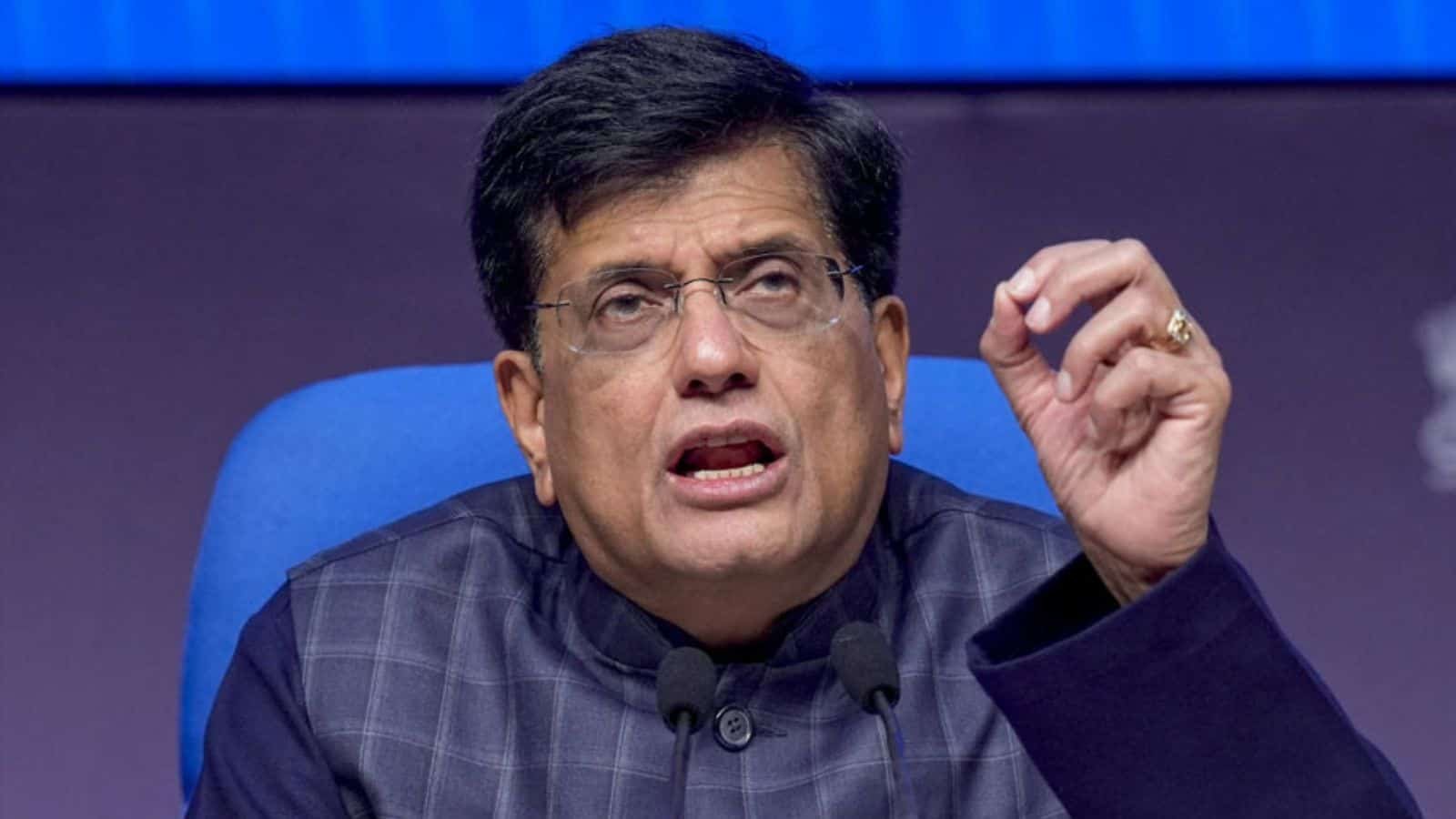
    New Delhi: An interim trade agreement between India and the US is likely to be signed in March and operationalised in April, Commerce and Industry Minister Piyush Goyal said on Friday, February 20.

    Earlier this month, India and the US released a joint statement announcing a framework for an interim trade agreement.

    To finalise the text of the first phase of the bilateral trade agreement, the chief negotiators of the two countries will meet in Washington next week.

    Add as a preferred source on Google

    The three-day meeting between the two teams will begin on February 23.

    Goyal told reporters here that the pact is expected to be signed next month and may be implemented in April.

    US Trade Representative (USTR) Jamieson Greer is likely to visit India in March to sign the agreement.

    MS Admissions 2026-27MS Admissions 2026-27

    In an event at the AI Impact Summit here, US Ambassador Sergio Gor said that the India-US trade deal is set to be inked soon.

    India on Friday joined the US-led strategic alliance Pax Silica aimed at building a resilient supply chain for critical minerals.

    “From the trade deal to Pax Silica to defence cooperation, the potential for our two nations to work together is truly limitless,” Gor said in his remarks.

    The joint statement, released separately by the two nations earlier this month, lays down the contours of the deal. These now need to be translated into a legal agreement, for which the two sides will meet next week.

    The Indian team will be headed by chief negotiator Darpan Jain, who is a joint secretary in the Commerce Ministry.

    Under the pact, both sides would extend duty concessions to each other on a number of goods traded between them.

    The US has announced that it will reduce the reciprocal tariffs on Indian goods from 25 per cent to 18 per cent. It has already eliminated the 25 per cent punitive tariffs on India for buying Russian crude oil. The move is a big relief to the domestic industry as they were facing steep 50 per cent tariffs by the US.

    Goyal expressed hope that an executive order to cut the tariffs to 18 per cent would be issued by the Trump administration this month.

    While speaking at the launch of seven components of the Rs 25,060-crore export promotion mission (EPM), Goyal said the India-US trade agreement has opened huge business opportunities for Indian exporters.

    He said that India has protected all the sensitive sectors, including agriculture.

    “Now once that rate (50 per cent tariff) comes out to lower than any of our competitors, we are lower than anybody else who is an emerging market or a developing economy, and plus having safeguarded all the sensitive sectors, it’s a great win-win solution for both countries,” he said.

    The minister said that labour-intensive sectors like apparel, leather and marine were suffering from high tariffs.

    He also criticised Congress leader Rahul Gandhi for raising concerns about the deal.

    Stepping up his attack on the government over the interim US trade deal, Gandhi on Friday said the answer to why Prime Minister Narendra Modi agreed to a deal, where India gives so much and appears to get so little, and makes an “abject surrender” lies in the “grips” and “chokes” placed on him.

    Gandhi questioned that why the government has agreed to increase US imports by USD 100 billion a year without a reciprocal promise.

    “I think he (Gandhi) lives in a world very detached from reality. All of you here are exporters. Were you happy with the 50 per cent tariff? Was your business prospering? Were your jobs safe? Was Tirupur able to export apparel? What was happening to your leather industry where lakhs of workers are working? What had happened to our marine seafood exports? All labour-intensive sectors were suffering,” he said.

    He added that businesses will prosper at the 18 per cent rate that India negotiated under the trade pact with the US.

    It will help boost exports of gems and jewellery, and spices also, he said. On imports from the US, Goyal said India needs high-tech devices like GPUs (Graphics Processing Units), coking coal and aircrafts.

    “We need airplanes in India. As our steel production doubles and is slated to double from 140 million to 300 million tonnes in the next 5-6 years, huge investments, almost Rs 10 lakh crores investments are in the pipeline in the steel industry. That steel will need coking coal.

    “You are all businessmen in this room. Is it better to have two sources of a product or six sources of a product?,” he asked.

    India needs these products from trusted partners for its economic growth, the minister said, adding that exports will play an important role in the effort to push the country’s growth.

    “…very clearly, India is on the right track. We make sure that our sensitive defensive interests remain protected. All our agricultural produce in India remains protected from the markets where there is any competition. We ensure that we open our market for consumer benefit,” he said.

    Through this deal, he said, India has ensured to purchase high-quality pharma products, “super expensive and complicated” medical devices will come to India at lower or zero import duty.

    “We are serving 1.4 billion consumers who are also a stakeholder in the development,” he added.

    According to the joint statement, India has expressed its intention to purchase USD 500 billion of US energy products, aircraft and aircraft parts, precious metals, technology products and coking coal over the next five years.

    The reciprocal tariffs on India are now among the lowest compared to its competitor nations.

    These countries include China (35 per cent), Thailand (19 per cent), Myanmar (40 per cent), Cambodia (19 per cent), Indonesia (19 per cent), Brazil (50 per cent), and Vietnam (20 per cent).

    During the April-January period of this fiscal year, the country’s exports to the US increased 5.85 per cent to USD 72.46 billion, while imports rose 13.87 per cent to USD 43.92 billion.
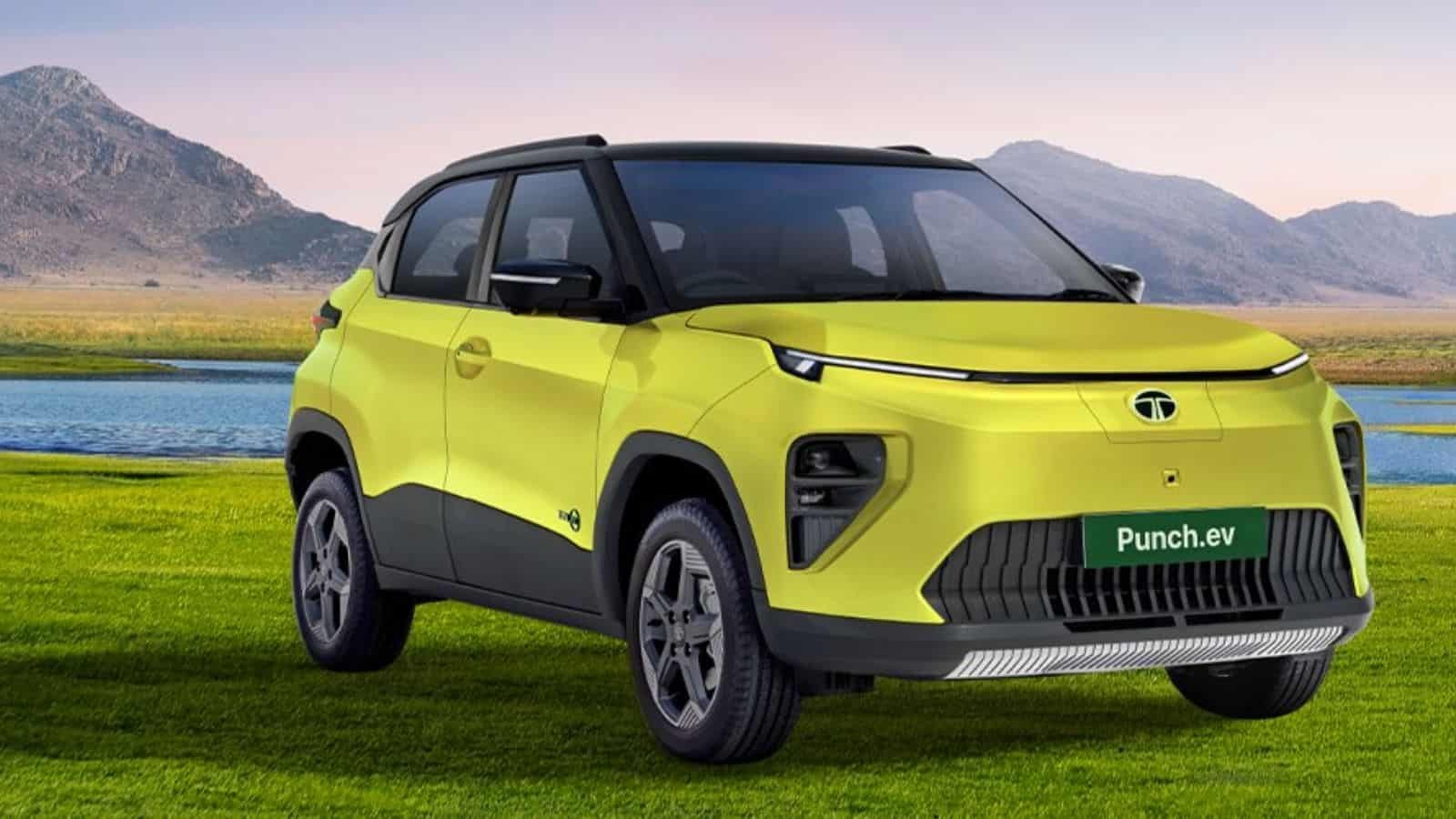

  • price range, specs and details

    price range, specs and details

    Mumbai: Tata Motors on Friday, February 20 launched the facelift version of the Punch EV and said it expects the latest offering to democratise the adoption of entry-level EVs, which account for almost two-thirds of electric car demand.

    The company, which commanded 40 per cent of the total 1.76-lakh electric car sales in India in the 2025 calendar year, also said that the entry of more players, including bigger players in the space, will be beneficial to the country’s overall EV mission of green mobility.

    India has set a target of achieving 30 per cent electric vehicle penetration by 2030.

    Add as a preferred source on Google

    With a starting price of Rs 9.69-lakh (ex-showroom Mumbai), Punch.ev comes with an alternate financing option with BaaS at a starting price of Rs 6.49 lakh plus battery EMI of Rs 2.6 per km, the company said.

    “We have been very committed to the entry EVs, because this is where 65 per cent of the demand lies. Until we don’t crack this, we will not be able to mainstream EVs and that’s why Punch EV becomes one of the critical launch in the journey of the progress and evolution of electric vehicles in India,” Tata Motors Passenger Vehicles (TMPV) Managing Director and CEO, Shailesh Chandra said in a media interaction.

    Among 16 lakh passenger cars priced above Rs 12 lakh that are sold annually, EVs number stands around 1.60 lakh, or 10 per cent penetration, he said and added that on the contrast, the share of EVs in the 30 lakh cars priced below Rs 12 lakh is around 50,000 or just 1.6 per cent.

    MS Admissions 2026-27MS Admissions 2026-27

    “This is the real challenge of mainstreaming electric vehicles in the country. And if this segment does not get electrified, then you will never achieve the objective of EV mainstreaming,” Chandra said.

    Citing factors such as “very less” real-world range and lower charging speed, among others as the factors for the 12 lakh segment not progressing towards a 10 per cent penetration, where mid as well as high segment are, he said, Punch EV is going to democratize adoption in the entry segment as it addresses these issues.

    The facelift Punch.ev comes with a larger 40 kWh LFP prismatic cell battery pack delivering a real-world C75 range around 355 km and ARAI certified- range 468 km, fast charging support as the battery can quickly charge from 20 per cent to 80 per cent in just 26 minutes and Lifetime HV (high voltage) battery warranty covering unlimited kilometers, according to the company.

    “Punch.ev will be the first car in the entry segment which will deliver 350 km real-world range with a 40-kWh battery. In this kind of footprint, we are not able to provide 40 kWh, but thanks to the pure EV architecture which allowed us to. It can be taken more by the way.

    “Technically, we can still take it more. But here it is about how you bring the balance of optimization of price, range and the feature set that people expect. So you have to deliver this range within the boundary condition of what price is palatable for this size of a car,” Chandra said.

  • Amazon overtakes Walmart as world’s biggest company by revenue

    Amazon overtakes Walmart as world’s biggest company by revenue

    Amazon has surpassed Walmart to become the world’s largest company by revenue, marking a significant milestone for the e-commerce and cloud computing major that began as an online bookseller in Jeff Bezos’ garage in 1994.

    Walmart, which had held the top spot for more than a decade, reported sales of $713.2 billion for the 12 months ended January 31. Amazon, which follows a December-ending fiscal year, earlier this month posted 2025 revenue of $717 billion, according to a Bloomberg report.

    Over the past decade, Amazon’s revenue growth has outpaced Walmart’s by nearly 10 times, driven by a shift in consumer spending from brick-and-mortar stores to online platforms, as well as the rapid expansion of its cloud arm, Amazon Web Services (AWS).

    Add as a preferred source on Google

    Amazon and Walmart remain direct rivals in retail. Amazon is the largest online retailer, with its website and mobile applications drawing about 2.7 billion visits each month. On the other hand, Walmart is the world’s biggest physical retailer, operating more than 10,000 stores and shopping clubs globally. 

    Amazon’s rise to the top in revenue terms is largely attributable to its dominance in cloud computing, a segment where Walmart has no presence. Excluding AWS, Amazon’s 2025 revenue would have stood at $588 billion, Bloomberg reported. 

    Before Walmart, Exxon Mobil and General Motors had held the distinction. In terms of market capitalisation, Nvidia is currently the world’s most valuable company at $4.5 trillion, more than double Amazon’s valuation and more than four times that of Walmart, according to Bloomberg.

    MS Admissions 2026-27MS Admissions 2026-27

  • Ahead of Modi’s visit, India and Israel sign another MoU deepening defence ties

    Ahead of Modi’s visit, India and Israel sign another MoU deepening defence ties

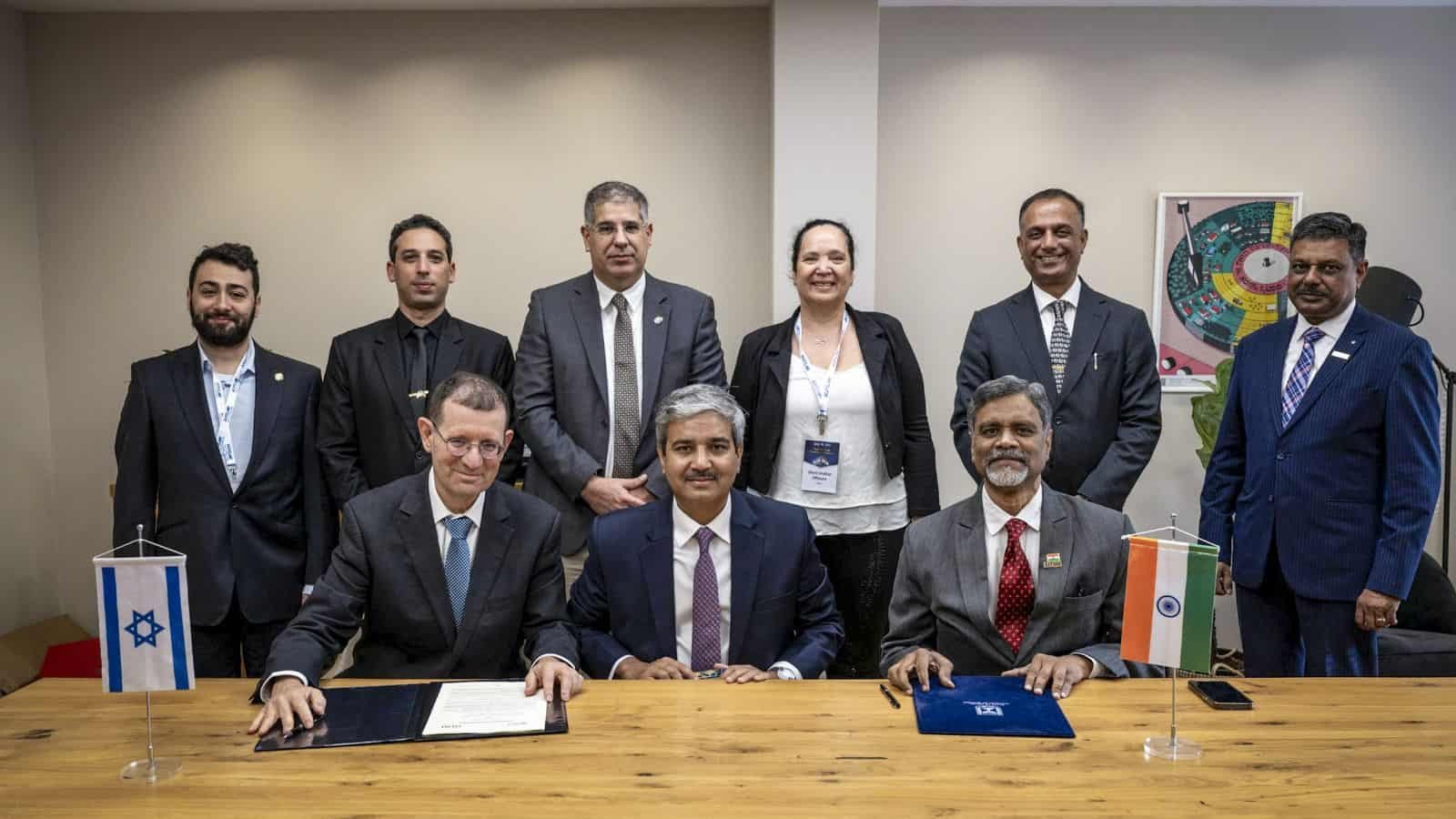
    Tel Aviv: Ahead of Prime Minister Narendra Modi’s visit to Israel later this month, an MoU was signed between India and Israel to deepen defence ties and strengthen ongoing joint activities, including future seminars and cooperative initiatives.

    The International Defence Cooperation Directorate (SIBAT) within Israel’s Ministry of Defense (IMOD) have facilitated meetings between leading Indian and Israel defence industries leading to the signing of the Memorandum of Understanding (MoU).

    SIBAT in cooperation with the Society of Indian Defence Manufacturers (SIDM) and India’s Ministry of Defence led a seminar and B2B meetings this week between leading Indian and Israeli defence companies, the IMOD said.

    Add as a preferred source on Google

    “The seminar was led by SIBAT Director, Brig. Gen. (Res.) Yair Kulas, and brought together small, medium and large Israeli and Indian defence companies for substantive engagements, with the goal of deepening familiarity with India’s defense industrial ecosystem and its updated Defense Acquisition Procedure (DAP) 2026 – India’s national defense procurement policy,” a statement from the IMOD said.

    “The event featured representatives from 30 Indian and 26 Israeli defence companies,” it said.

    The Indian delegation was led by Ramesh K, Director General of SIDM, and included J P Singh, Ambassador of India to Israel, and Gp Capt. Vijay Patil, Defence Attaché of India to Israel.

    MS Admissions 2026-27MS Admissions 2026-27

    “Both sides expressed their commitment to advancing the bilateral dialogue and emphasised the importance of continued cooperation between two defence industries that have stood shoulder to shoulder in times of crisis,” the statement said.

    The IMOD said that the strategic seminar advances the strategic vision of Israel Ministry of Defence Director General Maj Gen (Res.) Amir Baram to broaden Israel’s defence exports and deepen strategic partnerships with key countries.

    The event follows the Joint Working Group (JWG) meeting held in November last year when the two sides inked a landmark agreement to enhance defence, industrial and technological cooperation, enabling sharing of advanced technology to promote co-development and co-production.

    Modi would arrive on February 25 on a two-day visit to Israel. He is likely to touch upon all issues of bilateral and regional interest during his meetings.

  • Hyderabad’s T-Hub partners with Hauts-de-France to boost startup collaboration

    Hyderabad’s T-Hub partners with Hauts-de-France to boost startup collaboration

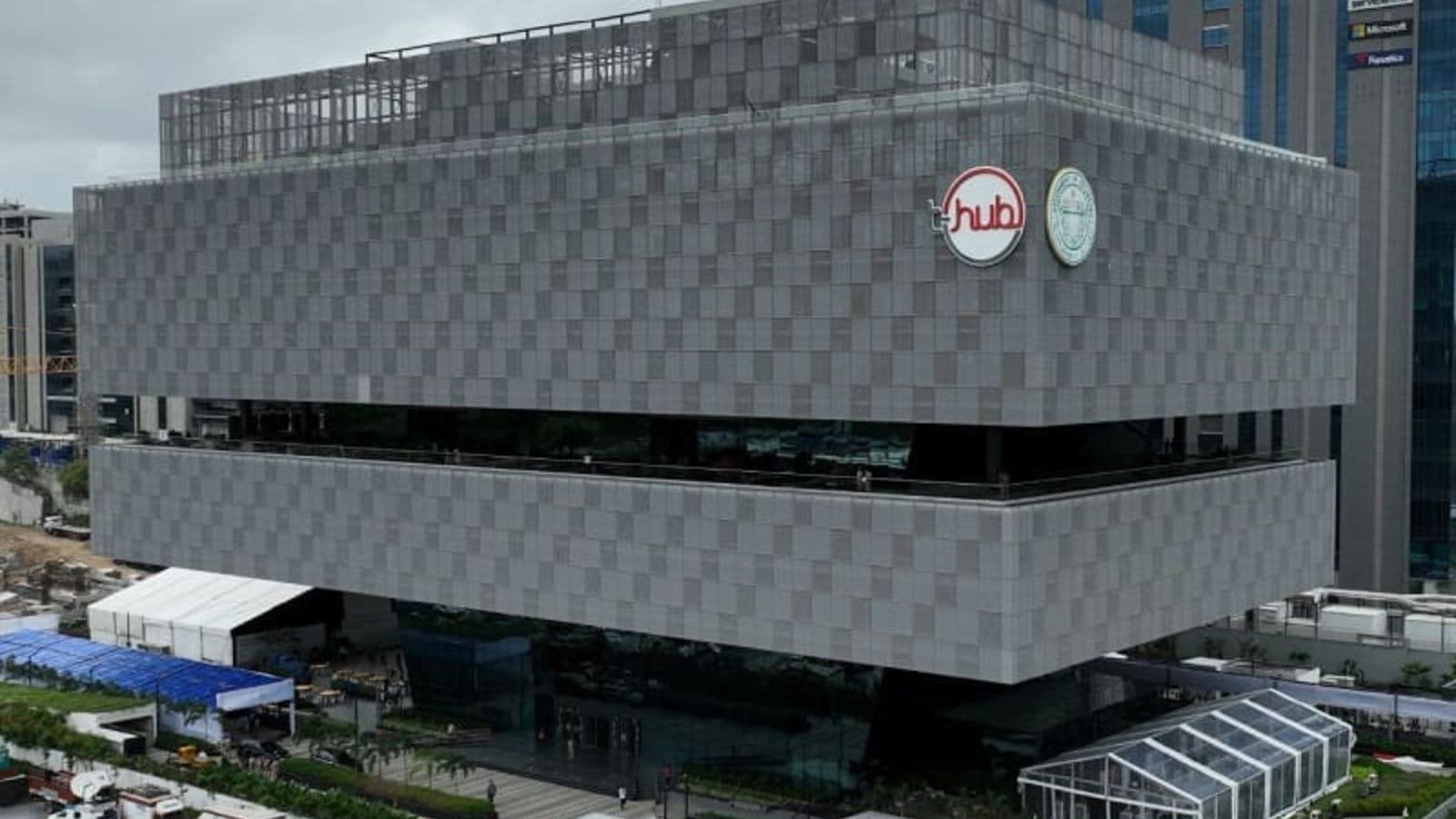
    Hyderabad: Hyderabad-based startup incubator T-Hub on Thursday, February 19, announced its strategic partnership with the Hauts-de-France region, establishing a structured implementation framework to strengthen startup-led economic cooperation between India and France.

    As part of the partnership, both parties will facilitate reciprocal market entry through structured immersion programmes and market access and registration support in new geographies, while enabling cross-border investment through investor introductions, syndication pathways, and co-investment opportunities across both ecosystems, a release from T-Hub said.

    The collaboration includes co-designed acceleration and market readiness programmes to support product localisation, business model refinement and international scale-up, alongside corporate–startup platforms featuring cross-border challenges, pilot projects, and Proof-of-Concept (PoC) opportunities.

    Add as a preferred source on Google

    Founder exchanges – through demo days, pitch showcases, bootcamps, and mentor exchanges – along with joint communications efforts, will further strengthen integration and the global positioning of the India–Hauts-de-France startup corridor, the release said.

    The long-term objective of the partnership is to establish strategic pathways and facilitate the entry of over 10 French startups into the Indian market, and 10 Indian startups into the French market, it said.

    A cornerstone of the partnership is the establishment of the Indo-French Startup Consortium, envisioned as a structured bilateral platform linking incubators, academia, investors, and corporates across both countries, it added.

    MS Admissions 2026-27MS Admissions 2026-27

    T-Hub CEO Kavikrut said: “This partnership builds on the shared strengths of the Indian and French startup ecosystems. By facilitating access to new markets, capital, and industry networks, it will strengthen the startup ecosystems in India and France alike, supporting founders who are building with a global vision and driving long-term economic impact.”

    François DECOSTER, Vice-President in charge of international affairs, Hauts-de-France regional council, said: “We have great expectations for this partnership between the Hauts-de-France region and T-Hub. It positions us within a globally connected startup corridor, enabling our entrepreneurs to engage with international markets, capital, and industry networks.”

    The Hauts-de-France region is the region between the North of Paris and Calais, Dunkirk and Belgium, the release added.

  • French President Macron concludes Mumbai visit

    French President Macron concludes Mumbai visit

    Mumbai: French President Emmanuel Macron and First Lady Brigitte Macron left Mumbai for New Delhi on Wednesday after concluding their official engagements here, including bilateral talks with Prime Minister Narendra Modi.

    They were seen off at Chhatrapati Shivaji Maharaj International Airport by Maharashtra Governor Acharya Devvrat, Chief Minister Devendra Fadnavis and Deputy CM Eknath Shinde.

    On Tuesday, Macron held discussions with Modi as part of efforts to further strengthen India-France strategic ties.

    Add as a preferred source on Google

    AI development should serve humanity

    President Macron underscored the need for India and France to build sovereign AI capacity and talent, ensuring that AI development serves humanity without overdependence on a few global powers.

    In a move to strengthen Indo-French cooperation in healthcare and emerging technologies, Union Health Minister J P Nadda and Macron on Wednesday inaugurated an Indo-French Centre for AI in Health (IF-CAIH) at the All India Institute of Medical Sciences (AIIMS), Delhi.

    “India and France are committed to developing the computing capacity and talent necessary to build our own trusted AI systems, as we cannot rely solely on technologies created and managed elsewhere,” Macron said on the occasion.

    MS Admissions 2026-27MS Admissions 2026-27

    Emphasising responsible governance, Macron said, “Artificial intelligence must serve humanity – with strong protection for children, transparency in algorithms to address bias, and a firm commitment to preserving linguistic and cultural diversity – areas where India and France share a common vision.”

    He also highlighted the transformative potential of ethical AI adoption across sectors, particularly in healthcare, to enhance productivity and accelerate scientific discovery.

    Macron also interacted with students and encouraged young researchers to pursue innovation-driven solutions in healthcare.

    The IF-CAIH is a pioneering initiative aimed at advancing AI-driven research, medical education and clinical innovation to address complex healthcare challenges.

    It marks a significant milestone in India-France collaboration in digital health and reinforces Bharat’s vision of becoming a global leader in equitable and technology-enabled healthcare solutions, an official statement said.

    The launch coincided with the ‘Rencontres Universitaires Et Scientifiques De Haut Niveau’ (RUSH), a series of academic and scientific meetings being held at AIIMS Delhi on February 18-19, coordinated by the French Embassy.

    A dedicated session titled ‘Indo-French Forum: AI in Brain Health and Global Healthcare’ brought together leading scientists, clinicians, policymakers and academic leaders from both countries.

    The IF-CAIH has been established pursuant to an MoU signed between AIIMS Delhi, Sorbonne University in Paris and the Paris Brain Institute.

    The initiative draws academic collaboration from the Indian Institute of Technology-Delhi and leading French institutions, promoting interdisciplinary research in AI, brain health and global healthcare systems.

    It builds upon the ongoing institutional cooperation between India and France in priority areas such as digital health, antimicrobial resistance (AMR), human resources for health, and responsible use of health data.

    Collaborative efforts between research bodies and digital health institutions of both countries aim to enhance scientific discovery, strengthen evidence-based policymaking and promote capacity building and mobility partnerships, the statement said.

    The Indo-French Forum at RUSH 2026 aims to promote an integrated approach to global mental health challenges and enrich research ecosystems through cross-mobility of students, faculty, and researchers across the Indo-Pacific region, it said.

    As part of RUSH 2026, a special 30-minute conversation titled ‘RUSH – Conversation on Artificial Intelligence’ was held between Macron and two young Indian innovators, Priyanka Das Rajkakati and Manan Suri.

    The session, moderated by Clara Chappaz, French Ambassador for AI and Digital, highlighted the importance of youth-led innovation, cross-border collaboration, and the transformative potential of AI in shaping inclusive and sustainable global futures.

    The programme also featured a special segment on ‘Major Scientific and Academic Cooperation Highlights between France and India’, moderated by Professor Vijay Raghavan and Dr Thierry Coulhon, chairmen of RUSH.

    It showcased key milestones and emerging avenues of collaboration in higher education, research, and innovation between the two countries, reflecting the depth and dynamism of the Indo-French knowledge partnership, the statement said.

  • No impediments to India producing next AI champion: Sundar Pichai

    No impediments to India producing next AI champion: Sundar Pichai

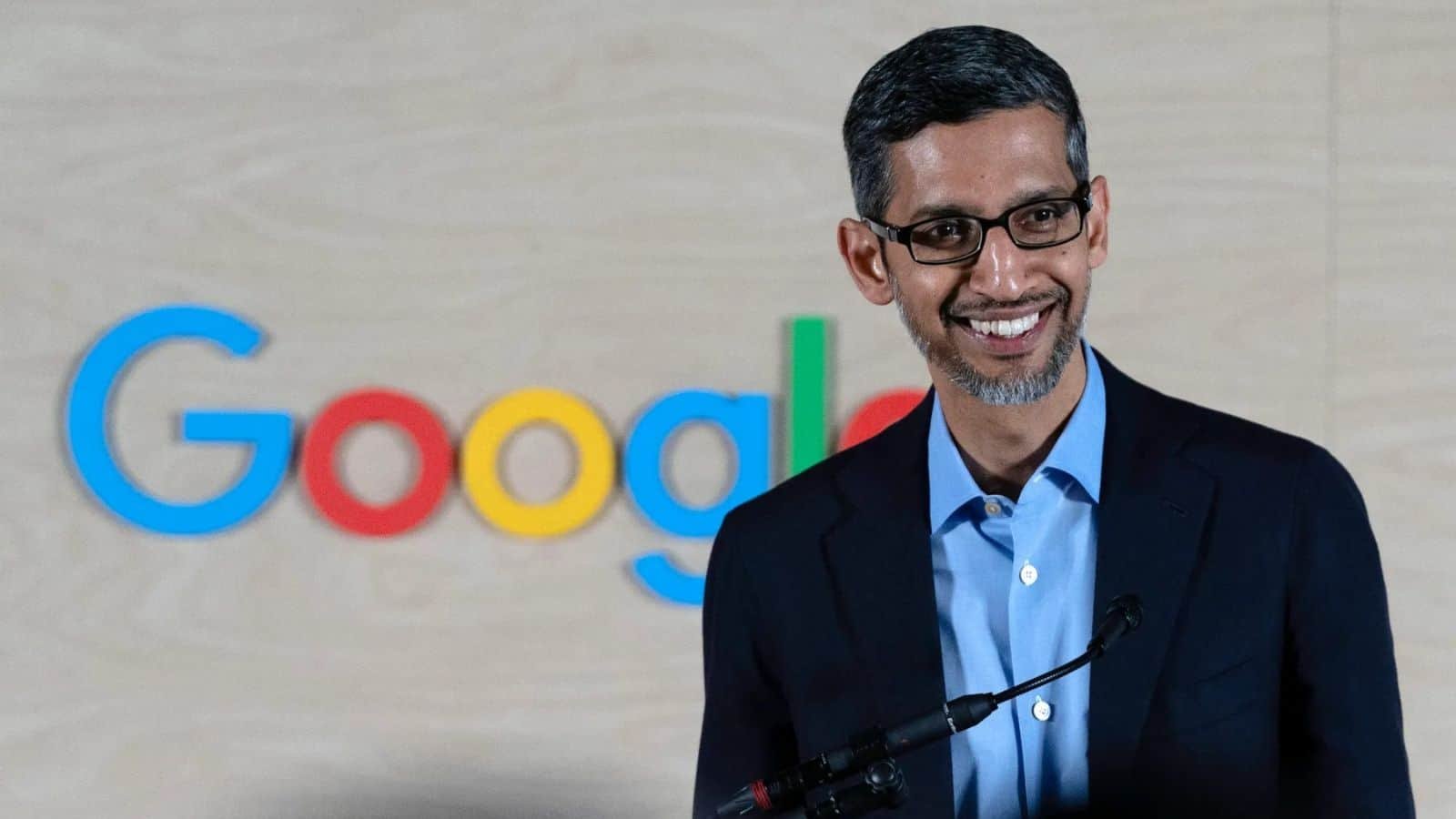
    New Delhi: Google CEO Sundar Pichai on Wednesday, February 18, said India is already witnessing the kind of transformation that can produce the next world-leading AI major from within, asserting that the ecosystem has evolved significantly and the country is producing “extraordinary” homegrown companies.

    Pichai lauded high developer energy and thriving entrepreneurship ecosystem in India.

    Responding to a question on what needs to change for the “next Sundar” to stay back (in India) and build a world-leading company from here, Pichai, currently in India to attend the India AI Impact Summit, said the shift is already underway.

    Add as a preferred source on Google

    He pointed to the rise of homegrown startups such as Flipkart and Oyo as evidence that “India has been producing extraordinary companies” that are scaling successfully.

    “I mean, it’s already changed. India is producing extraordinary companies, right? You know, when you look at companies like Flipkart, Oyo, etc, these are all companies homegrown here, and they’re doing really well,” Pichai said.

    He added that the developer energy in the country, particularly in hubs like Bengaluru, is second to none, and described the entrepreneurship ecosystem as “thriving”.

    MS Admissions 2026-27MS Admissions 2026-27

    Pichai also highlighted recent progress in artificial intelligence, noting that companies like Sarvam have begun developing local AI models, signalling that advanced innovation is taking root domestically.

    He said he does not see any impediments to India building globally competitive AI firms, adding that the country is positioned well.

    “You know, even recently, the work Sarvam has done developing local AI models, certainly what you’re talking about is actually happening. And, you know, I just don’t see any impediments to that, and I think it is very, very well positioned,” Pichai said.BUSINESSNEWDELHI

  • India, Canada may finalise terms of reference for FTA talks next month

    India, Canada may finalise terms of reference for FTA talks next month

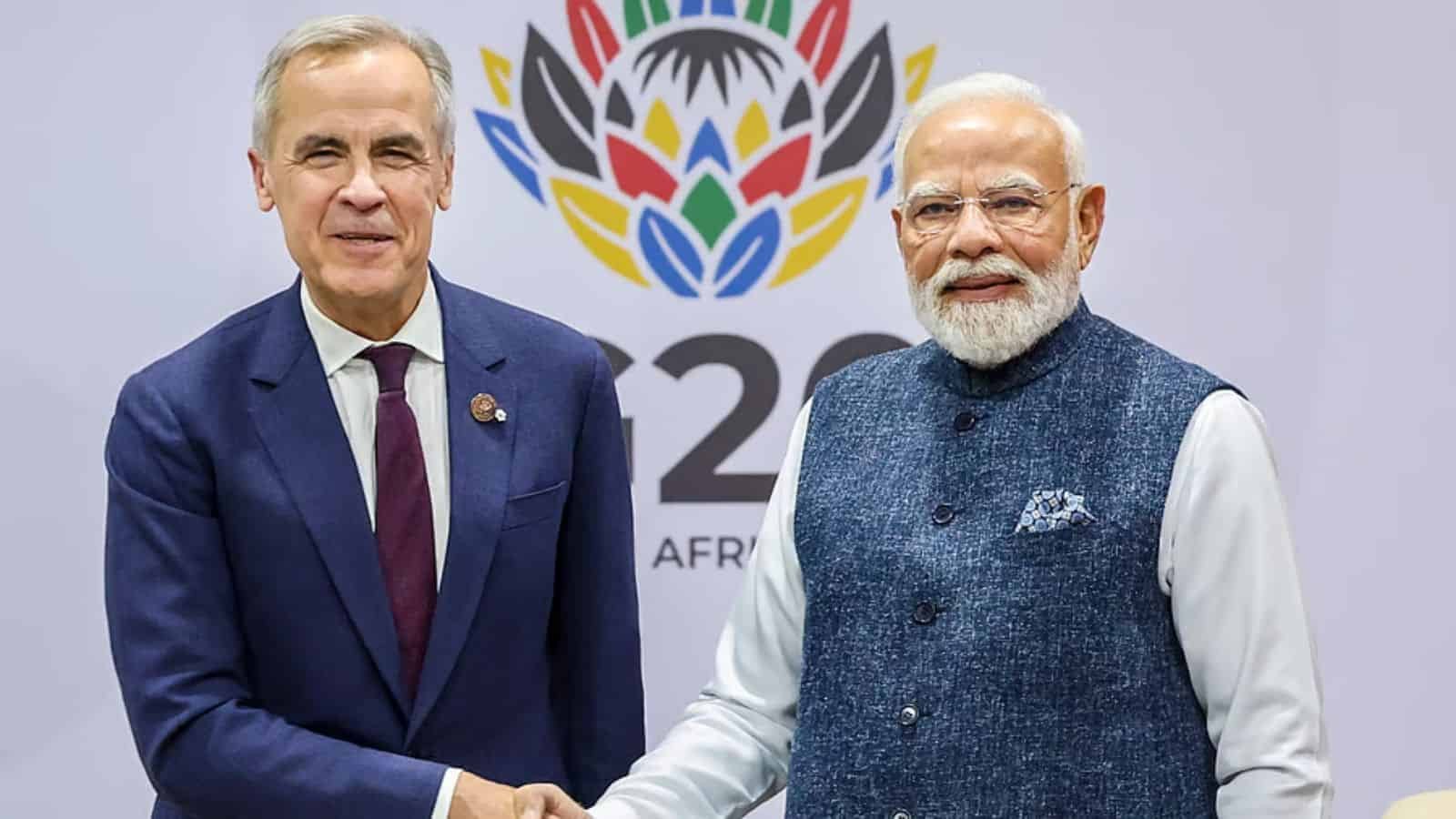
    New Delhi: India and Canada are expected to finalise terms of reference for initiating talks for a free trade agreement (FTA) during the visit of Canadian Prime Minister Mark Carney to India next month, an official said.

    The terms of reference (ToR) outline the scope and modalities of a proposed trade pact.

    The two countries were earlier negotiating a trade pact but it was paused by Canada in 2023. Now they have decided to resume talks from the beginning as a lot has changed on the global trade front during these two years.

    Add as a preferred source on GoogleAdd as a preferred source on Google

    The official said that the two sides are engaged in finalising the ToR for a mutually beneficial trade agreement.

    “It is likely to be finalised during the visit of the Canada’s prime minister,” the official added.

    Both sides have appointed their chief negotiators for the trade pact negotiations. Joint Secretary in Department of Commerce Brij Mohan Mishra is the chief negotiator from the Indian side. Bruce Christie is Canada’s chief negotiator.

    MS Admissions 2026-27MS Admissions 2026-27

    India’s exports to Canada rose 9.8 per cent to USD 4.22 billion in 2024-25 from USD 3.84 billion in 2023-24.

    Imports, however, declined 2.33 per cent to USD 4.44 billion in the last fiscal year from USD 4.55 billion in 2023-24.

    Bilateral trade in goods and services stood at USD 18.38 billion in 2023.

    There are about 2.9 million Indian diaspora and over 4,27,000 Indian students in Canada.

  • Stock markets open lower amid weakness in IT, Services shares

    Stock markets open lower amid weakness in IT, Services shares

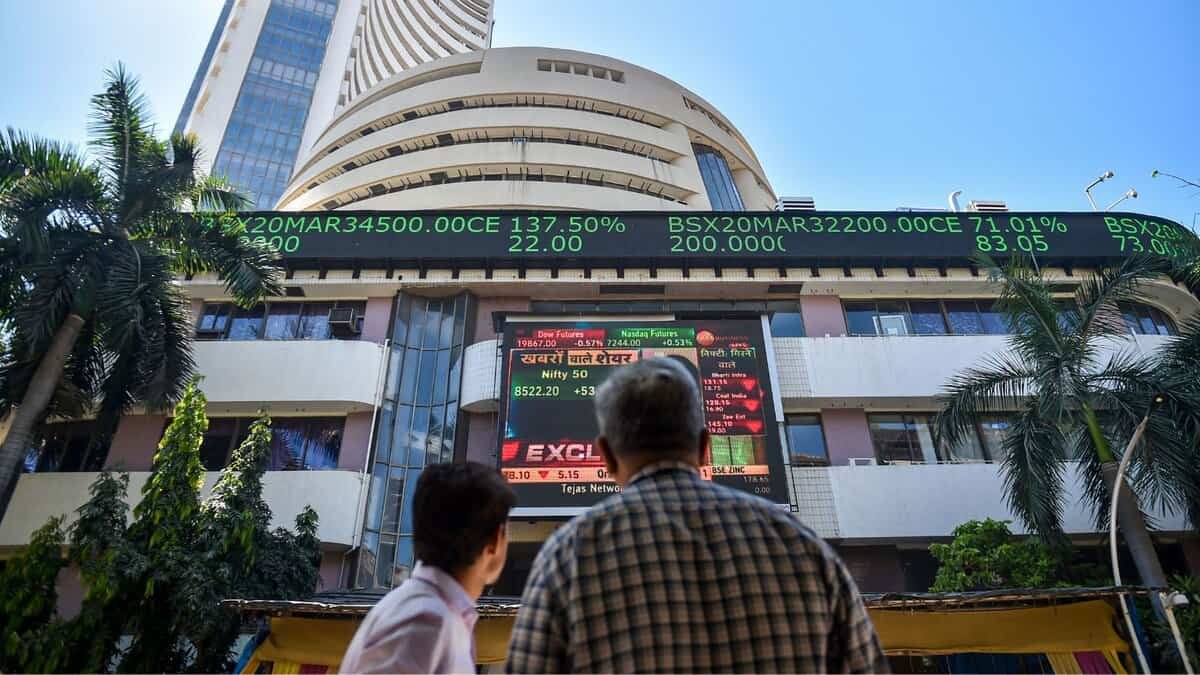
    Mumbai: Equity benchmark indices Sensex and Nifty began the trade on a negative territory on Wednesday, February 18, tracking losses in IT and Services stocks in a volatile session.

    After a bearish start, the 30-share BSE Sensex further declined 247.92 points, or 0.30 per cent, to 83,203.04.

    The 50-share NSE Nifty dropped 70.25 points, or 0.27 per cent, to 25,655.15.

    Add as a preferred source on Google

    Among the Sensex constituents, Infosys, Tech Mahindra, Adani Ports, HCL Technologies, Tata Consultancy Services, Eternal, Maruti Suzuki India, Asian Paints, Trent, HDFC Bank, IndiGo, Kotak Mahindra Bank and ICICI Bank were the major laggards.

    On the other hand, ITC, Tata Steel, Bajaj Finserv, Bharat Electronics Ltd, State Bank of India, UltraTech Cement, Sun Pharmaceutical and Bajaj Finance were the gainers.

    “The volatility in IT stocks may continue, in response to incoming news relating to the sector. Overall, IT stocks may remain weak since uncertainty surrounding the sector is huge and large institutional investors are unlikely to invest big time in IT stocks, unless valuations become compelling,” VK Vijayakumar, Chief Investment Strategist, Geojit Investments Ltd, said.

    MS Admissions 2026-27MS Admissions 2026-27

    He added that there can be churns away from IT towards other sectors like banking and financials, automobiles, telecom, pharmaceuticals etc where there is good earnings visibility.

    In Asian markets, Japan’s Nikkei 225 benchmark was trading over 1 per cent higher. Markets in China, Hong Kong, and South Korea remained closed for trading on account of Lunar New Year holidays.

    The US equities market ended higher in overnight deals on Tuesday.

    Foreign institutional investors bought equities worth Rs 995.21 crore on Tuesday, while domestic institutional investors purchased stocks worth Rs 187.04 crore, according to the exchange data.

    Brent crude, the global oil benchmark, rose 0.22 per cent to USD 67.59 per barrel.

    On Tuesday, the 30-share BSE Sensex climbed 173.81 points to close at 83,450.96. The 50-share NSE Nifty advanced 42.65 points to settle at 25,725.40.

  • PM Modi, Macron inaugurate India-France year of innovation 2026

    PM Modi, Macron inaugurate India-France year of innovation 2026

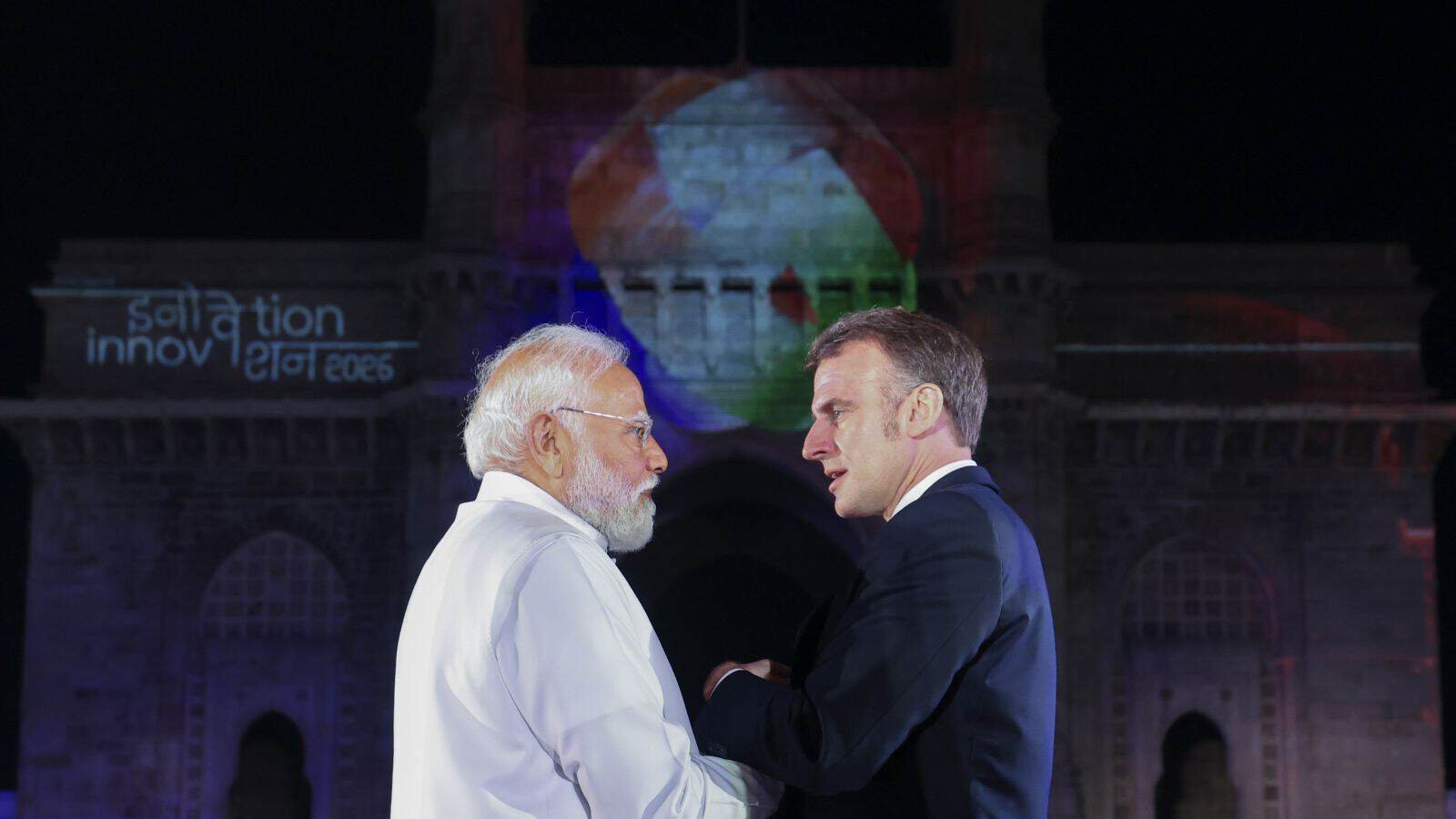
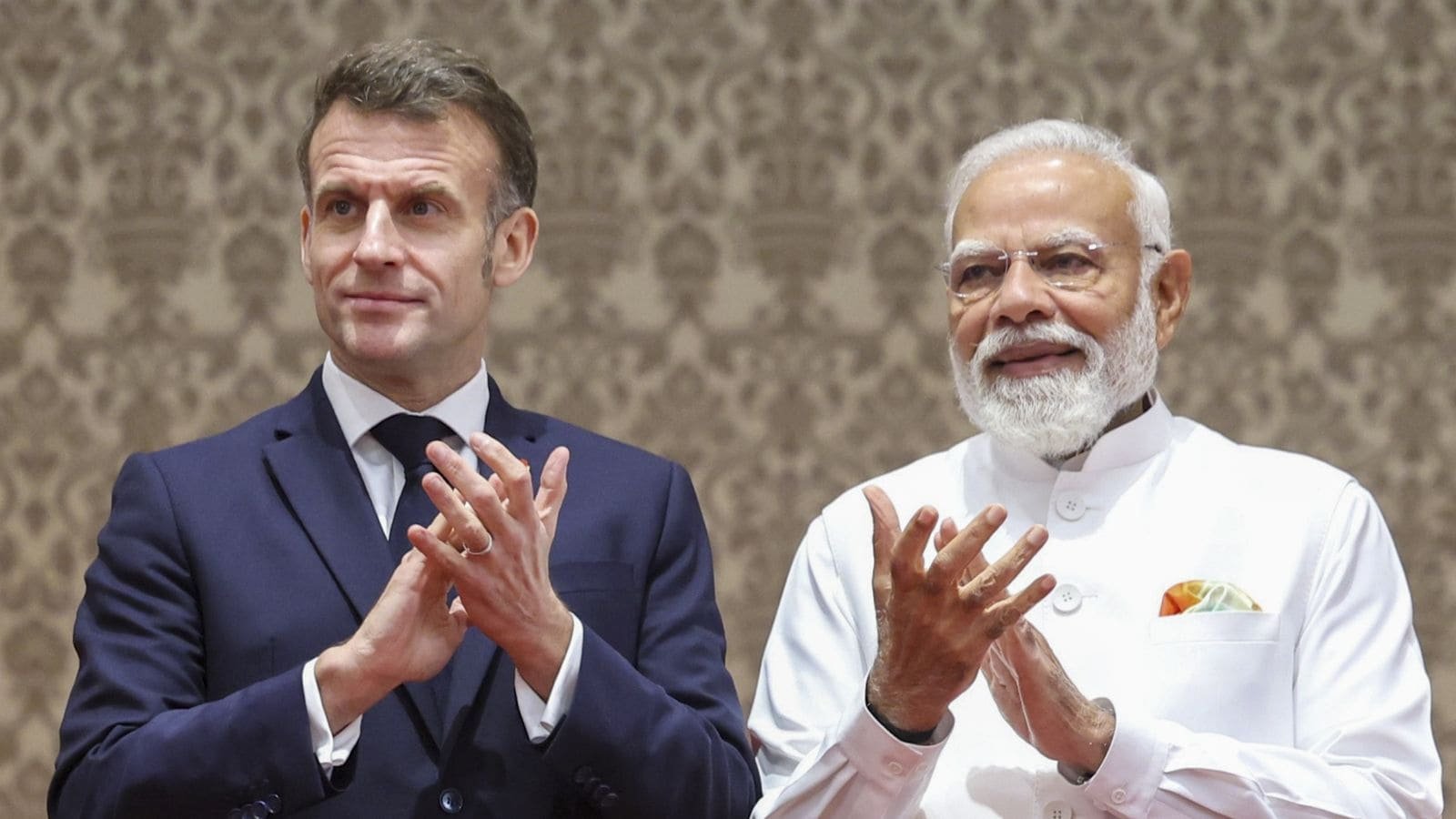
    Mumbai: Prime Minister Narendra Modi and French President Emmanuel Macron on Tuesday inaugurated the ‘India-France Year of Innovation’.

    Hours after announcing to elevate the decades-old ties to a “special strategic partnership”, the two leaders attended the event where New Delhi and Paris affirmed their commitment to innovation.

    “The India-France year of innovation 2026 will further strengthen’¦strategic alignment and shared prosperity,” as per a video played at the event.

    Add as a preferred source on Google

    Special events will be held across cities in both countries, focusing on science, technology and innovation, and bringing together startups, academia and creators.

    The year will promote industrial collaboration and people-to-people connect, as per a video posted by the PMO India’s YouTube channel posted after the closed-door event.

    The two countries also announced the ‘Indo-French innovation network’, a digital platform backed by the government and led by industry, which is billed by innovators for innovators, as per the video.

    MS Admissions 2026-27MS Admissions 2026-27

    National Security Advisor Ajit Doval, External Affairs Minister S Jaishankar, Tata Chemicals’ managing director and chief executive R Mukundan, Maharashtra’s secretary for industries, P Anabalagan were seen at the event.

    President Macron is on an official visit to India from February 17 to 19 at the invitation of PM Modi to participate in the AI Impact Summit hosted by India, as well as hold a bilateral summit with the latter in Mumbai.