Category: BUSINESS

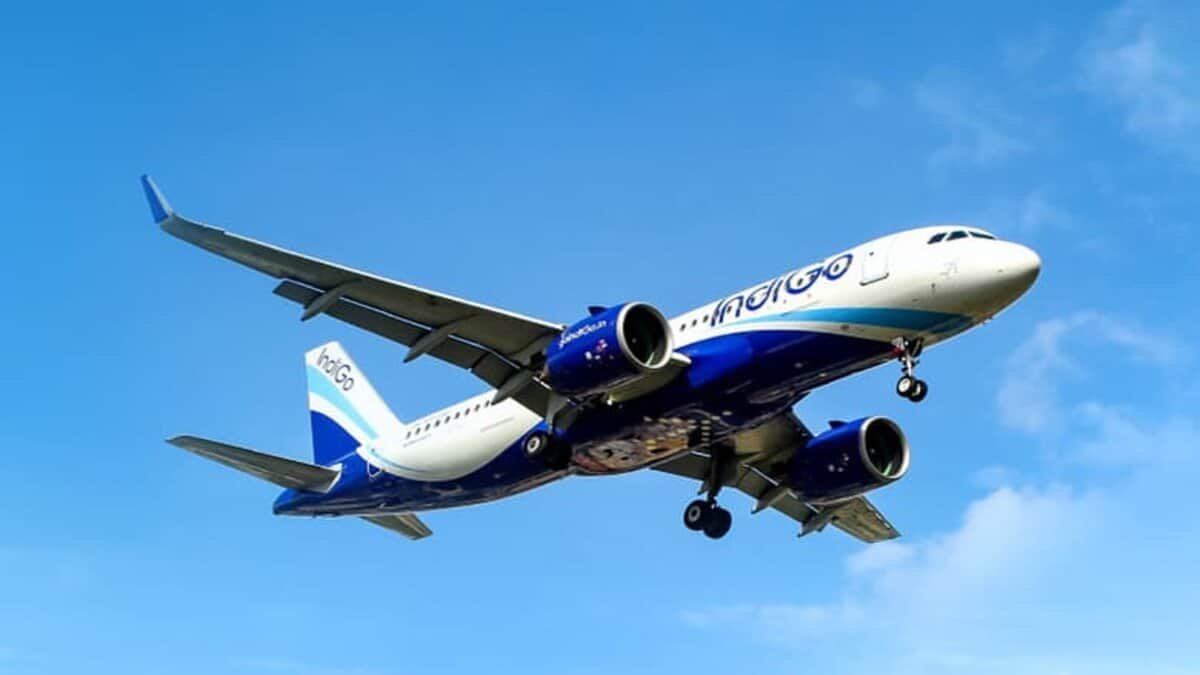
  • IndiGo announces relief measures for affected passengers due to airport closure

    IndiGo announces relief measures for affected passengers due to airport closure

    New Delhi: Low-cost airline IndiGo on Saturday said customers who were scheduled to fly into or out of the impacted airports owing to the closure of airports, they may now choose to travel from or to another nearby airport without any additional charges.

    In a statement, the airline said that due to security reasons, until airports reopen, it stands committed to supporting its customers during this time.

    “We understand the uncertainty this situation may have caused and want to assure you that our team is here to help. Change and cancellation fees are being waived for bookings made during this period,” said IndiGo.

    MS Creative School

    If customers were scheduled to fly into or out of the impacted airports, they may now choose to travel from or to another nearby airport without any additional charges, the airline added.

    “This flexibility is available across our network for eligible bookings. We are also planning to operate relief flights to support stranded passengers and will share updates as these plans are confirmed,” the airline added.

    Earlier, the Airports Authority of India (AAI) and relevant aviation authorities issued a series of Notices to Airmen (NOTAMs), announcing the temporary closure of 32 airports across northern and western India for all civil flight operations, effective till May 14.

    The closure “corresponds to 0529 IST on 15th May 2025, due to operational reasons,” said the Ministry of Civil Aviation in its latest update.

    The following airports are affected by the NOTAM — Adhampur, Ambala, Amritsar, Awantipur, Bathinda, Bhuj, Bikaner, Chandigarh, Halwara, Hindon, Jaisalmer, Jammu, Jamnagar, Jodhpur, Kandla, Kangra (Gaggal), Keshod Kishangarh, Kullu Manali (Bhuntar), Leh, Ludhiana, Mundra, Naliya, Pathankot Patiala, Porbandar, Rajkot (Hirasar), Sarsawa, Shimla, Srinagar, Thoise and Uttarlai.

    All civil flight activities at these airports will remain suspended during this period. The Airports Authority of India (AAI) has also extended the temporary closure of 25 segments of Air Traffic Service (ATS) routes within the Delhi and Mumbai Flight Information Regions (FIRs) due to operational reasons.

  • Enough rice, wheat, sugar, oil and pulses stock, no need to panic: Pralhad Joshi

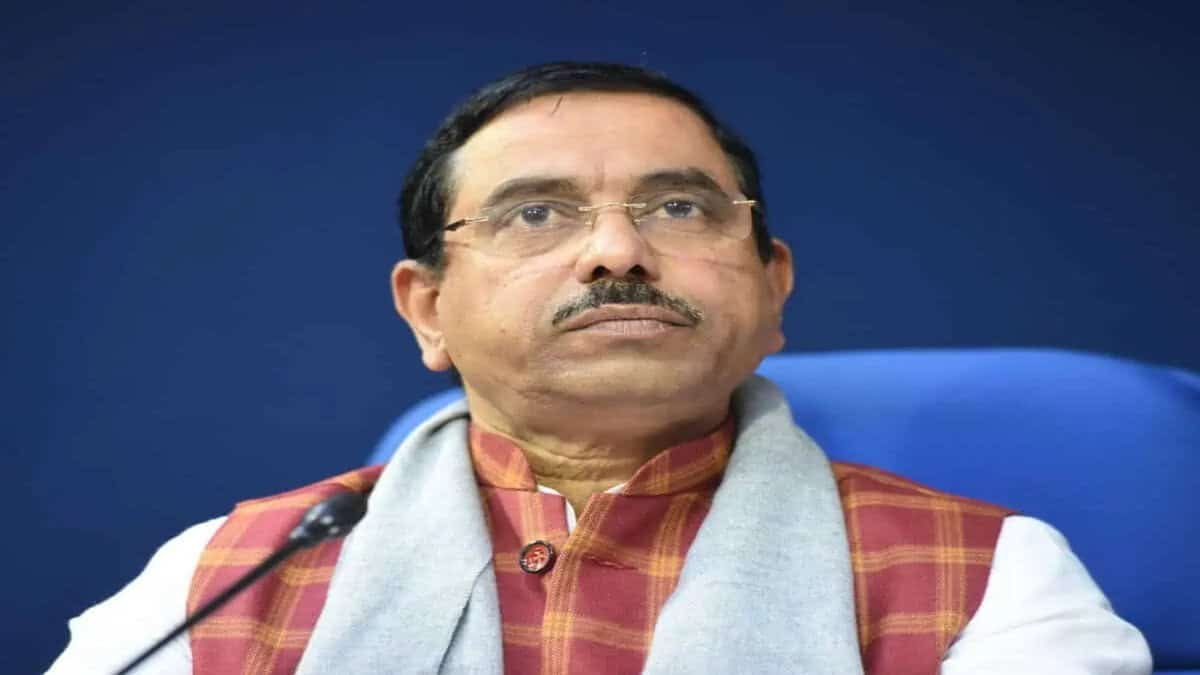
    Enough rice, wheat, sugar, oil and pulses stock, no need to panic: Pralhad Joshi

    New Delhi: The government on Friday reiterated that there is no shortage of essential commodities in the country, and citizens are advised not to panic or rush to the markets to purchase food grains.

    Union Minister for Consumer Affairs, Pralhad Joshi, emphasised that there are adequate stocks available in the country.

    The current rice stock stands at 356.42 lakh metric tonnes (LMT) against a buffer norm of 135 LMT.

    MS Creative School

    Similarly, wheat stock is 383.32 LMT against a buffer norm of 276 LMT, demonstrating a strong surplus over the required buffer norms, ensuring nationwide food security, the minister said.

    “I want to assure everyone that we currently have stocks many times higher than the normal requirement – whether it is rice, wheat, or pulses such as chana, tur, masoor, or moong. There is absolutely no shortage, and citizens are advised not to panic or rush to the markets to purchase food grains,” Joshi said.

    In addition, India currently holds approximately 17 LMT of edible oil stocks. Domestically, the availability of mustard oil is ample during the ongoing peak production season, further supplementing the edible oil supply.

    The ongoing sugar season started with a carry-over stock of 79 LMT. Production is estimated at 262 LMT, after accounting for the diversion of 34 LMT for ethanol production.

    As of now, around 257 LMT of sugar has already been produced. Considering the domestic consumption of 280 LMT and exports of 10 LMT, the closing stock is expected to be around 50 LMT, which is more than the consumption of two months.

    The production outlook for the 2025–26 sugar season is also promising due to favourable climatic conditions, the minister said.

    The minister cautioned not to fall prey to misleading reports, and any person indulging in hoarding or stockpiling would be prosecuted under relevant sections of the Essential Commodities Act.

    “Don’t believe in propaganda messages regarding food stocks in the country. We have ample food stocks, far exceeding required norms. Traders, wholesalers, retailers or business entities which engage in the trading of essential commodities are directed to cooperate with law enforcement agencies,” said Joshi.

  • India’s credit rating upgraded to ‘BBB’ with ‘Stable’ trend: Morningstar DBRS

    India’s credit rating upgraded to ‘BBB’ with ‘Stable’ trend: Morningstar DBRS

    New Delhi: India’s rating has been upgraded from ‘BBB (low)’ to ‘BBB’ with a ‘Stable’ trend by global sovereign credit rating agency Morningstar DBRS.

    The key drivers for the ratings upgrade include India’s structural reforms through infrastructure investments, digitalisation, fiscal consolidation, sustained high growth with macroeconomic stability, and a resilient banking system.

    “The global sovereign credit rating agency, Morningstar DBRS, upgraded India’s Long-Term Foreign and Local Currency – Issuer Ratings from BBB (low) to BBB with a Stable trend,” a Finance Ministry statement issued on Friday said.

    MS Creative School

    “India’s Short-Term Foreign and Local Currency Issuer Ratings were also upgraded to R-2 (high) from R-2 (middle) with a Stable trend,” the statement said.

    The upgrade is based on India’s structural reforms, which entail massive investments in infrastructure to spur growth and create employment and digitalisation, which facilitated fiscal consolidation reflected in declining debt and fiscal deficit levels and sustained high growth. India has clocked an average GDP growth of 8.2 per cent during FY22-25, with macroeconomic stability as inflation has come down, the exchange rate of the rupee is range-bound, and the country’s external balance is sound.

    A resilient banking system featuring well-capitalised banks with a high capital adequacy ratio and a decline in non-performing loans to a 13-year low was another significant driver for the upgrade.

    The credit rating may be further upgraded if India continues to implement reforms that raise the investment rate, enhancing medium-term growth prospects. The report also stated that despite the current public debt levels, risks to debt sustainability are limited due to local currency denomination and long maturity structures. Further, continued reforms and a reduction in the public debt-to-GDP ratio could bring further upgrades, the statement said.

    The rating scale for Morningstar DBRS is similar to the Fitch and S&P rating scales. Morningstar DBRS uses ‘high’ and ‘low’ as suffixes compared to the +/- nomenclature used by Fitch and S&P.

  • Trump agrees to cut tariffs on autos, steel

    Trump agrees to cut tariffs on autos, steel

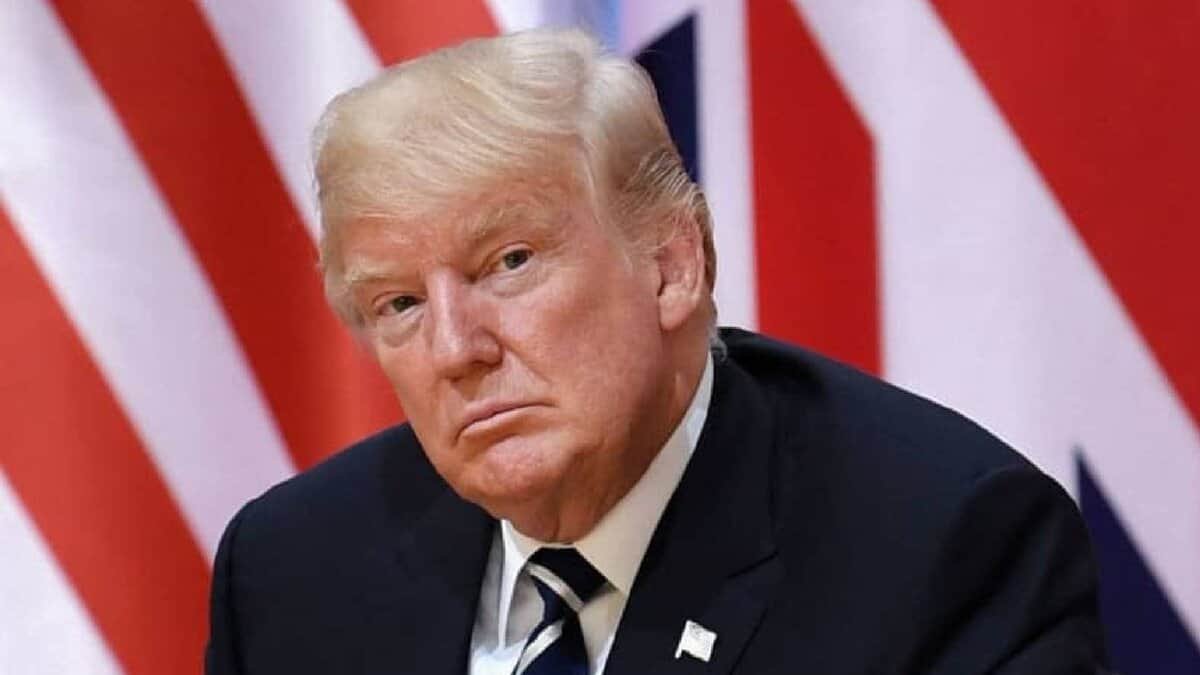
    Washington: President Donald Trump has agreed to cut tariffs on UK autos, steel and aluminum in a planned trade deal with Britain, which would buy more American beef and streamline its customs process for goods from the United States.

    The symbolically resonant agreement still has yet to be finalised, but it suggested that Trump was still able to negotiate with other countries after his vast set of tariffs stoked fears around the world of an economic downturn and higher inflation.

    The announcement provided a political victory for UK Prime Minister Keir Starmer and offered a degree of validation for Trump’s claims that his turbulent approach on trade may be able to rebalance the global economy on his preferred terms.

    MS Creative School

    The US president talked up the agreement to reporters from the Oval Office, even as the fine print remains in flux.

    “The final details are being written up,” Trump told reporters. “In the coming weeks, we’ll have it all very conclusive.”

    The president said that the agreement would lead to more beef and ethanol exports to the UK, which would also streamline the processing of US goods though customs.

    Commerce Secretary Howard Lutnick said the baseline 10 per cent tariffs would stay in place, while UK officials said that Trump’s auto tariffs would go from 27.5 per cent to 10 per cent on a quota of 100,000 vehicles and the import taxes on steel and aluminum would go from 25 per cent to zero.

    Starmer, speaking over the phone to Trump, stressed the importance of the relationship between the two countries as the anniversary of the World War II victory in Europe was being commemorated.

    “To be able to announce this great deal on the same deal 80 years forward, almost at the same hour and as we were 80 years ago with the UK and the US standing side by side, I think is incredibly important,” Starmer said.

    The planned deal was the first outlined since Trump began his stutter-step efforts to rewire the global economy by dramatically increasing import taxes in an attempt to increase domestic manufacturing.

    The Republican president quickly rolled out tariffs after returning to the White House, targeting traditional allies such as the UK with import taxes on steel, aluminum and autos.

    Trump announced near universal tariffs on April 2, then partially retreated a week later and announced that his administration would seek individual agreements with various countries over the next few months.

    The US already runs a trade surplus with the UK, making it a bit easier to find common ground as Trump has staked his tariffs on specifically eliminating the annual trade deficits with multiple nations he says have taken advantage of the US.

    No new deals have been reached with America’s largest trading partners, including Canada, Mexico and China. Trump has left the highest tariffs in place on China, sparking a confrontation between the world’s two biggest economies. Washington and Beijing are sending officials to Switzerland this weekend for an initial round of trade talks.

    Trump promised on Thursday that there are “many other deals, which are in serious stages of negotiation, to follow!”

    Starmer, speaking at a defence conference in London, said “talks with the US have been ongoing, and you’ll hear more from me about that later today.”

    The US and the UK have been aiming to strike a bilateral trade agreement since the British people voted in 2016 to leave the European Union, allowing the country to negotiate independently of the rest of the continent. Then-Prime Minister Boris Johnson touted a future deal with the US as an incentive for Brexit.

    Negotiations started in 2020, during Trump’s first term. But the talks made little progress under President Joe Biden, a Democrat and a critic of Brexit. Negotiations resumed after Trump returned to office in January and intensified in recent weeks.

    A major goal of British negotiators has been to reduce or lift the import tax on UK cars and steel, which Trump set at 25 per cent. The US is the largest destination for British cars, accounting for more than a quarter of UK auto exports in 2024, according to the Office for National Statistics.

    Britain has also sought tariff exemptions for pharmaceuticals, while the US wants greater access to the British market for agriculture products. Starmer’s government has said it won’t lower UK food standards to allow in chlorine-rinsed American chicken or hormone-treated beef.

    The British government will see a deal as a vindication of Starmer’s emollient approach to Trump, which has avoided direct confrontation or criticism. Unlike the European Union, Britain did not announce retaliatory tariffs on US goods in response to Trump’s import taxes.

    A trade deal with the United Kingdom would be symbolically important and a relief for British exporters. But an agreement would do little to address Trump’s core concern about persistent trade deficits that prompted him to impose import taxes on countries around the world.

    The US ran a USD 11.9 billion trade surplus in goods with the UK last year, according to the Census Bureau. The USD 68 billion in goods that the US imported from the UK last year accounted for just 2 per cent of all goods imported into the country.

    The US is much more important to the UK economy. It was Britain’s biggest trading partner last year, according to government statistics, though the bulk of Britain’s exports to the US are services rather than goods.

    Trump has previously said that his leverage in talks would be US consumers, but he appeared to suggest that the UK would also start buying more American-made goods.

    “I think that the United Kingdom, like every other country, they want to … go shopping in the United States of America,” he said.

    A trade deal with the US is one of several that Starmer’s government is seeking to strike. On Tuesday, Britain and India announced a trade agreement after three years of negotiations. The UK is also trying to lift some of the barriers to trade with the EU imposed when Britain left the bloc in 2020.

  • Stock markets fall in volatile trade on rising India-Pakistan tensions

    Stock markets fall in volatile trade on rising India-Pakistan tensions

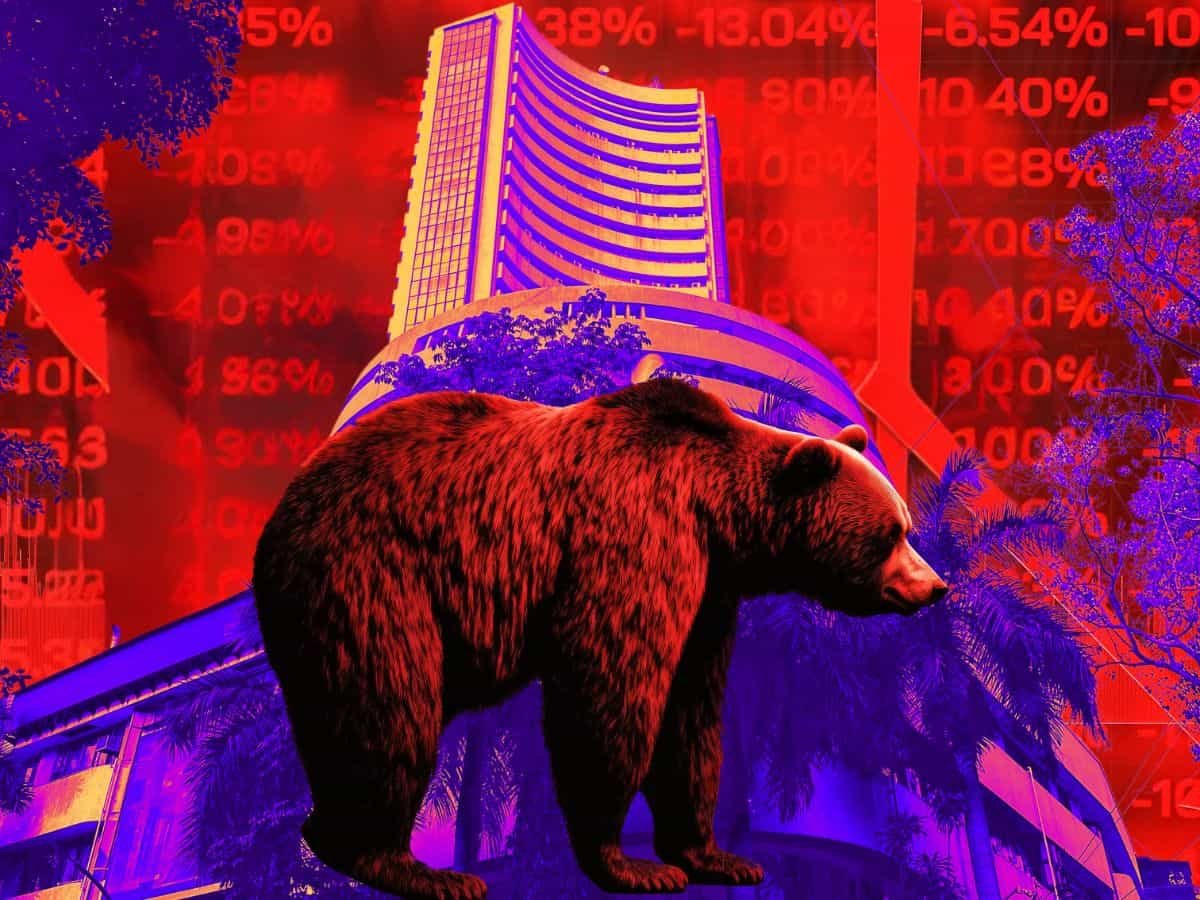
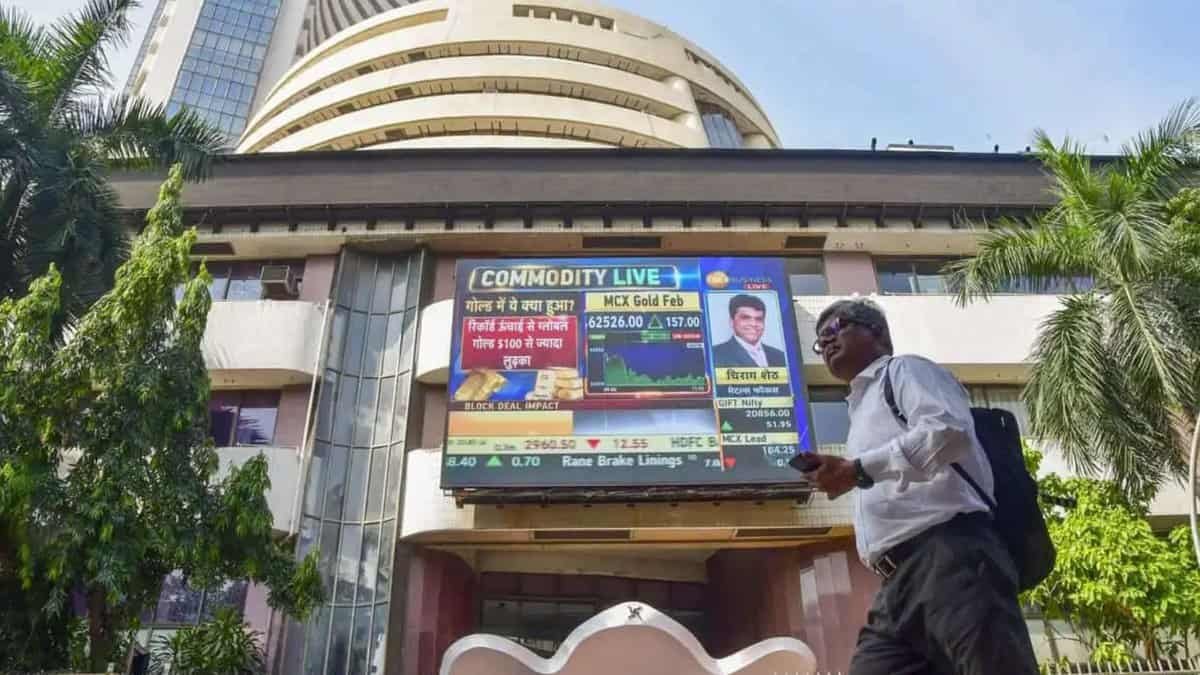
    Mumbai: Benchmark Sensex declined by nearly 412 points in a volatile session on Thursday, May 8, due to selling in banking, FMCG and auto shares triggered by escalating tensions between India and Pakistan.

    The 30-share Sensex declined by 411.97 points or 0.51 percent to close at 80,334.81, with 23 of its constituents ending in the red. The index opened higher and traded in a range in the first half of the session. The index hit a high of 80,927.99 in late-morning deals.

    However, the barometer lost momentum in the afternoon session as selling emerged in FMCG, auto, and select banking shares. It tanked 759.17 points or 0.94 percent to hit a low of 79,987.61 in the pre-close session.

    MS Creative School

    The NSE Nifty closed lower by 140.60 points or 0.58 per cent to 24,273.80. Intra-day, it fell 264.2 points or 1 per cent to 24,150.20.

    Indian forces foil cross-border attack, destroy radar in Lahore

    Indian Armed Forces foiled attempts by the Pakistani military to engage a number of military targets in Northern and Western India using drones and missiles last night and destroyed a Pakistani air defence system in Lahore, officials said on Thursday.

    The Pakistani military attempted to target Awantipura, Srinagar, Jammu, Pathankot, Amritsar, Kapurthala, Jalandhar, Ludhiana, Adampur, Bhatinda, Chandigarh, Nal, Phalodi, Uttarlai, and Bhuj, they said.

    These were neutralised by the Integrated Counter Unmanned Aircraft System (Grid and Air Defence systems), the defence ministry said.

    “Today morning Indian armed forces targeted air defence radars and systems at a number of locations in Pakistan. Indian response has been in the same domain with the same intensity as Pakistan,” the ministry said in a readout.

    “It has been reliably learnt that an air defence system at Lahore has been neutralised,” it said.

    Markets react to geopolitical tension, global cues remain steady

    In a strong retaliation to the Pahalgam massacre, India’s armed forces early on Wednesday destroyed nine terror sites, including those of Jaish-e-Mohammad and Lashkar-e-Taiba in Pakistan and Pakistan-occupied Kashmir (PoK) using deep strike missiles in a 25-minute-long “measured and non-escalatory” mission.

    From the Sensex firms, Eternal, Mahindra & Mahindra, Maruti, Bajaj Finance, Tata Steel, Bharti Airtel, Bajaj Finserv, Asian Paints, Power Grid and State Bank of India were among the laggards.

    Kotak Mahindra Bank, Axis Bank, Titan, HCL Tech, Tata Motors, Infosys and Tata Consultancy Services were the gainers.

    The BSE midcap gauge dropped 1.90 per cent, and the smallcap index declined 1.05 percent.

    “The Indian equity market experienced profit-booking by the end of the trading day due to escalating tensions between India and Pakistan, marked by increased cross-border exchanges.

    “The FOMC policy meeting provided little reassurance, as the FED expressed concerns that aggressive US tariffs could fuel inflation and raise unemployment, ”Vinod Nair, Head of Research, Geojit Investments Limited, said.

    However, the global market remains stable and positive, buoyed by expectations of an imminent US trade deal with the UK and preliminary indications of trade talks with China.

    Foreign Institutional Investors (FIIs) bought equities worth Rs 2,585.86 crore on Wednesday, according to exchange data.

    In Asian markets, South Korea’s Kospi, Japan’s Nikkei 225, Shanghai’s SSE Composite index and Hong Kong’s Hang Seng settled in the positive territory.

    Markets in Europe were trading with gains. US markets ended higher on Wednesday.

    Global oil benchmark Brent crude climbed 1 per cent to USD 61.75 a barrel.

    After gyrating between highs and lows during the day on Wednesday, the BSE benchmark ended 105.71 points or 0.13 per cent higher at 80,746.78. The 50-issue Nifty of NSE advanced by 34.80 points or 0.14 per cent to settle at 24,414.40.

  • Sensex, Nifty open nearly flat as geopolitical tensions continue

    Sensex, Nifty open nearly flat as geopolitical tensions continue

    Mumbai: The Indian equity indices opened almost flat on Thursday as geopolitical tensions remained high after ‘Operation Sindoor’.

    At 9.26 am, Sensex was up 25 points at 80,772 and Nifty was down 3 points at 24,410.

    Buying was seen in the largecap and midcap stocks. Nifty midcap 100 index was up 166 points or 0.30 per cent at 54,445 and Nifty smallcap 100 index was up 132 points or 0.81 per cent at 16,550.

    MS Creative School

    Among the sectoral index, auto, IT, PSU bank, fin service, media, energy and private bank were trading with gains. Pharma, FMCG, metal, realty and infra were trading in the red.

    As Asian equities are trading in the green mirroring overnight gains in the US markets, domestic equity indices too could see a steady positive start in the backdrop of the ongoing India-Pakistan tensions, said analysts.

    “However, the street will react to Jerome Powell’s statement on higher tariffs post Fed’s decisions to keep interest rates unchanged,” said Prashanth Tapse, Senior VP (Research), Mehta Equities.

    In the Sensex pack, Tata Motors, Kotak Mahindra Bank, Power Grid, Axis Bank, Adani Ports, Bajaj Finance, HCL Tech, Bajaj Finserv, Bajaj Finance, IndusInd Bank, SBI and Tech Mahindra were top gainers.

    Eternal, ITC, Maruti Suzuki, HDFC Bank, Tata Steel, Sun Pharma and ICICI Bank were top losers.

    “The street will now hope for some fruitful trade discussions between the US and China when they meet this weekend. Technically, Nifty’s biggest support is seen only at 24,171 mark,” Tapse added.

    Most Asian stocks rose marginally. Tokyo, Shanghai, Hong Kong and Seoul were trading in the green, while Bangkok and Jakarta were in the red.

    The US markets closed with gains in the last session amid increased hopes for a de-escalation in US President Donald Trump’s tariff agenda.

    According to media reports, Trump was set to announce a major trade deal with UK soon.

  • KFC and Pizza Hut operator Sapphire Foods’ net profit drops 25 pc in Q4

    KFC and Pizza Hut operator Sapphire Foods’ net profit drops 25 pc in Q4

    New Delhi: Sapphire Foods India, the operator of KFC and Pizza Hut outlets in India and Sri Lanka, on Wednesday reported a 25 per cent drop in its consolidated net profit for the March quarter (Q4), which fell to Rs 17.91 crore from Rs 23.9 crore in the same period last fiscal (Q4 FY24).

    This decline came despite a 13 per cent year-on-year (YoY) growth in revenue, which rose to Rs 711 crore in Q4.

    The increase in revenue was mainly driven by strong performance from KFC India and Pizza Hut operations in Sri Lanka.

    MS Creative School

    During the quarter, the company added six new KFC outlets, bringing the total number of restaurants to 963 as of March 31.

    While revenue showed healthy growth, profitability metrics remained under pressure.

    Consolidated restaurant EBITDA declined 1 per cent YoY, with the margin standing at 12 per cent.

    Adjusted EBITDA dropped 7 per cent to Rs 50.8 crore, with an adjusted margin of 7.2 per cent.

    However, consolidated EBITDA saw a modest 3 per cent rise to Rs 113.3 crore, though the EBITDA margin declined by 150 basis points to 16 per cent.

    Sapphire’s consolidated profit after tax (PAT) for the quarter stood at just Rs 2 crore, with an adjusted PAT of Rs 3.3 crore, representing a margin of only 0.5 per cent.

    In FY25, the company’s Pizza Hut business in India faced challenges, with the restaurant’s EBITDA margin falling by 250 basis points YoY to 2.4 per cent.

    Despite this, the company continued to expand, adding 15 new Pizza Hut outlets during the year and taking the total to 334.

    On a positive note, Sapphire Foods’ Sri Lanka business delivered a strong performance. Same-store sales growth stood at 16 per cent, with transactions also showing healthy momentum.

    The Sri Lanka restaurant EBITDA margin improved by 250 basis points to 14.8 per cent.

    Sales in Sri Lanka grew 19 per cent in local currency terms and 31 per cent in Indian rupee terms.

  • Passenger deplaned from Air India flight amid ‘Operation Sindoor’ alert

    Passenger deplaned from Air India flight amid ‘Operation Sindoor’ alert

    Bengaluru: Amid heightened security across the country, a passenger was deboarded from an Air India flight at Kempegowda International Airport (KIA) here on Wednesday evening, airport sources said.

    The passenger was travelling on flight AI-2820 from Bengaluru to New Delhi.

    Before the flight could take off at 6.05 pm, the passenger, whose identity has been withheld, was offloaded due to security-related concerns.

    MS Creative SchoolMS Creative School

    Confirming the incident, an Air India official told PTI, “We are aware of the incident but will not share any details.”

    “There must have been a reason for deboarding the passenger. It’s not something done routinely. There were specific concerns which we are not in a position to disclose,” the official added.

    Security has been tightened at KIA, as at airports across the country, in the wake of ‘Operation Sindoor’—India’s air strikes inside Pakistan and Pakistan-occupied Kashmir to “avenge” the killing of Indian tourists in Pahalgam last month.

  • PSX bleeds as tensions between India, Pakistan escalate

    PSX bleeds as tensions between India, Pakistan escalate

    Karachi: The Pakistan Stock Exchange (PSX) lost 6,500 points on Wednesday amid an escalation of military confrontation between India and Pakistan in the wake of the Pahalgam terror attack.

    The market saw investors in panic mode in intra-day trade as the benchmark KSE-100 index decreased by 6,560.82 points, or 5.78 per cent, to stand at 107,007.68 from the last close of 113,568.50 when the market opened this morning.

    Due to the massive dip, the market was immediately suspended briefly. This is the second-largest intraday tumble (points-wise), second to the 8,700 points loss that happened in the US last month after President Donald Trump’s trade tariff announcements.

    MS Creative School

    Fatima Bucha of AKD Securities said the market showed signs of recovery after 11 am, reaching 112,457.37 points, before declining to 111,171.92 points at 12 pm.

    “This was expected in the market for days because of the fears about military strikes by India,” she said.

    “The market opened under pressure this morning and some selling has been observed, though volumes remain low as investors assess the evolving situation,” she said.

    Other financial analysts also put down the dip in the market to the escalation in hostilities in the region.

    One analyst, Shahbaz Ashraf, chief investment officer at Frim Ventures, said investors are cautiously hopeful that the conflict will remain short-lived with likely mediation from global powers.

    India launched ‘Operation Sindoor’ targeting terror infrastructure in Pakistan and Pakistan-occupied Kashmir in a strong response to the terror attack in Pahalgam. The April 22 attack, carried out by the terror organisation The Resistance Front, killed 26 civilians.

  • India shall never tolerate terrorism, says Sitharaman

    India shall never tolerate terrorism, says Sitharaman

    New Delhi: Finance Minister Nirmala Sitharaman on Wednesday said ‘Operation Sindoor’ is a strong response by India’s armed forces, showing the country shall never tolerate terrorism.

    Indian armed forces on early Wednesday carried out missile strikes on nine terror targets in Pakistan and Pakistan-Occupied Kashmir, including the Jaish-e-Mohammad stronghold of Bahawalpur and Lashkar-e-Taiba’s base in Muridke.

    The military strikes were conducted under ‘Operation Sindoor’ two weeks after the Pahalgam attack that killed 26 civilians.

    MS Creative SchoolMS Creative School

    In a post on X, Sitharaman said under the leadership of Prime Minister Narendra Modi, India will ensure that every perpetrator of terror is pursued.

    “#OperationSindoor is a strong response by @adgpi, hitting at the terror hubs in Pakistan. India shall never tolerate terrorism,” Sitharaman posted on X.

    The Minister is currently in Milan, Italy, to attend the annual meeting of the Asian Development Bank.