New Delhi: E-commerce firm Meesho has received an income tax demand notice of around Rs 1,500 crore, including interest, which the company plans to contest, a recent company filing said.
Meesho received the notice on March 6 for assessment year 2023-24.
“The Assessment Unit of Income Tax Department has raised a tax demand aggregating to Rs 14,99,73,82,840, including applicable interest,” the filing said.
The filing said that the demand order is based on certain additions and adjustments to the income reported by the company.
“The company is currently evaluating the Assessment Order and does not concur with the observations and adjustments made in the Assessment Order. The company believes that it has adequate legal and factual grounds to contest the same and is taking necessary steps to protect its interest,” Meesho said.
The e-commerce firm said that a similar demand order was issued for the assessment year 2022-23 as well, which it disclosed in detail in the prospectus filed on December 5, 2025.
” As indicated therein, the High Court of Karnataka, by an order dated April 17, 2025, granted an interim stay on such demand notice and the matter is currently pending.
“The Assessment Order along with the Demand Notice does not have any major adverse impact on the company’s financial position, operations, or other activities,” the filing said.
The company has reported a widening of loss to Rs 490.6 crore for the third quarter ended December 2025, mainly due to a significant jump in expenses during the festive season.
The company had posted a loss of Rs 37.43 crore in the year-ago period.
Meesho’s expenses increased by about 44 per cent during the quarter, especially in the category of “other expense”, which has been a significant portion of the total spending across the reported period.
The e-commerce firm posted expenses of close to Rs 4,071 crore during the quarter, out of which “other expenses” stood at Rs 3,821.3 crore, or about 94 per cent of the total during the reported quarter.
Meesho posted a 31 per cent increase in revenue from operations to Rs 3,517.5 crore during the quarter from Rs 2,678.64 crore in the December 2024 quarter.
Chicago: Oil prices spiked near USD 120 per barrel before falling back on Monday, March 9, as the Iran war intensified, threatening production and shipping in the Middle East and pummelling financial markets.
The price for a barrel of Brent crude, the international standard, surged to $119.50 per barrel early in the day but later was trading at USD 107.80 per barrel.
West Texas Intermediate, the light, sweet crude oil produced in the United States, spiked at $119.48 per barrel but fell back to USD 103 per barrel.
The war’s toll on civilian targets grew as Bahrain accused Iran of striking a desalination plant vital to drinking water supplies, and oil depots in Tehran smoldered following overnight strikes by Israel.
Oil prices have surged as the war, now in its second week, ensnares countries and places that are critical to the production and movement of oil and gas from the Persian Gulf.
Prices moderated after the Financial Times reported that some members of the Group of Seven industrial nations were considering releases of strategic oil reserves to alleviate pressure on the markets. The unconfirmed report cited unnamed people familiar with the talks.
On Saturday, President Donald Trump downplayed the idea of turning to America’s Strategic Petroleum Reserve, saying US supplies were ample and prices would soon fall.
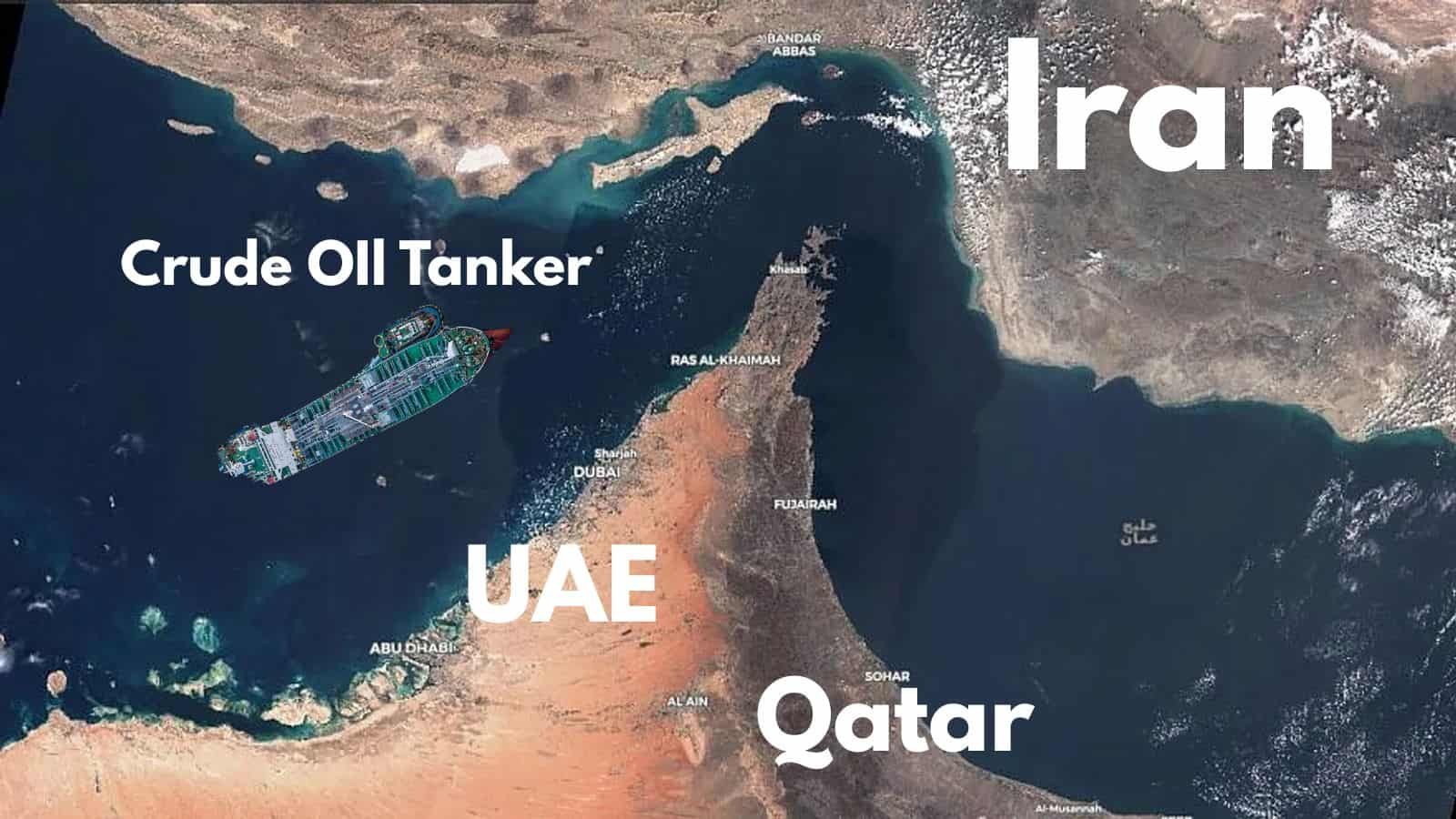
Roughly 15 million barrels of crude oil — about 20 per cent of the world’s oil — typically are shipped every day through the Strait of Hormuz, according to independent research firm Rystad Energy.
The threat of Iranian missile and drone attacks has all but stopped tankers from traveling through the strait, which is bordered in the north by Iran, carry oil and gas from Saudi Arabia, Kuwait, Iraq, Qatar, Bahrain, the United Arab Emirates and Iran.
Iraq, Kuwait and the UAE have cut their oil production as storage tanks fill due to the reduced ability to export crude. Iran, Israel and the United States also have attacked oil and gas facilities since the war started, exacerbating supply concerns.
The surge in costs for oil and natural gas is pushing fuel prices higher, cascading through other industries and jolting Asian economies that are especially vulnerable due to the region’s heavy reliance on imports from the Middle East.
The last time Brent and US crude futures traded near the current level was in 2022, after Russia invaded Ukraine.
Higher energy costs push inflation higher, straining household budgets and denting the consumer spending that is a main driver of many big economies.
Tokyo’s benchmark Nikkei 225 index shed 5.2 per cent on Monday while other markets also foundered. US futures were down more than 1.5 per cent.
On Friday, the S&P 500 dropped 1.3 per cent and the Dow plunged as many as 945 points before finishing with a loss of roughly 450. The Nasdaq composite sank 1.6 per cent.
In the US, a gallon of regular gasoline rose to USD 3.45 on Sunday, about 47 cents more than a week earlier, according to AAA motor club. Diesel was selling for about USD 4.60 a gallon, a weekly increase of about 83 cents.
Energy Secretary Chris Wright, speaking on CNN’s “State of the Union,” said US gas prices would be back under USD 3 a gallon “before too long.”
“Look, you never know exactly the time frame of this, but, in the worst case, this is a weeks, this is not a months thing,” Wright added.
If oil prices stay above USD 100 per barrel, some analysts and investors say it could be too much for the global economy to withstand.
Iranian authorities said strikes by Israel on oil depots in Tehran and a petroleum transfer terminal early Sunday killed four people.
Israel’s military said the depots were being used by Iran’s military for fuel to launch missiles. Mohammad Bagher Qalibaf, the speaker of Iran’s parliament, warned that the war’s impact on the oil industry would spiral.
Iran exports roughly 1.6 million barrels of oil a day, mostly to China, which may need to look elsewhere for supply if Iran’s exports are disrupted, another factor that could increase energy prices.
The price of natural gas also has climbed during the war, though not by as much as oil. It was selling for about USD 3.33 per 1,000 cubic feet late Sunday. That’s 4.6 per cent higher than its Friday closing price of USD 3.19, after rising about 11 per cent last week.
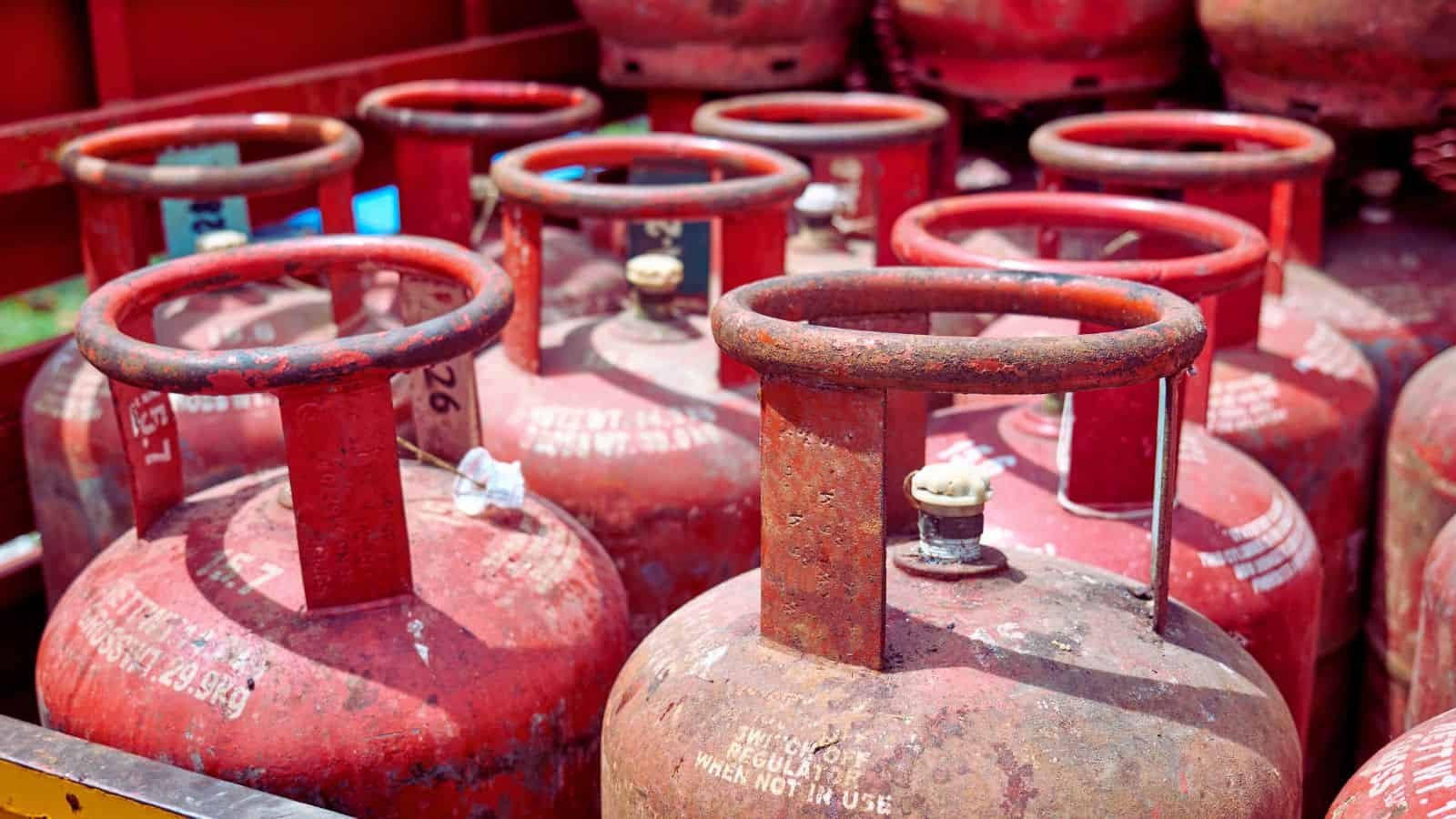
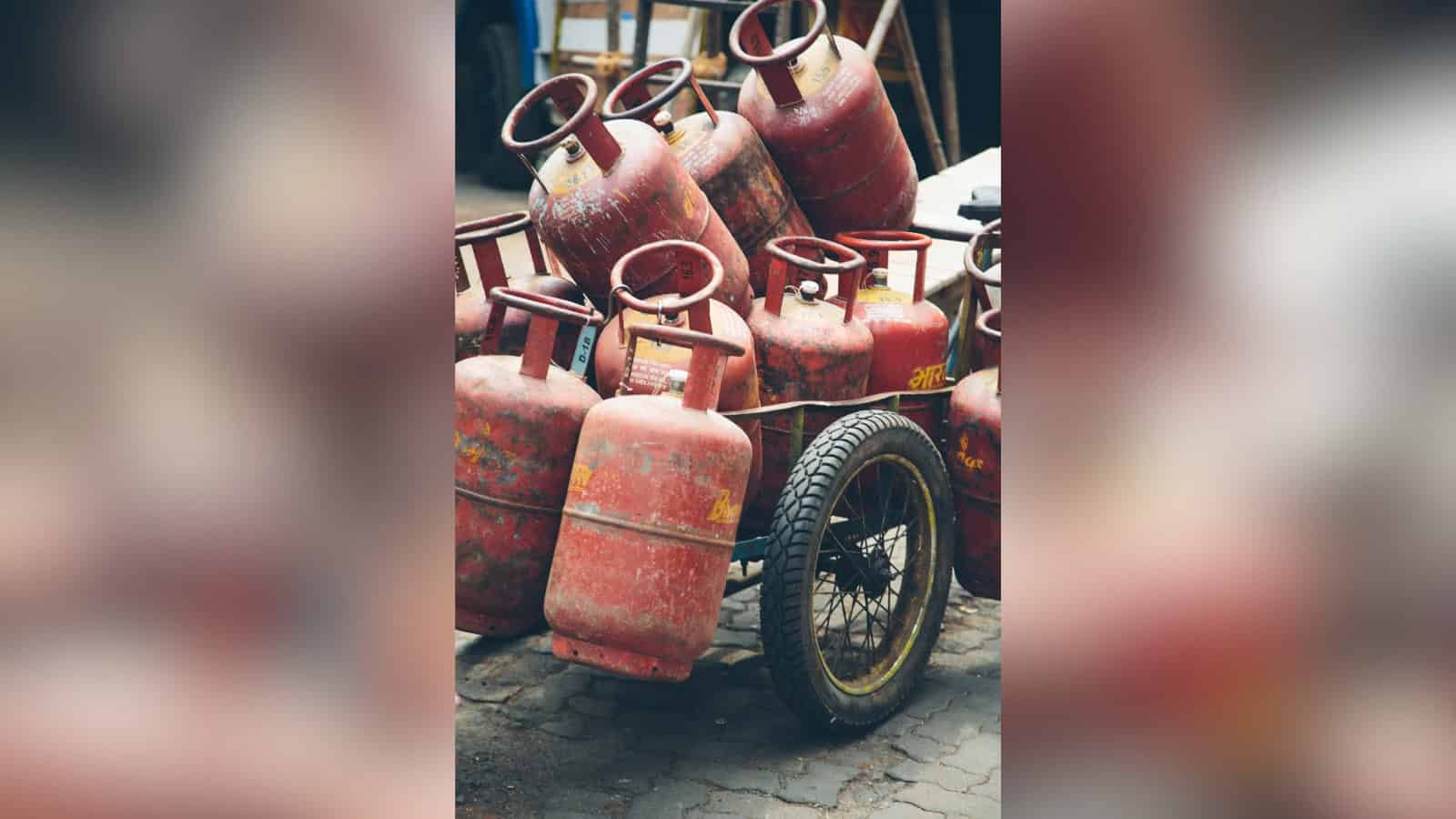
New Delhi: The oil ministry has constituted a committee to examine supply issues after a sudden shortage of commercial LPG cylinders alarmed the hospitality sector, with restaurant associations warning that eateries could shut down within days if supplies are not restored.
As the widening conflict in the Middle East disrupted fuel lifelines, including India’s LPG supplies, the government has prioritised domestic cooking gas supplies to households. This has led to supply crunch for hotels and restaurants, which use market-priced commercial LPG.
“For LPG supply to other non-domestic sectors, a committee of three Executive Directors (EDs) of Oil Marketing Companies (OMCs) have been constituted to review the representations for LPG supply to restaurants/hotels/other industries,” the ministry said in a post on X.
In light of current geopolitical disruptions to fuel supply and constraints on supply of LPG, Ministry has issued orders to oil refineries for higher LPG production and using such extra production for domestic LPG use.
The ministry has prioritised domestic LPG supply to…
— Ministry of Petroleum and Natural Gas #MoPNG (@PetroleumMin) March 9, 2026
India consumed some 31.3 million tonnes of LPG annually. As much as 87 per cent of this is in the domestic sector i.e. household kitchens, and the rest in commercial establishments such as hotels and restaurants.
Of this total requirement, as much as 62 per cent is met through imports. The US and Israel attack on Iran and Tehran’s retaliation has shut the Strait of Hormuz – the conduit through which India got 85-90 per cent of its LPG imports from countries like Saudi Arabia.
As alternate sources are being scouted, the limited supplies available meant the government prioritising supplies to the domestic sector, and in process the commercial establishments have suffered.
Industry sources say the disruption has already begun affecting operations in Mumbai and Bengaluru, as hotels and restaurants struggle to secure cooking gas.
Vijay Shetty, president of the India Hotels and Restaurant Association, said the shortage is spreading rapidly and could soon paralyse the sector.
While maintaining that the country has adequate fuel stocks, the ministry in recent days directed refineries to maximise LPG output by curtailing petrochemical streams and extended the LPG refill booking cycle to 25 days from 21 days.
“In light of current geopolitical disruptions to fuel supply and constraints on supply of LPG, the ministry has issued orders to oil refineries for higher LPG production and using such extra production for domestic LPG use,” the ministry said in the post on X.
“The ministry has prioritised domestic LPG supply to households and introduced a 25 day inter-booking period to avoid hoarding/black marketing.”
Non-domestic supplies from imported LPG are being prioritised to essential non domestic sectors such as hospitals and educational institutions, it said.
Tokyo: Asian shares have rebounded from their sharp declines a day before after a rally on Wall Street as global investors wagered that the war with Iran may not last too long.
But the gains early Tuesday, March 10, fell far short of losses Monday, when oil prices neared $120 per barrel before falling back to about $90. US futures were trading about 0.4% lower.
Helping to assuage investors’ fears, US President Donald Trump told CBS News he thinks “the war is very complete, pretty much.” However, he made other comments that seemed to threaten intensified action against Iran if it makes any “attempt to stop the globe’s oil supply.”
Japan’s benchmark Nikkei 225 added 3.2% to 54,399.08 after the government released revised economic data that showed Japan‘s economy grew slightly faster than initially estimated in the final quarter of last year, boosted by solid business investments.
The economy expanded at an annual pace of 1.3%. The initial estimate was a much weaker 0.2%.
“Today is the rebound, obviously positive comments from President Trump overnight, we’re starting to see the light at the end of the tunnel for the war,” said Neil Newman, a managing director and head of strategy at Astris Advisory Japan.
“So volatility is going to remain with us but things are certainly looking a lot brighter today.”
Australia’s S&P/ASX 200 gained 0.8% to 8,669.50. South Korea‘s Kospi jumped 3.6% to 5,453.45.
Hong Kong’s Hang Seng added 1.6% to 25,804.70, while the Shanghai Composite index rose 0.4% to 4,119.29.
Share prices have been swinging mostly in tandem with oil prices, which have gyrated as the war has deepened.
Early Tuesday, benchmark US crude fell $4.70 to $90.07 a barrel. Brent crude, the international standard, dipped $5.13 to $93.83 a barrel.
On Monday, stock prices swerved from a steep early loss to a moderate gain. The S&P 500 dropped as much as 1.5% before flipping to a gain of 0.8%. It closed at 6,795.99.
The Dow Jones Industrial Average clawed back a plunge of nearly 900 points to rise 239 points, or 0.5%, to 47,740.80. The Nasdaq composite climbed 1.4% to 22,695.95.
Share prices have wavered due to uncertainty about just how high oil prices will go and how long they will stay there because of disruptions to Middle East energy facilities.
If oil prices stay very high for very long, households’ budgets already stretched by high inflation could break under the pressure. Companies would see their own bills jump for fuel and to stock items on their store shelves or in their data warehouses.
It all raises the possibility of a worst-case scenario for the global economy, “stagflation,” where growth stagnates and inflation remains high.
Concerns have focused in particular on the Strait of Hormuz, a narrow waterway off Iran’s coast that a fifth of the world’s oil sails through on a typical day. Iran has threatened to set fire to ships sailing the strait.
If the strait remains closed for only a few weeks, the price of oil could push to $150 per barrel of higher, according to oil and gas strategists at Macquarie Research.
Trump also added that when it comes to the Strait of Hormuz, he’s “thinking about taking it over,” according to CBS.
In the bond market, the yield on the 10-year Treasury fell to 4.10% from 4.15% late Friday.
Worries about high inflation and oil prices are pushing upward on Treasury yields, and the 10-year yield briefly rose above 4.20% early Monday. Yields then slid late in the day when oil prices eased.
In currency trading early Tuesday, the US dollar edged up to 157.85 Japanese yen from 157.67 yen. The euro cost $1.1611, down from $1.1638.
Dubai: Saudi Arabia’s oil giant Aramco reported 2025 profits of USD 104 billion, down from the year before as the Iran war has seen its fields and facilities targeted.
Aramco released its annual results Tuesday, March 10. It planned to brief investors later in the day as the war that began Feb. 28 has seen Iranian drones and missiles target its facilities.
Aramco, formally known as the Saudi Arabian Oil Co., reported profits of USD 110 billion in 2024.
Aramco said its 2025 revenues were USD 445 billion, down from USD 480 billion in 2024.
New Delhi: Billionaire Mukesh Ambani‘s Reliance Industries on Tuesday, March 10, said its giant Jamnagar oil refining complex will maximise cooking gas LPG production, while gas from Bay of Bengal KG-D6 fields will be diverted to the priority sector with a view to aid the Indian economy overcome West Asia war-related disruptions.
This came after the government redirected supplies of liquefied petroleum gas (LPG) away from industrial users to households, in a bid to shield the common man from the impact of the war in the Middle East. It has also ordered refineries to maximise LPG production to help meet domestic demand.
“At a time when global energy markets are experiencing volatility, ensuring uninterrupted access to essential fuels for Indian households remains a national priority,” the firm said in a statement.
Reliance said it is taking “proactive steps and in line with the government guidelines, to maximize LPG production from our refining and petrochemicals complexes at Jamnagar – the world’s largest integrated refining hub. Our teams are working around the clock to optimize refinery operations and enhance LPG output so that supplies to the domestic market remain stable and reliable.”
Also, the natural gas produced from the KG-D6 Basin will be diverted to support supply to priority sectors, in line with national energy priorities and government guidelines.
“For Reliance, India’s energy security and the well-being of millions of Indian families always come first. We will continue to work closely with the Government of India and remain fully compliant with all national guidelines and allocation priorities, ensuring that energy supplies reach the sectors and communities that need them the most,” the statement said.
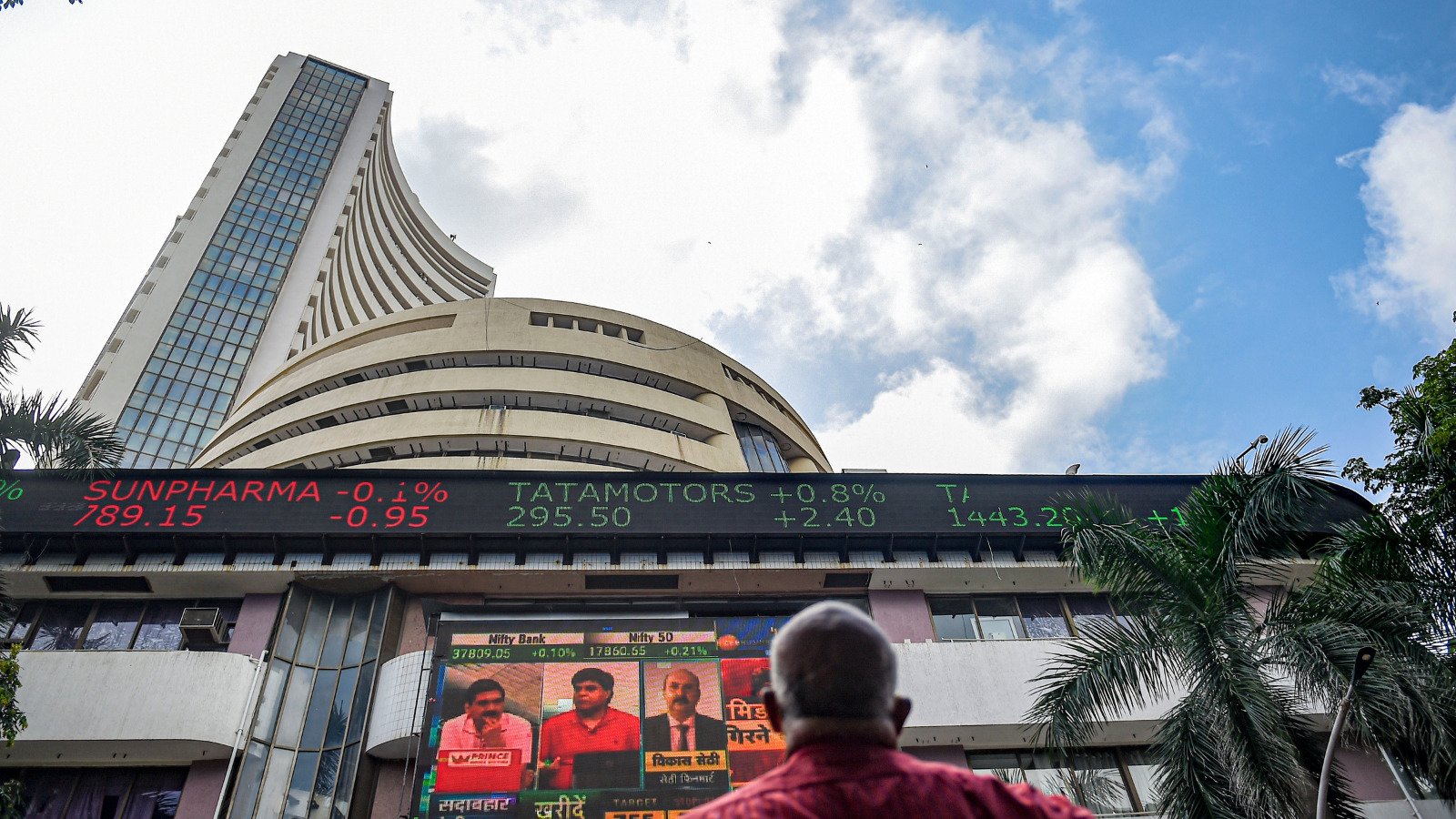
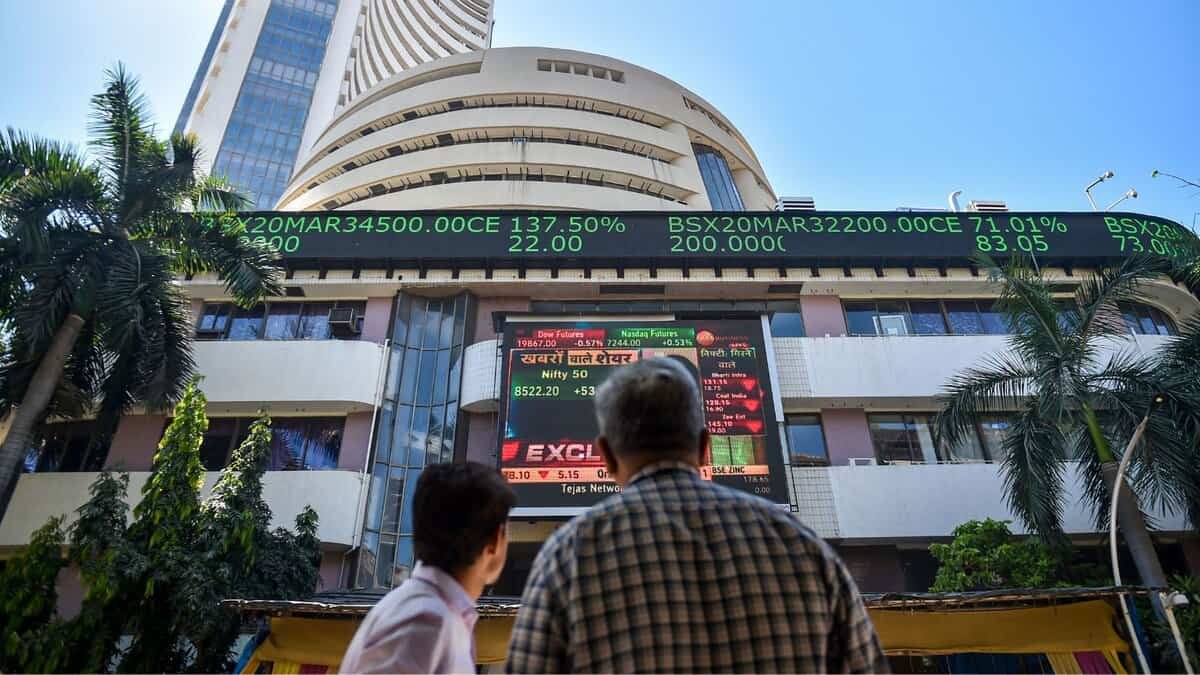
Mumbai: Benchmark equity indices Sensex and Nifty were trading sharply lower during afternoon session on Wednesday, March 11, after a day’s breather as investors’ sentiment remained cautious amid the ongoing tensions in West Asia and sustained foreign fund outflows.
Besides, selling in blue-chip bank stocks also drove the markets lower.
The 30-share BSE Sensex tumbled 1,045.15 points or 1.33 per cent to 77,160.83. The 50-share NSE Nifty tanked 290 points or 1.19 per cent to 23,971.60.
From the 30-Sensex firms, Bajaj Finance, Axis Bank, Mahindra & Mahindra, Bajaj Finserv, Bharti Airtel and HDFC Bank were among the major laggards.
Sun Pharma, NTPC, Adani Ports and Power Grid were among the gainers.
Brent crude, the global oil benchmark, dipped 0.06 per cent to USD 87.75 per barrel.
Foreign Institutional Investors (FIIs) offloaded equities worth Rs 4,672.64 crore on Tuesday, according to exchange data. Domestic Institutional Investors (DIIs), however bought stocks worth Rs 6,333.26 crore.
“Although equity markets staged a technical rebound on Tuesday, the underlying sentiment remains cautious as the deepening crisis in the Middle East begins to influence global financial markets through higher energy prices, disruptions to key shipping routes, and shifting investor risk appetite,” Ponmudi R, CEO of Enrich Money, an online trading and wealth tech firm, said.
From an equity market standpoint, geopolitical disruptions of this nature tend to trigger sharp bouts of volatility as global investors rotate toward safer assets and reduce exposure to risk-sensitive markets, he added.
In Asian markets, South Korea‘s Kospi and Japan’s Nikkei 225 traded over 1 per cent higher. Shanghai’s SSE Composite index and Hong Kong’s Hang Seng index were also quoting in positive territory.
The US market ended flat on Tuesday.
On Tuesday, the Sensex jumped 639.82 points or 0.82 per cent to settle at 78,205.98. The Nifty climbed 233.55 points or 0.97 per cent to end at 24,261.60.
Mumbai: India’s forex reserves dropped by USD 2.119 billion to USD 723.608 billion during the week ended February 20, the RBI said on Friday, February 27.
In the previous reporting week, the overall reserves had jumped by USD 8.663 billion to a new all-time high of USD 725.727 billion.
For the week ended February 20, foreign currency assets, a major component of the reserves, decreased by USD 1.039 billion to USD 572.564 billion, the data released by the central bank showed.
Expressed in dollar terms, the foreign currency assets include the effects of appreciation or depreciation of non-US units, such as the euro, pound, and yen, held in the foreign exchange reserves.
Value of the gold reserves dropped by USD 977 million to USD 127.489 billion during the week, the RBI said.
The Special Drawing Rights (SDRs) were down by USD 84 million to USD 18.84 billion, the apex bank said.
India’s reserve position with the IMF was also down by USD 18 million to USD 4.716 billion in the reporting week, according to the apex bank’s data.
New Delhi: Investors’ wealth was eroded by Rs 4.98 lakh crore on Friday, February 27, as markets faced heavy drubbing, with the Sensex falling over 1 per cent, due to fresh foreign fund outflows and subdued global trends amid rising geopolitical risks.
The 30-share BSE Sensex tanked 961.42 points or 1.17 per cent to settle at 81,287.19. During the day, it dropped 1,089.46 points or 1.32 per cent to 81,159.15.
The market capitalisation of BSE-listed firms eroded by Rs 4,98,603.42 crore to Rs 4,63,50,671.27 crore (USD 5.10 trillion) in a single day.
“Indian markets continued to consolidate amid weak global cues and rising geopolitical risks, with investor sentiment turning increasingly cautious. The lack of progress in US–Iran nuclear talks has intensified concerns of further escalation of Middle East tensions, while persistent AI-related uncertainty is also supporting safe-haven flows.
“Domestically, a risk-off tone prevails as the earnings season winds down and global macro factors take precedence,” Vinod Nair, Head of Research, Geojit Investments Limited, said.
From the Sensex pack, Sun Pharma, Bharti Airtel, Mahindra & Mahindra, Bajaj Finserv, InterGlobe Aviation and Maruti were among the major laggards.
HCL Tech, Trent, Infosys, Eternal and NTPC were the gainers.
Among sectoral indices, realty dropped 2.25 per cent, telecommunication (1.83 per cent), auto (1.81 per cent), metal (1.57 per cent), commodities (1.56 per cent), FMCG (1.52 per cent) and financial services (1.50 per cent).
IT and BSE Focused IT were the only gainers.
“Markets traded under pressure on Friday and ended sharply lower, extending the corrective tone amid weak cues. Investor sentiment weakened due to a combination of factors including inconsistent foreign flows, weak global cues and lingering geopolitical tensions,” Ajit Mishra – SVP, Research, Religare Broking Ltd, said.
The BSE smallcap select index declined 0.84 per cent and midcap select index dipped 0.71 per cent.
A total of 2,528 stocks declined, while 1,660 advanced and 181 remained unchanged on the BSE.
It’s been over 10 years since Apple Pay launched in the US in 2014, and has now expanded to 89 countries. India was not one of them. That is about to change soon and is likely to rattle UPI giants like Google Pay and Paytm.
According to a Bloomberg report, Apple is in advanced talks with HDFC Bank, ICICI Bank and Axis Bank, as well as card networks Visa and Mastercard, targeting a mid-2026 launch.
Why didn’t Apple Pay come to India sooner?
As far back as 2017, Apple’s services chief Eddy Cue had said publicly, “We absolutely want to bring Apple Pay to the market [in India].” What stopped it was regulation. India’s payments system required SMS-based one-time passwords (OTP) for authentication.
This mechanism didn’t fit Apple Pay’s Face ID and Touch ID model. The Reserve Bank of India’s (RBI) new rules, introduced late last year, now permit fingerprint and facial recognition for digital transactions, effectively opening Apple’s authentication model to India for the first time.
Dual approach for India
UPI dominates digital payments in India, and Apple Pay is expected to support it alongside card-based payments. This dual approach would make it a full-service wallet rather than a card-only product in a market where UPI has made cards feel almost secondary.
The competition is immense, though. Google Pay, PhonePe, Paytm and Amazon Pay are deeply entrenched. But for Apple, it is less about payments and more about services revenue. The company takes a cut of every Apple Pay transaction, according to Bloomberg, and with over 750 million smartphone users, India is too large a gateway to ignore.Since 2022, Apple had not even been accepting credit or debit cards in India. That it is now negotiating directly with the country’s biggest banks marks a genuine shift.