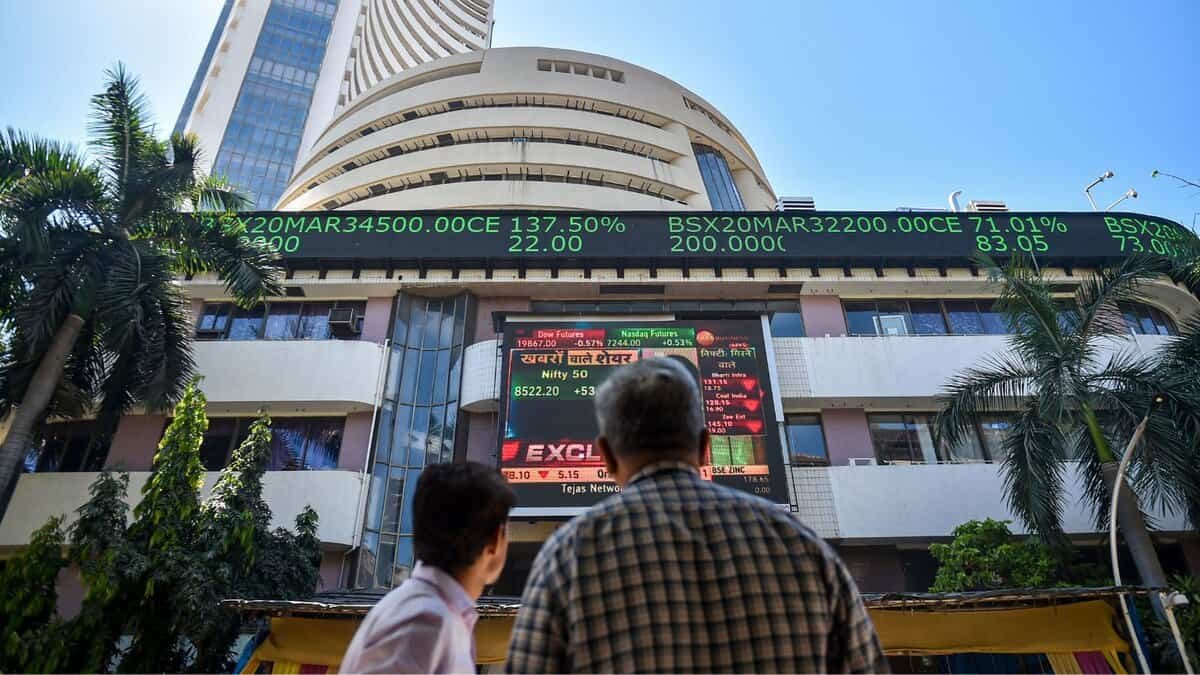
Mumbai: Stock market benchmark indices Sensex and Nifty bounced back in early trade on Thursday, March 5, tracking a rebound in global equities, after facing heavy losses in the past few trading sessions due to the conflict in West Asia.
The 30-share BSE Sensex jumped 550.27 points to 79,666.46 in early trade. The 50-share NSE Nifty climbed 171.45 points to 24,651.95.
From the Sensex pack, Adani Ports, Reliance Industries, NTPC, Bharat Electronics, Tata Steel and Larsen & Toubro were among the major gainers.
HCL Tech, Tech Mahindra, ICICI Bank and Asian Paints were among the laggards.
Brent crude, the global oil benchmark, jumped 2.86 per cent to USD 83.73 per barrel.
In Asian markets, South Korea‘s Kospi rebounded sharply and jumped 10 per cent. Japan’s Nikkei 225, Shanghai’s SSE Composite index and Hong Kong‘s Hang Seng index were also quoting higher.
The US market ended in positive territory on Wednesday.
“On the global front, US markets ended the previous session on a firm note, while South Korea’s Kospi index is trading sharply higher, gaining more than 10 per cent, offering some supportive external cues,” Ponmudi R, CEO of Enrich Money, an online trading and wealth tech firm, said.
Foreign Institutional Investors (FIIs) offloaded equities worth Rs 8,752.65 crore on Wednesday, while Domestic Institutional Investors (DIIs) bought stocks worth Rs 12,068.17 crore, according to exchange data.
On Wednesday, the Sensex tumbled 1,122.66 points or 1.40 per cent to settle at 79,116.19, falling for the fourth straight session. The Nifty dived 385.20 points or 1.55 per cent to end at 24,480.50, registering its third day of decline.
Hyderabad: The wedding invitations had already gone out. Guests were flying in from abroad, or trying to, through the flight disruptions that the US-Israel-Iran war has caused over the past 12 days. The food to be served for the big day had been decided. Things seemed set. Until now.
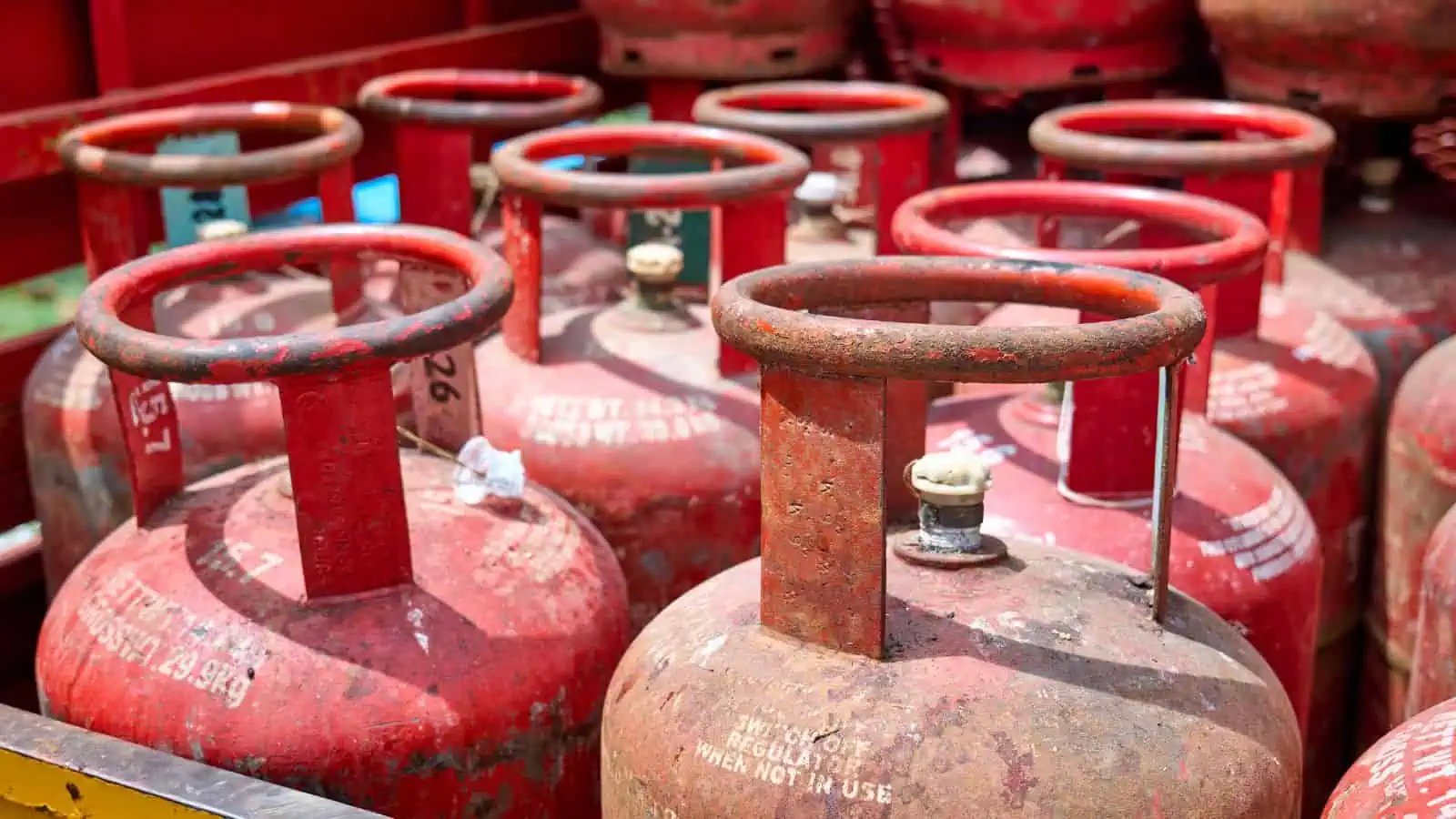
Everything has now hit a massive roadblock, with Hyderabad’s caterers beginning to deliver a warning no one saw coming even a few days ago: the LPG may run out.
Mohd Naseer, 51, has been struggling to find small gas cylinders for over a week for his catering business. His schedule is packed through Ramzan and he is already improvising — firewood for biryani and whatever gas remains, will be for smaller dishes that cannot be made over a wood fire.
“After that is exhausted we don’t know what will happen, and we may have to cancel orders and wait till gas is available,” he told Siasat.com. Some caterers have stocked up for about a week. Others are where Naseer is – running on fumes.
The liquefied petroleum gas (LPG) shortage gripping the city has been building for days. A meeting between hotel owners and distributors on March 10 ended without a breakthrough. Distributors told hoteliers they were on their own, as they were helpless themselves.
A representative from one of the oldest hotels in the city told Siasat.com that commercial LPG supply has fallen to 30 per cent of what it normally is.
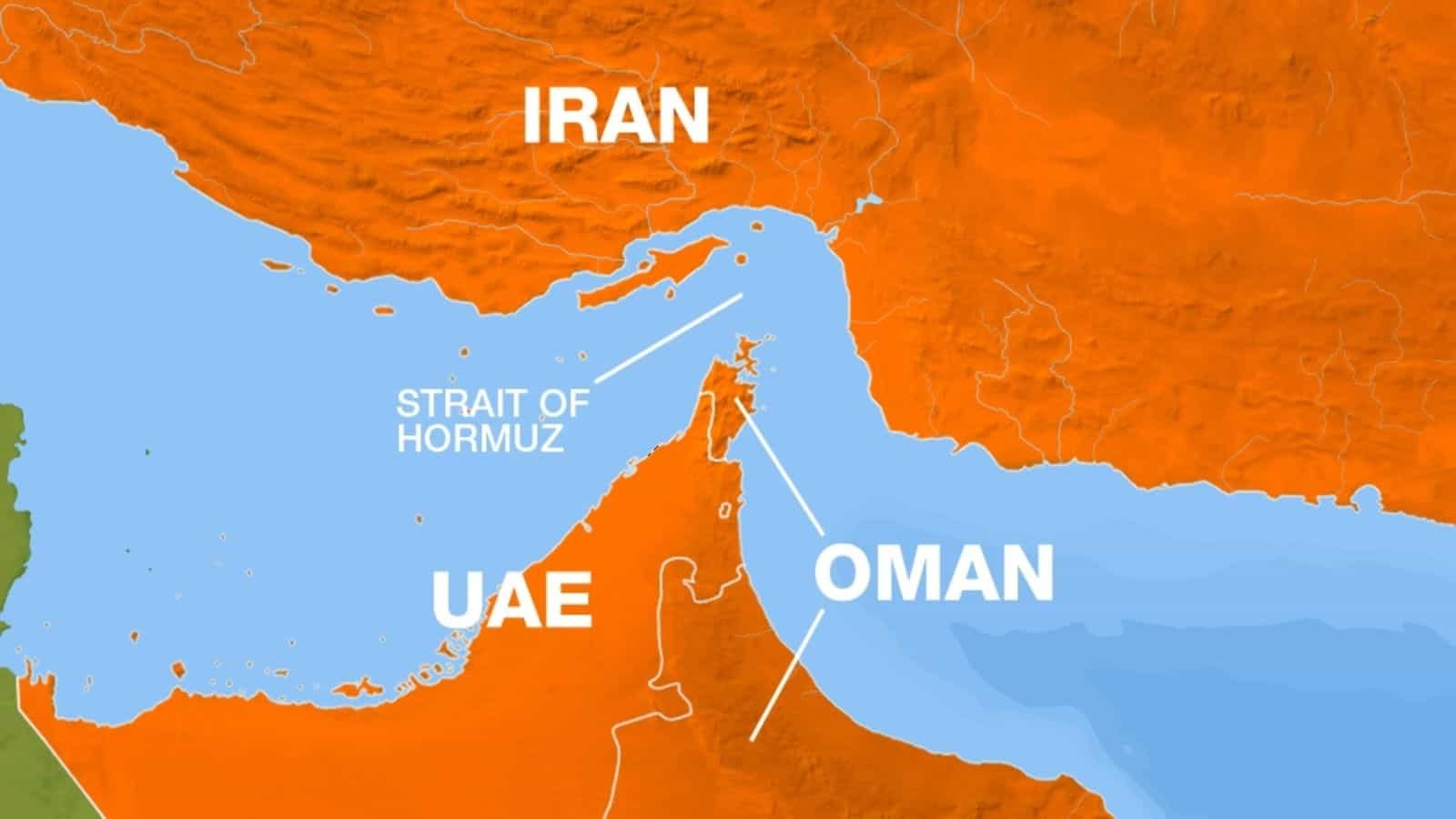
The crisis has a clear origin. The war between Iran and the US-Israel, which began nearly a fortnight ago, has disrupted LPG movement through the Strait of Hormuz, the narrow strip of water through which oil tankers supply much of the world from West Asia. Iran controls the strait and has closed it to all but those in its favour.
The central government has since invoked the Essential Commodities Act and taken over LPG cylinder supply. It has saved the supply for domestic users, leaving none for commercial use, putting restaurants and caterers in the lurch.
‘We will shut shop till the situation eases’
The hotel representative, whose establishment’s branches together require over 100 cylinders a day, said the situation was beginning to feel like the early days of the COVID-19 pandemic. Some outlets have space for firewood stoves and will switch to those. Others do not. “We have space for firewood stoves which we will utilise, but that’s not possible in our other chains so we will have no other option but to shut shop till the situation eases,” he said.
Junaid Aziz, who runs Hotel Nayab in Old City, is managing for now. His kitchen has already switched to firewood. Biryani, Haleem and Pathar Ka Gosht – dishes suited to coal and wood-fired cooking – will continue to be served. Other items will be dropped from the menu.
Bigger establishments with the infrastructure for firewood cooking, such as Grand Hotel, Nayab and Shadab, are better placed. Newer ones are not. Azeebo shut earlier than usual on Tuesday, March 10, unable to keep its kitchen running. Aziz said how things unfold will become clearer in the next two days.
Bigger establishments in Hyderabad have the infrastructure for firewood cooking. Smaller ones don’t, which may force them to shut down till the commercial LPG crisis eases.
Tiffin centres on borrowed time
On Wednesday, tiffin centres across the city were still open and serving as usual. But their owners know the cylinders they have are nearly empty. For many, firewood is simply not an option. “There’s no way we can use firewood to cook fried items or to make idlis. Even if I want to buy anything in black, it is simply not possible due to the rush,” said Shyam, who runs a dosa stall in Begumpet.
Jagan Mohan Reddy, president of the Telangana Gas Dealers Association, warned that it may take a while for the situation to stabilise. “Even if the Iran war ends tomorrow, it will take at least two to three months to restore normalcy,” he said.
For now, the city’s kitchens are still cooking, albeit with a sombre mood. How long this will continue, no one knows.
New Delhi: Amid escalating Middle East tensions, crude oil prices went up more than 2 per cent on Thursday, March 5, over supply constraints as Strait of Hormuz was closed by Iran.
In the early morning trade, the April contract of the benchmark crude on the Intercontinental Exchange was trading at $83.26 per barrel, up by almost 2.43 per cent from its previous close.
The April contract of West Texas Intermediate on the NYMEX went up 2.63 per cent to $76.63 per barrel.
According to reports, a container ship transiting the Strait of Hormuz was struck by a projectile, damaging the vessel.
A continuous increase in oil prices would impact India’s import bill. An increase of $1 per barrel of oil for an entire year increases import bill by around Rs 16,000 crore.
Meanwhile, India is in a reasonably comfortable position as far as crude oil, LPG and LNG are concerned, with a stock of 25 days of reserve for crude and 25 days of products including the quantity that is in transit on ships headed for the country’s ports, according to government sources.
India imports over 85 per cent of its crude oil requirement of which around 50 per cent is supplied by Middle Eastern countries through the Strait of Hormuz, flows from which have been disrupted following the Iran war.
However, India has diversified its oil sources by increasing imports from Africa, Russia as well as the US and building resilience through strategic reserves.
India has strengthened its energy security by diversifying its oil imports to countries outside the Gulf in the past few years and a large volume of supplies do not come through the Strait of Hormuz now.
The country spent $137 billion on crude oil imports in the financial year ended March 31, 2025. During April 2025 to January 2026 – first ten months of the current financial year as much as $100.4 billion was spent on the import of 206.3 million tonnes of crude oil.
New Delhi: India is tapping the United States to secure marine cover for vessels to ferry oil from the Middle East as it looks for continuity in energy supplies beyond its current stockpile, a top oil ministry official said.
The country has stocks in tanks, pipelines and ships in transit to meet 25 days’ requirement of crude oil — the raw material for making fuels like petrol and diesel — and a similar number of days’ stock of finished fuel.
The widening war in West Asia has disrupted tanker movement through the Strait of Hormuz — the narrow sea lane that carries about one-fifth of the world’s oil and large volumes of liquefied natural gas (LNG).
India imports about 88 per cent of its crude oil and around half of its LNG, with 40-50 per cent of crude oil and 50-60 per cent of LNG shipments routed through the corridor, which is roughly 21 nautical miles wide at its narrowest point, with the shipping lanes even narrower — two 2-mile-wide channels separated by a 2-mile buffer.
“We are in a comfortable position right now,” the official said, adding non-Strait barrels continue to flow and India is tapping suppliers in West Africa, Latin America and the US to supplement any volumes lost.
The official said the oil ministry is in discussions with major producers and traders to secure oil, liquefied petroleum gas (LPG), and liquefied natural gas (LNG).
“We are in touch with US authorities for getting a cover from the International Development Finance Corporation for vessels to transit the Strait of Hormuz,” he said.
US President Donald Trump has ordered the multilateral financial institution to provide political risk insurance and financial guarantees for maritime trade in the region.
But before IDFC is able to do so, a corpus worth hundreds of millions of dollars has to be set up for it to provide the cover, he said, adding the premium for the insurance will ofcourse be paid by parties contracting the cargo.
The official said India is looking at buying oil from all sources, including Russia, to replenish crude stock.
The government is in talks with suppliers, including Sonatrach and Abu Dhabi National Oil Company, as well as global traders such as TotalEnergies, Vitol, and Trafigura, to secure additional oil and gas supplies.
Besides, imports of oil and cooking gas LPG have increased from the United States, he said.
While the oil stock position is comfortable, the closure of the Strait of Hormuz has cut liquefied natural gas (LNG) supplies to India. This has resulted in gas supplies being cut to industries.
The official said that to deal with the situation, the government could reprioritise gas allocation to ensure critical sectors get fuel they need.
India meets roughly half of its 195 million standard cubic metres per day (mmscmd) of natural gas consumption through imports. The disruption of shipping through the Strait of Hormuz and force majeure by India’s largest LNG supplier QatarEnergy, has stopped the availability of about 60 mmscmd of gas.
Oil Minister Hardeep Singh Puri has discussed the evolving oil market situation with the International Energy Agency (IEA) and the Organization of the Petroleum Exporting Countries (OPEC), the official added.
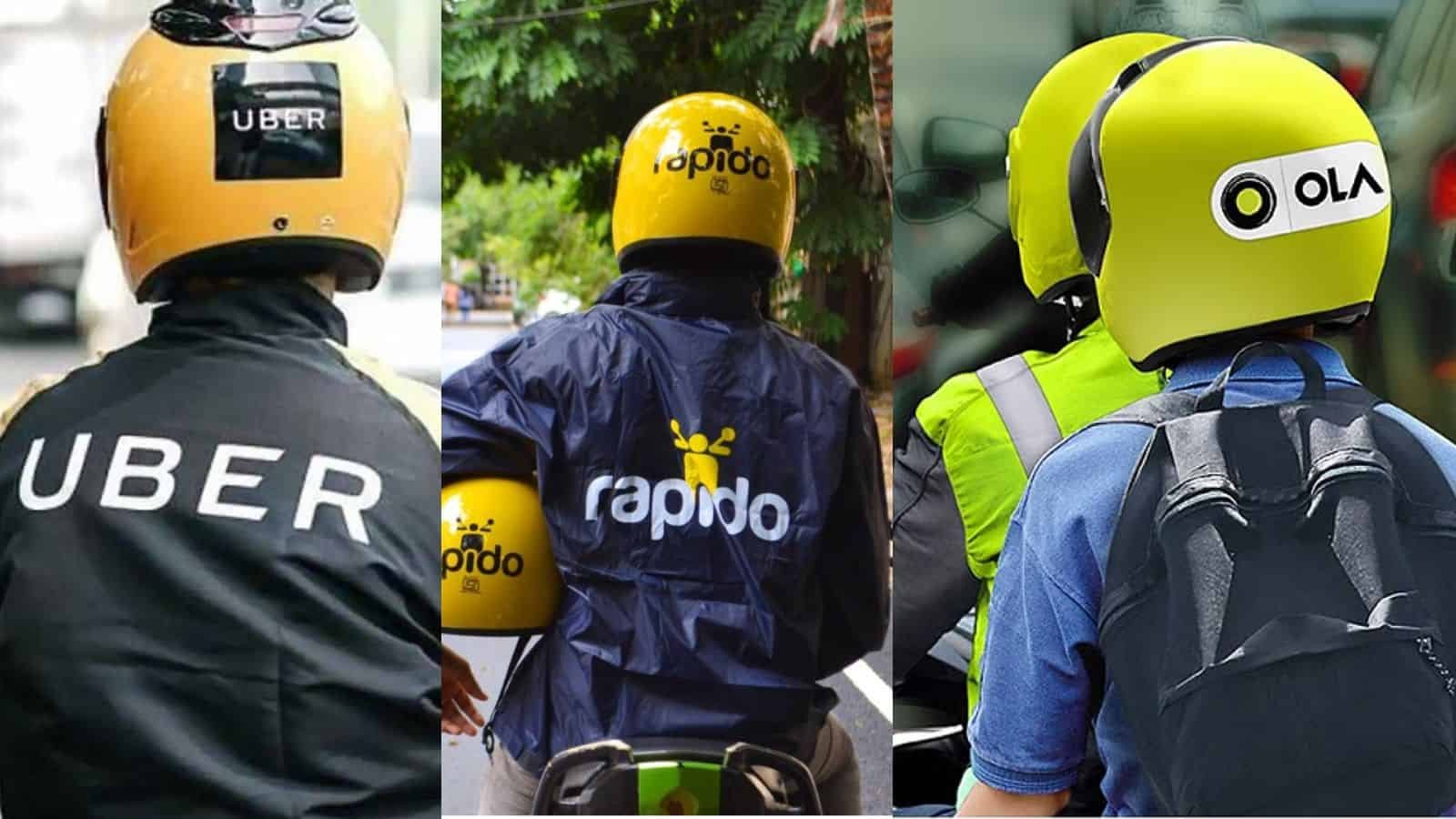
Hyderabad: If you have ever taken an Ola, Uber or Rapido, you know how it works. You pay the app, the app pays the driver. But a growing number of platforms are quietly experimenting with turning that arrangement on its head, making drivers pay the company just for the right to log in and work instead.
This is the subscription model, also called the Software as a Service (SaaS) or leasing model, and according to a report released on Thursday, March 5, by the International Alliance of App-based Transport Workers (IAATW), it is spreading fast across Asia, Africa and Latin America.
Under this system, a driver pays the platform a fixed fee to access its app for a set period, which can range from six hours, 12 hours, a week or a month. Some platforms charge for a fixed volume of rides, say Rs 10,000 worth of bookings, before the driver sees a rupee of profit. If business is slow, that is not the platform’s problem but that of the driver.
Shaik Salauddin, who represents South Asia on the IAATW board and is based in Hyderabad, said the model was already taking hold across the region. “Some of the giants of the platform economy have already announced that this might be the future of the platform sector. It reverses the direction of the payment transaction from company to the driver, to the driver to the company,” he said.
The IAATW says this is not just a business model tweak. It is a deliberate strategy to keep drivers classified as software subscribers rather than workers, cutting them off from minimum wage protections, social security and the right to organise.
Drivers are being left out
The timing of the report is pointed. The International Labour Organization (ILO), the United Nations body that sets global labour standards, is finalising new rules for platform workers ahead of its annual conference in Geneva in June, which is less than 12 weeks away. The ILO estimates that 154 million people work in the platform economy worldwide, with the vast majority in transport and delivery.
The draft rules, however, do not account for the subscription model at all. The IAATW says it submitted detailed written comments flagging this gap well within the ILO’s own deadline. Those submissions were ignored.
Omar Parker, Secretary General of the National E-Hailing Federation of South Africa and an IAATW board member, said workers had been frozen out of the process entirely. “Throughout this ILO standard-setting process, IAATW and its members have attempted to raise our concerns about constantly changing complexities of these emergent problems. We have been locked out and our concerns dismissed,” he said.
Global South drivers must have a say
The alliance is also pushing a broader argument, that any new global rules for platform workers must be shaped by the workers most affected by them. Over 80 per cent of platform workers globally are from the Global South; yet, the loudest voices in the ILO process, the IAATW says, remain unions and leadership from wealthier countries, far removed from what drivers in Hyderabad, Nairobi or São Paulo deal with every day.
For millions of drivers already working long hours for thin margins, the Geneva conference may be the last real window for change.
The sovereign wealth funds and investment pledges of Gulf allies to Washington have come under doubt after the US and Israel began a war on Iran.
According to a report in the Financial Times, three of the four major Gulf economies – Saudi Arabia, the United Arab Emirates (UAE), Kuwait and Qatar – have quietly begun reviewing whether they can invoke force majeure clauses in existing contracts and scale back future investment commitments.
Energy revenues have fallen sharply, shipping through the Strait of Hormuz (through which a fifth of the world’s oil and gas passes) has ground to a halt with at least 10 tankers struck, defence spending has spiked and Iranian strikes on US bases, embassies, airports, hotels and residential buildings have damaged tourism and aviation across the region.
“A number of Gulf countries have begun an internal review to determine whether force majeure clauses can be invoked in current contracts, while also reviewing current and future investment commitments in order to alleviate some of the anticipated economic strain,” a Gulf official told the FT.
The review, the official said, could affect anything from investment pledges to foreign states and companies, sports sponsorships, contracts with businesses and investors and sales of holdings.
Damage on the ground
Qatar, the world’s second-largest Liquefied Natural Gas (LNG) producer, declared force majeure this week after suspending production following a drone attack on its main LNG plant. One of Saudi Arabia’s largest oil refineries has also been struck.
Saudi Arabia, the UAE and Qatar had pledged to invest hundreds of billions of dollars in the US following Trump’s visit to the region last year. An adviser to a Gulf government told the FT that the prospect of an investment pullback had already caught the White House’s attention.
Any sustained move to redirect Gulf investment away from the US or other Western countries could, the FT suggests, increase pressure on Trump to seek a diplomatic end to the conflict.
The anger in the Gulf is also spilling into public view. Emirati businessman Khalaf al-Habtoor addressed Trump directly on X: “Who gave you the authority to drag our region into a war with Iran? Did you calculate the collateral damage before pulling the trigger?”
He pointed to the billions Gulf states had contributed to Trump’s Gaza rebuilding plan and his wider “Board of Peace,” asking: “Are we funding peace initiatives or funding a war that exposes us to danger?”
سيادة الرئيس دونالد ترامب،
سؤال مباشر: من أعطاك القرار لزجّ منطقتنا في حرب مع #إيران؟ وعلى أي أساس اتخذت هذا القرار الخطير؟
هل حسبتَ الأضرار الجانبية قبل أن تضغط على الزناد؟ وهل فكّرت أن أول من سيتضرر من هذا التصعيد هي دول المنطقة!
من حق شعوب هذه المنطقة أن تسأل أيضاً: هل كان…
— Khalaf Ahmad Al Habtoor (@KhalafAlHabtoor) March 5, 2026
The US has drawn a clear line on how far it is willing to go in accommodating India’s rise, even as both countries push to finalise a trade deal.
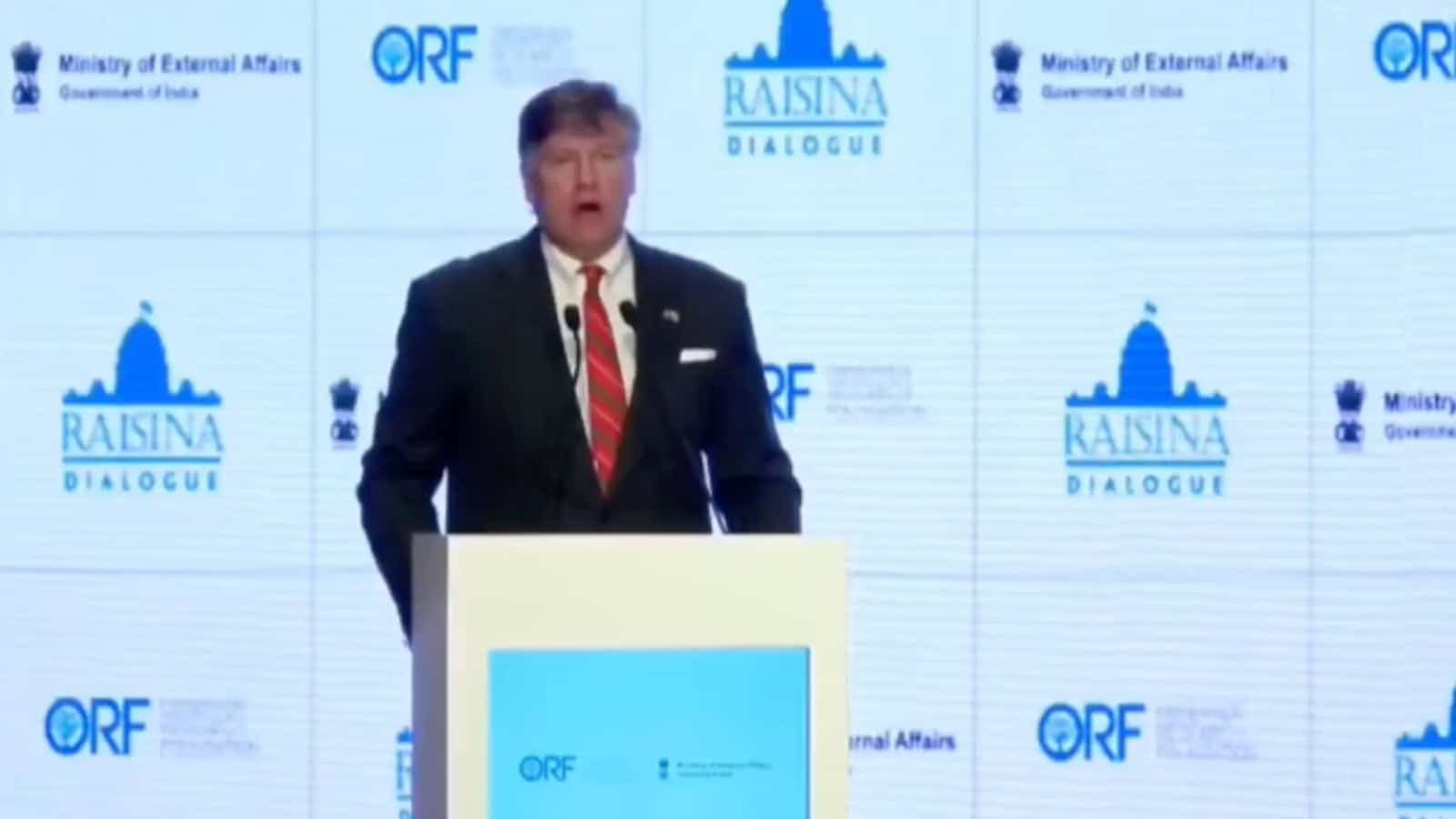
Deputy Secretary of State Christopher Landau, speaking at the Raisina Dialogue in New Delhi on Thursday, March 5, said the US would not extend to India the kind of economic advantages it gave China two decades ago. He was referring to advantages that the US acknowledges allowed Beijing to emerge as a formidable rival.
“We are not going to make the same mistakes with India that we made with China 20 years ago in terms of saying, ‘You will be able to develop all these markets.’ Then the next thing we know, you are beating us in many commercial things. We are going to make sure that whatever we do is fair to our people,” Landau said, even as he underlined the US’ desire to unlock India’s “limitless potential.”
The US has drawn a clear line on how far it is willing to go in accommodating India’s rise, even as both countries push to finalise a trade deal.
Deputy Secretary of State Christopher Landau, speaking at the Raisina Dialogue in New Delhi on Thursday, March 5, said the US would… pic.twitter.com/QcJZwHuxVO
The remarks come at a sensitive moment in trade negotiations between the two countries. The US last month reduced tariffs on Indian goods, cutting the base reciprocal tariff from 25 per cent to 18 per cent and scrapping an additional 25 per cent penalty linked to New Delhi’s purchases of Russian oil.
Condemnation flows
Landau’s comments drew immediate condemnation, with several people slamming Prime Minister Narendra Modi for “selling” India to the US in the trade deal with America.
‘Posting the video of the Deputy Secretary of State on her X account, Congress leader Supriya Shrinate said, “US Dy Secy of State Christopher Landau said this on Indian Soil. Compromised PM’s surrender”
Another X user said, “India is not a country that needs anyone’s permission to grow or develop. We are a nation of 1.4 billion people, building our future through our own talent, hard work, innovation, and determination… For a foreign representative to openly suggest that India’s growth should be limited so that another country can remain ahead is not just arrogant, it is insulting to the spirit of an independent nation.”
“Our ‘ally’ telling us why it can’t be an ‘ally,” journalist Rahul Shivshankar said.
Bengaluru: Ride-hailing platform Uber on Friday, March 6, announced the launch of Intercity Bus ticketing on its app, with India becoming its first market globally to roll out the product.
The new offering expands Uber’s Intercity portfolio, enabling riders to plan and book long-distance bus journeys with the same trusted Uber experience, it said.
“Uber is starting Intercity Bus ticketing in partnership with Ixigo’s AbhiBus, as its first supply integration. Starting today, riders across the country can book intercity bus tickets through the Uber app,” the ride-hailing platform said in a statement.
As an introductory offer, riders can avail a 25 per cent discount (up to Rs 200) on their first Uber Intercity Bus ride, and 10 per cent discount (up to Rs 100) on their next three rides, it said.
Speaking at the launch here, Praveen Neppalli Naga, Chief Technology Officer, Uber, said India is one of Uber’s most important innovation hubs globally. Teams here are building technologies that power Uber’s next phase of growth worldwide.
“The launch of Intercity Bus ticketing reflects how products incubated in India are shaping our global roadmap, while expanding choice for riders through a trusted, reliable Uber experience,” he added.
Mumbai: The Reserve Bank of India on Friday, March 6, issued draft amendment directions to strengthen the framework governing customer liability in digital transactions, as it seeks to widen protection for users and speed up resolution of complaints related to fraudulent electronic banking transactions.
The central bank has asked stakeholders and members of public to submit feedback or suggestion on the draft guidelines by April 6, 2026.
The draft amendment directions have been issued with respect to the announcement made in the February monetary policy by the central bank.
The central bank said the digital payment and banking ecosystem has evolved significantly since the existing rules on limiting customer liability in unauthorised electronic banking transactions were introduced in 2017.
Following a review, the RBI has proposed revised instructions that would expand the scope of the framework to cover additional categories of fraudulent electronic banking transactions.
Under the draft amendments, banks will also be required to reduce the time taken to process customer complaints relating to fraudulent electronic banking transactions.
The proposals further introduce a compensation mechanism for small-value fraudulent transactions, aimed at providing quicker relief to affected customers.
According to the RBI, the proposed compensation mechanism will remain in force for one year from the effective date of the directions.
The arrangement will subsequently be reviewed based on the experience gained, with the objective of increasing the share of compensation borne by banks while reducing or eliminating the share contributed by the central bank.
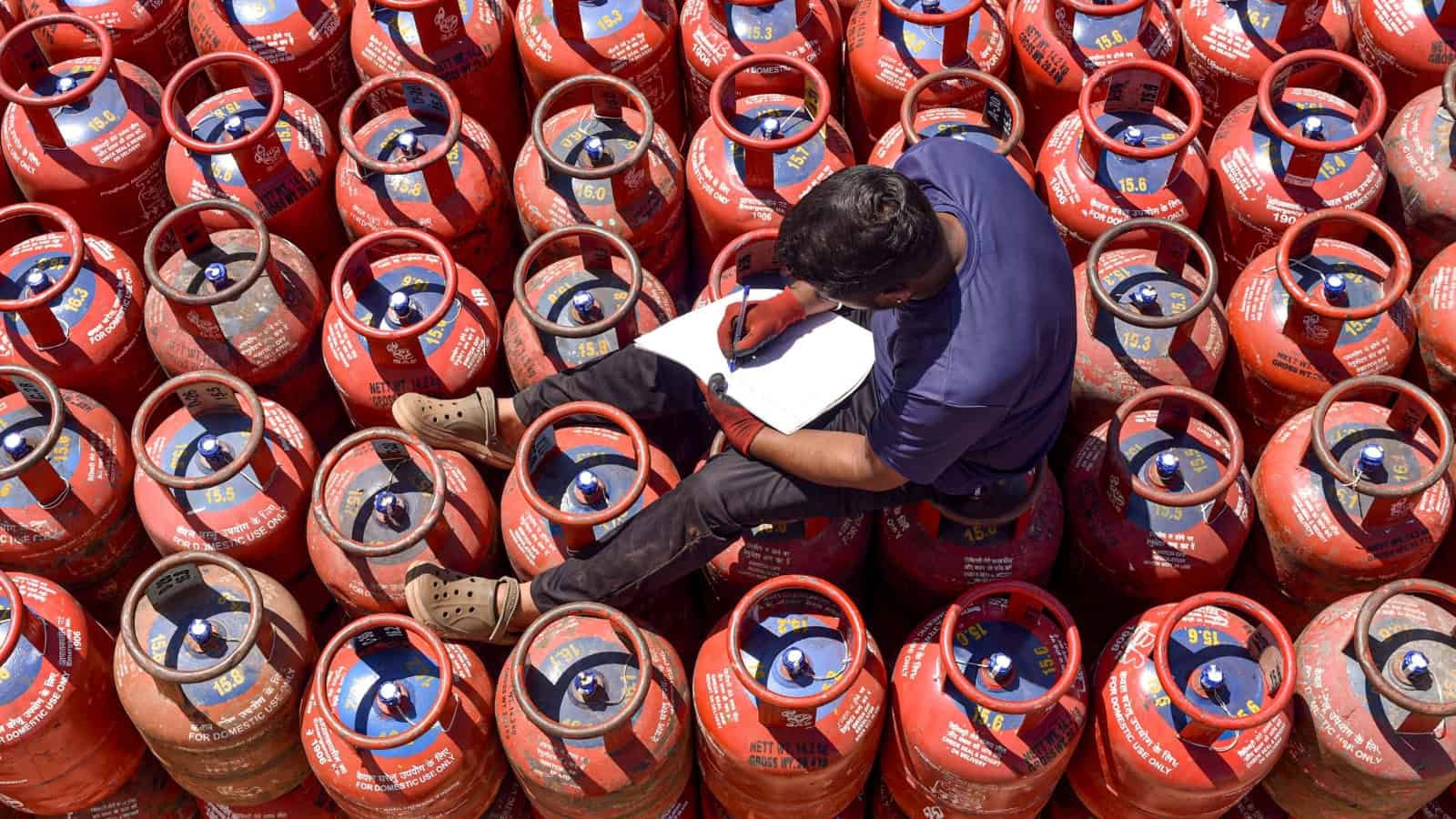
New Delhi: Domestic cooking gas LPG price on Saturday, March 7, was hiked by a steep Rs 60 per cylinder, the second increase in rate in less than a year, as oil companies pass on a part of the spike in global energy rates that followed the West Asia crisis.
Non-subsidised LPG – the one that common households use in kitchens – will now cost Rs 913 per 14.2-kg cylinder in Delhi as against Rs 853 previously, according to the Indian Oil Corporation (IOC) website.
Ujjwala Yojana beneficiaries – the over 10 crore poor who have got free LPG connection since 2016 – will also have to bear the same amount of price increase. They will now pay Rs 613 per 14.2 kg cylinder after accounting for a subsidy of Rs 300 per bottle they get for up to 12 refills in a year.
The price increase, the website showed, is effective from March 7.
This is the second increase in rate in 11 months. The price was last hiked by Rs 50 in April last year.
Alongside, the price of commercial LPG – the one used by establishments such as hotels and restaurants – was increased by Rs 114.5 per 19-kg cylinder. It now costs Rs 1,883 in Delhi. This increase comes on top of Rs 28 per 19-kg cylinder raise effected on March 1.
Commercial LPG rate has risen by Rs 302.50 this year.
Industry officials said the increase follows a steep rise in global energy prices since the US and Israel attack on Iran last weekend triggered a wider military conflict in the oil and gas-rich Middle East.
The conflict has led to a near halt in tanker movement through the Strait of Hormuz -the narrow but critical sea lane between Iran and Oman used by Middle Eastern producers to export oil and gas to global markets. The disruption has sharply curtailed energy shipments from the region, triggering a spike in global oil and gas prices.
Since the conflict broke out on February 28, US crude soared 35.63 per cent for the biggest weekly gain in the history of the futures contract dating back to 1983. West Texas Intermediate (WTI) futures closed at USD 90.90 per barrel. Brent jumped about 28 per cent for its biggest weekly gain since April 2020, to settle at USD 92.69 per barrel.
Asian spot prices for liquefied natural gas (LNG) have also jumped to around USD 25.40 per million British thermal units (MMBtu) – a three-year high and more than double of last week’s levels of around USD 10 per mmBtu amid fears of supply disruptions and halted exports from Qatar.
LPG markets have also tightened as shipments from key Gulf exporters face logistical disruptions, pushing international propane and butane benchmarks higher and raising concerns over supply availability for major importers such as India.
Despite Saturday’s price increase, cooking gas in India is priced at the lowest when compared with neighbouring countries, industry officials said.
In Mumbai, non-subsidised LPG now costs Rs 912.50, Rs 939 in Kolkata and Rs 928.50 in Chennai, according to the IOC website.
Rates differ from state to state depending on the incidence of local sales tax or VAT.
The Strait of Hormuz is also a critical conduit for India’s energy imports, with roughly half of the crude oil the country buys from overseas transiting through the narrow waterway. In addition, nearly 40 per cent of India’s natural gas imports, largely in the form of LNG from Gulf suppliers like Qatar and the UAE, also pass through the strait.
For LPG, the strait is more important. India consumed 31.3 million tonne of LPG in 2024-25, of which only 12.8 million tonne were produced domestically, with the remainder imported. Of the imported quantity, 85-90 per cent come from countries like Saudi Arabia that rely on the Strait of Hormuz for transit.
The Strait has been effectively blocked following a week-old escalation in the region, after US and Israeli strikes on Iran prompted Tehran to retaliate against US bases in neighbouring countries.
To augment domestic supplies, the government on Friday invoked sparingly used emergency powers to direct oil refineries to ramp up LPG production.