Category: BUSINESS

  • Meta India appoints Aman Jain as new public policy head

    Meta India appoints Aman Jain as new public policy head

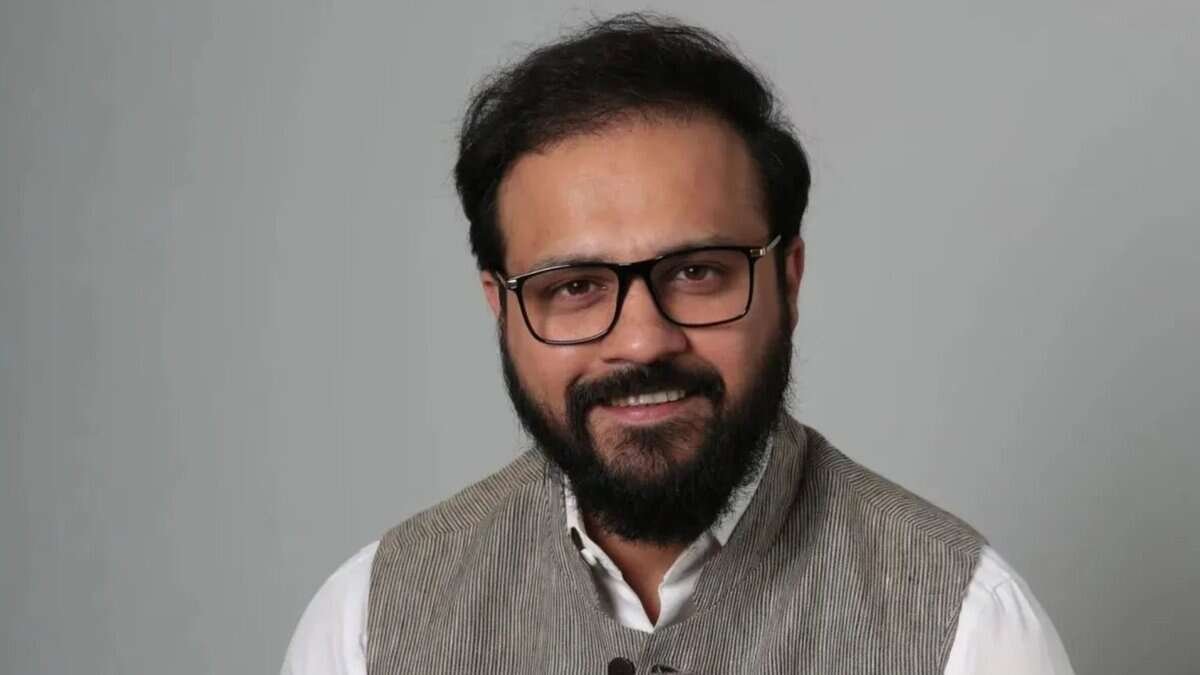
    New Delhi: Meta India on Friday named Aman Jain as the new head of public policy, tasking him with steering policy strategy and engagements in a market the US-headquartered social media giant considers strategic.

    Jain will also be a member of the India leadership team.

    He will join the company early next year and will report to Simon Milner, Vice President of Policy, Asia Pacific (APAC) at Meta, the company said in a release.


    Add as a preferred source on Google
    “King“King

    “Aman brings over 20 years of public policy and business strategy experience, with a proven track record at Amazon, Google, the Government of India, and international organisations,” Meta said announcing the appointment.

    Jain has held senior roles at Google India, including country head for government affairs and public policy. Most recently, he served as Director of Public Policy at Amazon, leading policy strategy across marketplace, operations, competition, and technology.

    India is a strategic market for Meta, the parent company for popular apps, including Facebook, Instagram, WhatsApp, and Messenger.
    Memory Khan SeminarMemory Khan Seminar

    As the country’s digital economy accelerates across areas such as AI, emerging tech and the creator economy, Meta aims to help build a more inclusive, trusted, and future-ready internet ecosystem for India, Milner said.

    Jain’s extensive experience in public policy and technology, will help Meta be an even more effective partner to regulators and industry stakeholders in developing an enabling policy environment, Milner said, adding that he will also be a strong addition to Meta’s APAC Policy leadership team.

    Jain’s appointment comes amid recent leadership changes at Meta India. Earlier this year, Shivnath Thukral stepped down as Vice President of Public Policy at Meta India and joined PhonePe as Vice President for Public Policy and Government Affairs.

    Mid this year, Meta named Arun Srinivas as the new Managing Director and Head for its India operations, effective July 1, 2025. The appointment came after Sandhya Devanathan, previously leading India, was given an expanded role overseeing both India and Southeast Asia.

    India is a high-stakes market for global technology and social media giants and the government has been moving swiftly to tackle issues related to AI governance, content moderation, and misinformation, while mooting new guardrails and frameworks suited to the digital era.

    Earlier this year, Centre proposed changes to IT rules, mandating the clear labelling of AI-generated content and increasing the accountability of large platforms like Meta and YouTube for verifying and flagging synthetic information to curb user harm from deepfakes and misinformation.

    This month, a committee set up by the DPIIT has proposed giving a mandatory blanket licence to artificial intelligence developers for using all legally accessed copyright-protected works to train AI systems. The licence, though, needs be accompanied by a statutory remuneration right for the copyright holders, according to the DPIIT committee’s recommendation.

  • India-Oman trade pact gets cabinet nod, signing likely on Dec 17-18

    India-Oman trade pact gets cabinet nod, signing likely on Dec 17-18

    New Delhi: The Union Cabinet on Friday approved a free trade agreement between India and Oman, which is expected to be signed during Prime Minister Narendra Modi’s visit to Oman on December 17-18, sources said.

    Talks for the free trade agreement, officially termed as CEPA (Comprehensive Economic Partnership Agreement), formally began in November 2023 and the negotiations concluded this year.

    Prime Minister Modi will embark on a four-day visit to Jordan, Ethiopia and Oman from December 15, according to an official statement. In the third and final leg of his visit, Modi will visit Oman on December 17-18 at the invitation of Sultan Haitham bin Tarik.

    Add as a preferred source on Google
    “King“King

    Commerce and Industry Minister Piyush Goyal is also expected to visit Oman for the signing of the pact.

    In free trade agreements, the two trading partners either significantly reduce or eliminate customs duties on a maximum number of goods traded between them. They also ease norms to promote trade in services and attract investments.

    Oman is the third-largest export destination for India among the Gulf Cooperation Council (GCC) countries. India already has a similar agreement with another GCC member, the UAE, which came into effect in May 2022.

    Memory Khan SeminarMemory Khan Seminar

    The Shura Council or Majlis A’Shura of Oman on Wednesday concluded its deliberations on the draft CEPA. At the conclusion of the deliberations, the Council approved the agreement.

    India-Oman bilateral trade was about USD 10.5 billion (exports USD 4 billion and imports USD 6.54 billion) in 2024-25. India’s key imports are petroleum products and urea. These account for over 70 per cent of imports. Other key products are propylene and ethylene polymers, pet coke, gypsum, chemicals, iron and steel, and unwrought aluminium.

    The main items of India’s exports to Oman include mineral fuels, chemicals, precious metals, iron and steel, cereals, ships, boats and floating structures, electrical machinery, boilers, tea, coffee, spices, apparel, and food items.

  • Rupee slumps 9 paise to close at all-time low of 90.41 against US dollar

    Rupee slumps 9 paise to close at all-time low of 90.41 against US dollar

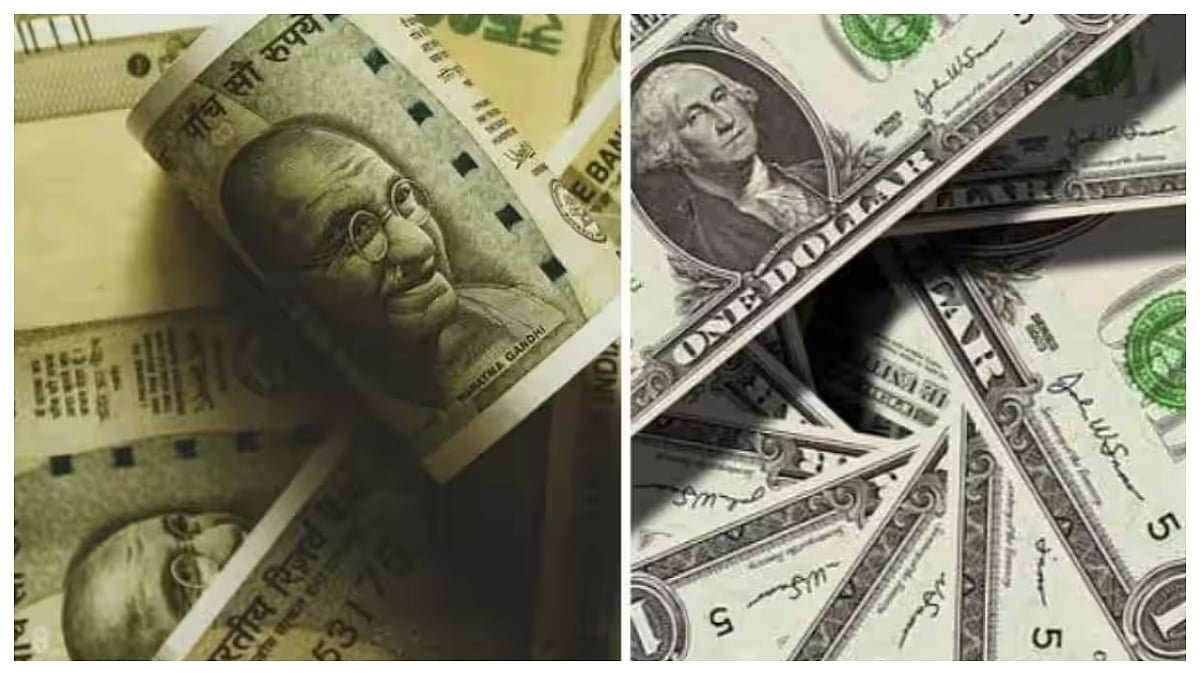
    Mumbai: The rupee depreciated by 9 paise to close at an all-time low of 90.41 against the US dollar on Friday, as uncertainty over the India-US trade deal and persistent foreign fund outflows dented investor sentiment.

    Forex traders said the rupee is under pressure, largely due to aggressive dollar purchases by importers amid surging global precious metal prices.

    At the interbank foreign exchange, the rupee opened at 90.43 against the US dollar, then fell further to a record intraday low of 90.56 against the greenback, registering a fall of 24 paise from its previous close.

    Add as a preferred source on Google
    “King“King

    The unit settled the day at 90.41 against the US dollar, down 9 paise over its last close.

    On Thursday, the rupee had plunged 38 paise to close at an all-time low of 90.32 against the US dollar.

    The rupee is expected to trade with a negative bias as the delay in the trade deal between India and the US may weigh on the domestic unit.

    Memory Khan SeminarMemory Khan Seminar

    India and the US on Thursday concluded two days of talks, during which both sides exchanged views on trade-related issues, including the ongoing negotiations for a mutually beneficial bilateral trade agreement.

    Prime Minister Narendra Modi and US President Donald Trump on Thursday discussed ways to sustain momentum in the bilateral economic partnership in a phone conversation amid signs of the two sides inching closer to firming up a much-awaited trade deal.

    “We expect the rupee to trade with a negative bias amid uncertainty over the Indo-US trade deal. However, improved global sentiments and falling crude oil prices may support the rupee. A weak dollar and any intervention by the central bank may also support the rupee at lower levels,” said Anuj Choudhary, Research Analyst, MiraeAsset ShareKhan.

    Meanwhile, the dollar index, which gauges the greenback’s strength against a basket of six currencies, was trading 0.07 per cent higher at 98.41.

    Brent crude, the global oil benchmark, was trading 0.02 per cent higher at USD 61.27 per barrel in futures trade.

    On the domestic equity market front, the 30-share benchmark index Sensex jumped 449.53 points to settle at 85,267.66, while the Nifty surged 148.40 points to 26,046.95.

    Foreign Institutional Investors sold equities worth Rs 2,020.94 crore on Thursday, according to exchange data.

  • AWS to invest USD 7 billion for data center expansion in Telangana

    AWS to invest USD 7 billion for data center expansion in Telangana

    Hyderabad: The Telangana government and Amazon Web Services (AWS) have signed an agreement under which the latter will invest USD 7 billion for a massive expansion of cloud data center infrastructure over the next 14 years.

    As part of the agreement signed during the Telangana Rising Global Summit held on December 8 and 9, the state government will extend a comprehensive set of facilitation measures, infrastructure support, and ease-of-doing-business interventions to enable AWS to rapidly scale its data center footprint here, an official release said on Thursday.

    “With the newly announced USD 7 Billion expansion over the next 14 years, the Hyderabad AWS Region will play a central role in powering cloud services, AI, startups, enterprises, and government platforms across India,” it said.

    Add as a preferred source on Google
    “King“King

    Hailing the investment, Chief Minister A Revanth Reddy said, “We are delighted by the extraordinary confidence shown by global leaders like Amazon in Telangana. The scale of this commitment reflects the trust investors now place in our governance, stability, and long-term vision to propel Telangana to the 3 trillion dollar goal. This is Telangana Rising 2047 in action.”

    Sandeep Dutta, President of AWS India and South Asia said, “This framework agreement represents our continued commitment to supporting India’s digital transformation and fostering innovation across the region.

    “We look forward to contributing to Telangana’s vision of becoming a global technology hub by creating more employment opportunities, supporting local businesses and enabling a skilled workforce that will drive India’s digital economy forward,” he said.

    Memory Khan SeminarMemory Khan Seminar

  • Rangareddy district wealthiest in India by per capita GDP

    Rangareddy district wealthiest in India by per capita GDP

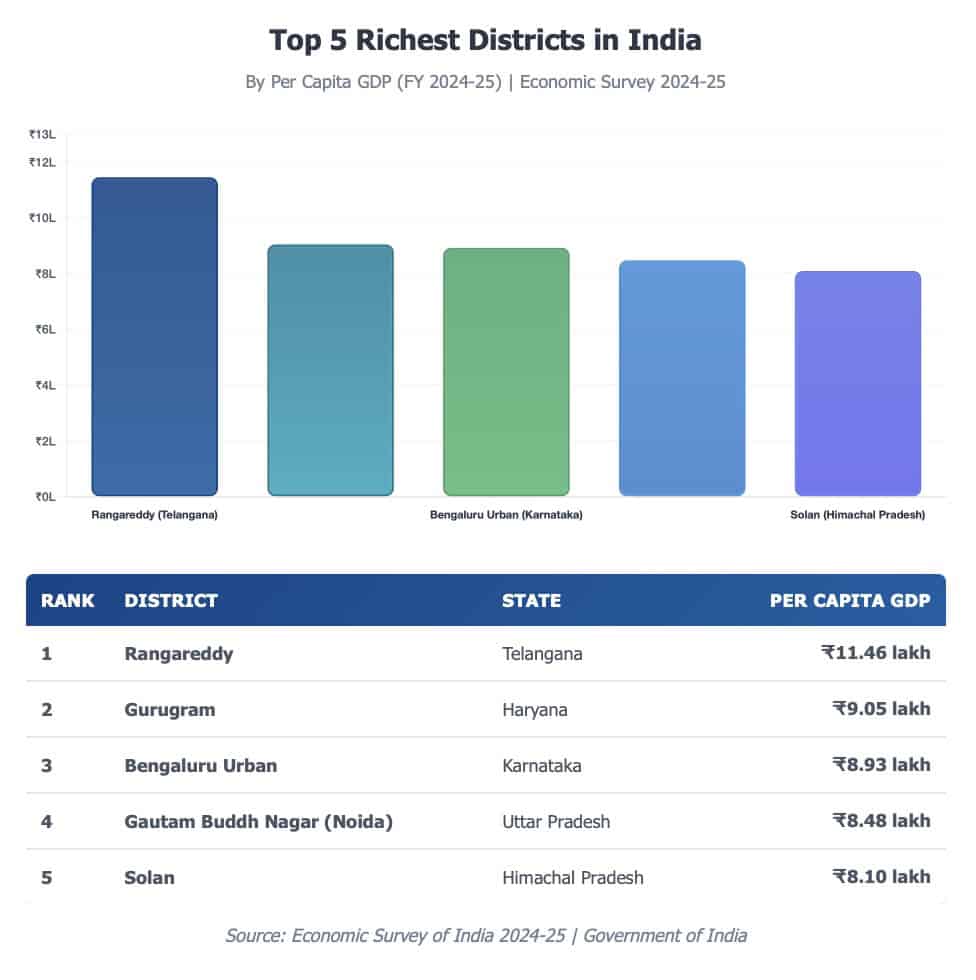
    Residents of Rangareddy district have every reason to celebrate. Among more than 800 districts spread across 28 states and 8 Union Territories in India, Rangareddy has claimed an exceptional honour. It is now the wealthiest district in India by per capita GDP, according to the central government’s Economic Survey of 2024–25.

    The study reports that the average per capita GDP in Rangareddy district stands at an impressive ₹11.46 lakh per year. Gurgaon ranks second, followed by Bengaluru Urban, Gautam Buddh Nagar (Noida), and Solan in Himachal Pradesh.

    Surprisingly, the business powerhouses like Mumbai and Ahmedabad are ranked much lower down the list.

    Add as a preferred source on Google
    “King“King

    The rise of Rangareddy

    What makes this achievement even more extraordinary is Rangareddy’s journey. In 2006, the Government of India identified it as one of the 250 most backward districts in the country. Rising from the bottom to the very top is nothing short of a spectacular transformation. Today, Rangareddy stands proudly among India’s leading engines of economic growth.

    This rise of Rangareddy district mirrors the broader success of districts where technology, services, tourism, commerce, and industry converge to create pockets of affluence among residents. In Rangareddy’s case, Hyderabad’s booming IT corridor, cutting-edge pharmaceutical hubs, and sprawling tech parks have been instrumental in shaping its prosperity.

    What drove the growth?

    The single biggest catalyst behind Rangareddy’s success is the phenomenal growth of the IT industry. Its proximity to Hyderabad’s major technology clusters, such as Hyderabad and Gachibowli, has attracted both the multinational giants and vibrant startups alike. These sectors generate thousands of high-paying jobs, elevating the district’s economic standing.

    Memory Khan SeminarMemory Khan Seminar

    The district is home to some of India’s largest pharmaceutical and biotechnology hubs, including R&D centres and large-scale manufacturing facilities. As Hyderabad’s core city areas became saturated over the last two decades, industries and residential zones expanded into Rangareddy, fuelling rapid growth in real estate and services.

    Great Infrastructure

    Rangareddy’s sound infrastructure adds to its appeal. The Outer Ring Road (ORR), which spans Rangareddy and Sangareddy, and other major road networks, provide seamless connectivity, while the Rajiv Gandhi International Airport in Shamshabad makes it an attractive destination for investors and global companies. The concentration of high-tech and life-sciences firms draws skilled professionals, elevating both opportunity and income levels.

    Challenges that need attention

    While Rangareddy’s success story is inspiring, it comes with challenges that cannot be ignored. Formed in 1978 after being carved out of the original Hyderabad district, it was later named after freedom fighter K. Venkata Ranga Reddy. The district spans just over 5,000 sq km. At the time of its creation, few could have predicted the scale of development it would one day witness.

    When it was formed, no one had envisaged the status that it would have in the future. A burgeoning population resulting from the development of many industries, offices and malls has created immense stress for the existing roads and infrastructure. The traffic chaos is a major handicap and may derail growth. Unless this is handled and solved, the district may soon lose its position of pride in India.

    Disadvantages of Rangareddy

    Disadvantages of living in Rangareddy district stem from the uncontrolled growth of population, inadequate housing and also noise pollution. Furthermore, the rapid rise in property prices has made the area unaffordable for some. Delayed infrastructure projects and poor planning add to the bottlenecks in progress. Despite rapid improvement, some areas of the district still lack adequate support services such as good schools and hospitals, compared to other areas of Hyderabad city.

    The chaotic commuting conditions are becoming major obstacles that threaten to slow the district’s growth trajectory. Unless these issues, especially traffic and urban planning, are addressed urgently, the district risks losing the hard-won advantages that have set it apart.

    Right now Rangareddy district stands as a symbol of India’s economic potential. Its success highlights the powerful combination of talent, connectivity, and investment. But it is at a crucial juncture of development. Will it progress further or cave in against the multitude of problems that have surfaced? That is a question that only the passage of time can answer.

  • Stocks markets open firm but later turned choppy amid mixed global cues

    Stocks markets open firm but later turned choppy amid mixed global cues

    Mumbai: Equity benchmark indices Sensex and Nifty began trading on a positive note on Thursday but soon pared all early gains to trade in the negative territory amid weak trends in Asian markets and persistent foreign fund outflows.

    The 30-share BSE Sensex opened higher and climbed 149.3 points, or 0.17 per cent to 84,540.57. The 50-share NSE Nifty also advanced 45.05 points to 25,803.05.

    However, both key indices reversed their gains as selling pressure intensified, with the Sensex declining 222.39 points, or 0.26 per cent, to 84,168.88 and the Nifty slipping 50.90 points to 25,707.10.

    Add as a preferred source on Google
    “King“King

    Among the Sensex constituents, Titan, PowerGrid, HCL Technologies, Bharti Airtel, Asian Paints, Reliance Industries, Tata Consultancy Services, Tech Mahindra, ICICI Bank, Trent, Tech Mahindra, Axis Bank, Bajaj Finserv and ITC were the laggards.

    On the other hand, Eternal, Tata Steel, Maruti Suzuki India, Kotak Mahindra Bank, Adani Ports, Bharat Electronics Ltd, Larsen & Toubro, Infosys and UltraTech Cement were among the gainers.

    In Asian markets, Japan’s Nikkei 225 benchmark, Shanghai’s SSE Composite, Hong Kong’s Hang Seng and South Korea’s KOSPI were trading lower.

    Memory Khan SeminarMemory Khan Seminar

    Wall Street settled higher in overnight deals on Wednesday after the Federal Reserve cut the federal funds rate by 25 basis points to a range of 3.5-3.75 per cent in its December meeting.

    However, policymakers left their projections for the federal funds rate unchanged from September, signalling only one 25 basis points cut in 2026.

    Meanwhile, Foreign Institutional Investors (FIIs) remained the net sellers of equities worth Rs 1,651.06 crore on Wednesday while Domestic Institutional Investors (DIIs) bought stocks worth Rs 3,752.31 crore, according to the exchange data.

    Brent crude, the global oil benchmark, rose 0.03 per cent to USD 62.23 per barrel.

    On Wednesday, the 30-share BSE Sensex dropped by 275.01 points to settle at 84,391.27, while the broader NSE Nifty fell by 81.65 points to close at a month’s low of 25,758.

  • IndiGo cancels 60 flights from Bengaluru; CEO Piter to appear before DGCA

    IndiGo cancels 60 flights from Bengaluru; CEO Piter to appear before DGCA

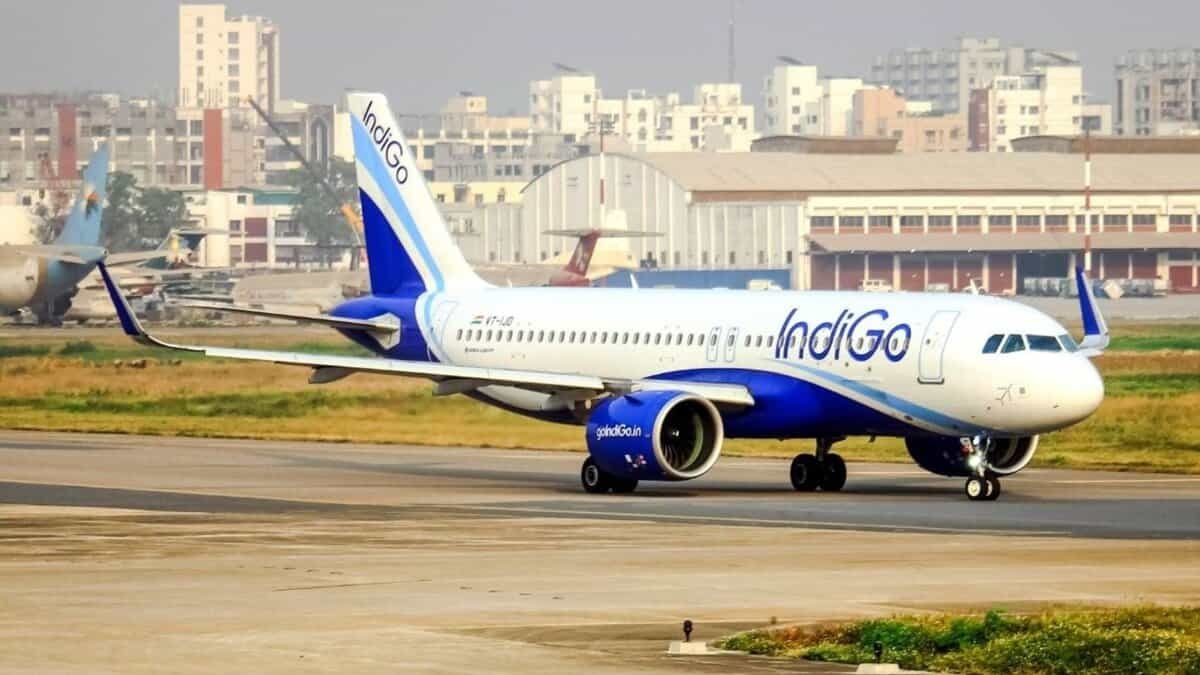
    Mumbai: Crisis-hit IndiGo cancelled 60 flights from Bengaluru Airport on Thursday, as safety watchdog DGCA tightened its scrutiny following large-scale disruptions in services on account of planning failures related to the implementation of new pilot and crew duty norms, a source said.

    “IndiGo has cancelled 60 flights — 32 arrivals and 28 departures from Bengaluru Airport,” the source said.

    Meanwhile, IndiGo CEO Piter Elbers has been summoned by the Directorate General of Civil Aviation (DGCA) to submit a comprehensive report, including data and updates, on the recent operational disruptions on Thursday.

    Add as a preferred source on Google
    “King“King

    On Wednesday, IndiGo cancelled 220 flights from across three key airports — Delhi, Bengaluru and Mumbai, with Delhi seeing the most cancellations at 137.

    On Wednesday, IndiGo Chairman Vikram Mehta spoke for the first time in 10 days about the crisis, apologising for the chaos and attributing the massive disruptions to a combination of internal and external “unanticipated” events.

    These “include minor technical glitches, scheduled changes linked to the start of the Winter season, adverse weather conditions, increased congestion in the aviation system, and implementation of/ and operation under the updated crew rostering rules,” Mehta said.

    Memory Khan SeminarMemory Khan Seminar

    It is significant to note here that other Indian carriers also faced these “unanticipated external events “, but their operations remained largely unaffected.

    It is pertinent to mention that, IndiGo has seen its pilots’ strength depleting by 378 pilots in the last nine months despite its chief operating officer and Accountable Manager, Isidro Porqueras stating to the DGCA in a letter last December that “the overall impact of implementing the proposed changes above (now-implemented FDTL) norms would amount to an approximate 3 per cent increase in crewing requirements.

    As per a reply in Parliament to a member’s question earlier this year, IndiGo had employed 5,463 pilots as of March 20, 2025.

    However, as per data presented by Minister of State for Civil Aviation Murlidhar Mohol on December 8 in reply to a Member’s question, IndiGo had employed 5,085 pilots.

    Keeping a tight watch on IndiGo’s operations, the DGCA has decided to station its personnel at IndiGo’s headquarters, as it steps up oversight on India’s largest airline, which continues to cancel dozens of flights despite saying operations have stabilised.

    The DGCA has formed an oversight team of eight senior captains, and two of them, along with two government officials, will be stationed at IndiGo’s Gurgaon headquarters to monitor cancellation status, crew deployment, unplanned leave, and routes hit by staff shortages.

    These teams will submit a daily report to the regulator, as per an order.

    Pilots’ body Federation of Indian Pilots (FIP) in the recent past alleged that while all other airlines have provisioned pilots adequately and remain largely unaffected due to timely planning and preparation, the current disruption at IndiGo was the direct consequence of the airline’s “prolonged and unorthodox lean manpower strategy across departments, particularly in flight operations.”

    Despite the two-year preparatory window before full FDTL implementation, the airline “inexplicably adopted a hiring freeze, entered non-poaching arrangements, maintained a pilot pay freeze through cartel-like behaviour, and demonstrated other short-sighted planning practices,” it said.

  • Telangana launches Google for startups Hub at T-Hub

    Telangana launches Google for startups Hub at T-Hub

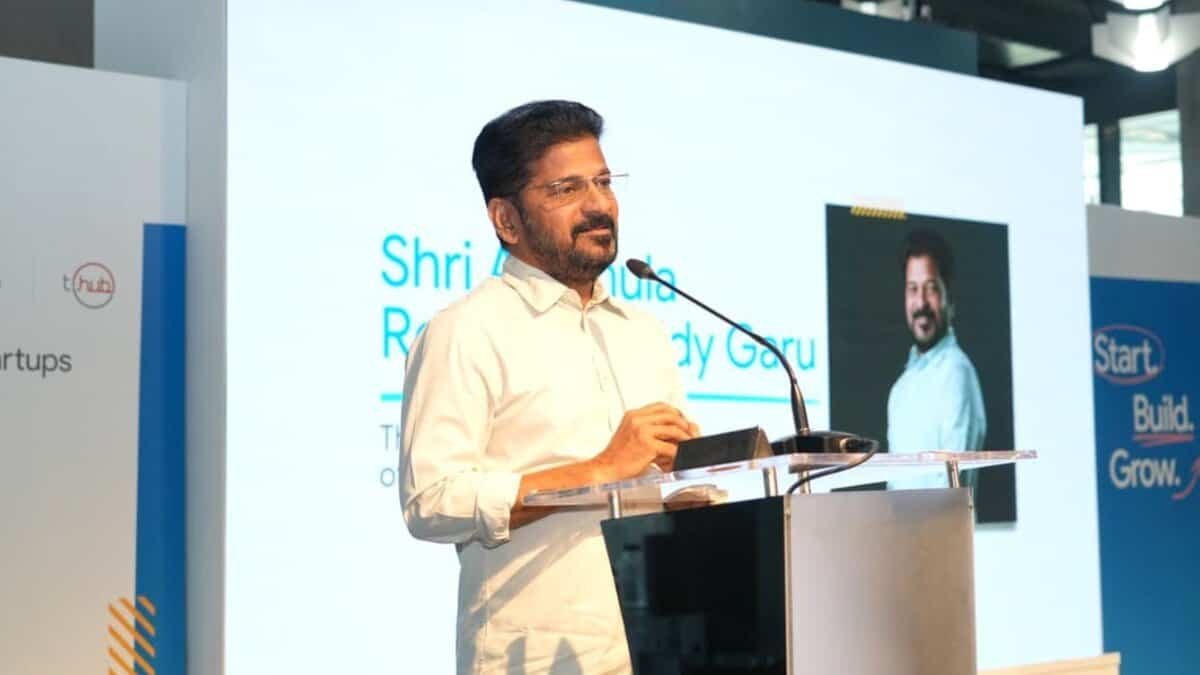
    Hyderabad: The Telangana government and Google on Wednesday launched the Google for Startups Hub at the T-Hub startup incubator here.

    The hub, inaugurated by Telangana Chief Minister A Revanth Reddy and Minister for IT and Industries D Sridhar Babu, is a dedicated Google-branded space aimed at supporting the state’s growing startup ecosystem and helping it scale to deliver world-class innovations.

    According to a release, this is the first such Google for Startups Hub to be launched as part of Telangana’s broader incubation and innovation ecosystem.

    Add as a preferred source on Google
    “King“King

    Google plans to engage regional startups through the hub, offering free, year-long dedicated coworking seats for selected AI-first startups and access to a curated network of venture investors, the release said.

    The Telangana government and Google will jointly support AI-first startups, nurture talent, and build direct links to international markets, it added.

    As part of the global Google for Startups network, the hub will support founders throughout their journey—from incubation to innovation—by providing physical infrastructure, hands-on mentoring, AI expertise, and global visibility.

    Memory Khan SeminarMemory Khan Seminar

    Startups will receive support from early product ideation to scaling AI-first businesses responsibly across India and global markets.

    Founders will also gain access to Google experts in AI/ML, product, UX, and go-to-market strategies, along with programmes for women entrepreneurs, tier-2 innovators and university talent.

    The hub will feature dedicated infrastructure and technology resources for startups jointly selected by Google and the Telangana government.

    It will also include networking zones and event spaces for workshops, market-access programmes, founder-focused sessions and community events.

    Chief Minister Revanth Reddy said, “By welcoming Google for Startups into Telangana’s innovation and startup ecosystem, and allocating a sprawling campus to the hub, we are laying the foundation for a globally competitive innovation ecosystem right here in Telangana.”

    Google India Country Manager Preeti Lobana said the hub in Hyderabad will nurture talent and serve as an “innovation flywheel” for startups, helping the next generation of founders use AI to solve real-world challenges, build deep-tech solutions and innovate responsibly for India and the world.

  • Kia Seltos unveiled in India, bookings open from Dec 11

    Kia Seltos unveiled in India, bookings open from Dec 11

    Hyderabad: Kia India on Wednesday unveiled the ‘all-new’ Kia Seltos, marking the return of what it calls the benchmark-setter in the segment.

    The company said bookings will open nationwide from midnight on December 11, enabling customers to reserve the vehicle with an initial payment of Rs 25,000.

    Speaking at the unveiling, Gwanggu Lee, Managing Director & CEO of Kia India, said the new Seltos represents more than a generational upgrade.

    Add as a preferred source on GoogleAdd as a preferred source on Google
    “King“King

    “The all-new Kia Seltos is more than a generation change; it’s a statement of Kia’s intent to redefine the segment. A category-defining SUV since its debut in India, the new Seltos pushes boundaries with bolder design, advanced safety, and segment-leading technology that reset benchmarks,” he added.

    He further said that the model has been engineered to outperform and optimised for real-world Indian conditions, reflecting customer insights without compromising global standards. This, he said, demonstrates Kia’s ambition “to lead, not follow.”

    The company said pricing for the new Seltos will be announced on January 2, 2026.

    Memory Khan SeminarMemory Khan Seminar

  • Amazon pledges USD 35 bn investment in India by 2030

    Amazon pledges USD 35 bn investment in India by 2030

    New Delhi: Amazon plans to invest USD 35 billion in India over the next five years to expand its businesses from quick commerce to cloud computing and artificial intelligence, as the global supermajor doubles down on its presence in the world’s fastest-growing economy.

    The investment by the US e-commerce giant comes a day after Microsoft pledged USD 17.5 billion in India for data centres, AI and cloud infrastructure by 2030. Previously, Google had committed USD 15 billion over the next five years to building AI data centres.

    Amazon said its investments in areas such as artificial intelligence and logistics infrastructure through 2030 will help create an additional 1 million jobs in India.

    Add as a preferred source on Google
    “King“King

    The e-commerce giant is ramping up investment to compete with Walmart-backed Flipkart as well as homegrown giants like those of billionaire Mukesh Ambani and near-instant delivery firms like Eternal Ltd’s Blinkt, Swiggy Ltd’s Instamart and Zepto.

    Amazon has invested USD 40 billion in India since 2010. In 2023, it announced a USD 26 billion investment.

    The fresh investment will help increase exports for sellers in India to USD 80 billion by 2030 from USD 20 billion.

    Memory Khan SeminarMemory Khan Seminar

    The investments, it said, are “strategically aligned with India’s national priorities and will focus on expanding AI capabilities, enhancing logistics infrastructure, supporting small business growth and creating jobs.”

    “We’re excited to continue being a catalyst for India’s growth, as we democratize access to AI for millions of Indians,” said Amit Agarwal, head of emerging markets at Amazon.

    Making the announcement during the Amazon Smbhav Summit, Agarwal said the company has set a target to quadruple exports from India to USD 80 billion from about USD 20 billion it has facilitated as of now and create an additional one million direct, indirect, induced and seasonal jobs by 2030.

    “Amazon to date has invested USD 40 billion in India since 2010. Now we will invest another USD 35 billion by 2030 across all our businesses in India,” Agarwal said.

    Agarwal said the company has invested USD 40 billion in India to date and is the largest foreign investor in India, according to a Keystone report compiled from publicly available data.

    In May 2023, Amazon announced plans to invest USD 12.7 billion in India by 2030 into its local cloud and AI infrastructure across Telangana and Maharashtra. The company has already invested USD 3.7 billion in India between 2016 and 2022.

    Agarwal said that the company has invested at scale towards building physical and digital infrastructure, including fulfilment centres, transportation networks, data centres, digital payments infrastructure and technology development.

    According to the Keystone report, Amazon has digitized over 12 million small businesses and enabled USD 20 billion in cumulative ecommerce exports, while supporting approximately 2.8 million direct, indirect, induced and seasonal jobs across industries in India in 2024.

    To push export growth from India, Amazon launched a manufacturing-focused initiative, “Accelerate Exports”, designed to connect digital entrepreneurs with trusted manufacturers while enabling manufacturers to become successful global sellers.

    As part of the program, Amazon will host on-ground onboarding drives in over 10 manufacturing clusters across India, including Tirupur, Kanpur, and Surat.

    At the Smbhav summit, Amazon announced a key partnership with the Apparel Export Promotion Council of India to expand and scale the program nationwide.