Category: BUSINESS

  • Adani Group stocks bounce back; Adani Enterprises jumps over 5 pc

    Adani Group stocks bounce back; Adani Enterprises jumps over 5 pc

    New Delhi: Adani group stocks bounced back on Tuesday after falling sharply in the previous trade, with Adani Enterprises surging over 5 per cent.

    The stock of the group’s flagship firm, Adani Enterprises, jumped 5.24 per cent, Adani Ports climbed 4.33 per cent, Adani Energy Solutions edged higher by 4.26 per cent, Adani Green Energy rallied 3.45 per cent, Sanghi Industries gained 2.93 per cent, Ambuja Cements shot up by 2.35 per cent, Adani Total Gas advanced 1.62 per cent, Adani Power went up by 1.09 per cent, ACC (1.09 per cent) and NDTV (0.82 per cent) on the BSE.

    In the equity market, the 30-share BSE Sensex climbed 319.78 points or 0.39 per cent to settle at 81,857.48. The 50-share NSE Nifty surged 126.75 points or 0.51 per cent to end at 25,175.40.

    Add as a preferred source on Google

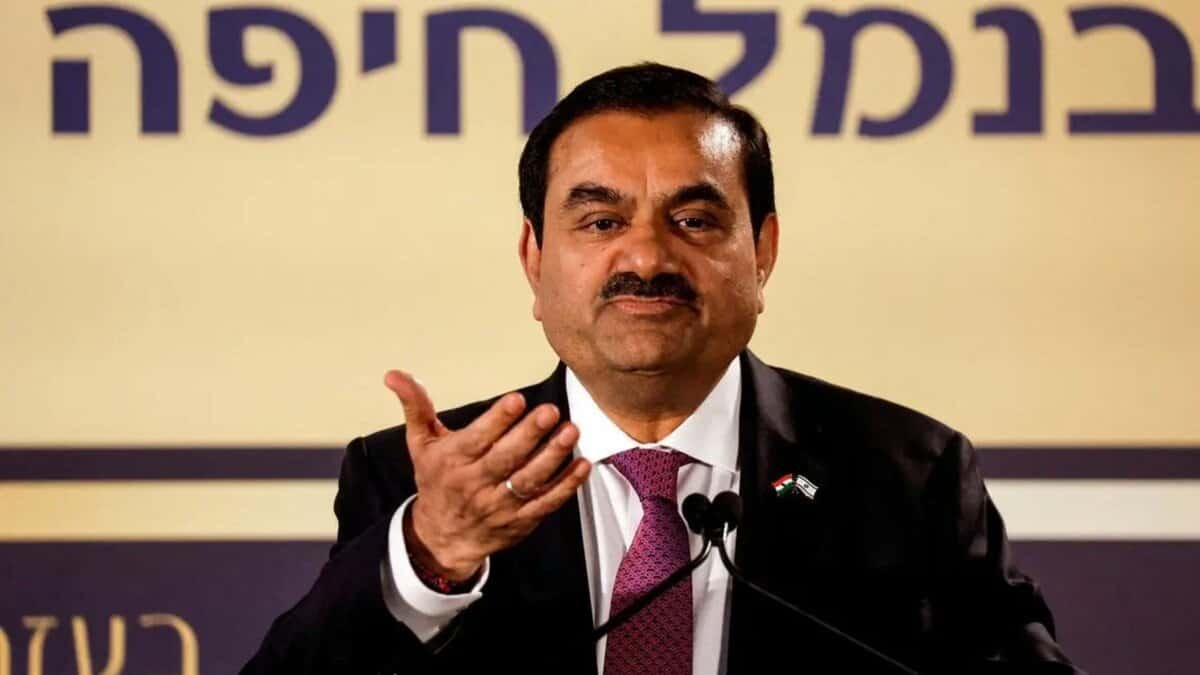
    Shares of Adani group companies tumbled up to 13 per cent on Friday amid reports that the US Securities and Exchange Commission has sought the court’s approval to serve summons to Gautam Adani and Sagar Adani over alleged fraud and a USD 265-million bribery case.

    Equity markets were closed on Monday for Republic Day.

    Meanwhile, Adani Group and Brazilian major Embraer on Tuesday announced a strategic collaboration that aims to set up a regional aircraft manufacturing facility in India, a significant boost for the country’s indigenous manufacturing capabilities.

    MS Admissions 2026-27MS Admissions 2026-27

    Officials of Adani Defence & Aerospace and Embraer inked the Memorandum of Understanding (MoU) for the strategic collaboration on regional transport aircraft in India at a function at the civil aviation ministry in the national capital on Tuesday.

    Both companies will also set up a Final Assembly Line (FAL) for the regional aircraft of Embraer in the country.

    Adani Defence & Aerospace Director Jeet Adani said with the Embraer collaboration, a regional aircraft manufacturing facility will be set up in India.

    Embraer makes commercial jets with up to 150 seats.

  • EU-India FTA to unlock trade, investment opportunities: Industry

    EU-India FTA to unlock trade, investment opportunities: Industry

    New Delhi: The “game-changer” free trade agreement (FTA) between India and the European Union (EU) is set to unlock significant trade and investment opportunities for the country in the high-potential market of the 27-nation bloc, which remained untapped and boost India’s export competitiveness, industry bodies said on Tuesday, January 27.

    The European Union and India on Tuesday announced the conclusion of negotiations for the free trade agreement (FTA) here.

    CII Director General Chandrajit Banerjee said the landmark agreement represents a strategic breakthrough in India’s global trade engagement and significantly deepens the partnership between two major democracies and economies that together account for nearly 25 per cent of global GDP.

    Add as a preferred source on Google

    “The unprecedented preferential access secured for over 99 per cent of Indian exports is a game-changer for Indian industry. It decisively improves competitiveness in the EU’s high-value market, anchors Indian manufacturers and service providers deeper into global value chains, and accelerates investment, technology inflows, and scale,” Banerjee stated.

    According to him, key sectors of focus include textiles and apparel, leather and footwear, gems and jewellery, marine products, engineering goods, automobiles, agriculture and processed foods, IT and IT-enabled services, and other business and professional services.

    FICCI President Anant Goenka said, “The European Union represents the most expansive and high-potential market covered under India’s recent FTA engagements, opening new avenues for deeper economic collaboration. The India-EU FTA is poised to unlock substantial untapped trade and investment opportunities, enabling deeper market access, stronger value-chain integration, and enhanced export competitiveness across manufacturing and high-value sectors.”

    MS Admissions 2026-27MS Admissions 2026-27

    Avaada Group Chairman Vineet Mittal said for India, this agreement adds real strategic strength.

    “It broadens our global relationships, links Indian industry more deeply with European value chains, and brings long-term clarity for businesses, investors, and innovators on both sides. The impact on clean energy could be especially significant,” he added.

    Rajeev Sharan, Head, Criteria, Model Development & Research, Brickwork Ratings, said labour-intensive industries — textiles, seafood, leather, and gems — gain immediate zero-duty access to the EU market, with apparel exports potentially doubling within three years.

    He further stated that overall bilateral trade, now USD 136.5 billion, could rise to USD 250 billion by 2031.

    CareEdge Ratings Chief Economist Rajani Sinha said it is important to note that even while opening up its market, India has been particular on safeguarding sensitive agriculture products and the dairy sector.

    India’s bilateral trade in goods with the EU was USD 136.53 billion in 2024-25 (exports worth USD 75.85 billion and imports at USD 60.68 billion), making the EU India’s largest goods trading partner.

  • India needs USD 145 bn annual energy investment to meet net-zero goals

    India needs USD 145 bn annual energy investment to meet net-zero goals

    Betul: India will need to mobilise average annual investments of about USD 145 billion in its energy sector to bridge the gap between sustained economic growth and its net-zero ambitions, Wood Mackenzie said on Tuesday, outlining a critical pathway to maintain around 6 per cent GDP growth through 2035 while advancing the energy transition.

    Speaking at India Energy Week 2026, Joshua Ngu, Vice Chairman, Asia Pacific at Wood Mackenzie, said capital deployment must be strategically focused on power generation, energy storage and urgent grid modernisation to support India’s expanding economy and decarbonisation goals.

    “India’s next decade is decisive,” Ngu said. “The challenge is a dual mandate: India must de-risk its immediate energy security while simultaneously building the low-carbon architecture required to support a top-tier global economy. Today’s investment choices will determine whether the country locks in carbon-intensive infrastructure or leads the world in low-carbon industrialisation.”

    Add as a preferred source on Google

    Wood Mackenzie said the power sector, while remaining India’s largest source of emissions, is also the primary engine of the energy transition. The sector has already undergone a structural shift, with non-fossil installed capacity now exceeding fossil capacity.

    Going forward, the transition will be driven by the scale-up of renewable energy, grid flexibility and storage, while coal additions are expected to be largely limited to reliability and peak-balancing needs rather than energy growth.

    However, the pace of decarbonisation is creating system integration challenges. Wood Mackenzie estimates USD 1.5 trillion in energy transition investment between 2026 and 2035, with a significant portion required for transmission and distribution infrastructure.

    MS Admissions 2026-27MS Admissions 2026-27

    “The USD 1.5 trillion investment between 2026 and 2035 for energy transition is not just about adding megawatts; it is about the wires,” said Rashika Gupta, Vice President, Power and Renewables Research at Wood Mackenzie. “Success hinges on the pace of market reforms, specifically the Electricity Amendment Bill to improve distribution competition and provide the transparent investment signals needed to unlock private capital for grid modernisation.”

    Despite the acceleration of renewable energy, Wood Mackenzie said hydrocarbon fuels remain essential for near-term energy security. India is on track to meet its 1.5-billion-tonne coal production target by 2030, with growing emphasis on coal gasification to diversify the energy mix.

    At the same time, dependence on crude oil imports is expected to rise, with import reliance projected to reach 87 per cent by 2035.

    “To mitigate this, India must revitalise its upstream sector,” Ngu said. “Attracting international oil companies (IOCs) back to Indian exploration and production (E&P) is no longer optional. It is a security imperative.”

    Natural gas presents both a challenge and an opportunity. National gas demand is projected to double from 72 billion cubic metres (bcm) in 2024 to more than 140 bcm by 2050, driven largely by industrial consumption. Industry is expected to account for over two-thirds of gas demand through 2030, remaining above 55 per cent until 2050.

    Wood Mackenzie said India’s LNG imports are projected to grow at a 4.8 per cent compound annual growth rate, peaking at 90 million tonnes per annum (mtpa) by 2050, underpinned by a 2.6 per cent CAGR in overall demand and declining domestic supply. However, the shift to gas remains sensitive to pricing competitiveness against alternative fuels.

    India’s strategy to indigenise low-carbon supply chains remains central to reducing import dependence. While India is now the world’s second-largest solar module manufacturer, Wood Mackenzie highlighted gaps in vertical integration, particularly for cells and wafers.

    Domestic content requirements for cells starting in June 2026 are expected to create short-term supply pressure until an estimated 24 GW of new capacity comes online later in the year.

    The battery sector faces steeper challenges. Despite over 200 GWh of announced capacity plans, Wood Mackenzie forecasts that only around 100 GWh, about half of the target, is likely to be operational by 2030, citing execution risks and shortcomings in the Advanced Chemistry Cell (ACC) battery Production Linked Incentive (PLI) scheme, which it said requires a significant overhaul.

    India’s target of 5 million tonnes per annum of green hydrogen by 2030 faces a widening gap between ambition and execution, with most projects still at early feasibility stages. Carbon capture, utilisation and storage (CCUS) deployment also remains nascent, with current efforts focused more on policy development than industrial-scale application.

    “The 2026 launch of the Carbon Credit Trading Scheme (CCTS) marks a definitive shift in India’s climate policy,” said Hetal Gandhi, Lead – CCUS, Asia Pacific at Wood Mackenzie. “By imposing emissions limits, the framework will incentivise the decoupling of industrial growth from emissions intensity. Ultimately, this shift is the right first step to transform carbon compliance into a competitive differentiator and provides the regulatory certainty required to enable adoption of low-carbon technologies.”

    Despite near-term challenges, Wood Mackenzie said India is well positioned to emerge as a credible large-scale alternative to China in global solar and battery supply chains, as international markets seek to diversify procurement.

    “India is at a crossroads, but its long-term trajectory is undeniably bright,” Ngu said. “By scaling domestic manufacturing and maintaining policy momentum, India will not only hit its 500 GW target but emerge as a central pillar of the global renewable market. This decade of investment is the foundation for India to lead the new energy economy.”

  • India-EU FTA to help boost exports, promote manufacturing: Exporters

    India-EU FTA to help boost exports, promote manufacturing: Exporters

    New Delhi: Import duty concessions granted by the EU under the free trade agreement with India will help boost the country’s exports to the 27-nation bloc and promote domestic manufacturing, according to exporters.

    The European Union and India on Tuesday, January 27, announced the conclusion of negotiations for the free trade agreement (FTA) here.

    India’s bilateral trade in goods with the EU was USD 136.53 billion in 2024-25 (exports worth USD 75.85 billion and imports at USD 60.68 billion), making the EU India’s largest goods trading partner.

    Add as a preferred source on Google

    The EU market accounts for about 17 per cent of India’s total exports, and the bloc’s exports to India constitute 9 per cent of its total overseas shipments.

    The pact is expected to come into force early next year.

    Hailing the pact, Aqeel Panaruna, Chairman, Florence Shoe Company and Director, Grand Atlantia Panapakkam SEZ PvT Ltd, said the European Union remains the largest market for India’s footwear and leather industry, accounting for 44.64 per cent of exports in 2024.

    MS Admissions 2026-27MS Admissions 2026-27

    “With exports to the EU at USD 2.25 billion and the total sector exports at USD 5.04 billion, the agreement has the potential to significantly accelerate growth,” Aqeel said.

    He added that the shipments to the EU are projected to reach USD 6 billion by 2030, while overall exports could touch USD 14 billion, strengthening India’s position as a globally competitive manufacturing partner.

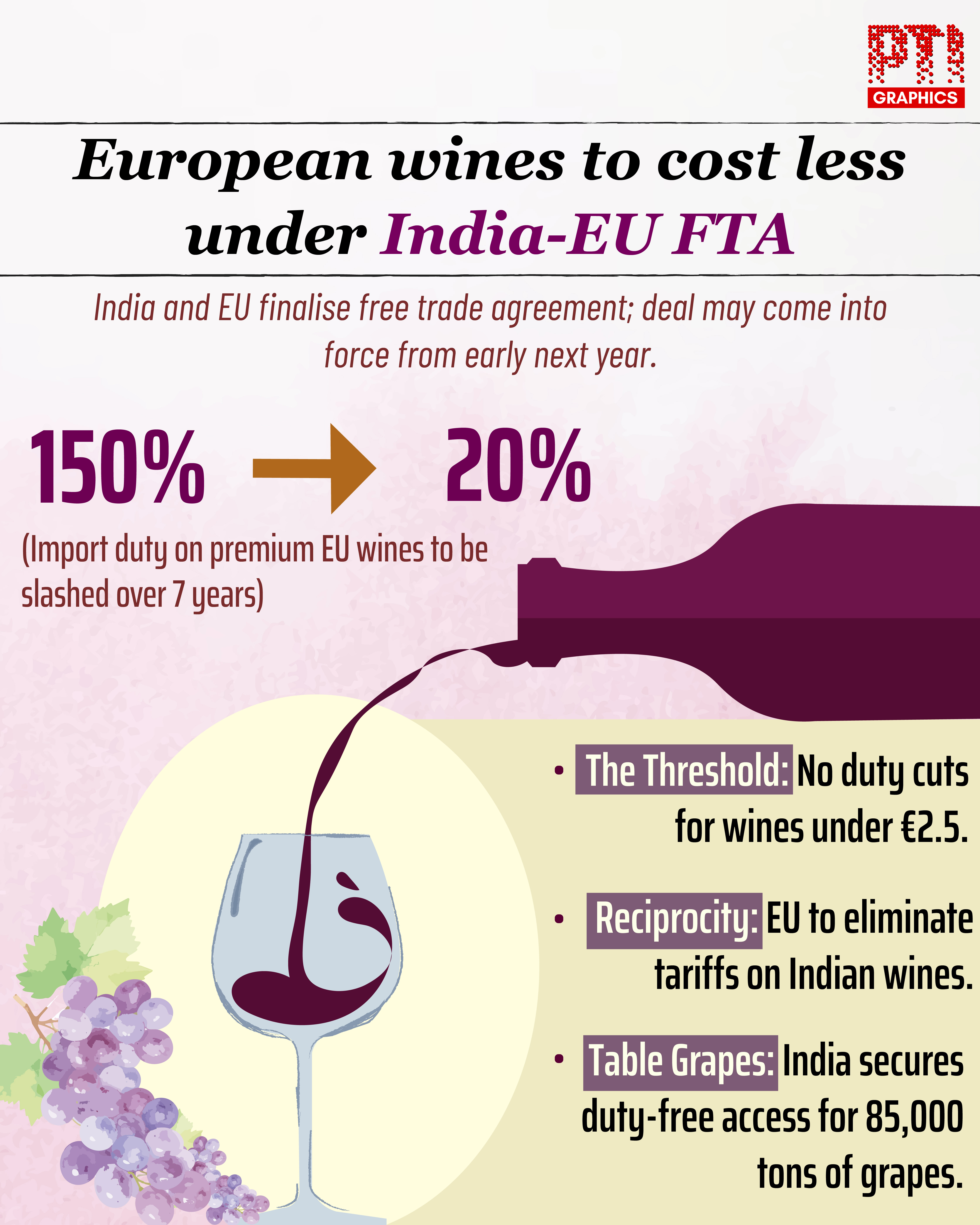
    Gulzar Didwania, Partner, Deloitte India, said tariff concessions in wines, spirits and automobiles under the trade deal are best seen as a bid for reciprocal market access.

    “In alcohol, carefully phased liberalisation can help formalise imports. In automobiles, selective opening, particularly for components and EVs, can be leveraged to attract investment, embed technology transfer and strengthen domestic manufacturing ecosystems,” he said.

    Apparel Export Promotion Council (AEPC) Chairman A Sakthivel said this deal will provide a significant boost to apparel exports, which are expected to double over the next three years.

    “The zero-duty access of Indian garments and clothing to the EU market will decisively turn the tables in India’s favour, enhancing our competitiveness in the European market,” Sakthivel said.

    He added that Industry projections estimate that Indian apparel exports could grow by 20–25 per cent year-on-year after the operationalisation of the FTA, against the current growth rate of 3.01 per cent in the EU market.

    The FTA eliminates tariffs on 100 per cent of apparel tariff lines, which will enhance market access to all member countries of the EU.

    The EU is the world’s largest apparel importer with total apparel imports worth USD 202.8 billion in 2024-25.

    Some of the major garment importing countries of the EU, like Germany, France, Spain and Italy, source substantially from India and this deal will further boost our apparel exports to these economies, he added.

    While the EU accounts for roughly 28 per cent of India’s apparel exports, the country’s share is only 2.9 per cent in the EU’s apparel market.

    “With the elimination of tariffs on Indian apparel products, the Indian apparel industry gains immensely as it will get a level playing field vis-à-vis its competing countries like Bangladesh, Turkey and Vietnam, which enjoy duty-free/ preferential duty access in the EU’s market,” Sakthivel added.

    Sharing similar views, international trade expert and Hi-Tech Gears Chairman Deep Kapuria said this is truly the mother of all trade deals.

    “For India, this is by far the most comprehensive trade deal ever signed. This will not only restore India’s tariff benefits, which it had enjoyed in the large EU market for years through GSP, but open new avenues for exports and investment flow, particularly in the areas of services, student mobility, and digital trade,” Kapuria said.

    Federation of Indian Export Organisations (FIEO) President SC Ralhan said that by unlocking preferential market access across one of the world’s largest consumer markets, the FTA will catalyse exports in key sectors like textiles, gems and jewellery, engineering goods, and leather products.

    “The pact will boost export competitiveness by reducing tariff barriers and providing Indian exporters duty-advantaged access, especially in labour-intensive and high-value sectors,” Ralhan said.

    He appealed to the exporters community to prepare themselves to leverage the FTA’s full potential by enhancing product quality, meeting stringent regulatory standards, and scaling up capacity to serve large, discerning markets across Europe.

  • Rayasamudram tank to be developed as tourist destination: HYDRAA

    Rayasamudram tank to be developed as tourist destination: HYDRAA

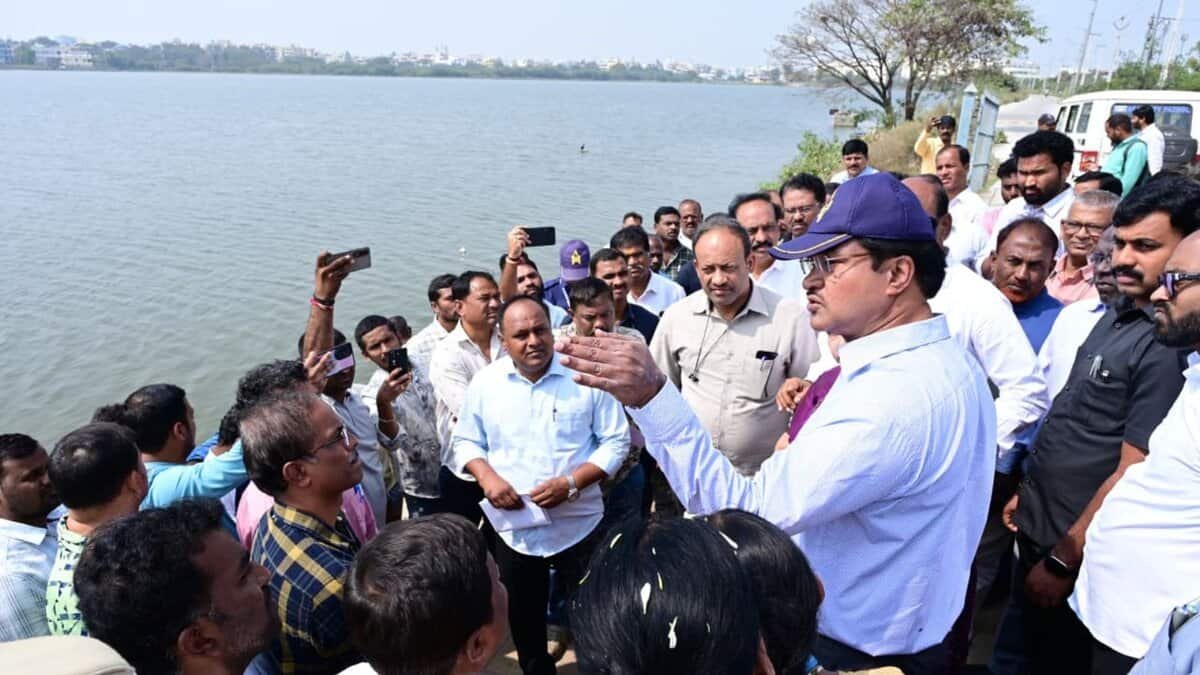
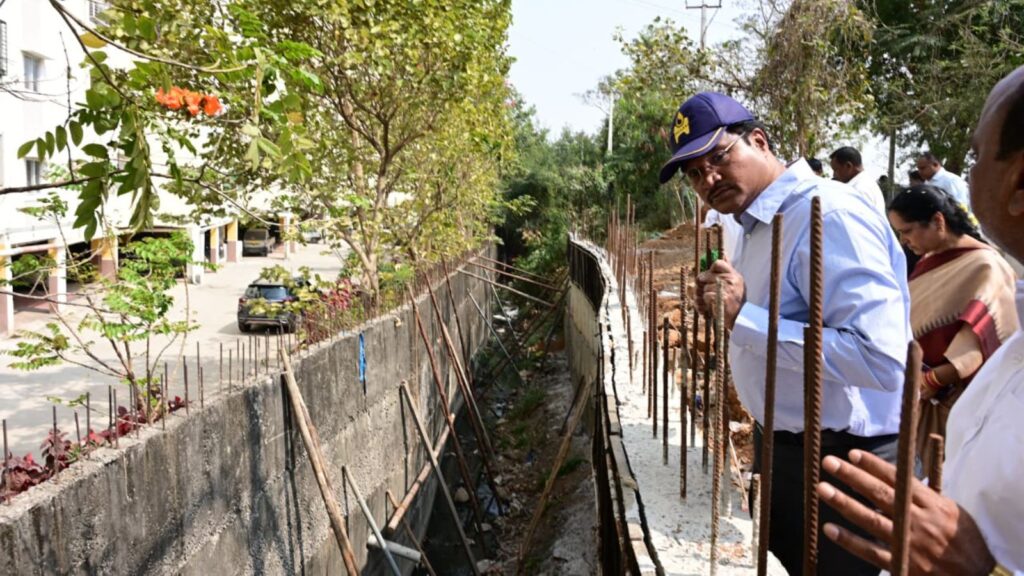
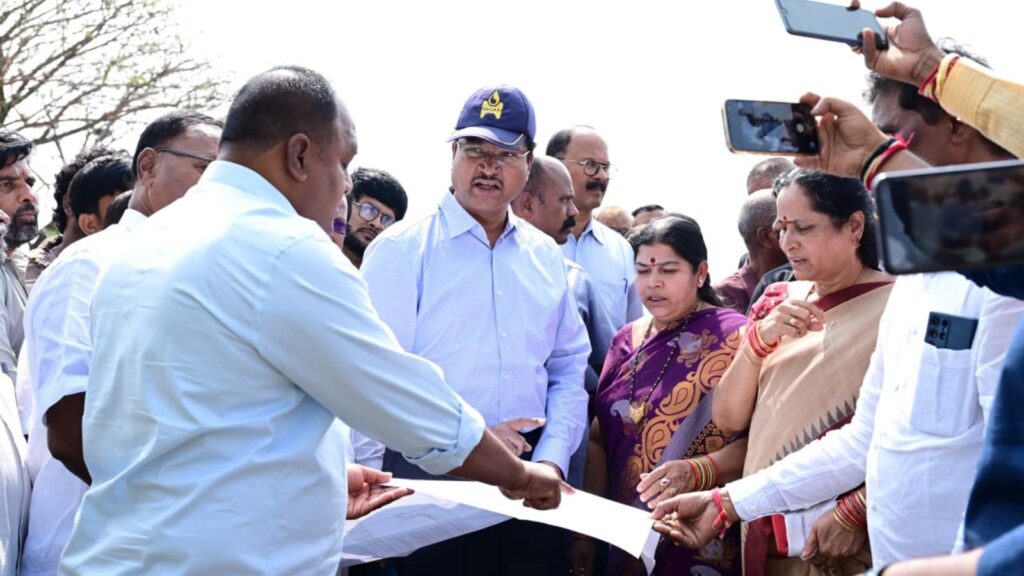
    Hyderabad: Hyderabad Disaster Response and Asset Protection Agency (HYDRAA) Commissioner AV Ranganath visited the 120-acre Rayasamudram (Ramachandrapuram) tank in the Ramachandrapuram area of Sangareddy district and assured that it would be turned into a tourist destination.

    On a field visit to the water body on Tuesday, January 27, after receiving complaints about alleged encroachments, Ranganath examined the tank’s inlets and outlets and told reporters that it requires a Sewage Treatment Plant (STP) to prevent sewage from entering it.

    Commissioner AV Ranganath inspecting the 120-acre Rayasamudram tank in Sangareddy on Tuesday

    Commissioner AV Ranganath inspecting the 120-acre Rayasamudram tank in Sangareddy on Tuesday

    However, Ranganath stressed that the work can be carried out after consulting the Bharat Heavy Electricals Limited (BHEL) management, the Hyderabad Metropolitan Management Authority (HMDA) and other government bodies.

    Add as a preferred source on GoogleAdd as a preferred source on Google

    He further said that the agency would develop the neglected water body with facilities like a walking track, a children’s play area, parks and exercise equipment. He stressed the need to fully protect the tank, which serves as a habitat for migratory birds.

    Ranganath also assured locals that neither of their homes would be demolished. “HYDRAA will not interfere with already constructed houses. Our sole objective is to remove encroachments and other obstructions blocking water flow. If, in unavoidable circumstances, encroachments have to be removed, the government will ensure compensation is provided to those affected,” he said.

  • Luxury cars, jewellery, chocolates to get cheaper under the EU-India FTA

    Luxury cars, jewellery, chocolates to get cheaper under the EU-India FTA

    New Delhi: India and the European Union (EU) on Tuesday, January 27, announced the conclusion of negotiations for the free trade agreement (FTA), under which several domestic sectors such as apparel, chemicals and footwear will get duty-free entry into the 27-nation bloc, while the European countries will get interest-free access to the Indian market for cars and wines.

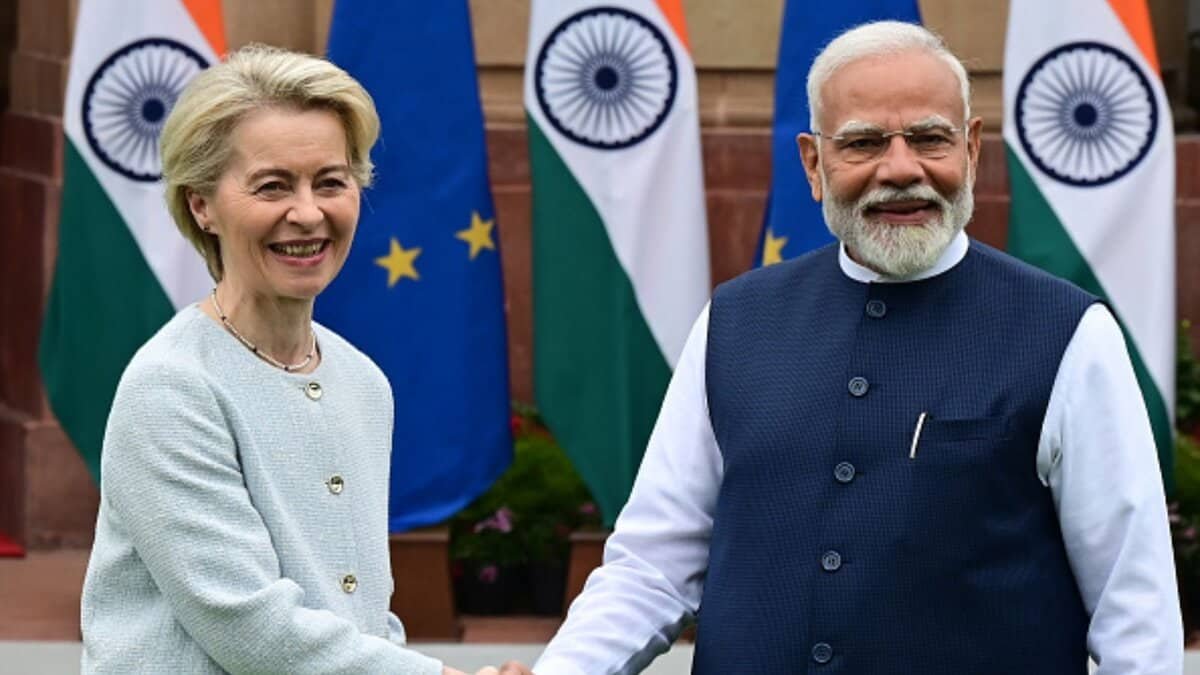
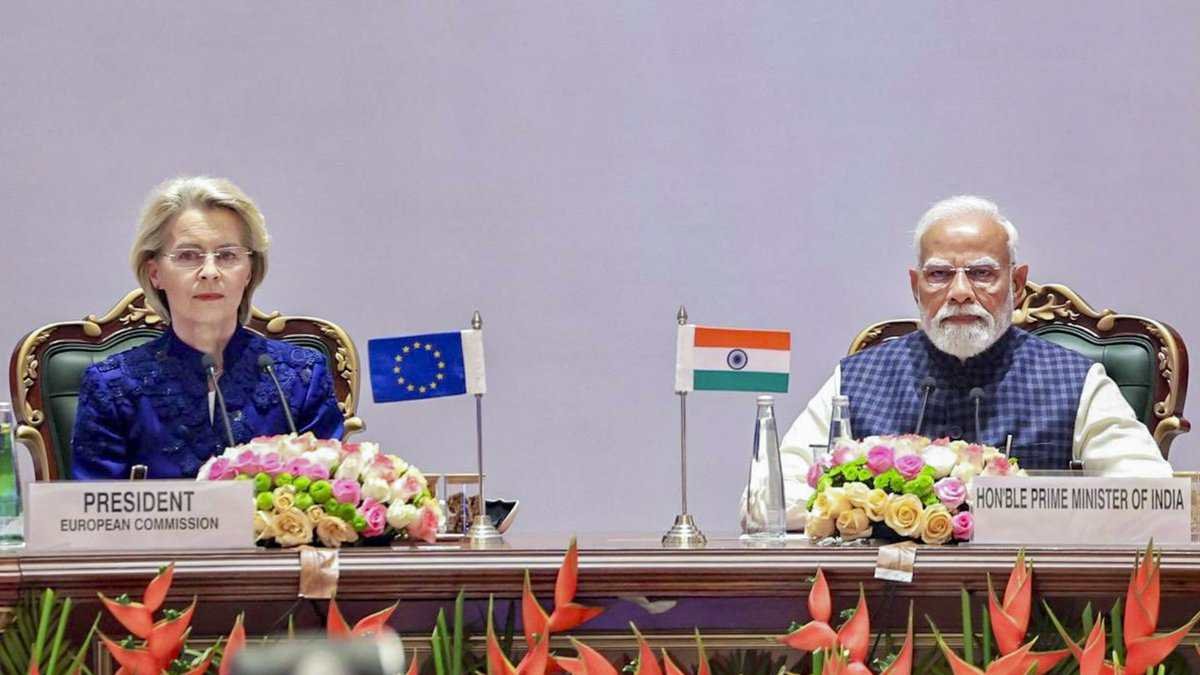
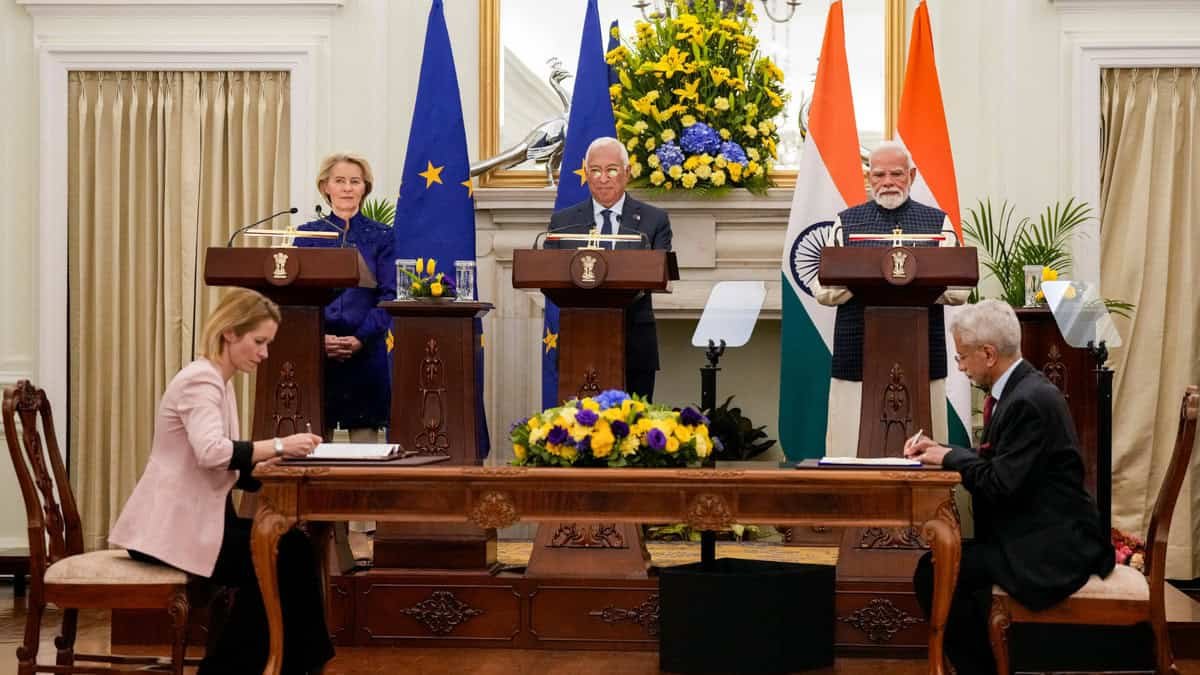
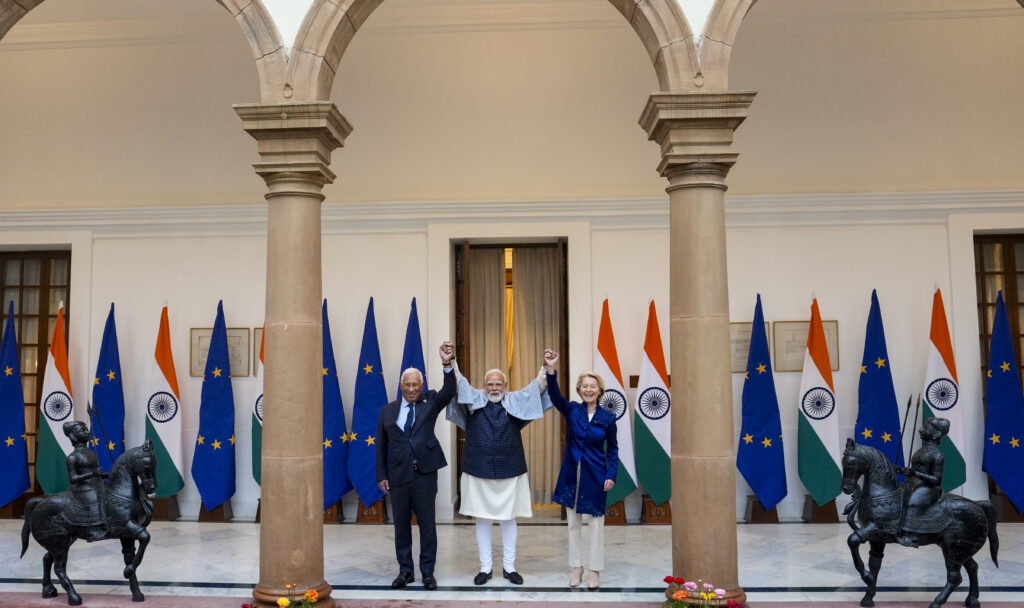
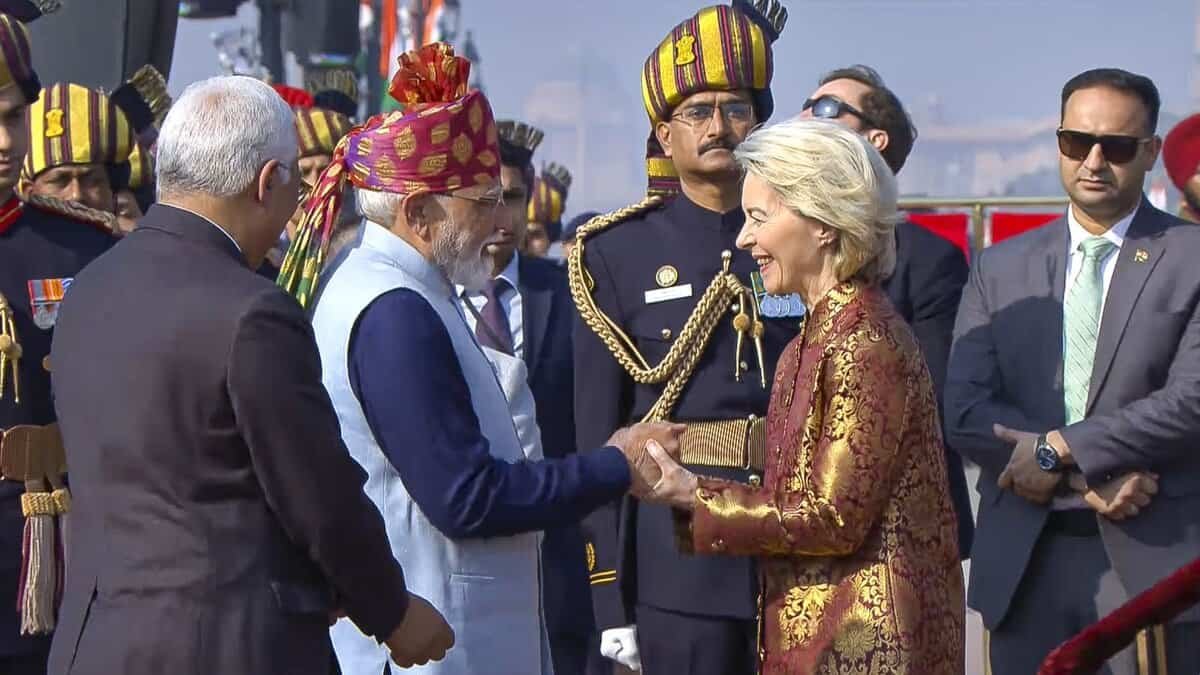
    Prime Minister Narendra Modi with European Council President Antonio Costa, left, and European Commission President Ursula von der Leyen, right, during their meeting at the Hyderabad House, in New Delhi, Tuesday, Jan. 27, 2026. (Source: PTI)

    Except for auto and steel, over 93 per cent of Indian goods will receive zero-duty access to the EU. For the remaining six per cent, Indian exporters will get tariff reduction and quota-based duty concessions.

    On the other hand, the EU will get duty-free access for 93 per cent of its goods over 10 years in India. India will remove duties on 30 per cent of European goods on the first day of implementing the pact.

    Add as a preferred source on GoogleAdd as a preferred source on Google

    With India and the EU accounting for 25 per cent of the global gross domestic product (GDP) and almost one-third of the world trade, this agreement has been coined as “Mother of all Deals.”

    Pasta, chocolate, electronics to have zero tariffs

    The trade agreement will gradually decrease the tariffs on EU cars in India, from 110 per cent to a staggering 10 per cent, while duties on wines will go down to as low as 20 per cent.

    Tariffs on processed foods like pasta, oil, juice and chocolates will be removed entirely.

    MS Admissions 2026-27MS Admissions 2026-27

    Tariffs on EU-imported machines and electronic goods will decrease from 44 per cent to zero on most enterprises. Products linked to aircraft and spacecraft will also be reduced to zero per cent from the present 11 per cent.

    FTA safeguards domestic interest, with a ring fence around sensitive sectors

    The FTA is expected to boost labour-intensive sectors such as textiles, chemicals, jewellery and leather, since they do not compete with European manufacturers and will, in turn, benefit the rural incomes.

    Simultaneously, India has given special protection to sensitive sectors such as dairy, cereals, soymeal, poultry and select fruits and vegetables to safeguard national interests. It opens new opportunities for micro, small and medium enterprises (MSMEs) and creates jobs for women, artisans, youth and professionals.

    The agreement deals with a wide range of trading, including newer aspects such as digital commerce and support for MSMEs. The trade agreement also gives a competitive edge to EU exporters, with India offering the EU its largest trade opening.

    Reduced tariffs on most jewellery products

    Precious stones, metal jewellery and pearls will have lower tariffs, from 22.5 per cent to zero per cent, for most products, with tariff reduction for the other 36 per cent of the products.

    Already reduced tariffs on chemicals, iron and pharmaceuticals will be removed. Additionally, sheep meat imported from the EU, which currently has a 33 per cent tariff, will be slashed to nil.

    A future-ready mobility framework will also expand global opportunities for skilled and semi-skilled Indian professionals. It further provides a facilitative and predictable framework for business mobility covering short-term, temporary and business travel in both directions.

    Likely to make premium luxury cars less expensive

    With India offering quota-based import duty concessions on auto, premium luxury European cars, such as BMW, Mercedes, Lamborghini, Porsche and Audi, are set to become cheaper in the Indian market once the bilateral free trade agreement comes into force, likely next year.

    The EU will eliminate duty in a phased manner for Indian automobiles, whereas India will reduce the levies to 10 per cent for specified numbers.

    As per the agreement, India and the EU have negotiated on a “quota”-based duty concessions, the Commerce Ministry official said, adding that the EU has a “very” aggressive demand for this sector.

    The pact is likely to be implemented next year.

  • Apple’s AirTag 2 has alerts you can actually hear to track items

    Apple’s AirTag 2 has alerts you can actually hear to track items

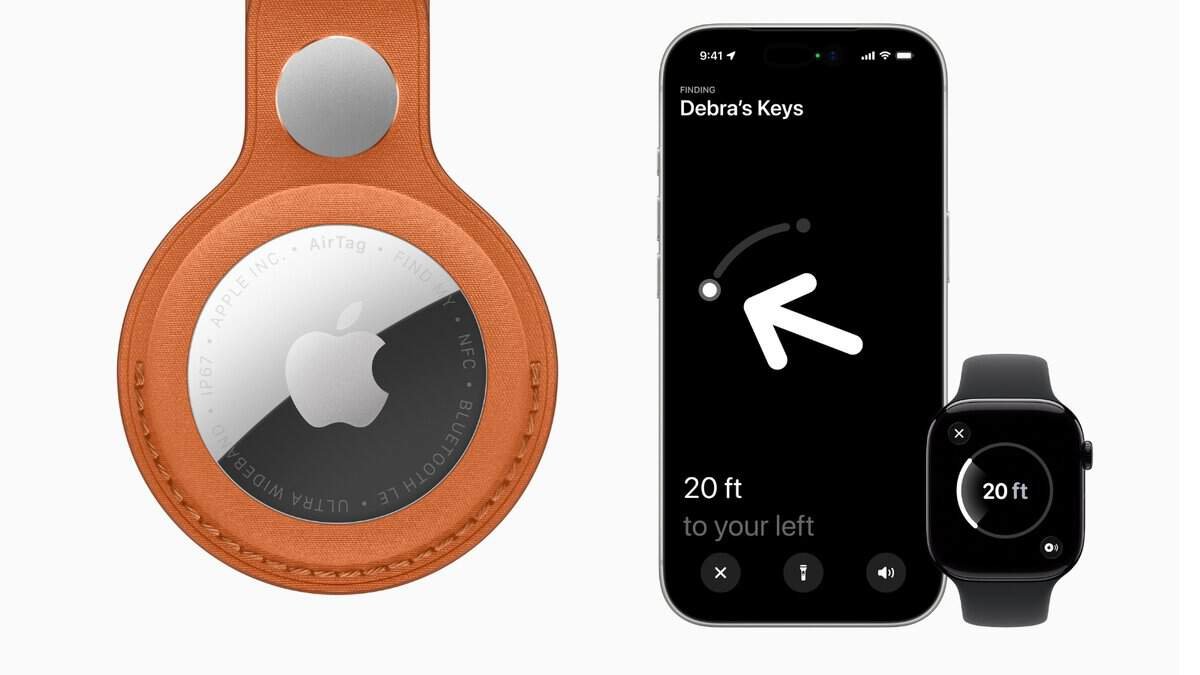
    Apple introduced a new version of its AirTag tracking device on Monday, January 26, claiming it has a longer detection range, louder sound alerts, and better integration with the Find My network, while keeping the prices unchanged for the Indian market.

    The AirTag 2 will retail at Rs 3,790 for a single unit and Rs 12,900 for a pack of four, Apple said in a press release.

    First launched in 2021, the AirTag is widely used to keep track of keys, bags and vehicles, among other things. It uses Apple’s second-generation Ultra Wideband chip, the same technology used in its latest iPhones and Apple Watches, which extends precision finding by up to 50 per cent compared with the previous model, the company release said.

    Add as a preferred source on Google

    The feature uses a mix of visual cues, vibrations and sound to guide users to a lost item. In a first, Apple Watch users can also search for AirTags directly from their wrist (only for Series 9 and later models or the Ultra 2 and newer versions).

    The company claims it has also redesigned the internals to make the speaker about 50 per cent louder, allowing the tag to be heard from up to twice the earlier distance. When an AirTag is outside the range, it can still be located through Apple’s Find My network.

    The new model also lets users temporarily pass on an item’s live location to trusted third parties, including airlines, to speed up the recovery of delayed baggage. Shared access can be revoked at any time and expires automatically after seven days, Apple said.

    MS Admissions 2026-27MS Admissions 2026-27

    Keeping the same physical design as before means existing accessories will continue to work with the AirTag 2, including Apple’s keyrings.

  • Dollar weakness could boost India inflows as rupee steadies: Report

    Dollar weakness could boost India inflows as rupee steadies: Report

    New Delhi: Global currency markets are witnessing heightened volatility as the US Dollar continues to lose strength against major currencies, but Indian rupee has found relative stability and weakness in dollar could lead to FII inflows, a report said on Tuesday.

    The report from Emkay Wealth Management Limited said the volatility in global currency markets and decline of dollar is driven by expectations of further US Federal Reserve rate cuts and geopolitical developments.

    The US Fed’s accommodative stance and expectations of additional cuts helped push the Dollar lower, the report said citing market participants.

    Add as a preferred source on Google

    Meanwhile, the Indian rupee ‘appears to have found relative stability around Rs 90 against the US Dollar,’ with intermittent two‑way volatility observed amid market estimates that the currency may consolidate around current levels in the near term, the report said.

    “India’s status as a net importer continues to weigh on the Rupee from a trade perspective; however, improving prospects for foreign investment inflows could provide some support,” the wealth management firm said.

    FIIs have been net sellers in Indian equities for about 18 months, creating more attractive valuations across sectors. Analysts said that deeper rate cuts in the US, could compress dollar yields, and revive investor appetite for emerging markets such as India.

    MS Admissions 2026-27MS Admissions 2026-27

    “A softer US Dollar, coupled with potential capital reallocation towards emerging markets, creates both opportunities and risks for investors. For India, sustained foreign inflows, supported by stable macro fundamentals, could help the Rupee maintain its current range despite global volatility,” said Parag Morey, Head of Sales, Emkay Wealth Management.

    The Dollar Index fell nearly 9 per cent to around 98.60 since early 2025.

    Currency experts noted that investor scepticism on the dollar also stemmed from speculation of a potential change in the US Federal Reserve leadership by mid-2026. Expectations that a new Fed Chair may align monetary policy more closely with executive priorities have added to assumptions of prolonged low interest rates, which could further weaken the US Dollar against global majors.

    However, the firm noted that prudent hedging strategies are advisable as disruption to shipping lanes or oil flows could trigger short-term spikes in crude prices and temporary flights to the Dollar.

  • Stock markets bounce back after falling in early trade

    Stock markets bounce back after falling in early trade

    Mumbai: Equity benchmark indices Sensex and Nifty recovered their early lost ground and were trading higher on Tuesday, January 27, tracking a firm trend in global markets and buying in blue-chip bank stocks.

    The 30-share BSE Sensex dropped 417.68 points to 81,120.02 in early trade. The 50-share NSE Nifty declined 111.1 points to 24,937.55.

    However, soon after both the benchmark indices bounced back and were trading in positive territory. The BSE benchmark quoted 298.06 points higher at 81,814.74, and the Nifty traded 91.85 points up at 25,151.15.

    Add as a preferred source on Google

    From the 30-Sensex firms, Axis Bank, Adani Ports, UltraTech Cement, Bharat Electronics, Tata Steel, NTPC, State Bank of India and Tech Mahindra were among the biggest gainers.

    Axis Bank climbed over 4 per cent after the firm reported a 4 per cent growth in its December quarter net profit to Rs 7,010.65 crore against Rs 6,742.99 crore in the year-ago period.

    However, Kotak Mahindra Bank dropped over 4 per cent after its third quarter earnings failed to cheer investors.

    MS Admissions 2026-27MS Admissions 2026-27

    Mahindra & Mahindra, Maruti Suzuki, Hindustan Unilever and ICICI Bank were also among the laggards.

    Top leaders of India and the European Union will on Tuesday announce the conclusion of negotiations for a landmark trade deal, firm up a strategic defence pact and unveil a broader vision to navigate the geopolitical turbulence and trade disruptions.

    Foreign institutional investors offloaded equities worth Rs 4,113.38 crore on Friday, while Domestic Institutional Investors (DIIs) bought stocks worth Rs 4,102.56 crore, according to exchange data.

    Equity markets were closed on Monday for Republic Day.

    In Asian markets, South Korea’s Kospi, Japan’s Nikkei 225 index, Shanghai’s SSE Composite index and Hong Kong’s Hang Seng index traded higher.

    US markets ended higher on Monday.

    Brent crude, the global oil benchmark, dipped 0.72 per cent to USD 65.12 per barrel.

    On Friday, the Sensex tumbled 769.67 points or 0.94 per cent to close at 81,537.70. The Nifty dived 241.25 points or 0.95 per cent to settle at 25,048.65.

  • India, EU concludes negotiations for FTA successfully

    India, EU concludes negotiations for FTA successfully

    New Delhi: India and the European Union (EU) have successfully concluded negotiations for the proposed free trade agreement, which will help boost two-way commerce and strengthen economic ties between the two sides, Commerce Secretary Rajesh Agrawal said on Monday, January 26.

    He said the trade deal from the Indian perspective is balanced and forward-looking, which will help in the better economic integration of India with the EU.

    It will propel trade and investments in both economies, he said.

    Add as a preferred source on Google

    “Negotiations have been successfully concluded. The deal has been finalised,” Agrawal said.

    Legal scrubbing of the Free Trade Agreement (FTA) text is underway, and the endeavour will be to complete the processes and sign the pact at an early date, he said.

    The deal is expected to be signed this year, and it may come into effect early next year. Implementation of the deal takes time, as it requires approval from the EU Parliament. In India, it requires only the nod of the Union Cabinet.

    MS Admissions 2026-27MS Admissions 2026-27

    The pact is finalised after 18 years of negotiations. The talks started in 2007.

    Commerce and Industry Minister Piyush Goyal has termed this free trade agreement (FTA) “the mother of all deals” that the country has signed so far.

    The conclusion of talks for the agreement will be announced formally in the India-EU (European Union) Summit here on Tuesday.

    European Commission President Ursula von der Leyen and President of the European Council Antonio Costa will hold summit talks with Prime Minister Narendra Modi on January 27.

    The pact is likely to provide duty-free access to a number of Indian goods from labour-intensive sectors such as textiles, chemicals, gems and jewellery, electrical machinery, leather and footwear.

    The EU’s tariffs on Indian goods are about 3.8 per cent, but labour-intensive sectors attract about 10 per cent import duty. India’s weighted average duty on EU goods is about 9.3 per cent, with particularly high duties on automobiles, parts (35.5 per cent), plastics (10.4 per cent), and chemicals and pharmaceuticals (9.9 per cent).

    In an FTA, two sides reduce or eliminate import duties on over 90 per cent of goods traded between them. An FTA also liberalises norms to promote trade in services sectors such as telecommunications, transportation, accounting, and auditing. The NDA government has finalised seven trade pacts since 2014: Australia, the UK, Oman, New Zealand, the UAE, the EFTA bloc, and Mauritius.

    This pact is important, as the US’ imposition of high tariffs has disrupted global trade flows. India is facing steep 50 per cent tariffs. The FTA is expected to help Indian exporters diversify their shipments. It will also help reduce dependence on China.

    Besides FTA, the two are also negotiating a pact in investment protection and Geographical Indications (GI). The India-EU FTA covers 24 chapters, including trade in goods, services and investment.

    India’s bilateral trade in goods with the EU was USD 136.53 billion in 2024-25 (exports worth USD 75.85 billion and imports worth USD 60.68 billion), making the EU India’s largest goods trading partner. The services trade in 2024 was USD 83.10 billion.

    India has a trade surplus of USD 15.17 billion in 2024-25.

    The EU market accounts for about 17 per cent of India’s total exports, and the bloc’s exports to India constitute 9 per cent of its total overseas shipments.

    As per reports, the EU, with a GDP of about USD 20 trillion and a population of over 450 million, is the major global trade player, exporting about USD 2.9 trillion and importing more than USD 2.6 trillion annually.

    India, with a population of 1.4 billion, exported USD 437 billion in goods and USD 387.5 billion in services. It imported goods worth USD 720 billion and services worth USD 195 billion in 2024-25.

    India’s major goods exports to EU in FY2025 included petroleum products (USD 15 billion); electronics (USD 11.3 billion – smartphone USD 4.3 billion); textiles (USD 1.6 billion – garments USD 4.5 billion); machinery, computer (USD 5 billion); organic chemicals (USD 5.1 billion); iron and steel (USD 4.9 billion), gems and Jewellery (USD 2.5 billion); pharma (USD 3 billion); auto parts (USD 1.6 billion); footwear (USD 809 million); and coffee (USD 775 million).

    The main imports included machinery, computer (USD 13.0 billion); electronics (USD 9.4 billion – mobile phone parts-USD 3.7 billion, ICs USD 890.5 million); aircraft (USD 6.3 billion); medical devices, scientific instruments (USD 3.8 billion); gems and jewellery (USD 3 billion – rough diamonds USD 1.7 billion); organic chemicals (USD 2.3 billion); plastics (USD 2.3 billion).

    India’s key services exports to the EU were other business services, telecommunication and IT, and transportation services. Imports included intellectual property services, telecommunication and IT.