










The death of Ayatollah Ali Khamenei, Iran’s Supreme Leader since 1989, in reported joint US-Israeli strikes has triggered an urgent and deeply consequential question who will lead Iran next? With no official successor named, the Islamic Republic now faces one of the most critical transitions in its modern history.
The Succession Process
Under Iran’s constitution, the Assembly of Experts an 88-member body of senior clerics is tasked with selecting the next Supreme Leader as swiftly as possible.
Reports suggest that a temporary oversight mechanism may be in place, potentially involving the sitting president, the judiciary chief, and a jurist from the Guardian Council, to ensure continuity during the transition.
However, no official announcement has been made and the situation remains fluid amid internal power struggles and heightened regional tensions.
No Clear Frontrunner
At present, there is no single, undisputed successor. Several names frequently appear in international analyses:
Mojtaba Khamenei
Mojtaba Khamenei |
The 56-year-old son of Ali Khamenei is often described as a hardline figure with significant behind-the-scenes influence and reported ties to the Islamic Revolutionary Guard Corps (IRGC). However, questions remain about constitutional and clerical qualifications, as well as resistance within sections of the clergy.
Alireza Arafi
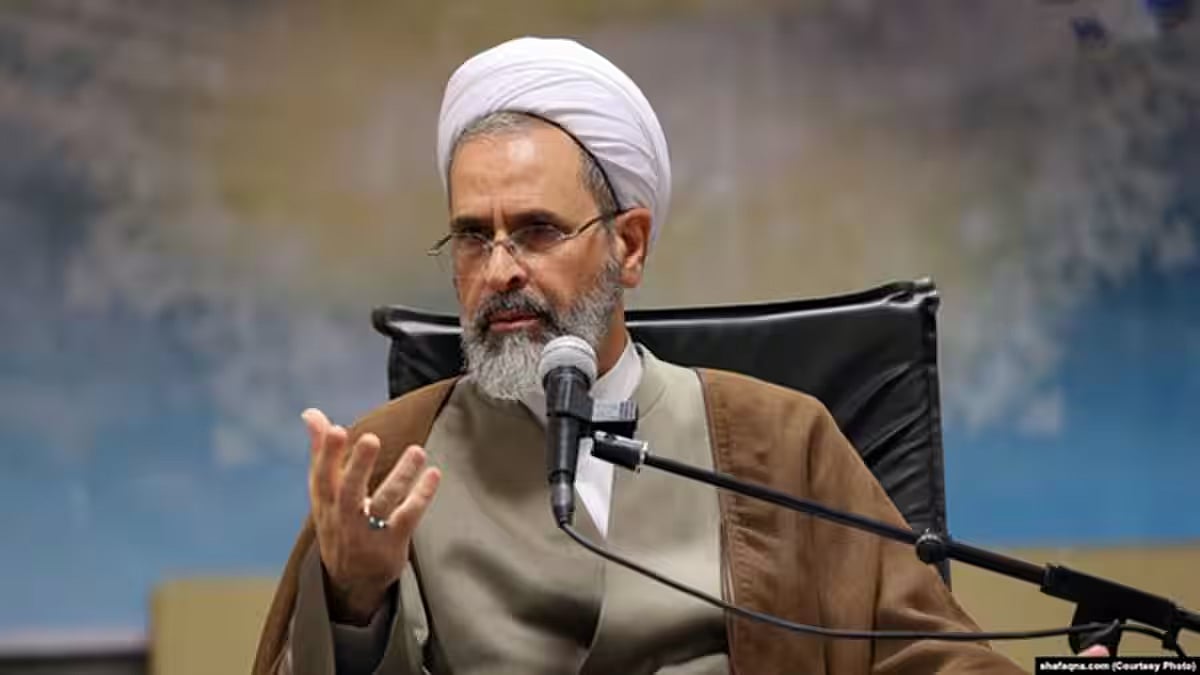
Alireza Arafi |
A senior cleric and deputy chairman of the Assembly of Experts, Arafi oversees Iran’s seminary system and is viewed as a continuity candidate with institutional backing.
Mohammad Mehdi Mirbagheri
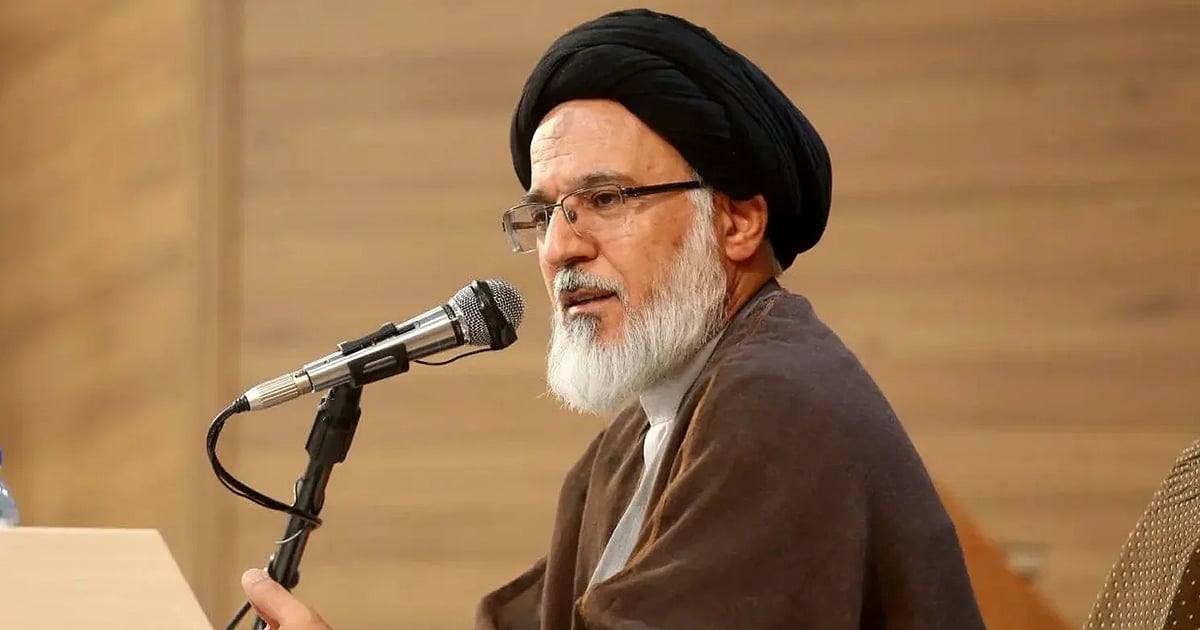
Mohammad Mehdi Mirbagheri |
A hardline conservative cleric based in Qom, Mirbagheri leads a key religious academy and is seen as ideologically aligned with the Islamic Republic’s more uncompromising factions.
Hassan Khomeini
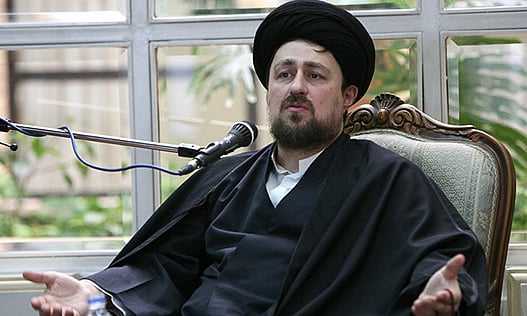
Hassan Khomeini
|
The grandson of Ruhollah Khomeini, founder of the Islamic Republic, Hassan Khomeini carries symbolic legitimacy. He is sometimes viewed as a comparatively conciliatory figure, though his political positioning remains complex.
Some reports claim that Khamenei privately identified three preferred clerics during the 2025 Israel-Iran conflict, but those names have not been publicly disclosed.
A Power Struggle Behind Closed Doors
The succession battle is not merely clerical it reflects deeper tensions between traditional religious authorities and hardline elements linked to the IRGC.
The outcome could range from a hardline consolidation of power, a more collective or transitional leadership arrangement, or broader instability if factions fail to reach consensus.
Given ongoing regional conflict and recent leadership losses, the Assembly of Experts may seek to expedite the process to maintain stability.
Khamenei’s Legacy And Its Impact On Succession
Born in 1939 in Mashhad, Khamenei’s early life was steeped in Shia scholarship, studying in Mashhad, Najaf and Qom. In Qom, he came under the influence of Ruhollah Khomeini, whose revolutionary ideology shaped his political worldview.
Repeated arrests by the Shah’s secret police, SAVAK, hardened his belief that Iran must resist foreign interference.
Following the 1979 Revolution, Khamenei rose steadily within the new Islamic Republic and served as president during the 1980s Iran-Iraq War. The conflict and Western support for Saddam Hussein reinforced his conviction that Iran must develop a self-reliant military and strategic deterrence framework.
His nearly four-decade tenure as Supreme Leader reshaped Iran’s political, military and ideological architecture making the choice of his successor not merely symbolic, but structurally decisive.
An Uncertain Road Ahead
As of March 2026, the succession remains speculative. The Assembly of Experts holds constitutional authority, but factional rivalries, security concerns, and geopolitical pressures make predictions difficult.
Whether Iran chooses continuity under a hardliner, a symbolic unifier, or a transitional arrangement, the decision will define the Islamic Republic’s trajectory for decades to come.


