










Add Techlomedia as a preferred source on Google. 
WhatsApp is the most popular messaging app, and is used by even teens. However, the app still doesn’t offer parental controls like many other major platforms. But the company appears to be working on new features that let one user manage a linked secondary account with limited features. It seems to be a kind of parental control feature for WhatsApp.
This new setup was spotted in the WhatsApp beta for Android version 2.26.1.30. WABetaInfo spotted this and confirmed that the feature is still under development.
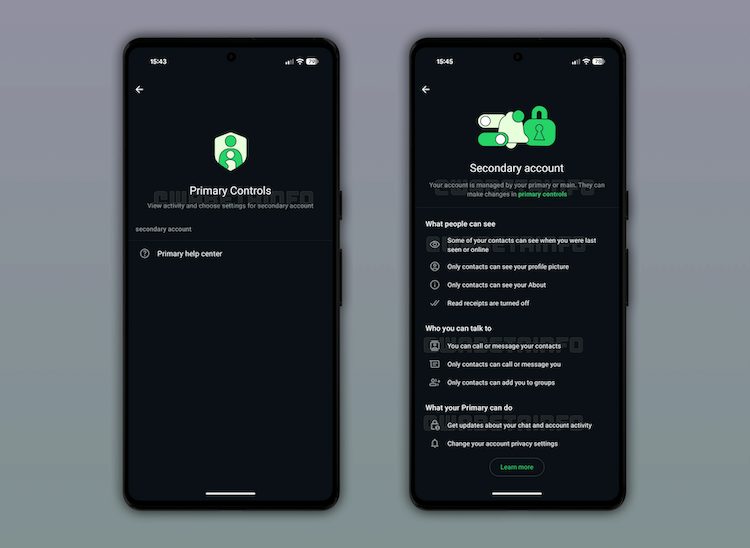
A parent or guardian will have a Primary account, while the child or supervised user would have a Secondary account. The Secondary account will have limits on what it can do by default. Parents will also be able to control some privacy settings from their own app.
Under this system, the secondary user will have limited freedom. Contacts can see when the user was last seen or online. Only contacts will see the profile picture and About info. Read receipts are turned off by default. Secondary accounts can only talk or call contacts. Only contacts can add the secondary user to groups.
The parent or guardian will have the ability to see updates about the secondary account’s activity and change privacy settings. They will not see the actual messages or calls. This keeps chats private while giving adults more control of how the account is set up.
WhatsApp already has a minimum age rule, but children can bypass it by using a fake birth date. Because so many kids use WhatsApp anyway, this could be a welcome change for parents.
This seems like a smart move by WhatsApp. Many parents worry about kids talking to strangers in chat apps. A limited account that only allows messages from known contacts could reduce that risk. It also gives parents a chance to teach good safety habits without spying on private messages.
This change might also make WhatsApp safer overall. Right now, there is no easy way for a parent to check who their child has added or who can message them. With this system, a parent can review and adjust settings that kids might forget or ignore.
There are still some unknowns. We do not yet know exactly when the feature will roll out to all users. We also do not know how easy it will be to set up. One possible issue is that kids could still find ways around these limits if the settings are too simple to change. There might also be debates about how much control parents should have. But this is a step forward compared with what exists now.
Follow Techlomedia on Google News to stay updated. 
Affiliate Disclosure:
This article may contain affiliate links. We may earn a commission on purchases made through these links at no extra cost to you.


