










Trusts created by Muslims under any law will no longer be considered Waqf, ensuring full control over the trusts.
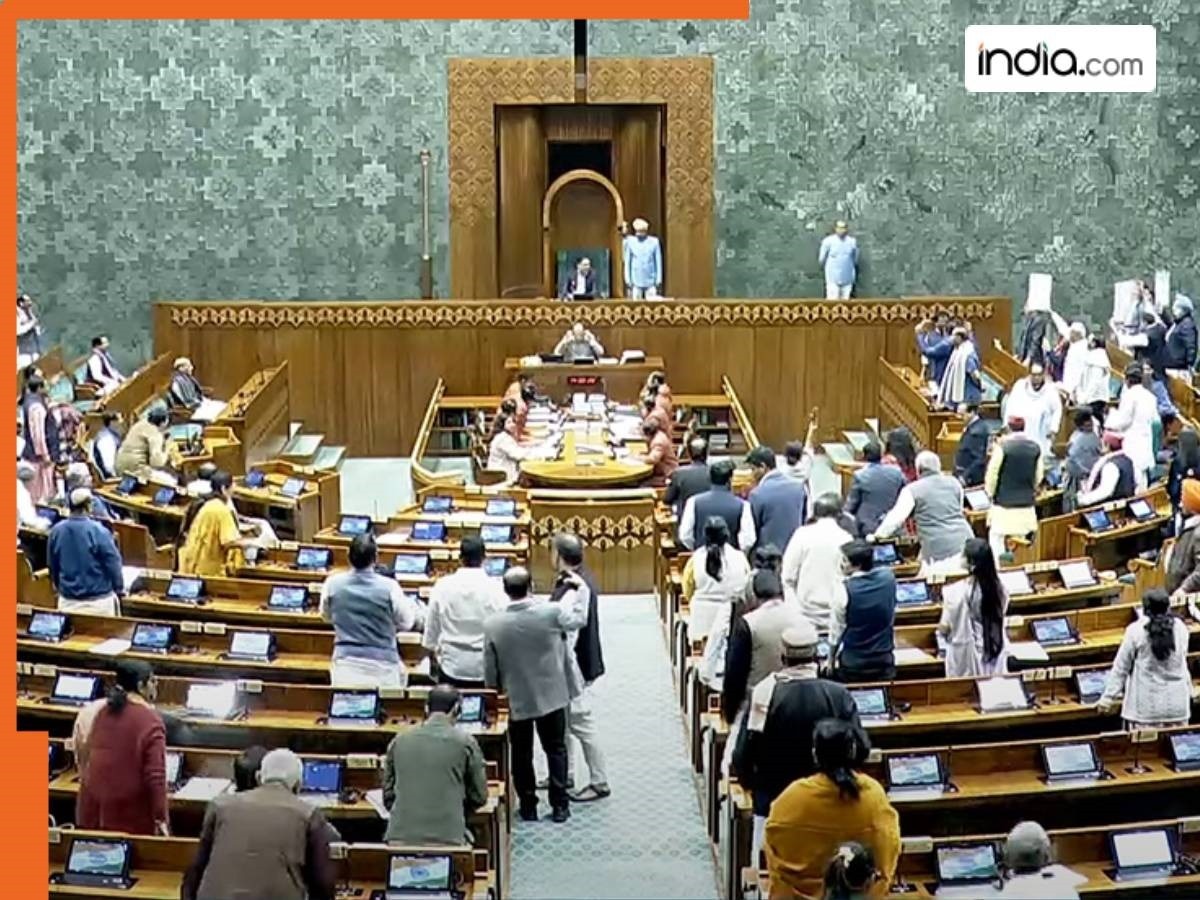
New Delhi: Union Minority Affairs Minister Kiren Rijiju on Wednesday tabled the Waqf (Amendment) Bill, 2025, as proposed by a Joint Parliamentary Committee, in the Lok Sabha for consideration and passage. The bill seeks to improve the administration of Waqf properties, introduce technology-driven management, address complexities and ensure transparency.
Introducing the bill, Rijiju said the consultation process of the Joint Parliamentary Committee (JPC) was the largest ever exercise carried out by a parliamentary panel in India’s democratic history.
What is Waqf (Amendment) Bill, 2025?
The objective of the Waqf (Amendment) Bill 2024 is to redress the issues and challenges in regulating and managing Waqf properties. According to the ministry of minority affairs, the main purpose of the amendment bill is to improve the administration and management of waqf properties in India.
The Waqf (Amendment) Bill, which seeks to amend the Waqf Act of 1995, aims to improve the administration and management of waqf properties across India. The proposed changes are designed to address the shortcomings of the earlier law, enhancing the efficiency of Waqf boards, streamlining the registration process, and integrating technology into the management of waqf records.
Trusts created by Muslims under any law will no longer be considered Waqf, ensuring full control over the trusts. As per the bill, only practising Muslims (for at least five years) can dedicate their property to Waqf, restoring pre-2013 rules. Also, women must receive their inheritance before Waqf declaration, with special provisions for widows, divorced women and orphans.
The bill also proposes that an officer above the rank of collector will investigate government properties claimed as Waqf. In case of disputes, the senior government official will have the final say on whether a property belongs to Waqf or the government. This replaces the existing system where such decisions are made by Waqf tribunals.
Also, the bill proposes that non-Muslim members will be included in the central and state Waqf boards for inclusivity. Women must receive their inheritance before Waqf declaration, with special provisions for widows, divorced women and orphans.


