










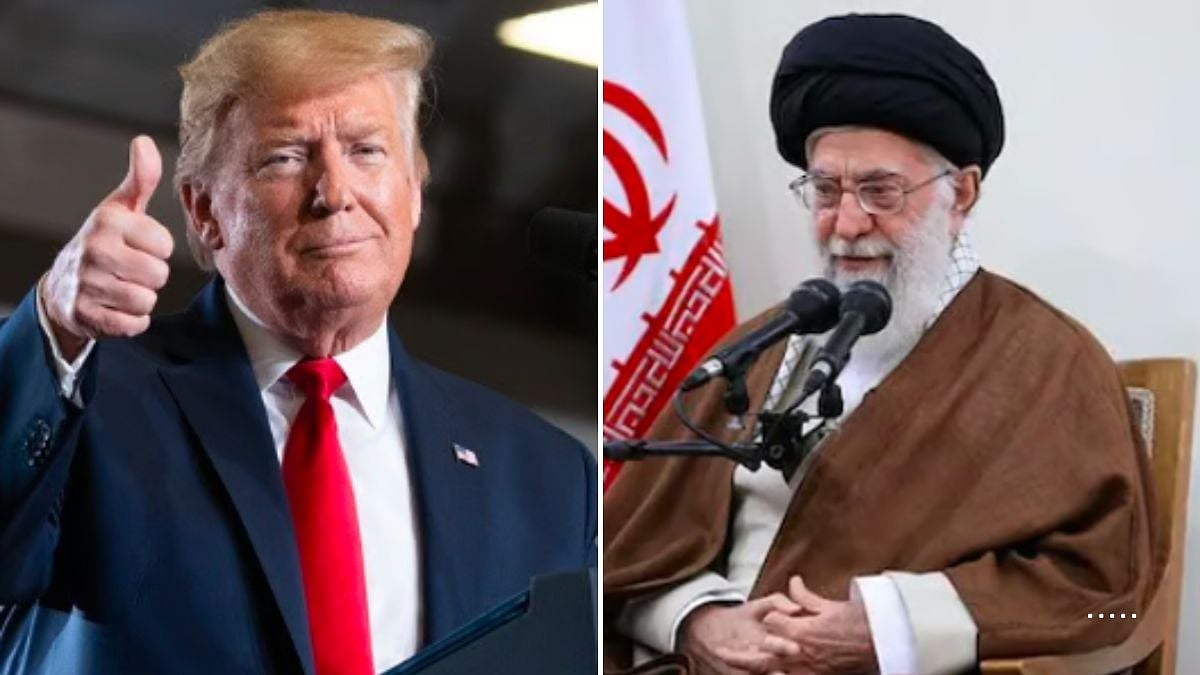
Diplomats reopen fragile nuclear dialogue between Washington and Tehran amid warnings of possible escalation | File Pic
The United States and Iran have said a “good start” was made after indirect talks on Iran’s nuclear programme ended in Muscat on Friday, signalling a cautious return to diplomacy after months of conflict and deep mistrust. Both sides agreed to keep the diplomatic channel open, with the possibility of another round of talks in the coming days.
Positive tone, guarded optimism
Iran’s Foreign Minister Abbas Araghchi described the eight-hour discussions as constructive and held in a positive atmosphere. He said the future of the talks would depend on internal consultations in Tehran and Washington, but stressed that dialogue could continue only if threats were avoided.
On the American side, US President Donald Trump called the talks “very good” and confirmed that another meeting was planned early next week, while also warning of “very steep” consequences if Iran failed to reach a deal.
A fragile opening, heavy with threats
Despite the positive tone, the shadow of military pressure loomed large over the talks. Trump, speaking aboard Air Force One, again warned Iran of possible military action, underscoring how diplomacy is being pursued alongside open threats. This mix of engagement and intimidation highlights how fragile the process remains, even as both sides publicly welcome the talks.
These were the first discussions between the United States and Iran since Washington and Israel launched major military strikes on Iran’s nuclear sites and political leadership last June. Since then, Trump has significantly increased the US military presence in the region, including deploying forces centred on the USS Abraham Lincoln aircraft carrier group. Earlier this year, he had even told Iranian protesters that “help is on the way”, a remark that alarmed Tehran.
Nuclear-only talks, deep mistrust
Iran made it clear that the Muscat talks were strictly limited to nuclear issues. Araghchi said Tehran would not discuss human rights, missile programmes or support for regional armed groups such as Hamas, Hezbollah or the Houthi rebels. This stance reflects Iran’s fear that the US could use negotiations as a cover to push for wider concessions or even regime change.
The talks were mediated by Oman, with its Foreign Minister Badr al-Busaidi shuttling between the two sides. The US delegation was led by Trump’s envoy Steve Witkoff and included Jared Kushner, Trump’s son-in-law. The presence of US Central Command chief Admiral Brad Cooper further underlined how closely military power is tied to Washington’s diplomatic strategy.
Low trust after months of conflict
Trust between the two countries remains extremely low. Talks scheduled last June collapsed after Israeli strikes on Iran, backed by the US. Araghchi admitted that restarting dialogue after “eight turbulent months” was difficult, saying the accumulated mistrust posed a serious challenge. Still, he suggested that if the current trend continued, a workable framework for an agreement could emerge.
Washington initially wanted the talks to cover Iran’s ballistic missiles, its regional influence and the “treatment of their own people”, as US Secretary of State Marco Rubio said earlier this week. Iranian negotiators, however, were satisfied that only the nuclear issue was discussed, at least for now. Tehran had also rejected a US proposal to hold talks in Turkey with the participation of several regional foreign ministers.
Economic pressure drives diplomacy
Iran insists its right to enrich uranium on its own soil is non-negotiable, a right recognised in the 2015 nuclear deal negotiated under former US president Barack Obama. A possible compromise could involve Iran suspending enrichment for a fixed period and joining a regional consortium for civilian nuclear fuel production. In return, Tehran is seeking sanctions relief and a new inspections regime at its nuclear sites.
The economic pressure on Iran is intense. The rial has lost half its value against the dollar since the Israeli strikes, and food inflation has surged to nearly 100%, fuelling protests that erupted late last year and were met with a deadly crackdown. Against this backdrop, diplomacy offers Iran a rare chance to ease sanctions and stabilise its economy.
Risk of escalation remains
Yet the risk of escalation remains high. Trump has repeatedly warned of military strikes if talks fail, while Iran has said it would respond forcefully to any attack on its territory. Washington reportedly held back from attacking Iran last month, partly due to fears that US and Israeli forces were not fully prepared for Iranian retaliation.
Also Watch:
For now, the talks have opened a narrow diplomatic window. Whether it leads to a lasting agreement or collapses under pressure will depend on whether both sides can move beyond threats and mistrust — something history suggests will not be easy.


