WASHINGTON – The nation’s ranchers were livid that President Donald Trump decided to import beef from Argentina and Brazil in order to lower prices. So, to calm the waters, Trump has gone after the gray wolf and Cargill.
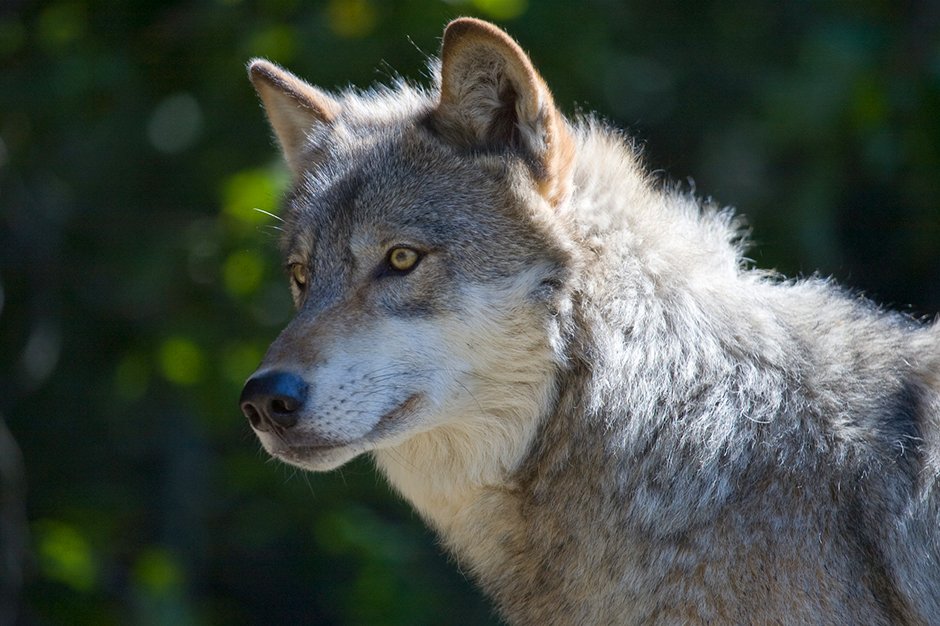
The gray wolf, which is considered endangered in most states, has always been a foe to cattlemen because the predator has a fondness for beef and especially veal, since calves are considered easy prey. Trump’s order could roll back federal protections for the animal.
Meanwhile, Cargill, and the other members of the “Big Four” meatpackers — Tyson Foods, JBS Foods and National Beef — have been accused by Trump of controlling 85% of the nation’s beef processing in a “nasty monopoly” that hurts ranchers.
Related: Minnesota cattle producers have a beef with Trump over foreign imports
So, in executive orders signed last week, Trump directed federal agencies to expand programs that allow certain state-inspected meats to cross state lines. He also directed federal agencies to provide help to smaller processors.
The 1906 Meat Inspection Act allows ranchers to process their own meat for personal or household use. But all other meat must be processed at facilities that are subject to inspection by the U.S. Department of Agriculture.
“For the first time ever, we’re going to give farmers and ranchers the right to process their own food,” Trump said at a ceremony in the Oval Office when he signed his new directives. “That’s a big announcement.”
Cargill, whose global headquarters is in Wayzata, did not return requests for comment.
“I think it’s great to see efforts being made,” said Kaitlyn Root, the executive director of the Minnesota State Cattlemen’s Association.
But Root also said the steps Trump is taking “would not compensate us for everything.”
Trump also called for another change sought by U.S. cattlemen — stricter country-of-origin labeling on beef and meat products.
Trump is trying to appease the nation’s ranchers after he announced that he would drop tariffs on 300,000 metric tons of foreign beef so it could be sold at 25% below “current market prices.”
Related: Washington is cutting the conservation programs that gave me a start in farming
Cattlemen in Minnesota, and across the nation, have been trying to rebuild herds that have shrunk to sizes not seen since the 1950s and were outraged by the president’s attempt to undercut American-raised beef.
Trump said the imports will come from Argentina, Brazil and “a couple of other places” starting this week.
Order ‘will definitely hurt wolves’
Trump also told federal agencies to review the recovery status of the gray wolf and its cousin, the Mexican gray wolf, with an eye toward delisting them and shifting management responsibilities to state wildlife agencies.
Gray wolves once roamed the Midwestern plains in great numbers but were nearly eradicated by the mid-20th century and listed on the Endangered Species Act in 1974.
In 1978, the Fish and Wildlife Service reclassified the gray wolf as threatened in Minnesota — because the state still had a respectable population — but endangered in the rest of the lower 48 states. When an animal is listed as endangered, it is considered at risk of extinction; when it is listed as threatened, it is at risk of becoming endangered.
In the following decades, a number of lawsuits concerning the gray wolf were filed, some seeking broader protection and some seeking to roll back protections. For instance, when the first Trump administration tried to delist the gray wolf, it was stopped by a court.
As a result of the dueling lawsuits, the gray wolf remains listed as endangered in most states and threatened in Minnesota, and has no protection at all in Montana, Idaho and Wyoming and portions of Washington, Oregon and Utah.
“The key consideration for delisting is the status of the wolf population,” said Dan Stark, the Wolf Plan project manager at the Minnesota Department of Natural Resources.
Stark said the most recent estimate of the gray wolf population in Minnesota is about 2,500, which is the second-highest population in the nation. Only Alaska is home to more gray wolves.
Related: Stauber leading effort to strip protections from the gray wolf
“Considering the species, that is a lot,” Stark said of Minnesota’s wolf population.
He said that because the wolf is considered “threatened” and not endangered in Minnesota, there is a federal program to trap and kill animals that “cause conflict,” meaning they threaten or kill livestock.
And Stark said the state also has a program in place since the 1970s to compensate ranchers and farmers for any livestock lost to the gray wolf.
Still, Minnesota ranchers and farmers have pressed for the delisting of the gray wolf.
If the gray wolf is delisted, Stark and his counterpart in other states would be required to come up with new management plans, which could include a hunting season for the species.
Root called the delisting of the gray wolf “something positive.”
But Trump’s latest effort to strip federal protections from the gray wolf will likely end up in court again.
“President Trump’s conservation policy is just crazy, bucking public opinion and all of the science,” said Susan Holmes, executive director of the Endangered Species Coalition. “This is not the kind of thing that will help ranchers, but it will definitely hurt wolves.”
Holmes said there are just 317 Mexican wolves living in the United States and that the gray wolf is not safe from extinction.
She also said that only about 4% of all mammalian biomass on the planet are wild animals and the rest are human beings and their livestock.
“There are definitely incidents where wolves take livestock,” Stark said. “But we believe that ranchers and wolves can coexist.”
The post Trying to mend fences with ranchers, Trump goes after Cargill and the gray wolf appeared first on MinnPost.
Leave a Reply