










It is said that the sausage is as old as civilisation itself. Historians trace its earliest forms back to ancient Mesopotamia, around 3000 BC, when ingenious cooks discovered that salted, spiced meat could be preserved by stuffing it into animal intestines. From that humble act of thrift and preservation was born one of humanity’s most enduring culinary creations.
Old World Favourites
Nowhere is the sausage’s versatility more evident than in the countless regional varieties found across the world. In England’s Lake District, the thick, pepper-flecked Cumberland sausage remains a proud symbol of rustic comfort—coiled, hearty, and best served alongside creamy mash.
Travel east to Germany, and an entire lexicon of wurst awaits. The country boasts over 1,500 types, from the garlicky bratwurst that sizzles on street-side grills to the beloved currywurst, that post-war Berlin invention slathered in ketchup and dusted with curry powder.
Poland’s kielbasa is equally iconic—robust, smoky, and ever-present at celebrations. France’s andouille, pungent and earthy, crossed the Atlantic centuries ago with French settlers and evolved into the spicy, paprika-laced andouille of New Orleans, a key ingredient in gumbo and jambalaya. Each of these sausages tells a story not just of food, but of migration, adaptation, and identity.
Spice Route Sizzlers
In North Africa, the fiery red merguez takes centre stage. Made with lamb or beef and spiced with harissa, paprika, and cumin, it is a staple of Moroccan souks. Always grilled over charcoal and eaten hot ensconced in bread, often with a daub of mustard. The vibrant crimson colour mirrors the intensity of its flavour, a perfect example of how geography and spice routes shaped local palates.
Currywurst | Pic: Unsplash
Across Asia, the sausage takes on bolder and more fragrant expressions. In Goa, the beloved choriz, that’s a colonial legacy from Portugal, has been transformed by Indian ingenuity, spiked with toddy vinegar and Kashmiri chillies to create a fiery explosion of flavour.
Northern Thailand’s sai ua (Chiang Mai sausage) fuses pork with lemongrass, kaffir lime leaves, galangal, and chillies, producing a curry-like complexity in every bite. China’s lap cheong, sweet, smoky, and delicately firm, perfumes rice dishes with its distinct aroma. While the Philippines’ garlicky, sometimes sweet, sometimes sour longanisa, remains a cherished breakfast staple served with fried rice and eggs in the famous longsilog.

Salsiccia | Pic: Unsplash
Dark Delights
Unusual sausages form an essential part of this global story. The British black pudding, made with pig’s blood, oats, and fat, has long been a divisive yet iconic component of the full English breakfast. France’s boudin noir offers a smoother, richer texture, while Spain’s morcilla incorporates rice or onions for an earthier note.
In Germany, leberwurst—a spreadable liver sausage—and blutwurst, made with blood and spices, are prized for their depth of flavour and resourcefulness. Even Iceland’s blóðmör, a sheep’s blood sausage served during winter festivals, reflects a culinary tradition born of necessity and respect for the whole animal.
Sun-Kissed Sausages
Further south, the sausage takes on Mediterranean sunshine. Italy’s salsiccia bursts with fennel and wine, while Spain’s chorizo gains its deep smokiness from pimentón, the country’s famed smoked paprika. Portugal’s linguiça, a garlicky cousin, enriches soups and stews with its bold, savoury character.
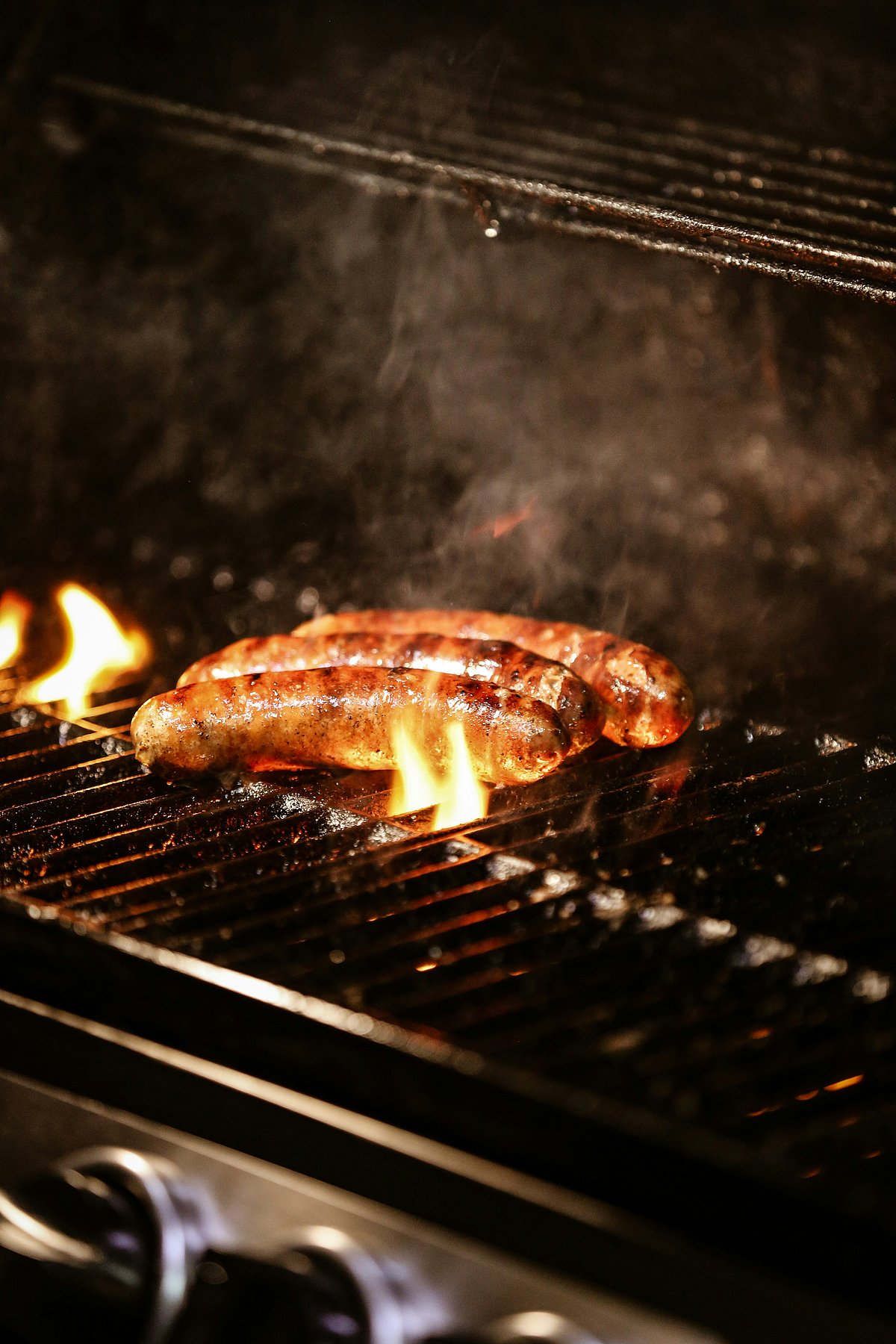
Grilled cumberland sausages |
In Turkey, sucuk (intensely seasoned with cumin, garlic, and sumac) is often fried alongside eggs for breakfast, its spicy aroma filling kitchens from Istanbul to Izmir. Eastern Europe, too, cherishes its sausages: Hungarian kolbász, deep red with paprika, and Romanian cârnați, traditionally made at Christmas, embody the region’s devotion to hearty, warming flavours.
In South America, sausages are the soul of the asado, the great communal barbecue. In Argentina, chorizo criollo sizzles on the parrilla before being tucked into crusty bread as choripán, the ultimate street snack. Brazil’s linguiça, sometimes brightened with citrus zest, brings tangy freshness to smoky churrascos. Even the Caribbean joins the conversation: Puerto Rico’s longaniza, spiced and coloured with annatto, offers a tropical twist on Iberian tradition.
Bound by Flavour
Each sausage tells a tale of its landscape, its livestock, and its people. The spices used hint at ancient trade routes; the curing techniques reveal climate and necessity. In some regions, sausages became feasting food. Veritable symbols of community and celebration. In others, they were born of hardship, designed to preserve every scrap of nourishment.
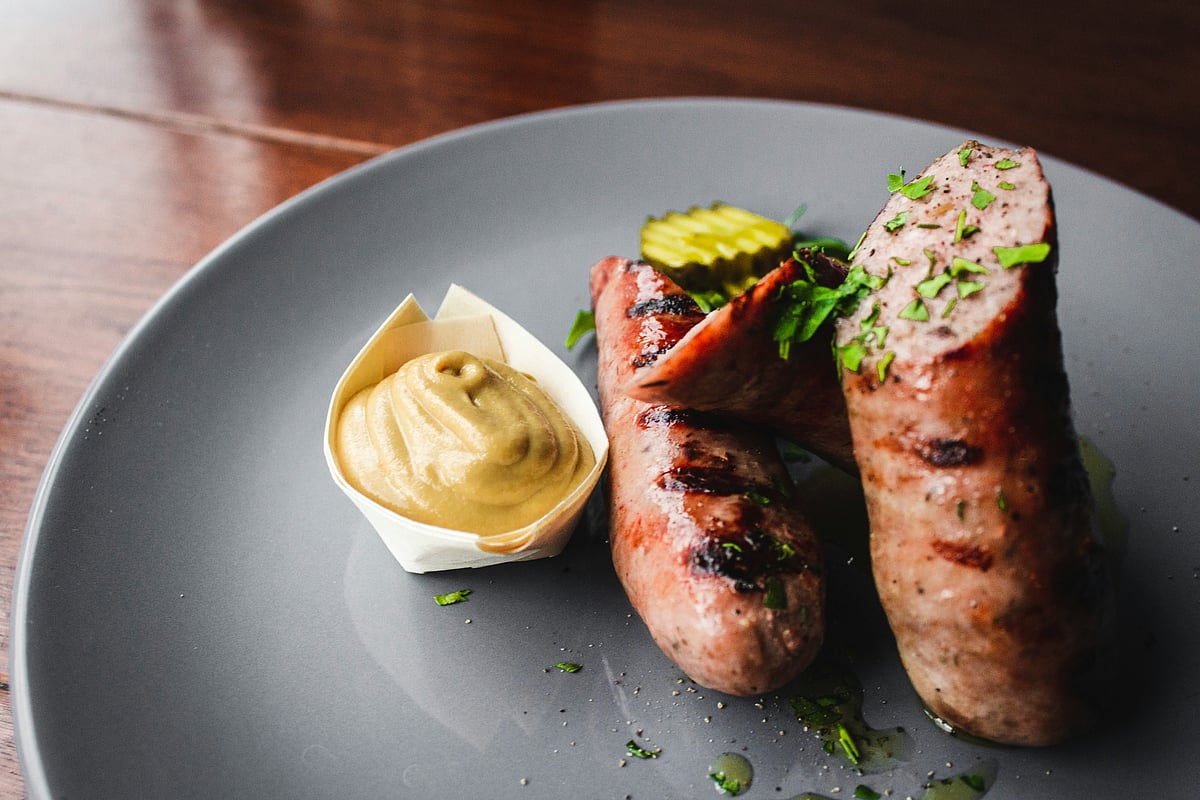
Leberwurst |
What makes the sausage truly remarkable is its universality. Across continents and centuries, it has taken on new shapes, new spices, and new meanings, yet remained fundamentally the same: a simple idea executed with endless creativity.
From the smoky grills of Berlin to the bustling markets of Marrakech, the steamy kitchens of Chiang Mai to the street stalls of Buenos Aires, the sausage endures as a shared comfort. All this, proof that humanity, no matter how diverse, is united by the love of something sizzling, aromatic, and satisfying.
The world, it seems, is linked not only by trade, migration, and history… but by the irresistible bond of sausages!


