










The Supreme Court has imposed a fine of ₹10 crore each on 10 private dental colleges in Rajasthan for admitting students who scored below the cut-off mark in NEET 2016-17.
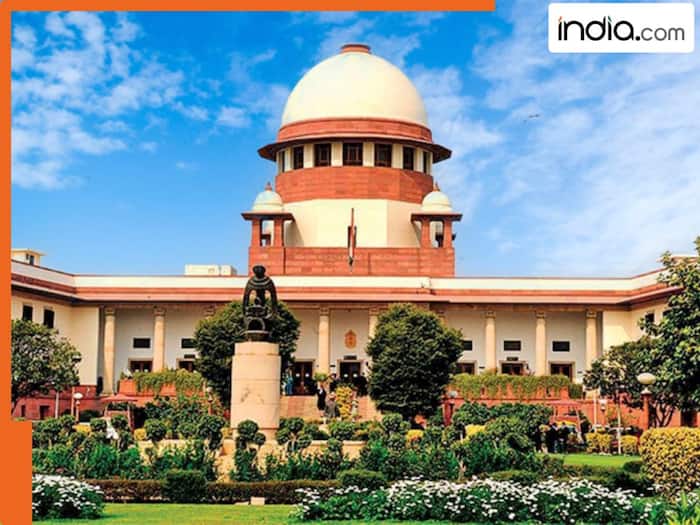
The Supreme Court has issued a landmark ruling, taking a tough stand against violations of regulations in medical and dental education. The court has imposed fines of ₹10 crore each on 10 private dental colleges in Rajasthan. These colleges admitted students who did not achieve the minimum required marks in NEET 2016-17, a clear violation of the regulations. The court has called this a direct compromise with the quality of education.
Blatant violation of NEET rules
The NEET exam is the sole basis for admission to medical and dental courses nationwide. Despite this, some private dental colleges in Rajasthan, in 2016-17, ignored the 2007 regulations and admitted students to BDS courses who did not meet the required eligibility criteria. This case was protracted in court, raising questions about the role of both the students and the colleges.
Strictness on colleges, state government also responsible

A bench of Justices J.K. Maheshwari and Vijay Bishnoi stated that the colleges in question deliberately violated the rules, requiring strict action against them. The court ordered that all 10 colleges deposit ₹10 crore each with the Rajasthan State Legal Services Authority. The Rajasthan government was also directed to deposit ₹10 lakh. The court also questioned the state government’s role, stating that the situation arose due to the unauthorised exemptions granted.
Use of the fine amount for the benefit of society
The Supreme Court clarified that the total amount of ₹100 crore collected from the colleges will be placed in fixed deposits. The interest earned will be used for the maintenance, upgradation, and improvement of One Stop Centers, Nari Niketans, old age homes, and child care institutions in Rajasthan. The court described this as a beneficial initiative for the vulnerable sections of society.
The court, exercising its special powers under Article 142 of the Constitution, regularized the degrees of students who had completed their studies despite receiving admissions through fraudulent means. However, the court clarified that this relief was subject to conditions. These students would have to submit an affidavit to the Rajasthan High Court stating that they would provide free services to the state government during disasters, epidemics, or other emergencies.
The Supreme Court has requested the Chief Justice of the Rajasthan High Court to constitute a committee of five judges, including at least one woman judge, to monitor the proper and effective use of interest earned on fixed deposits, ensuring that the money is spent for its intended purpose.
Court’s concern over the quality of education
In its decision, the court expressed deep concern over the declining standards of medical and dental education. The bench stated that such illegal admissions not only violate regulations but also raise questions about the quality of future doctors. The court clearly stated that strict action is necessary in such cases, so that no institution dares to violate these rules in the future.
Action will be taken against those who do not complete their degree within the stipulated time.
The Supreme Court also clarified that students who have not completed the BDS course after nine years will be expelled from the program. According to the 2007 regulations, a five-year degree must be completed within a maximum of nine years. The court stated that this rule cannot be relaxed.


