










Rambagh Palace — Royal Grandeur in Moonlight & Music
There are parties and there are soirées, but only some rarefied cultural extravaganzas stand out. One such gem orchestrated at the iconic Rambagh Palace Jaipur by the Taj Palace Hotels under the auspices of Puneet Chhatwal this weekend was a confluence of luxury, artistry, and nostalgia. This music festival ‘Ninaad’ had celebrities and friends fly in from all over the world to attend, and Rambagh was buzzing with colour and pageantry.
For centuries, Rambagh Palace has lived many lives — from a garden retreat in 1835 to a hunting lodge, to being transformed into India’s first luxury palace hotel. The Indo-Saracenic architecture, blending Rajput and Mughal motifs under the design hand of Samuel Swinton Jacob, continues to evoke in me happy memories of my childhood! Its historic magnificence and its place as the “Jewel of Jaipur” give it a stature only enhanced by the world-famous guests it attracts, which I’ve seen over the years . And this weekend, much of India’s royalty flew in to enjoy ‘Ninaad’ on one of the sprawling lawns from among the 47 acres of gardens, crowned by domes, carved stone balconies, jali screens and courts that felt as if the stories they hold came alive in my imagination as I sat there enjoying the music of Ayaan Ali Bangash and Amaan Ali Bangash.
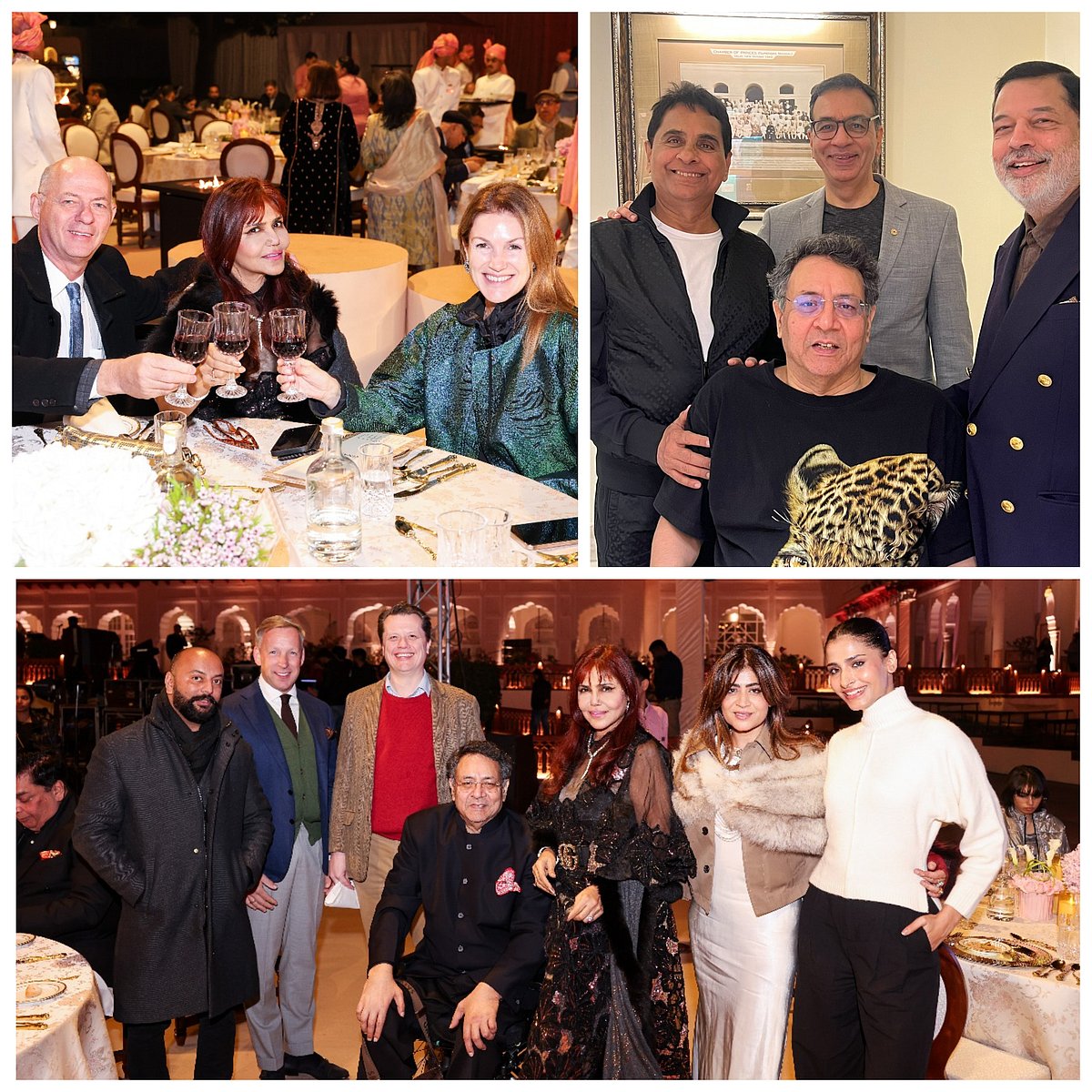
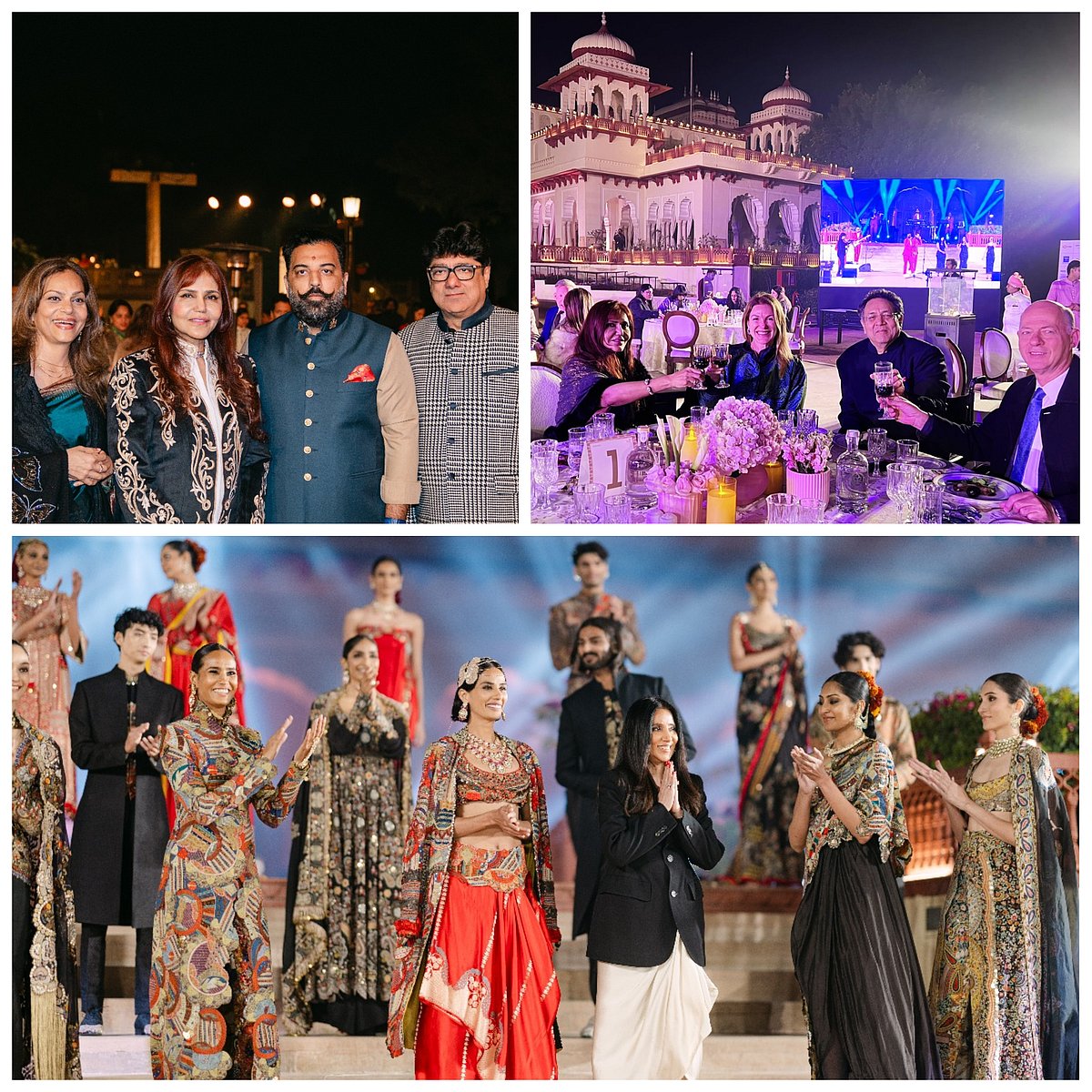
My association with Jaipur is long and nostalgic; ever since I designed the interior architecture of Jaipur Airport in the year 2000, Rambagh has been my home in the city. It keeps outdoing itself, each visit revealing a new layer of splendour. On day two of this destination music festival and celebration, the palace was transformed into a stage for a twilight spectacle: a luminous Anamika Khanna fashion presentation on a full-moon night, intertwined with live music and folk dance. Anamika’s showcase spoke in a visual dialogue between heritage textiles and hand-crafted techniques, where indigenous embroidered splendour met flowing, draped silhouettes that felt both rooted in tradition and attuned to contemporary elegance. The entire show of dance, music and fashion had the crowd enthralled — their harmonies floating across the royal lawns like threads, with models weaving an enchanting course through the round dinner tables that dotted the gardens.
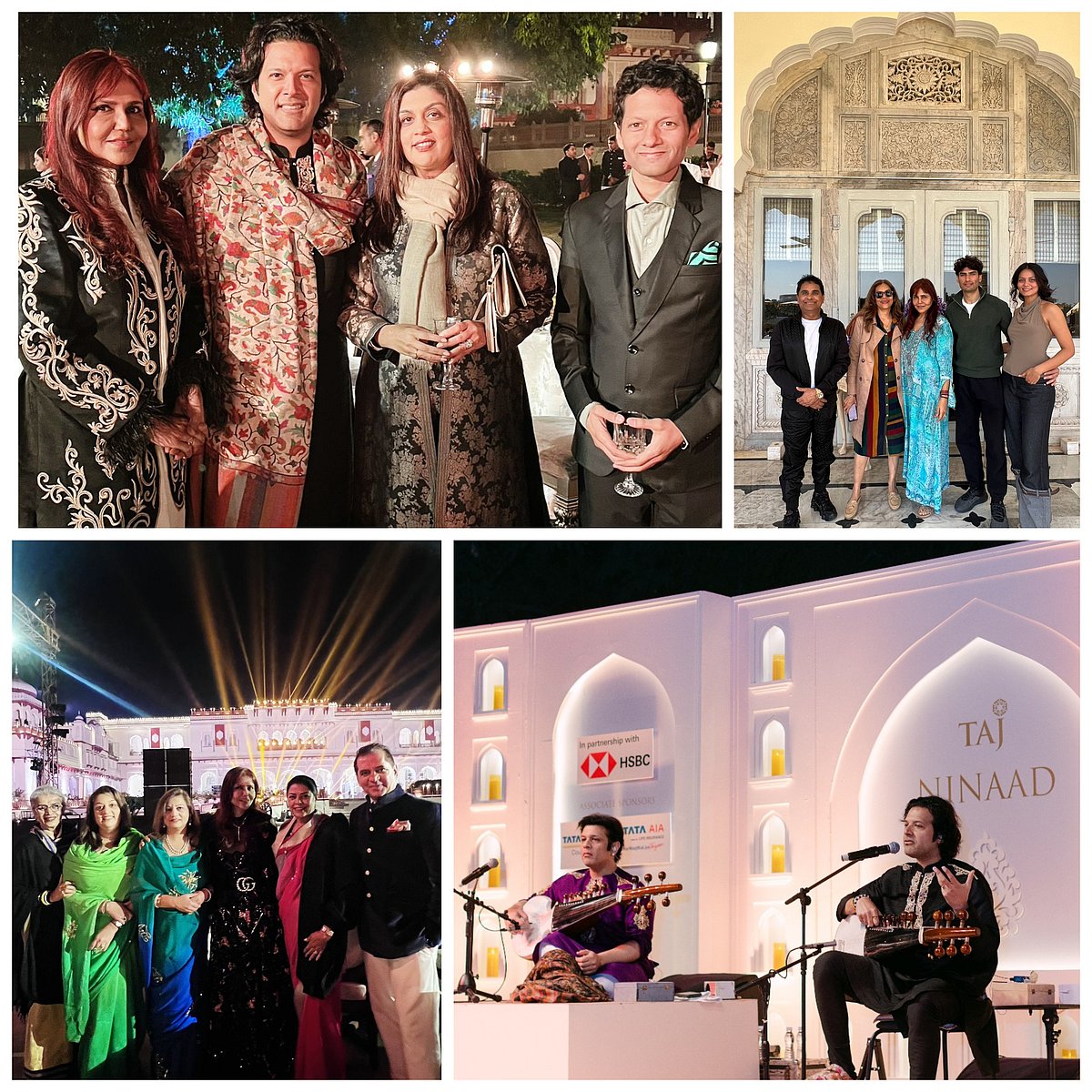
Through the entire show, a meticulously curated seven-course dinner by the Master Chefs of Rambagh Palace — celebrating flavours from across continents with Taj’s signature finesse — brought the evening to a refined crescendo. I just marvelled at how challenging this must be in the freezing night temperature of Rajasthan to feed a piping hot seven course dinner to some hundred and fifty guests.
Adding to the magnificent tapestry of conversations under the stars and a nearly full moon were Maharaja Lakshyaraaj Mewar, Tikka Shatrujit Singh, Prince Vijit Singh (whose home is originally the Rambagh), Prince Benny Singh, among others, stayed the entire weekend, enjoying the grandeur of the palace and the company of old friends over what felt like a generously languorous celebration. There was an intimacy in the gathering for me— one that bridged generations, histories and creative passions in equal measure.
Parveen Chander of IHCL framed Ninaad as a celebration of India’s living cultural legacy, thoughtfully curated to bring together heritage, fashion, music and cuisine in one immersive experience. The legacy of Rambagh as a stage for such cultural dialogues is now firmly a part of its modern identity, reverberating far beyond Jaipur’s storied Pink City.
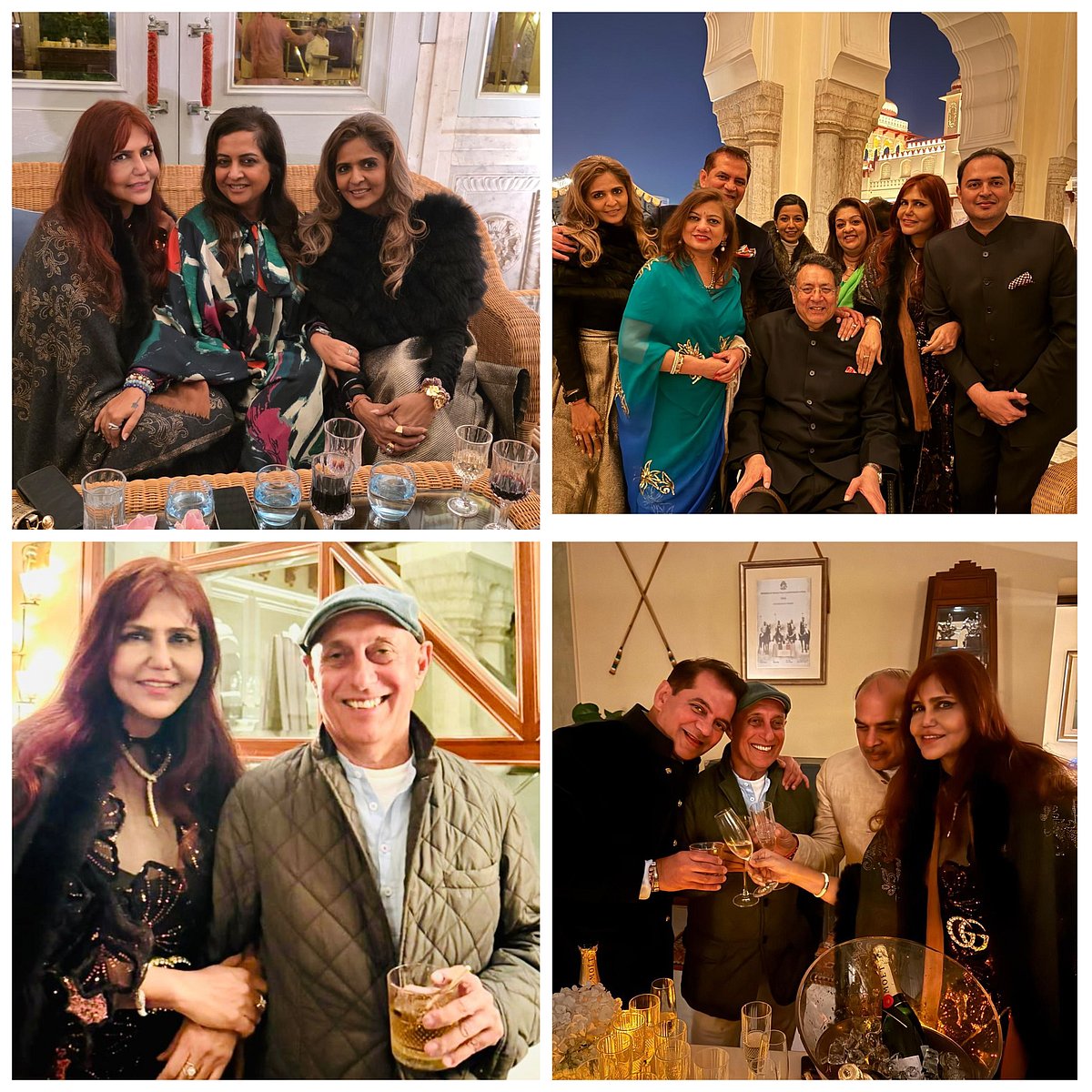
The grand finale for a select few friends who had flown into Jaipur for this weekend party was Prince Vijit Singh’s private birthday celebration. We toasted him into the wee hours of the morning at Rambagh’s elegant Polo Bar at the far end, where friends and family caught up over the chilled fruity champagne until the early hours. For me, this was truly special, having had a long friendship with him and his uncle Pat (Maharaja Prithviraj Singh) who collaborated with me when I designed the Jaipur Airport many years ago!
Vijit spoke fondly about his grandmother Princess Gayatri Devi and his even more magnificent great but lesser known grandmother Maharani Indira Devi of Cooch Behar, who was a stylish figure. He told me how she was the original pioneer of the use of French chiffon sarees and was known for her free independent spirit, much like her more famous daughter, Gayatri Devi. Vijit is understated and subtle in contrast but a very stylish graceful Prince. I enjoyed our chat!
Sequins & Stardust — Falguni Shane Peacock Light Up Jio World Plaza
I landed back splat-bang into Mumbai’s electric chaos straight into a grand Christmas celebration hosted by Shane and Falguni Peacock at Jio World Plaza. I must’ve come here four times this month — it’s become a cultural and fashion landmark in the city, where art, commerce and spectacle coalesce in an urban rhythm that feels so very Mumbai.
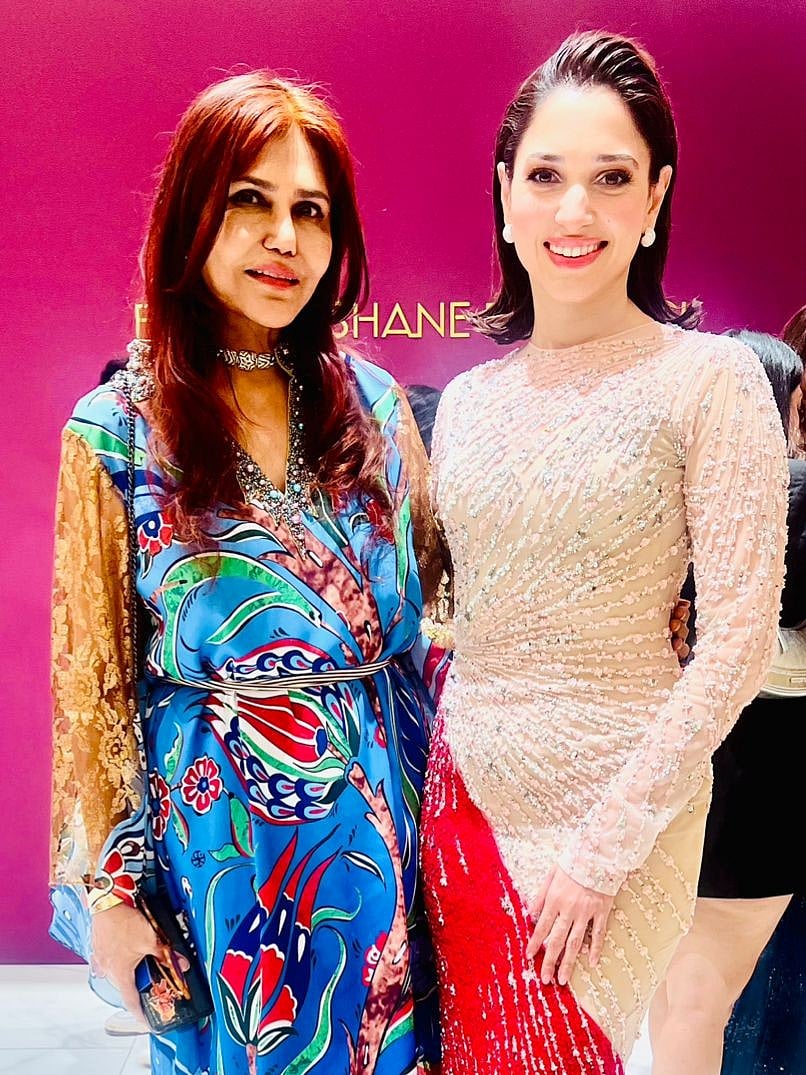

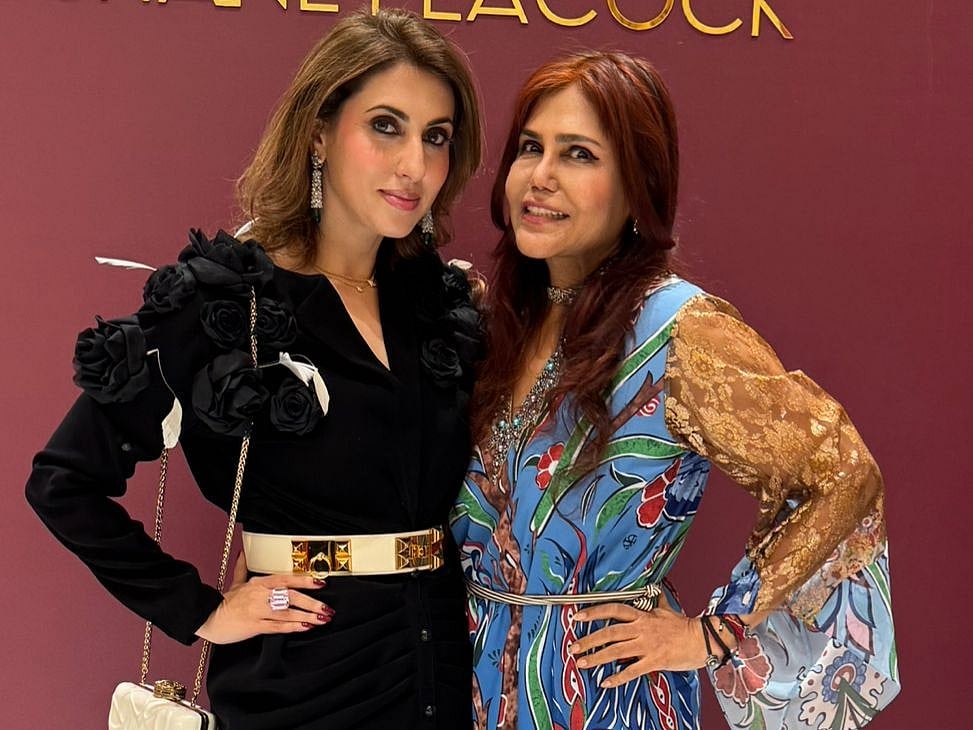
Launched by designer duo Falguni Peacock and Shane Peacock in 2004, this design house is quite the destination for occasion wear that blends flamboyance with glitz and glamour. And the crowd didn’t disappoint — guests shimmered in FSP’s high-octane sequins, a galaxy of sparkle befitting the festive season and the brand’s signature aesthetic. One could almost feel the electricity in the air as metallics and crystals caught the light and attention.
The spotlight belonged to Bollywood’s fashion-forward Karan Johar, ever the maestro of style, who strode in with his signature flamboyance. We discussed his love for Art and how he’s shifted homes to accommodate his love for art and design over the years. Bhumi Pednekar and Tamannaah Bhatia lit up the evening with slinky gowns that turned heads. I find them both different in their own way- challenging norms and not predictable in their choices! I enjoy their choices in the movies they pick to work in and I enjoy their feisty personalities. In fashion theatre — which, at times, feels like the most unpredictable show in town — Nora Fatehi paled in comparison.
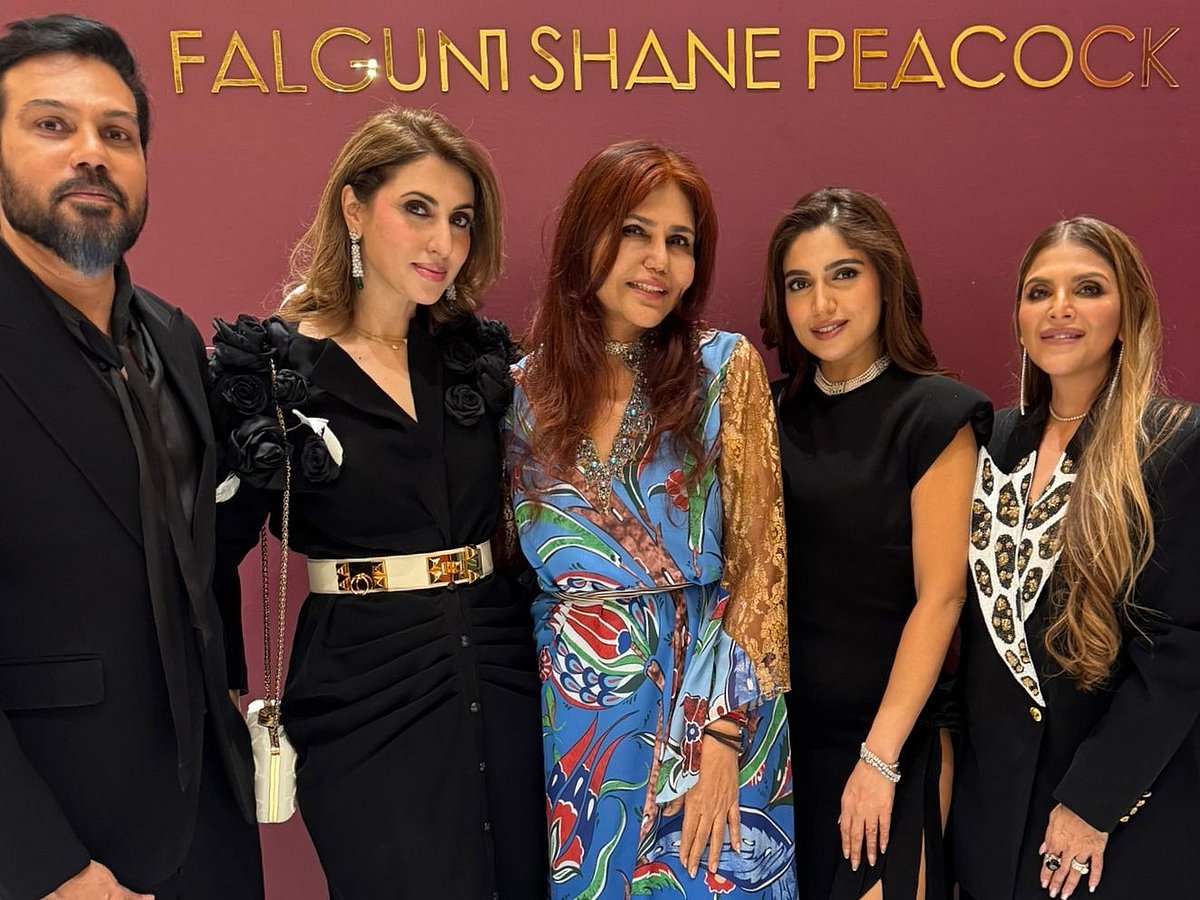
My presence was courtesy the host for the evening, Ekta Raheja. A mother of two and founder of Rosebox Multidesignhouse, she brought a supermodel arc to the gathering — commanding attention with an effortless blend of glamour and grace. I didn’t regret crossing the breadth of the city for the champagne cocktail, even though I’d been unsure to start with after taking the Shingles vaccine. It was one of those evenings where the crossover from downtown to Jio World Plaza felt like a celebration of style and support for ‘Make in India’ creative talent.
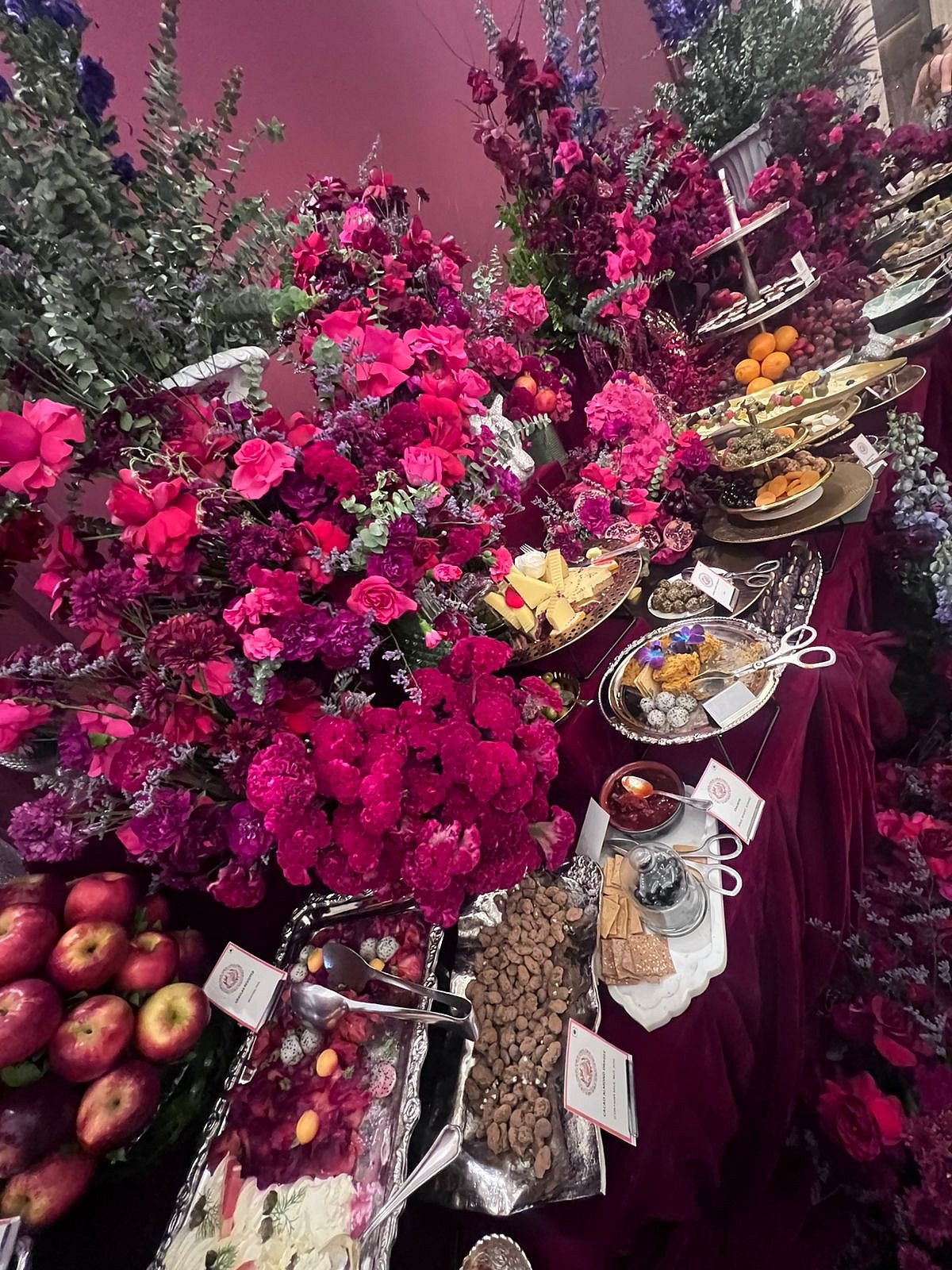
I must say that Jio World Plaza, which is a sprawling, mixed-use precinct in BKC, has fast become one of Mumbai’s go-to destinations for runway spectacles, brand cocktails, cultural showcases and festive events. Its glass facades and expansive interiors feel international and add a glamorous sheen to celebrations, making it a stunning backdrop for luxury holiday soirées. Something Neeta Ben (Ambani) had envisioned when she planner this mega plaza by the Ambani group! A true gift to the city!
Poonam Soni & Nawaz Modi Singhania’s Bejewelled Magic
Nearly twenty years ago, I had chatted with jewellery designer Poonam Soni about her jewellery foray for my column — on her bed over tea and chickpea chilas. She’s been a pioneer in India’s jewellery design landscape since 1989 and founded her signature line from her home, working her way into what is today a strong brand. As she hosted an intimate preview this week, it felt like I was seeing jewellery evolve into storytelling.
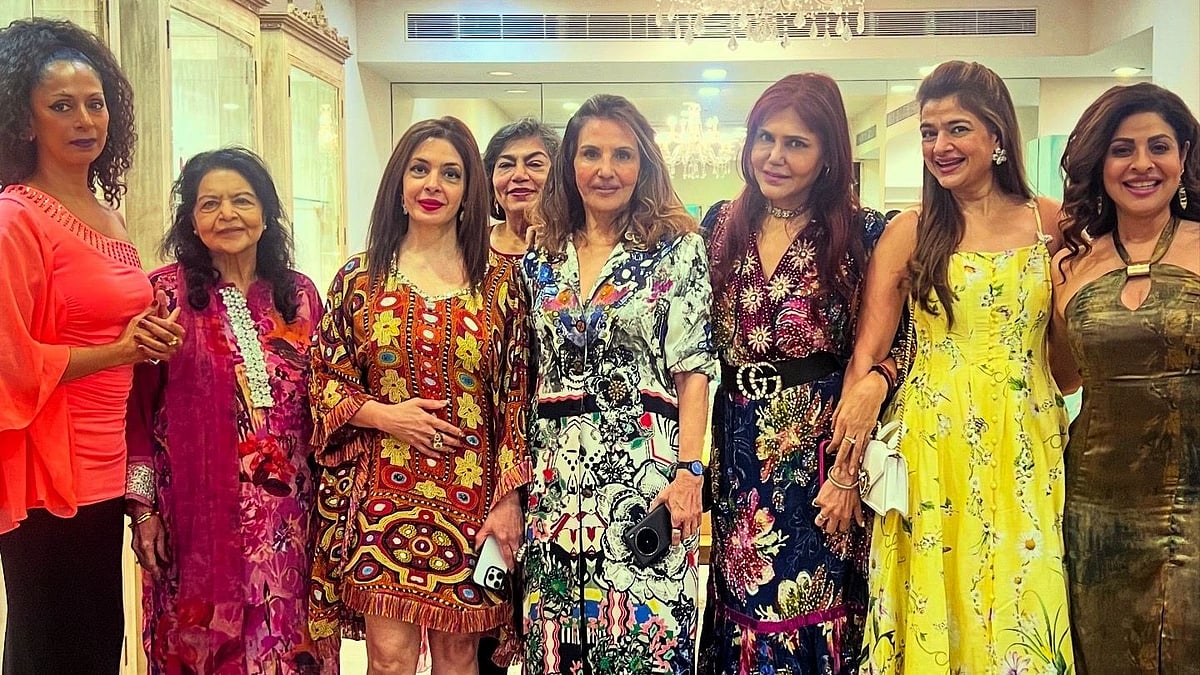
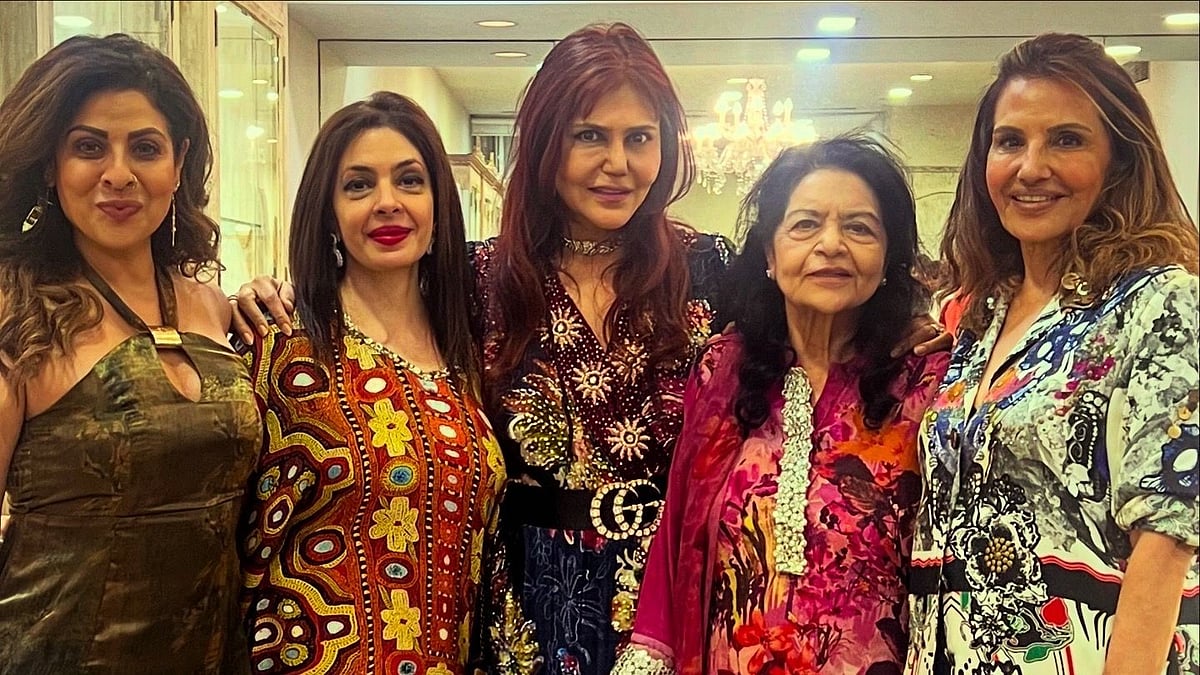
Poonam’s journey from creating jewellery in her bedroom to the atelier that redefined bespoke Indian jewellery has been both pioneering and poetic. In the late ’90s, when I had just returned to live in India, I had ordered a stunning diamond choker at her Altamount Road boutique. Until this day, it is a statement piece which is timeless — a signal that Indian craftsmanship could command global attention.
This week, in collaboration with artist Nawaz Modi Singhania, the evening unveiled the extraordinary creation known as the Brace-Watch — an artistic fusion of wearable art and luxury timepiece. The Brace-Watch is more than an accessory; it is a dialogue between miniature painting and jewellery detailing. Tiny, hand-painted discs depict big cats such as tigers and jaguars, nestled within stacked baguette-cut precious stones in rich palettes of ruby, emerald and cobalt. Each piece represents months of craftsmanship to achieve a layered yet delicately framed luminous piece.
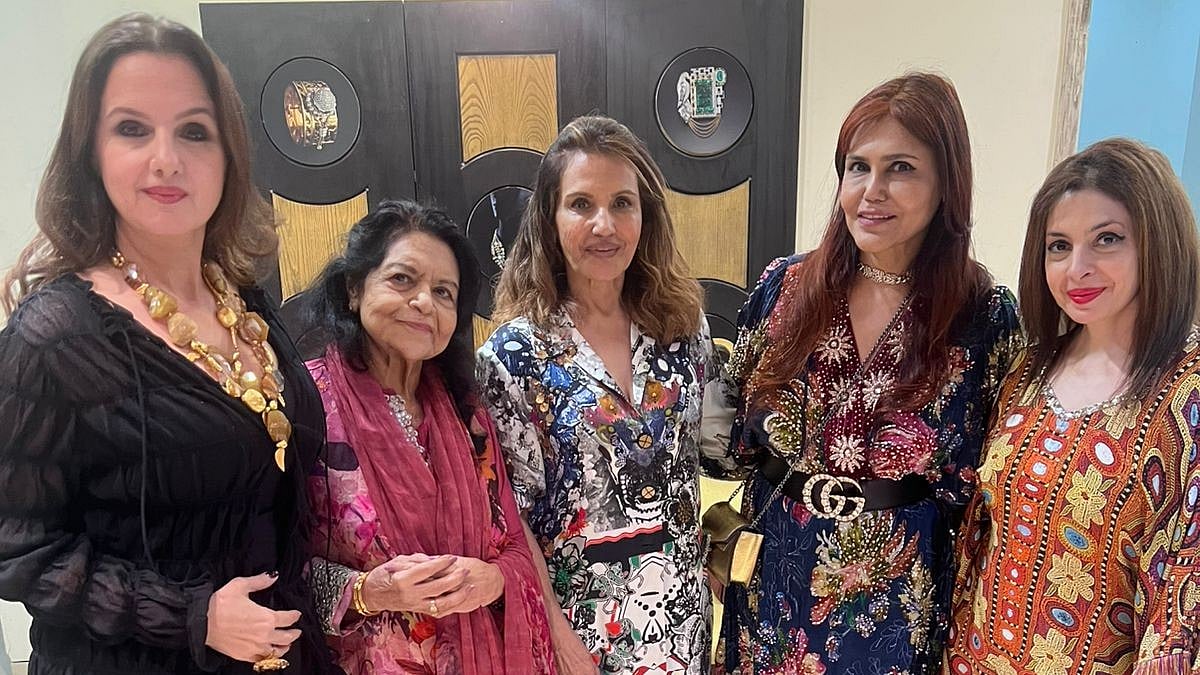
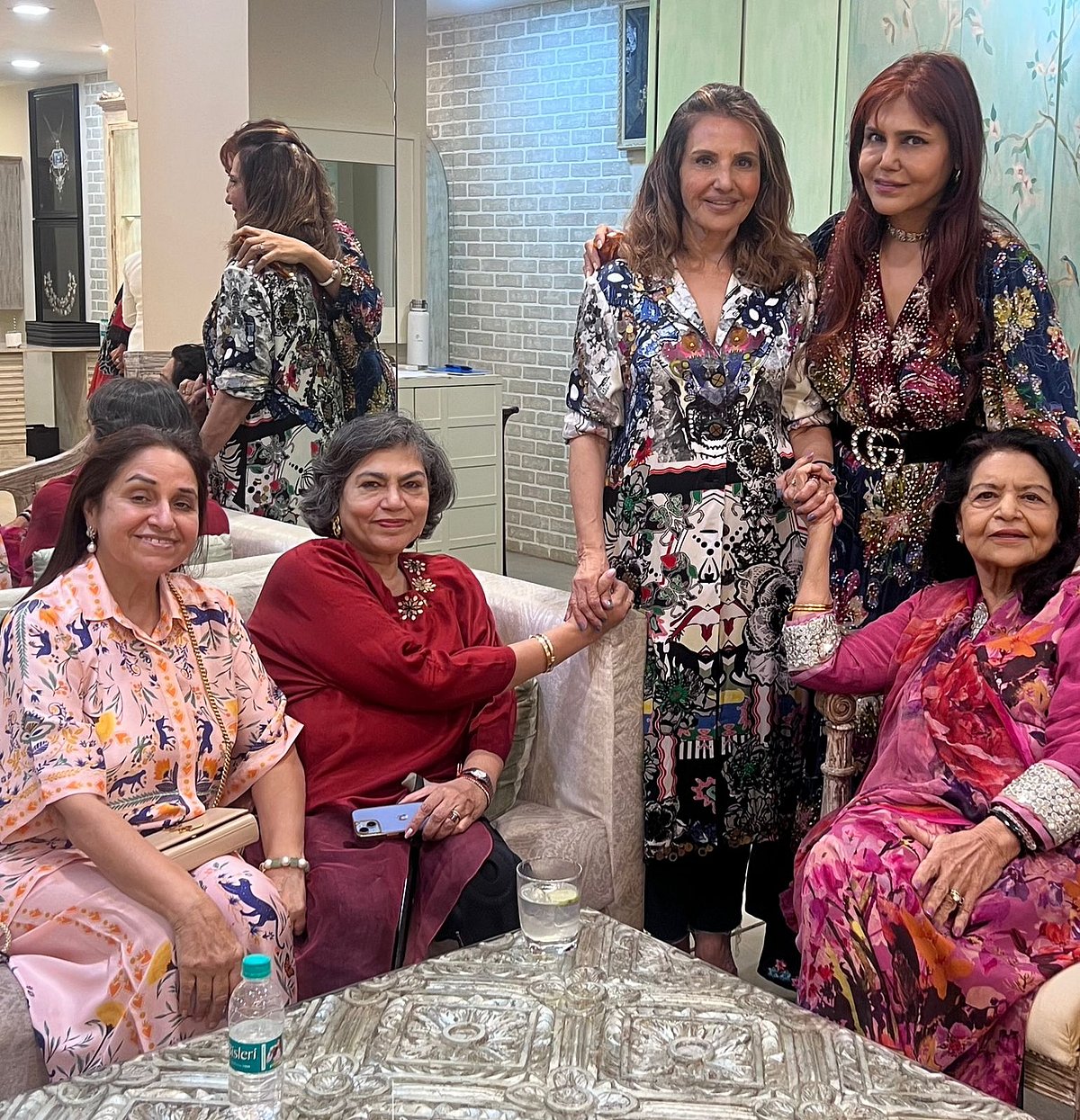
The collaboration between Poonam and Nawaz has roots going back over a decade, when they first blended colourful miniatures with sculptural cuffs and sautoirs. That launch party at the Grand Maratha Hotel seems like yesterday — when I had worn one of the pieces for the evening.
The preview was a warm and art-infused evening attended by friends like actors Dalip Tahil, Tanaaz Irani, and singer Shweta Shetty, alongside long-time friends and collectors who enjoyed fine wine with an expansive grazing table. It was the sort of evening where design becomes the subject for dialogue — about aesthetics, legacy and craft. And I do believe that jewellery and couture can be art without compromise — narrative, evocative, wholly alive. Jewellery, when imagined with spirit and intent, ceases to be ornamentation; it becomes a living artefact — and I’ve often spoken about this at many design symposiums.
A City in Flux — Sidharth Bhatia’s Mumbai: A Million Islands
Founder-Editor of The Wire and veteran journalist Sidharth Bhatia, who is also a close friend, unveiled his much-talked-about book Mumbai: A Million Islands — a work he describes as an attempt to trace the city’s blistering transformation and “to see what the human cost of that is.”
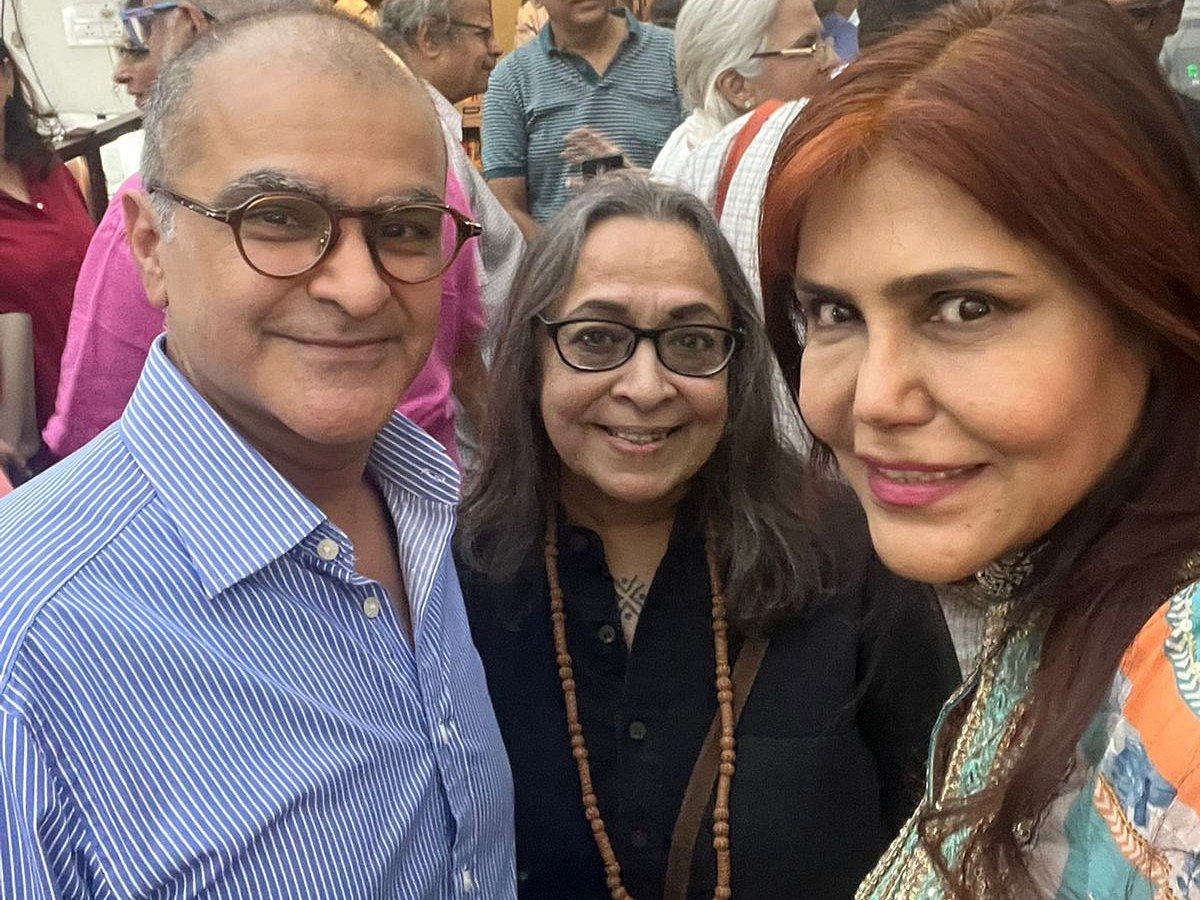
The cosmopolitan mythos of Mumbai — its crashing waves, its dissonant rhythms, its relentless hustle — is not being rewritten; it is being fragmented into countless socio-spatial microcosms, in Bhatia’s view — each with its own access to opportunity, mobility and memory. Bhatia’s book uses the historical moment when the East India Company merged seven disparate islands into Bombay as a powerful metaphor: a city once defined by unification is, according to him, being unmade through erasure, displacement and unequal development.
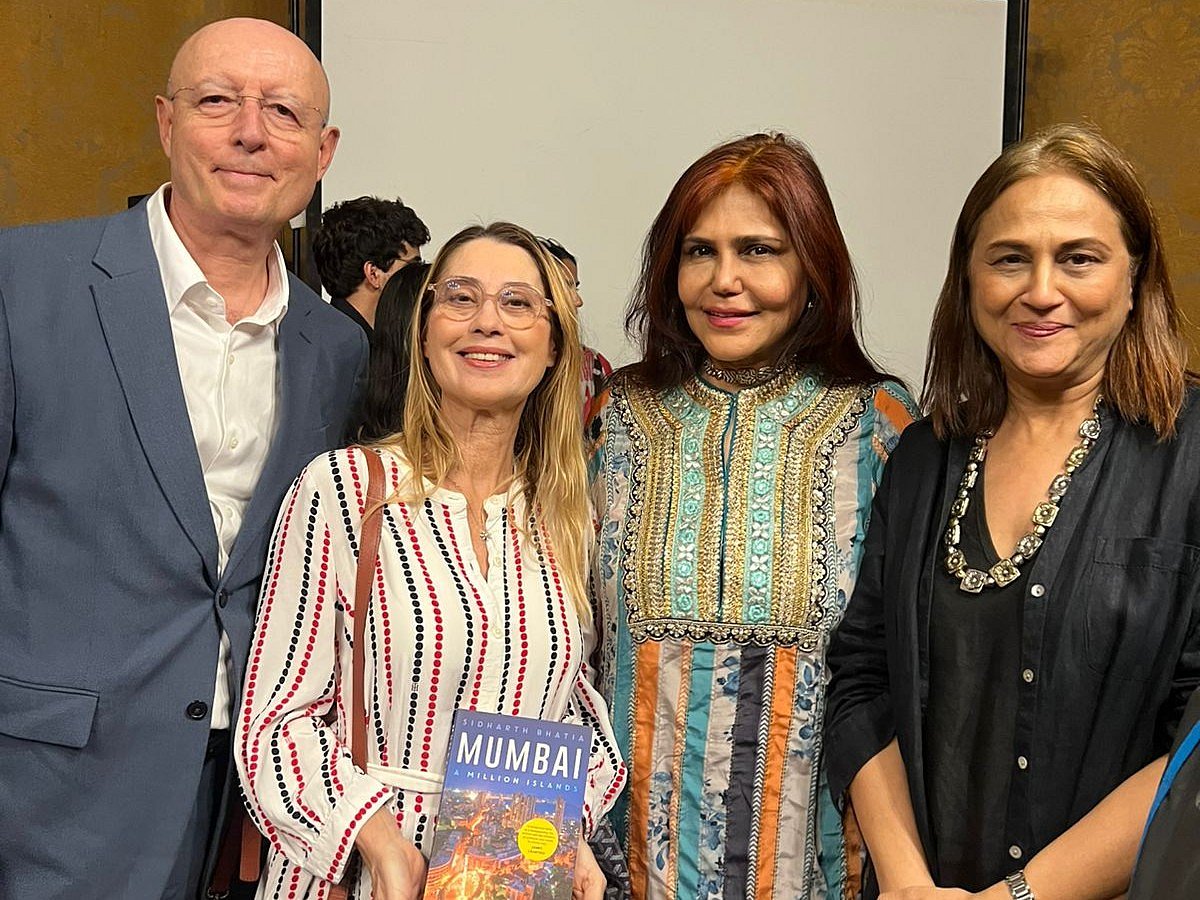
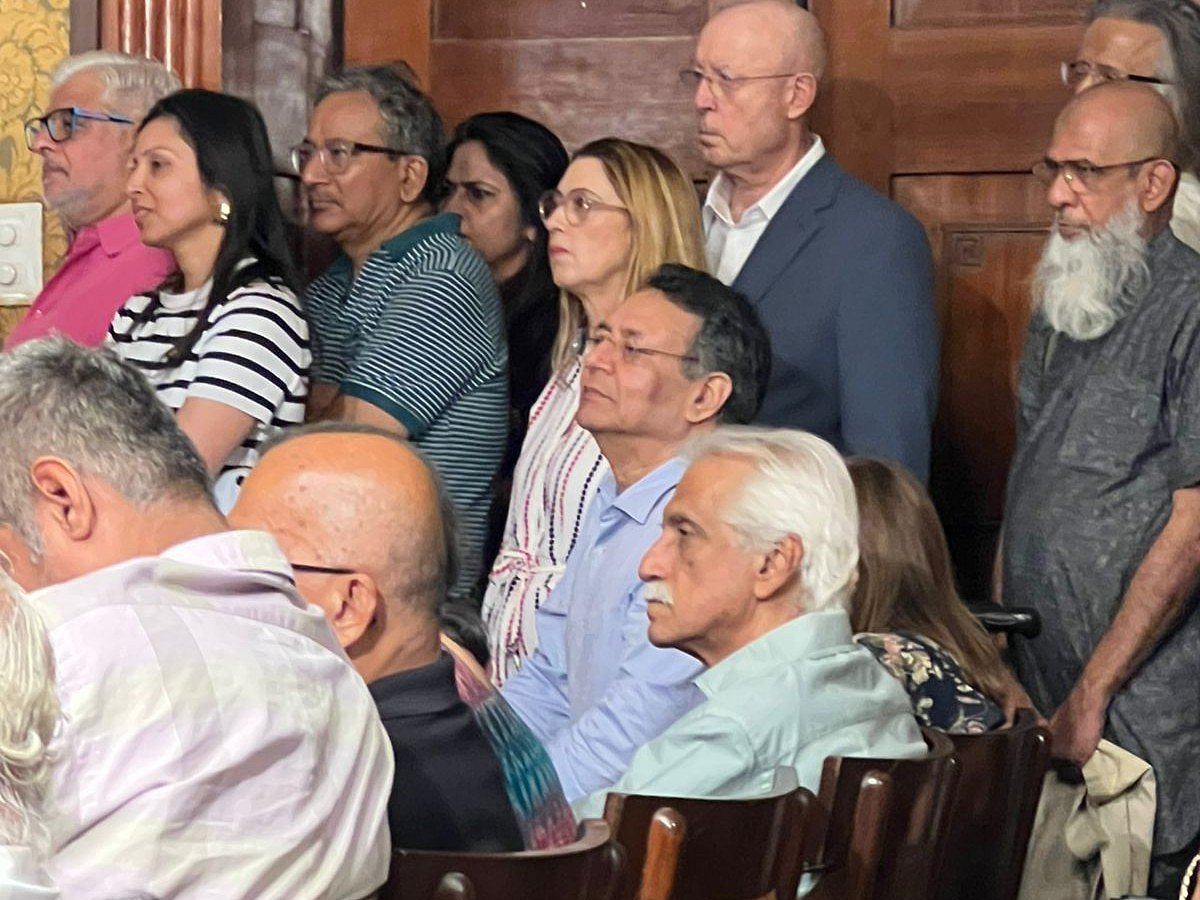
I reached the Asiatic Library exactly at 6:30 pm, as mentioned on the invite sent so warmly by his lovely spouse and my friend Almona. To reach on time is a rare feat for me — only to find the magnificent dome room overflowing, with guests sitting on the floor and literally on top of each other. This reaction speaks volumes about how deeply Mumbaikars feel for The Wire and its founder. Conversations with Bhatia during the event were less about policy and more about identity — about what it means to belong to a city that both gives and takes with an uncompromising ferocity.
In the book, Bhatia doesn’t just chart physical evolution; he maps what he feels is an erasure of memory. He speaks about the way communities are severed by projects that claim progress but deliver displacement. Slums vanish overnight for luxury towers priced in the tens of crores; working-class families find themselves relocated to distant housing complexes lacking infrastructure, reliable transport or sanitation; informal livelihoods vanish under the slick promise of gated developments. I may or may not agree — that conversation is for another time! But the discussions were mentally stimulating and sparked debate within me. As an architect who studied in Los Angeles, I’ve always longed for international-class facilities and not wanted to be known as a third-world country.
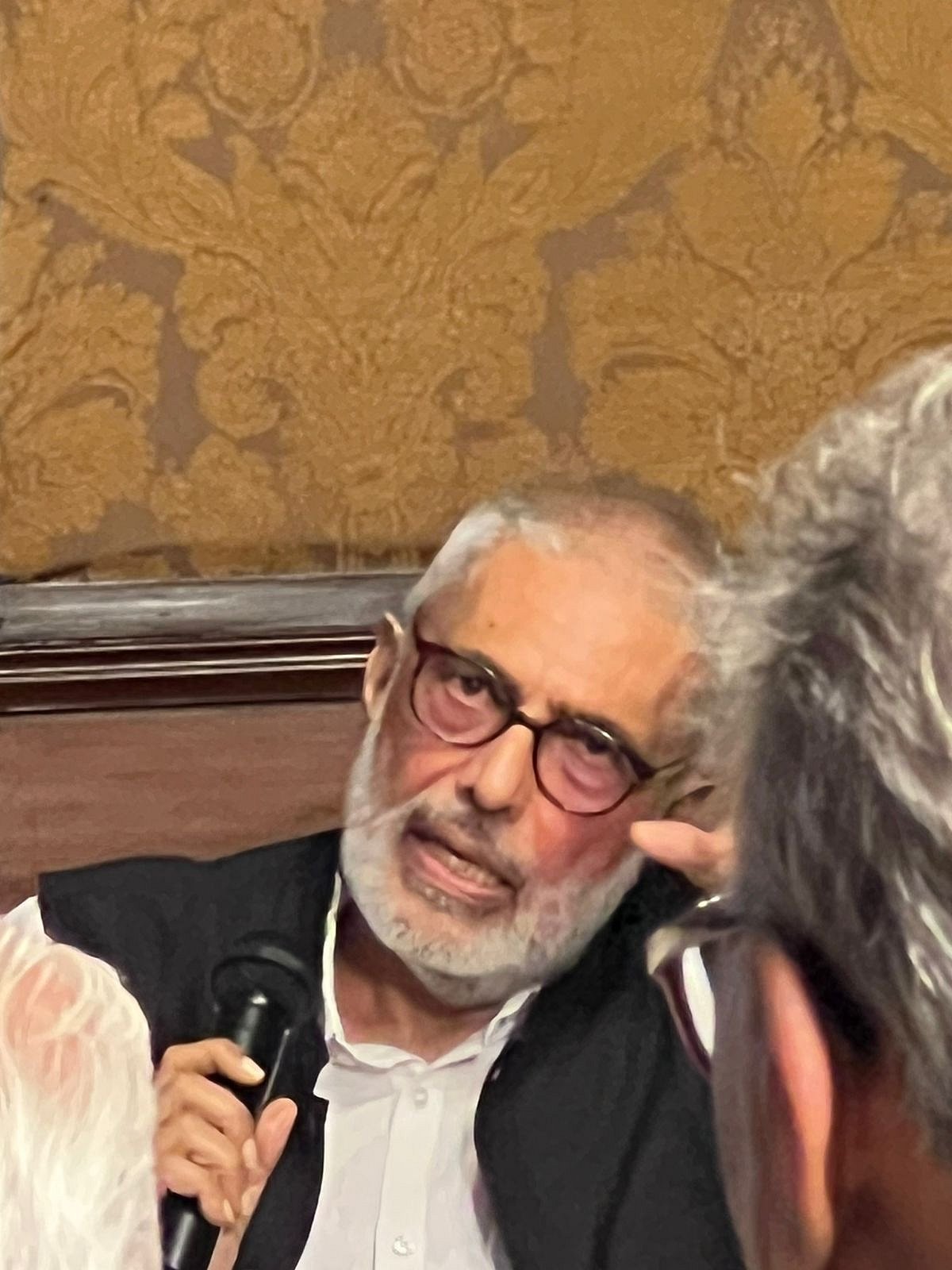
Sid paints a city that is as much lived through its edges — the margins, the forgotten corners, the fissures between neighbourhoods — as it is through its iconic landmarks. In this vein, Mumbai: A Million Islands becomes a commentary on belonging, memory, ambition and loss: a time capsule that reflects his views on how fast a city can change — and how easily its histories can be forgotten.
(Write to Nisha JamVwal at Indiaphenix@gmail.com)


