










While the Trump tariffs are designed to punish India economically for continuing its trade ties with Russia, especially the purchase of Russian oil, the heavy import duty is likely to impact US consumers.
Trump tariffs: The 50 percent tariffs imposed on Indian exports by US President Donald came into effect on Wednesday (August 25), with US Department of Homeland Security has confirmed that the new tariff rates will be applicable to any Indian goods “entered for consumption or withdrawn from warehouse for consumption” on or after August 25, 2025.
But, while the Trump tariffs are designed to punish India economically for continuing its trade ties with Russia, especially the purchase of Russian oil, the heavy import duty is likely to impact US consumers just as hard, if not more, experts have suggested.
Why Trump tariffs could impact American consumers?
According to experts, higher import duties on Indian goods would result in a steep price rise across a wide range of everyday items in the US market, as sellers are likely to pass on the higher import cost on to the consumer to earn a profit or in some cases to break even. US is already juggling high inflation, and steeper tariffs on Indian goods are likely worsen the crisis, making it harder for the Federal Reserve to ease pressure without risking a fresh price hike.
India exports a range of goods to the US, including auto parts, IT hardware, textiles, and industrial chemicals, that are widely used in US manufacturing and retail. Thus, higher tariffs on these items would translate to increased manufacturing cost for US goods and higher prices for retail goods imported from India.

How Trump tariffs could hit US healthcare?
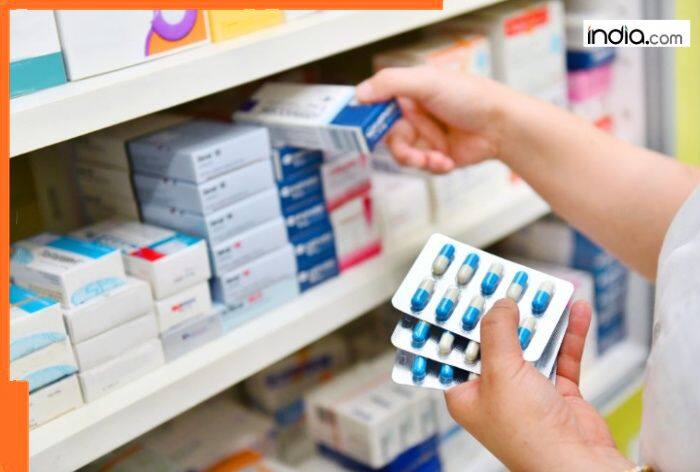
While Donald Trump has exempted the pharma sector from the latest round of tariffs, the threat of higher levy looms over the sector as the US President has threatened the possibility in recent statements. Additionally, the Trump administration could introduce regulations to pressure US pharma companies to shift supply chains.
India, which has emerged as a pharmaceutical powerhouse, supplies about 40 percent of total generic drugs to the US, and drug prices will skyrocket in the country if the tariff exemption on the Pharma sector is removed or shrunk.
Such a scenario would also lead to strained insurance payouts, Medicare spending, and hospital procurement, experts say, adding that the potential risk of higher tariffs is already affecting procurement strategies, resulting in costlier and slower access to critical medications.
HIGHLIGHTS
- The heavy tariffs on Indian goods are likely to impact US consumers due to expected price rise.
- The tariffs are also expected to impact US’ healthcare sector as drug prices will skyrocket if exemption is removed.
- India supplies about 40 percent of total generic drugs to the United States.
- The 50 percent tariffs imposed on Indian goods by the Trump administration came into effect on Wednesday.
Earlier this month, Donald Trump signed an executive order imposing an additional 25 percent tariffs on Indian goods, raising the total levy to 50%. The US President called the additional tariffs on India as a “punishment” for purchasing Russian oil and weapons, as he accused New Delhi of “funding” Moscow’s war on Ukraine.


