










To deal with the sharp rise in winter air pollution, the Commission for Air Quality Management has enforced Stage IV of the Graded Response Action Plan (GRAP) in Delhi and the NCR. These strict steps
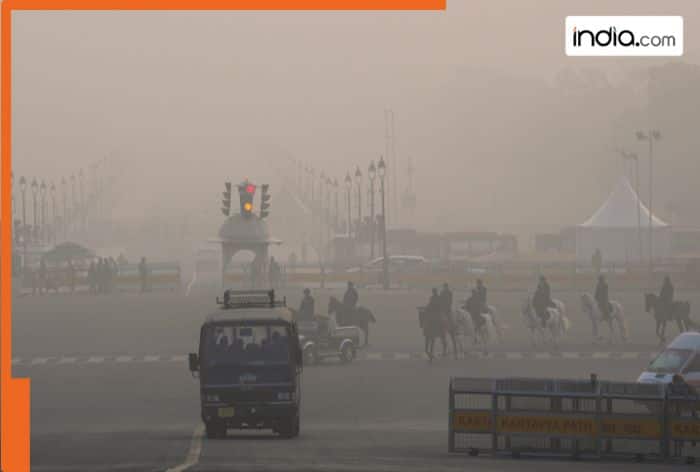
To deal with the sharp rise in winter air pollution, the Commission for Air Quality Management has enforced Stage IV of the Graded Response Action Plan (GRAP) in Delhi and the NCR. These strict steps will start from Thursday and include measures like working from home and checking Pollution Under Control (PUC) certificates for vehicles.
Even though GRAP Stage IV brings tough restrictions, some services will continue as usual. According to a report by news agency PTI, emergency and essential services will not be disturbed.
The Delhi government has clearly said that ambulances, fire engines, police vehicles and other emergency response vehicles running on petrol or CNG are fully exempt from these curbs. An official notice stated that these vehicles will keep operating normally so that public safety, medical help and emergency services are not affected.
Who is exempt from Delhi’s anti-pollution rules?
- Emergency vehicles such as ambulances, fire tenders and police vehicles
- Frontline workers, including hospital staff, people working to control air pollution, fire department staff and other essential service workers
These groups do not need to follow the work-from-home rule and can continue their duties without restrictions.

New rules in Delhi amid GRAP-4
50% staff allowed in offices: The Delhi government has ordered private offices in the city to run with only half their staff at the workplace. This rule was announced on Wednesday, December 17. Only 50% of employees can come to office, while the rest must work from home because of very poor air quality.
However, this rule does not apply to some essential services. Offices related to hospitals, transport, cleanliness, and emergency services are allowed to function normally.
Only BS-VI vehicles can enter Delhi: On December 16, the Delhi government announced that vehicles coming from outside Delhi will be allowed to enter the city only if they meet the BS-VI emission standard. Delhi minister Manjinder Singh Sirsa said these rules will start from Thursday, December 18, and not from Tuesday as earlier planned.
No fuel without a valid PUC certificate: From December 18, vehicles without a valid Pollution Under Control (PUC) certificate will not get fuel at petrol pumps in Delhi. Sirsa said vehicle owners were given one day to follow the rule. After that, petrol and diesel will not be given to vehicles that do not have a valid PUC.
To enforce this, authorities will use automatic number plate cameras and conduct physical checks on the ground to confirm both the PUC status and emission level of vehicles.
Schools closed for young children: On Monday, the Delhi government announced that schools will remain closed for students from nursery to Class 5. Earlier, parents could choose between sending their children to school or opting for online classes. That choice is no longer available, and all classes for these students will be held online. For students in Classes 6 to 9 and Class 11, schools will follow a hybrid system, which means students can attend classes online instead of coming to school.
Construction work completely stopped: All construction and demolition work across Delhi has been banned. This includes even large public projects like highways, roads, flyovers, power lines, pipelines and telecom work. These activities were allowed during earlier pollution stages, but are now fully stopped due to worsening air quality.
Coal and firewood tandoors banned: The Delhi Pollution Control Committee has ordered restaurants and food outlets to stop using tandoors that run on coal or firewood. Eating places are now allowed to use only electric or gas-based tandoors. The order clearly states that this rule must be followed strictly, with no exceptions.


