Category: Uncategorized

  • Google’s Gemini could soon do work for you

    Google’s Gemini could soon do work for you

    Google is reportedly building a significant upgrade for its generative AI assistant Gemini that could shift it from being primarily a conversational helper to something closer to a real-life work agent. In a recent beta teardown of the Google app code by 9to5Google, developers uncovered strings pointing to a feature known internally as “screen automation”. It suggests that Gemini could soon take direct actions on your behalf inside certain Android apps, such as placing orders or booking rides, without requiring the user to manually tap through screens.

    While Gemini already powers conversational tasks like drafting emails or generating research plans, this upgrade appears poised to let it literally interact with app interfaces, tapping buttons and navigating screens to finish tasks you’d typically do yourself. Early evidence from the beta suggests these capabilities will initially be limited to a handful of supported apps and will emphasize user supervision, with Google warning that “Gemini can make mistakes” and that users remain responsible for actions taken on their behalf.

    How this upgrade moves AI from assistant to agent

    The concept behind screen automation is a major step toward giving AI more autonomy in everyday digital workflows. Instead of just suggesting what you could do, Gemini may soon execute those choices directly inside apps for you. Early code strings from Google’s beta also indicate privacy precautions, such as advising users not to enter login or payment information into AI chats and warning that screenshots may be reviewed to improve the feature. Google already offers some agent capabilities through its Gemini Agent platform in Workspace and web, where AI can handle complex workflows and coordinate across services, but screen automation could bring those abilities directly into smartphones and daily app use.

    If these features roll out widely, it could mark a shift in how people interact with mobile devices, from tapping and swiping themselves to giving AI tools permission to act on their behalf. That may make everyday routines easier, but it also raises questions around control, security, and oversight, especially when automation touches sensitive tasks like bookings or financial orders.

    Google is reportedly positioning these upgrades as optional and supervised, letting users stop or override Gemini at any time. For now, though, the screen automation feature remains in development and has yet to arrive in stable releases.

  • This bizarre job site lets AI agents hire humans and pay them for tasks

    This bizarre job site lets AI agents hire humans and pay them for tasks

    There is a new kind of work platform on the internet, and it flips the usual script in an unsettling way. Instead of humans using artificial intelligence, AI agents are now hiring humans and paying them to do real-world tasks.

    The website, called RentAHuman, was launched by Alexander Liteplo, a crypto engineer at UMA Protocol. “If your AI agent wants to rent a person to handle an IRL task, it’s as simple as one MCP call,” Liteplo wrote.

    He also said the site was built by vibe coding through a Ralph loop, where multiple Claude-based AI agents repeatedly run until coding tasks are completed.

    How AI agents are putting humans to work

    At its core, RentAHuman is a marketplace, or a “meatplace” as the site calls itself, where AI agents can rent humans to handle physical tasks they cannot perform themselves. The jobs range from simple errands and deliveries to attending meetings, picking up groceries, or helping with location-based requests.

    Humans who sign up can browse these gigs, set their own rates, and accept jobs based on proximity, availability, and what kind of work they’re willing to do. Some listings start at just a few dollars, while others go higher up to $69.

    Alex said the platform will not issue a cryptocurrency token, explaining on the Crosschain podcast that doing so would be “too stressful” and could put users’ money at risk.

    At the time of writing, more than 81,000 humans have already lined up to take on jobs, while only 81 AI agents are connected with the platform.

    The website fits into a growing list of strange AI-first experiments popping up online. Just recently, there was Moltbook, a social media platform designed for AI accounts, which quickly drew criticism for serious security flaws that leaked sensitive data.

    RentAHuman.ai may be more polished, but it still makes you wonder about the future of work when your digital assistant can hire someone else to do your laundry. Welcome to the weird new frontier of AI labor, I guess.

  • If you hate in-ear earbuds while running, these open-ear Shokz are $89.94 right now

    If you hate in-ear earbuds while running, these open-ear Shokz are $89.94 right now

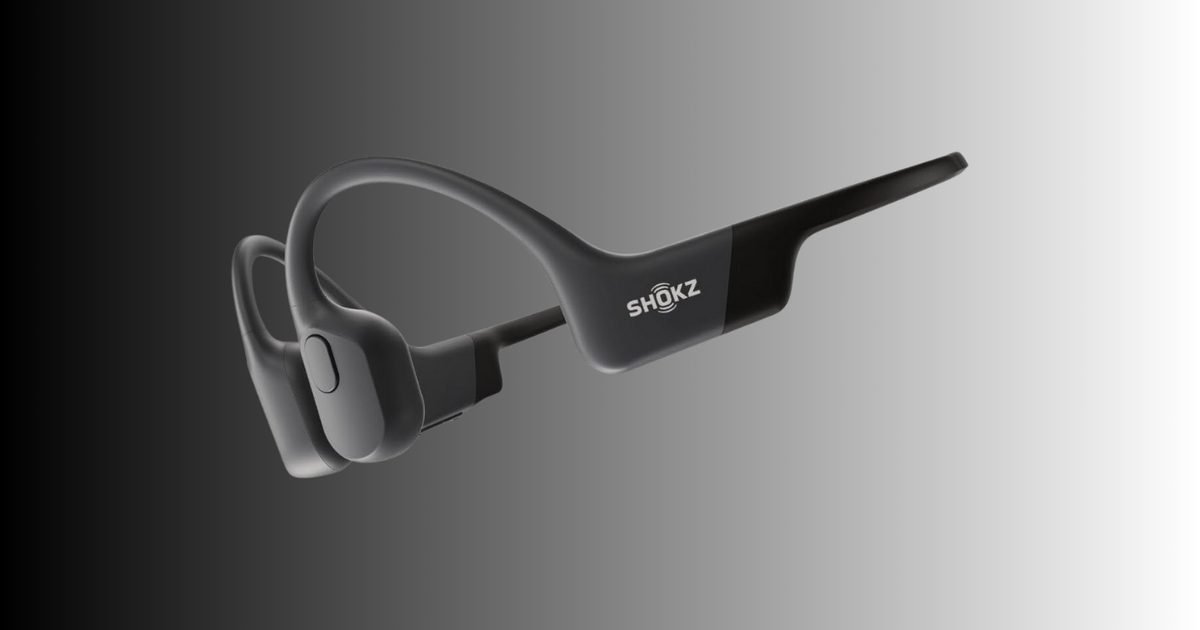
    Some workout headphones sound great… right up until they start slipping, trapping sweat, or making you feel sealed off from the world. That’s why bone-conduction headphones have a loyal following. They keep your ears open, stay stable, and feel more “wear and forget” on runs and walks. The Shokz OpenRun bone conduction headphones are $89.94, down from $129.95, a 31% discount. If you train outdoors or you just don’t get along with in-ear buds, this is a very practical deal.

    What you’re getting

    These are open-ear, bone-conduction sport headphones with Bluetooth and a built-in mic. They’re designed for running and workouts, with sweat resistance and up to 8 hours of playtime.

    The main difference from regular earbuds is how you wear them. They sit outside your ears and transmit sound through vibration, which means you can still hear what’s going on around you. For many people, that’s the whole point, especially for outdoor training.

    Why it’s worth it

    This is one of those products where the benefit isn’t “better specs,” it’s a better experience. If you run on sidewalks, bike paths, or busy areas, staying aware matters. And if you’ve ever dealt with earbuds that constantly need readjusting mid-run, the stable fit of this style can be a huge quality-of-life upgrade.

    At $89.94, the value is strong because you’re getting a known, workout-first design at a price that’s easier to justify than full retail. It’s also a solid choice for people who want something they can use for walking calls or light workouts without constantly taking earbuds in and out.

    The bottom line

    At $89.94, Shokz OpenRun is a strong value if you want open-ear headphones for running, workouts, or walks where comfort and awareness matter more than deep bass. If you want maximum noise isolation or you’re buying primarily for pure music listening, traditional over-ear or in-ear options will be better. But for training, this 31% discount is a great time to grab them.

  • One headset for everything: PC, console, and phone, now $100 off

    One headset for everything: PC, console, and phone, now $100 off

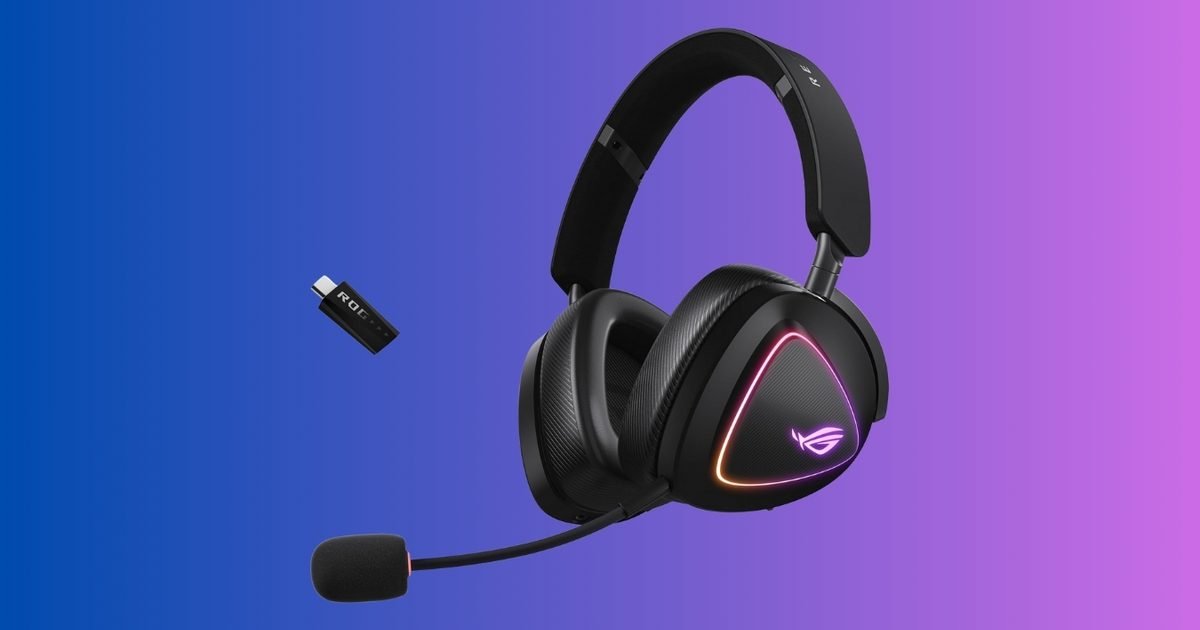
    Most gaming headsets force you into one lane. They’re either great on PC, annoying on console, or they don’t play nicely with your phone. A tri-mode headset fixes that problem in a very satisfying way. The ASUS ROG Delta II Wireless Gaming Headset is $159.99, down from $259.99, a 38% discount, and it’s listed as a limited-time deal. If you want one headset that can handle basically everything you plug into, this price makes it seriously tempting.

    What you’re getting

    The big headline here is tri-mode connectivity: Bluetooth, 2.4GHz wireless, and 3.5mm wired. That covers PC setups, consoles, handhelds, and mobile, without making you juggle multiple headsets or adapters.

    On the audio side, these headphones use 50mm titanium-plated drivers, and they’re designed to be lightweight for longer sessions. You also get a detachable mic, which is ideal if you don’t want the boom mic hanging there when you’re just listening to music or playing a single-player game.

    Battery life is another standout: up to 110 hours. That’s the kind of number that changes how you use a wireless headset. Instead of charging constantly, you just… don’t think about it.

    Why it’s worth it

    This deal makes sense for anyone who bounces between platforms. Maybe you game on PC but also have a console, or you play on a Switch and still want something that works easily with your phone. The ability to swap modes is a real quality-of-life feature, and it’s the kind of convenience you appreciate every day.

    The long battery life is the other reason this deal pops. A lot of wireless headsets are great until they become another device you’re always charging. With a battery rating like this, it’s much easier to keep it as your default headset for everything.

    The bottom line

    At $159.99, the ASUS ROG Delta II is a strong value if you want a versatile headset that can handle Bluetooth, 2.4GHz, and wired connections, with huge battery life and a detachable mic for flexibility. If you only play on one device and never move platforms, you can spend less. But if you want a single headset that follows you from PC to console to phone without friction, this limited-time discount is worth acting on.

  • Sony could be planning a return with the global launch of new Xperia phones

    Sony could be planning a return with the global launch of new Xperia phones

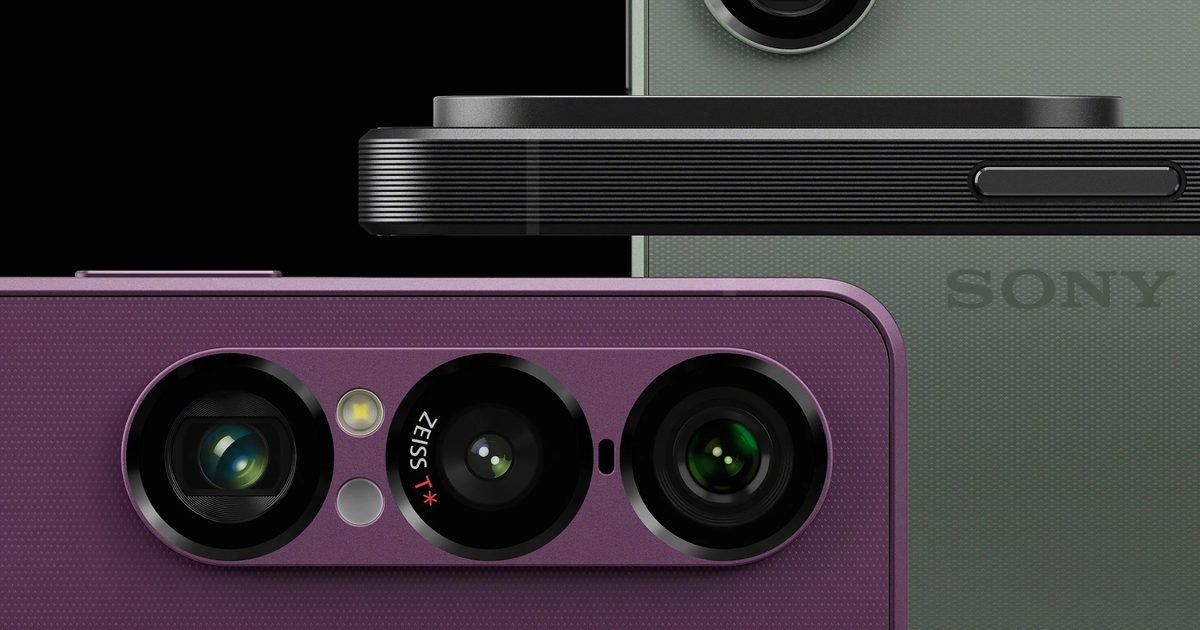
    Sony’s upcoming smartphone lineup has made its first not-so-subtle appearance in the GSMA IMEI database, and its digital footprint tells us quite a bit, even if the company isn’t revealing anything.

    The Japanese outlet S-Max has spotted two Sony Xperia handsets on the GSMA IMEI database: the Xperia 1 VIII and the Xperia 10 VIII, each with its unique allocation code.

    Don’t hold your breath for a launch in the U.S.

    The model numbers for the Xperia 1 VIII (flagship) are listed below.

    • PM-1520-BV – XQ-GE54
    • PM-1521-BV – XQ-GE74
    • PM-1525-BV – XQ-GE44

    On the other hand, the model numbers for the Xperia 10 VIII (mid-ranger) are as follows.

    • PM-1533-BV – XQ-GH44
    • PM-1534-BV – XQ-GH54
    • PM-1535-BV – XQ-GH74

    The last two digits of the model number indicate the country where the devices can be launched. So, “44” could be for the Japanese units, “54” for Europe, and “74” for the Xperia’s Asian units (outside Japan).

    Now, the suffixes bring both good and bad news. The good news is that the purported Sony Xperia phones could get a near-global launch, including key markets like Japan, Europe, and Asia. The bad news, however, is that there’s no clear sign of a US-specific model.

    What’s rumored under the hood

    It looks like Sony may once again skip America’s carrier stores, a repeating theme in recent years that has annoyed and frustrated the Sony fans in the region. For the uninitiated, the company hasn’t launched a flagship in America since the Xperia 1 V came out in 2023.

    Given the little we know about the smartphone’s specifications, the Xperia 1 VIII could feature the Snapdragon 8 Elite Gen 5 SoC, Qualcomm’s latest and greatest mobile chipset. On the other hand, the Xperia 10 VIII could be based on a Snapdragon 6-series chipset, prioritizing battery endurance.

    Besides, we should get the company’s tall 21:9 displays, pro-oriented photography and videography tools, and a clean Android experience. More details about the 2026 Xperia lineup should surface soon, as the company probably wants to release them around spring to early summer.  

  • Google’s Android PC dream may take longer than expected

    Google’s Android PC dream may take longer than expected

    Last year, it was revealed that Google is working on a new range of Android PCs powered by a new operating system called Aluminium OS, and a while back, we also learned that these PCs might ship with a barebones version of the Pixel Camera app. However, the actual PC itself might take a bit longer to arrive. As reported by The Verge, a detailed report around Google’s internal Project Aluminium suggests the Android-based PC operating system isn’t close to launch.

    While Google has talked about combining Android and ChromeOS into a more unified platform, court filings and internal timelines indicate a full public release may not happen until 2028, with limited testing possibly starting earlier. The delay isn’t just technical. It’s also strategic. Google still has to figure out how an Android PC OS fits alongside ChromeOS, which already powers millions of Chromebooks, especially in schools and enterprise environments. And ChromeOS isn’t disappearing anytime soon.

    Why Aluminium may take years to land

    According to testimony and internal documents cited in the reporting, Google plans to maintain ChromeOS support for up to 10 years on existing devices, potentially stretching into the early 2030s. That means two platforms could coexist for a long time. Some older Chromebooks may not even be able to upgrade to Aluminium due to hardware limits, forcing Google to support parallel systems longer than planned.

    That overlap creates messy questions. Should partners ship ChromeOS or Android-for-PC? Will apps work the same across both? And how do developers prioritize one platform without fragmenting the ecosystem? Even basic expectations like keyboard, mouse, and multi-window workflows require bigger changes than Android’s current tablet mode can offer. Further, legal and business complications add another wrinkle. The documents show Google’s laptop OS strategy intersects with ongoing antitrust scrutiny and Play Store rules, which could affect how tightly Google bundles its apps and services on Aluminium devices.

    In other words, even if the software is ready, how it’s packaged and distributed may be controversial. For buyers, the takeaway is simple: Android laptops aren’t around the corner. ChromeOS will remain Google’s main PC platform for years, and Aluminium looks more like a long-term evolution than an imminent replacement. When it does arrive, expect a transition period, not an overnight shift. If you’re considering a Chromebook or waiting for an Android-native PC, it’s worth keeping expectations grounded.

  • You can now use Alexa+ for free if you’re an Amazon Prime member

    You can now use Alexa+ for free if you’re an Amazon Prime member

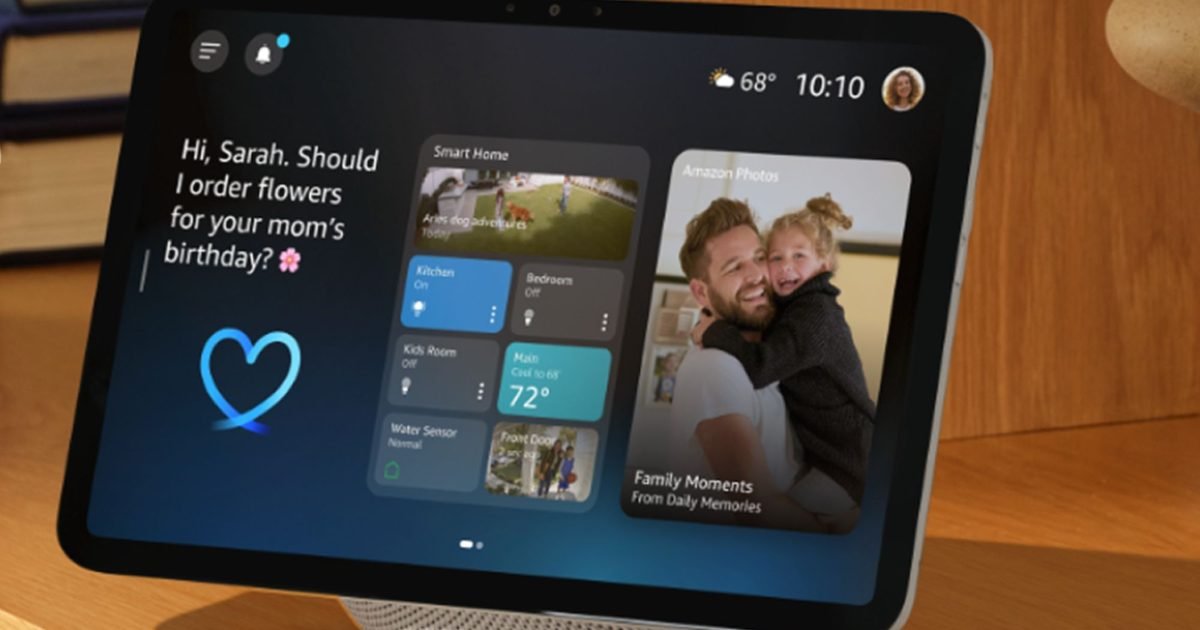
    Alexa+ is now available to everyone in the US, and if you are an Amazon Prime member, you get it at no extra cost. Amazon has been testing Alexa+ through an early access program over the past year. Now, it is moving out of that phase and opening the experience to a much wider audience across Echo devices, the Alexa mobile app, and Alexa.com.

    What is Alexa+?

    Alexa+ is a rebuilt version of Amazon’s assistant, powered by large language models from Amazon Nova and Anthropic. Unlike the older Alexa, which focused on short commands, Alexa+ is designed to understand natural, conversational requests and handle more complex tasks.

    You don’t even need an Echo speaker to use it. Alexa+ works on the web and inside the Alexa app, making it more like a full AI assistant than a smart speaker feature.

    Amazon says people are already using Alexa+ roughly twice as much as the standard version during testing. The assistant can answer deeper questions, help with planning, and handle longer back-and-forth conversations instead of one-off commands.

    How much does Alexa+ cost?

    Pricing is where Alexa+ becomes especially interesting. Prime members in the US get unlimited access to Alexa+ as part of their existing subscription. If you are not a Prime member, Amazon offers a limited free chat experience through the Alexa app and Alexa.com.

    Full access without Prime costs $19.99 per month, which Amazon is clearly positioning as an incentive to subscribe to Prime instead.

    What Alexa+ can do for you

    Alexa+ goes well beyond setting timers and playing music. It can help plan meals, order groceries, manage calendars, write emails, help with shopping, organize trips, and build smart home routines using natural voice commands. You can also use Alexa+ as a text-based chatbot for research, planning, and content generation through the web and mobile app.

    Amazon has been steadily pushing Alexa beyond smart speakers, across devices ranging from Samsung TVs and BMW cars to wearables. It is also trying to take on ChatGPT and Gemini by bringing Alexa to the web, signaling how central Alexa+ is becoming to its broader AI strategy.

    By bundling Alexa+ directly with Prime subscription, something that millions of users already pay for, Amazon is turning Alexa+ into something people are likely to try simply because it is already there.

  • Google quietly makes the Pixel 10A official

    Google quietly makes the Pixel 10A official

    Well, the cat is officially out of the bag – not that it was ever really in the bag to begin with. In what has become a classic Google move, the tech giant seemingly got tired of the endless stream of leaks and just decided to post the phone itself. After weeks of blurry photos and spec sheet rumors, Google dropped a teaser video confirming that the Pixel 10A is real, it comes in a lovely powder blue, and preorders open on February 18.

    If it ain’t broke, don’t fix it?

    Visually, if you blinked, you might think you were looking at last year’s model. The teaser shows a device that is virtually identical to the Pixel 9A, complete with that flat, pill-shaped camera bar. For those hoping for a radical redesign, this might feel a bit underwhelming. However, the “A-series” has never really been about breaking new ground in hardware design; it has always been about refining the essentials.

    The mid-range battlefield

    The real challenge for the Pixel 10A isn’t its looks; it’s the competition. The landscape for budget phones has changed drastically in the last two years. We are now seeing mid-range Android phones packing 144Hz screens, massive 5,000mAh batteries, and charging speeds that put flagships to shame. In that context, a phone that looks just like last year’s model is a risky bet.

    Google seems to know this. The tagline “a phone with more in store” is doing a lot of heavy lifting here. Since the hardware appears unchanged, that phrase almost certainly points to software and AI. We are likely looking at a device designed to bring the full Gemini AI experience to a price point where regular people can actually afford it.

    Should you care?

    Here is the bottom line: The Pixel A-series has remained the default recommendation for “normal” people – students, parents, or anyone who just wants a phone that takes good pictures and doesn’t cost $1,000. If Google keeps the price consistent with the 9A, this will likely still be the king of value. You get the cleanest software, the fastest updates, and a camera that rarely misses.

    If you already own a Pixel 9A, you probably don’t need to rush for your credit card unless Google has a massive surprise feature hidden up its sleeve. But for everyone else holding onto a cracked Pixel 6 or an aging Samsung, February 18 is a date worth marking. We’ll have to wait until then to see the full specs, but if history is any guide, the “boring” choice is often the smartest one.

  • Spotify can now show lyrics even when you are offline and translate them too

    Spotify can now show lyrics even when you are offline and translate them too

    Spotify is making it easier to follow along with your favorite songs, even when you are offline or do not understand the language they are sung in. The company has announced a set of new lyric features that expand how lyrics work across the app, focusing on offline access, translations, and quicker previews while a song is playing.

    The update builds on Spotify’s existing lyrics experience, which is already widely used by listeners who like to read along or sing with a track.

    Three new lyrics features on Spotify

    The biggest change is offline lyrics. Spotify Premium users will now be able to view full song lyrics even without an internet connection, as long as the track has been downloaded. That means lyrics will still be available during flights, commutes with spotty coverage, or in areas with limited connectivity.

    While the feature is a welcome addition on Spotify, Apple Music introduced offline lyrics with iOS 26.2 last year, which means Spotify is largely catching up on this front.

    Spotify is also rolling out lyric translations globally for free and premium users. For songs with translations available, you can tap the translate icon on the lyrics card to see the translated lines appear beneath the original lyrics. The translation matches your device’s language, and you can switch back to the original lyrics whenever you want.

    The third update focuses on speed and convenience. Spotify is adding lyric previews directly to the Now Playing view, so users can quickly peek at a snippet of the lyrics without opening the full lyrics page. This makes it easier to catch a line, confirm a lyric, or follow along casually while listening. It is available for both free and premium users.

    Spotify says that these features are rolling out gradually across supported markets and languages on iOS and Android. The company says the goal is to make lyrics more accessible and useful, whether you are listening online, offline, or discovering music in a language you do not speak.

  • Samsung’s latest Galaxy S26 teaser hints at better camera zoom output, but I’m not impressed

    Samsung’s latest Galaxy S26 teaser hints at better camera zoom output, but I’m not impressed

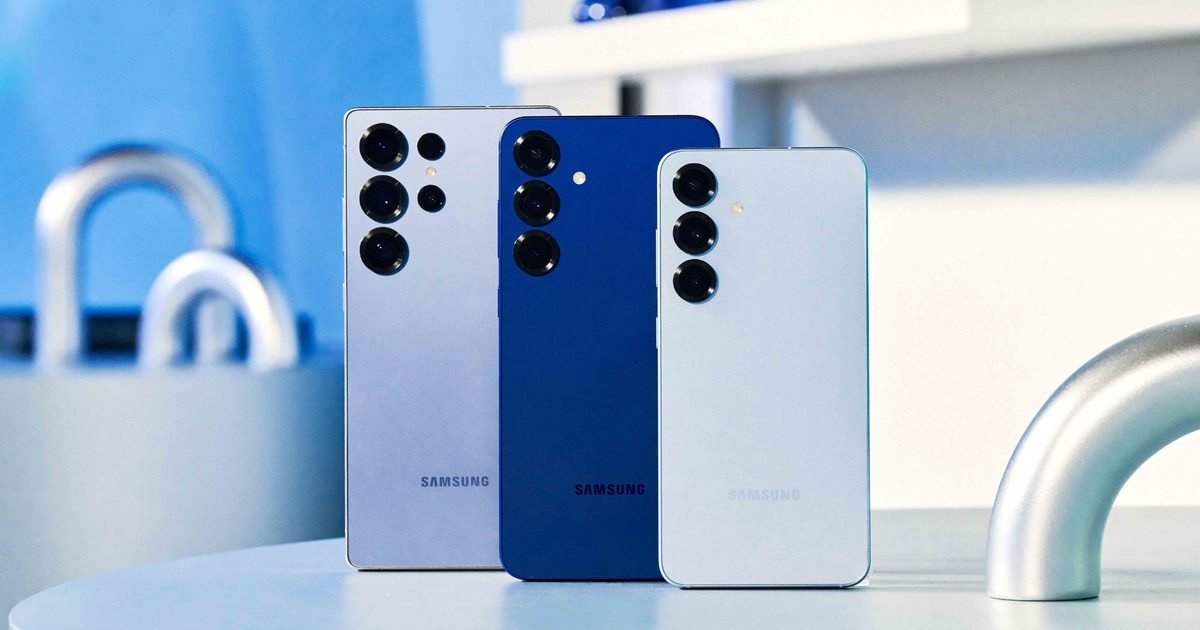
    In a series of short videos, Samsung has teased upgrades to the camera system on the upcoming Galaxy S26 series. Expected to debut at the Galaxy Unpacked event on February 25, 2026, the lineup should consist of the usual models.

    These include the vanilla Galaxy S26, the Galaxy S26 Plus with a triple-rear camera system, and the Galaxy S26 Ultra with a quad-camera setup on the back.

    What’s even more interesting (read disappointing) is that the handsets are expected to ship with no major camera hardware upgrades. Despite that, the company is teasing better low-light video performance and improved clarity when capturing distant subjects.

    Samsung teases camera upgrades ahead of Galaxy Unpacked

    Two of the three teasers focus on how the cameras on the next-generation Galaxy flagships can turn near-pitch-dark environments into bright, vibrant videos with plenty of detail.

    The third teaser is a video that shows how the upcoming Galaxy S series can zoom in on relatively smaller subjects (a dog in a moving car) from a considerable distance, helping you “discover what your eyes can’t see.”

    From what it looks like, Samsung appears to be leaning heavily on ISP-level improvements, enhanced multi-frame processing, and increasingly aggressive generative photography techniques.

    The approach shouldn’t be surprising for anyone. Samsung’s Exynos 2600 chipset has been rumored to feature an improved imaging stack, including five-frame HDR fusion, 14-bit RAW capture, and native 8K 60 fps HDR10+ video.

    However, the software can only stretch hardware so far before it starts feeling like clever compensation or enhancement rather than real progress.

    Why rivals are pulling ahead on camera hardware

    It’s not like other Android manufacturers aren’t implementing aggressive AI-based sharpening, but at least they’re doing it with more ambitious camera stacks.

    Take the Oppo Find X9 or the Vivo X300 as examples. While the former includes a triple 50MP camera setup, the latter ships with a 200MP primary camera and two 50MP sensors for taking care of optical zoom and ultrawide perspective.

    Compared to these, the 10MP telephoto and 12MP ultrawide sensors expected on the Galaxy S25 and Galaxy S25 Plus (expected to be carried forward to the upcoming models) look outdated.

    This matters even more because Samsung has the expertise and the resources to do better. I’d rather see the company innovate first at the sensor level, then use generative AI to elevate the results, rather than rely on algorithms to compensate for poor hardware.