Category: Uncategorized

  • Microsoft’s shift could affect your next console purchase

    Microsoft’s shift could affect your next console purchase

    Seamus Blackley, one of the original architects of the Xbox brand, has expressed serious concerns about the future of console gaming at Microsoft following a major leadership shift at its gaming division. In a recent interview with GamesBeat, Blackley warned that the Xbox brand may be gradually phased out as the company prioritizes artificial intelligence-driven initiatives over traditional gaming. His remarks have sparked debate across the gaming industry about Microsoft’s strategic direction and the long-term viability of its hardware business.

    Microsoft recently appointed Asha Sharma, a former executive from its CoreAI division, as the new CEO of Microsoft Gaming, succeeding Phil Spencer after his retirement. The change also coincided with the departure of Xbox President Sarah Bond, marking one of the most substantial leadership transitions at Microsoft Gaming in years. Sharma’s background in AI and her lack of a traditional gaming leadership pedigree have fueled speculation about the company’s evolving priorities.

    A sobering perspective from Xbox’s co-founder

    Blackley, who played a key role in getting the original Xbox off the ground in the early 2000s, offered a sobering interpretation of these developments. He suggested that Microsoft is quietly “sunsetting” the Xbox business – not through a dramatic announcement but through strategic realignment that positions AI at the core of its future. “Xbox, like a lot of businesses that aren’t the core AI business, is being sunsetted,” Blackley said, likening Sharma’s role to that of “a palliative care doctor who slides Xbox gently into the night.”

    Blackley’s concern centers on the belief that Microsoft’s heavy investment in generative AI has reshaped how the company views all of its business units, including gaming. In his view, executives increasingly see AI as the solution to every problem, even those that historically depended on human creativity and gameplay innovation. This philosophical shift, he argues, could undermine the core identity and culture that helped Xbox become one of the most influential console brands in gaming history.

    Despite Blackley’s critique, Microsoft has publicly reiterated its commitment to gaming. In her first internal memo as CEO, Sharma emphasized a focus on quality gaming experiences, pledging to avoid overreliance on superficial AI features and to keep creative authenticity at the forefront. She also promoted Matt Booty to Chief Content Officer to strengthen content strategy and expressed enthusiasm for console and multi-platform gaming moving forward.

    Why this signals a potential inflection point

    Blackley’s warning matters because it comes from someone who helped build Xbox from the ground up. His perspective reflects deeper tensions in the gaming industry as tech giants like Microsoft balance traditional content creation with emerging AI technologies. Gamers, developers, and industry observers alike are watching to see if future Xbox strategy will lean more into cloud gaming, AI-assisted development, and cross-platform ecosystems – at the expense of dedicated hardware and exclusive titles.

    For core Xbox fans, the shift raises questions about whether console gaming will continue to be a priority or whether it will be absorbed into broader AI-centric entertainment strategies. Blackley’s stark prediction underscores how leadership choices at the top can ripple through development pipelines, studio roadmaps, and consumer expectations.

    What comes next for Xbox and its fans

    Looking ahead, Microsoft’s next moves will be closely watched by the gaming community. The company must balance its ambition in AI with the enduring passion that console gamers have for exclusive titles, hardware innovation, and creative gaming experiences. Sharma’s stated commitment to keeping games “crafted by humans” and her engagement with the broader player base aim to reassure fans, but only time will tell whether that promise translates into concrete products and strategies that preserve Xbox’s legacy.

    Microsoft’s forthcoming announcements about its hardware roadmap, studio investments, and how it positions AI within gaming will likely determine whether Blackley’s cautionary vision is justified or if Xbox finds a renewed path forward within the evolving industry landscape.
  • Researchers can now detect tampered smartphones from miles away

    Researchers can now detect tampered smartphones from miles away

    Researchers from the American Institute of Physics’ publishing arm have developed a technique that could change how smartphones are inspected for tampering and hidden modifications. Instead of physically examining a device, the team demonstrated a way to detect whether a smartphone has been altered using radio-frequency signals from a distance.

    The work introduces what researchers describe as a robust over-the-air testing platform that analyzes how a smartphone’s radio hardware behaves when it communicates wirelessly. The idea is surprisingly simple. Every phone’s radio components produce a unique “fingerprint” when transmitting signals. If a device has been modified, damaged, or compromised, that fingerprint changes in subtle but measurable ways.

    The team showed that this method can reliably distinguish between original, untouched phones and devices that have been tampered with. Because the system works wirelessly, it could theoretically be used to check phones without needing physical access. That opens the door to entirely new ways of verifying device integrity.

    Why remote phone verification matters

    Detecting hardware tampering today usually requires physical inspections or specialized lab testing, which makes large-scale verification difficult in places like airports, offices, or secure facilities. The new approach aims to change that by using a remote test setup that analyzes a phone’s radio-frequency behavior and compares it to known baselines to spot signs of modification.

    This could open the door to practical uses across multiple industries. Governments and enterprises could screen devices entering sensitive environments, manufacturers could verify products throughout supply chains, and even second-hand marketplaces could confirm that phones haven’t been altered before resale.

    The research is still experimental, but it reflects a growing shift toward hardware-level security. While everyday users may never interact with this technology directly, the idea of phones being quietly verified from a distance points to a future where device trust checks happen behind the scenes.

  • Blizzard is bringing Overwatch to mobile and we finally have our first look at it

    Blizzard is bringing Overwatch to mobile and we finally have our first look at it

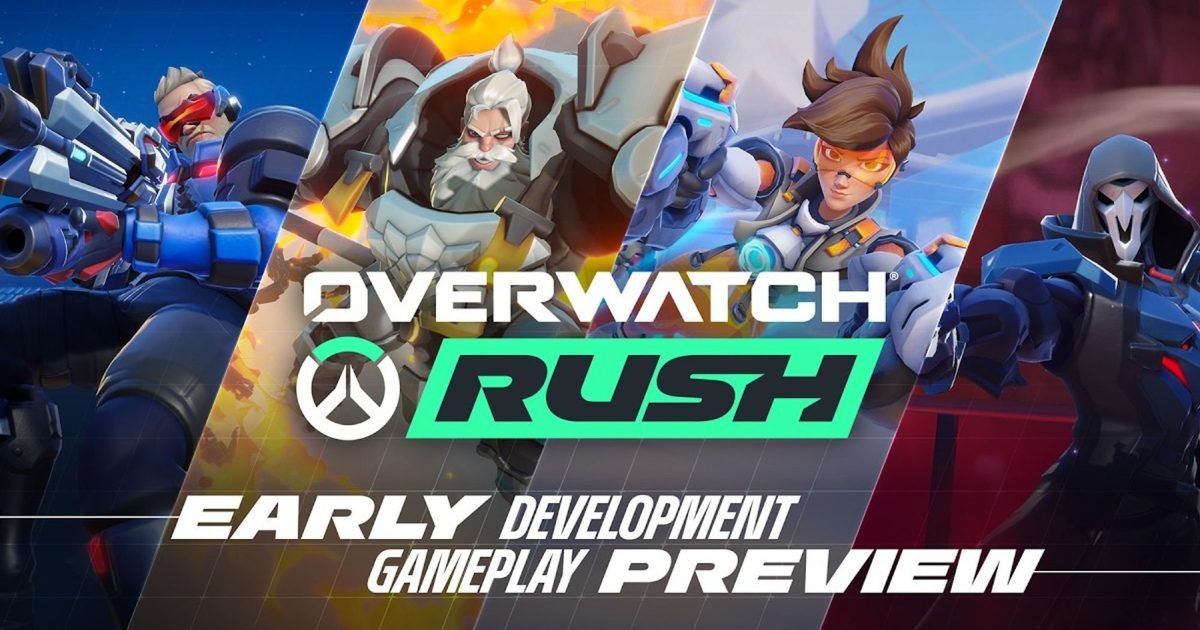
    Blizzard is officially bringing the Overwatch universe to mobile, and it just released a first look of the gameplay. Overwatch Rush is a new game built specifically for phones that reimagines Overwatch as a fast, top-down hero shooter designed for short play sessions.

    Blizzard’s announcement confirms that Overwatch Rush is still in early development. Unlike previous experiments, it is not a scaled-down port of Overwatch 2.

    Blizzard says the game is being built from the ground up for mobile, with controls, pacing, and match length designed specifically for iOS and Android devices.

    A mobile-first take on Overwatch heroes

    Overwatch Rush is set in the familiar Overwatch universe with a top-down perspective focused on quick movement, ability-driven combat, and hero-based playstyles.

    Blizzard says matches are meant to feel fast and flexible, supporting both solo players and team-based play. Controls are described as intuitive, with systems tailored for touch input rather than controllers.

    Overwatch Rush is designed around hero-centric combat and customization, while still fitting into bite-sized sessions. The first gameplay footage shows familiar heroes like Tracer, Soldier 76, Mercy, Reinhardt, Reaper, and Lucio in action, each retaining recognizable abilities.

    The game is being developed by a Blizzard team separate from Team 4, the group behind Overwatch 2. Blizzard says this international team has extensive experience with mobile game development, and it will not impact the development of the main game.

    Overwatch Rush will be free to play with optional in-game purchases, though Blizzard has not shared a release window yet. Blizzard is positioning the project as a fresh entry point into the universe rather than a companion app.

    Meanwhile, Ubisoft has officially released Rainbow Six Mobile worldwide on Android and iOS. It is a free-to-play tactical shooter with classic 5v5 gameplay, with more than 24 operators, multiple maps, and competitive modes for players on the go.

  • Wear OS smartwatches can now deliver earthquake alerts even without a phone

    Wear OS smartwatches can now deliver earthquake alerts even without a phone

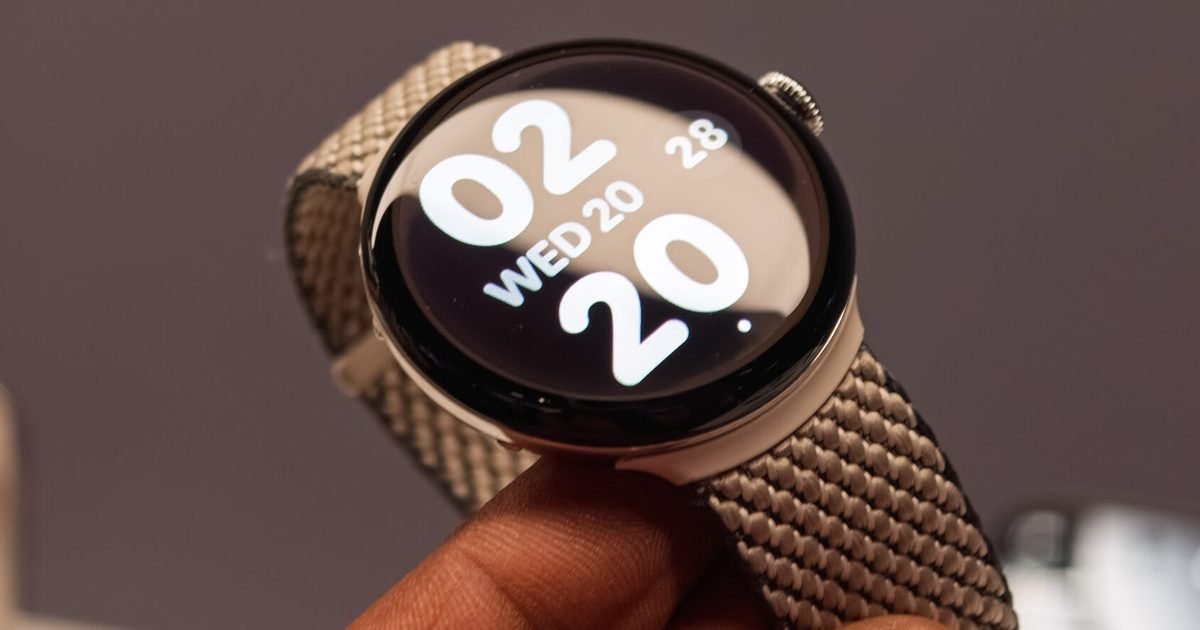
    Google is expanding the safety capabilities of its wearable ecosystem, introducing a critical update that will allow Wear OS smartwatches – including models like the Samsung Galaxy Watch – to receive independent earthquake alerts even when not paired with a phone. The upgrade arrives as part of the latest Google Play Services v26.07 rollout, marking a major shift in how emergency alerts reach users.

    Standalone alerts arrive on the wrist

    Earthquake warnings on Wear OS previously functioned as mirrored notifications. If a user’s phone received a regional seismic alert, the watch displayed a companion alert – meaning smartwatches were only useful if the paired phone was nearby, connected, and powered on. With the new update, that dependency is being removed. According to the official changelog, “you can now get earthquake alerts on your Wear devices even when it’s unpaired from the phone.”

    This transforms Wear OS from being a passive accessory to becoming an active, standalone safety tool. Alerts can now arrive over Wi-Fi or cellular networks (depending on watch capabilities), giving users a much higher chance of receiving warnings in real time. In earthquake-prone regions, even a few seconds’ notice can drastically improve safety outcomes – allowing people to take cover, move away from hazardous structures, or protect vulnerable individuals nearby.

    The move follows recent efforts from Samsung, which enhanced earthquake warning functionality in One UI 8.0, strengthening alert reliability on phones. Google’s decision to expand the same safety-first momentum to wearables signals an industry-wide shift toward more resilient emergency communication on personal devices.

    Why users should care

    For many smartwatch owners, especially those who often leave their phones on a desk, in a gym locker, or charging in another room, this change could be crucial. Earthquakes strike without warning, and phones aren’t always within reach. A watch, however, is almost always on the wrist – making it the most immediate point of contact for urgent alerts.

    This update is especially important for residents of regions such as Japan, Turkey, Indonesia, Mexico, and the U.S. West Coast, where real-time seismic warnings are becoming key public safety tools. Wear OS expanding its capabilities means more people are reached faster, reducing the risk of missed alerts during critical seconds.

    What remains unclear

    Despite the significant upgrade, Google has yet to clarify important details. The company has not confirmed how the alerts will operate independently, whether they rely fully on network connectivity, and whether the feature will work on all Wear OS devices or only those with cellular support. It’s also unknown whether Google will expand support across additional regions or integrate deeper with national early-warning systems.

    More information is expected as Google finalizes the rollout and partners begin updating their Wear OS-powered smartwatches.

  • Samsung’s upcoming foldable phones might sense debris before it damages the screen

    Samsung’s upcoming foldable phones might sense debris before it damages the screen

    With the Samsung Galaxy Unpacked February event just a day away, leaks are flowing like an untamed river. An early build of One UI 9 has almost confirmed the addition of a new design in the Samsung Galaxy fold lineup. 

    Joining the Galaxy Fold and Flip is a new, wider Galaxy Fold, which will feature a passport-style design, providing users with a better tablet experience when the device is unfolded. 

    Now, the folks at Android Authority have spotted a new feature inside the builds of One UI 9 code. Dubbed the Foreign Material Detection, this feature aims to prevent users from damaging their fold’s screen.

    What is the Foreign Material Detection feature?

    One of the biggest causes of damage to the inner display in foldable devices is small debris that becomes lodged between the two halves of the screen.

    The strings found in the code suggest that the wide Samsung Galaxy Fold will now warn you to check for any foreign substance that might be preventing the screen from folding shut completely. Instead of forcing the device to fold, which might damage the display, this prompt will allow users to clean the device before closing. 

    Samsung has added three new images to demonstrate the feature. As shown in the images, a wider foldable device appears alongside the standard Galaxy Fold and Flip models, confirming the introduction of a new form factor.

    What other surprises is Samsung cooking for the Galaxy Unpacked event?

    We have seen several leaks and rumors revealing other features and hardware changes coming to Samsung Galaxy Ultra and Fold devices. 

    There’s a new privacy screen feature that will prevent people from snooping on private information, a new screen technology that will greatly reduce the crease in foldable devices, and several new AI features. 

    If the leaks and rumors turn out to be correct, Samsung fans are in for an exceptional event.

  • YouTube’s Premium Lite gets a tad sweeter with essential features

    YouTube’s Premium Lite gets a tad sweeter with essential features

    Okay, so picture this: you pay for YouTube Premium Lite, feel good about dodging ads, and then go to lock your phone mid-vide, and everything just stops.

    That’s been the quiet frustration of Premium Lite subscribers since the plan first rolled out — and YouTube has apparently gotten enough complaints to actually do something about it.

    Long-requested features arrive

    As of February 24, background play and offline downloads are now available on Premium Lite. Yeah, those two features that probably should’ve been there from day one. Here’s where things stand now.

    Premium Lite was always positioned as the budget-friendly middle ground — cheaper than full Premium, but still ad-free for most content. The problem was that it felt weirdly hobbled.

    No background play meant your video died the second you switched apps. No downloads meant you were stuck buffering on a shaky airport Wi-Fi connection, like it’s 2012. Not exactly a great pitch.

    Still not full Premium

    YouTube says it expanded the Premium Lite pilot to more countries last year and started getting an earful from users who wanted more. So here we are.

    One thing worth noting, though, is that YouTube draws a hard line: music videos and YouTube Music content are still locked behind the full Premium subscription.

    So if you’re using YouTube as a makeshift Spotify, Lite still won’t cut it. But for everyone else, just trying to watch video essays in the background while doing dishes? This is a meaningful upgrade.

    The rollout kicks off now and spreads to all Premium Lite markets over the coming weeks. Not a bad Tuesday for budget-conscious YouTube fans.

  • Google’s underrated NotebookLM tool is about to solve your diary mess

    Google’s underrated NotebookLM tool is about to solve your diary mess

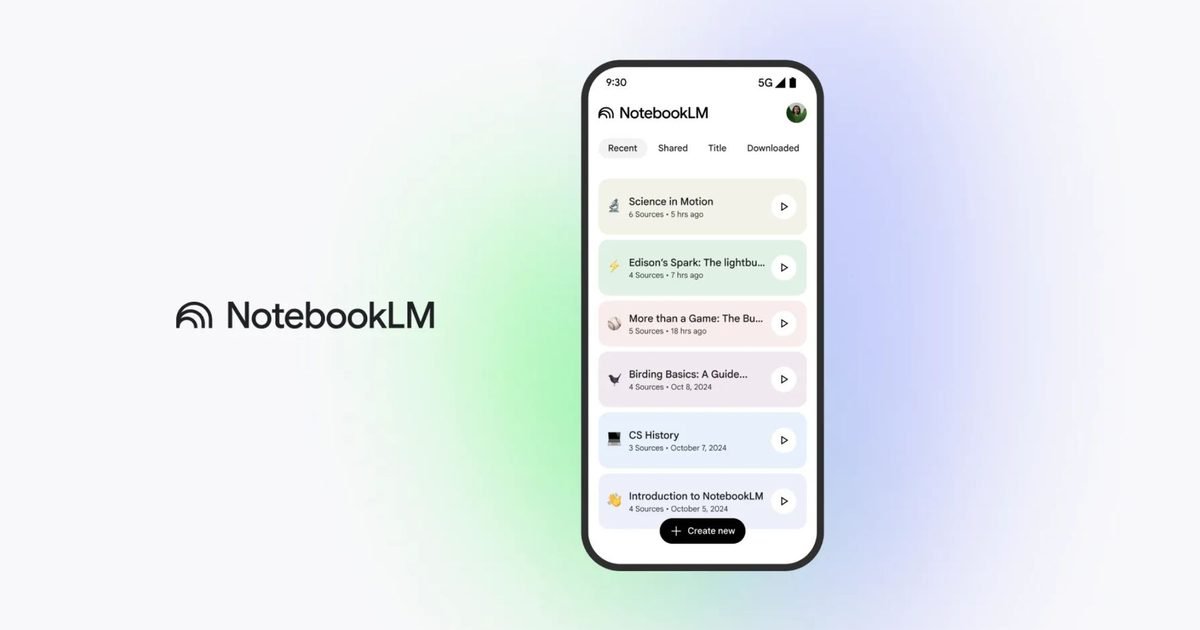
    It seems that Google wants to give NotebookLM a makeover that could make messy projects and text-heavy notebooks more organized and visually appealing.

    A new visual customization feature now in testing suggests the AI-powered tool is about to feel more personal. It will help you visually organize your notebooks and make notes, journals, and diaries easier to navigate.

    According to Testing Catalog, Google is experimenting with custom banner images for individual notebooks in NotebookLM. The change would add a clear visual identity to each notebook, helping users quickly tell them apart instead of scrolling through pages that all look the same.

    Google may soon allow users to customize their notebooks on NotebookLM with a banner image.

    Do you have a notebook worth featuring? 👀 pic.twitter.com/5O1l4Xg8jx

    — TestingCatalog News 🗞 (@testingcatalog) February 22, 2026

    Upcoming customization features on Google NotebookLM

    The custom banner feature will introduce a dedicated header area at the top of each notebook. Instead of the current layout, where the title is followed immediately by the source count, NotebookLM may soon separate this into a distinct header section.

    In the new design, the notebook title will appear over a banner image, making it easier to identify at a glance. As shown in the image, a “Customize” button is located on the right side of the header, allowing users to add images stored on their device or in the cloud. It will give each notebook a visual cue that matches its purpose or tone.

    However, it remains unclear whether users would be able to add their own banner images or if Google would let its Nano Banana AI generate visuals based on a notebook’s content.

    Google is also adding more context to that header. The date the notebook was created will appear just below the title, alongside the number of sources. That small detail could help users better track older notebooks or understand when a project or diary began.

    The feature is still in testing and not widely available yet. Nevertheless, if your notes or projects on NotebookLM look cluttered, this update could bring welcome clarity and a sense of order.

  • Lamborghini kills its upcoming all-electric Lanzador because of nearly zero interest

    Lamborghini kills its upcoming all-electric Lanzador because of nearly zero interest

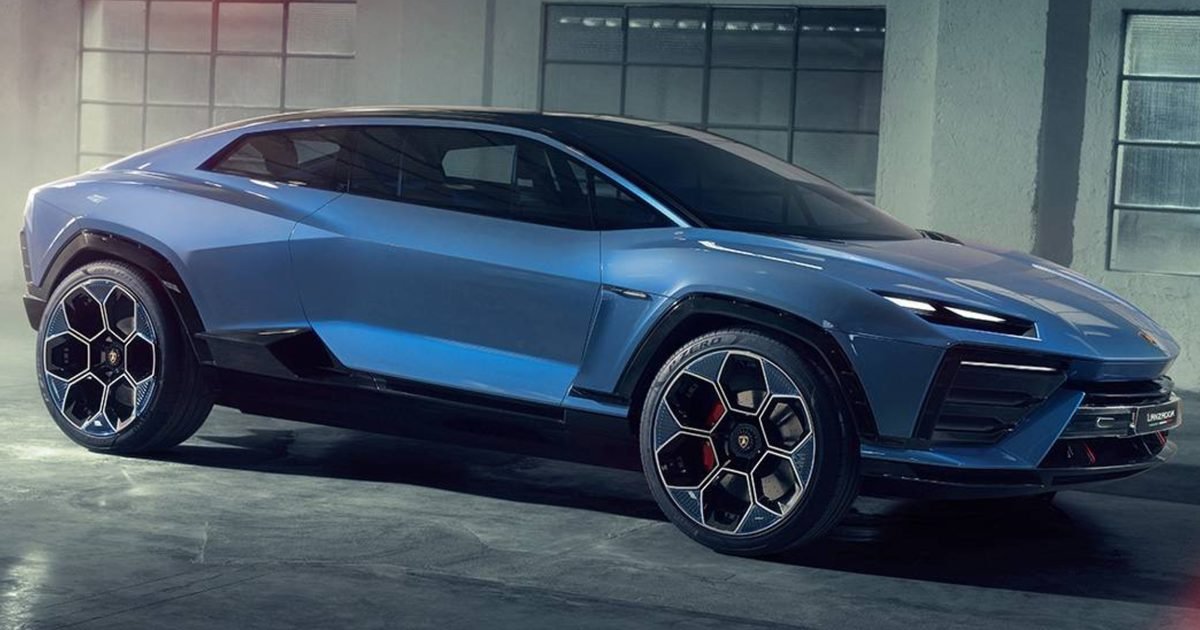
    Lamborghini is done with the Lanzador. The all-electric supercar the Italian automaker showed off back in 2023 — the one that was supposed to drag the brand, kicking and screaming, into the EV era — was quietly axed late last year (via The Times).

    CEO Stephan Winkelmann confirmed it this week, and frankly, he didn’t sound too broken up about it. The reason? Winkelmann put it bluntly: EV development was becoming “an expensive hobby.”

    EV dream runs out of charge

    And when your hobby involves billion-dollar research and development budgets, along with a customer base that basically doesn’t want the thing you’re spending the money on, it’s time to put down the soldering iron.

    Instead of going all-electric, Lamborghini will pivot to plug-in hybrids (PHEVs) across its entire lineup by 2030. The Lanzador itself will reportedly be reborn as a PHEV — which, to be fair, might actually be a better fit for a brand whose identity is wrapped up in the sound and fury of a roaring V10 or V12.

    EVs, Winkelmann admitted, “struggle to deliver this specific emotional connection.” Translation: a silent Lamborghini is basically just an expensive golf cart.

    Industry-wide reality check

    The numbers back him up. The “acceptance curve” for battery-powered cars among Lamborghini’s wealthy clientele is, in his words, “close to zero.” Meanwhile, the company just had its best year ever — delivering a record 10,747 cars in 2025, with its PHEV lineup of the Urus, Temerario, and Revuelto doing all the heavy lifting.

    Lamborghini isn’t alone in this rethink.

    Stellantis just ate a $26 billion charge to ditch some EV models, and Ford wrote down nearly $20 billion on its EV plans. The electric gold rush, at least in the luxury supercar space, appears to be on pause.

    Never say never on a Lamborghini EV, though — Winkelmann himself used that exact phrase. But for now, if you’re hoping to buy a silent raging bull, you’ll have to wait.

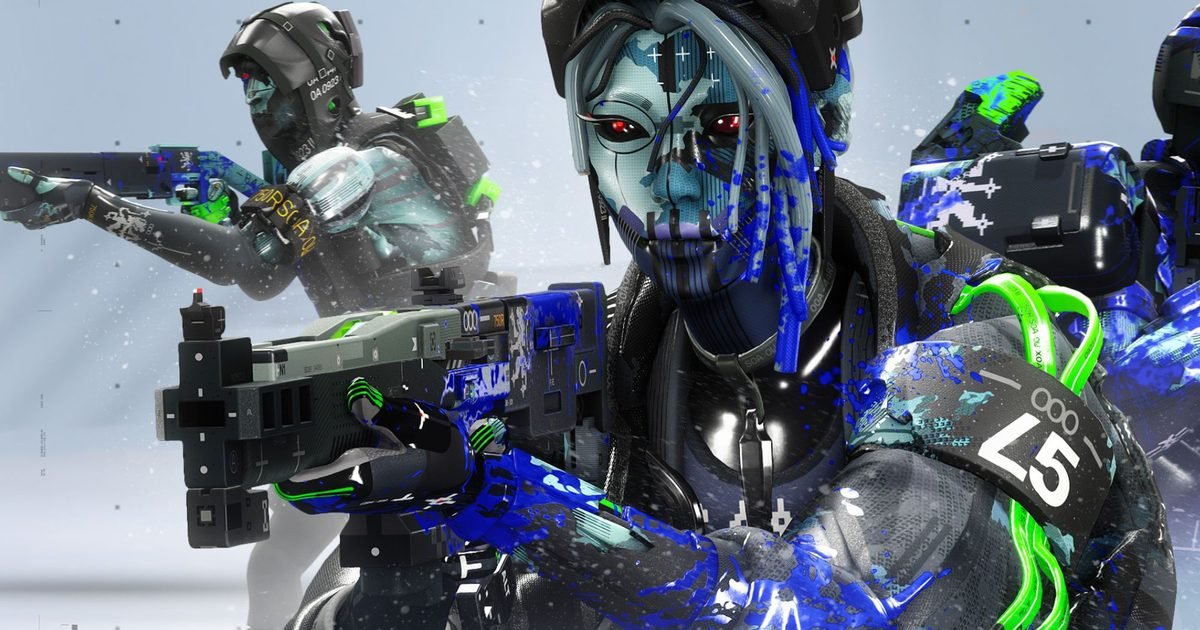
  • Bungie says cheaters will be banned without a second chance in upcoming Marathon game

    Bungie says cheaters will be banned without a second chance in upcoming Marathon game

    Bungie is taking a hard stance against cheaters in its upcoming multiplayer shooter Marathon. In a blog post outlining the game’s networking and security systems, the studio warned that anyone caught cheating will be permabanned from playing the game, with no second chances.

    Bungie says it has rebuilt Marathon’s security stack from the ground up in an effort to protect the integrity of those matches and make sure players’ success reflects skill, not exploits.

    Marathon’s security systems and cheating policy

    To make cheating harder, Marathon will run on authoritative dedicated servers that control key gameplay actions like combat, looting, and movement. This means player devices cannot unilaterally dictate outcomes or manipulate game states in their favor. Additional systems, like Fog of War, will limit the information shared with players and reduce the effectiveness of common cheats such as wall hacks or loot revealers.

    Bungie states clearly that “anyone found to be cheating or developing cheats will be permanently banned from playing Marathon forever, no second chances.” This zero-tolerance policy differs from other games that allow multiple infractions before more serious consequences.

    Bungie acknowledges that no anti-cheat system is perfect and says it will maintain an appeals process for players who believe they were wrongly flagged. The company is also using analytics to monitor gameplay for unusual patterns and anomalies that could indicate cheating.

    With Marathon’s “Server Slam” open preview weekend approaching, and the game scheduled for wide release next month, players will soon be able to put these security tools to the test firsthand.

    Marathon is a competitive extraction shooter set on the world of Tau Ceti IV, where players hunt for loot and battle both opponents and environmental threats.

    After a long delay, the game is finally set to launch with a confirmed release date and full cross-platform support across consoles and PC.

  • The iPhone 18 Pro might supercharge your selfies with a new front camera

    The iPhone 18 Pro might supercharge your selfies with a new front camera

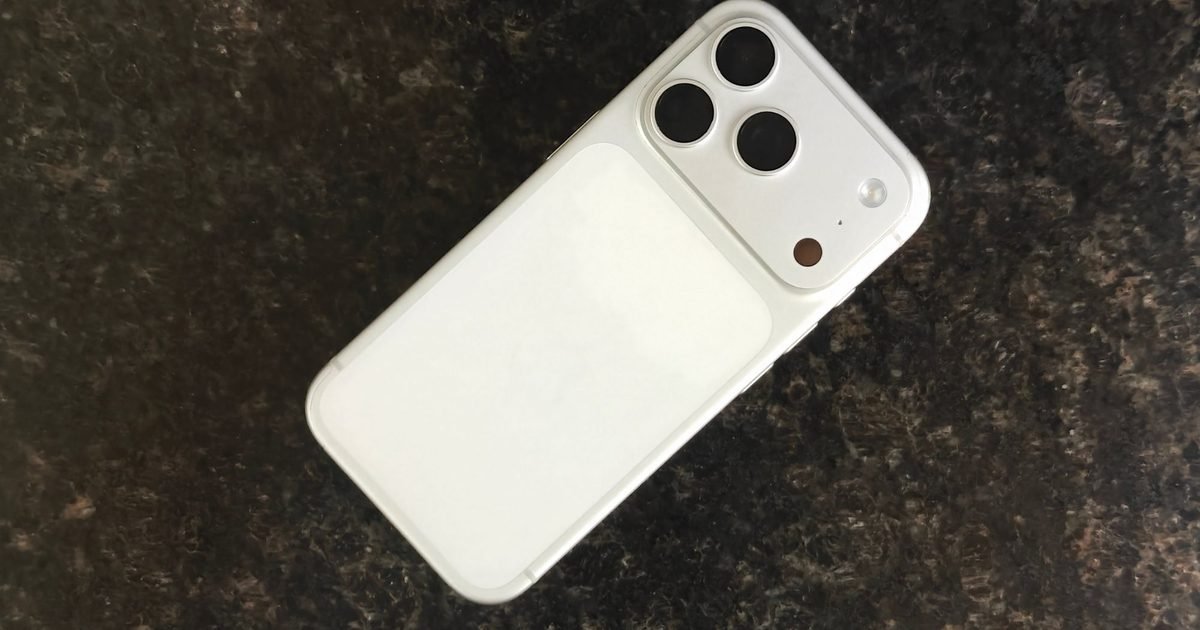
    It appears that Apple is focusing on transforming its Pro iPhone lineup into a creator’s dream phone. We recently discovered a leak indicating that the iPhone 18 Pro and Pro Max are rumored to receive a DSLR-like upgrade with variable sensors.

    Now, according to a Weibo post by tipster Whylab, the iPhone 18 Pro models will pack an upgraded 24MP selfie camera. The image shared by the tipster also shows a smaller Dynamic Island, something we have already seen in past leaks. The new Dynamic Island will house the camera, with the TrueDepth sensor and the 3D dot projector hidden under a transparent patch under the display.

    Evolution of recent iPhone selfie cameras

    For almost half a decade, Apple has used the same 12MP selfie camera, which it introduced with the iPhone 11 series in 2019. Apple updated the 12MP front-facing sensor with new features, including autofocus and the Photonic Engine for improved low-light performance, with the iPhone 14, but there was no hardware change.

    It was last year’s iPhone 17 series that got the first major upgrade. Apple added a new 18MP selfie camera sensor with a square design, enabling features like Center Stage, improved selfie framing, and 4K 60fps video recording. The selfie camera update turned out to be a big hit and became one of the key factors driving the upgrade from older iPhones.

    What does it mean for you?

    If the leaks are correct, we would see a rare event of front-facing camera upgrades in consecutive years of iPhone launches after a long time. An upgraded front-facing camera will result in improved low-light performance, leading to better selfies and a better video-calling experience. Sadly, rumors suggest the upgrade will be limited to the iPhone 18 Pro pair.

    If the rumors turn out to be true, the non-Pro iPhone 18 series models will not get the upgraded selfie cameras or the new variable format sensors. This will mark a departure from Apple’s strategy of using the same front-facing cameras in all its models.