3 Interstate Smugglers Held With Illicit Liquor Worth ₹1.50 Lakh
Bhopal (Madhya Pradesh): Govindpura police on Tuesday busted a gang of inter-state liquor smugglers and arrested three of its members with 565 quarters of illicit liquor. DCP Zone 2 Sanjay Agarwal said police team under sub inspector GP Joshi carried out a raid and intercepted three suspects in an autorickshaw.
They were found carrying 565 quarters of English liquor worth Rs 1.50 lakh. The liquor smugglers were identified as Rahul Kumar and Rohit Kumar of Begu Sarai district of Bihar and Shailendra Tiwari of Ashoka Garden area of Bhopal.
Questioning from the accused revealed that they were taking the liquor to Bihar for selling it on high rates. The trio have planned to take the liquor through train while concealing the bottles in a bag, DCP informed. An FIR has been registered against the trio under Excise Act and they were being questioned further.
Chief Minister Mohan Yadav Spends ₹32.85 Crore On Air Travel
Bhopal (Madhya Pradesh): Chief Minister Mohan Yadav in the past one year had spent Rs 32.85 crore by travelling through helicopter and aircraft, the state government has given reply against a question in the state assembly here on Tuesday.
Congress MLA Pratap Grewal had asked a question about Chief Minister Mohan Yadav, that how much had been spent on his air travel. In reply, it was informed that the CM had taken 666 flights, 238 flights were taken by government helicopter and aircraft and 482 were done by private ones.
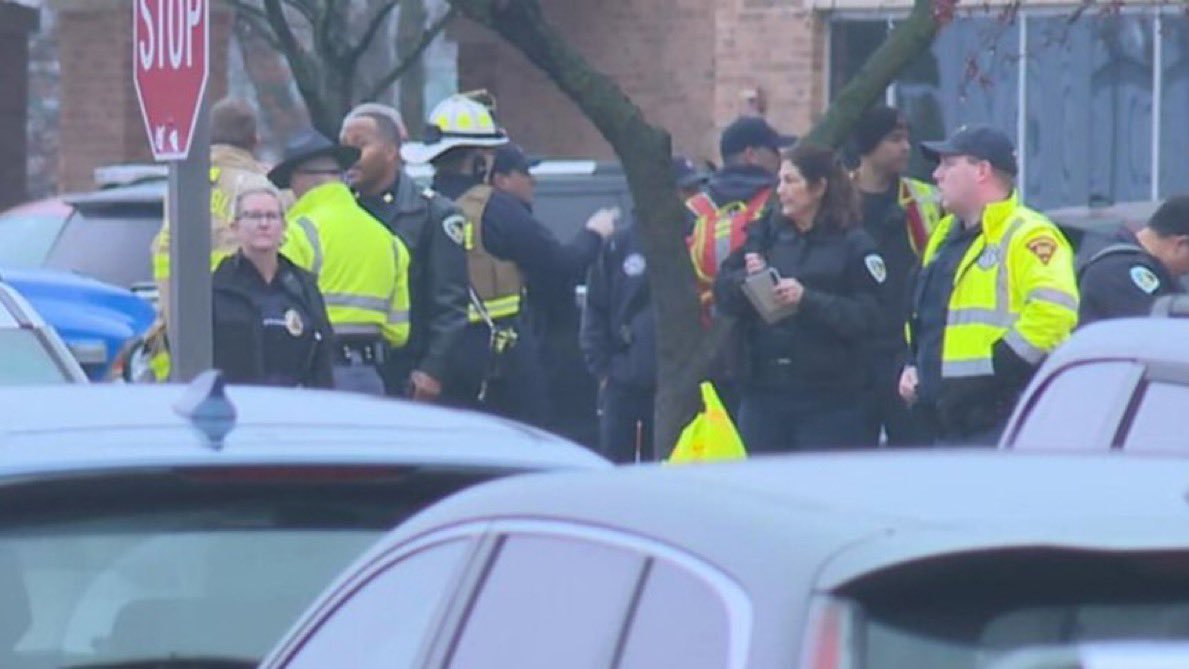
Wisconsin: Investigators found that a 15-year-old girl was the shooter in the Wisconsin school shooting that killed two and injured six at Abundant Life Christian School in Wisconsin, CNN reported.
The girl identified as Natalie Rupnow later died from what appeared to be a self-inflicted gunshot wound.
Mayor Of Madison On The Shooting
The Mayor of Madison, Wisconsin, Satya Rhodes-Conway, thanked first responders for their prompt action on the shooting at Abundant Life Christian School on Monday, CNN reported.
Conway called the shooting a “terrible and traumatic event.” Still, she said if “there’s any positive in it,” administrators and staff at the school, police and first responders were all prepared to handle the situation.
Conway said it is “far too early” to comment on if the parents of the teen shooter at Abundant Life Christian School will face criminal charges.
“We don’t know nearly enough yet,” CNN quoted her as saying.
She added that she thinks law enforcement will “take the steps necessary” as the investigation goes on.
On Shooter’s Online Activity
Officials are now investigating the shooter’s online activity, according to Madison Police Chief Shon Barnes.
“We’re asking anyone who knew her or who may have insights into her feelings leading up to yesterday to please contact the Madison Area Crime Stoppers,” he said Tuesday at a news conference.
He said officials will “not be releasing specifics about these social media accounts at this time.” CNN quoted Barnes as saying that figuring out the shooter’s motive “is our top priority.”
“But at this time, it appears that the motive was a combination of factors,” he said.
Barnes said Tuesday that everyone was a target in the deadly shooting at Abundant Life Christian School. “Some have asked if people were specifically targeted. Everyone was targeted in this incident, and everyone was put in equal danger,” CNN quoted.
Police are now focusing on identifying the motive in the fatal shooting, as per CNN. Barnes said figuring out the motive of the shooter is a top priority for investigators.
He said at a news conference on Tuesday that it appears to be a “combination of factors”. He added that they were also investigating whether the shooter’s parents owned the gun used in the deadly shooting, CNN reported.
(Except for the headline, this article has not been edited by GPlus’s editorial team and is auto-generated from an agency feed.)
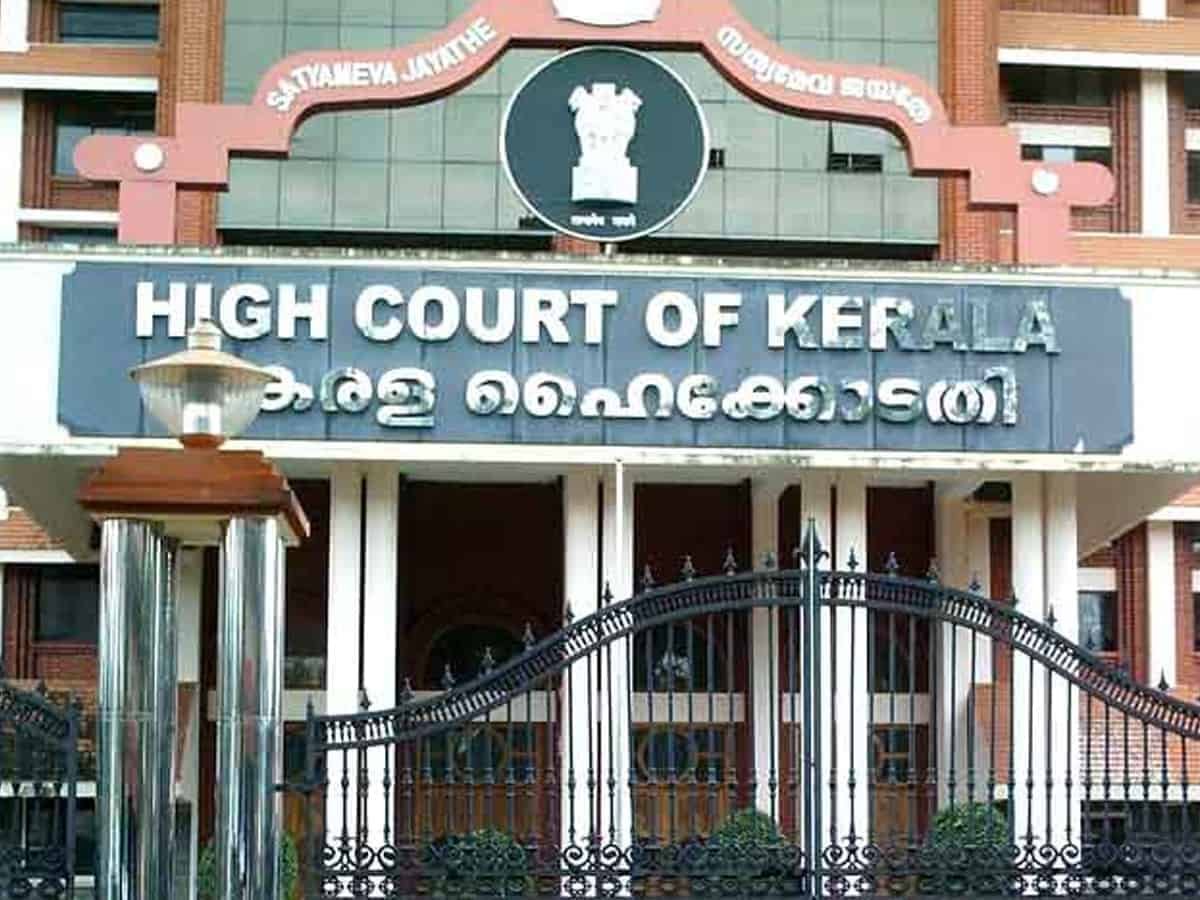
Kochi: The Kerala High Court on Wednesday dismissed a plea challenging the donation of CPI(M) veteran M. M. Lawrence’s body to the Ernakulam Medical College.
A division bench comprising Chief Justice Nitin Jamdar and Justice S. Manu ruled that the body should be handed over to the Medical College as Lawrence’s son stated that it was his father’s wish.
Soon after the death of Lawrence on September 21, Asha Lawrence approached the Kerala High Court to prevent handing over her father’s body to Medical College.
There was a commotion when the body was being moved to the Medical College but the CPI-M leaders pushed away Asha and her son who prevented it.
Soon after that, she approached the single bench, which ruled the body should be handed over to the Medical College.
But Asha along with her sister Sujatha approached the division bench.
Reacting to the fresh verdict, Asha said they will now approach the apex court.
“My father’s father also was an atheist and he was also interned in the family parish, and so was my mother. My father has never said that he should have a different mode. They (my brother and others) will be able to bring in any number of witnesses to buttress their argument that their father said his body should be handed over to the Medical College. Neither I nor my sister have any such knowledge as our father used to tell everything to all of us. We are going to approach the apex court,” said Asha.
Lawrence passed away at the age of 95.
He was the foremost leader of the Centre of India Trade Unions (CITU) and was a Lok Sabha member representing Idukki in 1980.
Family donates organs, including liver and kidneys, from brain-dead Bhiwandi resident, nearing 60 donations this year in Mumbai | Representative Image
Mumbai: Cadaver organ donation inched closer to the mark of 60 this year in Mumbai as relatives of another brain-dead man donated his organs-liver and kidneys along with bone and skin.
The 70-year-old Bhiwandi resident, who was admitted in a local hospital after he suffered a brain haemorrhage, was shifted to Jupiter Hospital on Sunday evening in an unconscious state and was later declared brain dead.
“The family immediately gave consent to donate his organs and we are thankful to the family,” said an official from Jupiter Hospital. The liver and kidneys were transplanted in patients from the hospital.
This year, the zonal transplant coordination committee (ZTCC) focused on spreading awareness on bone and tissue donations, which led to families coming forward to donate bone, skin apart from cornea and other organs.
“We have been emphasising the counsellors to counsel patient’s relatives to donate bone, tendons, and skin. Last year, after a gap of three years, the city saw bone donation. I am happy that now we are frequently seeing bone and tissue donations,” said Dr Bharat Shah, general secretary, ZTCC.
A donated bone is used for patients with bone deficiency or in bone reconstruction procedures. Bone and tissue donations help people with orthopaedic and neurological conditions that cause bone death and degradation.
In Maharashtra, over 8,200 patients with life-threatening conditions are currently registered and waiting for organ transplants. End-stage kidney disease patients make up the majority of this list, followed by those awaiting liver and heart transplants. After witnessing a dip in cadaver organ donations in Covid-19 pandemic, in 2022, the city saw 47 cadaver organ donations. In 2021, the city saw 31 cadaver organ donations.
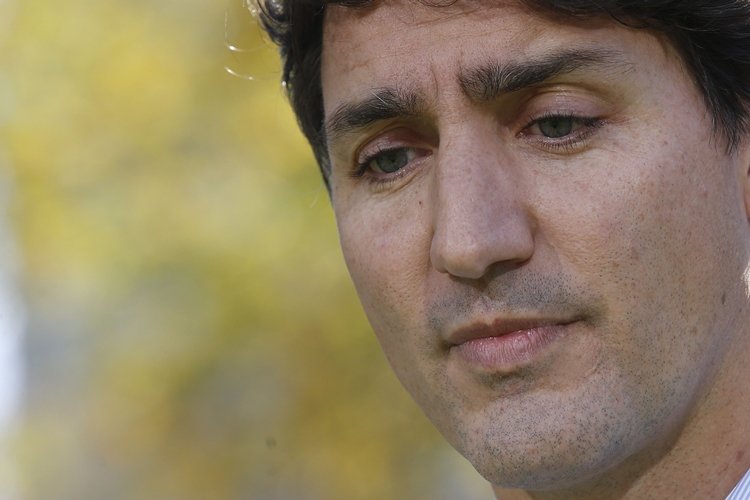
Canadian Prime Minister Justin Trudeau may increasingly be in troubled waters as chorus for him to step down grows. The voices urging Trudeau to step down have become shriller after former deputy prime minister and finance minister Chrystia Freeland stepped down.
National Democratic Party (NDP) leader Jagmeet Singh has urged Trudeau “to resign”. Canada-based Global News reported earlier this week that Jagmeet Singh considered “all options” to be on the table when a no-confidence motion is considered.
Singh’s comments came soon after Freeland announced her resignation on Monday (local time). Singh told reporters in Ottawa that the country was facing several economic issues in addition to increased tariff US President-Elect Donald Trump has threatened.
“Instead of focusing on these issues, Justin Trudeau and the Liberals are focused on themselves. They’re fighting themselves instead of fighting for Canadians. And for that reason, today, I’m calling on Justin Trudeau to resign,” said Jagmeet Singh, as quoted by Global News.
This is a significant development considering Trudeau’s Liberal Party has in past, relied on the NDP to servive tests of confidence.
Conservative Party leader Pierre Poilievre has also lashed out at Trudeau, who he said was clinging to power.
“Justin Trudeau has lost control and yet he clings to power,” he said as quoted by ANI.
“We cannot accept this kind of chaos, division, weakness while we’re staring down the barrel of a 25 per cent tariff from our biggest trading partner and closest ally,” he added further.
Trudeau having hard time
Trudeau is having hard time globally as well. On his watch, India-Canada ties nosedived to almost all-time low. Just last year, Trudeau alleged in Canadian parliament that ‘agents’ of India were involved in the murder of India-designated pro-Khalistan terrorist Hardeep Singh Nijjar in Canada.
India has denied the charges and asked Trudeau to provide concrete evidence which the former is yet to provide.
Can EVM be hacked? Top hacker Sunny Nehra explains
Sunny Nehra’s assessment of the EVM’s security features is echoed by various independent studies and audits conducted by reputable organizations.
India’s electoral process is secured by a robust system of Electronic Voting Machines (EVMs) that are designed with multiple technical safeguards and administrative protocols to ensure the integrity of elections. Sunny Nehra, India’s top ethical hacker, underscores the significance of these measures, emphasizing their role in maintaining the security and reliability of the electoral process. “When it comes to security of the EVM Machines, it’s not just about the tech level security features, but also about the procedures followed while conducting elections.” Sunny Nehra highlights.
This article will help in removing several myths that are prevalent related to the EVM machines. After a thorough discussion with Sunny Nehra, the complete procedure of securely conducting the elections along with technical security of EVMs is explained as below.
Standalone machines with no connectivity with external world
The journey of the EVM’s security begins at the manufacturing stage. These machines are produced by two state-owned companies, Bharat Electronics Limited (BEL) and Electronics Corporation of India Limited (ECIL), under the strict supervision of the Election Commission of India (ECI). The EVM’s core strength lies in its standalone, non-networked architecture. Sunny Nehra, India’s explains, “The EVM is a completely isolated system that has no connectivity with the external world making it immune to remote hacking. There is a general myth around that it has Bluetooth, and other sort of signals which isn’t the case in reality.”
Manufacturers can’t manipulate it in any party’s favour
It’s important to note that the sequence of the candidates on the Ballot Unit (EVM) is not predetermined. The names are set in alphabetic order in three groups – Recognized Parties, Unrecognized Registered Parties, and Independent candidates – only after the finalization of the list of candidates. So, to make it clear, no symbol is pre-fed into the EVM machines, and the chronology of the symbols depends on the name of the candidate, which would vary from constituency to constituency.
The machines have been manufactured in various years starting from 2006. Following manufacture, they are distributed to states and districts. It’s impossible for manufacturers to predict candidate details or ballot sequencing for individual constituencies years ahead of elections. Which machine will go to which constituency is also not predetermined at manufacturing stage, the allocation is random, in fact at two different levels a transparent randomization protocol is followed.
Technical Safeguards:
Sunny Nehra highlights that the newer M3 EVMs produced after 2013 are equipped with an Unauthorized Access Detection Module (UADM) that permanently disables the EVM if any attempt is made to access its microcontroller or memory. Additionally, EVMs have self-diagnostic capabilities that thoroughly check the machine each time it is switched on, ensuring only authorized devices can interact with it. Encryption techniques secure the communication between the Control Unit (CU), Ballot Unit (BU), and Voter Verifiable Paper Audit Trail (VVPAT) units, making it impossible to decode the signals. Nehra also points out the importance of dynamic coding, where the coding of key presses is dynamically changed, preventing any possibility of decoding the voter’s choice.
The software used in the EVM is burned into a One Time Programmable (OTP) chip, making it impossible to alter or tamper with. “Even the manufacturers cannot change the code once it’s programmed into the chip,” Nehra adds. To further safeguard the system, the EVM is equipped with a Secure Access Module (SAM) that acts as a gatekeeper, preventing any unauthorized access to the machine’s microcontroller. “The SAM is designed to detect any tampering, and if it senses any intrusion, it puts the EVM in a non-functional mode, rendering it useless,” Nehra explains.
Dynamic coding of key presses
The EVM features dynamic coding of key presses, making it virtually impossible for anyone to decode the signals between the Control Unit and the Ballot Unit. “Every keystroke is encrypted in a real-time, dynamic way, so even if someone tries to intercept the communication, they won’t be able to make sense of the data,” Nehra says. Moreover, the EVM has a real-time clock that logs every authorized and unauthorized key press with a timestamp. “This feature ensures that any malpractice or tampering can be easily detected and traced back to the culprit,” Nehra adds.
Administrative Protocols:
The manufacturing of EVMs is tightly controlled by trusted Public Sector Undertakings (PSUs) like Bharat Electronics Limited (BEL) and Electronics Corporation of India Limited (ECIL), which implement stringent security protocols under the strict supervision of the Election Commission of India (ECI). The software used in EVMs is developed in-house, vetted by the Technical Evaluation Committee (TEC), and undergoes rigorous testing and certification by the Directorate of Standardisation Testing and Quality Certification (STQC). EVMs and VVPATs are randomized twice using the cloud-based EVM Management System (EMS 2.0) to prevent any predetermined allocation of machines to polling stations. The process of setting up candidates in the EVMs, called “Commissioning,” is done securely, and the machines are sealed with threads, address tags, and seals to prevent tampering. Mock polls are conducted at various stages, and the electronic results in the CU are tallied with the VVPAT slip count. Candidates and their representatives are allowed to select machines randomly and conduct mock polls themselves. EVMs are stored in secure strong rooms with robust security measures, including armed guards, CCTV monitoring, and restricted access. Sealed EVMs are transported to counting centers under police escort, with candidates or their agents allowed to follow the vehicles and place their seals. Vehicles transporting EVMs are equipped with GPS for tracking purposes, ensuring that their movement is monitored and secure. Political parties and candidates are informed in advance and can participate in crucial EVM management steps, such as opening and sealing warehouses, transport, first-level checking, randomization, candidate setting, and the counting process.
Once voting concludes, trucks equipped with GPS and sealed for security transport Electronic Voting Machines (EVMs) to the Reception Centre, accompanied by police escort. There, the machines are securely stored in strong rooms designated for each constituency. The security system is structured in three layers: the Central Armed Police Force (CAPF) is positioned closest to the EVMs, followed by state armed reserve forces in the middle, and civil police positioned outside. Candidates and their representatives are allowed to track the vehicles, affix their seals on the storage units, and can also set up camp outside the strong rooms. Designated officials are required to access the storage area (up to the inner perimeter only) twice a day, in the morning and evening, to review the logbook and monitor video footage.
VVPATs
The introduction of the Voter Verifiable Paper Audit Trail (VVPAT) has further strengthened the integrity of the electoral process. The VVPAT provides a physical record of the voter’s choice, which can be cross-checked in case of any discrepancy. “The VVPAT is a completely separate system from the EVM, and it operates on a different power source. This ensures that any tampering with the EVM will not affect the VVPAT, and vice versa,” Nehra explains.
Cross Checking of 5% randomly selected polling stations of each constituency
Furthermore, the Supreme Court has directed the Election Commission to conduct a mandatory verification of VVPAT slips of randomly selected 5% of polling stations per assembly constituency/segment. This additional layer of verification ensures the accuracy and integrity of the electoral process. During the commissioning process, an additional higher mock poll of 1000 votes is done in 5% randomly selected EVMs and VVPATs, and the electronic result of the EVM is tallied with the VVPAT slips count. Candidates and their representatives are allowed to pick 5% of the EVMs and VVPATs randomly and also to do mock poll.
Strong rooms with 3 layer security
The security of the strong rooms housing the Electronic Voting Machines (EVMs) is also multi-layered. The strong rooms are typically located in secure government buildings and are guarded 24/7 by multiple layers of security personnel, including paramilitary forces. The strong rooms are under constant CCTV surveillance, with the footage being monitored by security personnel. The strong rooms are sealed and locked with multiple locks, with keys held by different authorities. Regular inspections are conducted by security personnel to ensure the integrity of the EVMs and the security of the strong room. Access to the strong room is strictly controlled, with only authorized personnel allowed entry. Notably, the “shoot at sight” order is implemented in high-security areas, including strong rooms. This order empowers security personnel to use lethal force against anyone attempting to breach the security of the strong room.
Security and checks during non-election period
During the non-election period, the EVMs and VVPATs are stored in secure district-level warehouses under the custody of the District Election Officer. These warehouses have a double-lock system, CCTV coverage, and armed security to ensure the machine’s safety. Before every election, the EVMs and VVPATs undergo a First Level Checking (FLC) process, where the machines are thoroughly tested and verified in the presence of representatives from national and state-recognized political parties. This process includes functionality checks, mock polls, and the loading of dummy symbols in the VVPATs.
Measures on the polling day
The EVMs and VVPATs are then randomly allocated to assembly constituencies and polling stations through a transparent randomization process, further ensuring the integrity of the system. On the day of the election, the EVMs and VVPATs are transported to the polling stations under the watchful eye of the candidates and their representatives. At the polling stations, mandatory mock polls are conducted in the presence of the polling agents to verify the functioning of the machines. After the polling is completed, the EVMs and VVPATs are sealed and transported to secure strong rooms, where they are stored under the vigilance of the candidates and their representatives until the day of counting.
Measures on the counting day
On the counting day, the strong rooms are opened in the presence of the candidates and their representatives, and the votes are tallied. Additionally, a mandatory verification of the VVPAT slips of randomly selected polling stations is conducted to ensure the accuracy of the EVM results.
Conclusion
Sunny Nehra’s assessment of the EVM’s security features is echoed by various independent studies and audits conducted by reputable organizations. The Election Commission of India has also consistently maintained that the EVMs are tamper-proof and secure. As India’s top ethical hacker, Sunny Nehra’s endorsement of the EVM’s security carries significant weight. He believes that the robust security measures implemented in the EVM make it a far better choice over paper ballot method, and ensure the integrity of the electoral process in the world’s largest democracy.
Tirupati: The Tirumala Tirupati Devasthanams (TTD), the official custodian of world famous Lord Venkateswara Swamy temple here, will erect a model temple of the deity at Prayagraj in Uttar Pradesh during the forthcoming Maha Kumbh Mela.
The 45-day Maha Kumbh Mela is scheduled from January 13 to February 26, 2025, where TTD is planning to make elaborate arrangements to showcase the glory and grandeur of the deity to people from Northern India.
“The model temple of Sri Venkateswara Swamy has to come up in such a way that the northern devotees should feel and experience the presence of the Lord of Seven Hills in the Mahakumbha Mela itself,” said TTD joint executive officer (health & education) M Gowthami in a press release.
Reviewing the arrangements, she directed the temple officials to coordinate from time to time to offer best facilities for the devotees.
She said rituals such as Srivari Kalyanotsavam, Chakra Snanam and others should be performed in a befitting manner to impress the devotees.
The model temple coming up on a 2.5 acre land parcel at the mega fair should be illuminated with electrical lighting and decked up with flowers, said Gowthami.
The temple body is also lining up bhajans (songs and hymns) and other programmes at the Maha Kumbh Mela, which will be broadcast live by SVBC channel.
Bodoland lottery result today(18-12-2024): Assam state lucky draw result(soon); Check winners list, ticket number
live
Bodoland Lottery Result Today LIVE Updates for December 18, 2024: The Bodoland Lottery Department will declare the Bodoland Lottery Result today, December 18, 2024, at 3:00 PM.
Bodoland Lottery Result Monday (27-05-2024): Assam State Lucky Draw Lucky (DECLARED)- Check Winners List Here, Ticket Numbers
Bodoland Lottery Result Today LIVE Updates for December 18, 2024: The Bodoland Lottery Department will declare the Bodoland Lottery Result today, December 18, 2024, at 3:00 PM. Usually, the Bodoland Lottery is played three times a day. Several people buy Bodoland Lottery tickets.
Disclaimer: Lottery participation can be addictive, and it is crucial to engage in it responsibly. The information presented on this page is for informational purposes exclusively and should not be interpreted as advice or encouragement. India.com neither endorses nor promotes lotteries in any manner. Stay tuned for the latest updates on Bodoland lottery ticket result.
The internet went gaga over Zendaya’s red carpet moments at the Dune premiere. One of the standout couture pieces was her metallic Thierry Mugler outfit, with sleek panels, LED accents, and chrome details, styled perfectly with her slicked-back hair and a bejewelled neckpiece.
Opposition MPs including Lok Sabha LoP Rahul Gandhi hold a protest against Union Home Minister Amit Shah’s speech in the Rajya Sabha during the Constitution debate yesterday. | ANI
New Delhi: Amid the chaos, both houses of the Parliament – Lok Sabha and Rajya Sabha – were adjourned till 2:00 PM today.
This comes as the opposition carries out protests at the Parliament premises over the remarks made by Union Home Minister Amit Shah in Rajya Sabha regarding Babasaheb Ambedkar.
Meanwhile, Congress MP Manickam Tagore on Wednesday morning moved an adjournment motion notice in Lok Sabha to discuss Union Home Minister Amit Shah’s remarks on Dr BR Ambedkar in Rajya Sabha.
Congress MP Manickam Tagore Accuses Union Home Minister Of “Insulting” Dr. Ambedkar’s Legacy
In his adjournment motion notice, Tagore accused Amit Shah of “insulting” Dr BR Ambedkar’s legacy and “hurting the sentiments of people.”
“I rise today to bring to the attention of this House the deeply offensive and disrespectful remarks made by the Union Home Minister, Shri Amit Shah, in the Rajya Sabha on December 17, 2024, regarding Dr. B.R. Ambedkar, the architect of our Constitution. These remarks not only insult Dr Ambedkar’s legacy but also hurt the sentiments of crores of people who revere him as the founding father of modern India and a symbol of social justice and equality,” Tagore stated in the notice.
About Union Home Minister’s Remark
This came after Amit Shah, in his address in the Rajya Sabha at the conclusion of a two-day discussion in Rajya Sabha on 75 years of the Constitution on Tuesday, lashed out at the Congress party and said that it had become a ‘fashion’ for the party to take Ambedkar’s name.
“If they had taken the name of God so many times instead of Ambedkar then they would have got heaven for 7 lives,” he said.
Tagore called Amit Shah’s statement “blasphemous” and an “attempt to undermine” Ambedkar’s role in drafting the Constitution.
One Nation, One Election Bill Introduced
Earlier, the Constitution (129th Amendment) Bill was introduced, proposing the ‘One Nation, One Election’ policy, which seeks to hold simultaneous elections for both the Lok Sabha and state assemblies. The bill has been sent to a Joint Parliamentary Committee (JPC) for detailed discussions.
The Speaker of Lok Sabha announced the result of the vote on the introduction of the bill. The vote showed 269 members in favour (Ayes) and 196 against (Noes). This followed Law Minister Arjun Ram Meghwal’s formal introduction of the Constitution (129th Amendment) Bill, 2024, on ‘One Nation, One Election’ and his agreement to send the bill to a JPC in response to Union Home Minister Amit Shah’s statement.
Speaking in the Lok Sabha, Shah said, “When the One Nation, One Election Bill was taken up in the cabinet for approval, PM Modi had said that it should be sent to the JPC for detailed discussion. If the Law Minister is willing to send the bill to JPC, the discussion on its introduction can end.”
Meghwal also introduced a bill to amend the Government of Union Territories Act, 1963, the Government of National Capital Territory of Delhi Act, 1991, and the Jammu and Kashmir Reorganisation Act, 2019, as per the day’s schedule. These amendments aim to align assembly elections in Delhi, Jammu & Kashmir, and Puducherry with the proposed simultaneous elections.
The bills have drawn criticism from the opposition, who say that they (the bills) target the basic structure of the Constitution and allege that they pose a threat to India’s federal structure and aim to centralise power.
(Except for the headline, this article has not been edited by GPlus’s editorial team and is auto-generated from an agency feed.)