Category: BUSINESS

  • India to remain fastest-growing economy, trade talks with US on track: Piyush Goyal

    India to remain fastest-growing economy, trade talks with US on track: Piyush Goyal

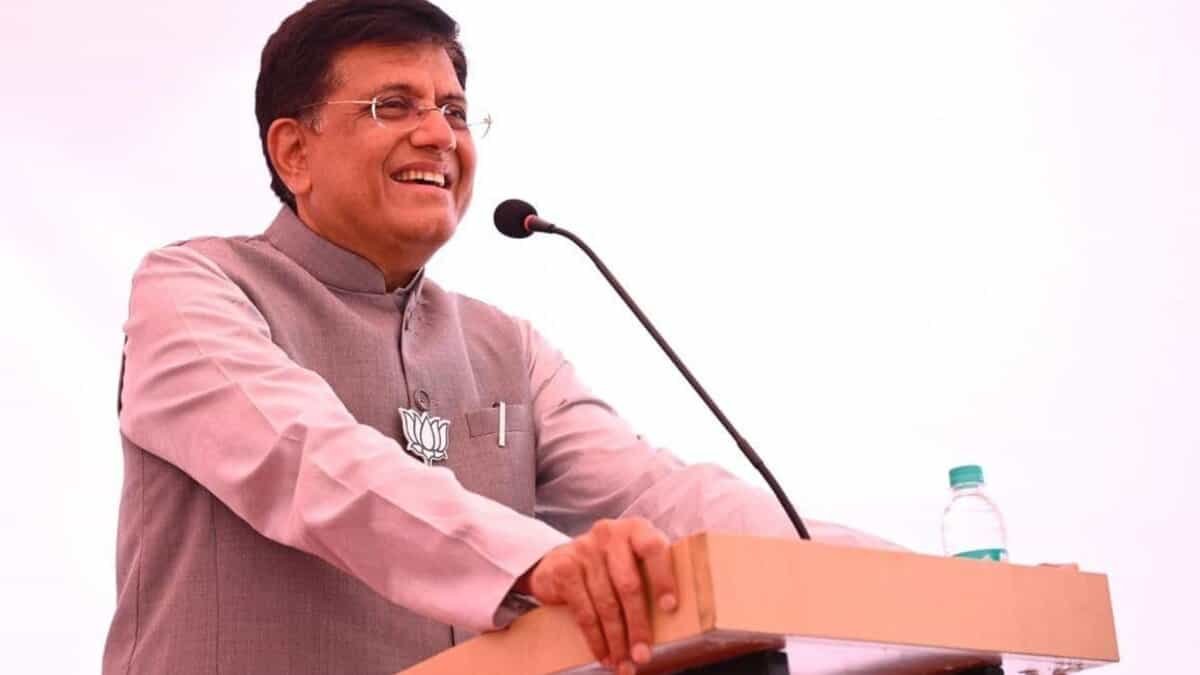
    New Delhi: India is an attractive investment destination and has the potential to remain the fastest-growing large economy in the world for the next 30 years, Union Minister for Commerce and Industry, Piyush Goyal, has said.

    Goyal said the country has maintained sustained growth of 6–7 percent and hopes to push it to 8 per cent at constant prices.

    Speaking at the CII ‘Annual Business Summit 2025’ here, the minister said that even amid international upheavals, “we are among the better-performing emerging markets”.

    MS Creative School

    “Today, India holds the 4th largest foreign exchange reserves in the world at about $690 billion. Our inflation has remained below 4 per cent for the last three months. The Reserve Bank has done a commendable job balancing liquidity and currency management,” he told the gathering.

    Goyal highlighted India as an attractive investment destination. “Over the past 20–25 years, Indian companies have delivered nearly 20 per cent CAGR returns, making India a compulsive investment destination. FDI inflows are consistently breaking records. We are back on track on the growth trajectory, working through international trading relations,” he added.

    The minister cited progress on various Free Trade Agreements (FTAs), including those with the UAE, Australia, the UK, the four EFTA countries (Iceland, Liechtenstein, Norway, and Switzerland), and the ongoing bilateral trade agreement negotiations with the US.

    “We are well on track with our bilateral trade agreement with the USA and making fast progress with the European Union’s 27-nation bloc. We have also launched negotiations with New Zealand,” he stated.

    The EFTA countries have committed $100 billion in foreign direct investment (FDI) to India over the next 15 years. This is expected to crystallise into a total investment of $500 billion.

    Furthermore, the large ecosystem that will be created around this investment has the potential to attract an additional $500 billion. “We are not aiming small,” said Goyal, emphasising that this figure does not include investments from the Norwegian Pension Fund and represents pure FDI.

    He further highlighted that this is the first Free Trade Agreement (FTA) in the world to include such a forward-looking investment clause.

    Goyal expressed pride at India’s continued economic progress and stated that the IMF has projected that by 2027, India will be the world’s third largest GDP. He added that despite global volatility, uncertainty and complexity, India remains the fastest-growing economy and continues to power global growth through growth in India.

    The minister underlined that growth through trade, resilient supply chains and innovation would remain incomplete without inclusive growth.

  • Indian stock market opens flat amid stable institutional investments

    Indian stock market opens flat amid stable institutional investments

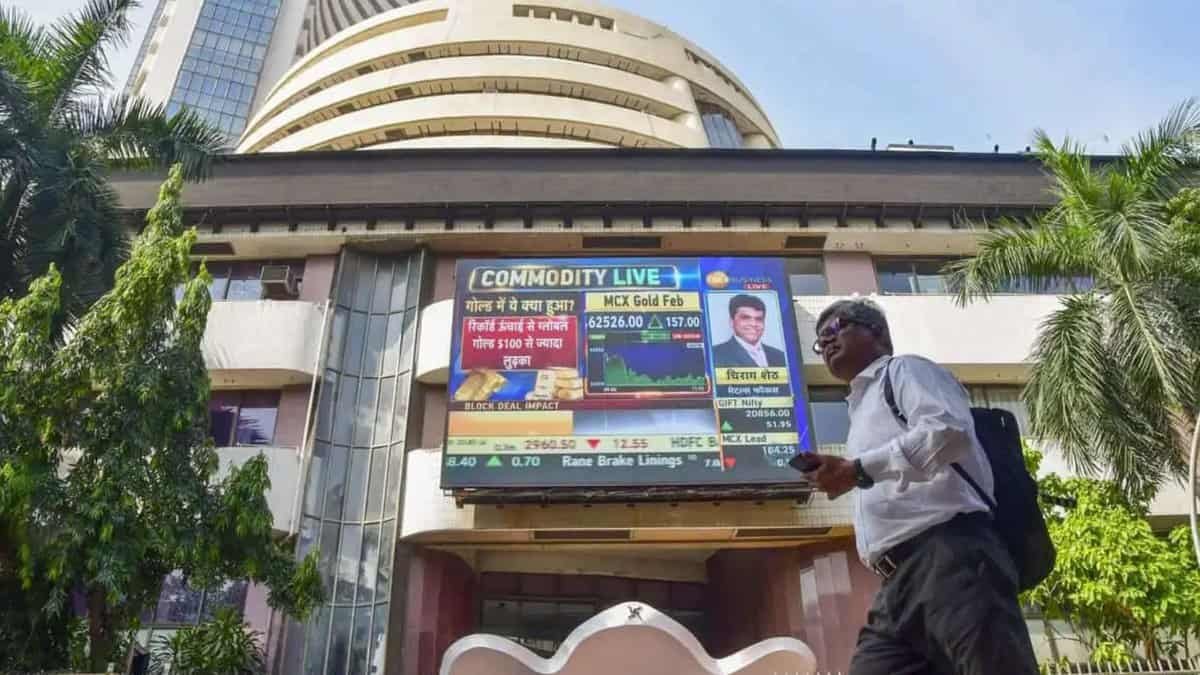
    Mumbai: The domestic benchmark indices opened flat on Friday amid negative Asian cues, as selling was seen in the IT and auto sectors in the early trade.

    Stable institutional flows — both FII and DII — are keeping the market steady even in the absence of positive triggers. The ongoing consolidation phase is likely to continue in the near-term, according to analysts.

    At around 9.29 am, Sensex was trading 11.77 points or 0.01 per cent up at 81,644.79 while the Nifty added 13.20 point or 0.05 per cent at 24,846.80.

    MS Creative School

    Nifty Bank was up 81.20 points or 0.15 per cent at 55,627.25. The Nifty Midcap 100 index was trading at 57,707.65 after rising 250.40 points or 0.44 per cent. Nifty Smallcap 100 index was at 17,927.15 after climbing 37.75 points or 0.21 per cent.

    According to analysts, the Nifty posted a smart recovery in the final minutes of trading on Thursday, after spending most of the first half in the red.

    “Although the Nifty is still caught in a sideways market defined by the 24,462 and 25,116 range, yesterday’s rebound traced a long lower shadow and a small real body that was closer to the day’s high, and that’s a bullish sign. Immediate support and resistance lie at 24677 and 25000 respectively,” said Akshay Chinchalkar, Head of Research at Axis Securities.

    Meanwhile, in the Sensex pack, Infosys, Tech Mahindra, HCL Tech, Bajaj Finance, IndusInd Bank, Bharti Airtel, Titan and Hindustan Unilever Limited were the top losers. Whereas, Adani Ports, Eternal, Maruti Suzuki and Sun Pharma were the top gainers.

    In the Asian markets, Hong Kong, Bangkok, Seoul, China and Japan were trading in the red.

    In the last trading session, Dow Jones in the US closed at 42,215.73, up 117.03 points, or 0.28 per cent. The S&P 500 ended with a gain of 23.62 points, or 0.40 per cent, at 5,912.17 and the Nasdaq closed at 19,175.87, up 74.93 points, or 0.39 per cent.

    “Investors should understand two distinct big trends that will weigh on markets: One, India’s macros are strong and improving. Two, this positive trend in macros is not getting reflected in corporate earnings,” said Dr VK Vijayakumar, Chief Investment Strategist, Geojit Investments Ltd.

    This is the fundamental reason for the range-bound movement of the market.

    On the institutional front, foreign institutional investors (FIIs) were net buyers as they bought equities worth 884.03 crore on May 29, while domestic institutional investors (DIIs) purchased equities worth 4,286.50 crore.

    According to market watchers, steadily improving macros like resilient GDP growth, down trending inflation and interest rates and declining fiscal and current account deficits lay the foundation for a strong economy and earnings recovery in the medium term.

  • Bajaj Auto’s Q4 net profit drops sequentially by 18 pc

    Bajaj Auto’s Q4 net profit drops sequentially by 18 pc

    Mumbai: Bajaj Auto on Thursday reported an 18 per cent drop in its consolidated net profit for the fourth quarter of the financial year 2024-25 (Q4FY25) on a sequential basis.

    The company posted a net profit of Rs 1,802 crore in Q4 FY25, compared to Rs 2,196 crore in the previous quarter (Q3 FY25).

    However, the company still showed a 10 per cent year-on-year (YoY) growth in net profit, as it had reported Rs 1,642 crore in the same quarter previous fiscal.

    MS Creative School

    The company’s total revenue for the January-March 2025 quarter also fell sequentially by 4 per cent, coming in at Rs 12,646 crore versus Rs 13,169 crore in Q3 FY25.

    However, revenue was up 9 per cent on a YoY basis, compared to Rs 11,555 crore in Q4 FY24.

    Bajaj Auto recommended a dividend of Rs 210 per share for the financial year ended March 31.

    “If approved by shareholders, the dividend will be credited on or around August 8,” the company said in its regulatory filing.

    On a standalone basis, the company posted a net profit of Rs 2,049 crore, up 6 per cent from Rs 1,936 crore in the year-ago period.

    Standalone revenue also grew by 6 per cent to Rs 12,148 crore from Rs 11,485 crore in Q4 FY24.

    The company described FY25 as a ‘record year’ for both revenue and profits. It attributed its performance to strong demand for internal combustion engine (ICE) vehicles, the rapid scale-up of its electric vehicle business, and continued strength in exports.

    Bajaj Auto said that the standalone revenue growth was driven by double-digit increases in premium motorcycles, electric scooters, and commercial vehicles.

    Exports also performed well. However, revenue growth was slightly below expectations due to a temporary halt in KTM exports.

    The company’s EBITDA for Q4 FY25 stood at Rs 2,451 crore, a 6 per cent increase YoY.

    The EBITDA margin was maintained at 20 per cent for the sixth consecutive quarter, rising slightly to 20.2 per cent from 20.1 per cent in the same period last financial year.

    Bajaj Auto said the improved margin was supported by favourable currency movements and cost reductions, especially on the new Chetak electric scooter platform.

  • Genuine assigned land tillers to receive pattas: Telangana revenue minister

    Genuine assigned land tillers to receive pattas: Telangana revenue minister

    Hyderabad: Revenue minister Ponguleti Srinivasa Reddy has disclosed that the state government was going to take a decision on the assigned lands being tilled by the assignees who were not issued pattas earlier, and that the modalities of it were being worked out.

    During a review meeting of Bhu Bharati and Indiramma Illu housing schemes with all the district collectors of the undivided Warangal district on Thursday, May 29, he instructed them to clear all the genuine cases of Saada Bainamas (land sale deeds signed on white papers), and keep them ready, but not to upload them in the Bhu Bharathi revenue portal yet.

    He said that after the reopening of the High Court on June 5 or 6, the advocate general will work on on the stay on the Saada Bainama cases, so that they could all be resolved.

    MS Creative School

    There were around 9,26,000 cases of Saada Bainama for which applications were made in 2020, when the previous government wanted to resolve those cases. In addition to those petitions, the collectors informed the minister that most of the petitions coming in during the Bhu Bharati grievance redressal programmes were also concerning Saada Bainama issues that were not previously reported.

    The minister directed the collectors to accept Bhu Bharathi petitions starting June 2 from all mandals till June 20, and to address those issues between June 21 to August 15.

    He said that in addition to 680 to 690 government surveyors being recruited, an additional 4,400 to 4,500 gram panchayat officers who were being recruited, will be allotted to the respective mandals on June 1 or 2.

    Regarding the Indiramma Illu scheme, he expressed anguish at the final list of beneficiaries not being sent to the in-charge ministers for approval, even as the houses were in various stages of construction in every district.

    In addition to the already allotted Indiramma houses to each constituency, he said that an additional 1,500 houses were being allotted to each constituency, just to keep them in the buffer list. He asked the collectors to prepare the buffer list ready by June 6.

  • RBI to use shredded banknotes in making particle boards

    RBI to use shredded banknotes in making particle boards

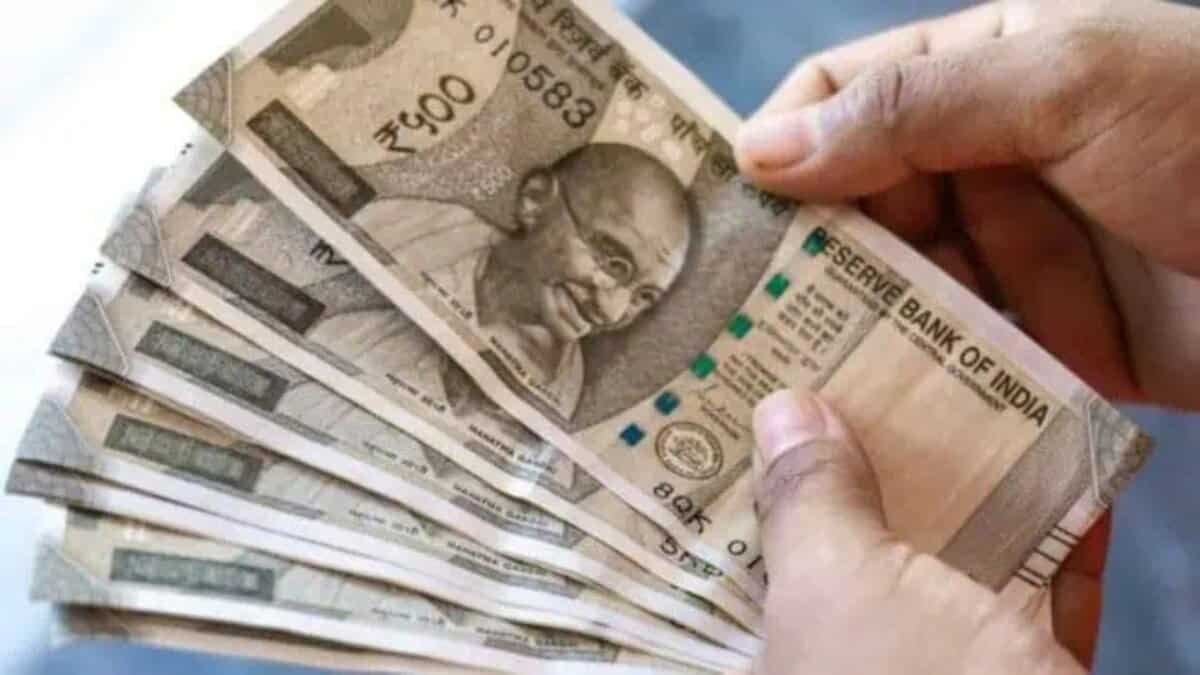
    Mumbai: To make banknote disposal more environment-friendly, the Reserve Bank will use shredded banknotes for making particle boards and has started a process to empanel board manufacturers, according to its annual report released on Thursday.

    In its report, the RBI said the quantum of banknote briquettes or compressed blocks of paper produced annually in India has hovered around 15,000 tonnes, and it has been on the lookout for greener alternatives for disposal.

    Conventionally, a majority of central banks and other authorities in charge of currency management dispose of shredded banknotes in landfills or through incineration, which is not environmentally friendly.

    MS Creative School

    The RBI commissioned a study by the Institute of Wood Science and Technology, an autonomous body under the Union Ministry of Environment, Forest and Climate Change, to look for some alternative solutions, the report said.

    “The study established that particle boards created with currency briquette particles would conform to the technical requirements of particle board,” the annual report said.

    It has initiated a process for empanelment of particle board manufacturers who will procure briquettes for end use as partial replacement of wood particles in their boards, the annual report said.

    The Department of Currency Management will “actively pursue” its initiatives towards finding more environment-friendly ways for disposal of banknote shred/briquettes, it added.

    The report said ingredients embedded in banknote paper substrate such as security threads and fibres, security inks and other chemicals used in banknote printing lead to an environmental impact, and hence the disposable has to be made more sustainable and eco-friendly.

  • Rupee declines 10 paise to settle at 85.48 against US dollar

    Rupee declines 10 paise to settle at 85.48 against US dollar

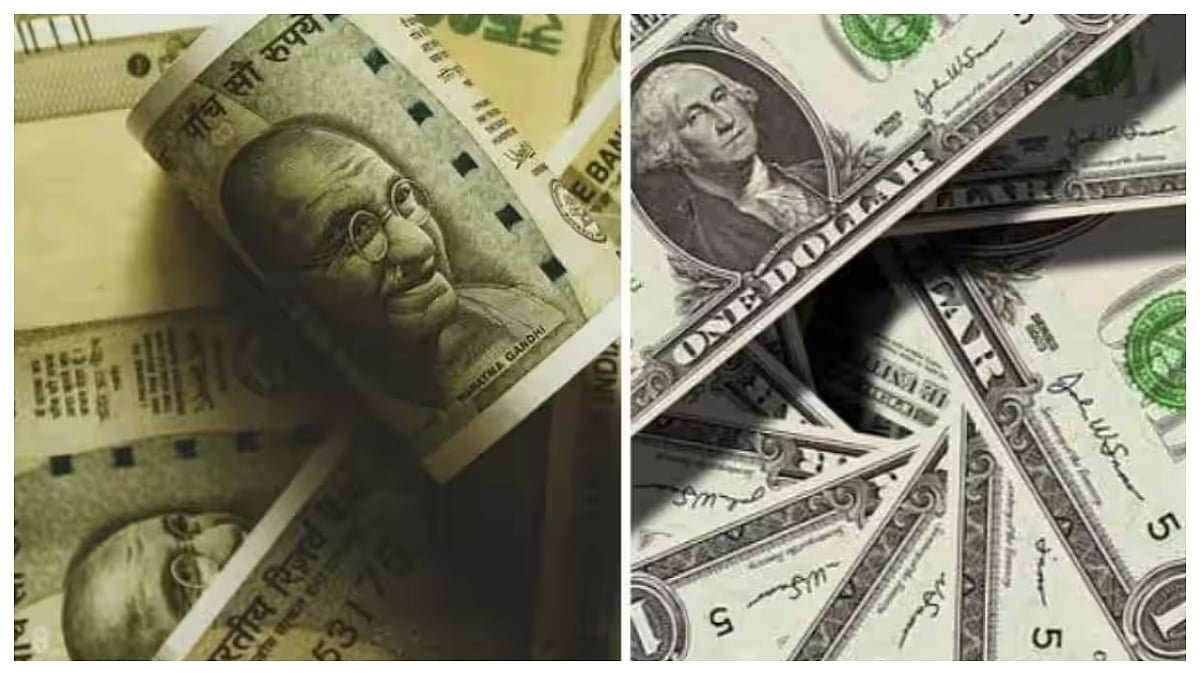
    Mumbai: The rupee declined 10 paise to close at 85.48 (provisional) against the US dollar on Thursday due to a strong American currency against major crosses overseas and rising global crude oil prices.

    However, positive domestic equity market and foreign fund inflows supported the local currency and restricted its slide, forex traders said.

    At the interbank foreign exchange, the domestic unit opened at 85.56 and touched the intra-day low of 85.62 against the greenback. The unit hit the day’s high of 85.40 before ending the session at 85.48 (provisional) against the dollar, 10 paise lower from its previous close.

    MS Creative School

    The rupee ended Wednesday’s session two paise higher at 85.38 against the dollar.

    Anuj Choudhary, Research Analyst at Mirae Asset Sharekhan, said a surge in the US dollar index and crude oil prices weighed on the rupee.

    “Month-end dollar demand and FII outflows may also pressurise the rupee. USD-INR spot price is expected to trade in a range of Rs 85.15 to Rs 85.80,” he said.

    Meanwhile, the dollar index, which gauges the greenback’s strength against a basket of six currencies, was trading higher by 0.11 per cent at 99.89.

    Analysts said the American currency index gained after a US federal court blocked President Donald Trump’s sweeping reciprocal tariff order, fuelling hope of easing global trade uncertainties.

    Brent crude, the global oil benchmark, climbed 1.25 per cent to USD 65.71 per barrel in futures trade.

    In the domestic equity market, the 30-share BSE Sensex rose 320.70 points, or 0.39 per cent, to close at 81,633.02, while the Nifty went up 81.15 points, or 0.33 per cent, to 24,833.60.

    Foreign institutional investors (FIIs) purchased equities worth Rs 4,662.92 crore on a net basis on Wednesday, according to exchange data.

    The Reserve Bank, in its latest annual report on Thursday, said the country is poised to remain the fastest-growing major economy in the world even in FY26.

    According to official data released on Wednesday, India’s industrial production growth slowed to 2.7 per cent in April 2025 due to poor performance of manufacturing, mining and power sectors.

  • Rupee settles 2 paise higher at 85.38 against US dollar

    Rupee settles 2 paise higher at 85.38 against US dollar

    Mumbai: The rupee consolidated in a narrow range and settled for the day higher by just 2 paise at 85.38 against the American currency in a volatile trade on Wednesday, amid a negative trend in domestic equities and elevated crude oil prices.

    Forex traders said rupee opened on a weak note on weak domestic markets and elevated crude oil prices. However, it recovered from lower levels as the US Dollar index softened in the latter half of the session.

    The rupee’s outlook remains favorable due to improved economic conditions and foreign fund inflows, they said.

    MS Creative School

    At the interbank foreign exchange, the domestic unit opened at 85.59 and moved between an intraday high of 85.33 and a low of 85.72 against the greenback.

    The local unit ended the session at 85.38 against the dollar, higher by 2 paise from its previous close.

    On Tuesday, the rupee closed 30 paise lower at 85.40 against the greenback.

    “The Indian rupee traded on a flat note on Wednesday. Rupee opened on a weak note on weak domestic markets and elevated crude oil prices. However, it recovered from the lower levels as the US Dollar index softened in the latter half of the session,” said Anuj Choudhary – Research Analyst at Mirae Asset Sharekhan.

    Choudhary further noted that “Month-end Dollar demand from importers may weigh on the rupee. However, the weak tone in the greenback may support the Rupee. USDINR spot price is expected to trade in a range of 85.10 to 85.70.”

    Meanwhile, the dollar index, which gauges the greenback’s strength against a basket of six currencies, was trading higher by 0.16 per cent at 99.68.

    Brent crude, the global oil benchmark, rose 1.39 per cent to USD 64.98 per barrel in futures trade.

    In the domestic equity market, the 30-share BSE Sensex fell 239.31 points, or 0.29 per cent, to close at 81,312.32, while the Nifty declined 73.75 points, or 0.30 per cent, to 24,752.45.

    Foreign institutional investors (FIIs) purchased equities worth Rs 4,662.92 crore on a net basis on Wednesday, according to exchange data.

    On the domestic macroeconomic front, India’s industrial production growth slowed to 2.7 per cent in April 2025 due to poor performance of manufacturing, mining and power sectors, according to official data released on Wednesday.

  • Ex-SEBI chief Madhabi Puri Buch given clean chit

    Ex-SEBI chief Madhabi Puri Buch given clean chit

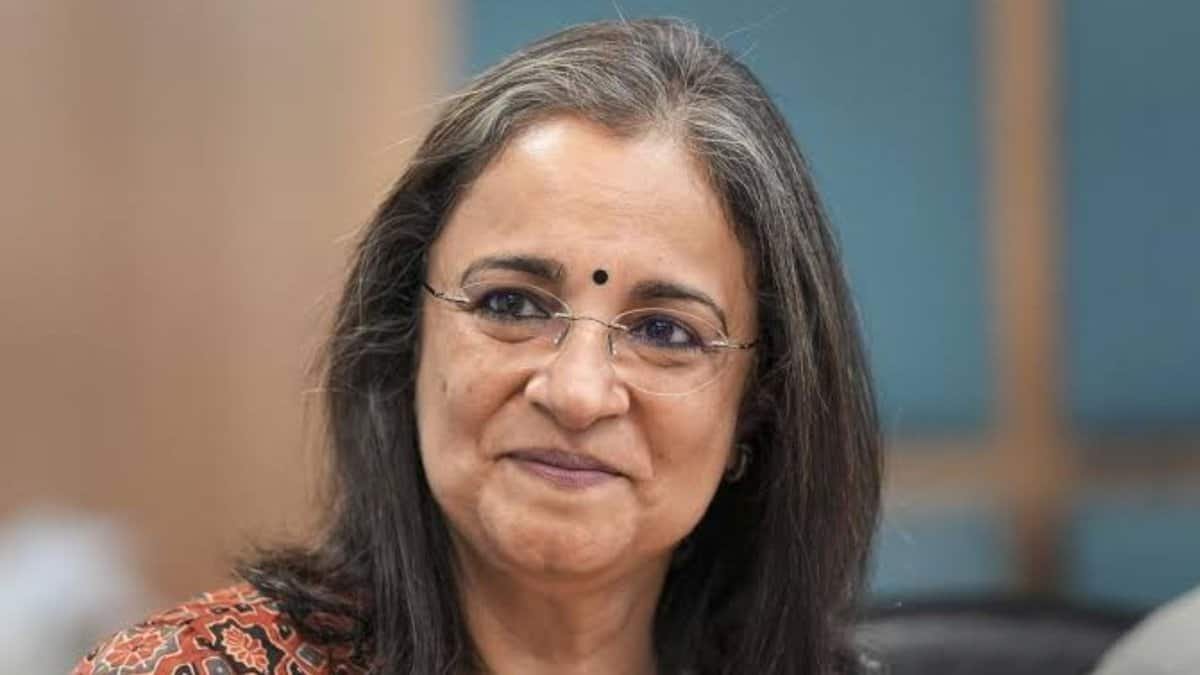
    New Delhi: Anti-corruption ombudsman Lokpal on Wednesday disposed of complaints alleging impropriety and conflict of interest against former SEBI chief Madhabi Puri Buch based on a Hindenburg Research report, terming the charges as “presumptions and assumptions” not supported by any verifiable material.

    The Lokpal said that the complaints, including the one by TMC MP Mahua Moitra, filed last year, were essentially founded on the report by a known short seller trader whose focus was to expose or corner the Adani Group of Companies.

    In its report published on August 10, 2024, Hindenburg Research alleged that Buch and her husband had stakes in obscure offshore funds used in the alleged money-siphing scandal involving the Adani Group.

    MS Creative School

    They had denied the allegations, saying the short-seller was attacking the capital markets regulator’s credibility and attempting a character assassination.

    The Adani Group had also termed the allegations as malicious and a manipulation of selective public information.

    In its Wednesday order, the Lokpal “concluded that the allegations in the complaint(s) are more on presumptions and assumptions and not supported by any verifiable material and do not attract the ingredients of the offences… so as to direct an investigation therefor”.

    Accordingly, these complaints are disposed of, said the order by a six-member bench headed by Lokpal chairperson Justice A M Khanwilkar.

    Buch, who took over as the chief of the Securities and Exchange Board of India (SEBI) on March 2, 2022, demitted office on February 28 this year after the completion of her tenure.

    Referring to an earlier order in this regard, the Lokpal said that the Hindenburg report by itself cannot be made the sole basis to escalate action against Buch.

    “The complainant(s) being conscious of this position, advisedly attempted to articulate allegations independent of the stated report but the analysis of the allegations by us ended with a finding that the same are untenable, unsubstantiated and bordering on frivolity,” the order said.

    The Lokpal had on November 8, last year, sought Buch’s “explanation” on the complaints filed by Moitra, a Lok Sabha member, and two others.

    Buch, the former chairperson of the capital markets regulator Securities and Exchange Board of India (SEBI), was asked to submit her response within four weeks.

    Buch had filed her response by way of an affidavit sworn on December 7, 2024, raising preliminary issues as well as giving an explanation, allegation-wise.

    The Lokpal had on December 19 last year decided to give an opportunity of oral hearing to both Buch and the complainants to clarify their positions taken in the complaints or the affidavit.

    Hindenburg Research’s founder announced its closure in January this year.

    Meanwhile, the Lokpal took the matter for oral arguments on April 9, after further documents and affidavits-cum-written-submissions were filed.

    “The advocate for the complainant in the second complaint made exhaustive oral submissions. The proxy counsel appearing for the complainant in the third complaint opted to file written submissions.

    “Although the complainant in the third complaint has been represented by an advocate, neither the complainant nor the advocate appeared to make oral submissions,” the order said.

    Buch was represented by senior counsel who made elaborate oral submissions.

    “At the conclusion of the oral arguments, parties were given time to file written note/response as requested by them, for consideration of the bench,” the order said.

    It said that at the time of oral submissions, the complainants had mainly invoked sections 7 and 11 of the Act of Prevention of Corruption Act, 1988, on the allegation that Buch had taken undue advantage.

    In the order, the Lokpal noted that five allegations have been emphasised during the oral arguments and in the written notes/submissions by the complainants, and dealt with them in detail in its order, before finally disposing of them.

  • India’s data centre capacity to cross 4,500 MW by 2030

    India’s data centre capacity to cross 4,500 MW by 2030

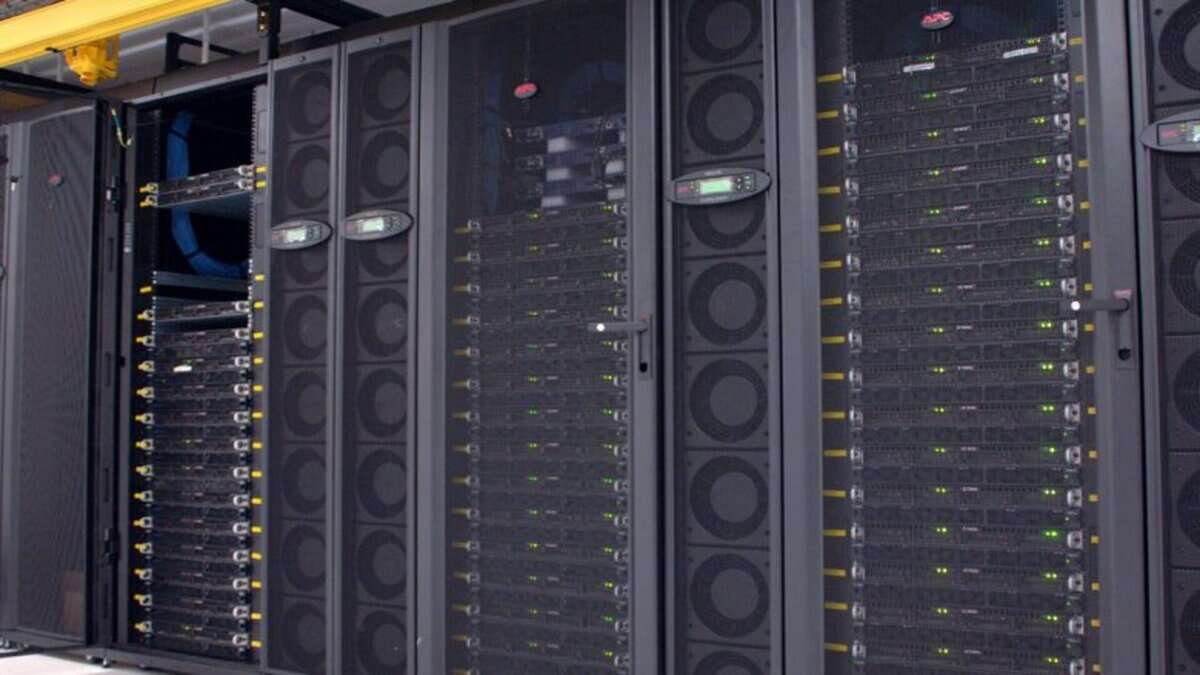
    Bengaluru: India’s data centre (DC) market capacity across top seven cities is expected to cross 4,500 MW by 2030, attracting investments to the tune of $20-25 billion the next 5-6 years, a report showed on Wednesday.

    This is likely to translate into real estate footprint of around 55 million square feet in the next 5-6 years, according to the report by Colliers.

    DC capacity has grown over 4 times times in the last 6-7 years and stands at 1,263 MW (as of April). This growth is driven by the surge in demand for digital and cloud services, increasing adoption of artificial intelligence (AI) and Internet of Things (IoT), and higher internet penetration, supported by favourable government policies.

    MS Creative School

    At the city level, Mumbai continued to account for majority of the DC capacity with 41 per cent share, followed by Chennai and Delhi-NCR at 23 per cent and 14 per cent, respectively.

    This rapid expansion in capacity has resulted in over 3X times increase in real estate footprint over the last 6-7 years, across top seven DC markets of the country, taking it to 16 million square feet, the report mentioned.

    “India is becoming a global DC hotspot, fuelled by rapid digitalisation, data localisation norms and strong government support,” said Jatin Shah, Chief Operating Officer, Colliers India.

    Undoubtedly, India’s strategic advantages such as availability of land parcels, power supply for usage and availability of skilled talent, reinforces its position as one of the preferred destination for data centres in the APAC region.

    “Interestingly, the market is expanding beyond large-scale colocation facilities and hyperscalers to edge data centres driven by increasing need for lower latency, real-time analysis, enhanced app performance, and business agility,” said Shah.

    In terms of geographical spread, 44 per cent of the new supply since 2020 was concentrated in Mumbai. This was followed by Chennai and Delhi-NCR which together accounted for 42 per cent of the capacity addition since 2020. In the next 5-6 years too, majority of the primary DC markets are set to witness significant influx of new supply.

    Hyderabad, specifically, is likely to see significant traction and emerge as a major hub, in addition to cities such as Mumbai, Chennai and Delhi-NCR.

  • Indian stock market opens flat amid mixed global cues

    Indian stock market opens flat amid mixed global cues

    Mumbai: The domestic benchmark indices opened marginally lower on Wednesday amid mixed global cues as selling was seen in the FMCG and auto sectors in the early trade.

    At around 9.26 am, Sensex was trading 92.61 points or 0.11 percent down at 81,459.02 while the Nifty declined 16.75 point or 0.07 percent at 24,809.45.

    Nifty Bank was up 78.15 points or 0.14 percent at 55,430.95. The Nifty Midcap 100 index was trading at 57,326.05 after rising 171.55 points or 0.30 percent. Nifty Smallcap 100 index was at 17,839.40 after climbing 114.25 points or 0.64 percent.

    MS Creative School

    According to analysts, Nifty ended lower yesterday in a rather volatile trading session. Technically, 24,462 remains a critical swing low. If it holds – and this is the preferred view – the market will target first resistance at 25,116 and then 25,390.

    “On the other hand, should 24,462 break, a ‘rising wedge’ pattern will be activated, with a downside target set near the 23,900-24,000 area,” said Akshay Chinchalkar, Head of Research, Axis Securities.

    Meanwhile, in the Sensex pack, ITC, Titan, Nestle India, Hindustan Unilever Limited, M&M and Sun Pharma were the top losers. While, Infosys, Tata Motors, Bharti Airtel, HCL Tech, Bajaj Finance and NTPC were the top gainers.

    In the Asian markets, Bangkok, Seoul, China, Jakarta and Japan were trading in green. Only Hong Kong was trading in the red.

    In the last trading session, Dow Jones in the US closed at 42,343.65, up 740.58 points, or 1.78 per cent. The S&P 500 ended with a gain of 118.72 points, or 2.05 per cent, at 5,921.54 and the Nasdaq closed at 19,199.16, up 461.96 points, or 2.47 per cent.

    Global markets traded on a positive note on Tuesday. Despite the domestic decline, foreign institutional investors (FIIs) remained net buyers, reflecting growing confidence in the Indian market, said experts.

    On the institutional front, foreign institutional investors (FIIs) were net buyers as they bought equities worth 348.45 crore on May 27, while domestic institutional investors (DIIs) purchased equities worth 10,104.66 crore.