Hyderabad: Gold rates in Hyderabad and other Indian cities have once again reached near an all-time high record and continued to outperform stock market returns so far in January.
Globally too, it has continued the structural bull run into the start of 2026 on the back of enhanced safe-haven demand.
Returns from stock market
The benchmark indices of the stock market, NIFTY 50 and SENSEX, have given negative returns so far in January. While NIFTY 50 fell by 1.73 percent, SENSEX dipped by 1.90 percent in the current year so far.
NIFTY 50 declined from Rs 26,146.55 on January 1, 2026 to 25,694.35 on January 16, 2026. Another index, SENSEX, dipped from Rs 85,188.60 to Rs 83,570.35 in the same period.
On the other hand, the gold rates in Hyderabad were Rs 135,060 and Rs 123,800 per 10 grams of 24-carat and 22-carat respectively on January 1, 2026. They have now jumped to Rs 143,780 and Rs 131,800 for 24-carat and 22-carat respectively.
The yellow metal has surged by over 6 percent in 17 days in 2026.
Safe-haven demand pushes gold, silver rates in Hyderabad
Industrial demand alongside renewed safe-haven buying is pushing the prices of the yellow and white metal.
Investor sentiment in silver remains firmly constructive, supported by persistent supply deficits, record central bank buying as well as rising green-energy demand linked to solar, EVs and AI infrastructure.
According to analysts, recent pullbacks in precious metals were largely seen as healthy profit-taking rather than signs of trend fatigue, and the speed of subsequent rebounds has reinforced confidence in the longer-term uptrend.
According to them, the ongoing surge in gold and silver is being driven by structural demand rather than short-term speculative activity. Sustained central-bank gold purchases, elevated geopolitical uncertainty, and expectations of global monetary easing continue to reinforce gold’s role as a core portfolio hedge.
On the other hand, geopolitical uncertainty, persistent foreign fund outflows, and concerns over further US tariffs on Indian exports are dampening stock market investors’ sentiment.
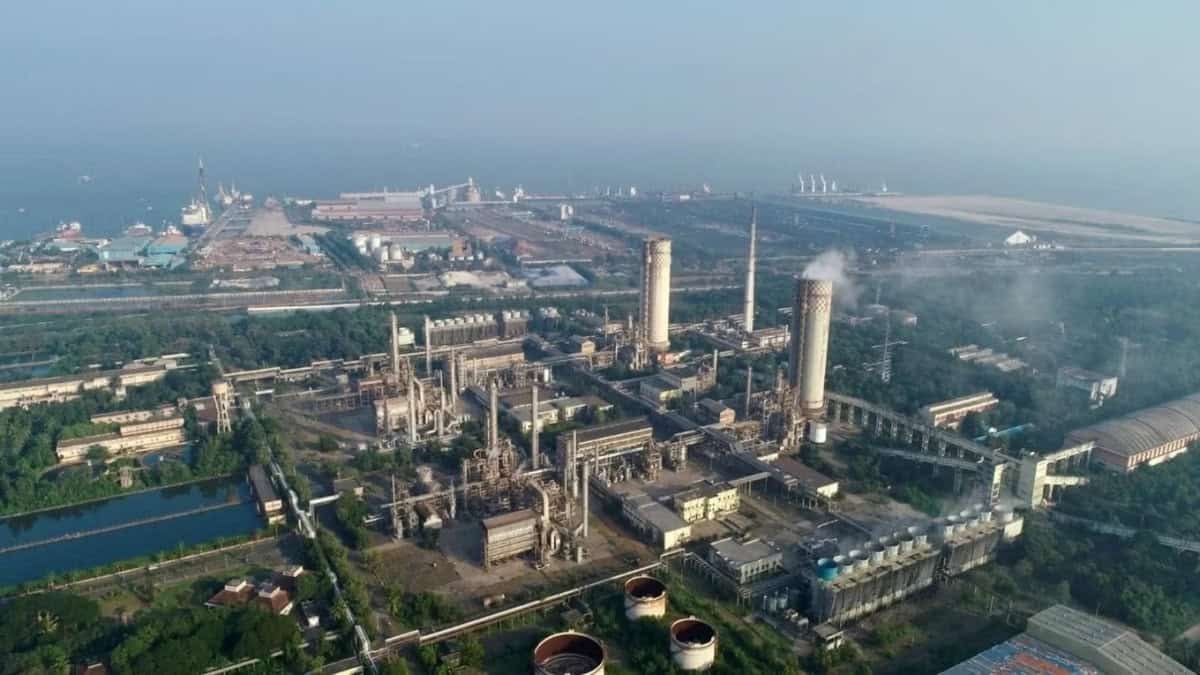
Amaravati: A USD 10 billion green hydrogen and green ammonia project at the port city of Kakinada in Andhra Pradesh is set to reach a key construction milestone with its first major equipment erection ceremony, underscoring India’s push to emerge as a supplier of green energy to global markets including Germany, Japan and Singapore.
The first major equipment erection ceremony of AM Green’s Green Hydrogen and Green Ammonia Complex on January 17 will be attended by Chief Minister N Chandrababu Naidu and Deputy Chief Minister Konidala Pawan Kalyan, state government officials said.
With a total investment of USD 10 billion, the project is among the largest clean-energy investments in India to date. It is expected to generate up to 8,000 jobs during construction, along with substantial high-skill employment during operations and across allied sectors such as renewable energy, logistics, storage and port services.
AM Green is developing India’s first and the world’s largest green ammonia complex, with a planned capacity of 1.5 million tonnes per annum, through the brownfield conversion of an existing ammonia-urea facility.
The project will be commissioned in phases, starting with 0.5 million tonnes per annum by 2027, scaling up to 1 million tonnes by 2028 and reaching full capacity by 2030.
Once operational, the facility will enable India’s first exports of green ammonia, used globally for clean shipping fuel, power generation and as a carrier for green hydrogen.
The integrated project spans 7.5 gigawatts of solar and wind capacity, 1,950 megawatts of electrolyser capacity and 2 gigawatts of round-the-clock renewable power supported by pumped hydro storage, including India’s first such facility at Pinnapuram in Andhra Pradesh.
AM Green has signed long-term supply agreements with Germany-based utility Uniper and is engaged with buyers in Japan and Singapore, marking India’s first green energy export linkages with Europe and advanced Asian economies.
The project aligns with Andhra Pradesh’s Integrated Clean Energy Policy, 2024, which aims to position the state as India’s main hub for green hydrogen and green ammonia, the state government said.
Once operational, the facility will enable India’s first exports of green energy molecules, marking a shift from energy import dependence to clean-energy exports and placing Andhra Pradesh at the centre of the global green-energy value chain.
World’s largest green ammonia complex
AM Green, backed by the founders of Greenko Group, is developing green ammonia plants through AM Green Ammonia. AM Green Ammonia is a partnership between AM Green, Malaysia-based Gentari, Singapore’s sovereign wealth fund GIC and Abu Dhabi Investment Authority.
Construction at the Kakinada facility has already begun, placing the project among a limited number of large-scale green ammonia facilities globally that meet Renewable Fuels of Non-Biological Origin, or RFNBO, standards.
The project is being executed through the brownfield conversion of an existing ammonia-urea facility, representing one of the country’s largest industrial transition initiatives.
The complex will be commissioned in phases, with 0.5 million tonnes per annum by 2027, scaling up to 1 million tonnes by 2028 and the full 1.5 million tonnes by 2030.
End-to-end clean energy ecosystem
The project showcases Andhra Pradesh’s ability to host India’s first fully integrated green-energy value chain within a single state. It spans large-scale solar and wind generation, round-the-clock renewable power backed by pumped hydro storage, green hydrogen and green ammonia production, and port-based export infrastructure.
The integrated system includes 7.5 GW of solar and wind capacity, 1,950 MW of electrolyser capacity and 2 GW of round-the-clock renewable power, supported by pumped hydro storage, including India’s first such project at Pinnapuram.
Global export linkages
AM Green has already secured long-term supply agreements with international partners, including Uniper of Germany, and is in advanced engagement with companies in Japan and Singapore. The first phase targets export to Europe.
In May last year, it announced partnership with Port of Rotterdam Authority to establish a dedicated green fuel corridor linking India with Northwestern Europe. The alliance aims to enable annual trade of up to 1 million tonnes of green fuels, such as green ammonia and sustainable aviation fuel, valued at nearly USD 1 billion.
A year back, AM Green had also partnered with global logistics firm DP World to develop advanced green fuel storage and export facilities, both in India and overseas, further strengthening its push into international markets.
Green ammonia produced at Kakinada will be used internationally as a clean shipping fuel, for power generation and as a carrier for green hydrogen, supporting global decarbonisation efforts.
Clean-energy leadership
Aligned with Andhra Pradesh’s Integrated Clean Energy Policy, 2024, the project reinforces the state’s ambition to become India’s principal hub for green hydrogen and green ammonia.
The state government said it would continue to provide policy support, infrastructure and expedited clearances to attract globally significant clean-energy investments.
“This is not merely an industrial project, but a strategic step in positioning Andhra Pradesh and India as leaders in clean-energy exports and climate action,” the state government said.
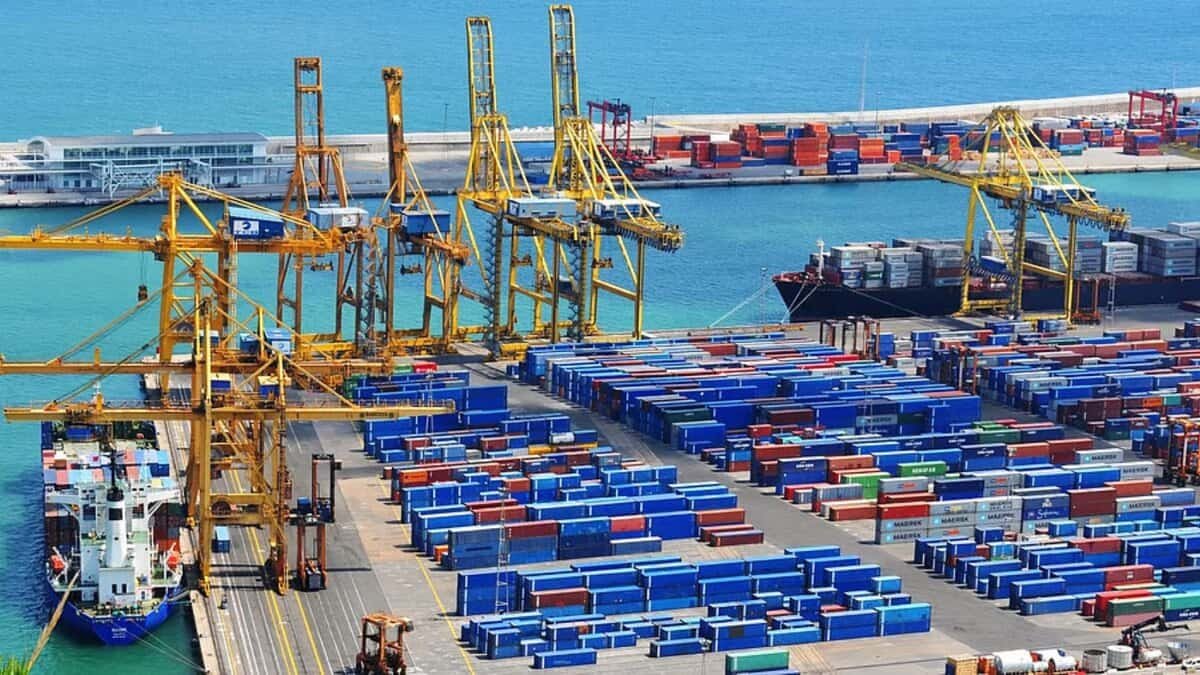
India has reportedly begun winding down its involvement at Iran’s strategically located Chabahar port, stepping back from operational responsibilities as the threat of renewed US sanctions grows.
According to a report by Economic Times, India has already transferred its committed investment of about $120 million for the port project and is now limiting further exposure as the Trump administration prepares to end the sanctions waiver that had allowed New Delhi to operate at the facility.
The waiver, granted in 2018 under the Iran Freedom and Counter-Proliferation Act (IFCA) to support Afghanistan’s connectivity and humanitarian needs, is expected to lapse on April 26. The US decision not to renew the exemption has triggered concerns within the central government over the risk of secondary sanctions on public sector entities and officials.
US President Donald Trump on January 13 announced 25 per cent tariffs on countries doing business with Iran, aiming to pressure Tehran over its protest crackdown that has reportedly left over 2,600 people dead.
India Ports Global Ltd (IPGL), the government-owned company managing India’s interests at Chabahar, has already taken precautionary steps. ET reported that all government-nominated directors have resigned from IPGL’s board and the company has curtailed public operations to shield personnel from potential sanctions exposure.
Officials described the move as a strategic and legal necessity rather than a political decision. “Continuing operations without a waiver would expose Indian entities and individuals to sanctions risk,” a senior official said.
Strategic interest in the dumps
India and Iran signed an agreement in 2016 to develop Chabahar port, located in Iran’s Sistan-Baluchistan province on the Gulf of Oman. The project was seen as a key pillar of India’s regional outreach, providing access to Afghanistan and Central Asia while bypassing Pakistan, and as a counterbalance to China-backed Gwadar port in Pakistan.
While commercial traffic through Chabahar remained limited, the port was used for humanitarian shipments, including wheat consignments to Afghanistan, and was linked to the International North-South Transport Corridor (INSTC).
Strategic affairs expert Brahma Chellaney criticised the US decision, saying it weakens India’s regional connectivity and indirectly benefits China. In a post on X, he said revoking the waiver undermines a rare strategic project that aligned US, Indian and Afghan interests.
In response to U.S. sanctions on Iranian oil in 2019, India abruptly ended its longstanding energy relationship with Iran, effectively ceding that market to China, which has since emerged as the near-exclusive buyer of Iranian crude — the cheapest in the world. Washington,…
The Ministry of External Affairs (MEA) on Friday, January 16, said India remains engaged with the US administration on the issue and continues to underline the port’s importance for regional development and stability. However, officials acknowledge that without sanctions relief, resuming operations would be difficult.
Iran retains full control over the port infrastructure and the funds already invested by India. “The Iran government is free to do whatever they want with the money transferred by the Indian government per the long-term agreement,” ET quoted their source as saying.
“If Iran wants to buy cranes and other gears for Chabahar port, they can independently do that and they can carry on operations at the port independently without any involvement from India.”
New Delhi: In a move set to excite creators, professionals, and everyday users alike, Atomesus AI has officially announced a limited-time premium access offer for its Android application—bringing unlimited AI features and unlimited image generation to users worldwide.
The Atomesus AI Android app is now available on the Google Play Store, giving users instant access to advanced artificial intelligence tools designed to simplify work, boost creativity, and accelerate productivity—all from a single, intuitive mobile interface.
With the Android app, users can generate high-quality AI images without usage caps, access premium AI intelligence features normally reserved for paid tiers, create content faster with smart, context-aware responses and work seamlessly on the go with a clean, lightweight mobile experience.
This premium access offer is available for a limited time only, making it the best opportunity for users to experience everything Atomesus AI has to offer without restrictions.
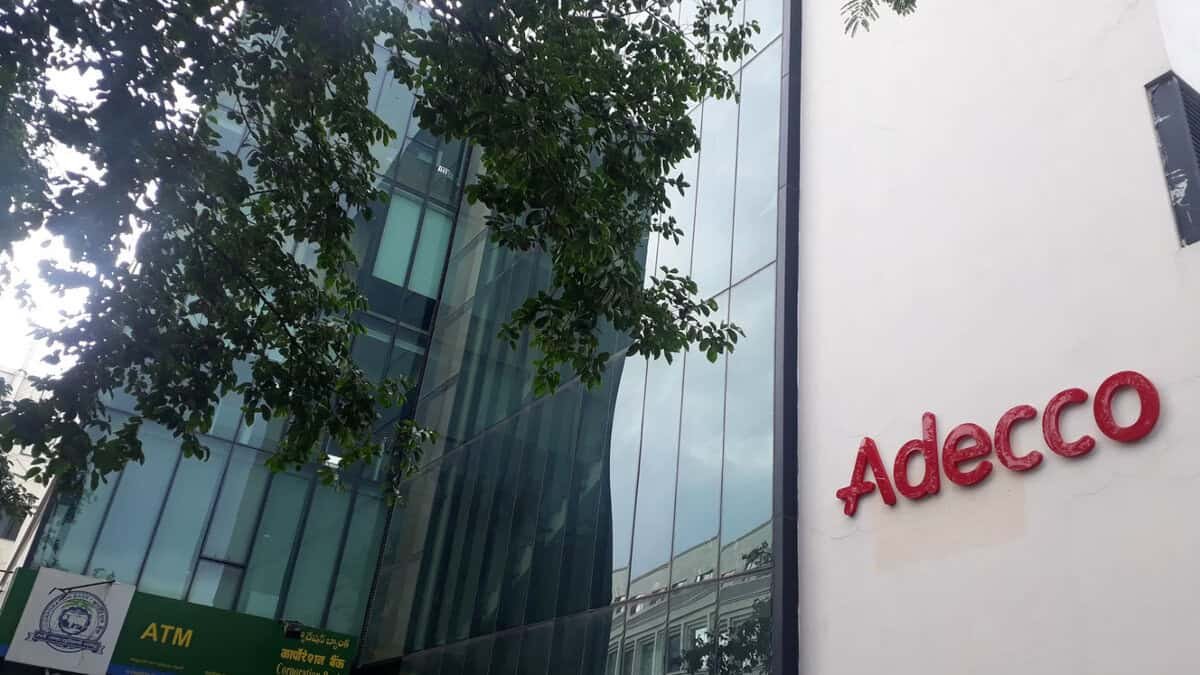
Mumbai: Overall tech hiring – across permanent, temporary and contractual roles – is set to rise 12-15 per cent in 2026, adding nearly 1,25,000 new jobs as expansion continues across segments, according to workforce solutions provider Adecco India.
The year 2026 marks a clear inflection point for tech hiring in the non-tech industries, as organisations are no longer treating digital as an add-on; they are building Artificial Intelligence (AI), data engineering and cybersecurity talent into the centre of their business models.
“Hiring in the IT and IT Services sector showed early signs of stabilisation through 2025. After a cautious period in 2023-24, demand began to rebuild in areas tied to AI engineering, cloud transformation, cybersecurity, data platforms and platform modernisation.
“Campus intake also improved as firms restarted structured early-career programmes,” Adecco India Director and Business Head, Professional Staffing, Sanketh Chengappa said.
This gradual uptick, he said, indicates a sector shifting from restraint to renewal, setting the stage for a more decisive recovery in 2026 as the talent gap widens.
Demand for AI, data and cybersecurity roles increased by 51 per cent
AI, data and cybersecurity roles have shifted from experimental and discretionary to core organisational needs, with demand growing 51 per cent, he said, adding that 40 per cent of large enterprises have operationalised generative AI pilots.
The insights and numbers presented are derived from data collected from over 100 Adecco clients, supplemented with credible market research sources.
According to Chengappa, Global Capability Centres (GCCs) have elevated cybersecurity to a board-level priority, and non-tech sectors have accelerated automation, building cross-functional tech teams at scale.
In 2025 alone, Chengappa stated that the talent gap has soared to 44 per cent, creating a talent war and median packages soaring 18 per cent higher than in 2024.
As 2026 begins, enterprises across categories are expected to scale hiring for niche roles as they move from controlled pilots to full deployment. “With a 45 talent deficit already visible in AI, cybersecurity and data engineering roles, the market is entering a phase where workforce readiness will determine the pace of digital transformation. The challenge ahead is not demand creation but talent availability,” he added.
Sectors like BFSI, healthcare, manufacturing and logistics are leading this shift, accounting for nearly 38 per cent of tech-driven hiring.
Mumbai: The Indian equity markets ended marginally higher on Friday, before surrendering most of their intra-day gains in the afternoon session.
At the closing bell, the Sensex added 187 points, or 0.23 per cent to settle at 83,570. The Nifty advanced 28 points, or 0.11 per cent, to close at 25,694.
The broader markets performed in line with the benchmark indices, as Nifty Midcap 100 index lost 0.07 per cent, while the NSE Smallcap 100 declined 0.34 per cent.
The benchmark Nifty opened on a muted note at 25,696, advanced to an intra-day high of 25,873 driven by a rally in IT stocks amid stronger-than-expected December quarter results. Nifty, however failed to sustain higher levels and eventually slipped to an intraday low of 25,662, reflecting profit-taking at elevated levels.
On the sectoral front, IT, realty and banking stocks outperformed. Nifty IT was the top gainer, up 3.34 per cent. Nifty Pharma and consumer durables slipped 1.30 per cent and 1.15 per cent, respectively.
The Nifty Bank index also surged around 0.84 per cent, inching up to 60,082 closer to setting a new record high mark.
Analysts said the IT sector outperformed, supported by an upward revision in revenue growth projections from a leading industry bellwether, coupled with expectations of increased technology spending.
Meanwhile, investor focus also shifted to banking counters, as early results reflected notable improvements in asset quality and margin profiles, further strengthening sentiment in the sector.
In the derivatives segment, market breadth remained marginally positive, with 131 stocks advancing against 82 declines.
Analysts predict that better-than-expected results in Q3 FY26 could trigger stock-specific action but foreign institutional selling is expected to continue in the near term.
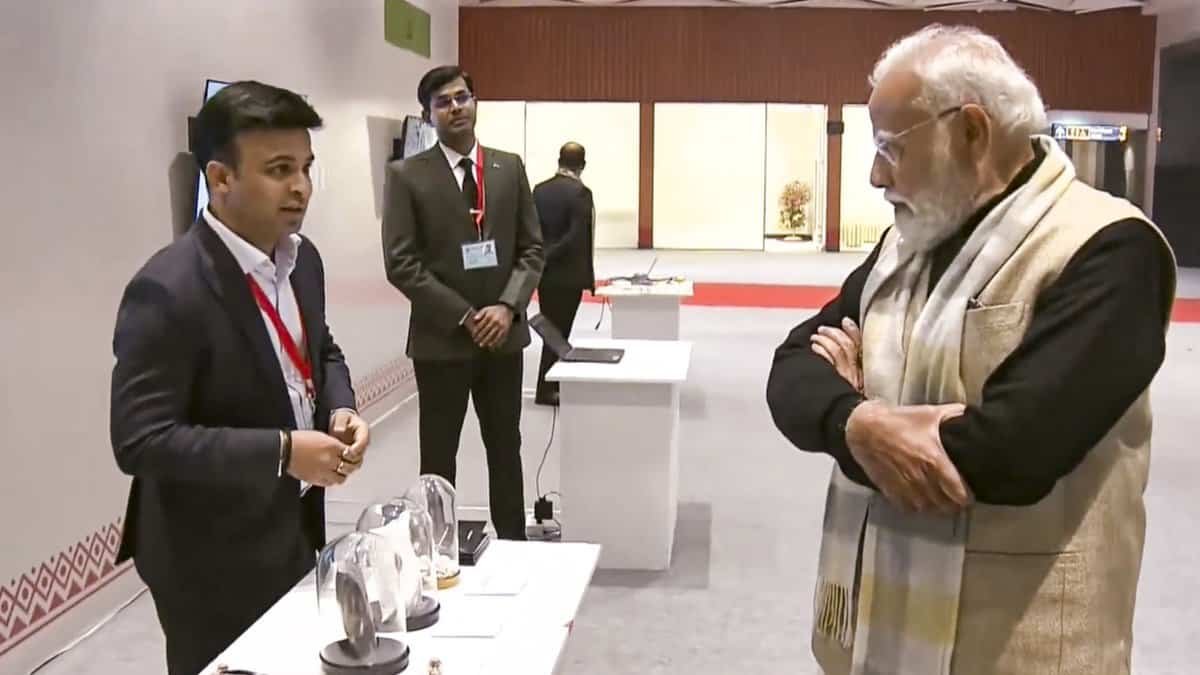
New Delhi: Prime Minister Narendra Modi on Friday, January 16, said India has full faith in the innovation and confidence of its startups, and added that the nation should lead globally in startup trends and technology in the coming decade.
A nation that is forward-looking on artificial intelligence (AI) will have a competitive advantage, Modi said.
Speaking at a mega event marking a decade of the flagship programme “Startup India,” Modi asked the founders and entrepreneurs to work on new ideas and solve problems, all the while keeping a sharp focus on quality products.
“Our goal should be that in the coming 10 years, India will lead the world in new startup trends and technology,” Modi said.
The PM said he has full faith in the confidence, courage and innovation of startups and entrepreneurs in India, and noted that the nation’s future is taking shape.
He said the time has come for startups to also focus on manufacturing and research. Today’s research becomes tomorrow’s intellectual property, the PM said.
On the India startup success story, Modi said several schemes have been rolled out to provide seed funding to startups, while outdated rules have been done away with.
“We have removed outdated rules and trusted innovators,” he said.
Startup India was launched on January 16, 2016, as a transformative national programme to nurture innovation, promote entrepreneurship and enable investment-driven growth, with the objective of making India a nation of job creators rather than job seekers.
On Friday, at the programme marking a decade of the Startup India initiative, the PM also interacted with founders of India’s vibrant startup ecosystem.
New Delhi: Maruti Suzuki India on Friday, January 16, said it has started shipments of its mid-size sports utility vehicle Victoris to overseas markets.
Over 450 vehicles have set sail from Mundra and Pipavav ports for global markets, the country’s largest carmaker said in a statement.
The SUV will be globally sold as ‘Across’ and is expected to be sold in around 100 countries and regions, including Latin America, Middle East and Africa, it added.
Maruti Suzuki India MD and CEO Hisashi Takeuchi said the company’s export journey is guided by the vision of Make in India, Make for the World.
“In the calendar year 2025, with exports of over 3.9 lakh vehicles, we emerged as India’s number one passenger vehicle exporter for the fifth year in a row. The year also marked our re-entry into Europe with the start of exports of our first Battery Electric Vehicle, e VITARA,” he noted.
Takeuchi further said, “If we look at growth of India’s passenger vehicle exports in the past five years from CY2020 to CY2025, while the rest of the industry grew 1.43 times, Maruti Suzuki exports grew 4.67 times. The addition of VICTORIS will further support our export ambitions, and we are hopeful it will be well received in international markets.”
Maruti Suzuki introduced the model in the domestic market in September last year.
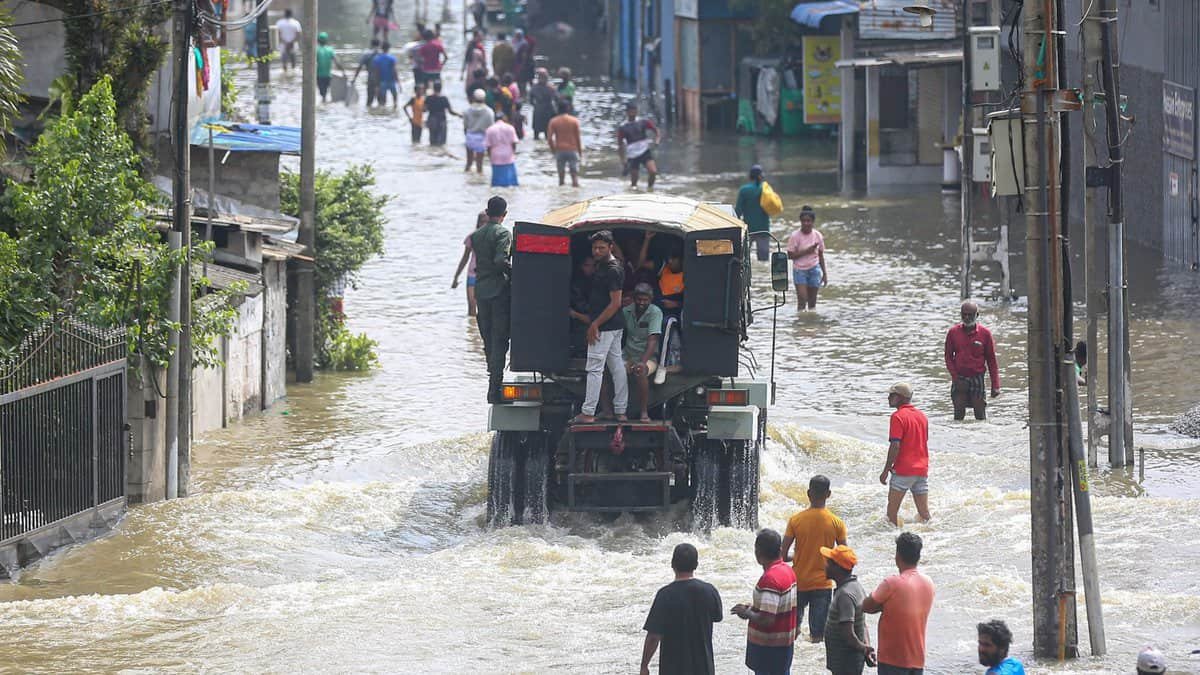
Washington: The International Monetary Fund (IMF) said a fact-finding mission will visit Sri Lanka from January 22 to 28 to assess damage from Cyclone Ditwah and discuss the implications for the country’s ongoing Extended Fund Facility (EFF) programme.
“A fact-finding mission will visit Sri Lanka from January 22nd to 28th,” Julie Kozack, director of the IMF’s Communications Department, said at a press briefing.
“The mission, the goal of the mission is to firm up our understanding of the size and the scope of the damage caused by the cyclone,” she said.
Kozack said the IMF team will “discuss with the authorities their policy intentions and implications of the impact of the cyclone for the EFF program.”
She emphasised the limited mandate of the trip.
“But I would like to underscore that this is a fact-finding mission to enable our team to get a better understanding of the situation on the ground and how we can best support Sri Lanka as it moves forward,” she said.
Kozack said that on December 19, the IMF Executive Board approved emergency financing for Sri Lanka under the Rapid Financing Instrument.
“This provided Sri Lanka with immediate access of about U.S. $206 million,” Kozack said, adding: “And the RFI is really aimed at helping Sri Lanka address the urgent needs arising from the catastrophic Cyclone Ditwah as the country aims to preserve macroeconomic stability.”
Asked whether the cyclone could change programme objectives, including electricity pricing, Kozack said: “There is a commitment under the program to maintain cost recovery in the utility sector.”
She explained why the Fund views that objective as important.
“That’s really important to help ensure fiscal sustainability in Sri Lanka because that would help the utility company to not run financial losses,” she said.
Kozack said specifics would be taken up by the visiting team.
“What exactly may be needed to support Sri Lanka going forward is something that our fact-finding team will certainly be discussing with the authorities,” she said.
She added: “Our goal is to help Sri Lanka as it recovers from the, you know, catastrophic hurricane and to provide our support in whatever way, in line with our own mandate around helping Sri Lanka maintain macroeconomic stability.”
Sri Lanka has been working through an IMF-supported reform programme following a severe balance-of-payments and debt crisis that pushed the country into default earlier in the decade. Natural disasters can complicate recovery by widening fiscal pressures and increasing immediate spending needs.
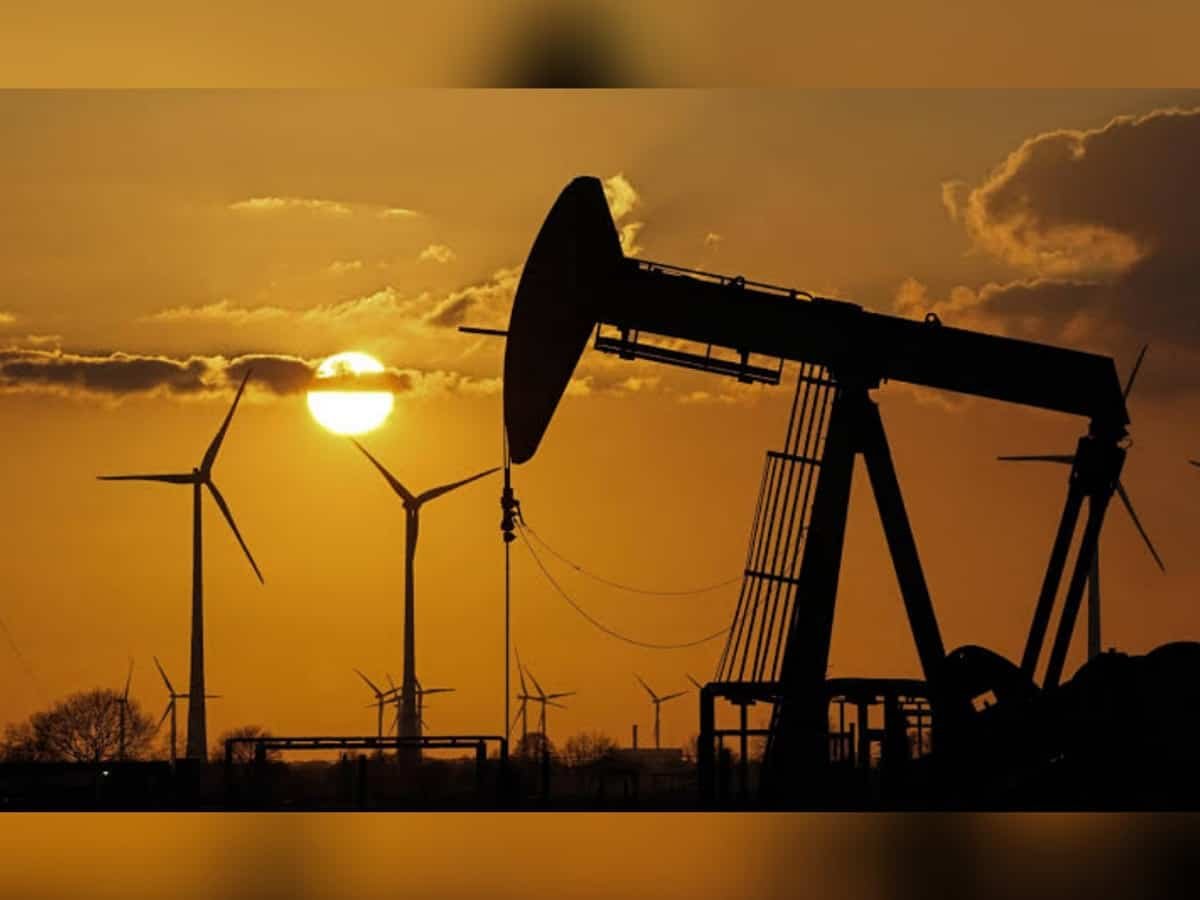
Washington: The International Monetary Fund (IMF) on Thursday, January 15, said it is closely watching global energy markets amid tensions around Venezuela and Iran, but noted that oil prices have not yet seen “very significant impacts.”
Asked how serious the current tensions surrounding Venezuela and Iran could be for global energy markets, Julie Kozack, director of the IMF’s Communications Department, said: “What I can say for now is that obviously we’re monitoring all of this closely.”
She added: “We pay close attention to what happens in global energy markets and oil prices in particular.”
“Right now, there haven’t been very significant impacts on oil prices, but as I said, we’ll closely monitor, and we’ll look for signs of changes in those markets,” Kozack said at the IMF press briefing.
The questions came as Kozack outlined the Fund’s assessment of the economic situation in Venezuela and the conditions under which the IMF could resume engagement with Caracas, given the recognition-related pause.
“Since late 2024, our assessment is that imbalances and vulnerabilities have reemerged, driven by lower oil revenues, a widening fiscal deficit,” she said, adding that the situation has been shaped by “a scarcity of US dollar liquidity.”
She also said: “Inflation is estimated to be in the triple digits, and rapid currency depreciation is underway.”
Responding to a question, she said Venezuela’s holdings of Special Drawing Rights (SDRs) at the Fund are “equivalent to about $4.9 billion.” The country would gain access only when the IMF resumes engagement, which remains paused due to government recognition issues, she noted.
“Since 2019, the IMF’s dealings with Venezuela have been paused due to government recognition issues,” said Kozack.
“In such cases, the IMF is guided by the views of the international community as represented by a majority of total voting power of the IMF members,” she said, adding: “And so, this was the approach that we would follow when deciding or determining to resume our engagement with Venezuela.”
Kozack said Venezuela is “undergoing a severe and prolonged economic and humanitarian crisis,” and that “since 2014, roughly 8 million people, about a quarter of the country’s population, have left the country.”
She said “socioeconomic conditions remain dire, characterized by high poverty and high inequality, and widespread shortage of basic services,” and that “overall, Venezuela’s situation remains deeply fragile, and the humanitarian needs of its people continue to be significant.”
“Since late 2024, our assessment is that imbalances and vulnerabilities have reemerged, driven by lower oil revenues, a widening fiscal deficit, which has prompted increased monetary financing for the fiscal deficit, and a scarcity of US dollar liquidity,” she said.
“Inflation is estimated to be in the triple digits, and rapid currency depreciation is underway,” Kozack said, adding: “Venezuela’s public debt is estimated at 180 percent of GDP, and that’s before any legal judgments or arbitrations, and the debt is largely in default.”
Kozack said the IMF is watching developments despite “very significant information gaps.”
“We’re obviously closely monitoring developments in Venezuela, despite the fact that we have very significant information gaps,” she said.