Davos: Indian IT major Tech Mahindra on Monday made it to a list of organisations leading the real-world AI adoption, alongside global giants like AMD, Siemens and PepsiCo.
Produced by the World Economic Forum in collaboration with Accenture, the report on MINDS (Meaningful, Intelligent, Novel Deployable Solutions) organisations listed 20 pioneers driving high-impact AI solutions in disease detection, energy optimization, supply-chain resilience and more.
It analysed hundreds of cases in more than 30 countries and over 20 industries (including healthcare, energy and infrastructure). An independent Impact Council of leading executives and experts identified clear common patterns among the most promising cases.
These included embedding AI into strategic decision-making, redesigning work to strengthen human-AI collaboration, strengthening data foundations, modernizing technology platforms and supporting all of this with responsible governance.
Releasing the report during its annual meeting 2026, the WEF said it reveals successful AI stories that are already delivering measurable performance gains and how pioneering organizations are moving beyond experimentation to achieve impact at scale.
As investment accelerates and expectations rise, the findings highlight a growing divide between companies that have built the capabilities to scale AI and those still struggling to deploy it effectively, showing how this gap can be bridged through lessons drawn from real-world use cases, it added.
Tech Mahindra made the cut for its work in ‘social and public good’ area, with the WEF saying that the company scaled multilingual LLMs serving 3.8 million monthly queries with 92 per cent accuracy, enabling inclusive digital services across the Global South.
The WEF listed AMD and Synopsys (USA), EXL Services (USA) and KPMG & SAP in the cohort for information technology category, while Chinese banking giant ICBC made it to the list in the financial services category.
Hitachi Rail (Japan), Fujitsu (Japan), Lenovo (China) and Cambridge Industries (USA) were included in engineering, construction and infrastructure category.
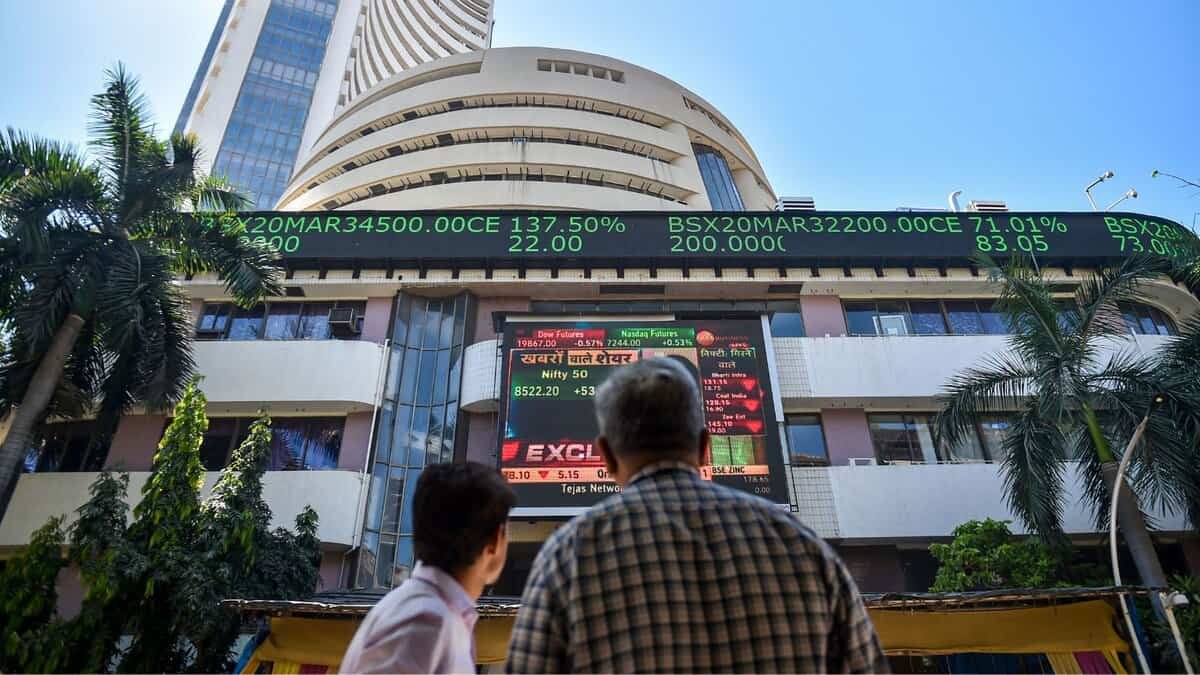
Mumbai: Equity benchmark indices Sensex and Nifty declined in early trade on Monday dragged by blue-chips Reliance Industries and ICICI Bank, while sustained foreign fund outflows and global tariff uncertainties also dented investors’ sentiment.
The 30-share BSE Sensex declined 320.69 points to 83,249.66 in early trade. The 50-share NSE Nifty went down by 124.60 points to 25,573.40.
From the 30-Sensex firms, ICICI Bank dropped 3 per cent after its consolidated profit for the December quarter declined 2.68 per cent to Rs 12,537.98 crore, hit by an RBI-mandated Rs 1,283-crore provision for agricultural loans wrongly classified as priority sector advances.
On a standalone basis, the country’s second-largest lender reported an over 4 per cent decline in the October-December profit at Rs 12,883 crore.
Reliance Industries dipped over 2 per cent after the company on Friday reported almost a flat net profit of Rs 18,645 crore for the third quarter, as a decline in gas production and weakness in its retail business offset gains in other segments.
Sun Pharma, Infosys, Adani Ports and Bharti Airtel were also among the laggards.
However, Tech Mahindra, InterGlobe Aviation, Axis Bank and Hindustan Unilever were among the gainers.
Foreign institutional investors offloaded equities worth Rs 4,346.13 crore on Friday, while Domestic Institutional Investors (DIIs) bought stocks worth Rs 3,935.31 crore, according to exchange data.
“Upside is expected to remain capped by persistent FII outflows, global tariff uncertainties and geopolitical concerns, keeping overall risk appetite cautious,” Ponmudi R, CEO of Enrich Money, an online trading and wealth tech firm, said.
In Asian markets, South Korea’s Kospi index and Shanghai’s SSE Composite index traded higher, while Japan’s Nikkei 225 index and Hong Kong’s Hang Seng index quoted lower.
US markets ended marginally lower on Friday.
“President Trump’s announcement of fresh tariffs on several European nations, with rates set to rise from 10 per cent to 25 per cent by June unless a Greenland deal is reached, added to global jitters,” Prashanth Tapse, Senior VP (Research), Mehta Equities Ltd, said.
Brent crude, the global oil benchmark, climbed 0.16 per cent to USD 64.23 per barrel.
On Friday, the Sensex climbed 187.64 points or 0.23 per cent to settle at 83,570.35. The Nifty rose 28.75 points or 0.11 per cent to 25,694.35.
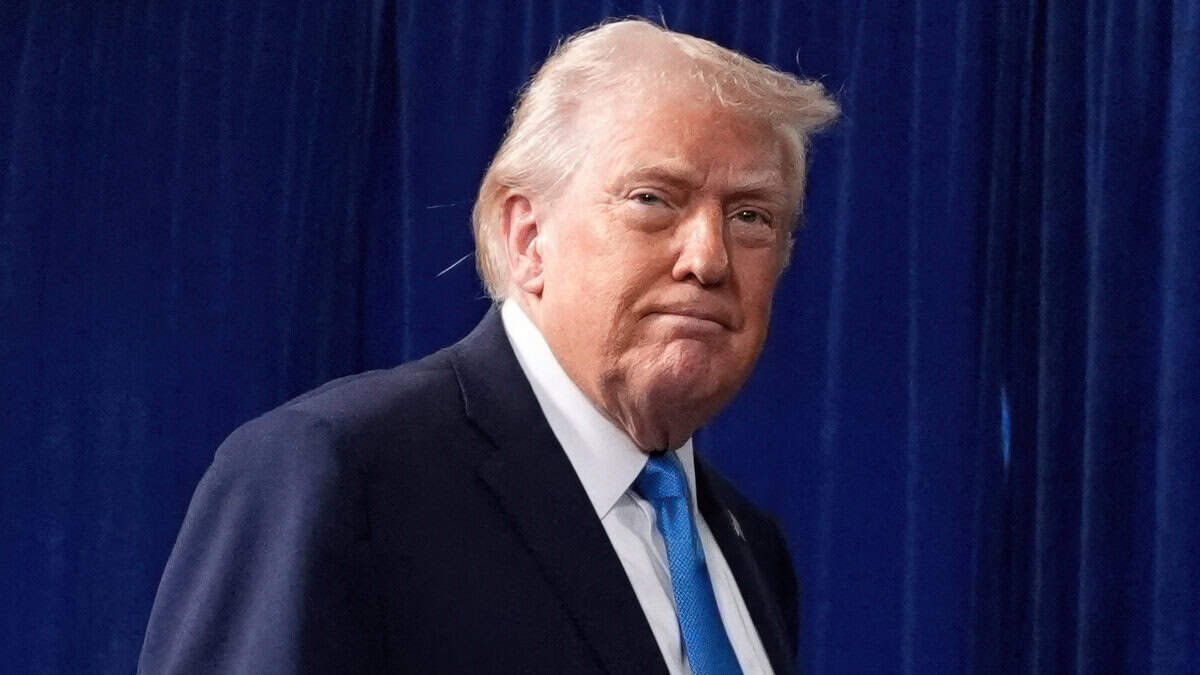
Berlin: The eight European countries targeted by US President Donald Trump for a 10 per cent tariff for opposing American control of Greenland blasted the move Sunday, January 18, warning that the American leader’s threats “undermine transatlantic relations and risk a dangerous downward spiral.”
In an unusual and very strong joint statement coming from major US allies, Denmark, Norway, Sweden, France, Germany, the United Kingdom, the Netherlands and Finland on Sunday said troops sent to Greenland for the Danish military training exercise “Arctic Endurance” pose “no threat to anyone.”
Trump’s Saturday announcement sets up a potentially dangerous test of US partnerships in Europe. The Republican president appeared to indicate that he was using the tariffs as leverage to force talks over the status of Greenland, a semiautonomous territory of NATO ally Denmark that he regards as critical to US national security.
“We stand in full solidarity with the Kingdom of Denmark and the people of Greenland,” the group said. “Building on the process begun last week, we stand ready to engage in a dialogue based on the principles of sovereignty and territorial integrity that we stand firmly behind. Tariff threats undermine transatlantic relations and risk a dangerous downward spiral.”
There are immediate questions about how the White House could try to implement the tariffs because the EU is a single economic zone in terms of trading.
It was unclear, too, how Trump could act under US law, though he could cite emergency economic powers that are currently subject to a US Supreme Court challenge.
European Union foreign policy chief Kaja Kallas said China and Russia will benefit from the divisions between the US and Europe. She added in a post on social media: “If Greenland’s security is at risk, we can address this inside NATO. Tariffs risk making Europe and the United States poorer and undermine our shared prosperity.”
Trump’s move was also panned domestically.
US Sen. Mark Kelly, a former US Navy pilot and Democrat who represents Arizona, posted that Trump’s threatened tariffs on US allies would make Americans “pay more to try to get territory we don’t need.”
“Troops from European countries are arriving in Greenland to defend the territory from us. Let that sink in,” he wrote on social media. “The damage this President is doing to our reputation and our relationships is growing, making us less safe. If something doesn’t change we will be on our own with adversaries and enemies in every direction.”
‘These tariffs will hurt us’
Six of the countries targeted are part of the 27-member EU, which operates as a single economic zone in terms of trading. It was not immediately clear if Trump’s tariffs would impact the entire bloc. EU envoys scheduled emergency talks for Sunday evening to determine a potential response.
The tariff announcement even drew blowback from Trump’s populist allies in Europe.
Italy’s right-wing premier, Giorgia Meloni, considered one of Trump’s closest allies on the continent, said Sunday she had spoken to him about the tariffs, which she described as “a mistake.”
The deployment to Greenland of small numbers of troops by some European countries was misunderstood by Washington, Meloni told reporters. She said the deployment was not a move against the US but aimed to provide security against “other actors” that she didn’t name.
French President Emmanuel Macron wrote on social media that “no intimidation or threats will influence us, whether in Ukraine, Greenland or anywhere else in the world when we are faced with such situations.” He added that “tariff threats are unacceptable and have no place in this context.”
Jordan Bardella, president of Marine Le Pen’s far-right National Rally party in France and also a European Parliament lawmaker, posted that the EU should suspend last year’s tariff deal with the US, describing Trump’s threats as “commercial blackmail.”
Trump also achieved the rare feat of uniting Britain’s main political parties — including the hard-right Reform UK party — all of whom criticised the tariff threat.
“We don’t always agree with the US government and in this case we certainly don’t. These tariffs will hurt us,” Reform UK leader Nigel Farage, a longtime champion and ally of Trump, wrote on social media. He stopped short of criticising Trump’s designs on Greenland.
Meanwhile, UK Prime Minister Keir Starmer, who leads the centre-left Labour Party, said the tariffs announcement was “completely wrong” and his government would “be pursuing this directly with the US administration.”
The foreign ministers of Denmark and Norway are also expected to address the crisis Sunday in Oslo during a news conference.
New Delhi: Market participants have urged the government to ease capital market taxation, including a higher exemption limit on long-term capital gains, ahead of the Union Budget for 2026-27.
They also suggested that the government avoid further increases in transaction taxes.
The Union Budget will be presented by Finance Minister Nirmala Sitharaman on February 1.
Market stakeholders also demanded enhancement of the tax-free exemption limit on long-term capital gains (LTCG) from equity investments to provide greater relief to retail and long-term investors.
In its budget wishlist, JM Financial Services recommended that the government should raise the tax-free exemption limit for equity LTCG from Rs 1.25 lakh to Rs 2 lakh.
The firm also sought to standardise the definition of “long term” to 12 months across all asset classes, including equity, debt, gold and real estate, to reduce complexity and improve tax clarity.
Additionally, it called for allowing capital losses to be set off against income under other heads.
Market participants have also cautioned against any further increase in transaction-related taxes.
Dhiraj Relli, Managing Director and Chief Executive Officer of HDFC Securities, said stakeholders have proposed keeping the Securities Transaction Tax (STT) on cash equity trades lower than that on derivatives to encourage long-term investing over speculative trading.
He also suggested taxing only the profit component of share buybacks and aligning dividend tax rates for domestic investors with those applicable to non-resident Indians (NRIs).
Tejas Khoday, Chief Executive Officer of FYERS, said the government should refrain from raising STT any further.
He added that reducing both long-term and short-term capital gains tax to 10 per cent would significantly boost retail investor participation.
Khoday also expressed hope that import duties on gold and silver are not increased further, as these assets remain important hedging instruments against equity market volatility and rupee depreciation.
Meanwhile, the NSE and BSE will conduct live trading on Sunday, February 1, when the Union Budget is presented.
New York: Two US lawmakers have urged President Donald Trump to push for favourable provisions for pulse crop in any future trade deal with India, saying American producers face a “significant competitive disadvantage” due to what they described as “unfair” tariffs imposed by New Delhi.
In a letter dated January 16 addressed to Trump, Republican Senators Steve Daines of Montana and Kevin Cramer of North Dakota said their states are the top two producers of pulse crops, including peas, while India is the world’s largest consumer, accounting for about 27 per cent of global consumption.
They noted that lentils, chickpeas, dried beans and peas are among the most commonly consumed pulse crops in India, but New Delhi has imposed substantial tariffs on American exports in these categories.
The Senators pointed out that India announced on October 30 last year a 30 per cent tariff on yellow peas, which came into effect on November 1, 2025.
“As a result of the unfair Indian tariffs, US pulse crop producers face a significant competitive disadvantage when exporting their high-quality product to India,” the letter said.
Daines and Cramer said engaging Prime Minister Narendra Modi on pulse crop tariffs to enhance the economic cooperation between the two countries would be “mutually beneficial” for both American producers and Indian consumers.
Thanking Trump for his efforts to secure a favourable economic environment for agricultural producers in North Dakota and Montana, the Senators said that as trade negotiations move forward, they encourage him to seek favourable pulse crop provisions in any agreement the US signs with India.
They recalled that during Trump’s first term, they had raised the issue ahead of the 2020 trade negotiations with India, and that the President had “hand-delivered” their letter to Modi, which they said helped bring US producers to the negotiating table.
“As the United States looks to rebalance trade disparities, American farmers are ready to help fill the gap. They have tremendous capacity to feed and fuel the world if trade opportunities are unleashed,” the lawmakers said in the letter.
In their 2020 letter, written ahead of Trump’s visit to India that year, the Senators had said that “unfair” Indian tariffs on pulse crops had substantially harmed US pulse crop producers, particularly after India was removed from the Generalised System of Preferences in June 2019, following which additional duties were imposed on American exports.
New Delhi: The combined market valuation of three of the top-10 most valued firms jumped Rs 75,855.43 crore in a holiday-shortened last week, with State Bank of India and Infosys emerging as the biggest gainers, in an otherwise sluggish trend in equities.
Last week, the BSE benchmark Sensex dipped 5.89 points, and the NSE Nifty went up by 11.05 points.
While ICICI Bank, State Bank of India and Infosys were the gainers, Reliance Industries, HDFC Bank, Tata Consultancy Services (TCS), Bharti Airtel, Bajaj Finance, Hindustan Unilever and Larsen & Toubro faced a combined erosion of Rs 75,549.89 crore from their valuation.
The combined erosion of these seven firms was less than the total m-cap addition of Rs 75,855.43 crore of the three companies – ICICI Bank, State Bank of India and Infosys.
SBI’s market valuation jumped Rs 39,045.51 crore to Rs 9,62,107.27 crore, becoming the biggest gainer.
The market capitalisation (mcap) of Infosys surged Rs 31,014.59 crore to Rs 7,01,889.59 crore.
ICICI Bank added Rs 5,795.33 crore taking its valuation to Rs 10,09,470.28 crore.
However, the mcap of Reliance Industries tumbled Rs 23,952.48 crore to Rs 19,72,493.21 crore.
The market valuation of Larsen & Toubro dropped by Rs 23,501.8 crore to Rs 5,30,410.23 crore.
HDFC Bank’s valuation eroded by Rs 11,615.35 crore to Rs 14,32,534.91 crore and that of Bharti Airtel tanked Rs 6,443.38 crore to Rs 11,49,544.43 crore.
The mcap of Bajaj Finance declined by Rs 6,253.59 crore to Rs 5,91,447.16 crore and that of Hindustan Unilever diminished by Rs 3,312.93 crore to Rs 5,54,421.30 crore.
The valuation of TCS dipped by Rs 470.36 crore to Rs 11,60,212.12 crore.
Reliance Industries remained the most valued domestic firm followed by HDFC Bank, TCS, Bharti Airtel, ICICI Bank, State Bank of India, Infosys, Bajaj Finance, Hindustan Unilever and Larsen & Toubro.
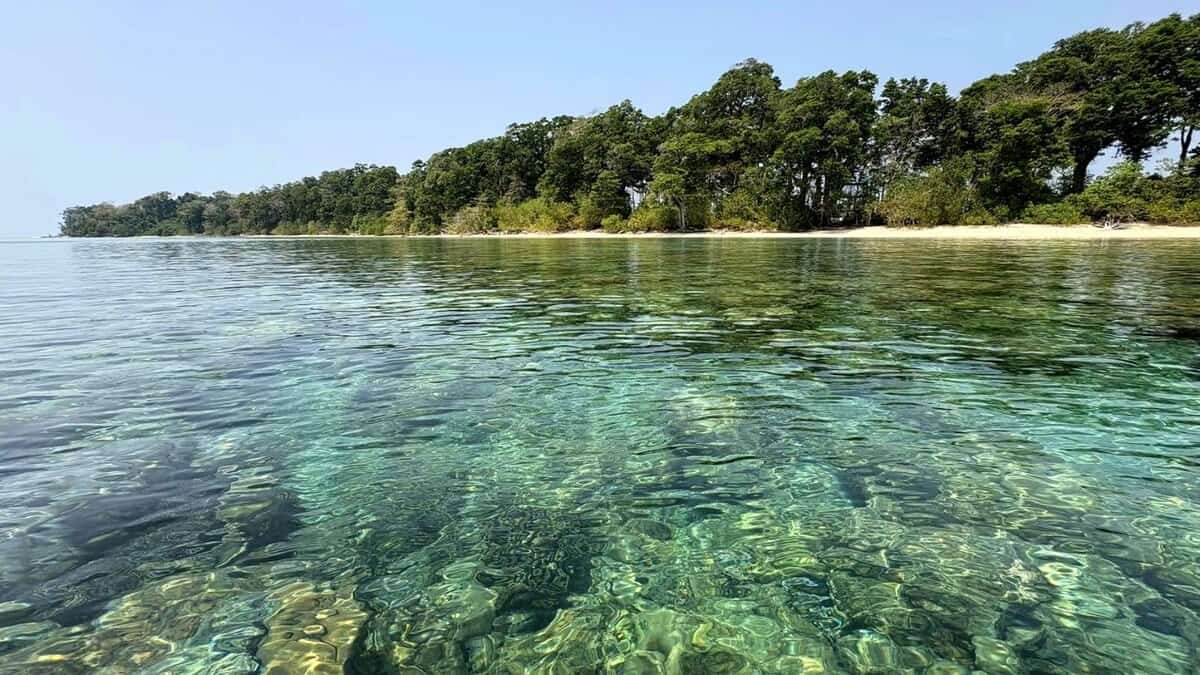
Sri Vijaya Puram: Union Minister Jitendra Singh on Saturday, January 17, said the Andaman and Nicobar Islands will be developed as a hub of India’s Blue Economy.
The Union Minister of State (Independent Charge) for Science and Technology and Earth Sciences said India’s future economic value addition will increasingly come from untapped marine resources as the country moves rapidly towards becoming one of the world’s top economies.
He highlighted the government’s strong focus on blue economy reflects Prime Minister Narendra Modi’s vision that India cannot develop in isolation by focusing only on the mainland while leaving behind island territories and coastal regions.
Addressing scientists and officials while on a visit to Atal Centre for Ocean Science and Technology for Islands (ACOSTI) to launch and review key marine technology initiatives aimed at strengthening the blue economy and livelihoods in Andaman and Nicobar Islands, he said the deep ocean mission will play a decisive role in India’s journey towards becoming a developed nation by 2047, as vast marine resources remain largely underexplored despite the country’s long coastline.
Singh recalled that Prime Minister Narendra Modi announced the Deep Ocean Mission from the ramparts of the Red Fort on Independence Day in both 2023 and 2024, underlining its strategic importance.
The blue economy may not be visible to people in the northern parts of the country, but it makes one of the largest contributions to the national economy,” the minister said.
The blue economy is the sustainable use of ocean and coastal resources for economic growth, improved livelihoods, and jobs, while also preserving marine ecosystem health.
Singh said India, which has rapidly climbed global economic rankings, must now focus on value addition from resources that have not been fully explored. “To move from the fourth-largest economy to the top, we must tap areas like the deep sea and marine biodiversity,” he said.
During the visit, he reviewed and announced initiatives, including open sea cage culture demonstrations for marine fishermen and seaweed cultivation, aimed at boosting livelihoods and promoting sustainable marine practices. He said technology transfer for these projects has already been completed.
“Every citizen, industry and institution has a role in nation-building,” the minister said.
Highlighting the role of biotechnology in blue economy, Singh said India’s dedicated biotechnology policy, Bio-E3 – Biotechnology for economy, environment and employment, supports innovations such as biodegradable alternatives to plastic derived from marine resources.
“Biodegradable marine-based products fulfil all three objectives: they generate jobs, protect the environment and build a new bio-economy,” he said, adding that the Department of Biotechnology and the Ministry of Earth Sciences are working together on such projects.
The union minister said Andaman and Nicobar Islands offer unique marine species and ecological conditions that cannot be replicated elsewhere, making the region ideal for advanced marine research. He also announced the launch of a coral fish development project, aimed at both domestic consumption and export markets.
The minister noted growing global demand for non-animal food products, marine-based nutraceuticals and medicines, particularly in Europe, and said India could offer a diversified export basket by leveraging its marine biodiversity.
“Many high-potency medicinal compounds used in cancer and other treatments can be produced more cost-effectively from marine plants,” he said.
Singh proposed the creation of a collaborative cluster involving institutions under the Ministry of Earth Sciences, Department of Biotechnology and CSIR to maximise outcomes from blue economy initiatives.
He reviewed ongoing ocean science projects, interacted with scientists and fishermen, and emphasised women’s participation and self-help groups in marine-based livelihoods.
“This region has unmatched diversity from the Bay of Bengal to the Indian Ocean. With the right technology and collaboration, India can lead the global blue economy,” Singh said.
He also praised the administration’s efforts to promote development and tourism in the islands, noting that policy decisions have helped unlock the region’s economic potential.
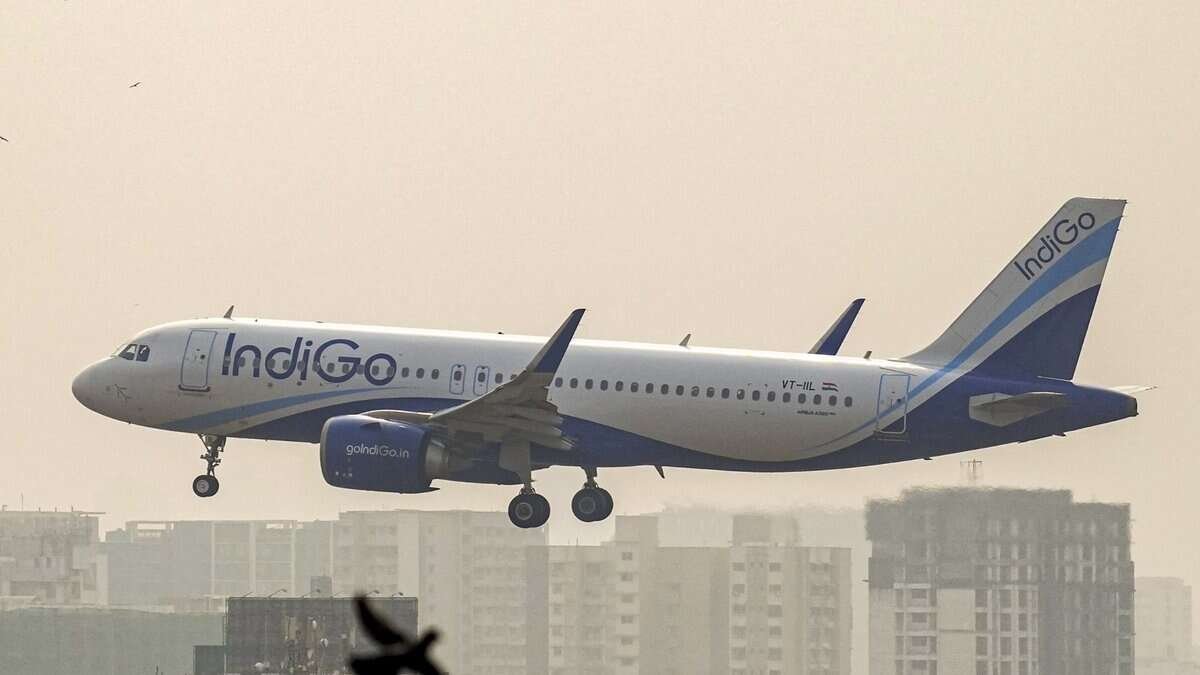
Mumbai: Airlines regulator Director General of Civil Aviation (DGCA) on Saturday, January 17, slapped penalties totalling Rs 22.20 crore for the massive flight disruptions in December, and warned CEO Pieter Elbers and two other senior executives for non-compliance.
It also directed the airline to furnish Rs 50-crore bank guarantee to ensure long-term systemic corrections.
Between December 3 and 5, the DGCA said, 2,507 flights were cancelled, and 1,852 flights were delayed, impacting over 3 lakh passengers at airports across the country.
Announcing the enforcement actions after the detailed probe, DGCA cited over-optimisation of operations, inadequate regulatory preparedness, along with deficiencies in system software support as among the primary reasons for the disruptions.
Shortcomings in management structure and operational control at IndiGo were also blamed.
The penalties are one of the biggest imposed by the regulator on any airline for flight disruptions, while other regulatory actions are also unprecedented.
IndiGo, in a statement, said it is “in receipt of the orders of the Directorate General of Civil Aviation of India” on the flight disruptions.
“.. the Board and the Management of IndiGo are committed to taking full cognisance of the orders and will, in a thoughtful and timely manner, take appropriate measures,” the airline said in the statement.
Additionally, it said, an “in-depth review” of the robustness and resilience of the internal processes at IndiGo has been underway since the disruptions to ensure that the airline emerges stronger out of these events.”
In early December, IndiGo cancelled hundreds of flights across the country as the airline was not adequately prepared to implement the new flight duty norms for pilots.
Last month, the airline was provided relaxation till February 10 to comply with the new Flight Duty Time Limitation (FDTL) norms.
The DGCA has imposed a total penalty of Rs 20.40 crore for the non-compliance for 68 days from December 5, 2025, to February 10, 2026. The amount translates to a Rs 30 lakh fine for each day during the period.
“In addition to individual enforcement actions, a one-time financial penalty (on six counts) is imposed on M/s Indigo Airlines for non-compliance with directions issued under Rule 133A of the Aircraft Rules, 1937,” the DGCA said in a statement.
While the regulator imposed a financial penalty of Rs 30 lakh for the airline’s “failure to establish and effectively implement a scheme for compliance with limits of Flight Time, Flight Duty Period, Duty Period and Rest Periods; inadequate buffer margins in roster planning”, another Rs 30-lakh financial penalty has been slapped for “failure of accountable management to ensure overall functioning, financing, and conduct of operations to DGCA standards, as per the statement.
Similarly, Rs 30-lakh financial penalty has been imposed for “improper delegation and exercise of operational control responsibilities contrary to approved methods” while a financial penalty of Rs 30 lakh has been imposed for “failure of accountable management to ensure overall functioning, financing, and conduct of operations to DGCA standards”.
IndiGo Chief Operating Officer Isidre Porqueras is the Accountable Manager at the airline.
According to the statement, IndiGo has been ordered to pledge a bank guarantee of Rs 50 crore in favour of DGCA, to ensure compliance with the directives and long-term systemic correction.
“The bank guarantee-linked reform framework of Rs 50 crore titled the IndiGo Systemic Reform Assurance Scheme (ISRAS) for IndiGo, under which phased release of the bank guarantee is strictly tied to DGCA-verified implementation of reforms,” it said.
These reforms will be across four key elements — leadership and governance (Rs 10 crore upon certification within three months), and manpower planning, rostering and fatigue-risk management (Rs 15 crore linked to initial and sustained compliance over six months).
Of the remaining amount, Rs 15 crore will be linked to digital systems and operational resilience upon acceptance of upgrades and safeguards within nine months, and Rs 10 crore related to board-level oversight with sustained compliance after six months of continued adherence over a 9-15 month period.
“Release of the bank guarantee will be contingent upon independent verification and certification by DGCA at each stage,” the statement said.
The enforcement actions have been taken following a detailed probe by a four-member committee of DGCA officials. The panel had submitted its report to the regulator late last month.
Following the disruptions last month, the DGCA had curtailed IndiGo’s winter schedule flights by 10 per cent.
The committee’s findings and recommendations were forwarded to the MoCA.
After due deliberations, the DGCA issued a warning to CEO Pieter Elbers for inadequate overall oversight of flight operations and crisis management, along with the accountable manager (COO) for failure to assess the impact of the winter schedule 2025 and the revised FDTL CAR, leading to widespread disruptions.
A warning has also been issued to IndiGo Senior Vice President (OCC) with directions to relieve him of current operational responsibilities and not to assign any accountable position, for failure in systemic planning and timely implementation of revised FDTL provisions, DGCA said in the statement.
Additionally, warnings have also been issued to the deputy head, flight operations, AVP, crew resource planning, and director, flight operations for operational, supervisory, manpower planning, and roster management lapses, the DGCA added.
New Delhi: Brazil and Nigeria are emerging as key export destinations for Indian pharmaceutical firms amid global economic uncertainties, according to the commerce ministry data.
Nigeria emerged as one of the fastest growing destinations, adding USD 179 million in exports and contributing over 14 per cent to the total export growth during the first eight months of this fiscal year.
During April-November FY26, Brazil also recorded an increase of nearly USD 100 million exports, the data showed.
“These markets reflect rising healthcare access, expanding public procurement, and growing reliance on Indian generics, reinforcing India’s role as a preferred supplier to high growth demand intensive regions,” an official said.
The country’s pharmaceutical exports rose by 6.5 per cent to USD 20.48 billion during April-November 2025-26.
The data also showed that the US continues to be the single largest destination, accounting for over 31 per cent of exports in April-November 2025, while the overall growth profile highlights a broadening of demand across multiple geographies, strengthening the stability of India’s pharma export basket, the official added.
Alongside the US, countries such as France, the Netherlands, Canada, Germany, and South Africa registered steady increase, collectively contributing to export expansion while maintaining stable shares.
Notably, the Netherlands added over USD 58 million in exports, reflecting India’s strengthening integration into European pharmaceutical distribution networks.
“This combination of scale markets and diversified secondary destinations highlights a balanced export architecture, where growth is supported by both mature healthcare systems and fast expanding emerging economies,” the commerce ministry official said.
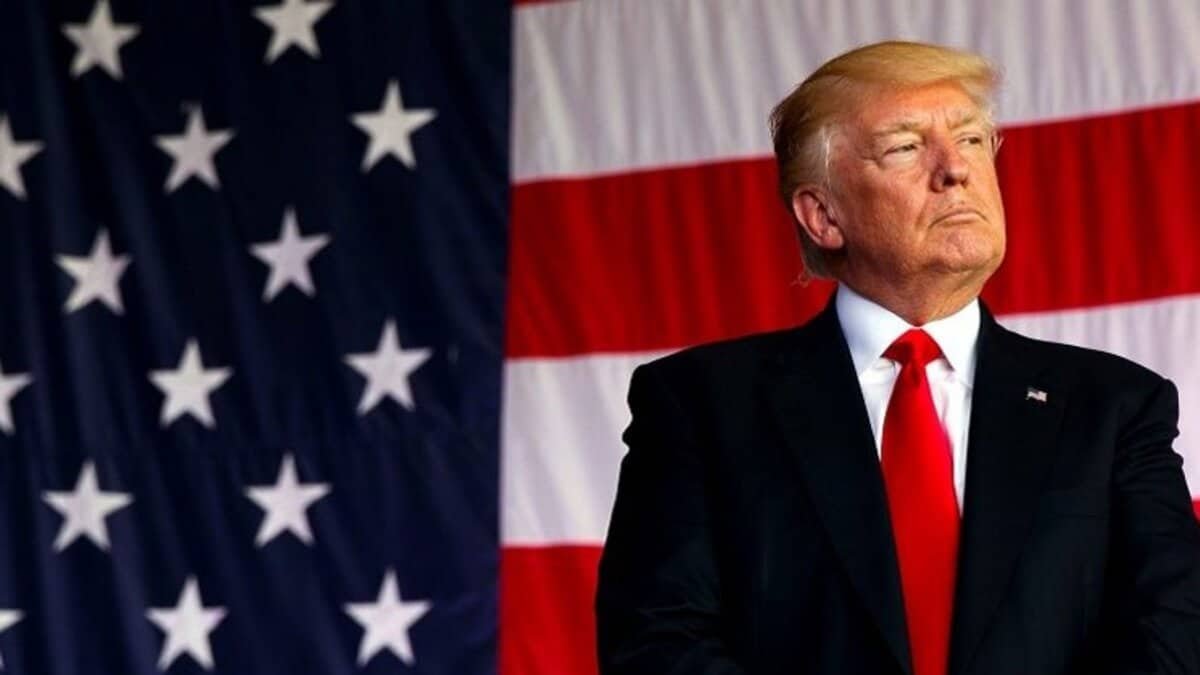
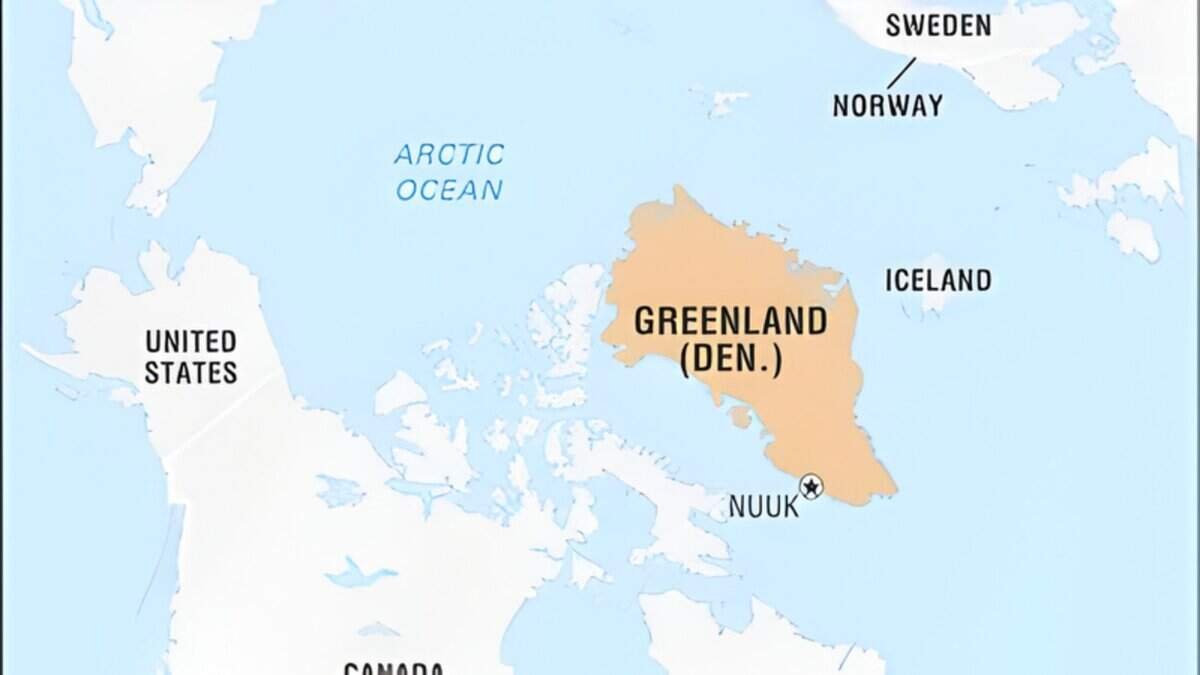
Greenland: President Donald Trump said Saturday, January 17, that he would charge a 10 per cent import tax starting in February on goods from eight European nations because of their opposition to American control of Greenland.
Trump said in a social media post that Denmark, Norway, Sweden, France, Germany, the United Kingdom, the Netherlands, and Finland would face the tariff and that it would climb to 25 per cent on June 1 if a deal is not in place for “the Complete and Total purchase of Greenland” by the United States.
The threat of tariffs was a drastic and potentially dangerous escalation of a showdown between Trump and NATO allies, further straining an alliance that dates to 1949 and provides a collective degree of security to Europe and North America.
The Republican president has repeatedly tried to use trade penalties to bend allies and rivals alike to his will, generating investment commitments from some nations and pushback from others such as China, Brazil and India.
It was unclear how Trump could impose the tariffs under US law, though he could cite economic emergency powers that are currently subject to a US Supreme Court challenge.
Trump said in his Truth Social post that his tariffs were retaliation for recent trips to Greenland by representatives from Britain, the Netherlands and Finland and for general opposition to his efforts to purchase the semiautonomous territory of NATO ally Denmark.
He has Greenland is essential for the “Golden Dome” missile defence system for the US, and has argued that Russia and China might try to take over the island.
Resistance has steadily built in Europe to Trump’s ambitions, even as several countries on the continent agreed to his 15 per cent tariffs last year in order to preserve an economic and security relationship with Washington.