










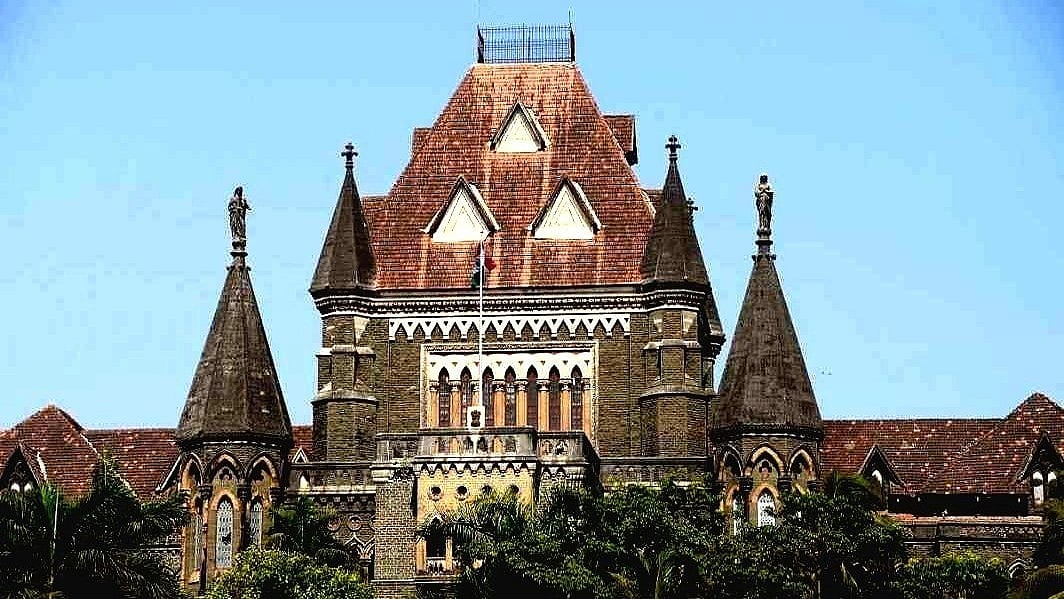
Bombay High Court ruling clears the way for revised reservation rotation in upcoming local body polls | File Photo
Mumbai, Feb 14: The Bombay High Court has upheld Maharashtra’s reservation and rotation policy for Scheduled Castes (SC) and Scheduled Tribes (ST) in local body elections, dismissing a batch of petitions that challenged ward delimitation and a rule treating the upcoming polls as the starting point of a new reservation cycle.
The petitions were filed after the local bodies’ elections across the state were announced. However, the High Court heard the petitions last month and reserved it for orders. The judgment was pronounced on Friday.
Challenge to Rule XII rejected
A bench of Chief Justice Shree Chandrashekhar and Justice Gautam Ankhad ruled that the challenge to Rule XII of the Maharashtra Zilla Parishads and Panchayat Samitis (Manner and Rotation of Reservation of Seats) Rules, 2025 was legally unsustainable. The rule treats the upcoming elections as the first cycle for rotating reserved seats.
Several petitioners claimed their objections to ward boundaries were ignored and argued that restarting the rotation cycle would unfairly repeat reservations in some constituencies. According to them, once a ward benefits from reservation, it should not be reserved again until others get a chance.
The State defended the framework, saying changes in population and ward boundaries required a fresh system to ensure fair representation.
Court’s observations on reservation framework
Focusing on the SC/ST reservation policy, the court said the Constitution clearly mandates reservation for historically underrepresented communities to promote equality in grassroots democracy. However, it noted that the method of rotation is not rigid and must account for practical realities such as delimitation.
“The Constitution… gives a mandate to the State to accord special treatment to underrepresented communities,” the bench observed, describing reservation as an important tool of social justice.
The judges said some overlap in reserved seats may occur when boundaries or population patterns change, and such repetition does not automatically violate constitutional principles.
Emphasising harmonious interpretation of the rules, the court said laws must be read in a way that makes them workable and supports their purpose. It added that the right to contest elections is regulated by statute and cannot override a valid reservation framework.
Petitions dismissed
Stressing that timely local body elections are vital for effective self-governance, the bench concluded that the petitions lacked merit and dismissed them, allowing the revised SC/ST reservation rotation policy to proceed.
Also Watch:
“It is established with ample measure that the challenge made by the petitioners to Rule XII of the Rotation of Reservation Rules, 2025 has no foundation in law. Holding of elections for the Zilla Parishads, Panchayat Samitis etc. is necessary for effectuating the objective of self-governance. The individual’s right to franchise and right to contest the elections are not unfettered rights and are regulated under the statutory provisions,” the bench noted in its detailed 55-page judgment, while dismissing the petitions.
To get details on exclusive and budget-friendly property deals in Mumbai & surrounding regions, do visit: https://budgetproperties.in/


