










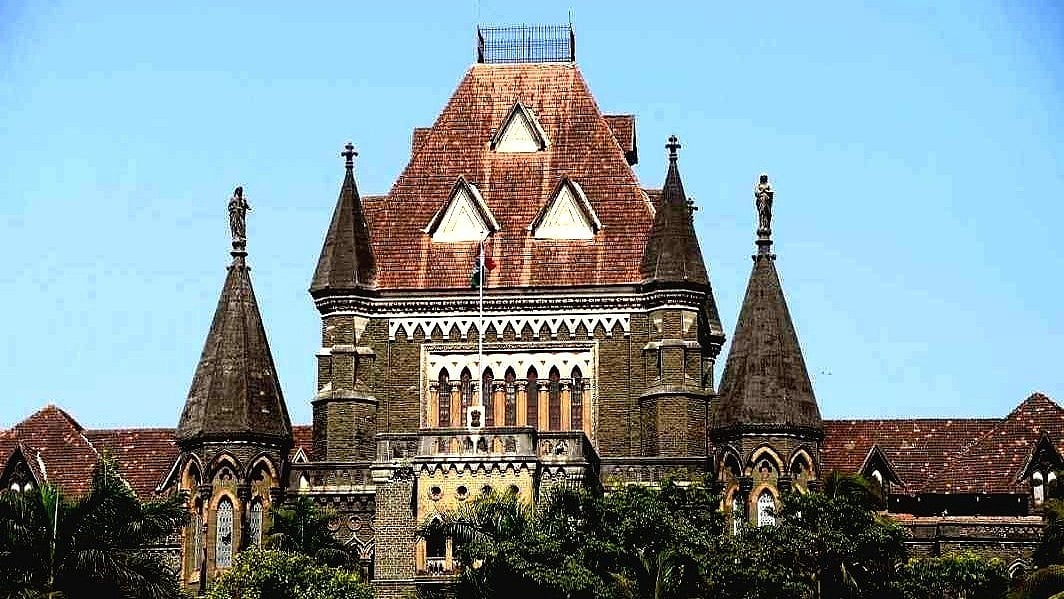
Bombay High Court directs MHADA to resolve transit rent complaints within a fixed timeframe in redevelopment projects | File Photo
Mumbai, Jan 02: After addressing long-pending complaints of non-payment of transit rent in Slum Rehabilitation Authority (SRA) projects, the Bombay High Court has now laid down a strict, time-bound mechanism for resolving similar disputes in redevelopment projects undertaken by the Maharashtra Housing and Area Development Authority (MHADA).
Complaints to be resolved within fixed timelines
A bench of Justices Girish Kulkarni and Aarti Sathe recently directed MHADA to ensure expeditious redressal of complaints relating to transit rent, warning that lack of cooperation by any stakeholder could invite “drastic orders” under law.
The bench directed that complaints be filed within two weeks and resolved within 15 days, extendable by another 15 days, with priority to senior citizens and seriously ill applicants. Following the outcome, petitioners have liberty to pursue further remedies in law, the court added.
Over 67 petitions highlight recurring grievances
The court was hearing over 67 petitions filed by displaced slum dwellers alleging that developers had failed to pay transit rent for more than two years.
The bench noted that over 100 similar petitions are pending, involving recurring grievances such as delayed or denied transit rent, refusal to allot permanent rehabilitation tenements to eligible beneficiaries, and illegal occupation of redeveloped flats meant for slum dwellers. These issues arise in projects undertaken by both MHADA and the SRA.
Earlier SRA measures noted
The Free Press Journal had, on December 24, reported the constitution of three special cells by the SRA to address disputes relating to non-payment of transit rent, denial of alternate accommodation and illegal occupation of permanent tenements.
MHADA explains its statutory role
MHADA, in an affidavit filed on December 24, explained the mechanism adopted by the Mumbai Building Repairs and Reconstruction Board to deal with transit rent disputes arising from redevelopment under the Development Control and Promotion Regulations Rule 33(7).
It clarified that such redevelopment is carried out on the joint consent of landlords and tenants, with developers chosen by majority consent, and that MHADA’s statutory role is limited.
Types of disputes and remedial measures outlined
The affidavit categorised disputes into several types, including non-payment or delayed payment of transit rent, disputes over quantum and interest, denial of annual escalation, arrears for the Covid period, issues following a change of developer, tenancy disputes and claims by legal heirs.
MHADA outlined remedial steps such as issuance of show-cause notices, joint hearings and speaking orders directing developers or owners to clear arrears. In appropriate cases, it may issue stop-work notices, initiate proceedings under the MHAD Act, lodge FIRs for criminal breach of trust, cancel no objection certificates (NOCs) or even initiate acquisition of the property.
Caution against routine cancellation of NOCs
However, MHADA cautioned that routine cancellation of NOCs could derail redevelopment, as incoming developers are often unwilling to take on rent arrears, affecting project viability. Hence, mediation is adopted in most cases to ensure completion of redevelopment and tenant rehabilitation.
Also Watch:
Court appreciates recent MHADA initiatives
Recording its appreciation of MHADA’s approach, the court noted recent measures, including authorising four deputy chief engineers to adjudicate complaints zone-wise, creation of an online grievance portal and a directive to dispose of all pending complaints by March 31, 2026.
To get details on exclusive and budget-friendly property deals in Mumbai & surrounding regions, do visit: https://budgetproperties.in/


