Nick Schifrin:
An official familiar tells me that not only will they discuss the cease-fire, but they will discuss the day after the war in Gaza. And, of course, the challenge there is immense. The U.N. estimates some 90 percent-plus of residential buildings have been damaged or destroyed and 1.9 million people — that’s more than 90 percent of the population — have been displaced.
We also have seen Israeli strikes continue just overnight. Palestinians say a strike on a clinic sheltering the displaced in Gaza City, you see the aftermath there, killed at least six. The Israeli military says in total it struck about 130 sites related to Hamas just in the last few days.
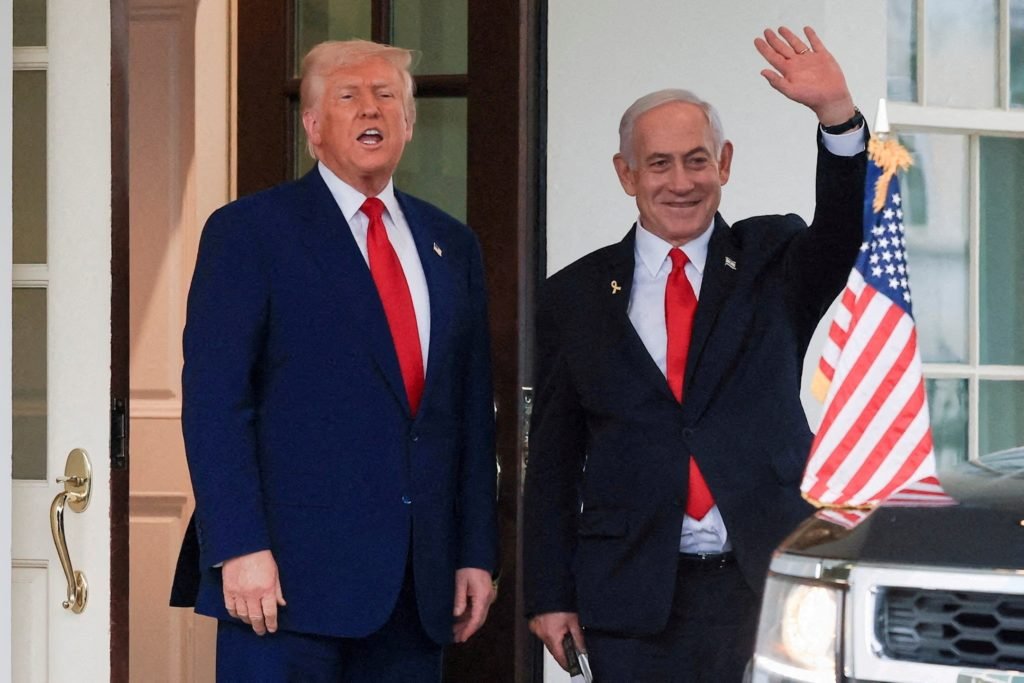
And an official familiar tells me that on the one hand President Trump knows that in order to make progress on one of the key priorities that he has in the region, normalization agreements with Israel, Abraham Accords, that he needs to have the end of the war and some kind of day-after plan.
Netanyahu, though, has not articulated a plan, at least publicly, beyond destroying Hamas militarily, nor has he indicated a willingness to take the steps that Saudi Arabia is demanding he take in order to have those normalization talks, which is steps toward a Palestinian state. And a U.S. official who’s skeptical of this deal does say there is no-day after plan and the war could very well resume.
However, other officials, including another U.S. official and a regional senior official, tell me that, no, Israel in private has indicated it’s willing to take the steps that in public people are demanding it make and that it’s up to President Trump at this point to decide how much pressure to put on Netanyahu in order to make these next steps.
Lastly, Amna, quickly, they will talk about Iran, of course, Netanyahu reiterating his concerns about diplomacy with Iran.
Leave a Reply