
The introduction of a new penal code by Taliban-ruled Afghanistan regarding domestic violence has focused attention on verse 4:34 (Surah An-Nisa) of the Koran, which religious experts say offers the definition of hierarchy between men and women. | X
Mumbai: The introduction of a new penal code by Taliban-ruled Afghanistan regarding domestic violence has focused attention on verse 4:34 (Surah An-Nisa) of the Koran, which religious experts say offers the definition of hierarchy between men and women.
No Broken Bones, No Open Wounds
The penal code, signed by the Taliban’s supreme leader Hibatullah Akhundzada, allows husbands to physically punish their wives and children, provided it does not cause “broken bones or open wounds.”
This new code replaces the 2009 Law on Elimination of Violence Against Women (EVAW), which was introduced by the previous US-backed government. The shift has created a furore among human rights activists. Reem Alsalem, the United Nations Special Rapporteur on violence against women and girls, commented on X: “The implications of this latest code for women and girls is simply terrifying.” Afghan communities living in exile have called upon the United Nations and other international bodies to use all legal methods to stop the implementation of the law.
Dr Shamsuddin Tamboli |
Indian Activists Ask Ulema to Condemn Taliban’s Interpretation
In India, women’s rights activists have asked the Indian ulema (religious scholars) to condemn the move. Zakia Soman, a founder member of Bharatiya Muslim Mahila Andolan—which recently released a study stating that 87% of married Muslim women want polygamy to be criminalised—questioned how a faith that describes itself as a religion of peace can support the beating of wives.
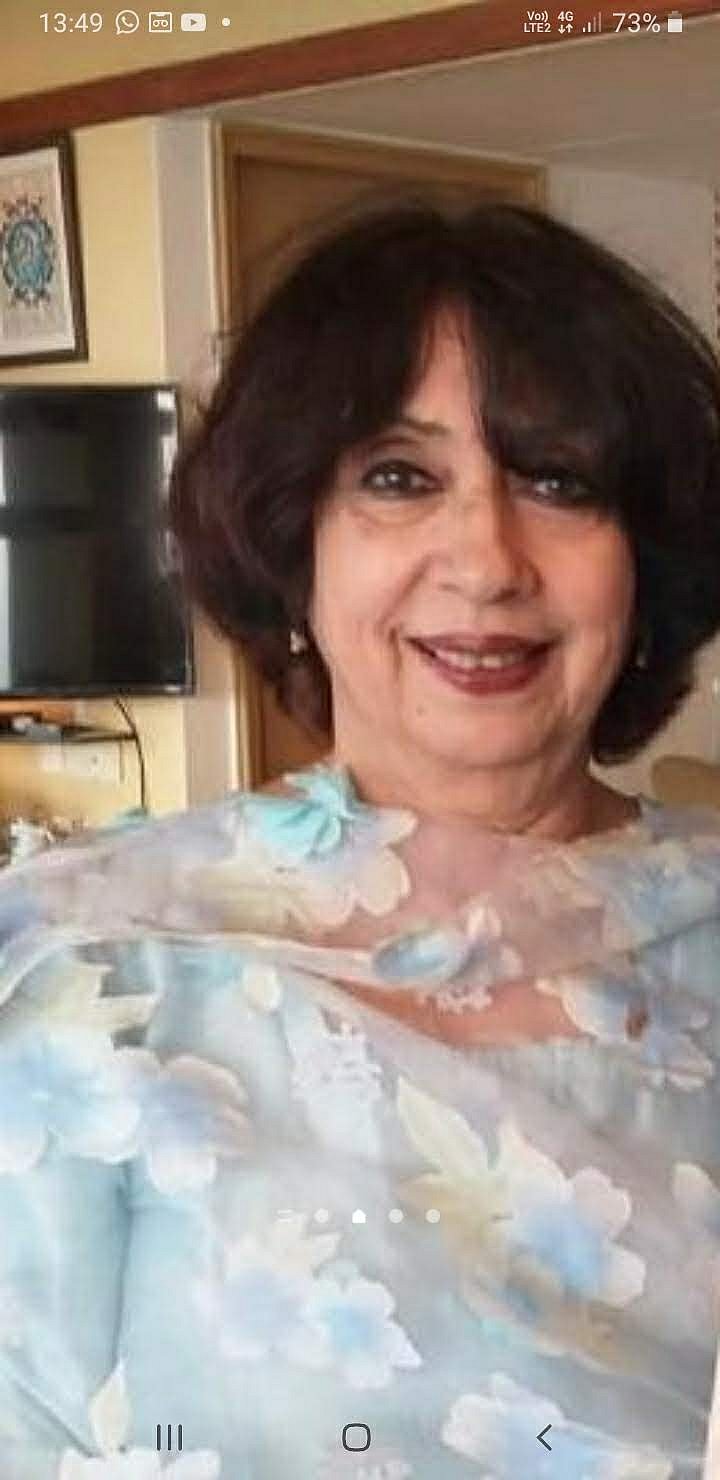
Zeenat Shaukat Ali |
”It is a matter of interpretation. How you interpret the religious book depends on where you come from. The Taliban’s interpretation is way off the mark. By interpreting it in a misogynistic way, they make a mockery of Islam. It is not an exaggeration to say that the law is untenable and makes them a laughing stock,” said Soman who added that everyone who believes in a fair and just system should condemn the Afghan law. “Muslims came out in support of Palestine; they should come and protest against this law.”
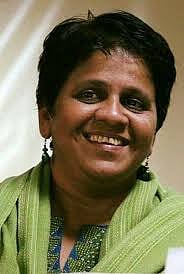
Hasina Khan |
Religion Interpreted Through Politics Becomes a Source of Violence
Hasina Khan from Bebaak Collective, a women’s rights advocacy group, said the law in Afghanistan is an example of how religion—an idea meant to bring peace and development to a community—is interpreted through politics. “The Koran has been interpreted over the centuries, and the changes depend on who holds political power in society. Islam says women have to be respected, so how can you justify discrimination against women by quoting the Koran?” asked Khan.
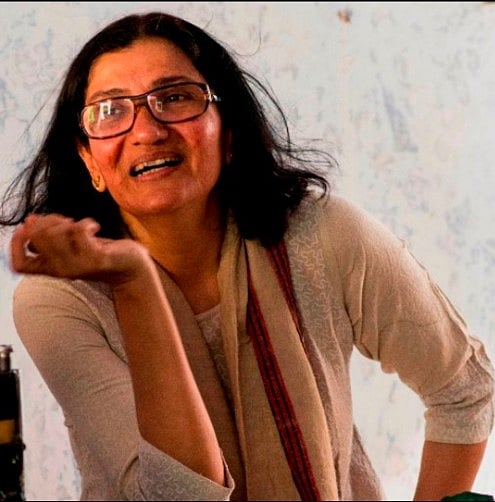
Zakia Soman |
Maulana Yasoob Abbas, a member of the All India Shia Personal Law Board, echoed Khan’s views. “We follow the law of the prophet of Islam and his daughter, Fatima, who looked at men and women as equals. There is no law that says a man can beat his wife,” said Abbas.
According to Dr Shamsuddin Tamboli, president of the Muslim Satyashodak Mandal, Islam was founded at a time when women in Arabia were not treated as humans. “Female infants were buried alive. Islam gave equality to women, but Muslims have taken away that right,” said Tamboli, noting that customs like triple talaq and halala have already been abolished in several countries.
The Core Debate: Does ‘Idribuhunna’ Mean ‘Strike’ or ‘Explain’?
Scholars suggest the misinterpretation stems from the word idribuhunna, meaning “strike them,” used in the context of domestic discord. There is a sharp divide between traditional interpretations, which stress female obedience and male authority, and modern interpretations that focus on men’s financial duties and their limited power over their wives. The latter view insists that the Koran views marriage as a contract between two equals.
An interpretation by the scholar Shaykh Hamza Yusuf emphasises mutual responsibility. He argues that the verses were revealed to curtail and eventually eliminate domestic violence, rather than to license it.
Zeenat Shaukat Ali, author and Director General of the Wisdom Foundation, said the word is difficult to translate and has several meanings. “It can be used to mean ‘speak to them’ or ‘explain to them’, and is used in the context of both men and women. Around 33 scholars I spoke to agreed with this interpretation,” said Ali. “The Taliban is tribal and ignorant. There are more than 800 mentions of ilm (education) in the Koran, the second most used word after Allah. Yet, they have banned education for women.”
Gujarat High Court Example
Khan noted that in India, too, politics has dictated how the law interprets domestic violence. She pointed to a recent order from the Gujarat High Court which acquitted a husband accused of cruelty and abetment to suicide after 23 years. The court observed that “one incident” of a husband slapping his wife because she stayed overnight at her parental home without informing him did not amount to cruelty under Section 498A of the IPC.
”As a feminist, I condemn the Taliban law as anti-humanitarian and anti-democratic. When religion is interpreted by politics, it becomes a source of violence,” said Khan.
Verse 4:34
”Men are qawwamun in relation to women, according to what God has favoured some over others and according to what they spend from their wealth. Righteous women are qanitat, guarding the unseen according to what God has guarded. Those [women] whose nushuz you fear, admonish them, and abandon them in bed, and strike them. If they obey you, do not pursue a strategy against them.”
Leave a Reply