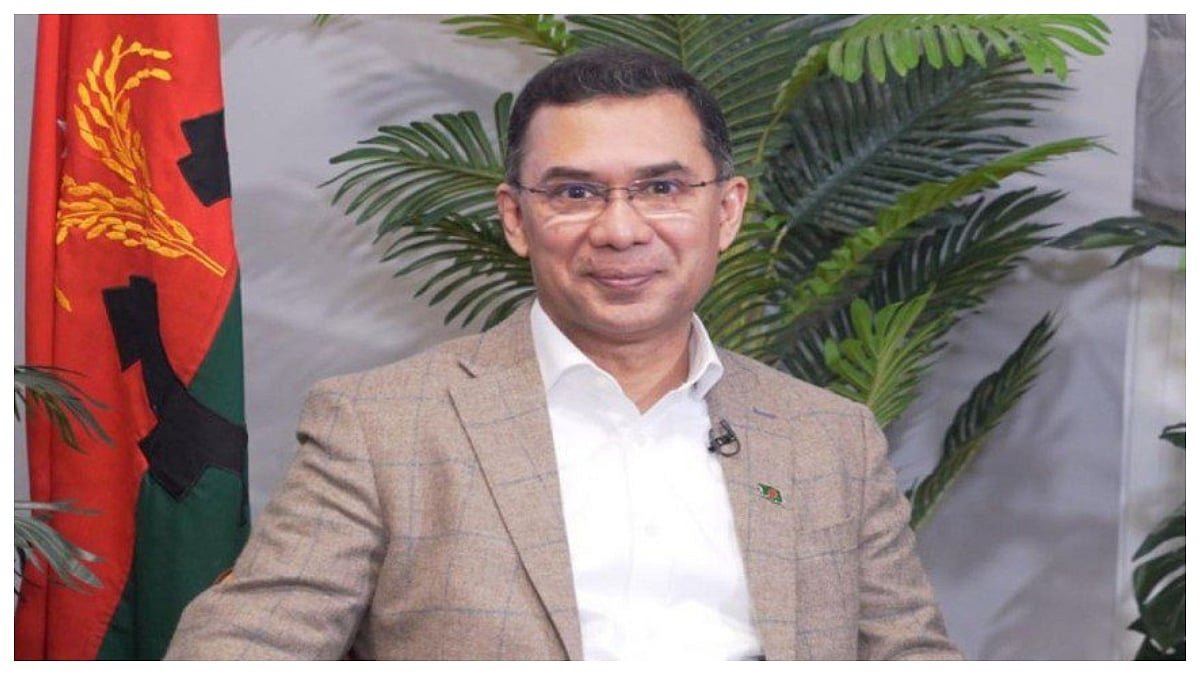
The Bangladesh Nationalist Party (BNP) on Tuesday finalised its ministerial lineup for the new government, appointing 25 ministers and 24 state ministers to lead the country after a historic landslide victory in the 2026 general elections.
Under the leadership of Party Chairman and Prime Minister-elect Tarique Rahman, the proposed cabinet reflects a strategic blend of veteran party loyalists, technocrats and young nationalist leaders. The appointments follow the first free and fair elections held since the 2024 uprising, signalling a definitive shift in the nation’s political landscape.
Old guard form core ministry
The ministerial list is dominated by senior figures who have been central to the BNP’s survival over the last two decades.
The 25 nominees for ministerial positions are: Mirza Fakhrul Islam Alamgir, Amir Khoshru Mahmud Chowdhury, Salahuddin Ahmed, Iqbal Hasan Mahmud, Maj (retd) Hafiz Uddin Ahmed Bir Bikram, Abu Jafar Md Zahid Hossain, Dr. Khalilur Rahman (Technocrat), Abdul Awal Mintoo, Kazi Shah Mofazzal Hossain Kaikobad, Mizanur Rahman Minu, Nitai Roy Chowdhury, Khandaker Abdul Muktadir, Ariful Haque Chowdhury, Zahir Uddin Swapon, Mohammad Amin Ur Rashid (Technocrat), Afroza Khanam Rita, Shahid Uddin Chowdhury Annie, Asadul Habib Dulu, Md. Asaduzzaman, Zakaria Taher, Dipen Dewan, ANM Ehsanul Hoque Milon, Sardar Md. Sakhawat Hossain, Fakir Mahbub Anam and Sheikh Rabiul Alam.
These appointments bring back the experienced core of the party, though several figures remain under close international scrutiny due to their historical nationalist stances.
Youth leaders inducted as state ministers
In a move to integrate the energy of the youth-led 2024 uprising, the state minister nominees include prominent figures from various political backgrounds and protest movements.
The 24 nominees for state minister positions are: M Rashiduzzaman Millat, Anindya Islam Amit, Md. Shariful Alam, Shama Obaed Islam, Sultan Salahuddin Tuku, Barrister Kaiser Kamal, Farhad Hossain Azad, Md. Aminul Haq (Technocrat), Mir Mohammad Helal Uddin, Habibur Rashid, Md. Rajib Ahsan, Md. Abdul Bari, Mir Shahe Alam, Zonayed Abdur Rahim Saki (widely known as Zonayed Saki), Ishraque Hossain, Farzana Sharmin, Shaikh Faridul Islam, Nurul Haque Nur, Yasser Khan Chowdhury, M Iqbal Hossain, MA Muhith, Ahammad Sohel Manjur, Bobby Hajjaj and Ali Newaz Mahmud Khaiyam.
Their inclusion is seen as a strategic attempt by Tarique Rahman to maintain the coalition of forces that ended the previous regime’s long tenure.
India hawks find place in ministry
The composition of the cabinet is being viewed through a sharp geopolitical lens, particularly in New Delhi.
While Tarique Rahman has adopted a more moderate “Bangladesh First” diplomatic tone in 2026, several appointees are historically regarded as anti-India “hawks.”
Figures such as Salahuddin Ahmed and Maj (retd) Hafiz Uddin Ahmed have been vocal critics of Indian border policies and water-sharing agreements, with the latter recently alleging that India “does not accept Bangladesh’s sovereignty.”
Furthermore, the inclusion of state ministers like Nurul Haque Nur and Zonayed Saki—who rose to prominence during the 2024 uprising—signals a shift toward a more assertive nationalist stance. These leaders have frequently led “India Out” campaigns and protested against perceived Indian interference in Bangladeshi domestic politics, presenting a significant challenge for a Delhi-Dhaka reset.
Technocrats appointed to tackle economic challenges
To address the country’s pressing economic issues and manage international relations, Tarique Rahman has utilised his quota to appoint specialised technocrats.
Khalilur Rahman and Mohammad Amin Ur Rashid enter the senior cabinet, while Md. Aminul Haq joins as a state minister. These professionals are expected to lead crucial ministries such as finance, foreign affairs, or energy, where the party seeks to implement its “Vision 2030” and “31-Point Reform Plan.”
By balancing political veterans with specialised experts, the new administration aims to reassure both domestic markets and international investors of its capacity for stable, transparent governance.
Diplomatic balancing act
The newly formed cabinet faces the immediate task of wading through a complex regional geopolitics. While Prime Minister Narendra Modi was among the first to congratulate Rahman, the deep-seated mistrust between the BNP and the BJP-led Indian government remains a primary hurdle. The presence of hardliners within the cabinet suggests that the “Golden Era” of Indo-Bangla ties under the previous regime has definitively ended.
Issues such as the extradition of former PM Sheikh Hasina from India and the “border killing” incidents are expected to be front and centre as the new administration attempts to balance democratic reforms with a firm “Friend Yes, Master No” foreign policy.
Leave a Reply