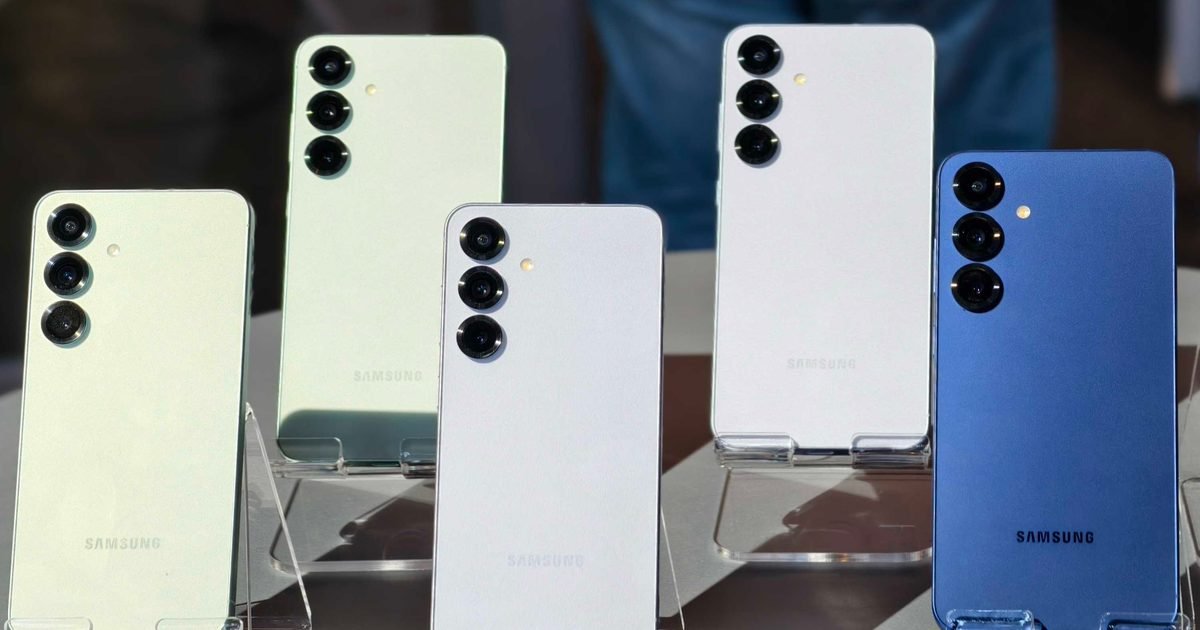
I’ve been covering developments related to the ongoing memory crisis for months now, but this update is unlike anything I’ve ever seen before. Apparently, the Galaxy S26 Ultra, the best in Samsung’s upcoming lineup, could cost less than the Galaxy S25 Ultra.
The claim comes from tipster Roland Quandt (via a post on BlueSky Social). He claims that the entry- and mid-level variants of the Galaxy S26 Ultra, with 256GB and 512GB storage, respectively, could be €100 cheaper at launch.
Galaxy S26 Ultra pricing could drop for lower storage tiers
If that happens, the Galaxy S26 Ultra (256GB) variant could cost €1,369 (down from £1,469), while the Galaxy S26 Ultra (512GB) could cost £1,490 (down from £1,590. However, the 1TB variant could cost the same as last year: £1,849.
If the Ultra is getting cheaper, one would also expect the Galaxy S26 and the Galaxy S26 Plus to get a price cut. However, that might be the case. The non-Ultra models could retain their launch prices, which sounds odd at first, but makes sense when you count in the lower margins on these models.
Further, a recent rumor suggested that Samsung would bump up the base storage on the non-Ultra models to 256GB.
The tipster also claims that Samsung won’t offer any free pre-order storage upgrades this year, and there’s a good chance that’s true, especially if the company decides against raising prices for the Galaxy S26 handsets.
Don’t expect any free storage upgrades this time
Remember, Samsung is one of the largest producers of DRAM modules globally, so it should be in a better position than the rest of the smartphone makers.
Leveraging its unique position, the company might have decided to absorb most of the higher component costs to gain a larger share of the global smartphone market.
And if that’s the case, Samsung should also follow a similar trend in other key markets, including the United States and India. However, I’d still take this information with a pinch of salt unless more industry sources corroborate it.
Leave a Reply